
“Picture this: you're walking through a gallery and suddenly everything feels like it came straight from ancient Greece or Rome.”
Marble-white figures strike heroic poses, togas drape in perfectly carved folds, and everyone looks impossibly noble and serious. That's Neoclassicism, and it swept through Europe and America like a cultural tidal wave starting in the 1750s.
This movement was basically the 18th century's version of throwing it back to the classics. After decades of Rococo art—all those pastel colors, frilly decorations, and scenes of aristocrats having lavish garden parties—artists and thinkers said "enough!" They wanted to return to what they saw as the pure, rational ideals of ancient Greek and Roman art. The discovery of Pompeii in 1748 didn't hurt either; suddenly everyone was obsessed with archaeological accuracy and classical perfection. Artists like Jacques-Louis David in France became superstars by painting scenes of ancient heroes making impossible moral choices, all rendered with crisp lines and dramatic lighting.
What makes Neoclassical art so distinctive is its almost stern commitment to order, clarity, and virtue. These aren't paintings that whisper—they declare. The subjects are usually drawn from classical mythology, ancient history, or literature, and they're meant to teach moral lessons about duty, sacrifice, and civic responsibility. Think less "let's have a champagne picnic" and more "let's die nobly for the republic." The style perfectly matched the revolutionary spirit of the age, which is why you'll see it dominating during the American and French Revolutions. It's art that wants you to be a better citizen.
- Period
- c. 1750–1850
- Peak
- around 1785
- Born in
- Rome, Italy
- Key artists
- Jacques-Louis David, Jean-Auguste-Dominique Ingres, Leo von Klenze
- Came before
- Rococo
- Came after
- Romanticism
When it happened
- CAME BEFORERococo
- ~1750 · STARTED
- ~1785 · PEAKED
- ~1850 · ENDED
- CAME AFTERRomanticism
What makes it Neoclassicism
Crisp Outlines & Smooth Surfaces
Sharp, clean lines define every form. Brushstrokes almost disappear—the surface looks polished like marble.
e.g. Oath of the Horatii by Jacques-Louis DavidClassical Poses & Frozen Drama
Figures strike theatrical, statue-like poses. Bodies are idealized, often shown at peak moments of moral choice.
e.g. The Death of Marat by Jacques-Louis DavidRestrained Color Palette
Earth tones, whites, and muted colors dominate. No frivolous pastels—this is serious business.
e.g. Grande Odalisque by Jean-Auguste-Dominique IngresAncient Settings & Togas Everywhere
Greek temples, Roman columns, and lots of draped fabric. Archaeological accuracy matters here.
e.g. Cornelia, Mother of the Gracchi by Angelica KauffmanShallow Space & Staged Compositions
Figures arranged like actors on a stage, often in a flat, frieze-like arrangement parallel to the picture plane.
e.g. The Intervention of the Sabine Women by Jacques-Louis DavidHow to spot Neoclassicism
Three signs you’re standing in front of one — all easy to see in Portrait of François Buron.
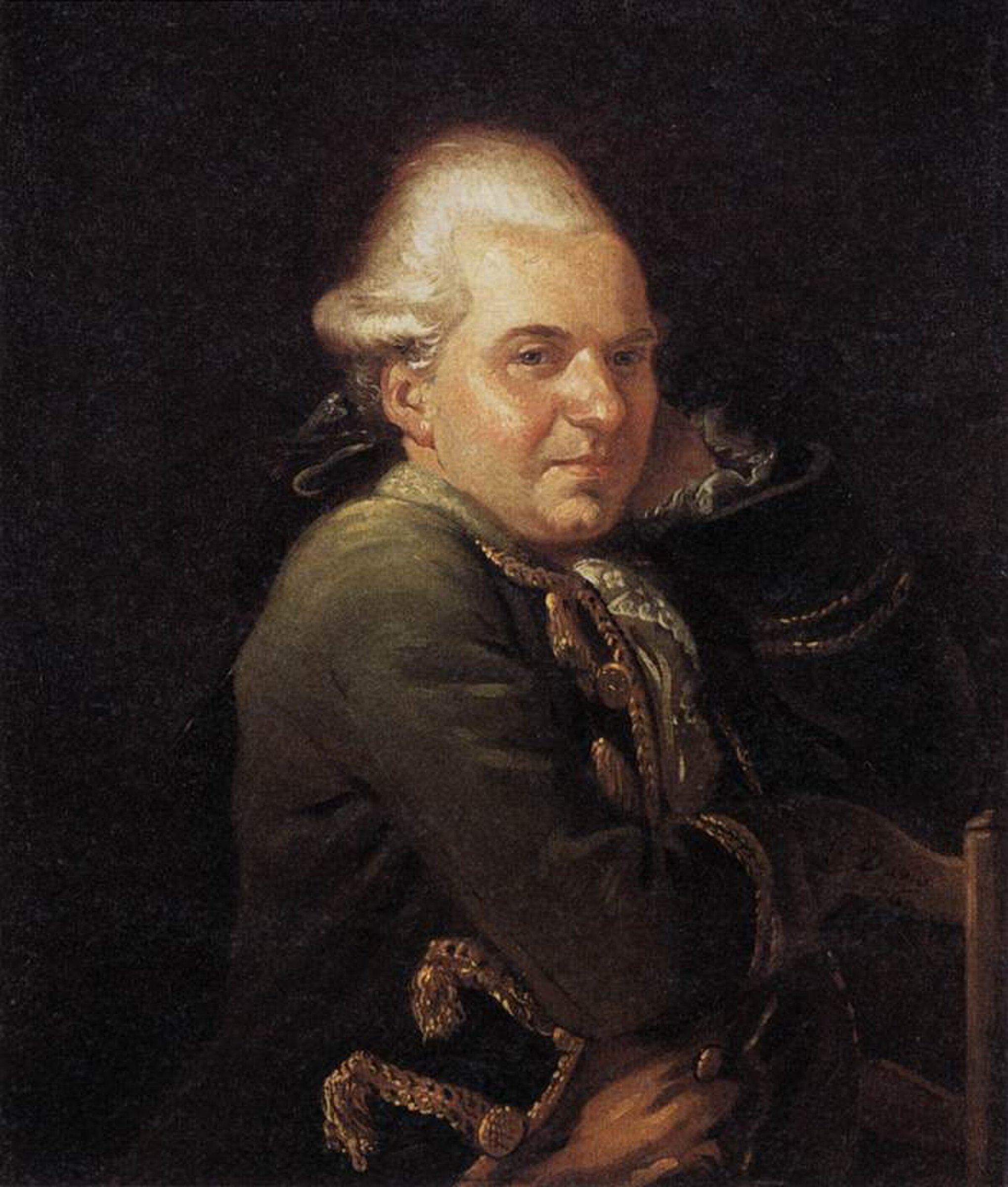
Look for that marble-statue quality: smooth surfaces, crisp edges, and figures that could be ancient sculptures come to life.
Check the color scheme—if it's all earth tones and noble restraint rather than playful pastels, you're likely looking at Neoclassicism.
Spot the togas and columns! Ancient Roman or Greek settings are a dead giveaway, especially with theatrical, frozen-in-time drama.
Napoleon was obsessed with Neoclassicism and hired David as his official painter—talk about state-sponsored art propaganda!
The White House and US Capitol were designed in Neoclassical style because founders wanted America associated with ancient democracy.
Many Neoclassical sculptures were painted white, but ancient Greek statues were actually brightly colored—they got that detail wrong!
The artists who defined it
Works to know
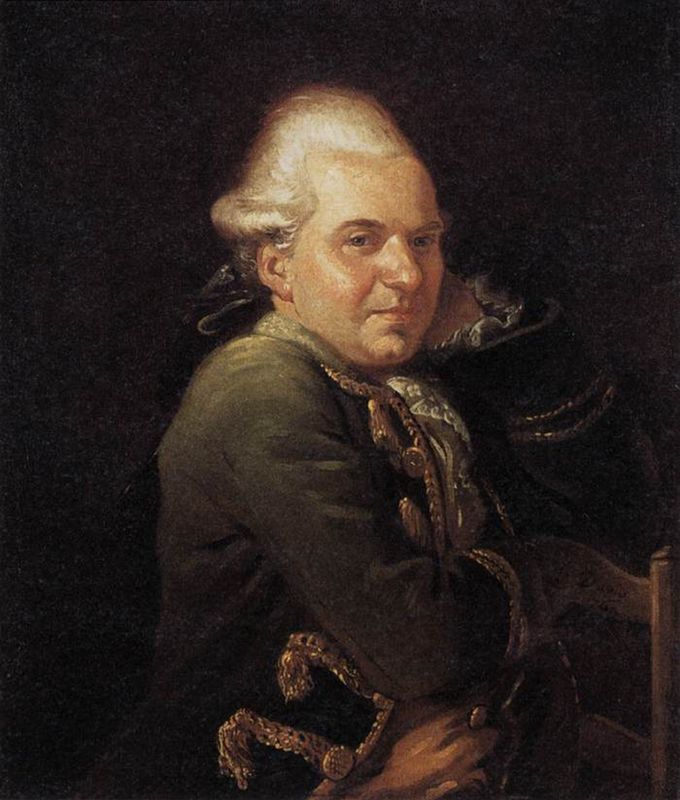 Portrait of François Buron
1769
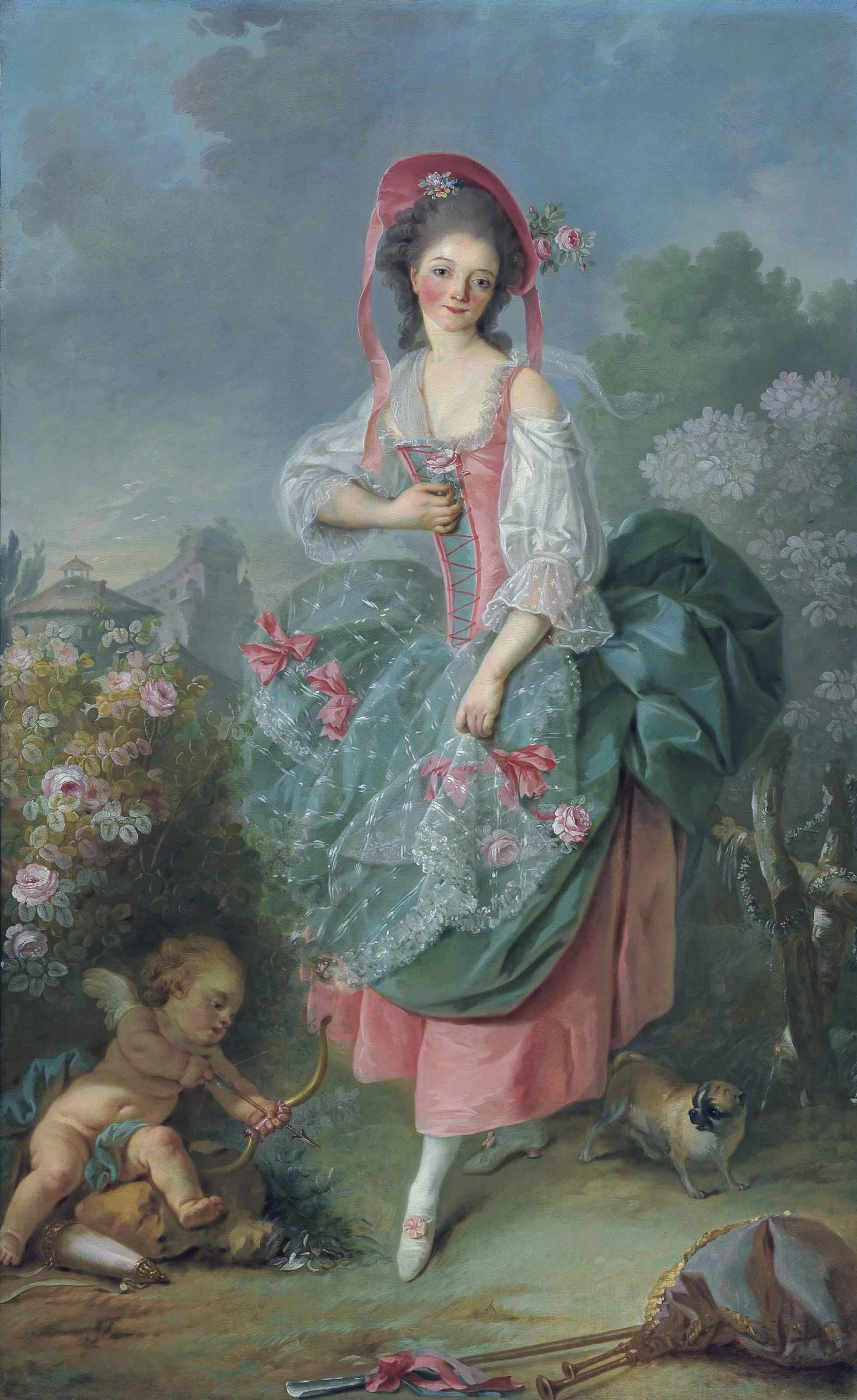
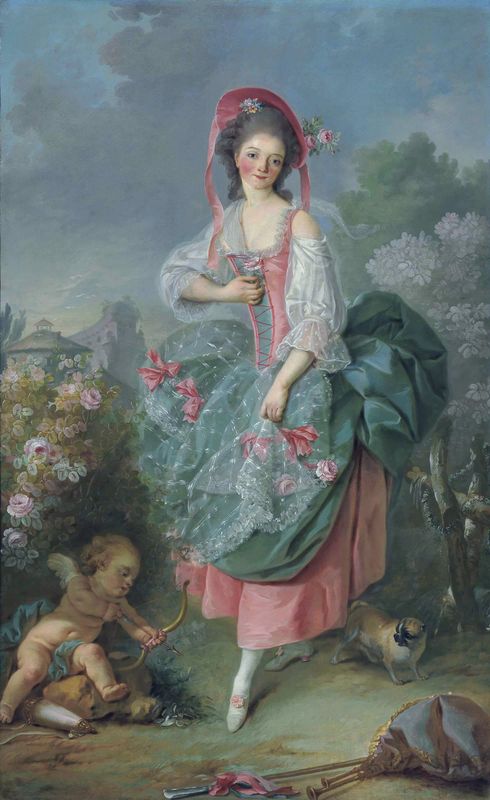 Mademoiselle Guimard as Terpsichore
1773
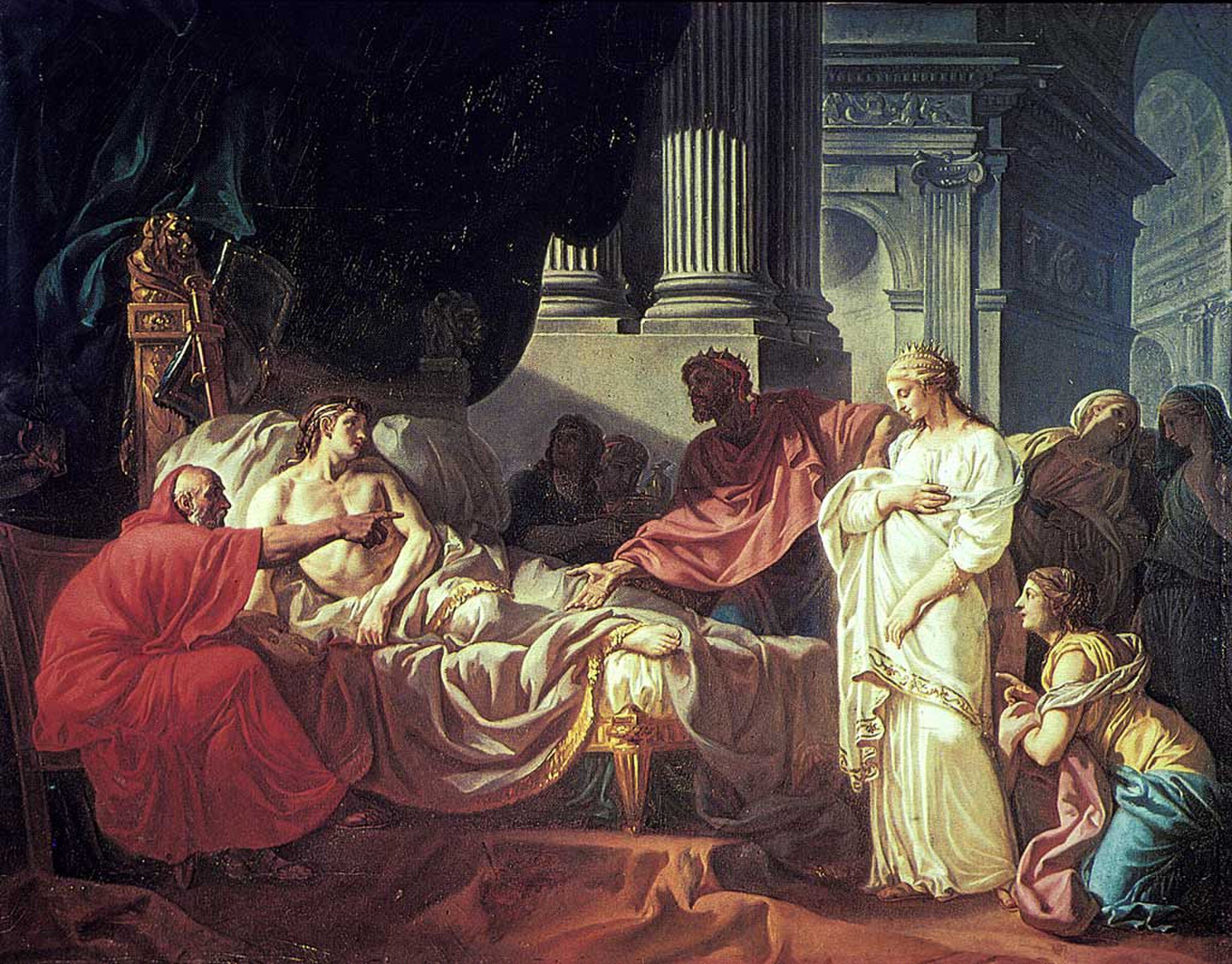
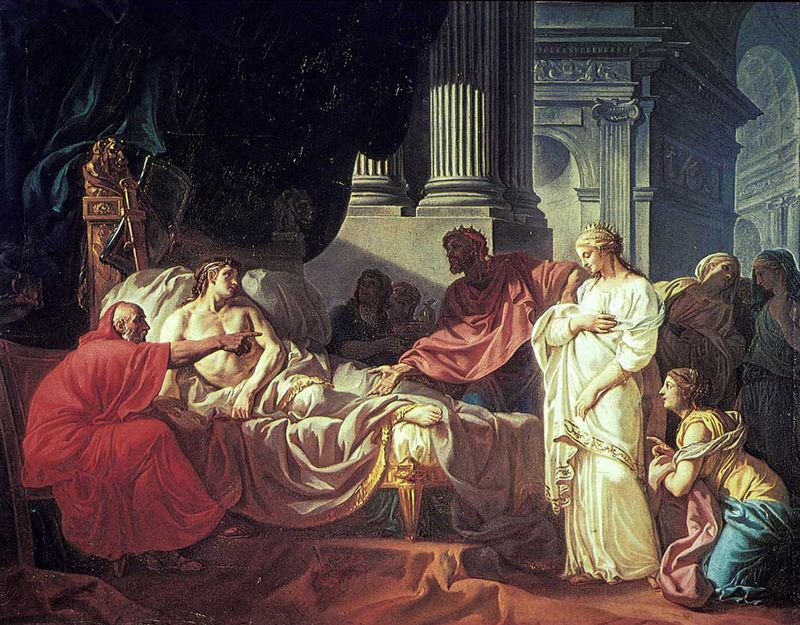 Erasistratus Discovering the Cause of Antiochus' Disease
1774 · Beaux-Arts de Paris
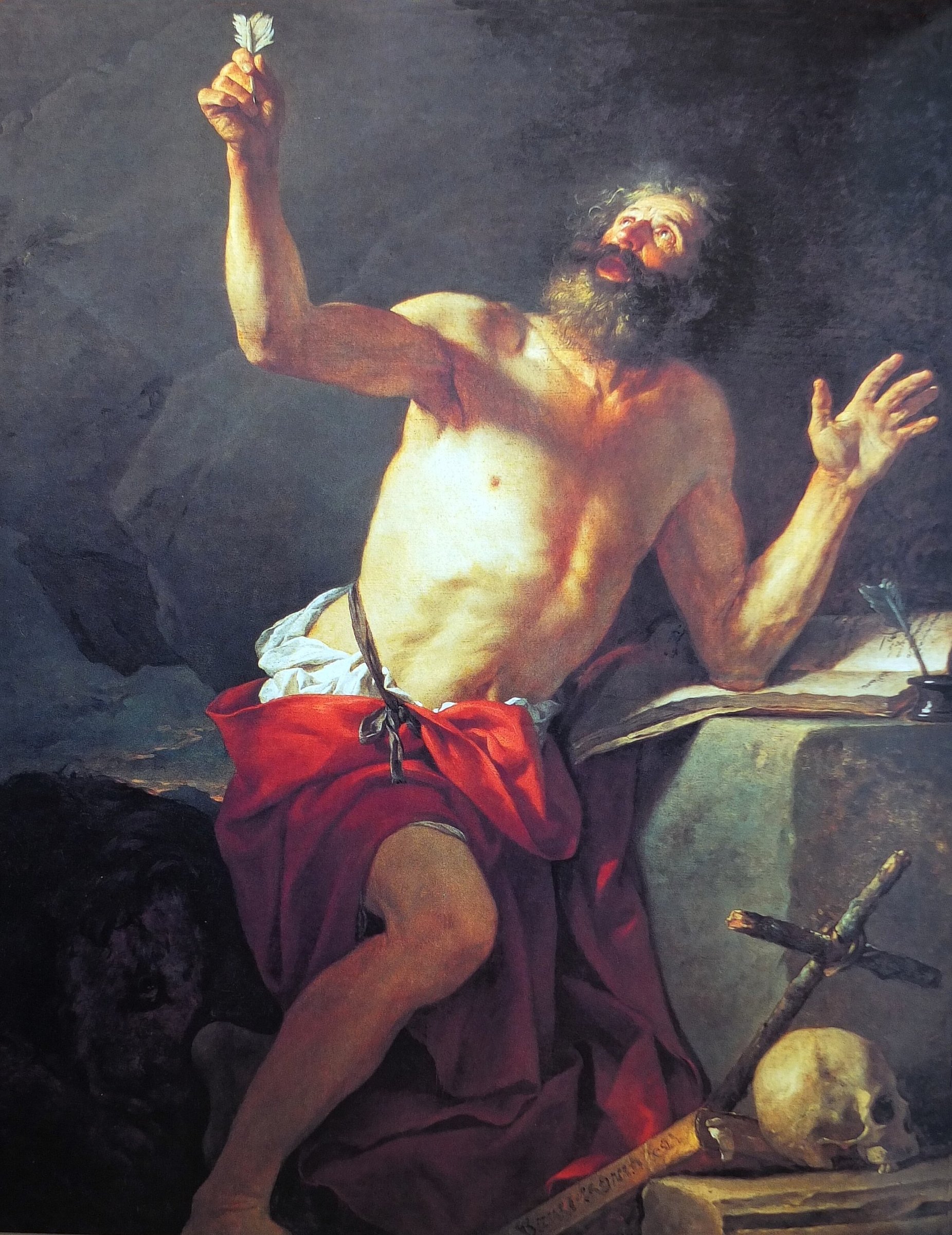
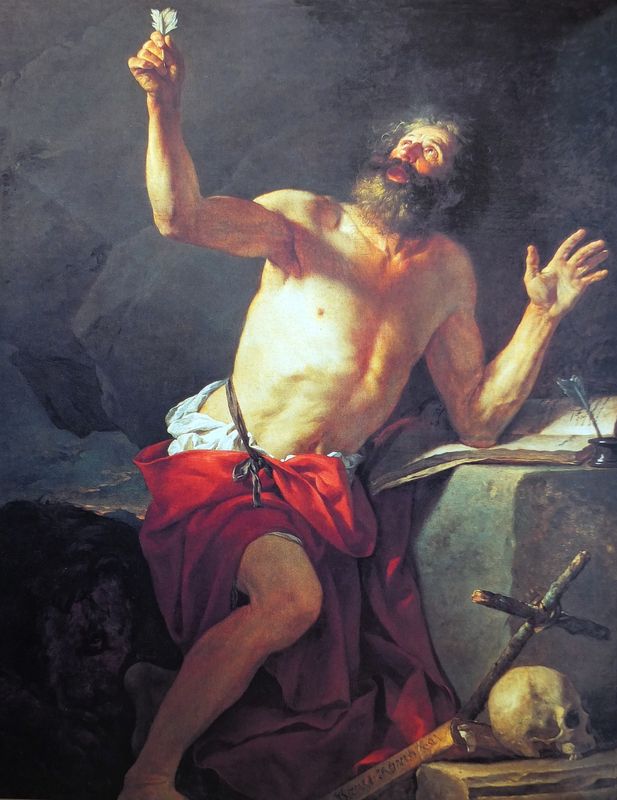 Saint Jerome Hears the Trumpet of the Last Judgment
1779 · Musée de la civilisation
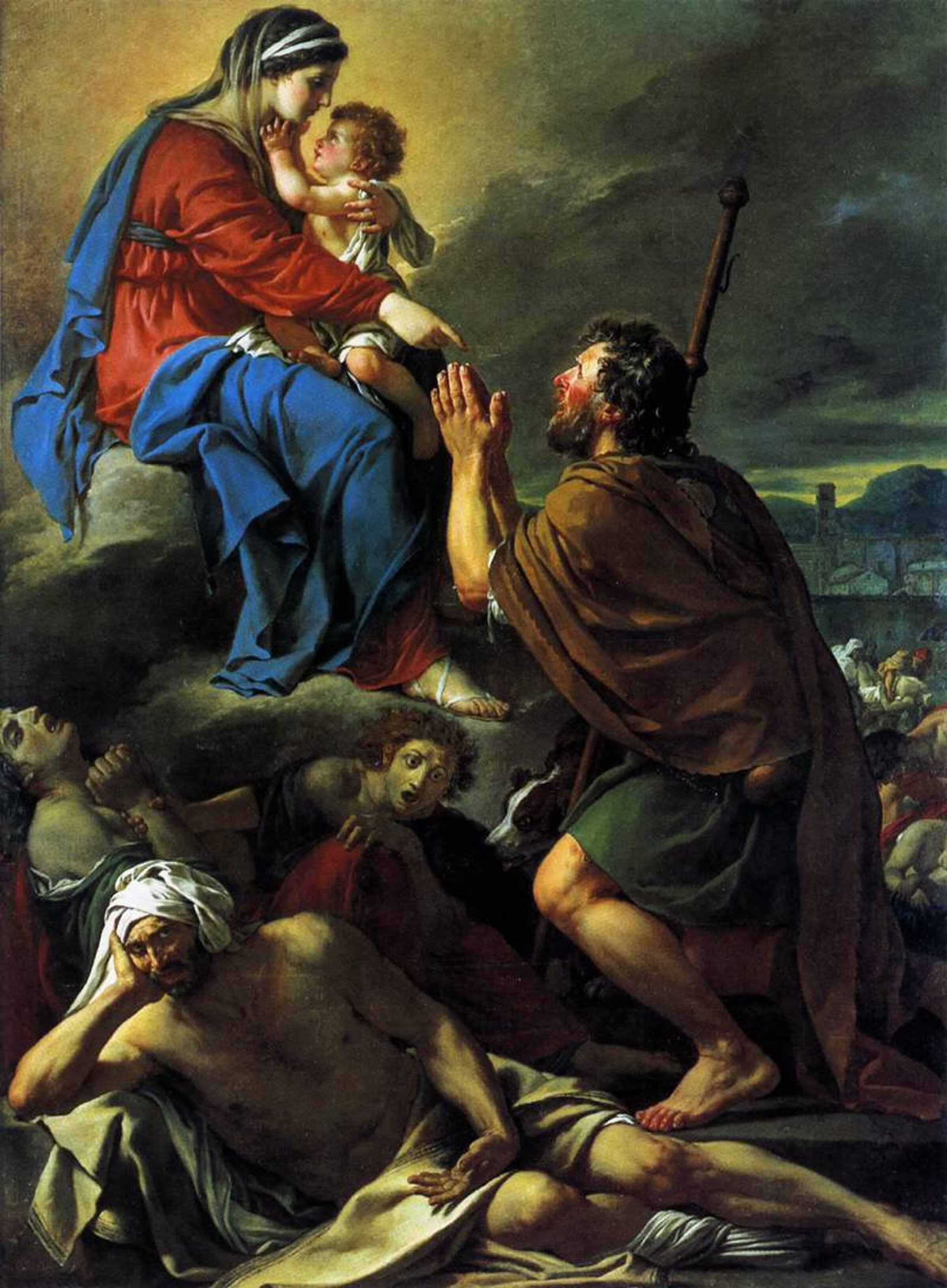
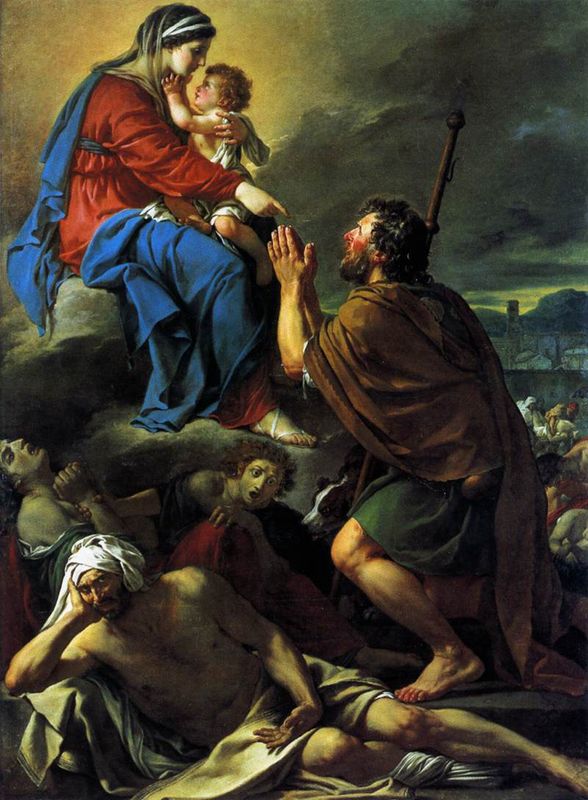 Saint Roch interceding with the Virgin
1780 · Musée des beaux-arts de Marseille
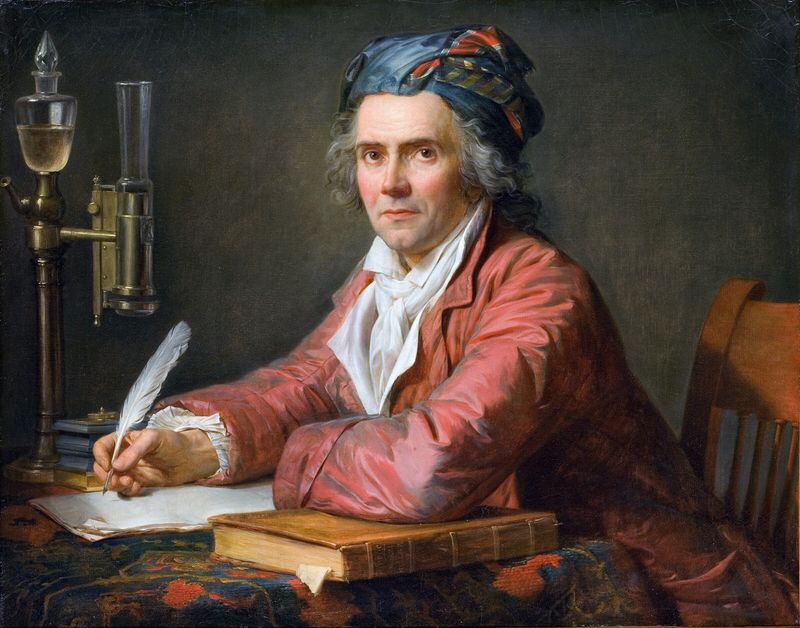 Portrait of Alphonse Leroy
1783 · Musée Fabre
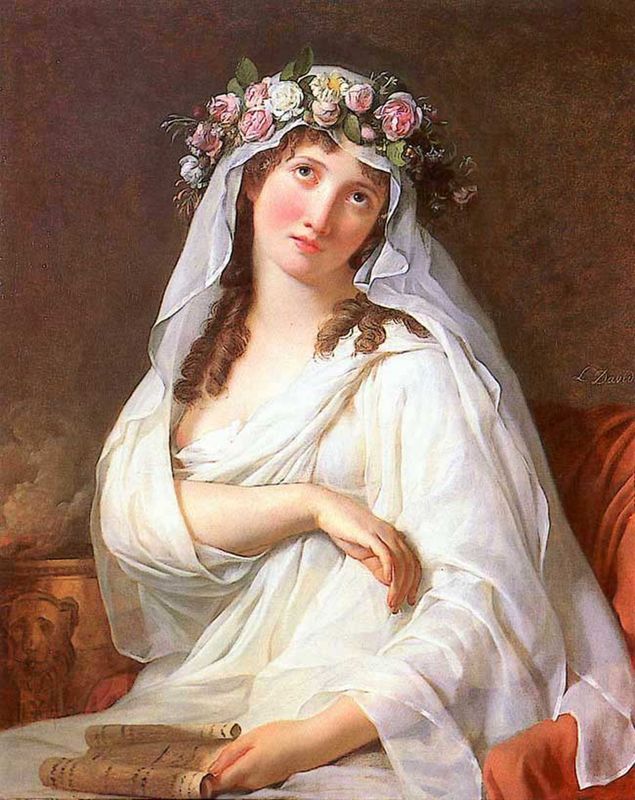 The Vestal Virgin
1783
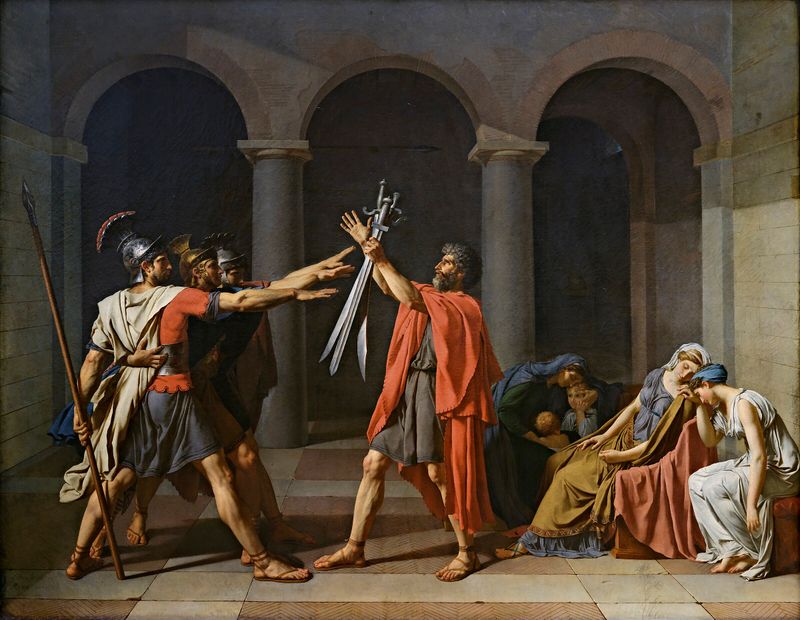 The Oath of the Horatii
1784 · Department of Paintings of the Louvre
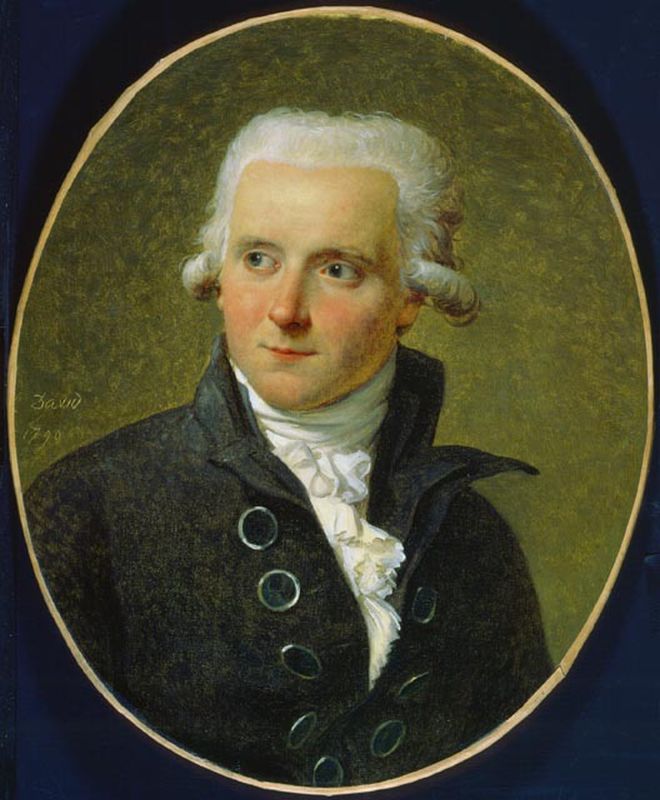 Portrait Pierre Sériziat
1790 · National Gallery of Canada
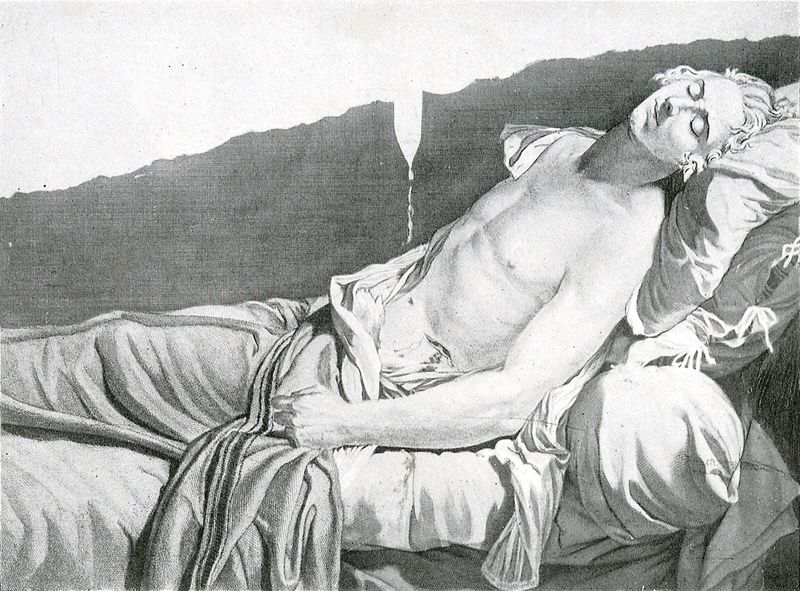 Les derniers moments de Michel Lepeletier
1793
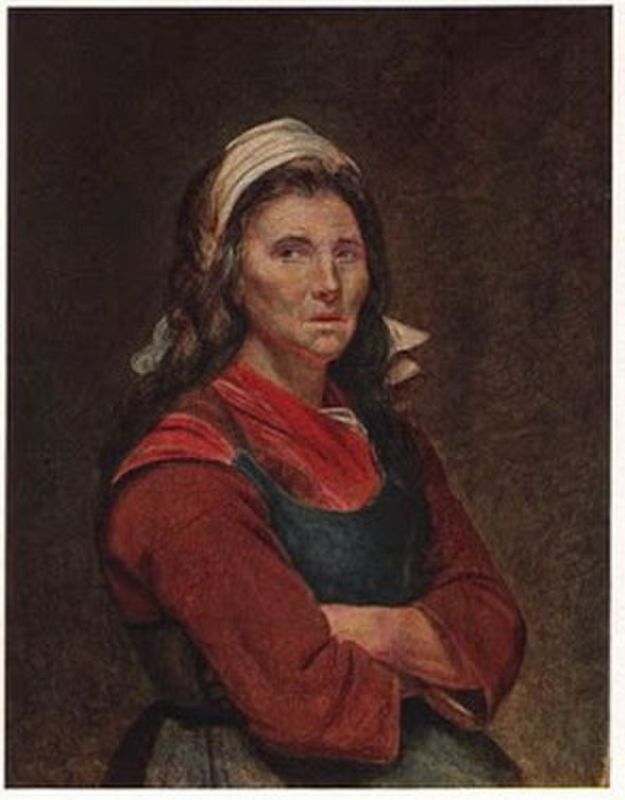 Zelenschytsya
1795
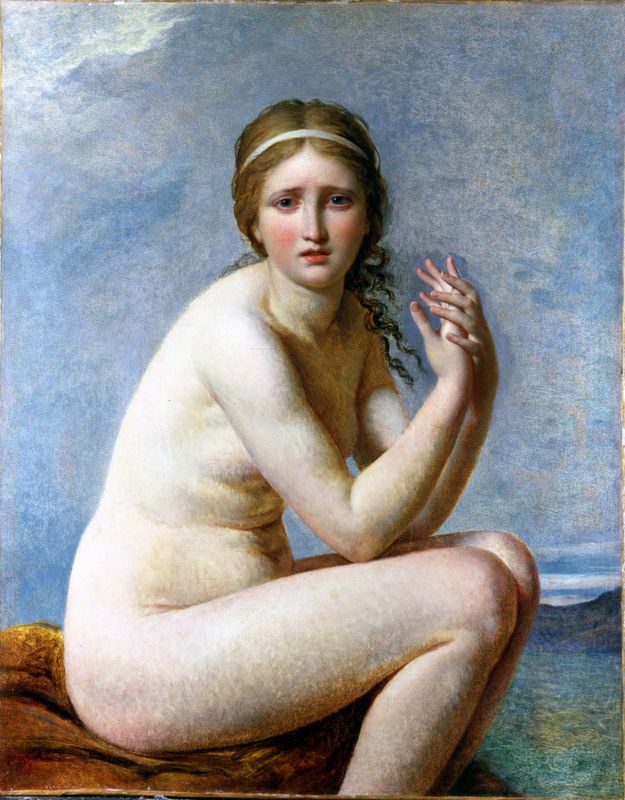 Psyche Abandoned
1795
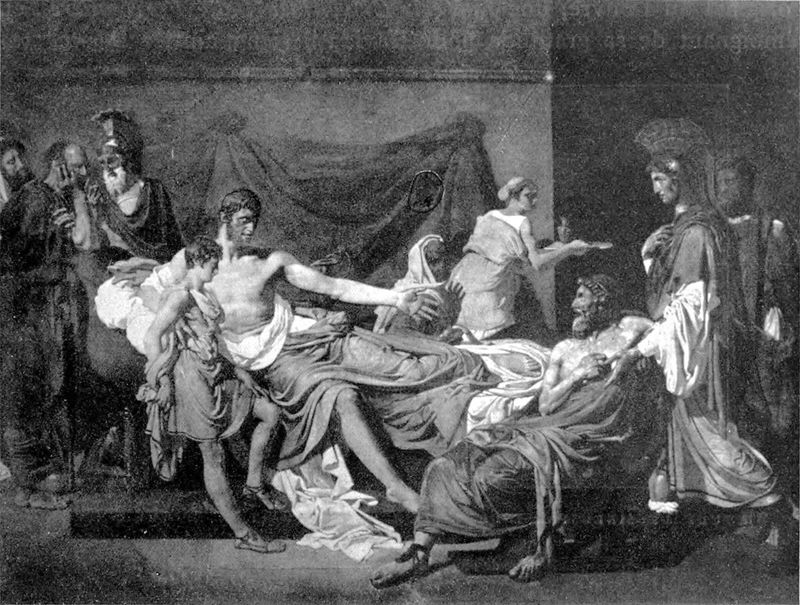 Antiochus sending Scipio's son back
1800
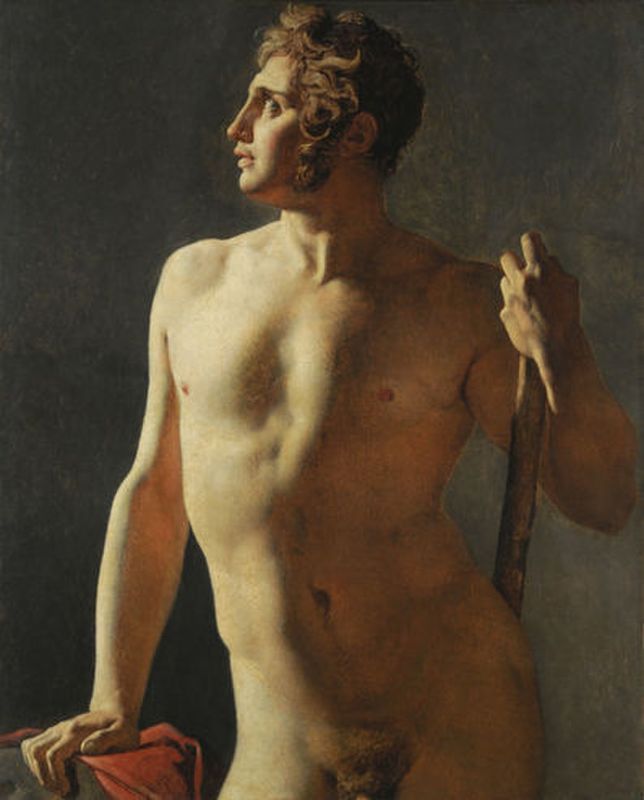 Torso (Painted Half-Figure)
1800
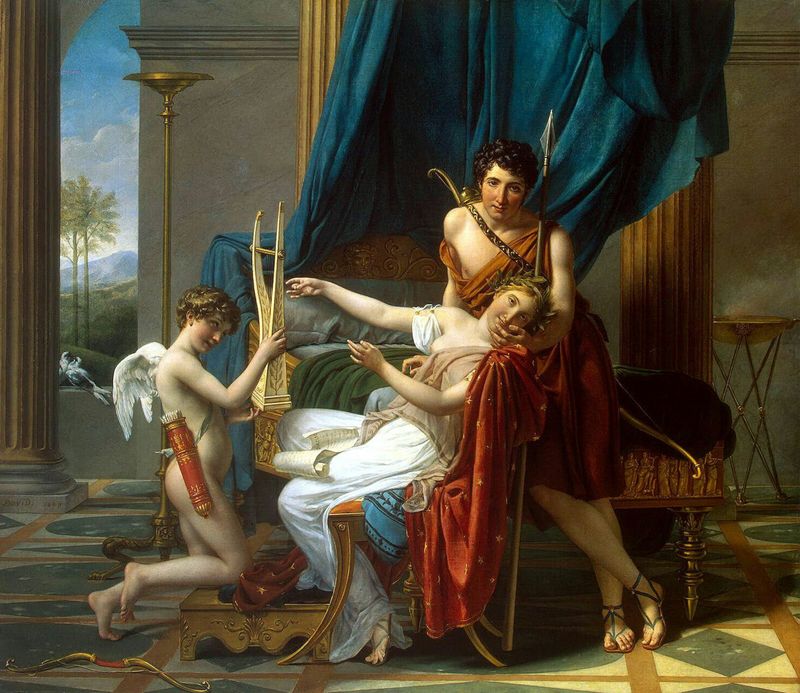 Sappho and Phaon
1809 · Hermitage Museum
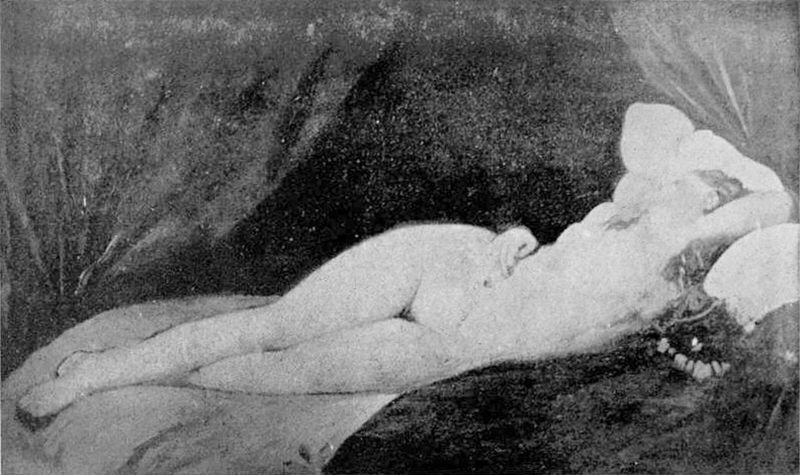 La Dormeuse de Naples
1809
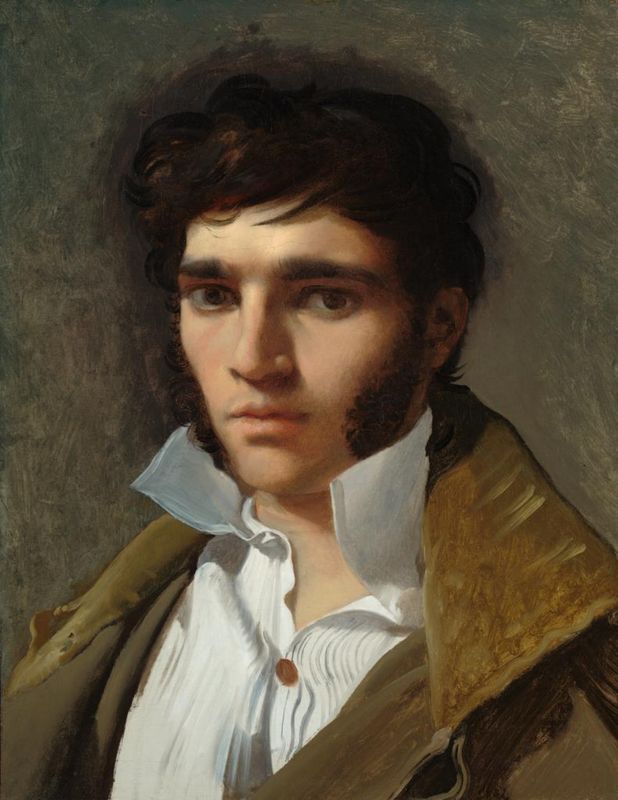 Portrait of Paul Lemoyne
1810 · The Nelson-Atkins Museum of Art
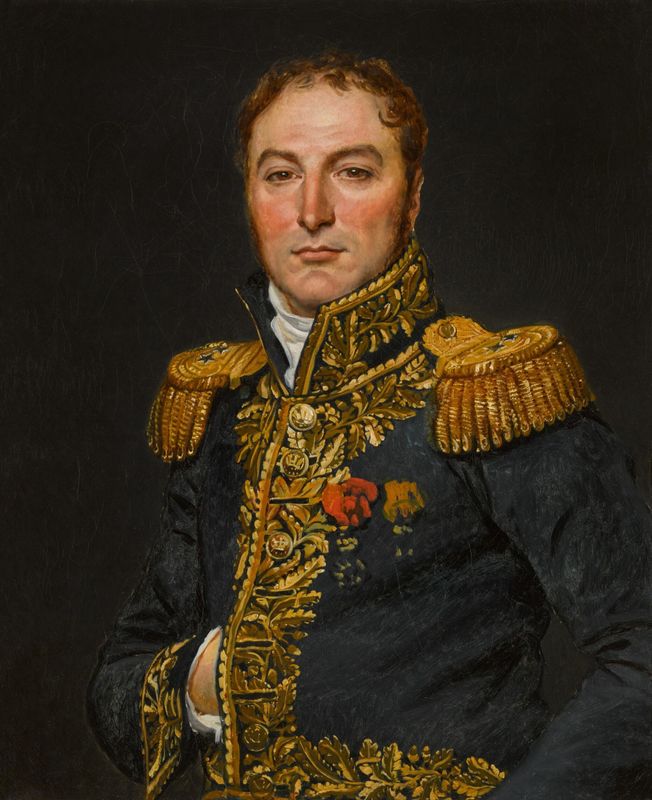 General Baron Claude-Marie Meunier (1770–1846), the artist's son-in-law
1812
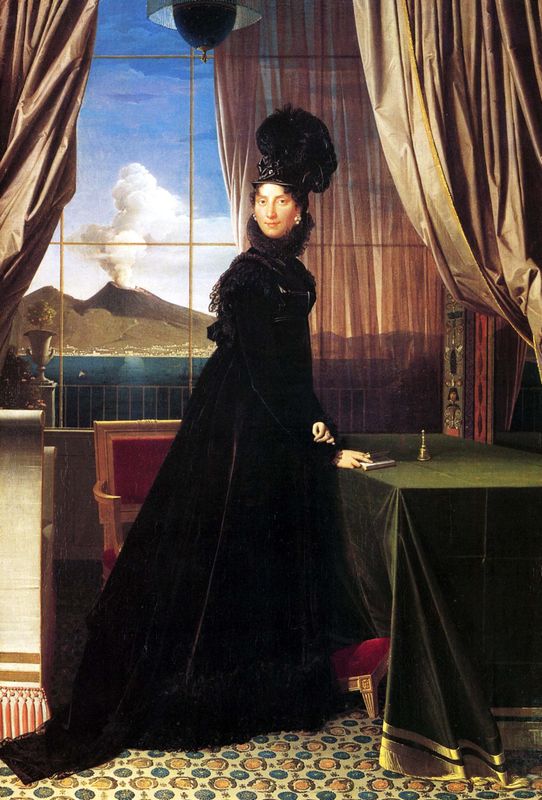 Portrait of Caroline Murat, Queen of Naples
1814
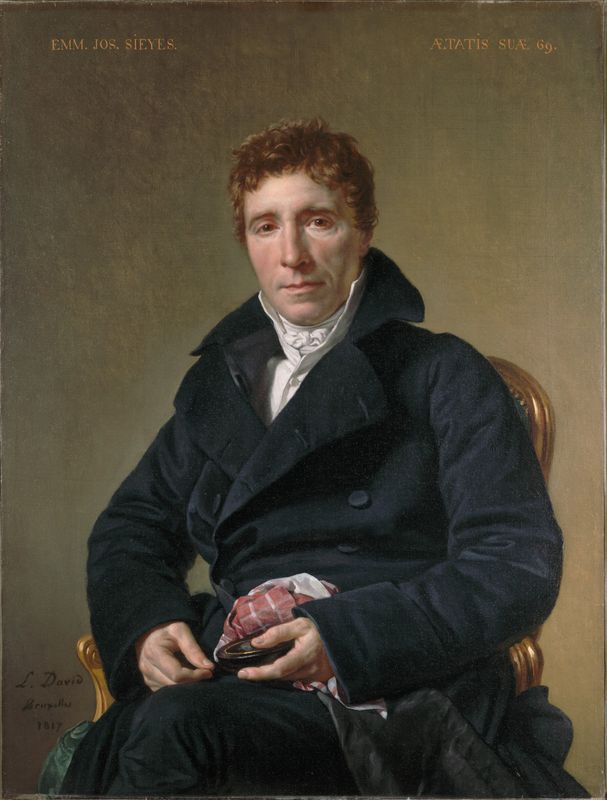 Emmanuel Joseph Sieyès (1748-1836)
1817 · Fogg Museum
Take Neoclassicism to the museum
Point your phone at any painting and Art Whisper tells you its story — who made it, what to notice, and why it matters. Free to start.