01Whole painting
Three bands of space
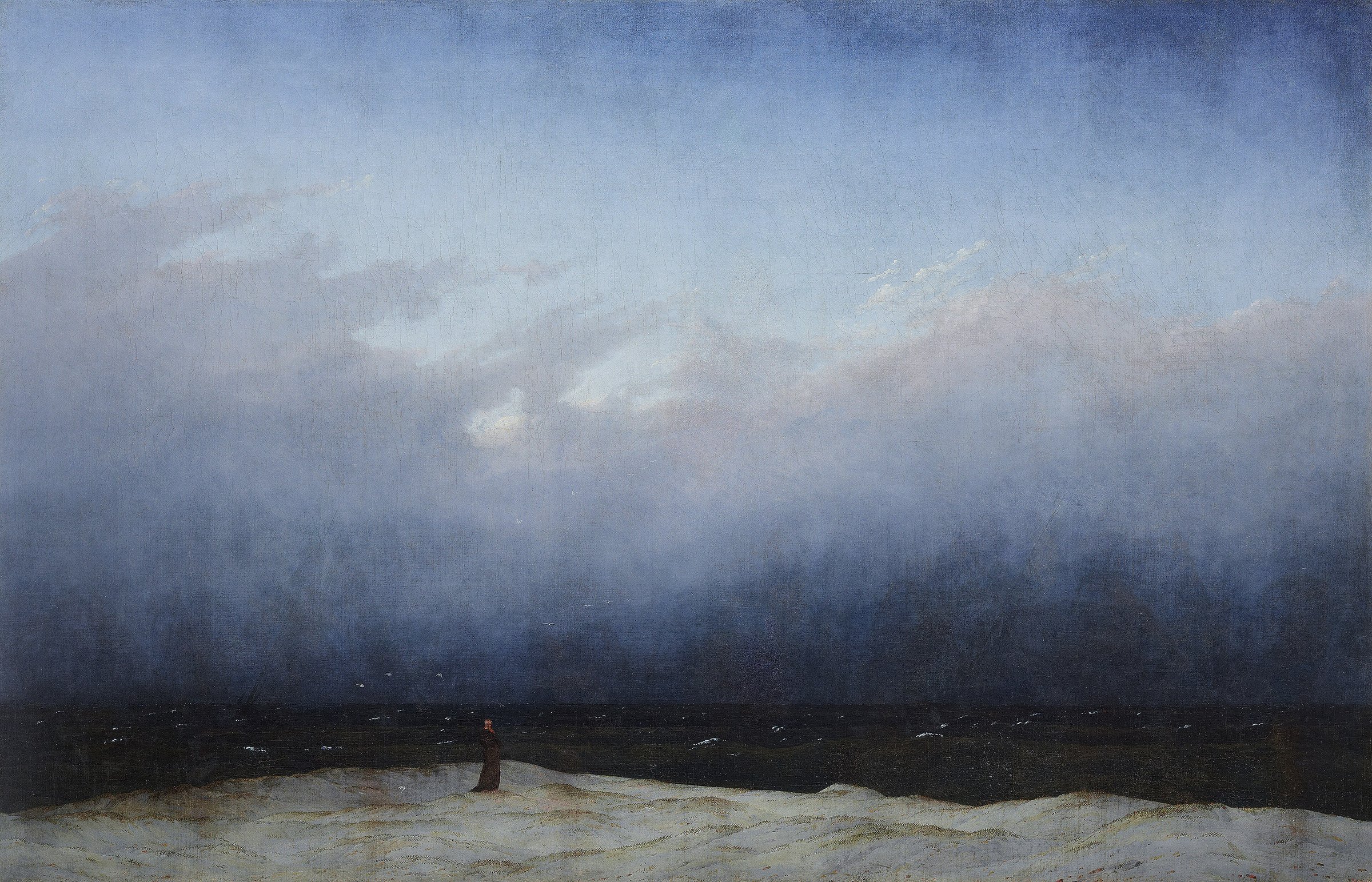
Pale dune, dark sea and a huge sky stack up as broad horizontal bands. With no tree or rock to step into, the view feels vast and empty.
“Stop to consider this painting's astonishingly modern composition. It's an early 19th-century work that strips away almost all traditional landscape elements, leaving a single figure dwarfed by an immense, empty sea and sky, inviting profound contemplation on humanity's place in the universe.”
A lone figure stands on a low, sandy dune, silhouetted against a vast, undifferentiated expanse of sea and sky. This painting, created between 1808 and 1810, is one of Caspar David Friedrich's most radical compositions, notable for its deliberate lack of depth and overwhelming emptiness. The small, dark figure, often identified as a monk, is almost entirely turned away from us, facing the turbulent, dark ocean and the featureless gray sky that dominates three-quarters of the canvas. This stark arrangement emphasizes the immense scale of nature compared to human presence. Friedrich began this work in his studio, drawing from plein air sketches, and even removed elements like two small sailing ships he had initially painted on the horizon, further simplifying the scene to its powerful, elemental forms. The painting's contemplative mood and challenging composition created considerable discussion when it was first exhibited.
Five details hide in plain sight. Pick one and we’ll show you exactly where to look.
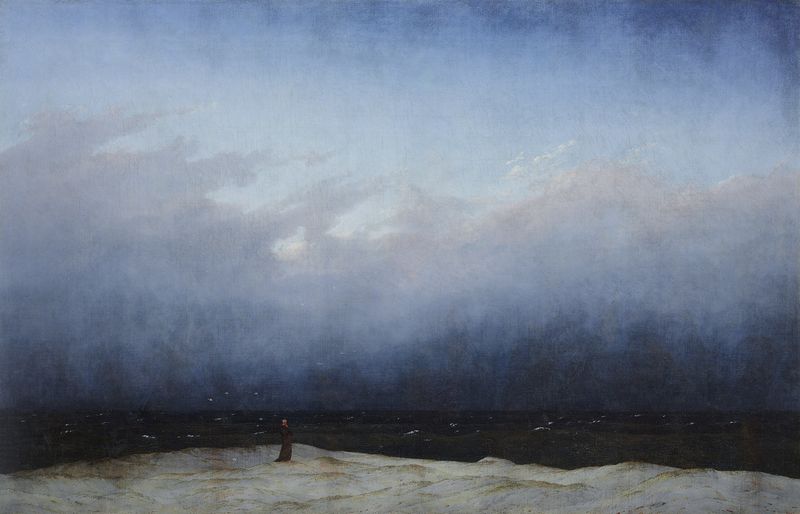
Pale dune, dark sea and a huge sky stack up as broad horizontal bands. With no tree or rock to step into, the view feels vast and empty.
Find the small dark figure on the dune, left of center. Set against the huge sky, he looks tiny, which makes one person seem small before nature.
Follow the sky from deep blue at the top to pale haze lower down, where it darkens again into a heavy mist over the sea. The thin, soft paint blends so smoothly that there is hardly an edge.
Look along the dark sea for tiny white dabs. They read as whitecaps on the water, and they give the dark sea a restless flicker.
The sea ends in a hard, nearly black line beneath the misty sky. It works as a border between the shore where the monk stands and the open distance beyond, with nothing to show what lies past it.
The full narration walks you through The Monk by the Sea — the story behind it, the details most visitors miss, and why it matters. Free in the Art Whisper app.
He painted lone figures dwarfed by vast landscapes, turning nature into a metaphysical meditation on the sublime.
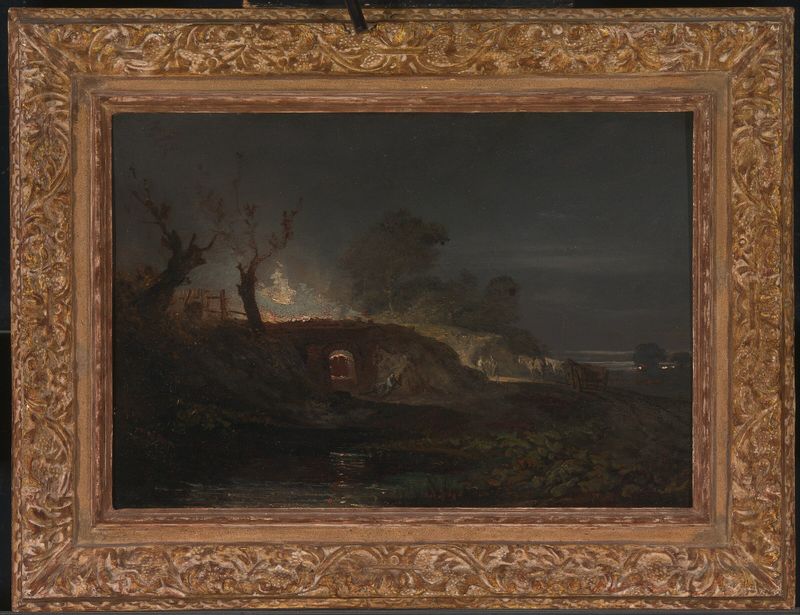 A Limekiln, Possibly at Briton Ferry in South Wales
Turner · 1797 · Yale Center for British Art
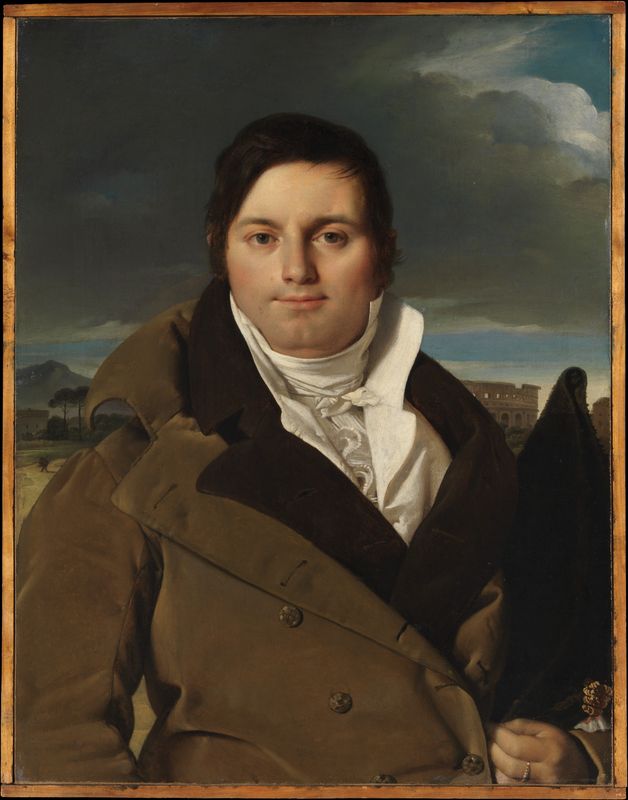 Joseph-Antoine Moltedo (born 1775)
Ingres · 1805 · The Metropolitan Museum of Art
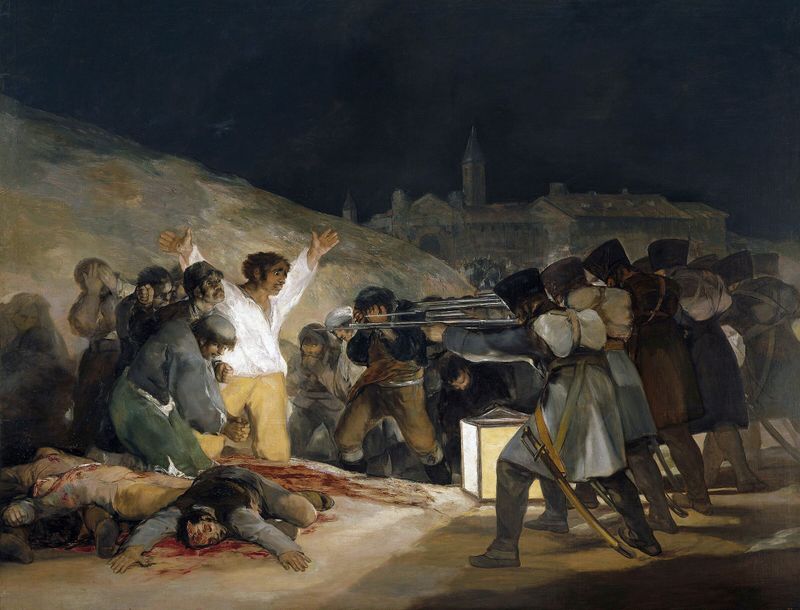 The Third of May 1808
Goya · 1814 · Museo del Prado
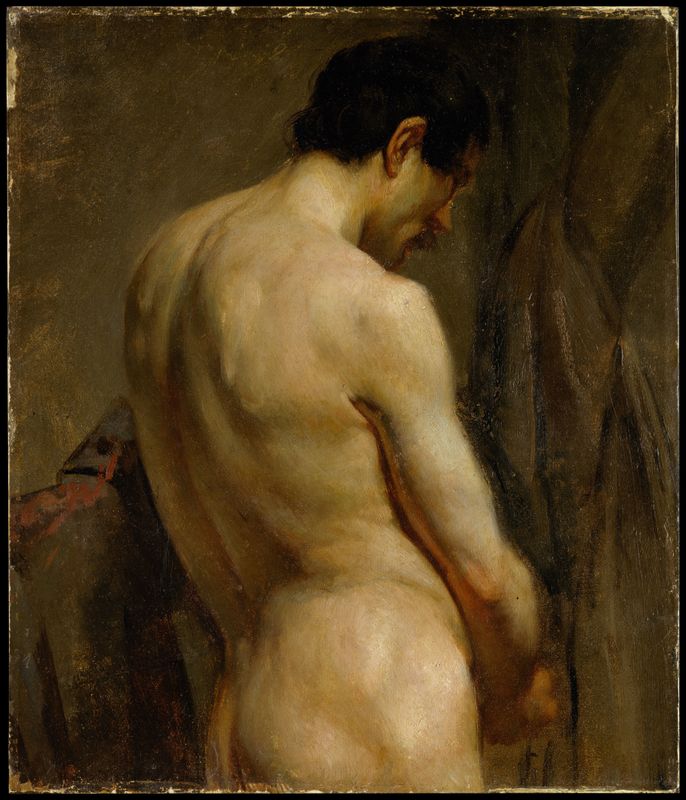 Male Academy Figure: Half-Length, Side View
Delacroix · 1819 · Karen B. Cohen Collection
Beyond Friedrich and Romanticism: works from the same years.
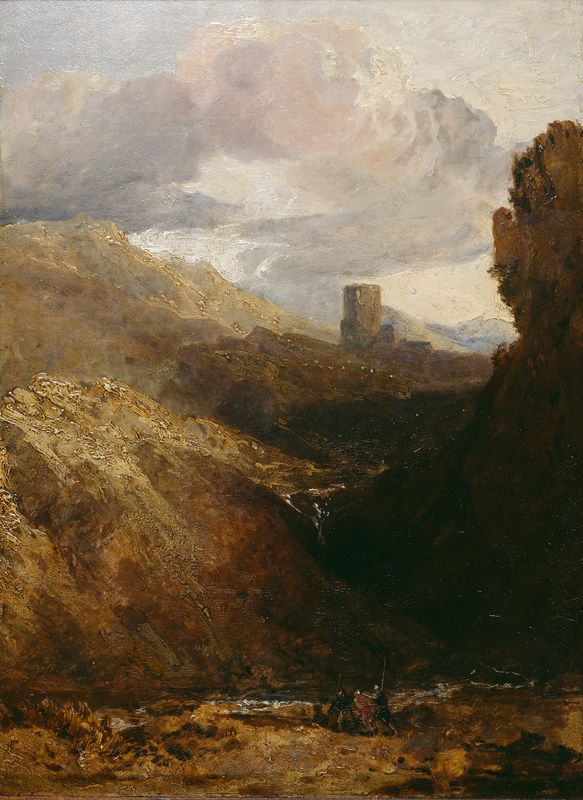 Same era · 1780s–1810s
Dolbadarn Castle
J. M. W. Turner · 1800 · National Library of Wales
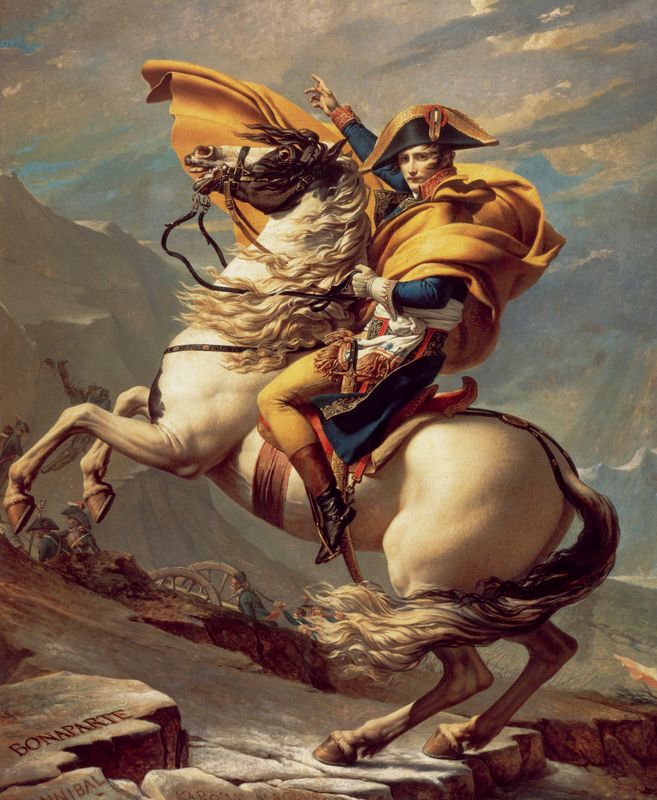 Same era · 1780s–1810s
Napoleon Crossing the Alps
Jacques-Louis David · 1800 · Musée national de Malmaison et Bois-Préau
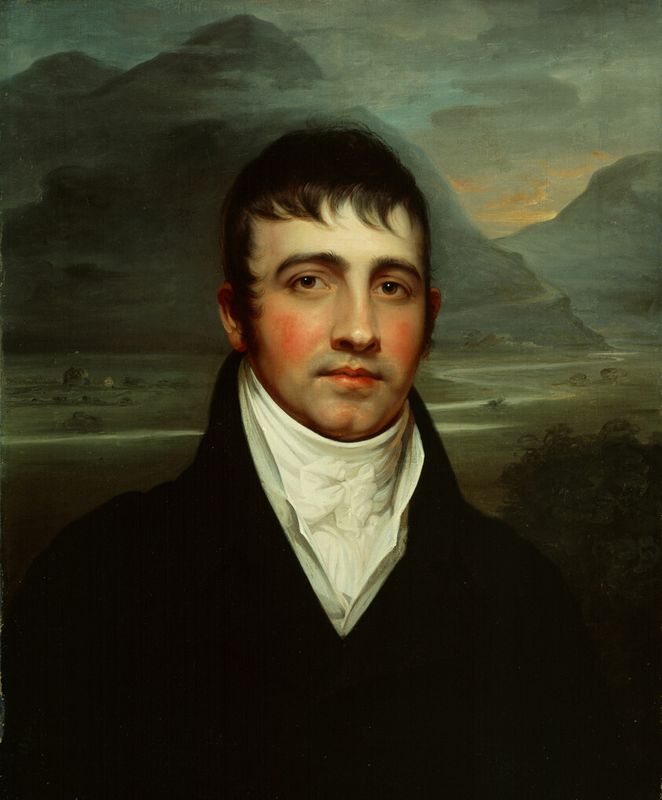 Same era · 1780s–1810s
Samuel Fisher Bradford
Rembrandt Peale · 1803 · Art Institute of Chicago
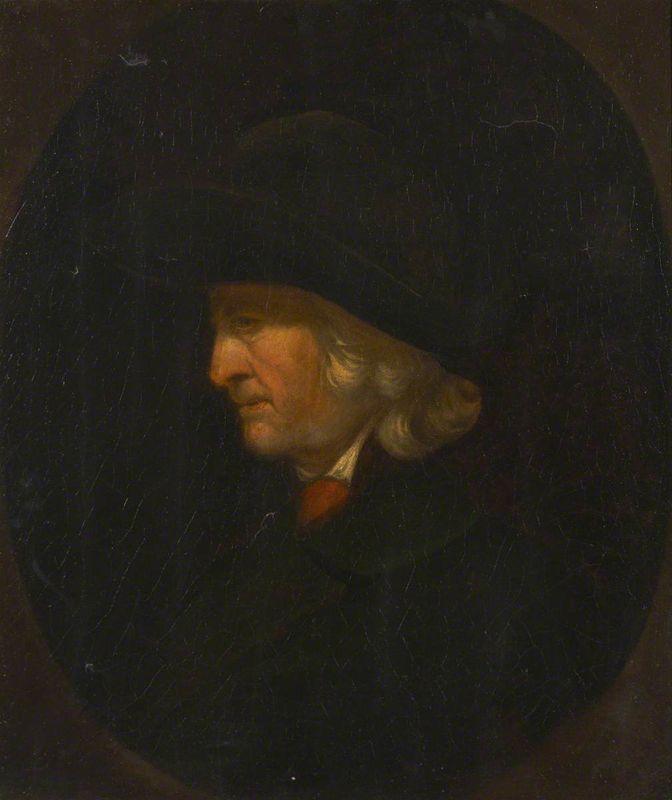 Same era · 1780s–1810s
Portrait of the Artist's Father
Thomas Stewardson · 1800 · Abbot Hall Art Gallery
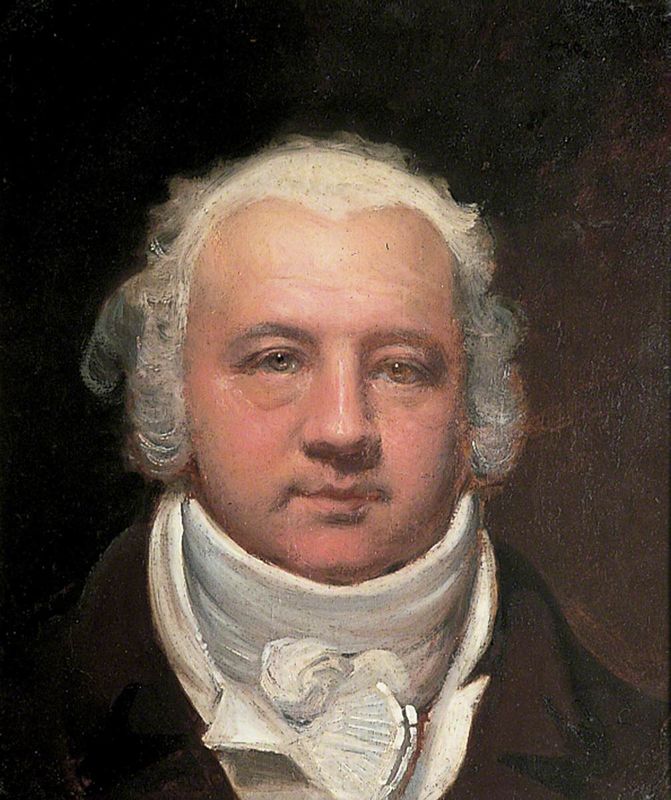 Same era · 1780s–1810s
John Blake (1770–1810), Mayor of Maidstone (1799)
Samuel Drummond · 1799 · Maidstone Museum and Bentlif Art Gallery
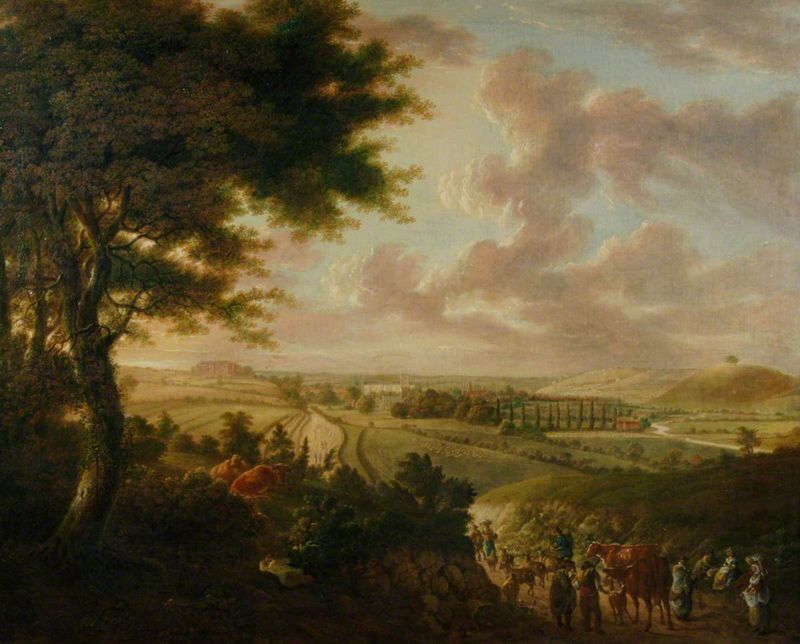 Same era · 1780s–1810s
Winchester from the South
Tobias Young · 1803 · Winchester Guildhall
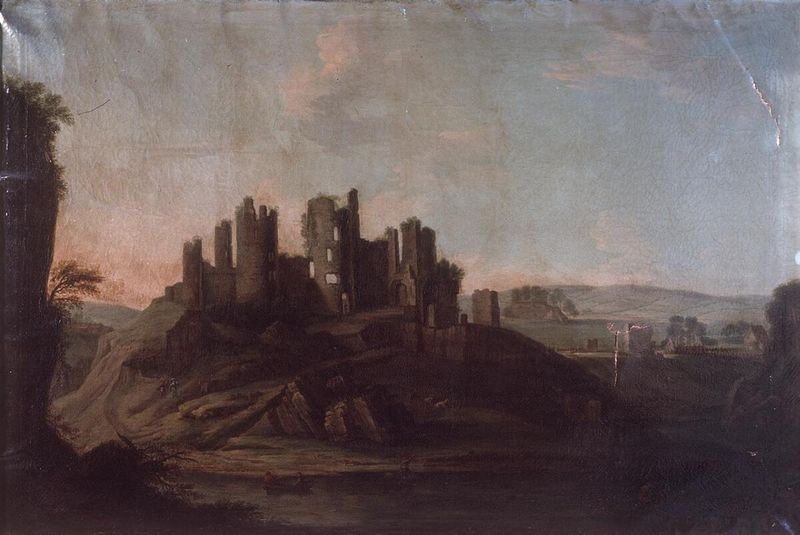 Same era · 1780s–1810s
Cilgerran Castle
William Havell · 1805 · National Museum Cardiff
 Same era · 1780s–1810s
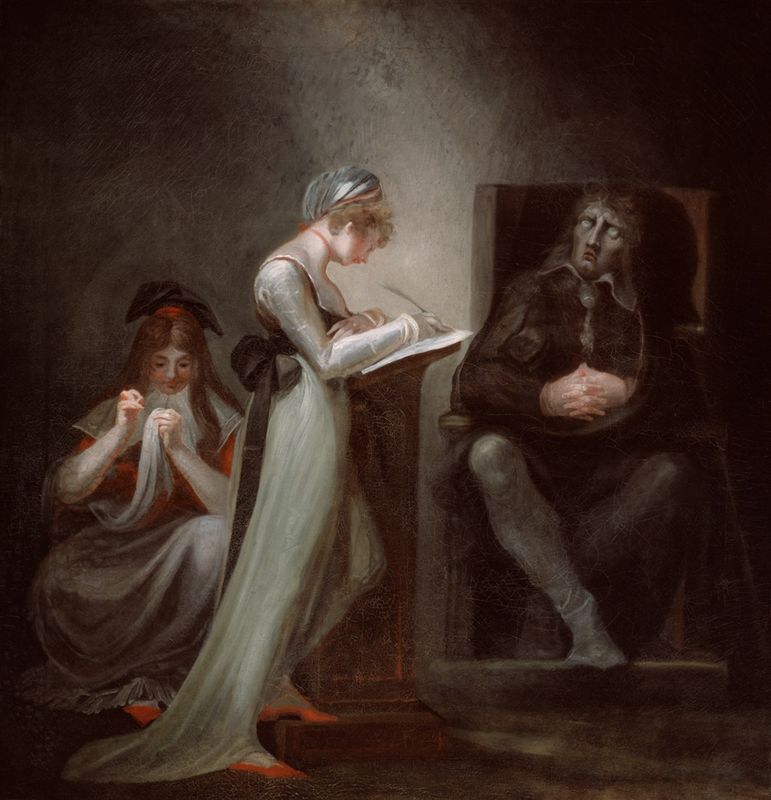
Milton Dictating to His Daughter
Henry Fuseli · 1794 · Art Institute of Chicago
 Same era · 1780s–1810s
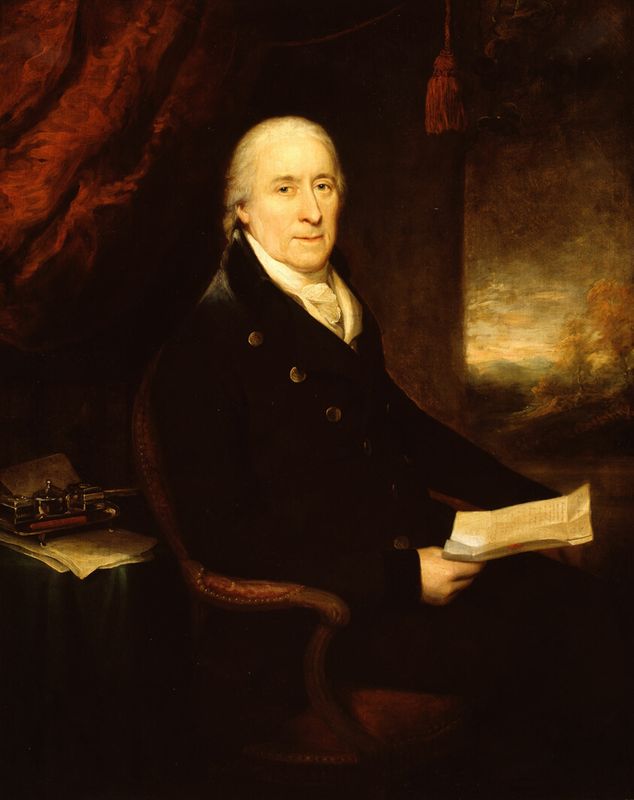
Portrait of a Man
Benjamin West · 1790 · Art Institute of Chicago
 Same era · 1780s–1810s
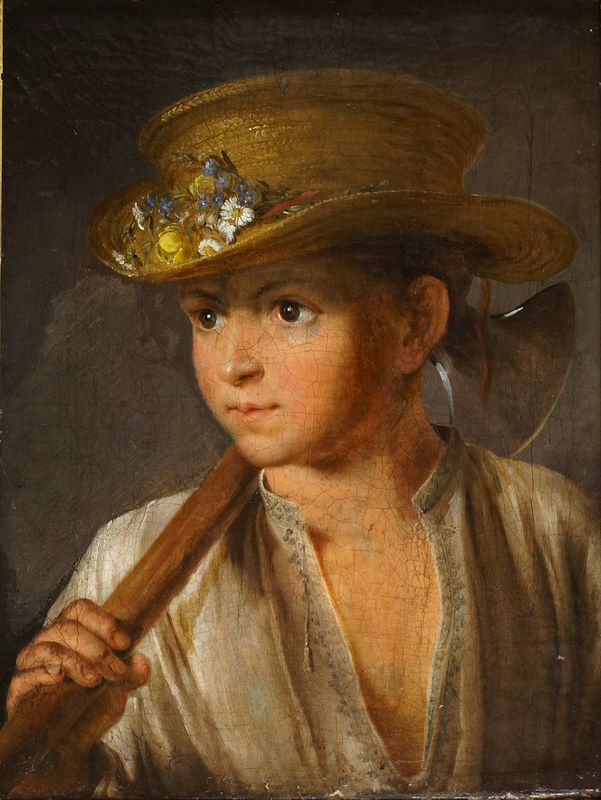
The Peasant Boy with a Hatchet
Vasily Andreevich Tropinin · 1810 · Ekaterinburg Museum of Fine Arts
 Same era · 1780s–1810s
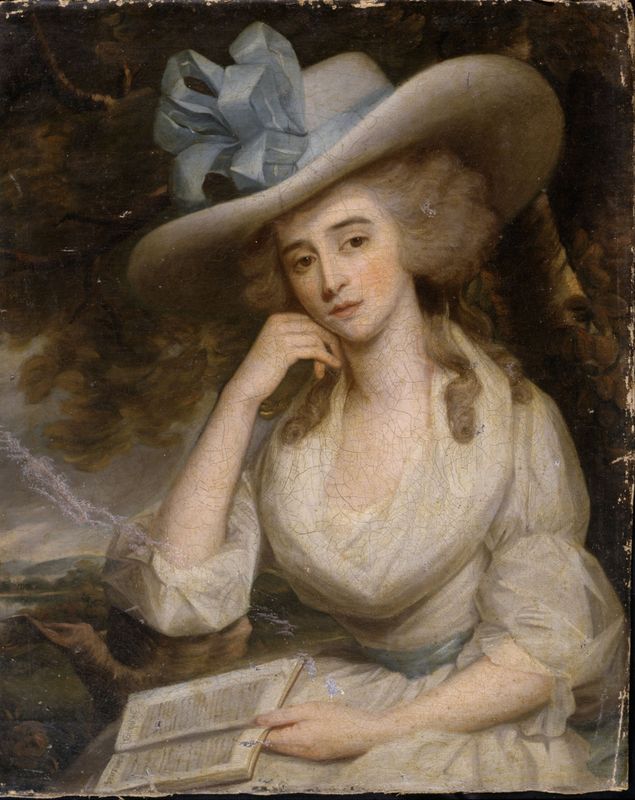
Mrs John Smart I
John Smart of Ipswich · 1785 · Dulwich Picture Gallery
 Same era · 1780s–1810s
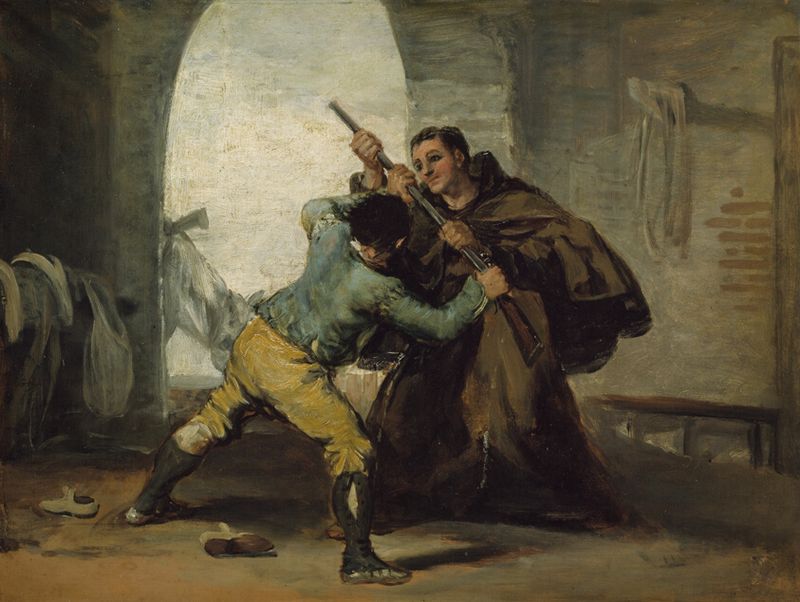
Friar Pedro Wrests the Gun from El Maragato
Francisco Goya · 1806 · Art Institute of Chicago