01
The calm, direct face
Look at the smooth, rosy face and level gaze. Ingres makes a young man seem both relaxed and a little amused, with a faint smile.
1 of 5 on the painting
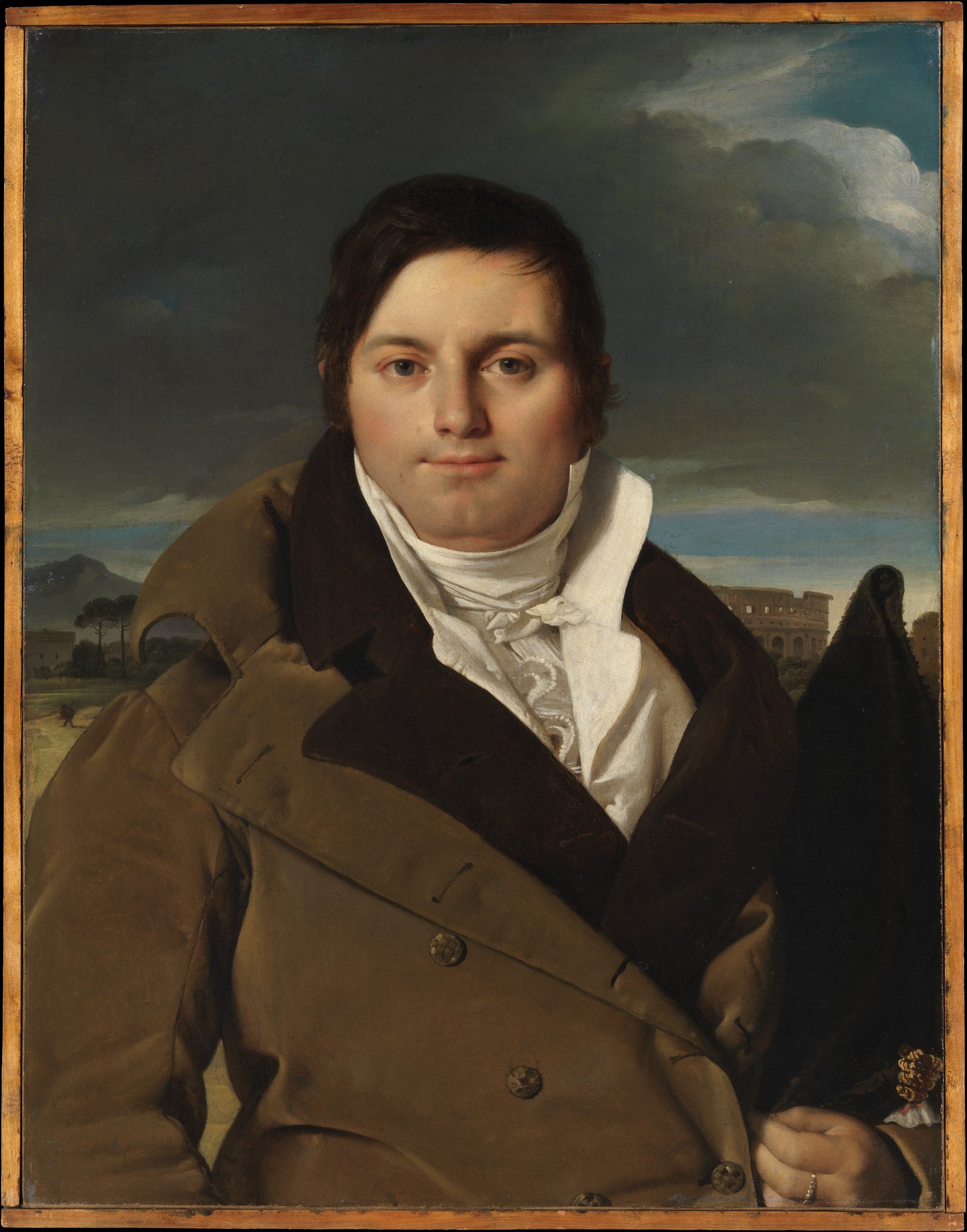
“Stop to appreciate the intense gaze and pristine rendering of Joseph-Antoine Moltedo, a portrait that captures a man with remarkable clarity and presence through the artist's meticulous brushwork.”
This striking portrait captures Joseph-Antoine Moltedo (born 1775), a man whose direct gaze and confident posture draw us in. Painted in 1805, the artwork presents Moltedo in a dark, tailored coat and a crisp white cravat, his features rendered with a smooth precision that makes his skin seem almost porcelain-like. The artist, Jean-Auguste-Dominique Ingres, was just 25 when he created this piece, which already shows his meticulous attention to detail and his ability to convey a sitter's presence. The subdued background allows Moltedo to dominate the composition, emphasizing his individuality and the subtle nuances of his expression. This work aligns with the Neoclassical ideal of clarity and order, presenting a calm and dignified subject without dramatic flourishes, yet with a palpable sense of inner life.
Five details hide in plain sight. Pick one and we’ll show you exactly where to look.
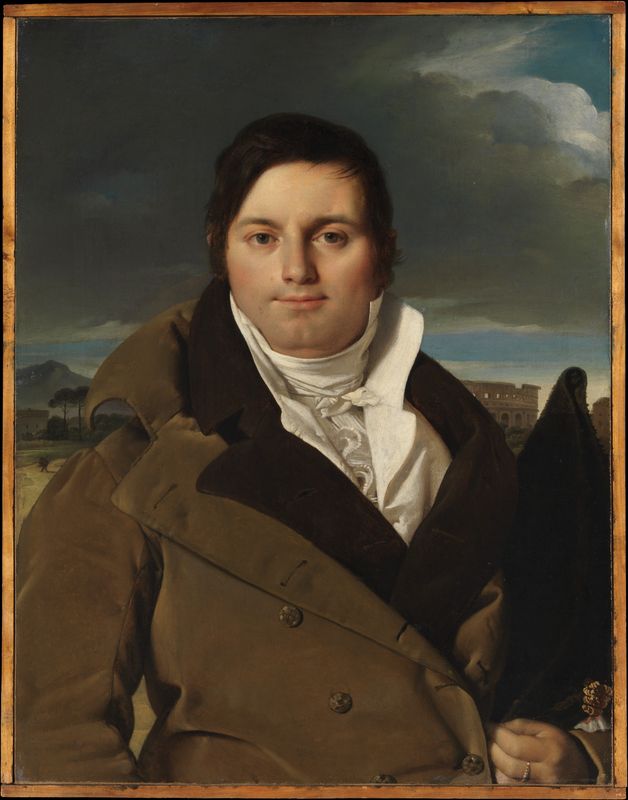
Look at the smooth, rosy face and level gaze. Ingres makes a young man seem both relaxed and a little amused, with a faint smile.
The frilled white cravat and shirt are painted in soft creams and greys, with a lacy ruffle at the chest. Their brightness draws the eye up to the face.
The big olive-brown coat has a dark brown collar with broad, softly folded lapels. Its heavy, velvety look contrasts with the fine linen at the throat.
At the right horizon, the Colosseum sits small under the clouds. It places the sitter in Rome, where he was painted.
Near the bottom right, his hand grips the coat edge and a small ring catches the light. The fingers look soft and almost delicate.
The full narration walks you through Joseph-Antoine Moltedo (born 1775) — the story behind it, the details most visitors miss, and why it matters. Free in the Art Whisper app.
Jean-Auguste-Dominique Ingres, a French Neoclassical painter, masterfully blended academic tradition with expressive distortions, influencing modernists like Matisse and Picasso.
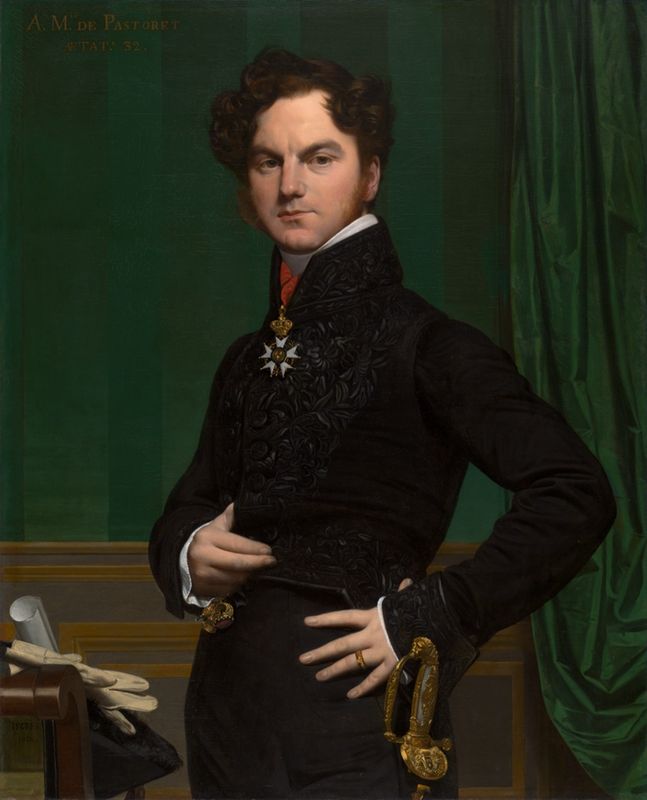 Amédée-David, the Comte de Pastoret
1823 · Art Institute of Chicago
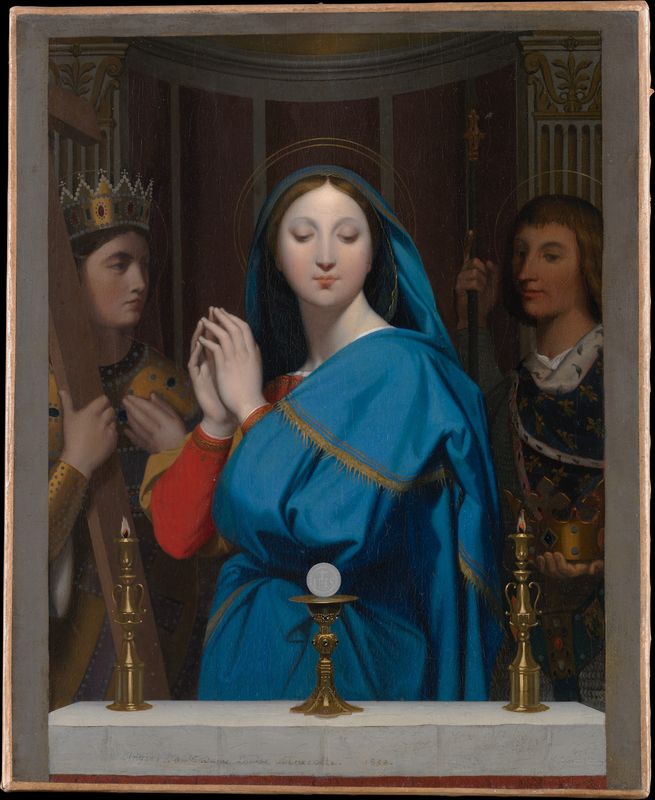 The Virgin Adoring the Host
1841 · Pushkin Museum of Fine Arts
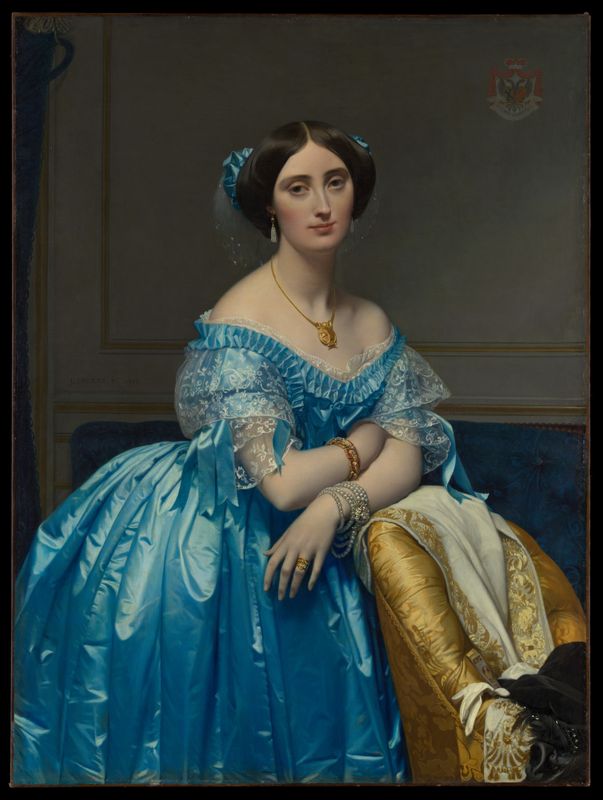 Joséphine-Éléonore-Marie-Pauline de Galard de Brassac de Béarn (1825–1860), Princesse de Broglie
1853 · Metropolitan Museum of Art
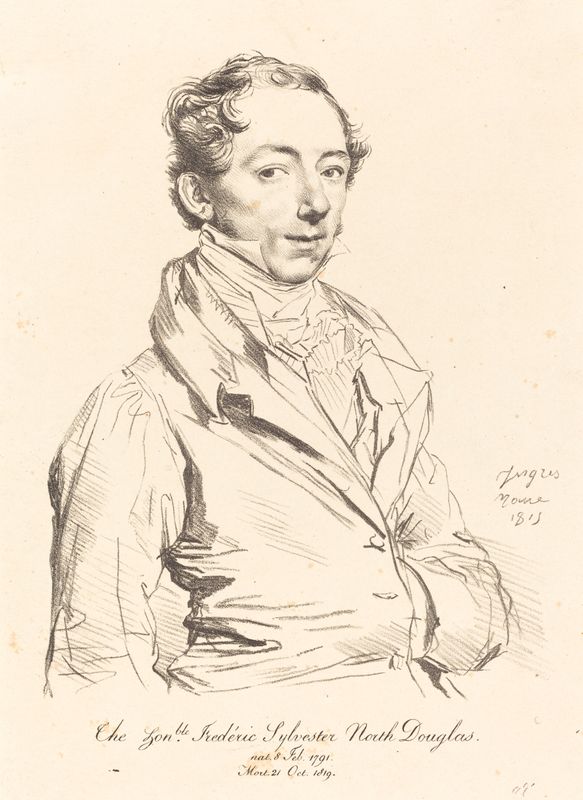 Frederic Sylvester Douglas
1815 · Art Institute of Chicago
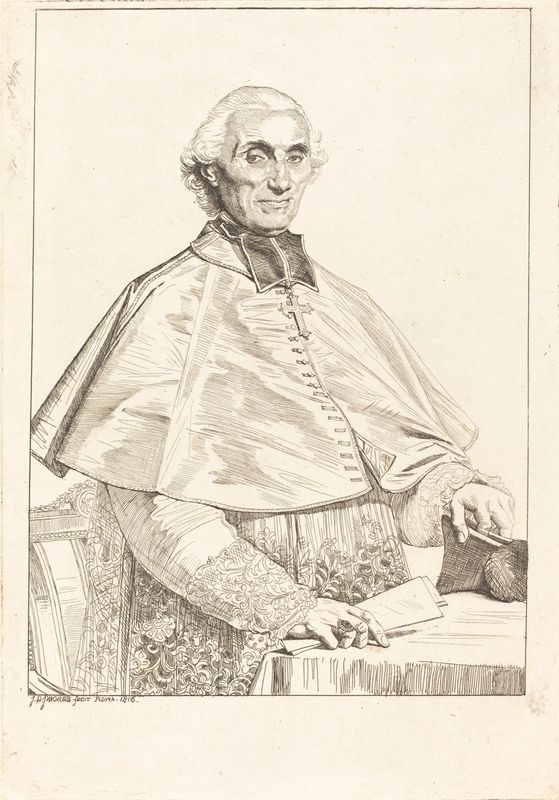 Gabriel Cortois de Pressigny
1816 · Art Institute of Chicago
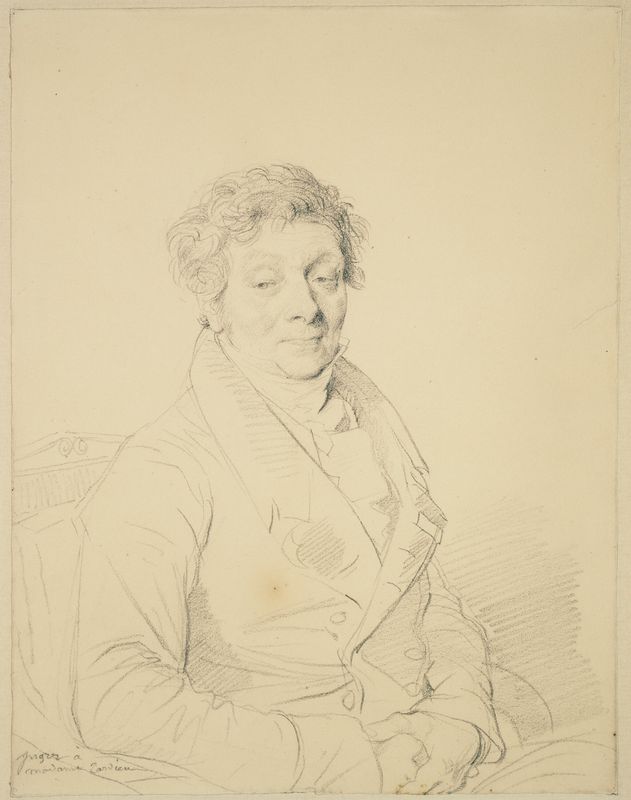 Pierre Alexandre Tardieu
1825 · Art Institute of Chicago
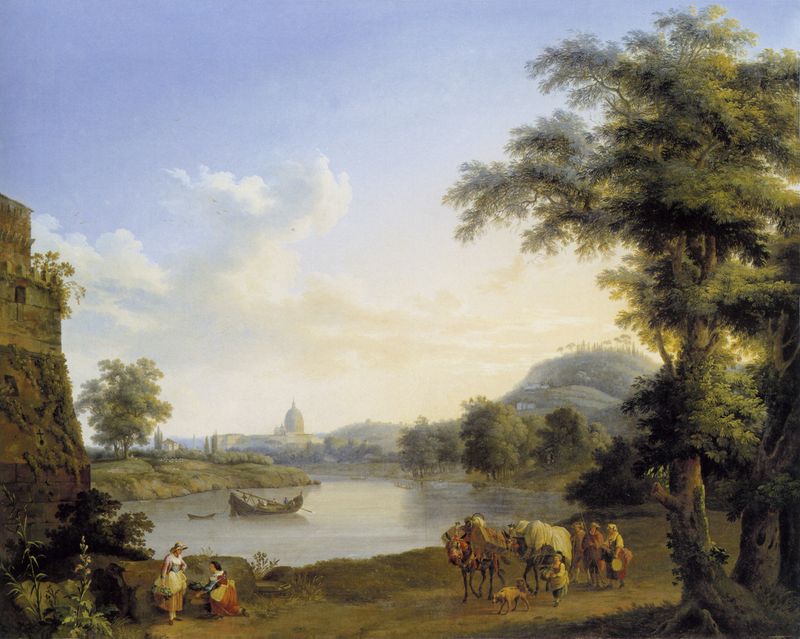 View of Saint Peter's in Rome
Art Institute of Chicago
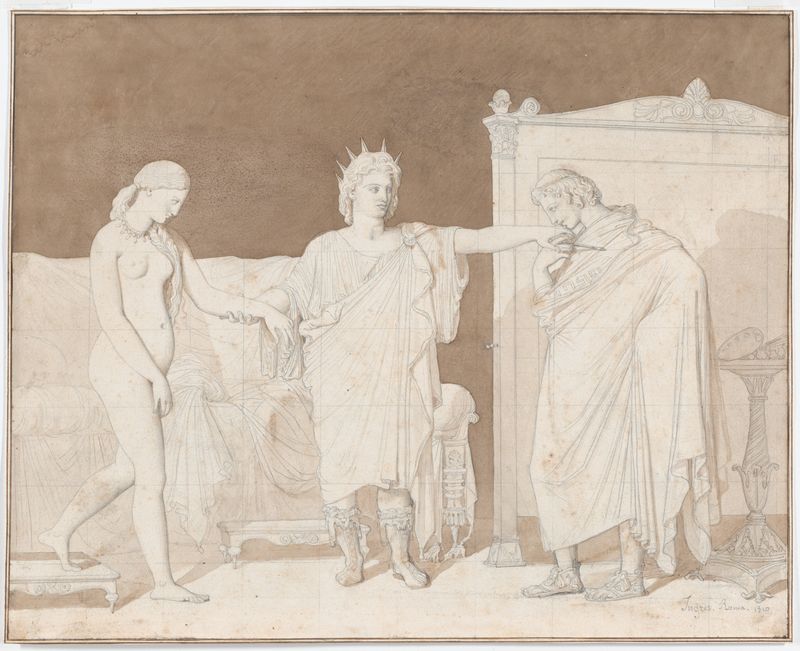 Alexander the Great presenting Campaspe to Apelles
1810 · The Metropolitan Museum of Art
Beyond Ingres and Romanticism: works from the same years, and from the other movements Joseph-Antoine Moltedo (born 1775) belongs to.
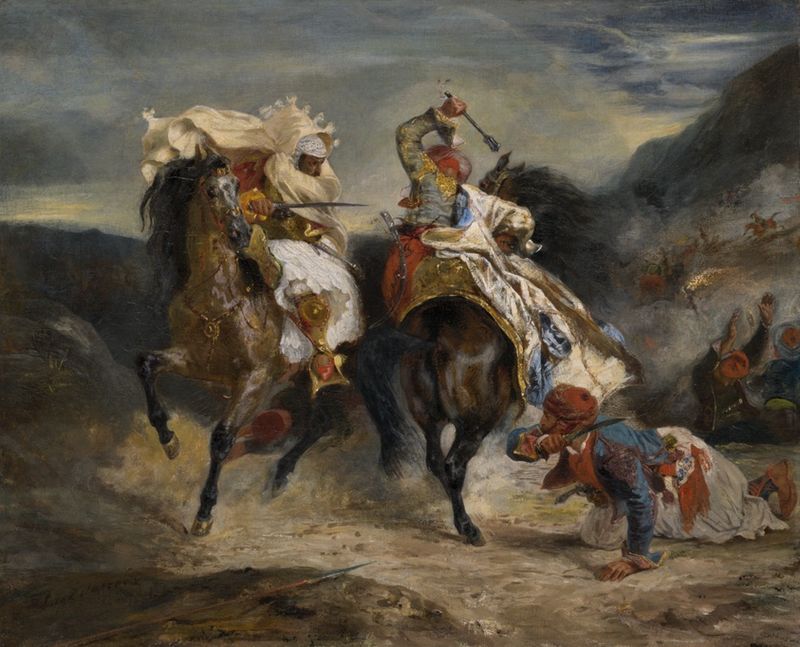 Same movement · Academic art
The Combat of the Giaour and Hassan
Eugène Delacroix · 1826 · Art Institute of Chicago
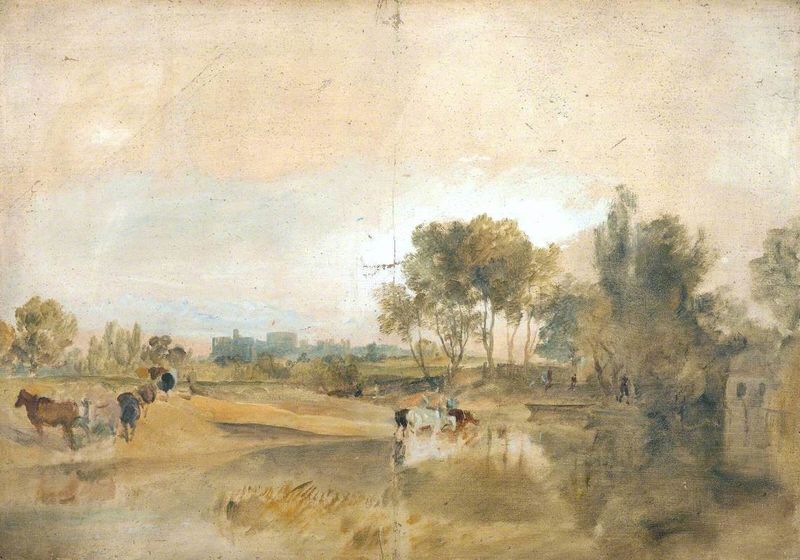 Same era · 1790s–1820s
A Thames Backwater with Windsor Castle in the Distance
J. M. W. Turner · 1805 · National Gallery
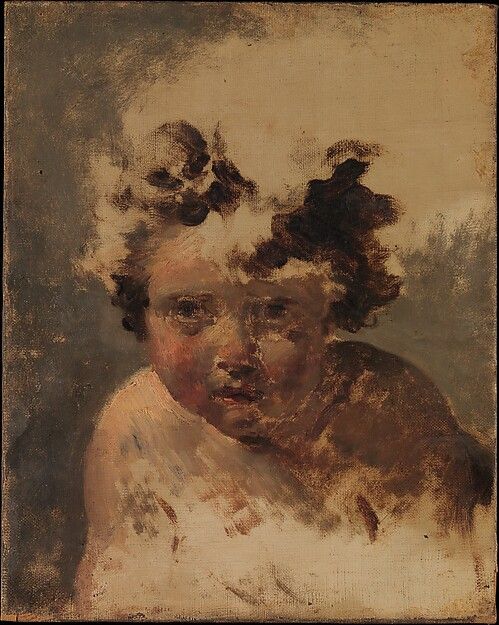 Same movement · Neoclassicism
Head of a Child
Jacques-Louis David · 1768 · The Metropolitan Museum of Art
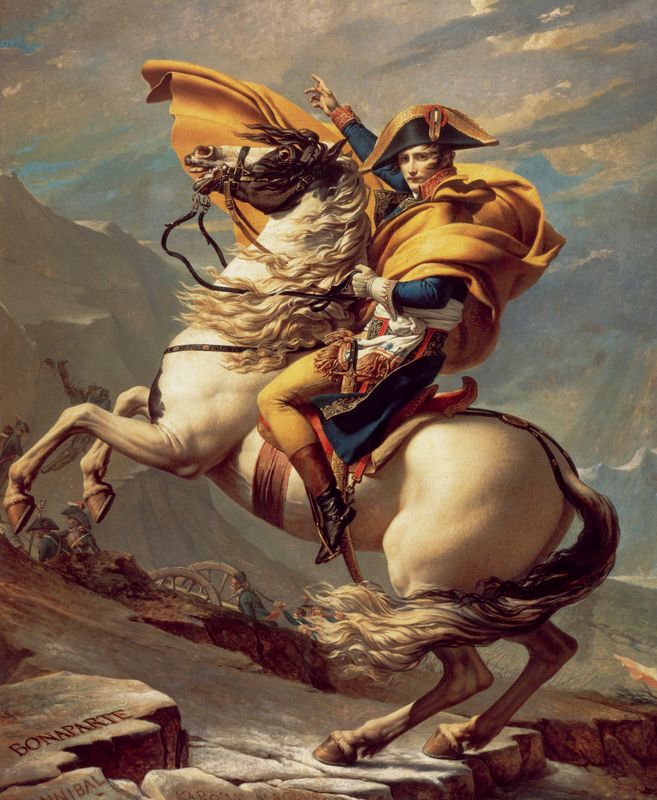 Same era · 1790s–1820s
Napoleon Crossing the Alps
Jacques-Louis David · 1800 · Musée national de Malmaison et Bois-Préau
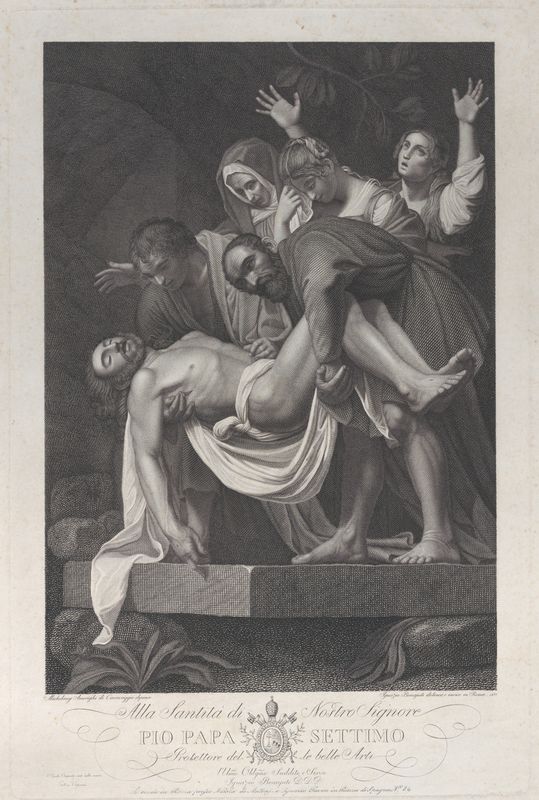 Same movement · Academic art
The Entombment of Christ
Caravaggio · 1600 · Pinacoteca Vaticana
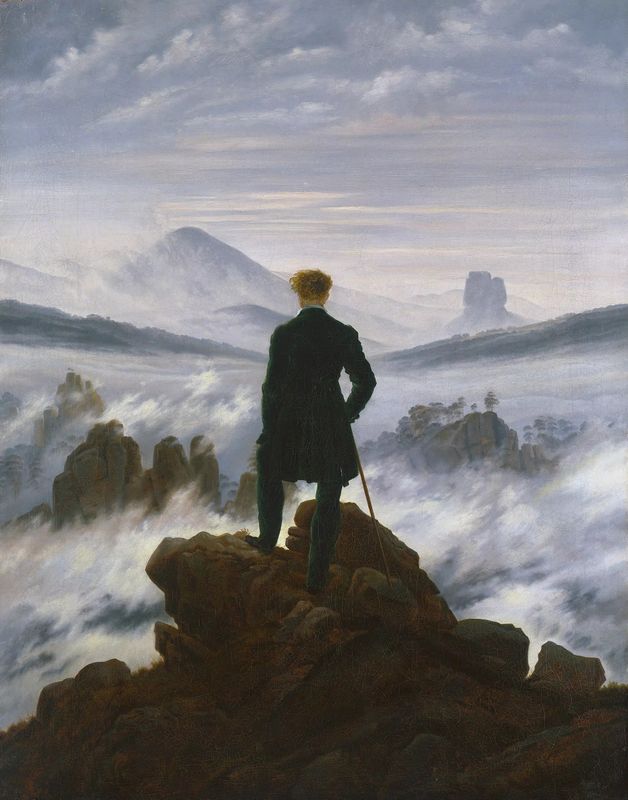 Same era · 1790s–1820s
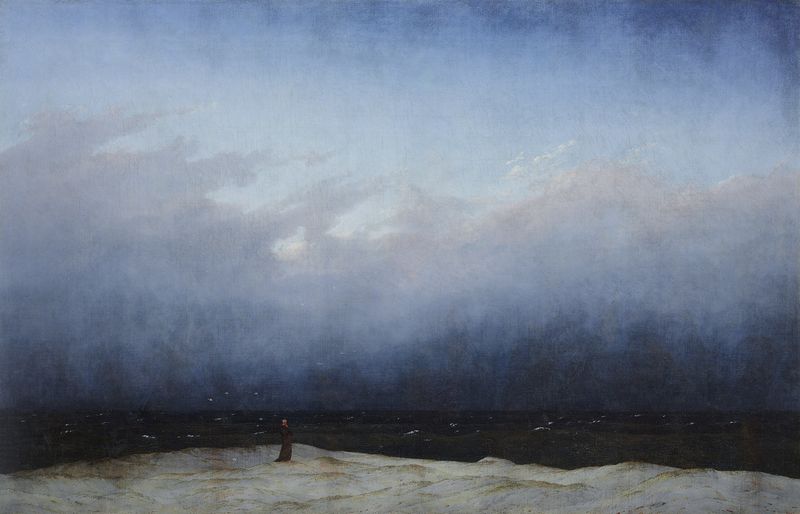
Wanderer above the Sea of Fog
Caspar David Friedrich · 1818 · Hamburger Kunsthalle
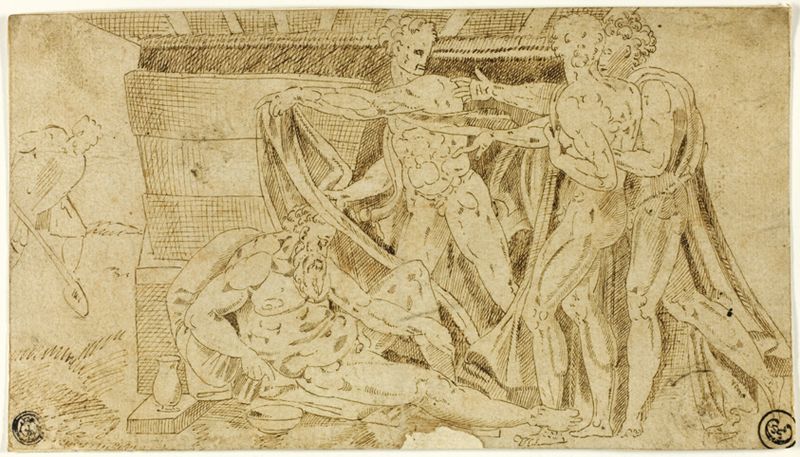 Same movement · Academic art
Drunkenness of Noah
Michelangelo · 1509 · Sistine Chapel
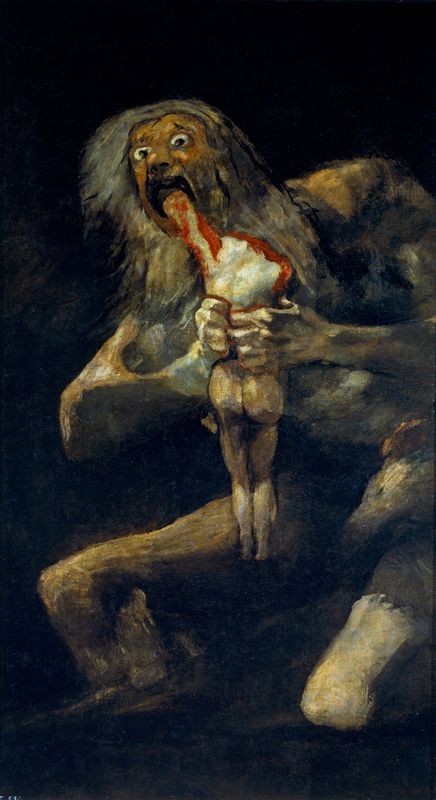 Same era · 1790s–1820s
Saturn Devouring His Son
Francisco Goya · 1820 · Museo del Prado
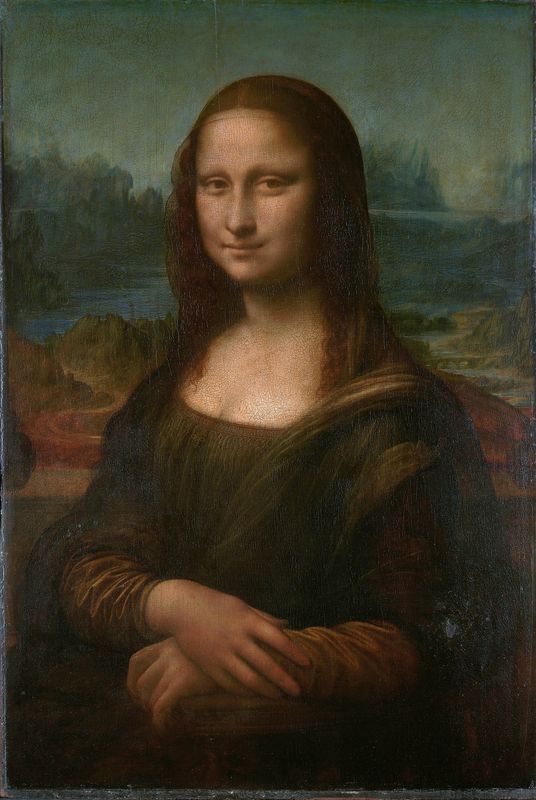 Same movement · Academic art
Mona Lisa
Leonardo da Vinci · 1503 · Department of Paintings of the Louvre
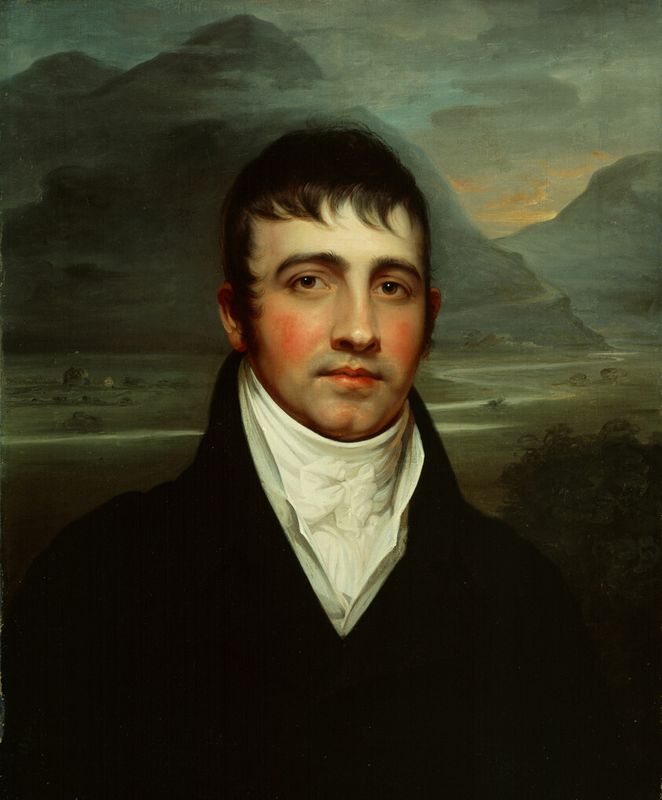 Same era · 1790s–1820s
Samuel Fisher Bradford
Rembrandt Peale · 1803 · Art Institute of Chicago
 Same movement · Academic art
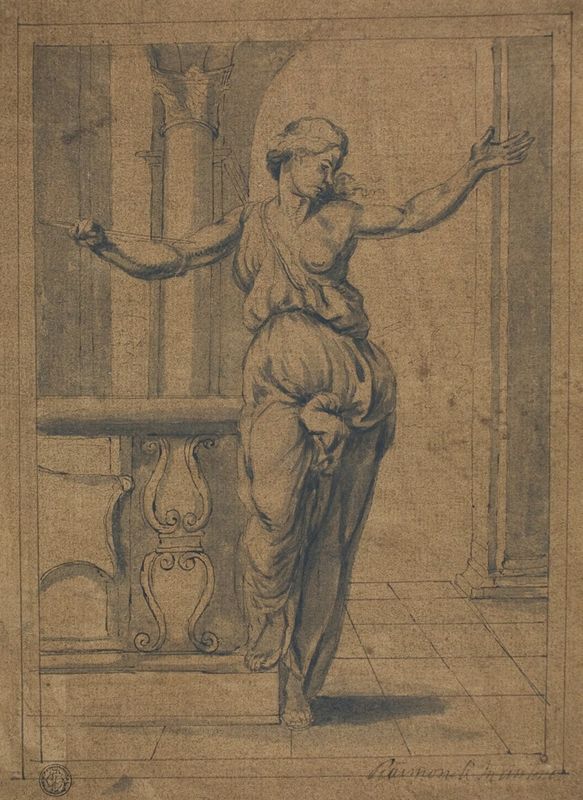
Lucretia
Raphael · Metropolitan Museum of Art
 Same era · 1790s–1820s
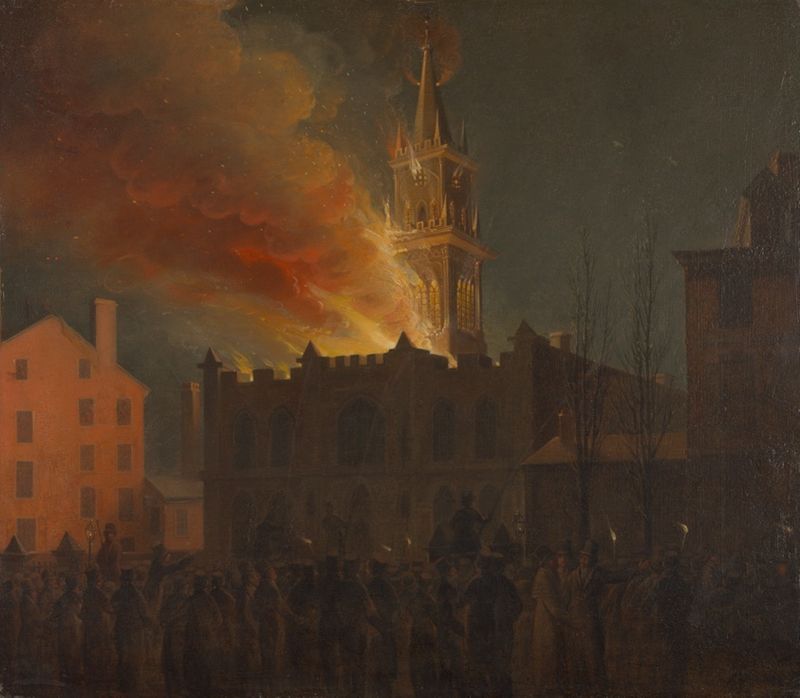
Conflagration of the Masonic Hall, Chestnut Street, Philadelphia, Pennsylvania
Samuel Jones · 1819 · Art Institute of Chicago
 Same era · 1790s–1820s
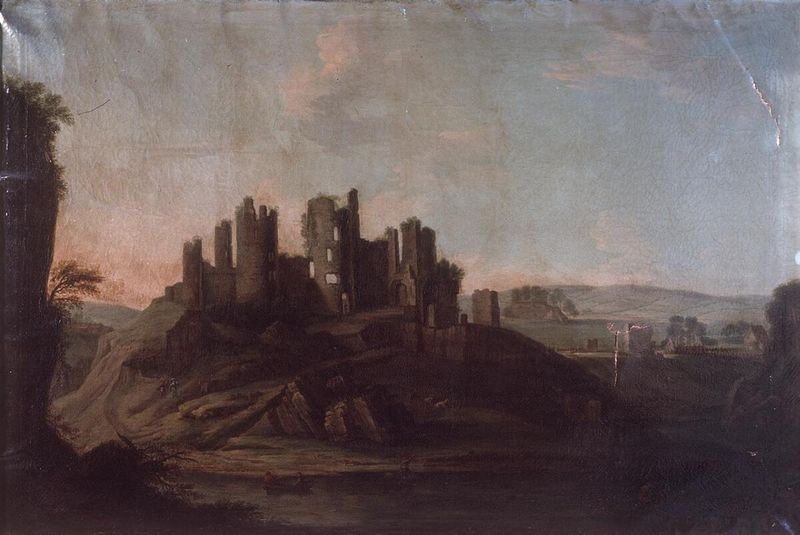
Cilgerran Castle
William Havell · 1805 · National Museum Cardiff
 Same era · 1790s–1820s
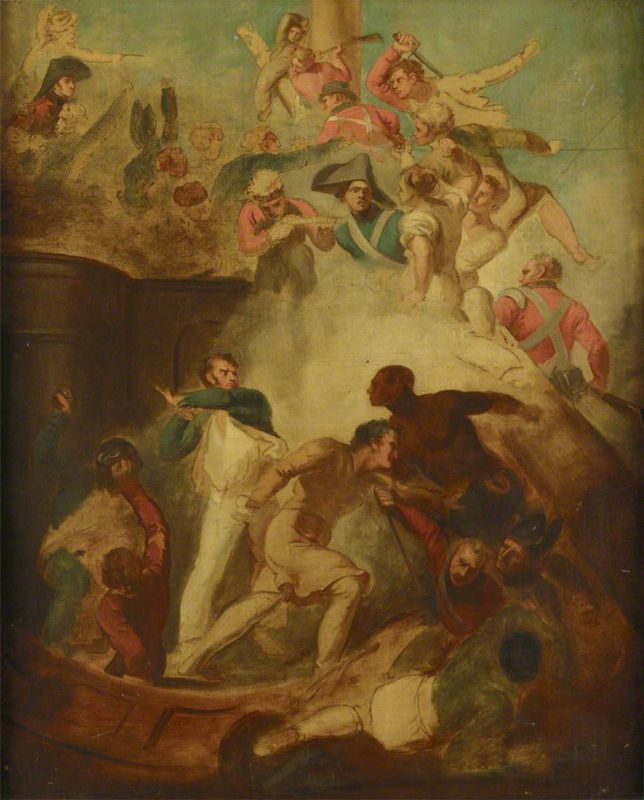
Repulsing a boarding party
Samuel Drummond · 1805 · Royal Museums Greenwich
 Same era · 1790s–1820s
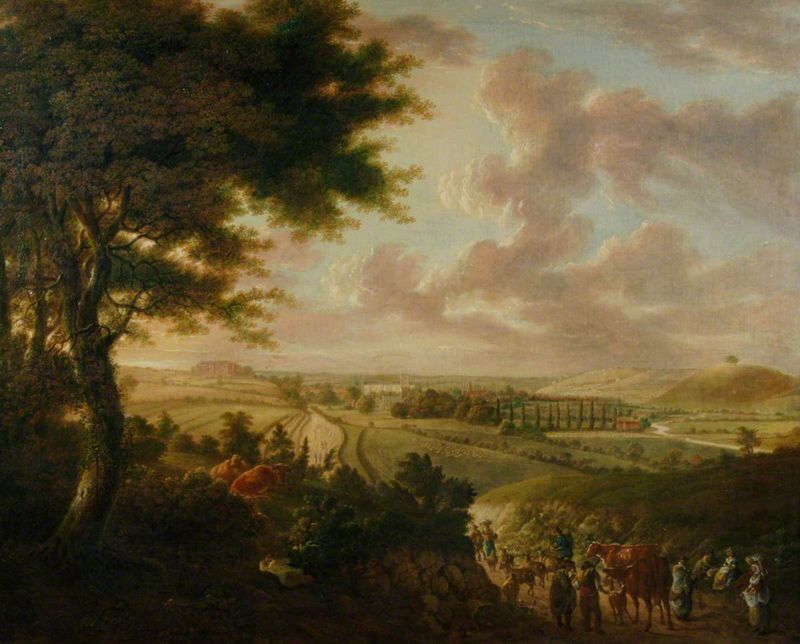
Winchester from the South
Tobias Young · 1803 · Winchester Guildhall
 Same era · 1790s–1820s
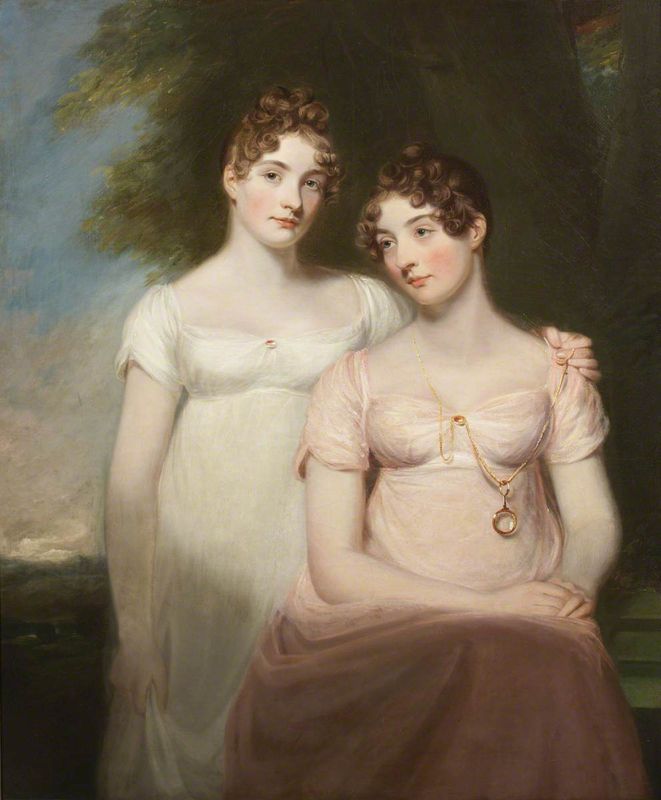
The Ainslie Sisters (Agnes and Margaret)
Thomas Stewardson · 1808 · Abbot Hall Art Gallery
 Same era · 1790s–1820s
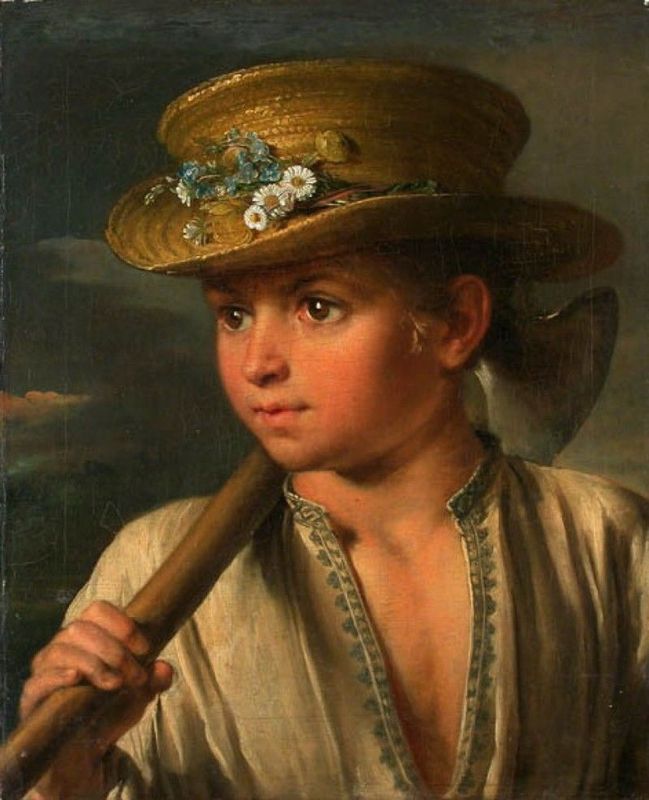
Boy with an axe
Vasily Andreevich Tropinin · 1810 · Belarusian National Arts Museum
 Same era · 1790s–1820s
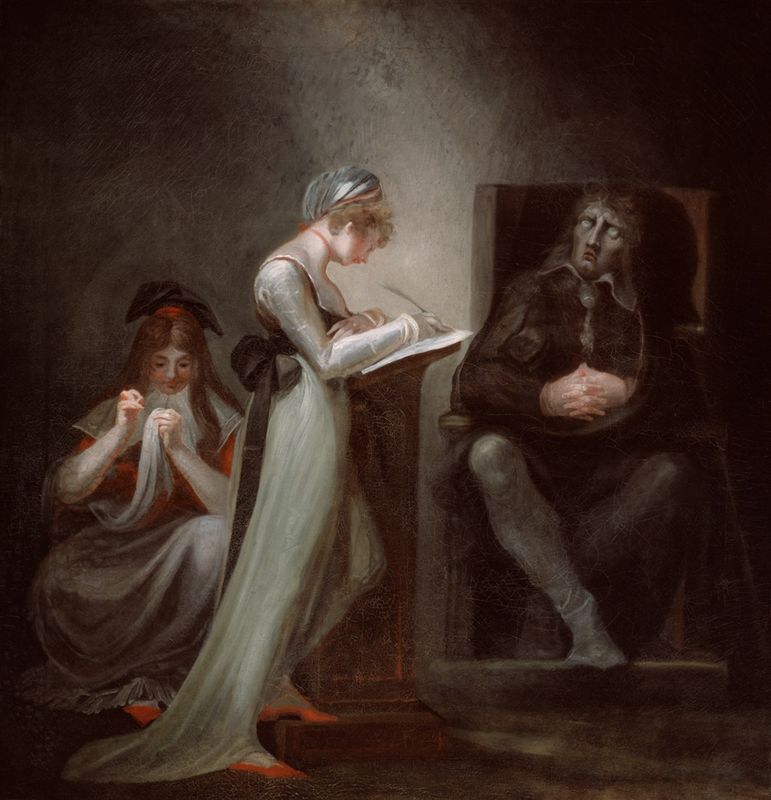
Milton Dictating to His Daughter
Henry Fuseli · 1794 · Art Institute of Chicago