
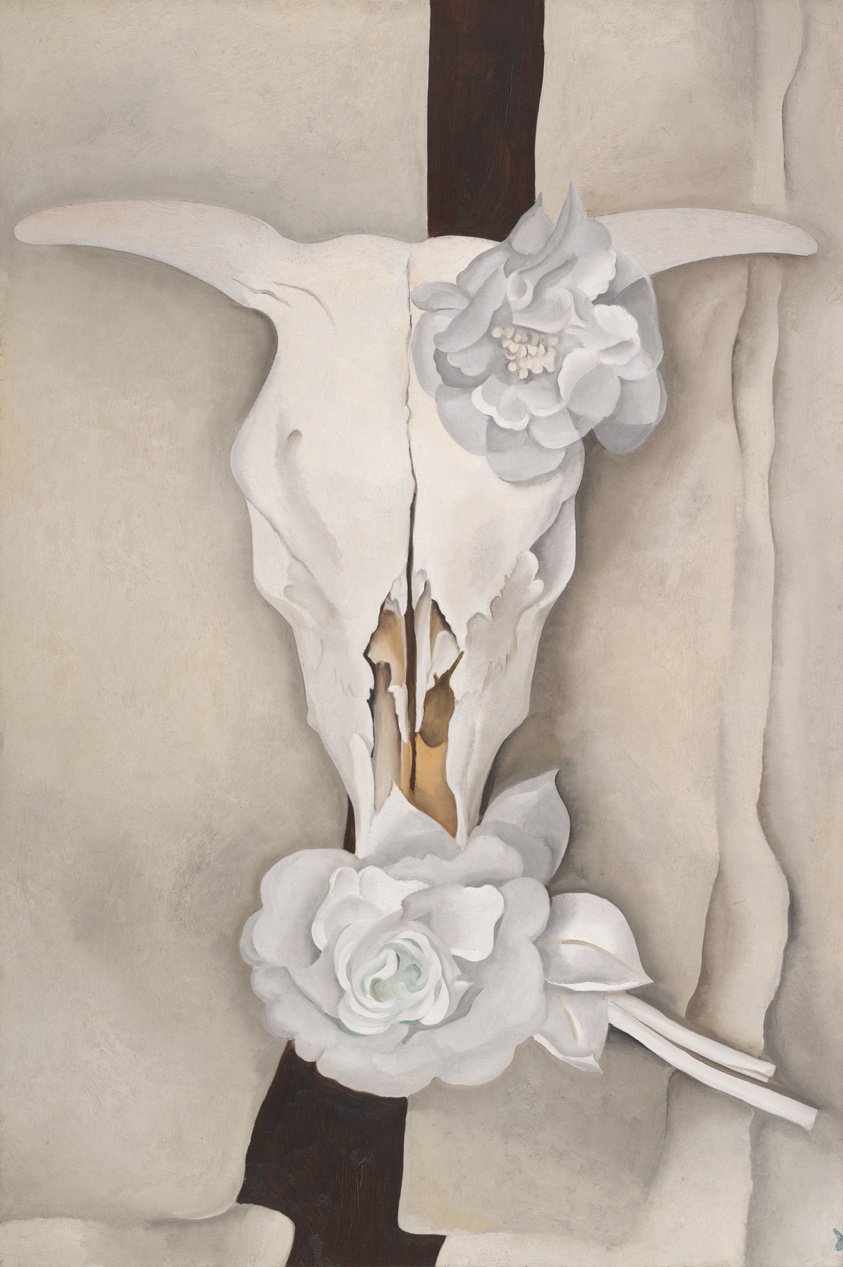
“This painting presents a striking cow's skull paired with artificial calico roses, a powerful and poetic meditation on life, death, and the stark beauty of the New Mexico desert. It invites contemplation on the enduring presence of nature's cycles.”
A sun-bleached cow's skull, stark white against a deep, almost black background, dominates this canvas. Its bone structure is rendered with a striking clarity, emphasizing the smooth curves of the cranium and the empty sockets where eyes once were. Tucked behind the skull are two artificial calico roses, their vibrant, floral patterns a surprising contrast to the skeletal remains. These fabric flowers, often used to adorn graves in New Mexico, introduce a poignant note of life, death, and remembrance. Collected by the artist in New Mexico during a severe drought in 1930, the skull became a powerful symbol of the desert's harsh beauty, which she described as "sharply to the center of something that is keenly alive." The painting explores the interplay between the organic and the artificial, the enduring and the ephemeral, all within the stark, majestic context of the American Southwest.
- Artist
- Georgia O'Keeffe
- Date
- 1931
- Medium
- Oil on canvas
- Location
- Art Institute of Chicago
- Dimensions
- 91.4 × 61 cm (36 × 24 in.)
- Collection
- Arts of the Americas
- Culture
- United States
- Credit line
- Alfred Stieglitz Collection, gift of Georgia O'Keeffe
What to Notice
Five details hide in plain sight. Here’s where to look.
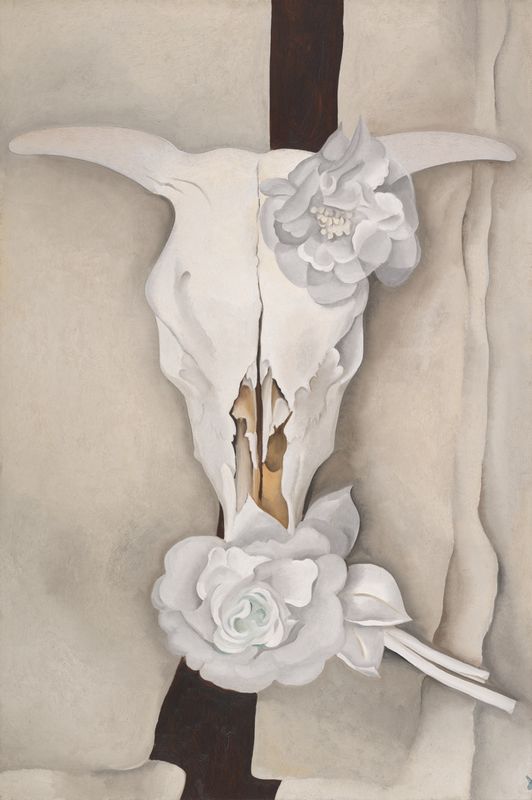
The smooth, almost polished texture of the bone, suggesting the desert's erosive power.
The empty eye sockets of the skull, creating a sense of profound stillness.
The delicate, patterned fabric of the two calico roses.
The deep, velvety black background that pushes the skull forward.
1 more detail is waiting.
See all 5 in Art Whisper →Stand in front of it and listen
The full narration walks you through Cow's Skull with Calico Roses — the story behind it, the details most visitors miss, and why it matters. Free in the Art Whisper app.
Georgia O'Keeffe
1887–1986 · United StatesGeorgia O'Keeffe, the 'Mother of American modernism,' transformed natural forms into powerful abstractions, from magnified flowers to the stark beauty of the New Mexico desert.
Further Works by O'Keeffe
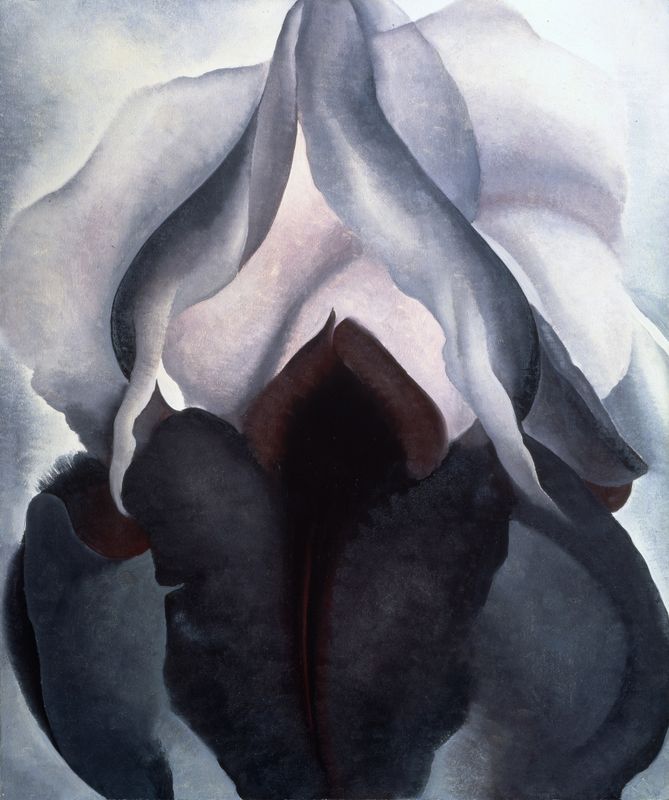 Black Iris
1926 · The Metropolitan Museum of Art
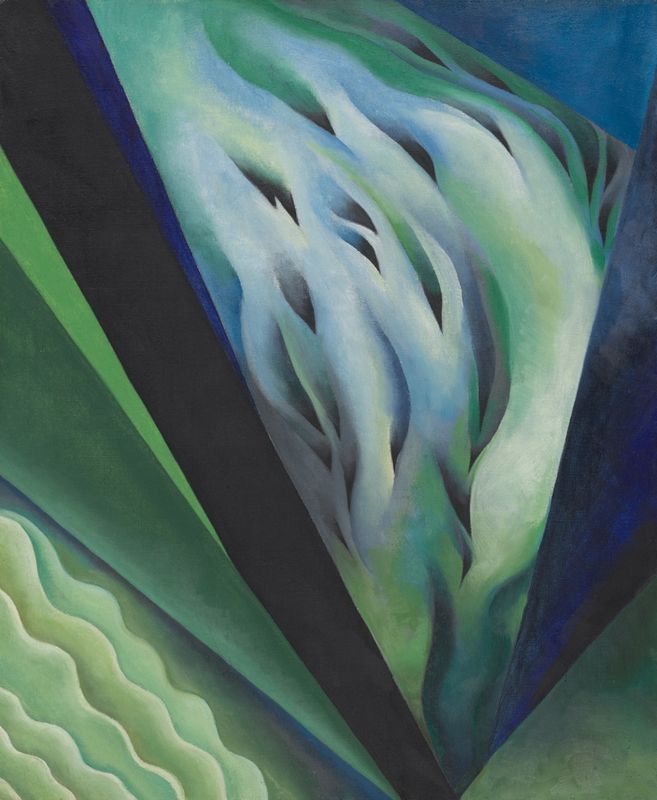 Blue and Green Music
1919 · Art Institute of Chicago
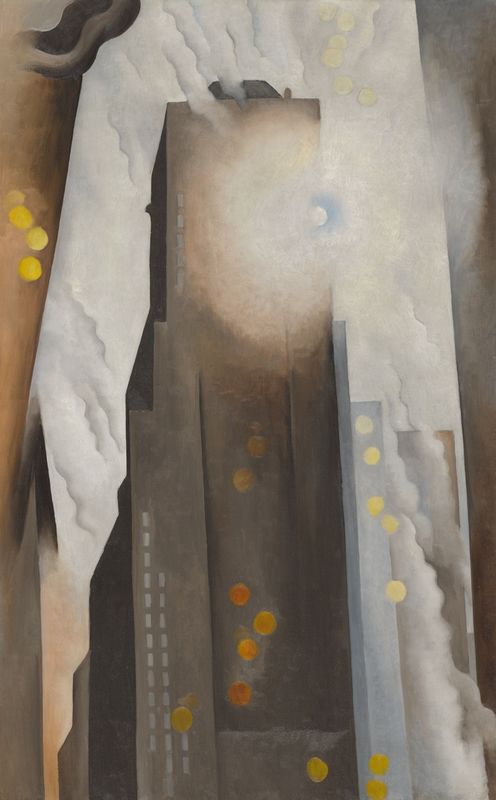 The Shelton with Sunspots, N.Y.
1926 · Art Institute of Chicago
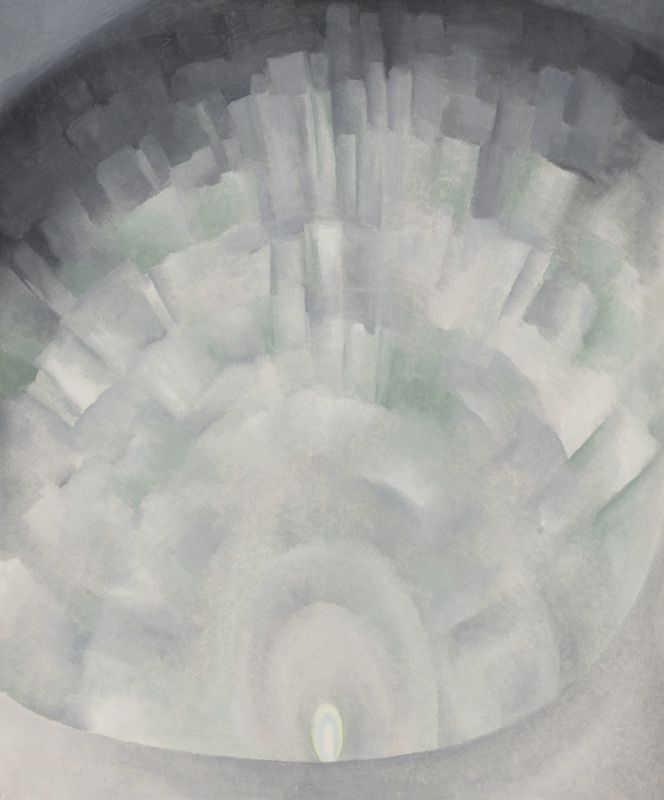 Ballet Skirt or Electric Light (from the White Rose Motif)
1927 · Art Institute of Chicago
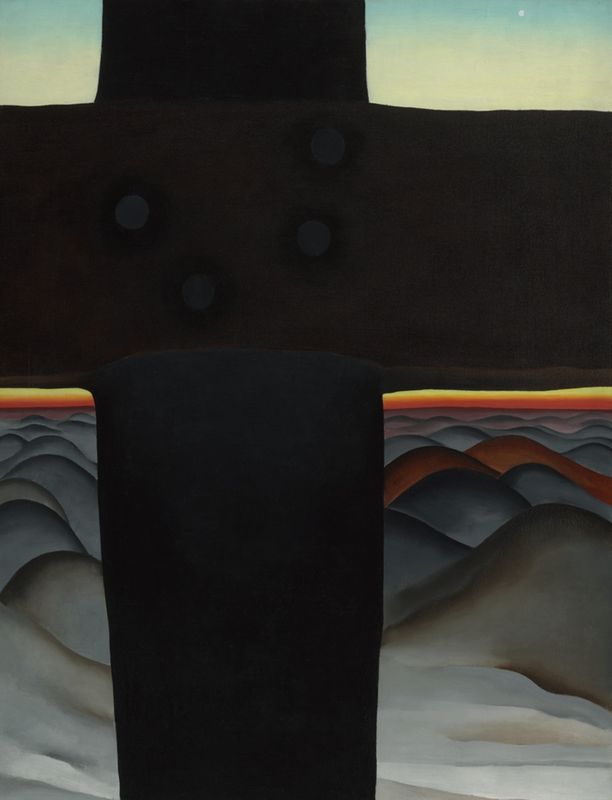 Black Cross, New Mexico
1929 · Art Institute of Chicago
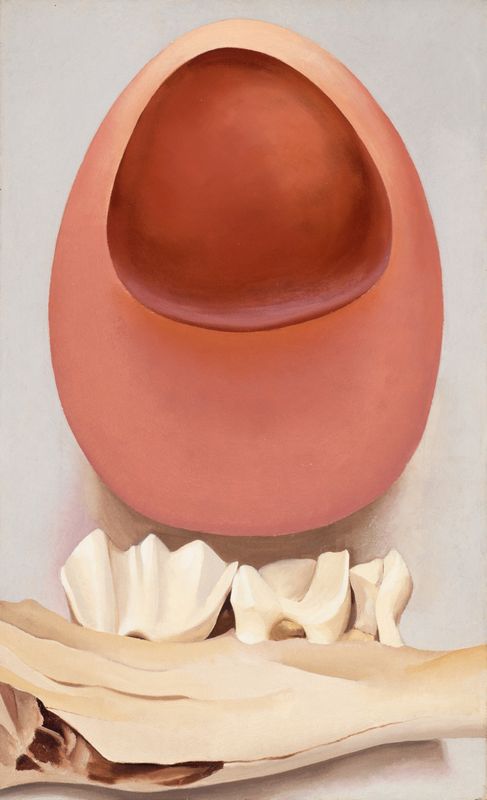 Red and Pink Rocks and Teeth
1938 · Art Institute of Chicago
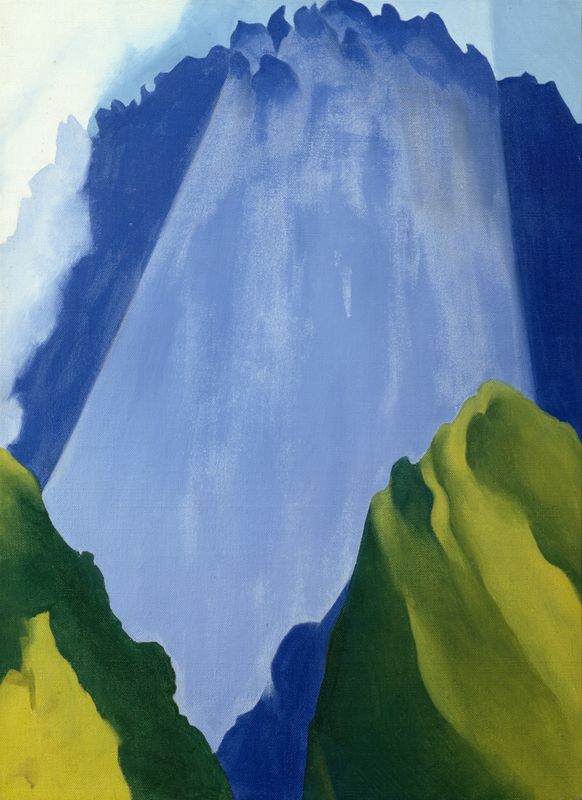 Peru – Machu Picchu, Morning Light
1957 · Art Institute of Chicago
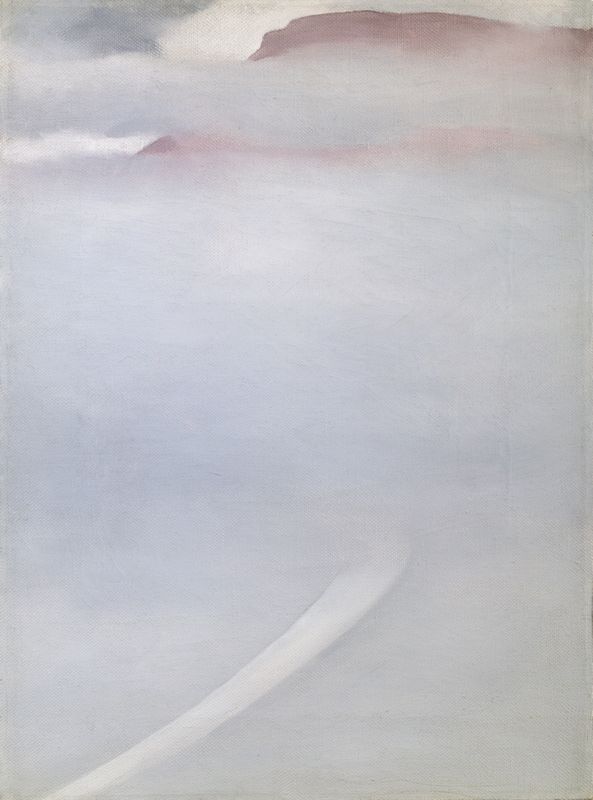 Road – Mesa with Mist
1961 · Art Institute of Chicago
More works to explore
Beyond O'Keeffe: works from the same years.
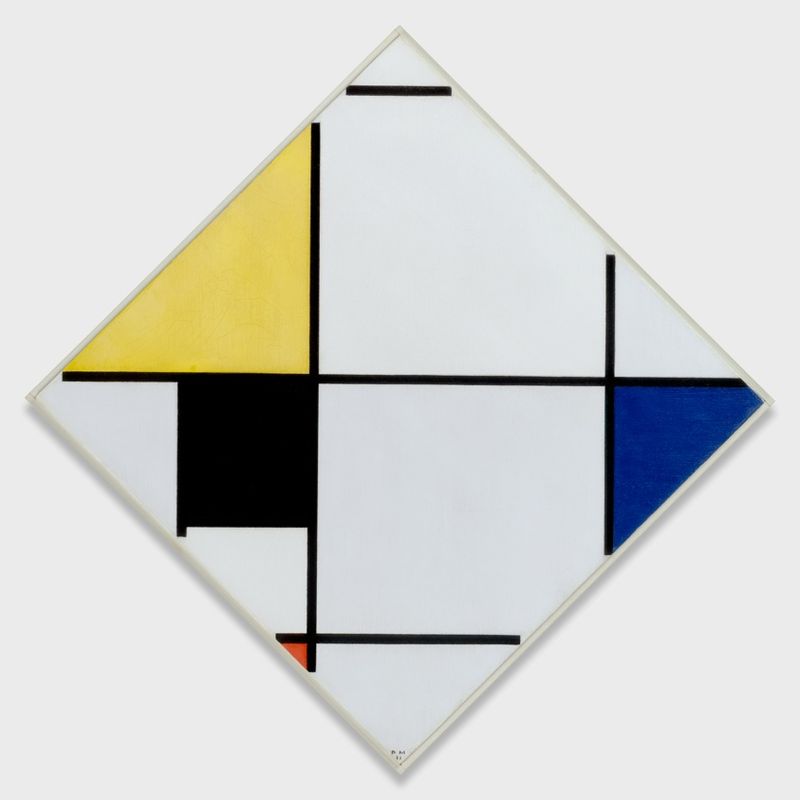 Same era · 1910s–1940s
Lozenge Composition with Yellow, Black, Blue, Red, and Gray
Piet Mondrian · 1921 · Art Institute of Chicago
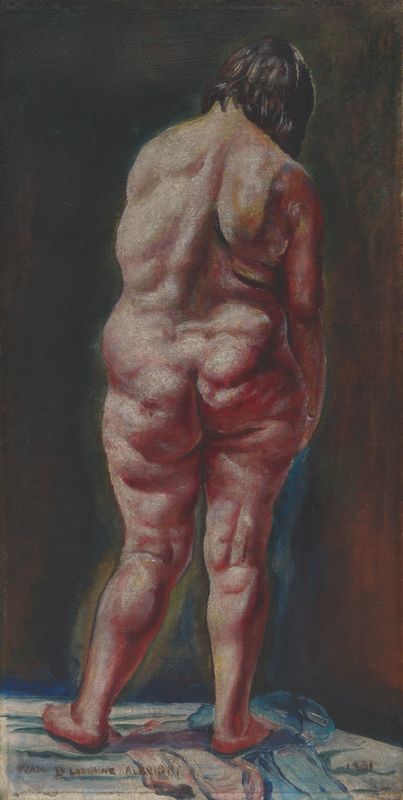 Same era · 1910s–1940s
Nude
Ivan Puni · 1931 · Art Institute of Chicago
 Same era · 1910s–1940s
American Gothic
Okada Saburosuke · 1930 · Art Institute of Chicago
 Same era · 1910s–1940s
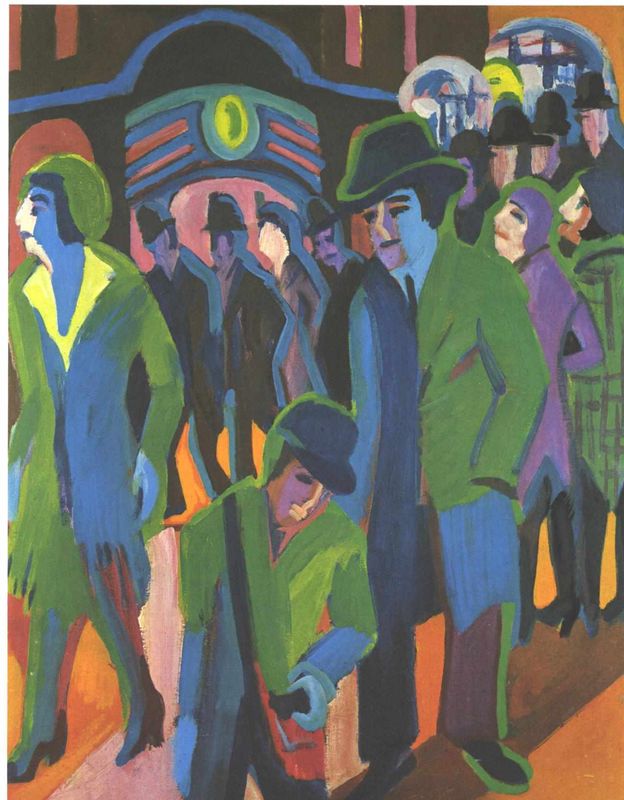
Straße mit Passanten bei Nachtbeleuchtung
Ernst Ludwig Kirchner · 1927 · Museum Frieder Burda
 Same era · 1910s–1940s
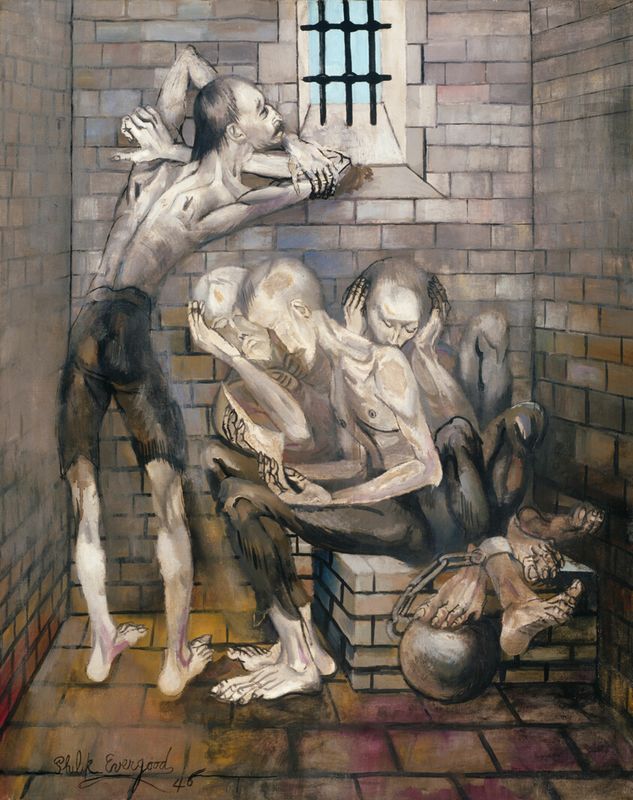
The Indestructibles
Philip Evergood · 1946 · Art Institute of Chicago
 Same era · 1910s–1940s
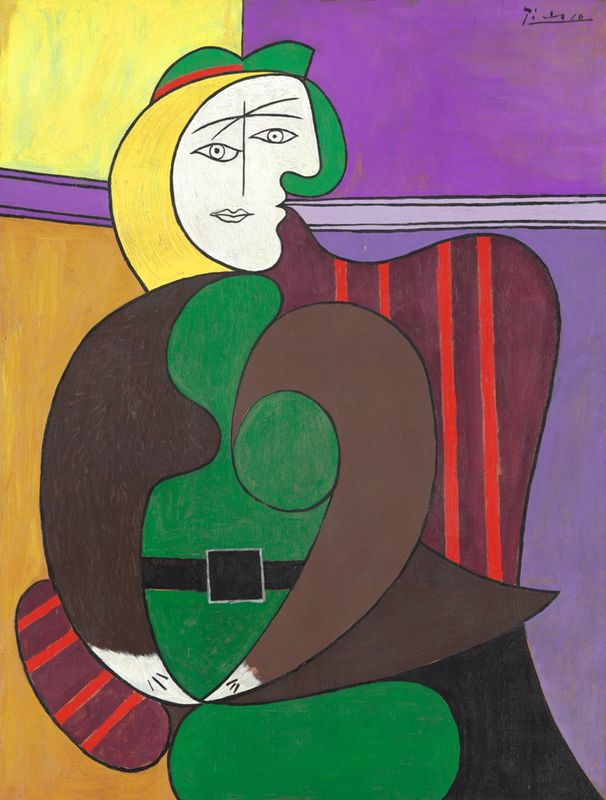
The Red Armchair
Pablo Picasso · 1931 · Art Institute of Chicago
 Same era · 1910s–1940s
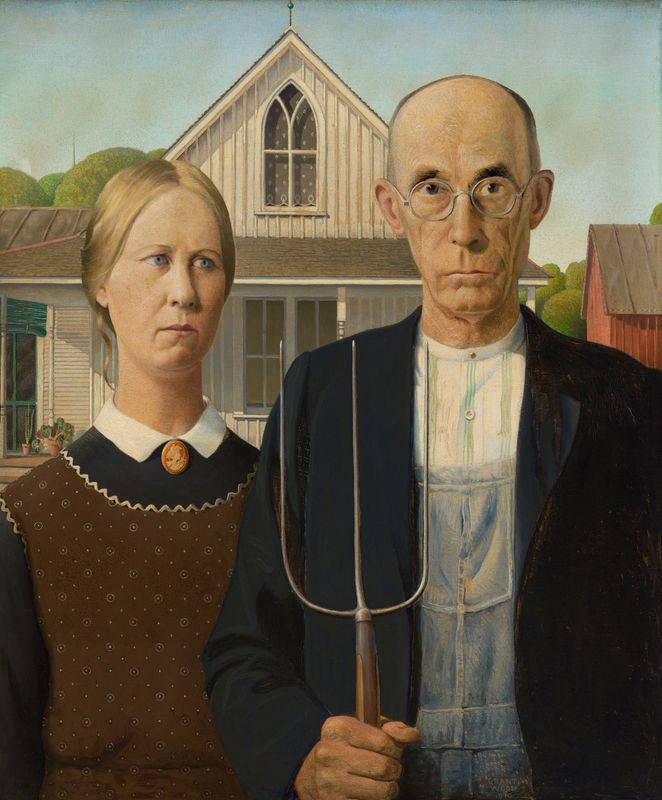
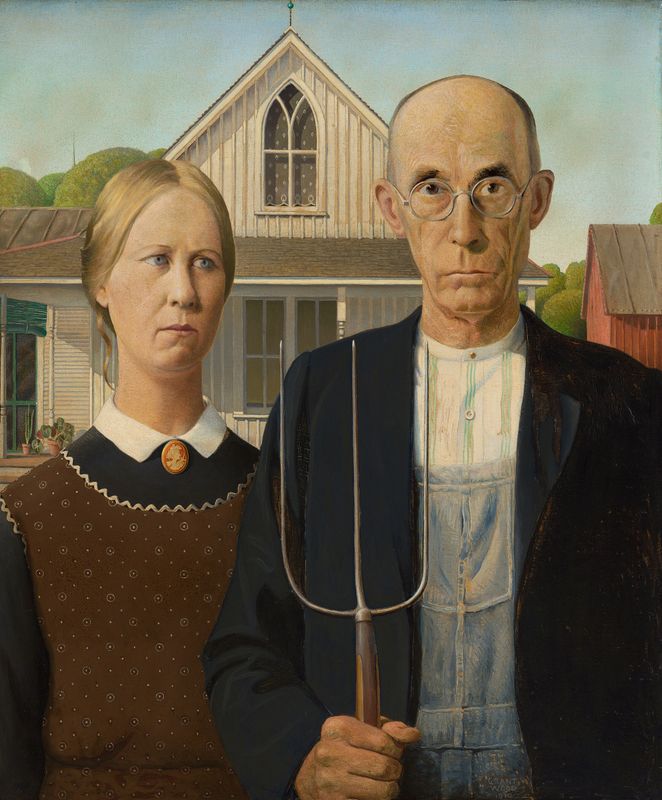
American Gothic
Grant Wood · 1930 · Art Institute of Chicago
 Same era · 1910s–1940s
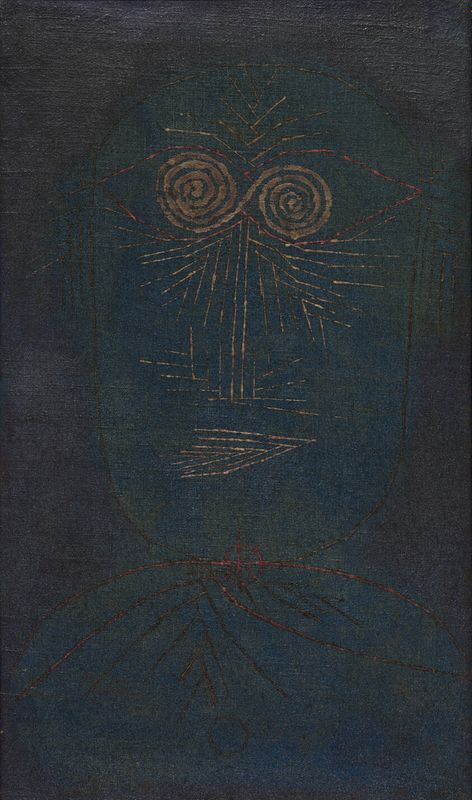
Strange Glance
Paul Klee · 1930 · Art Institute of Chicago
 Same era · 1910s–1940s
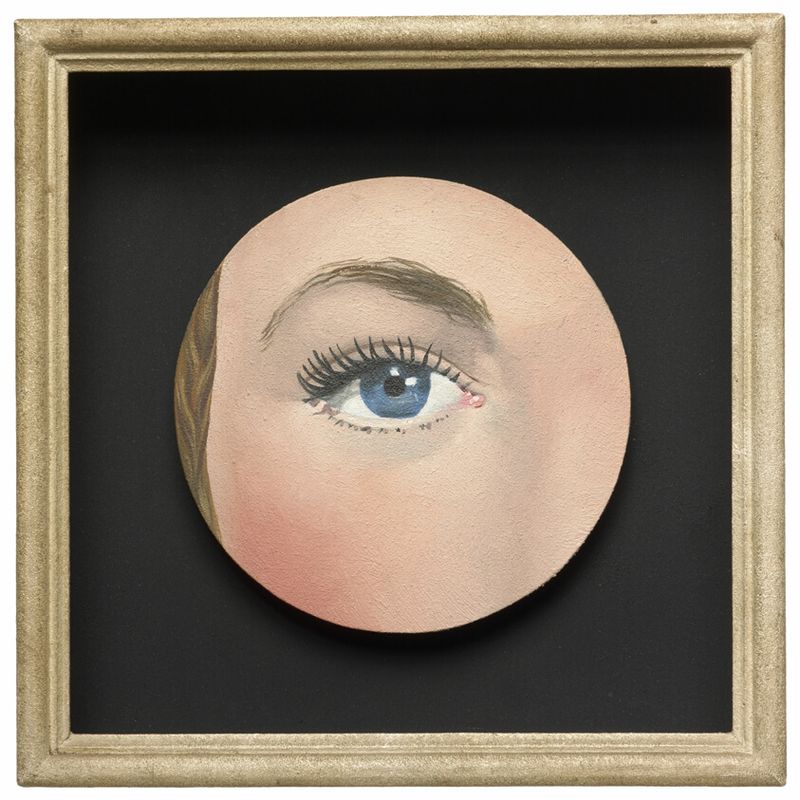
The Eye
René Magritte · 1932 · Art Institute of Chicago
 Same era · 1910s–1940s
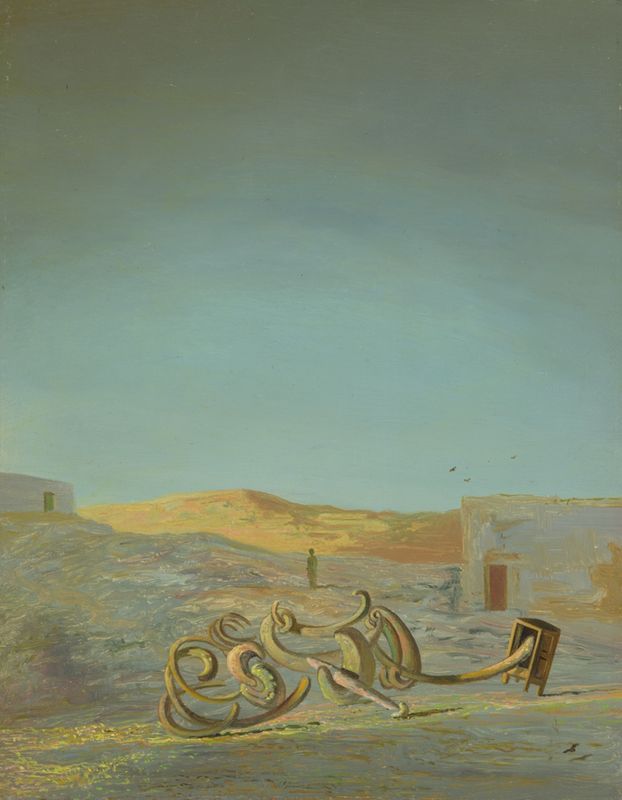
Untitled (Desert Landscape)
Salvador Dalí · 1934 · Art Institute of Chicago
 Same era · 1910s–1940s
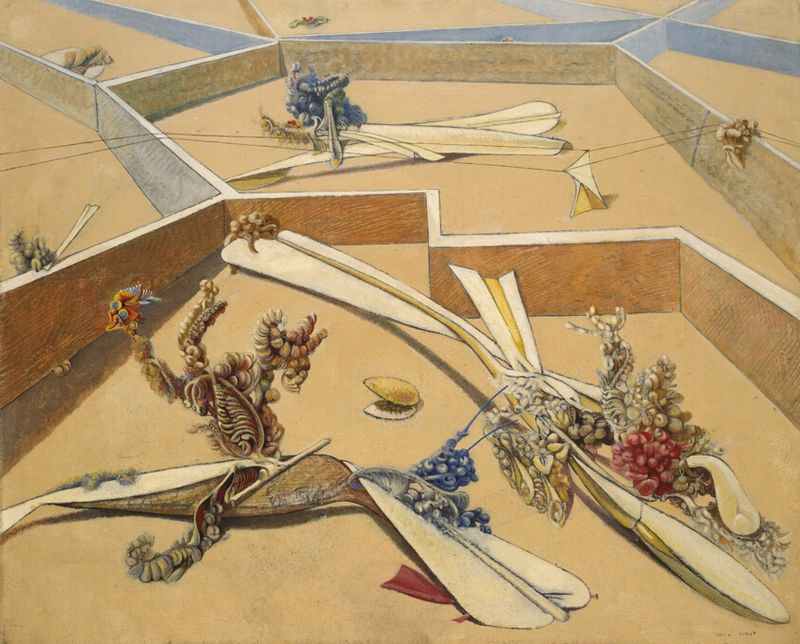
Garden Airplane-Trap
Max Ernst · 1935 · Art Institute of Chicago
 Same era · 1910s–1940s
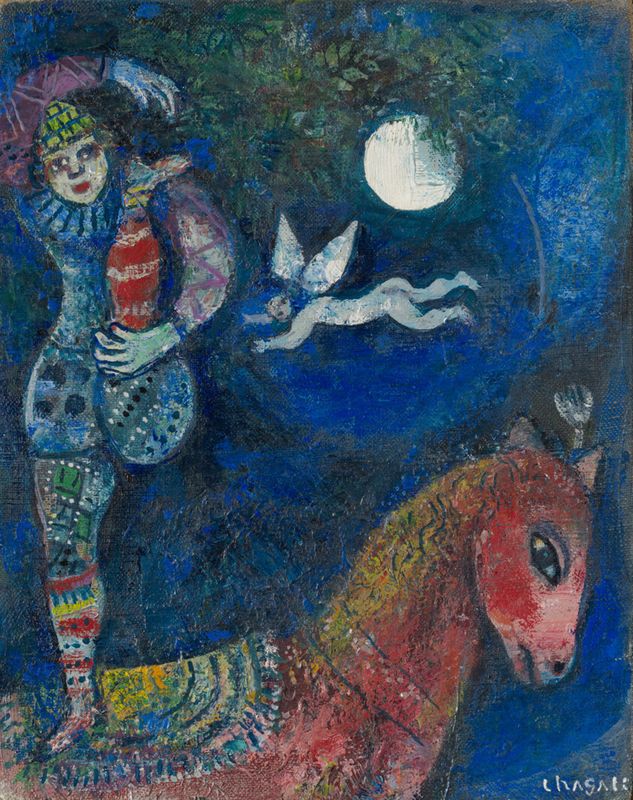
The Circus Rider
Marc Chagall · 1927 · Art Institute of Chicago