
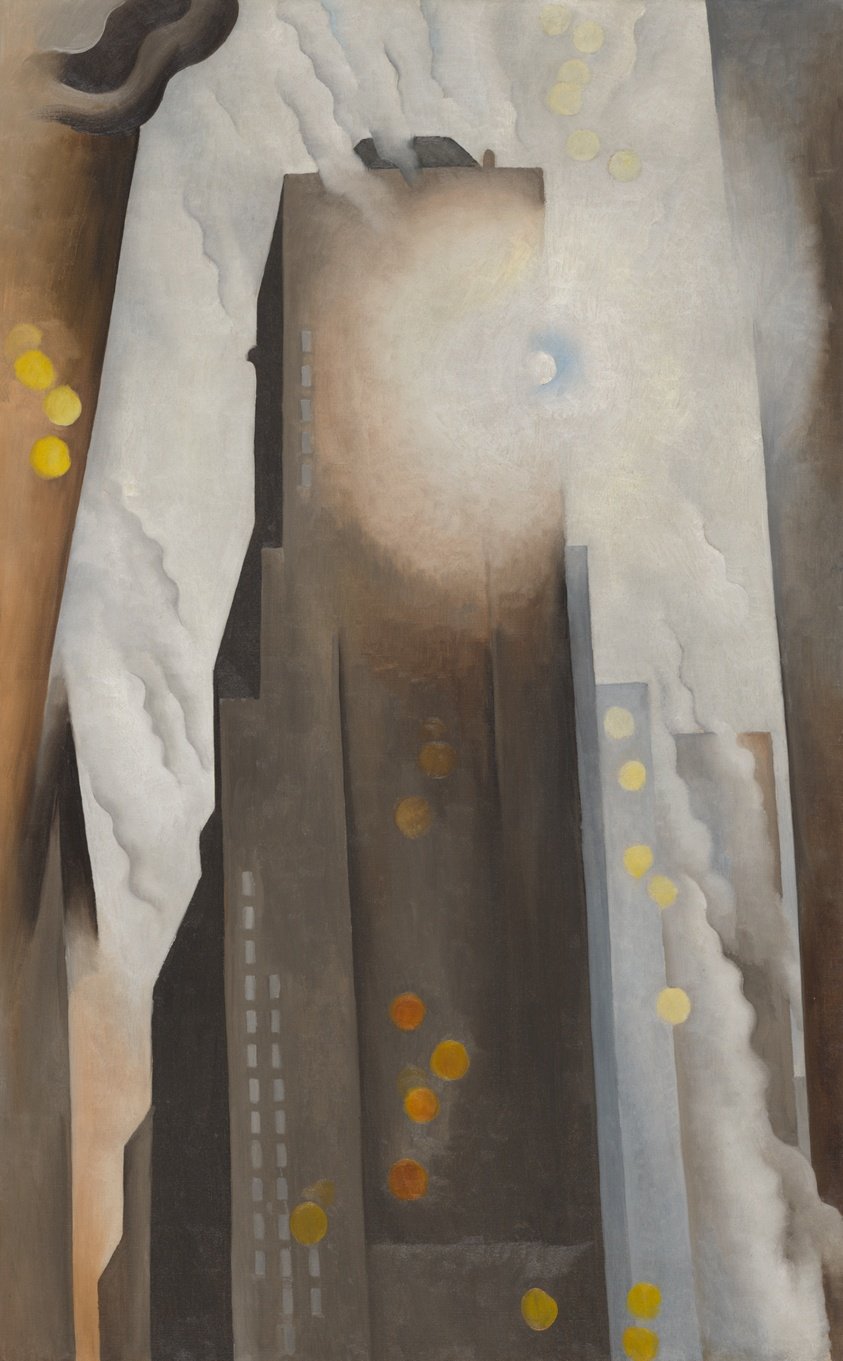
“This striking painting captures New York's Shelton Hotel, not just as a building, but as a dynamic interplay of light and shadow. Look for the sun's illusionary "bite" out of the tower and the surprising softness in this urban scene.”
The towering Shelton Hotel dominates this canvas, its formidable structure rendered from a street-level perspective that emphasizes its soaring height. The building's hard, rectilinear edges are softened by the radiant light of the emerging sun, which creates an "optical illusion of a bite out of one side of the tower." This effect, combined with numerous circular sunspots and the wavy lines of smoke and steam, unifies man-made and organic forms within the urban landscape. Painted in 1926, the year after the artist moved into the recently completed skyscraper with Alfred Stieglitz, this work captures a precise moment of fascination with New York City's architectural majesty. It reflects a period when the artist explored cityscapes, a departure from her later focus on flowers and the Southwestern landscape, yet it shares the same intent to blend the natural with the constructed.
- Artist
- Georgia O'Keeffe
- Date
- 1926
- Medium
- Oil on canvas
- Location
- Art Institute of Chicago
- Dimensions
- 122.6 × 76.9 cm (48 1/4 × 30 1/4 in.)
- Collection
- Arts of the Americas
- Culture
- United States
- Credit line
- Gift of Leigh B. Block
What to Notice
Five details hide in plain sight. Here’s where to look.
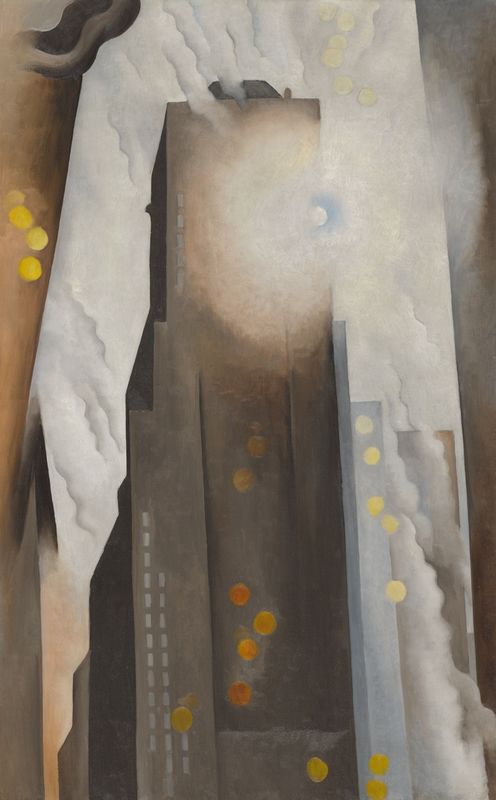
The glowing sunspots, some against the building, others against the sky.
The illusion of a "bite" taken out of the tower by the sunlight.
The soft, wavy lines of smoke or steam contrasting with the skyscraper's rigidity.
The dramatic upward angle, emphasizing the building's height.
1 more detail is waiting.
See all 5 in Art Whisper →Stand in front of it and listen
The full narration walks you through The Shelton with Sunspots, N.Y. — the story behind it, the details most visitors miss, and why it matters. Free in the Art Whisper app.
Georgia O'Keeffe
1887–1986 · United StatesGeorgia O'Keeffe, the 'Mother of American modernism,' transformed natural forms into powerful abstractions, from magnified flowers to the stark beauty of the New Mexico desert.
Further Works by O'Keeffe
 Black Iris
1926 · The Metropolitan Museum of Art
 Blue and Green Music
1919 · Art Institute of Chicago
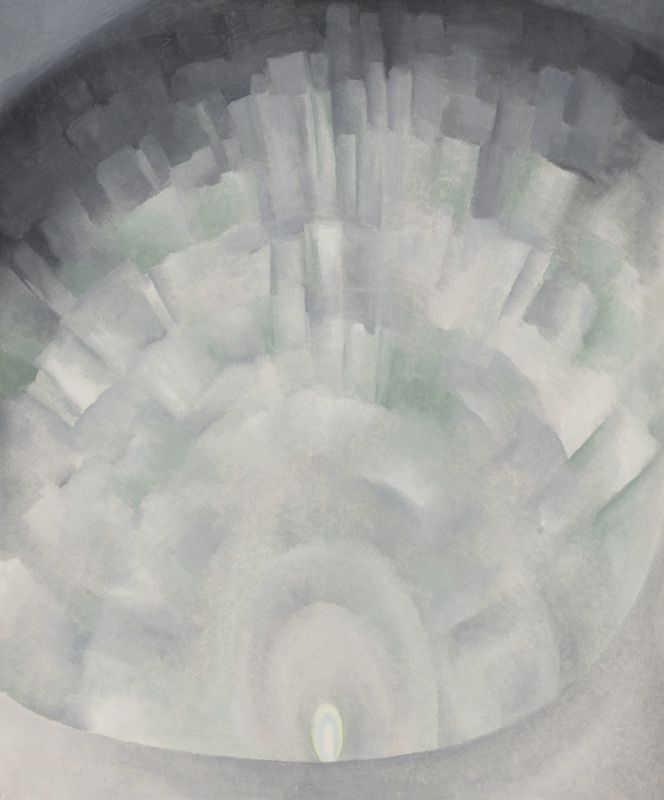 Ballet Skirt or Electric Light (from the White Rose Motif)
1927 · Art Institute of Chicago
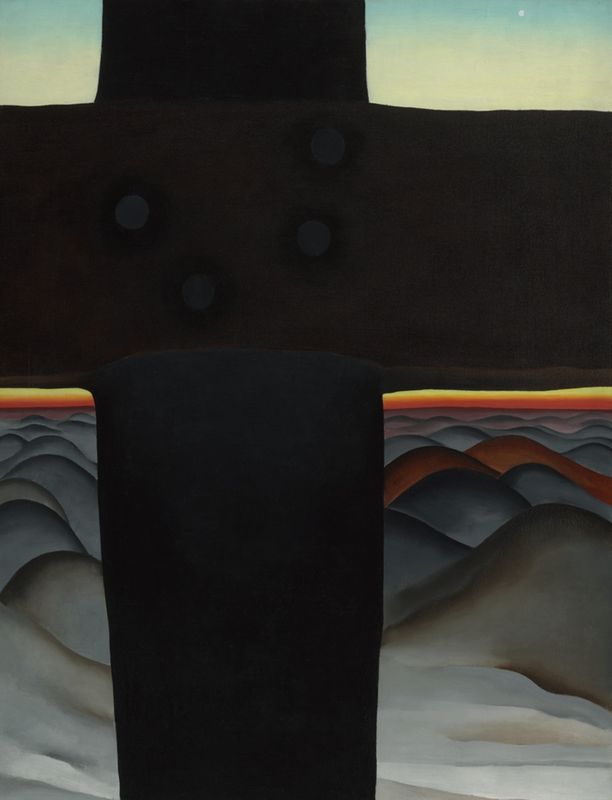 Black Cross, New Mexico
1929 · Art Institute of Chicago
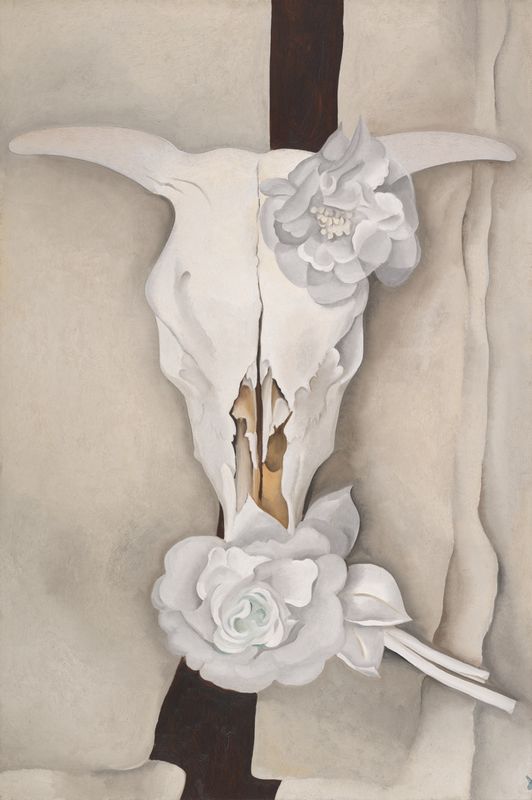 Cow's Skull with Calico Roses
1931 · Art Institute of Chicago
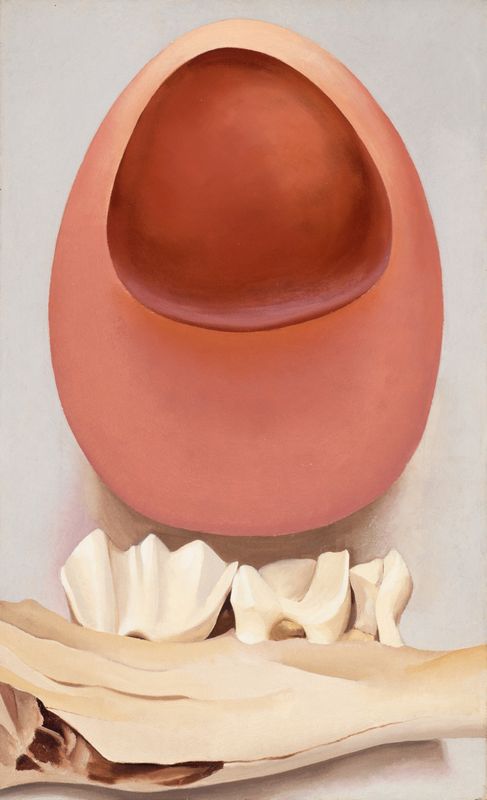 Red and Pink Rocks and Teeth
1938 · Art Institute of Chicago
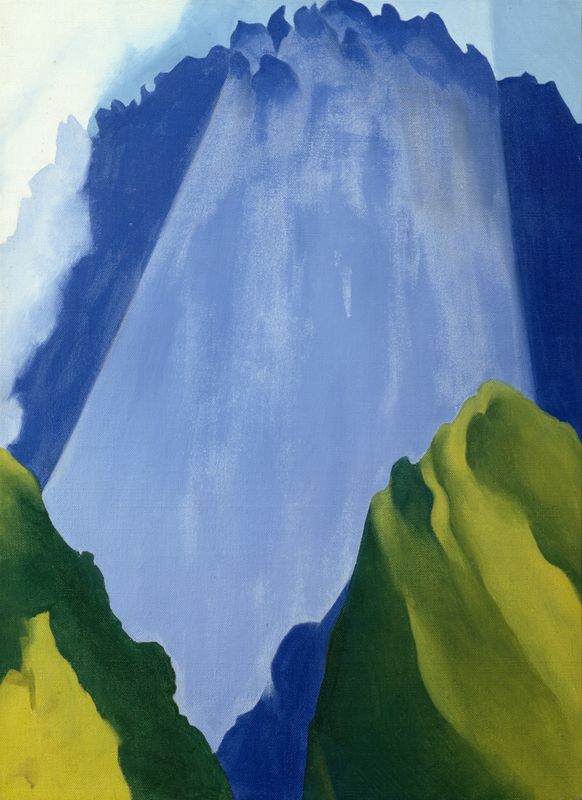 Peru – Machu Picchu, Morning Light
1957 · Art Institute of Chicago
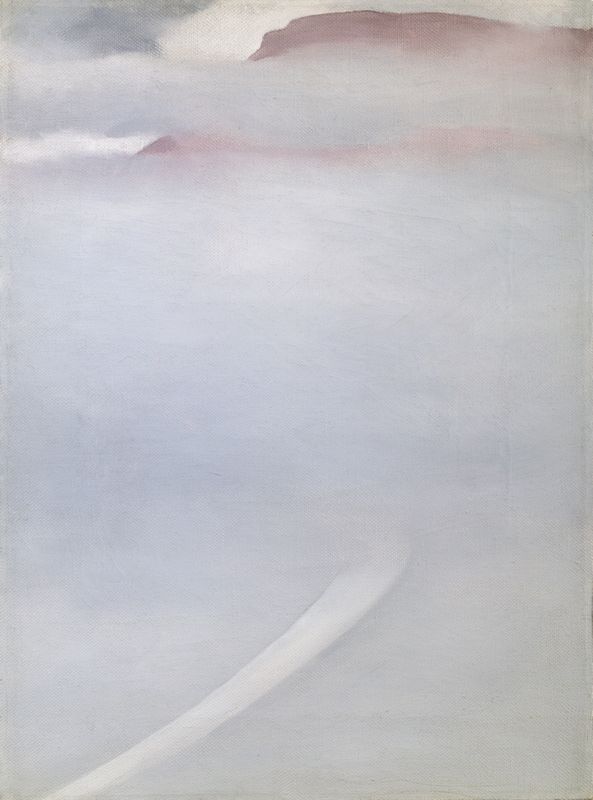 Road – Mesa with Mist
1961 · Art Institute of Chicago
More works to explore
Beyond O'Keeffe: works from the same years.
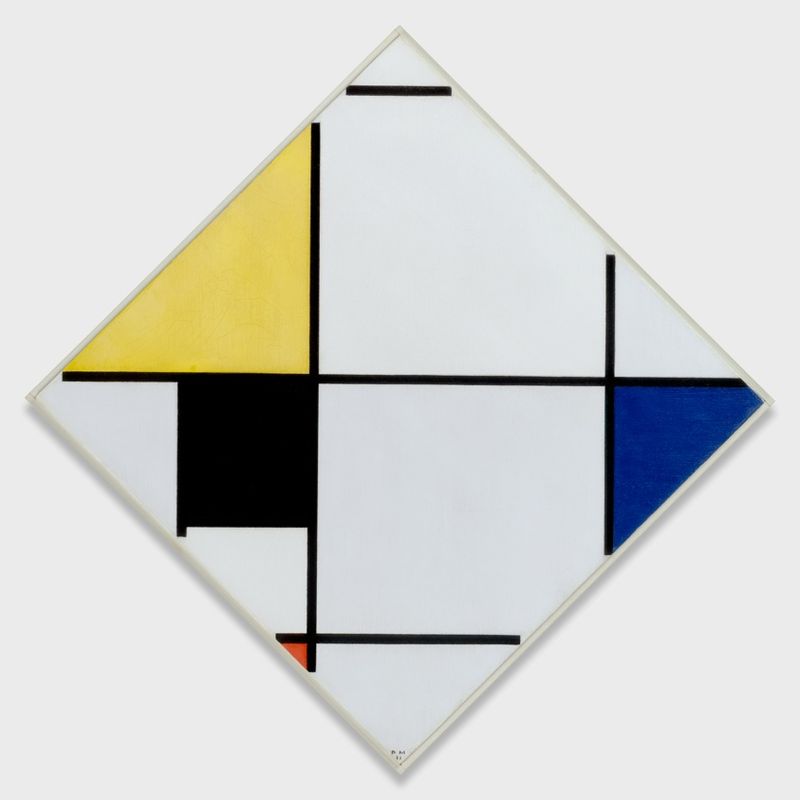 Same era · 1910s–1940s
Lozenge Composition with Yellow, Black, Blue, Red, and Gray
Piet Mondrian · 1921 · Art Institute of Chicago
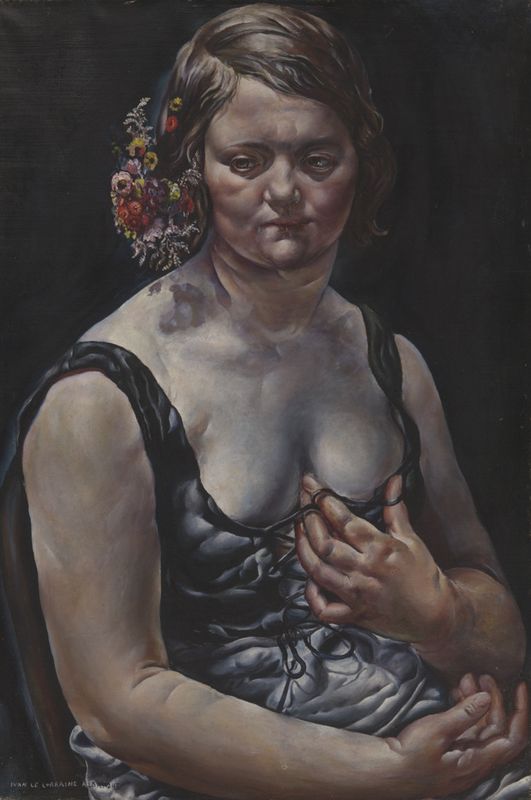 Same era · 1910s–1940s
Memories of the Past
Ivan Puni · 1927 · Art Institute of Chicago
 Same era · 1910s–1940s
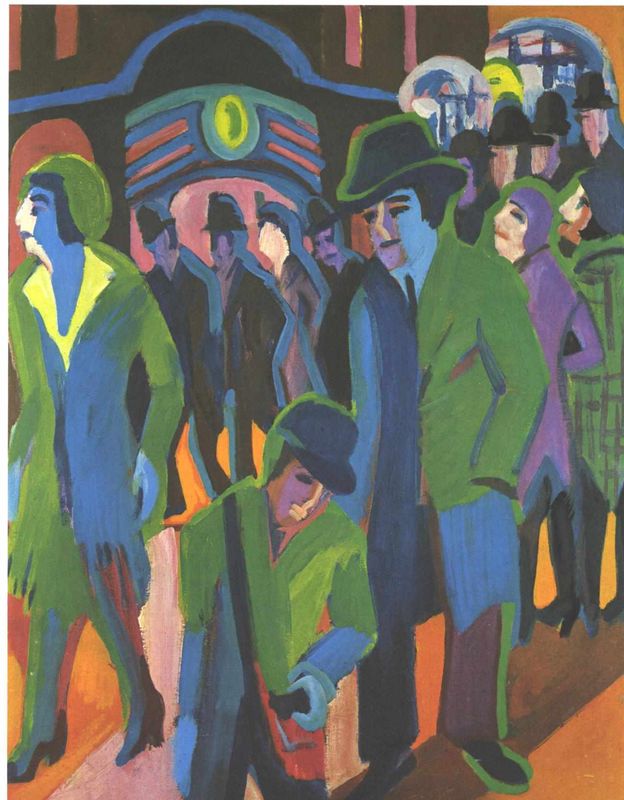
Straße mit Passanten bei Nachtbeleuchtung
Ernst Ludwig Kirchner · 1927 · Museum Frieder Burda
 Same era · 1910s–1940s
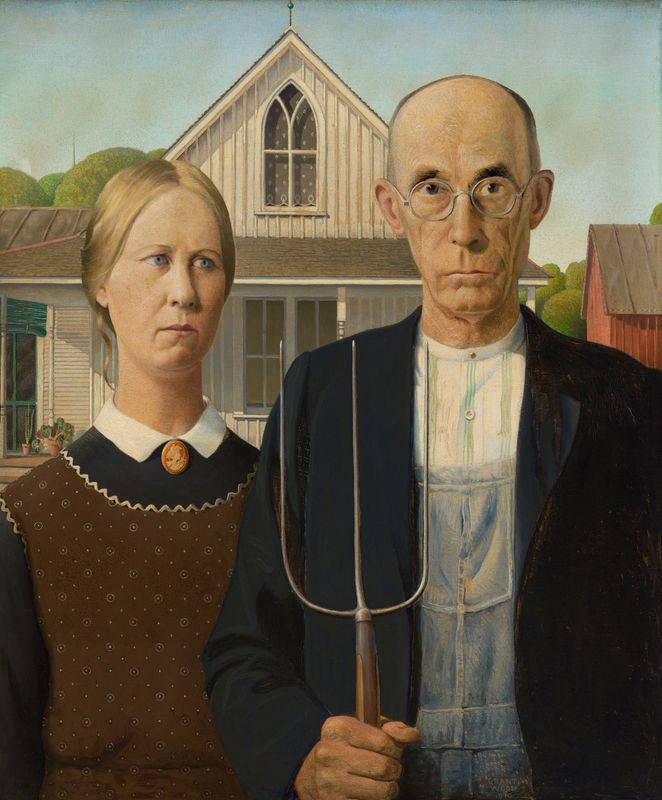
American Gothic
Okada Saburosuke · 1930 · Art Institute of Chicago
 Same era · 1910s–1940s
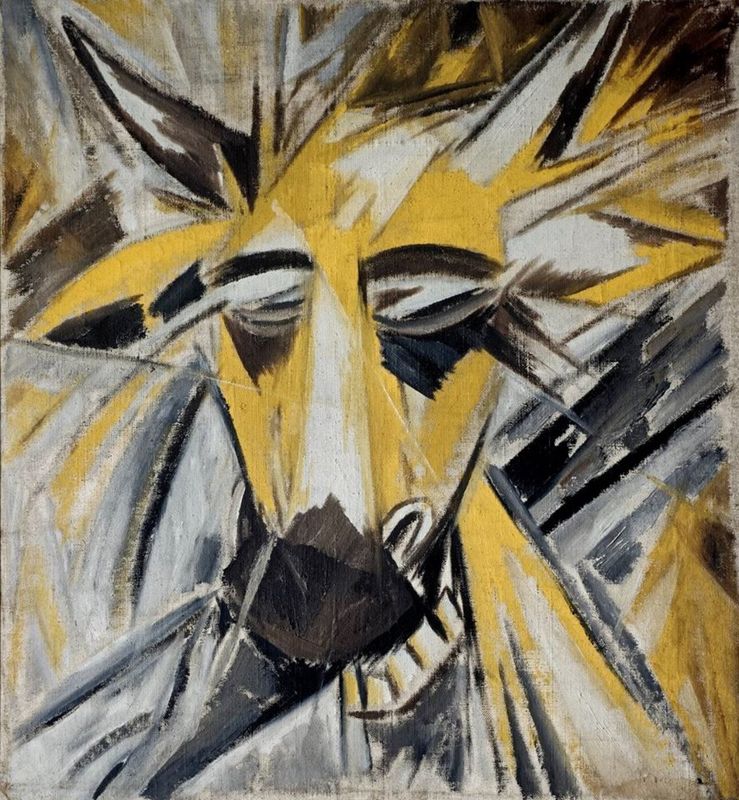
Bull's Head
Mikhail Larionov · 1913 · Tretyakov Gallery
 Same era · 1910s–1940s
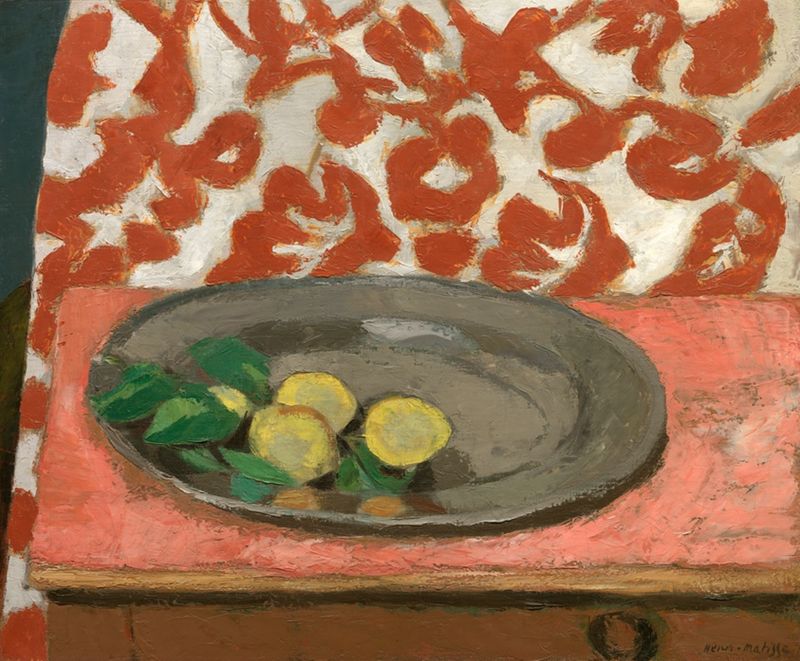
Lemons on a Pewter Plate
Henri Matisse · 1926 · Art Institute of Chicago
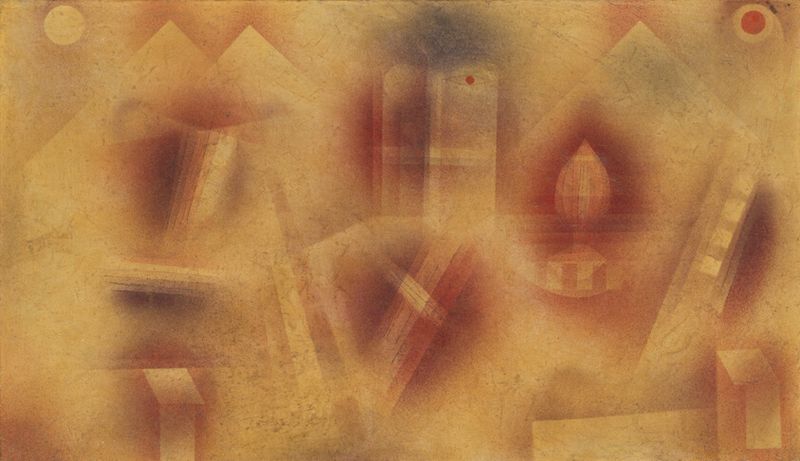 Same era · 1910s–1940s
Still Life with Fragments
Paul Klee · 1925 · Art Institute of Chicago
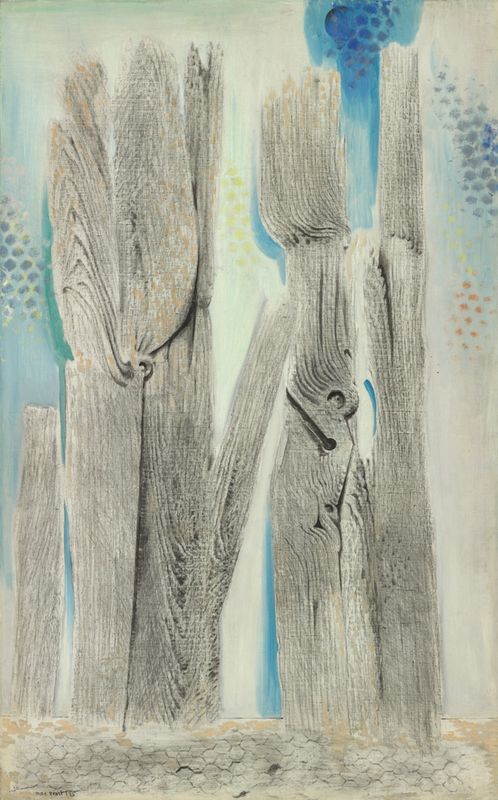 Same era · 1910s–1940s
The Blue Forest
Max Ernst · 1925 · Art Institute of Chicago
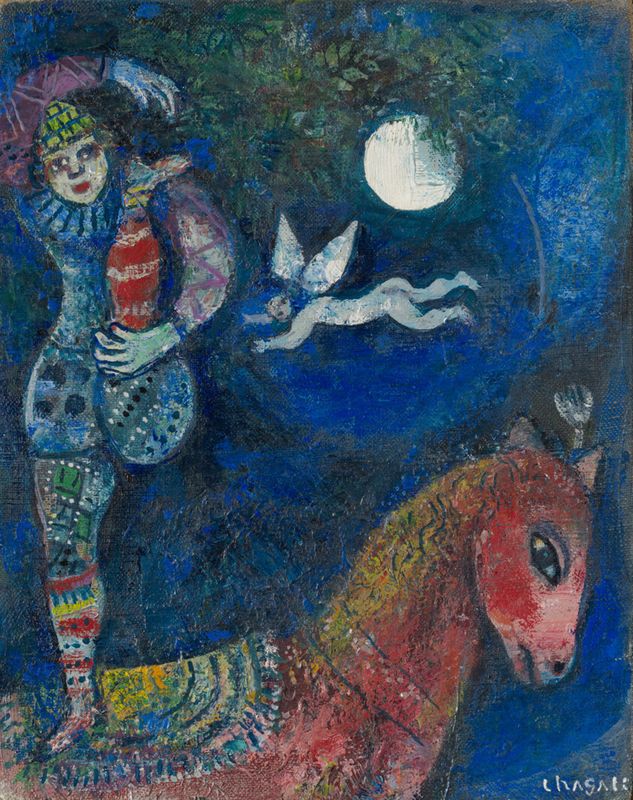 Same era · 1910s–1940s
The Circus Rider
Marc Chagall · 1927 · Art Institute of Chicago
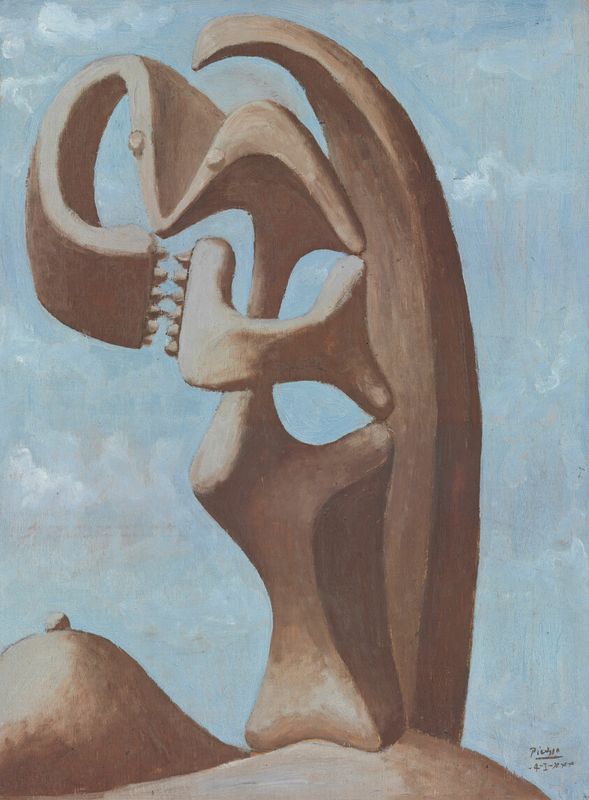 Same era · 1910s–1940s
Abstraction: Background with Blue Cloudy Sky
Pablo Picasso · 1930 · Art Institute of Chicago
 Same era · 1910s–1940s
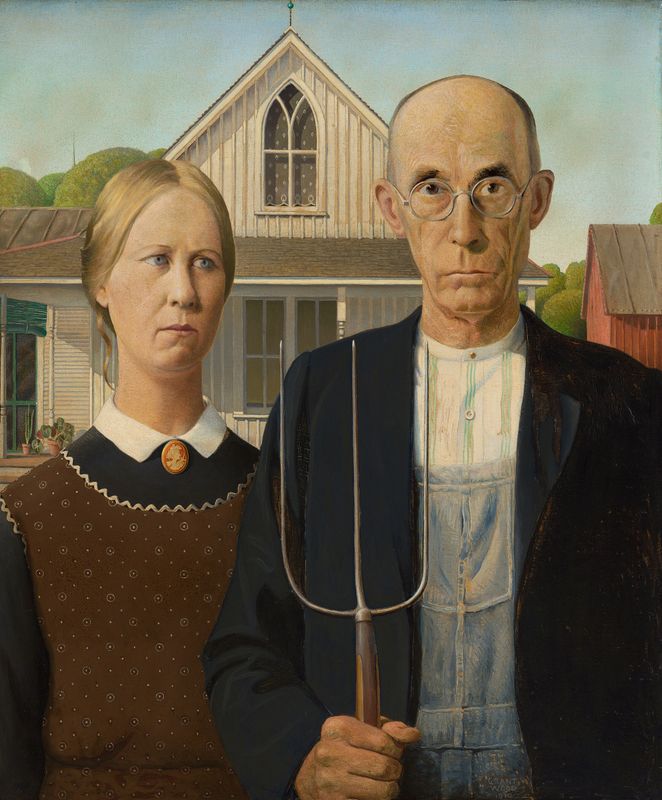
American Gothic
Grant Wood · 1930 · Art Institute of Chicago
 Same era · 1910s–1940s
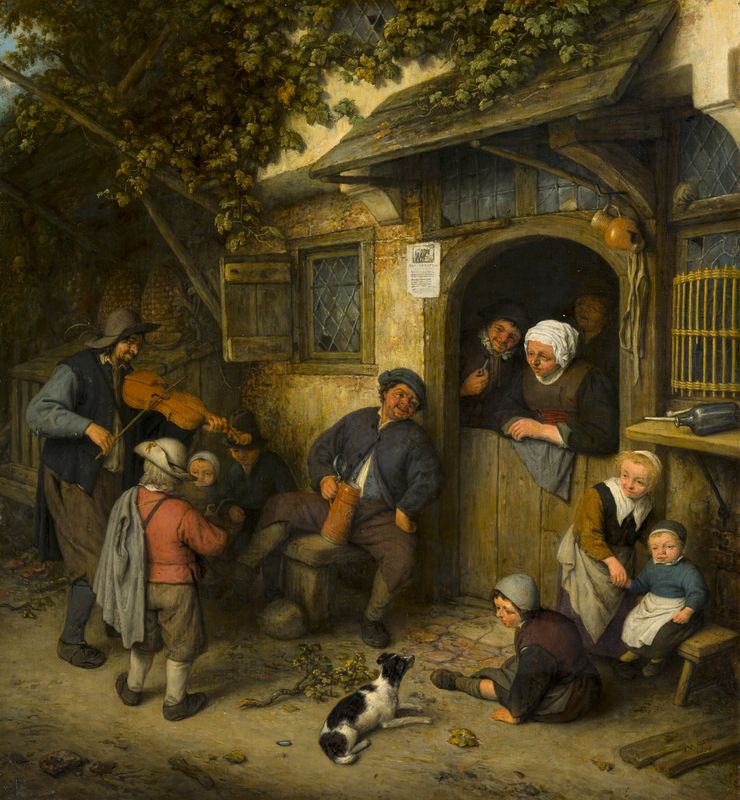
The Fiddler
Norman Rockwell · 1921 · Brandywine Museum of Art