
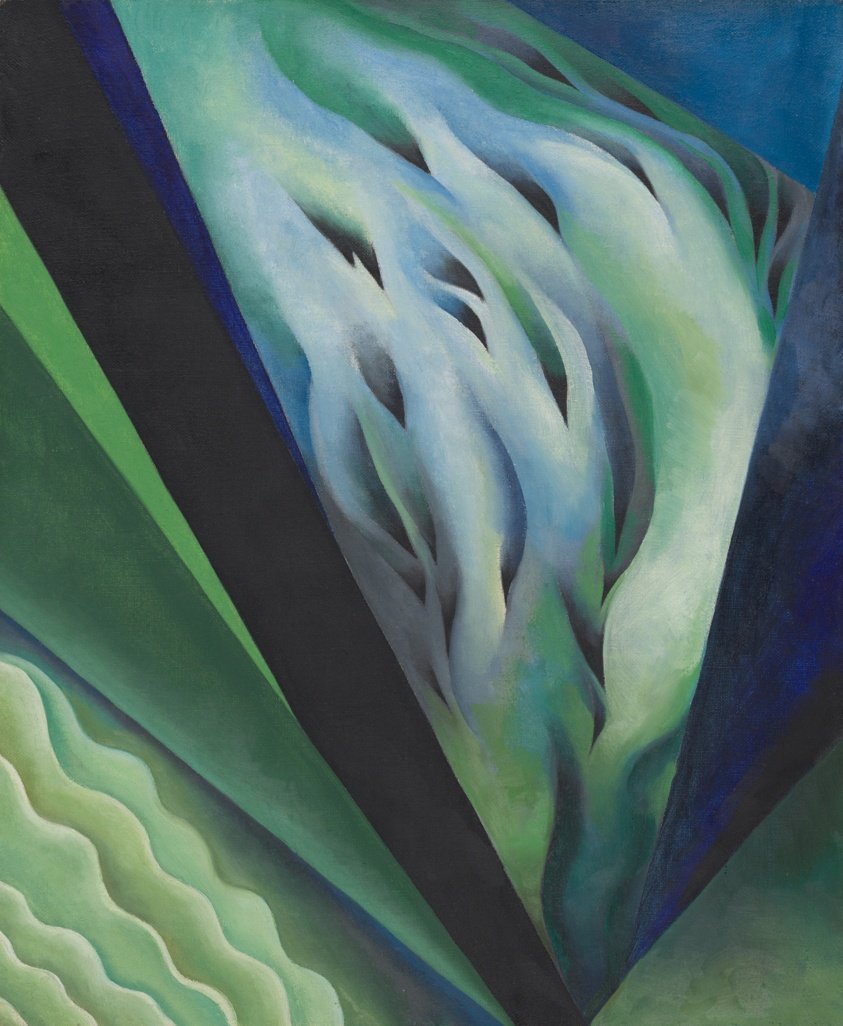
“Stop and immerse yourself in Georgia O'Keeffe's "Blue and Green Music," where she transforms the abstract experience of sound into a dynamic visual symphony of color and form, inviting you to see and feel the music.”
In "Blue and Green Music," Georgia O'Keeffe translates the unseen world of sound into a vibrant visual experience. Swirling forms in deep blues and greens rise and fall, suggesting the ebb and flow of musical notes. The painting uses both hard and soft edges to create a sense of rhythm and movement, inviting the viewer to imagine the varying tones and melodies. O'Keeffe painted this work during her time in New York, a period when she explored how color and shape could express emotions and ideas that words alone could not convey. She was inspired by theories from artists like Vasily Kandinsky, who believed that visual art could emulate music to achieve pure, abstract expression, free from traditional narrative. This piece is a powerful example of her early commitment to abstraction, where natural forms are reimagined to evoke a sensory experience.
- Artist
- Georgia O'Keeffe
- Date
- 1919
- Medium
- Oil on canvas
- Location
- Art Institute of Chicago
- Dimensions
- 58.4 × 48.3 cm (23 × 19 in.)
- Collection
- Arts of the Americas
- Culture
- United States
- Credit line
- Alfred Stieglitz Collection, gift of Georgia O'Keeffe
What to Notice
Four details hide in plain sight. Here’s where to look.
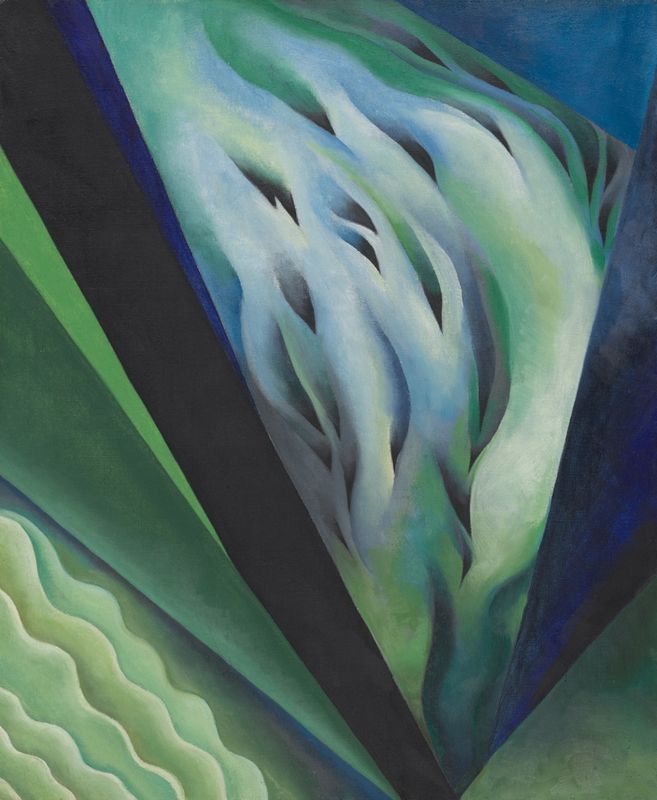
Observe the interplay of deep blue and lush green, creating a sense of harmony.
Notice the contrasting hard and soft edges that define the undulating forms.
Look for the subtle shifts in tone within each color, mimicking musical variations.
See how the shapes seem to swell and recede, suggesting rhythm and movement.
Stand in front of it and listen
The full narration walks you through Blue and Green Music — the story behind it, the details most visitors miss, and why it matters. Free in the Art Whisper app.
Georgia O'Keeffe
1887–1986 · United StatesGeorgia O'Keeffe, the 'Mother of American modernism,' transformed natural forms into powerful abstractions, from magnified flowers to the stark beauty of the New Mexico desert.
Further Works by O'Keeffe
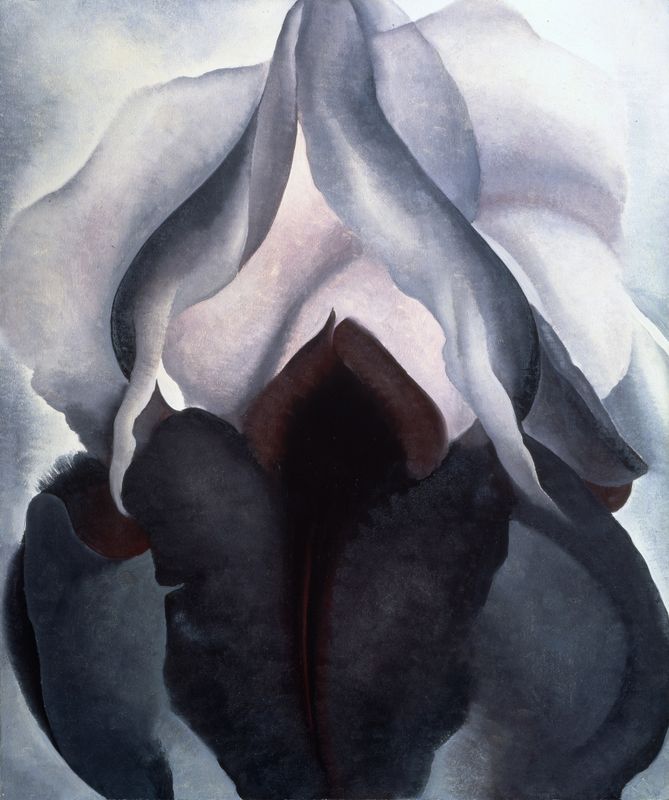 Black Iris
1926 · The Metropolitan Museum of Art
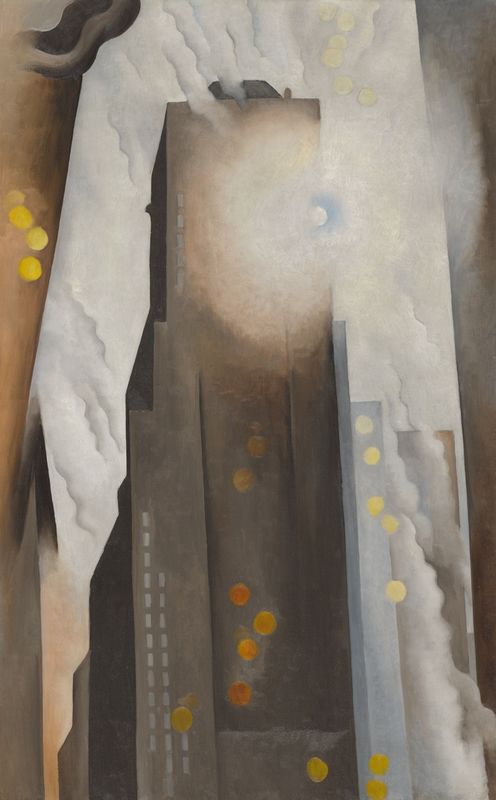 The Shelton with Sunspots, N.Y.
1926 · Art Institute of Chicago
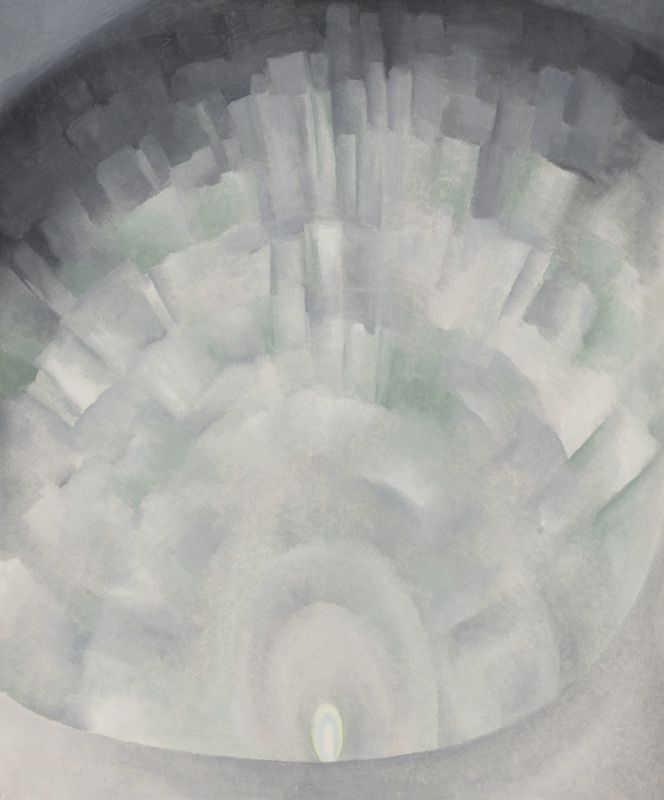 Ballet Skirt or Electric Light (from the White Rose Motif)
1927 · Art Institute of Chicago
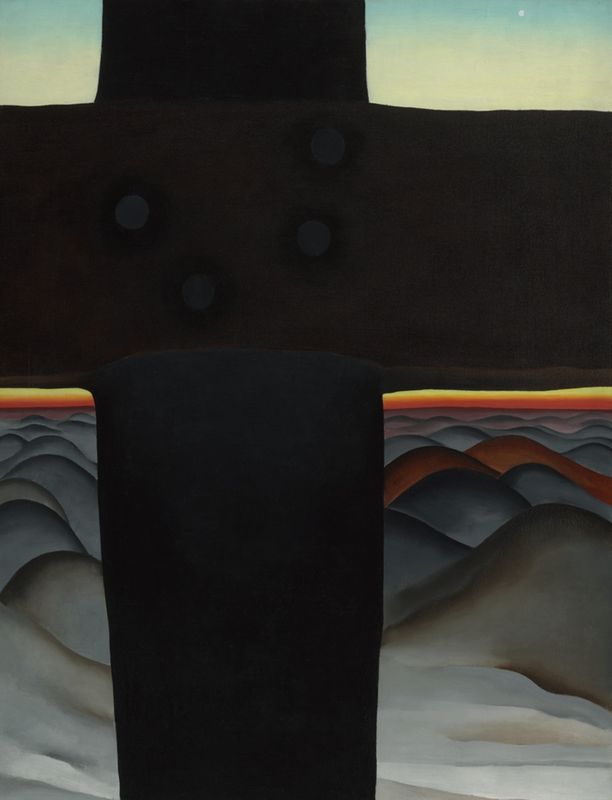 Black Cross, New Mexico
1929 · Art Institute of Chicago
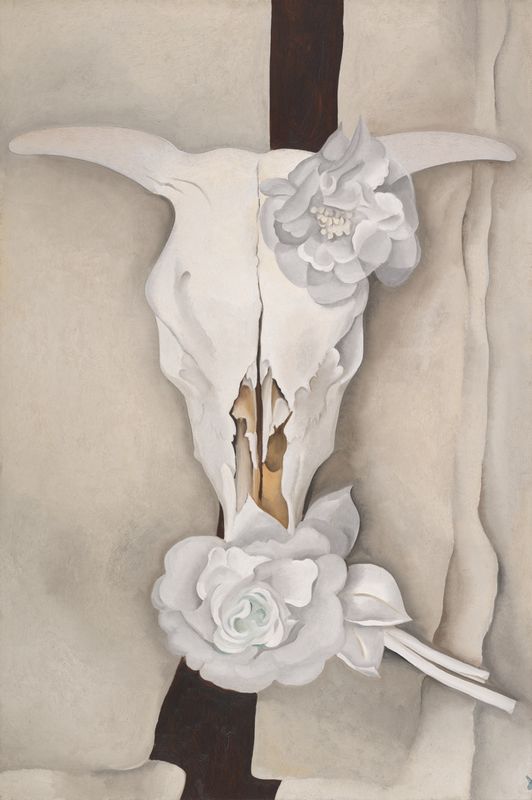 Cow's Skull with Calico Roses
1931 · Art Institute of Chicago
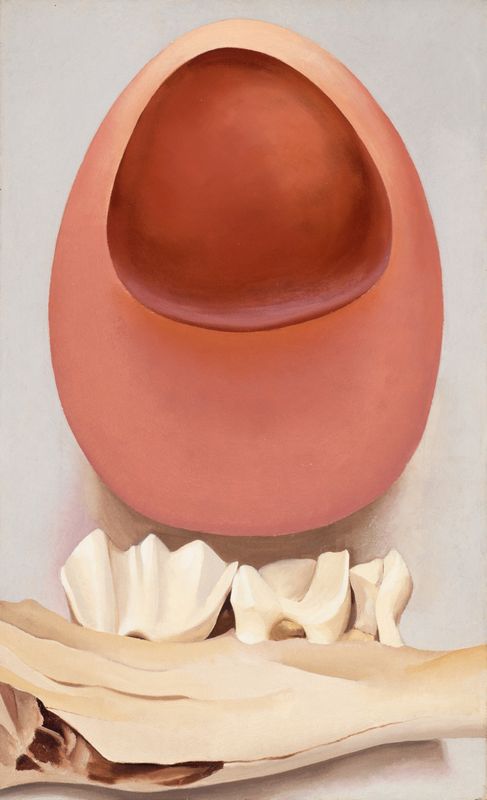 Red and Pink Rocks and Teeth
1938 · Art Institute of Chicago
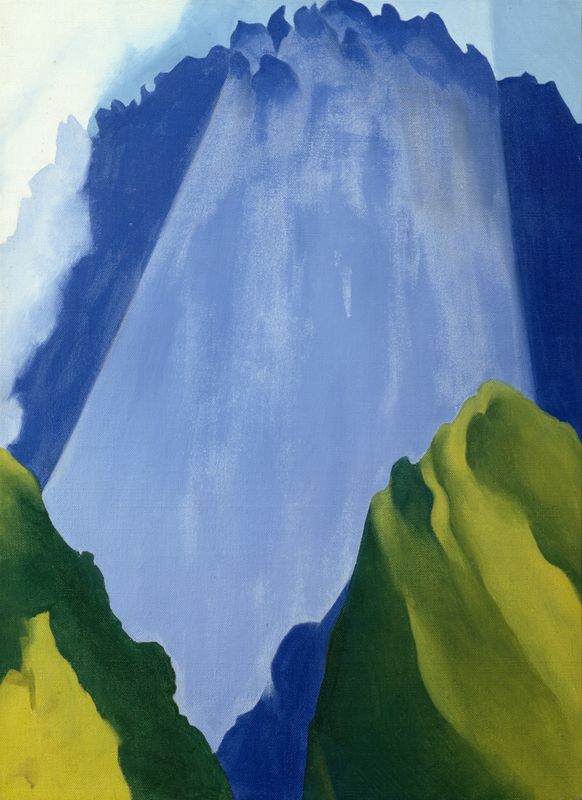 Peru – Machu Picchu, Morning Light
1957 · Art Institute of Chicago
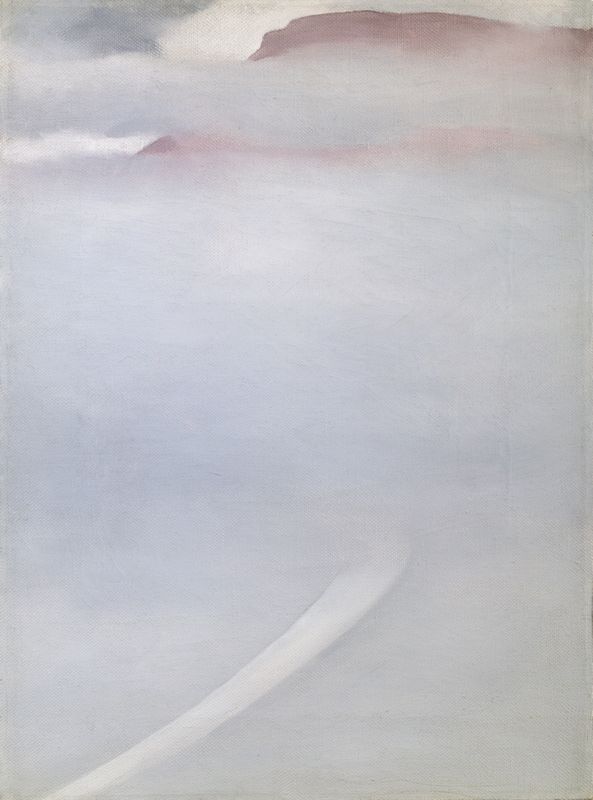 Road – Mesa with Mist
1961 · Art Institute of Chicago
More works to explore
Beyond O'Keeffe: works from the same years.
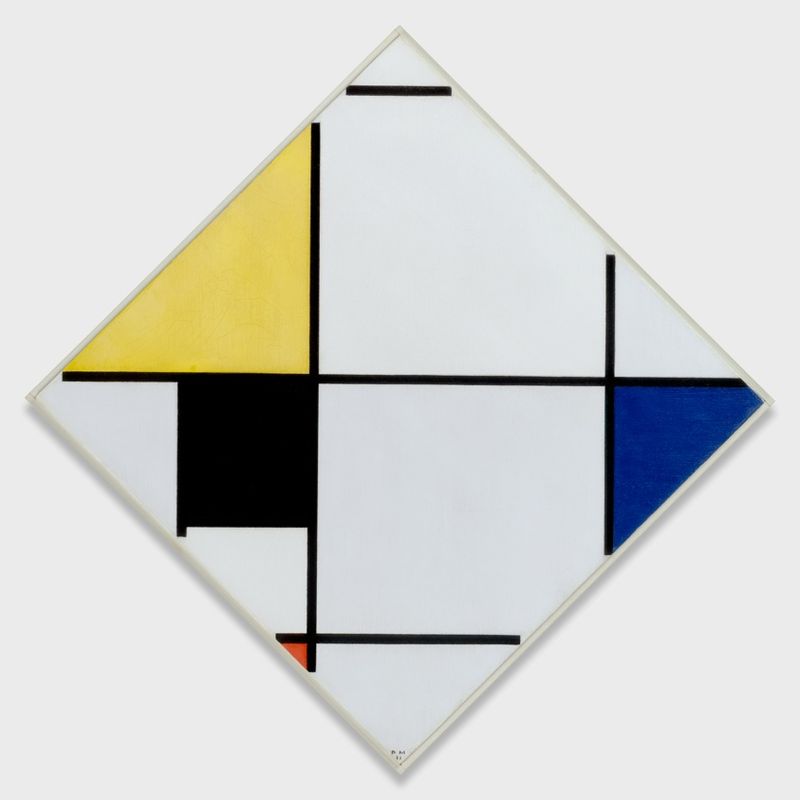 Same era · 1900s–1930s
Lozenge Composition with Yellow, Black, Blue, Red, and Gray
Piet Mondrian · 1921 · Art Institute of Chicago
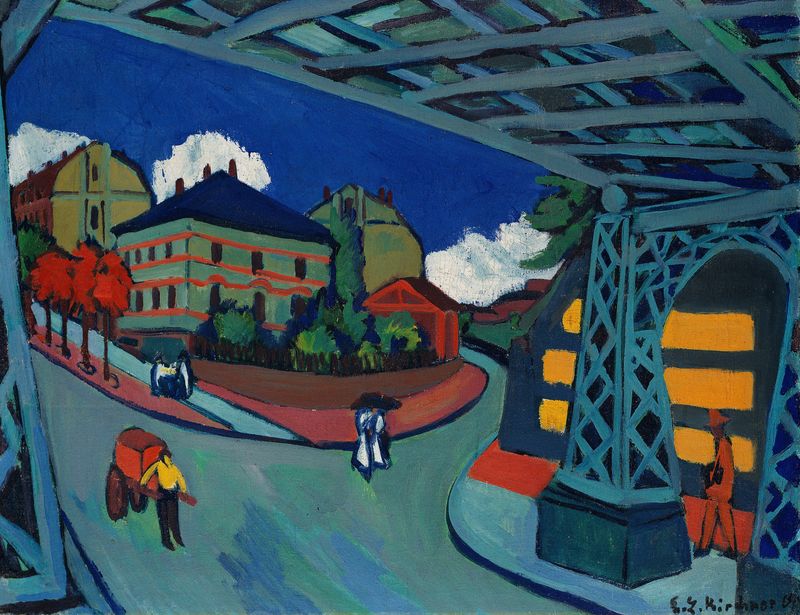 Same era · 1900s–1930s
Railway Bridge on Löbtauer Strasse in Dresden
Ernst Ludwig Kirchner · 1918 · Galerie Neue Meister
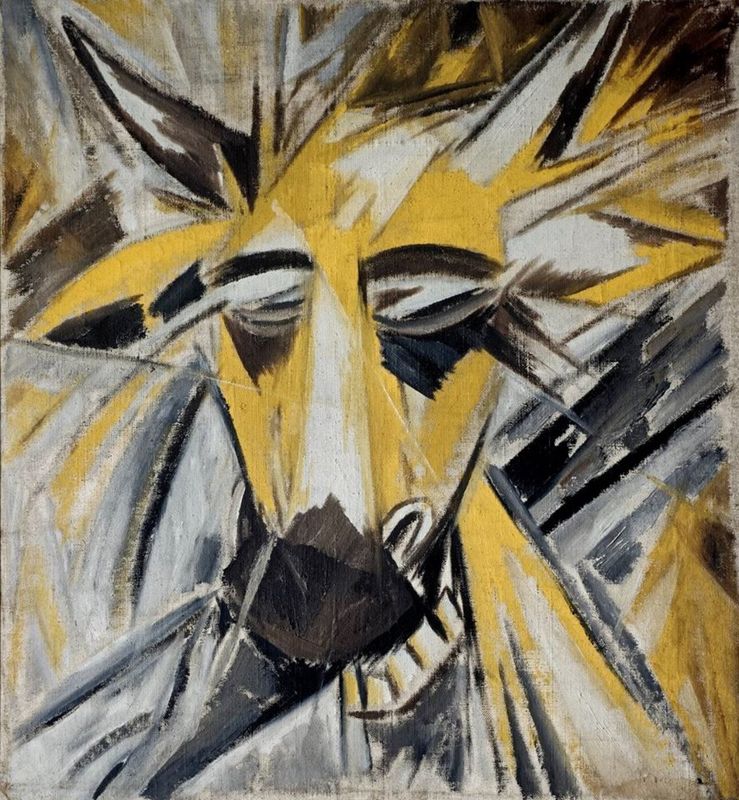 Same era · 1900s–1930s
Bull's Head
Mikhail Larionov · 1913 · Tretyakov Gallery
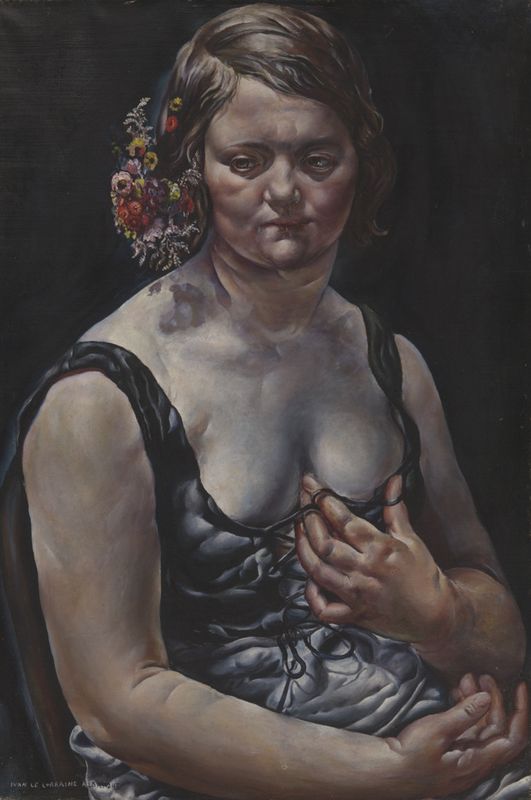 Same era · 1900s–1930s
Memories of the Past
Ivan Puni · 1927 · Art Institute of Chicago
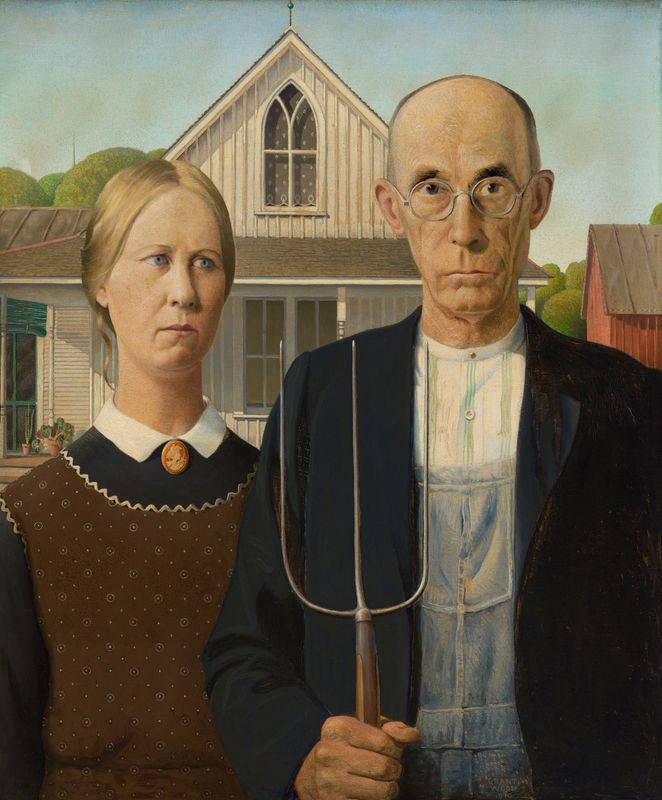 Same era · 1900s–1930s
American Gothic
Okada Saburosuke · 1930 · Art Institute of Chicago
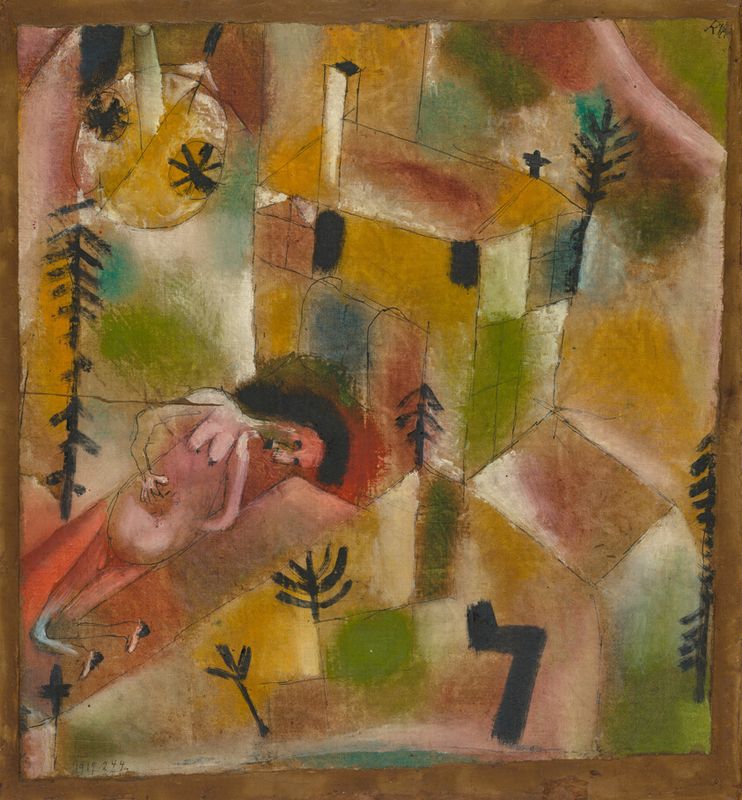 Same era · 1900s–1930s
Death in the Garden (Legend)
Paul Klee · 1919 · Art Institute of Chicago
 Same era · 1900s–1930s
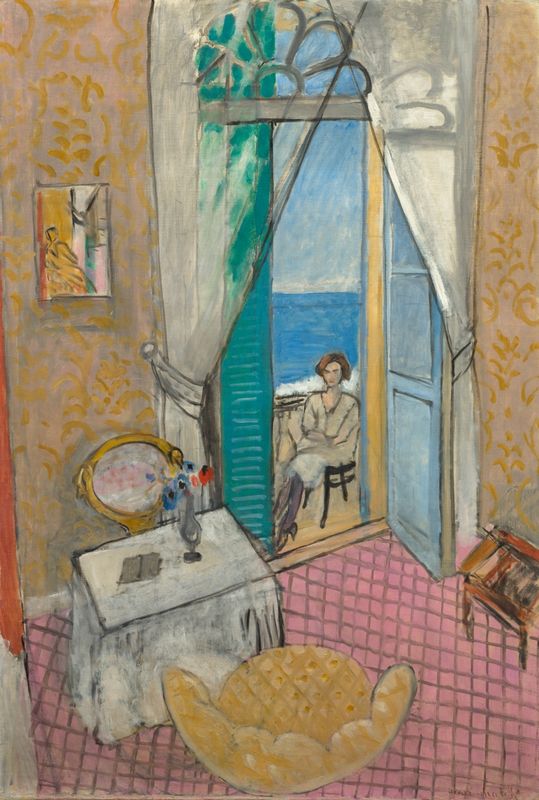
Interior at Nice
Henri Matisse · 1919 · Art Institute of Chicago
 Same era · 1900s–1930s
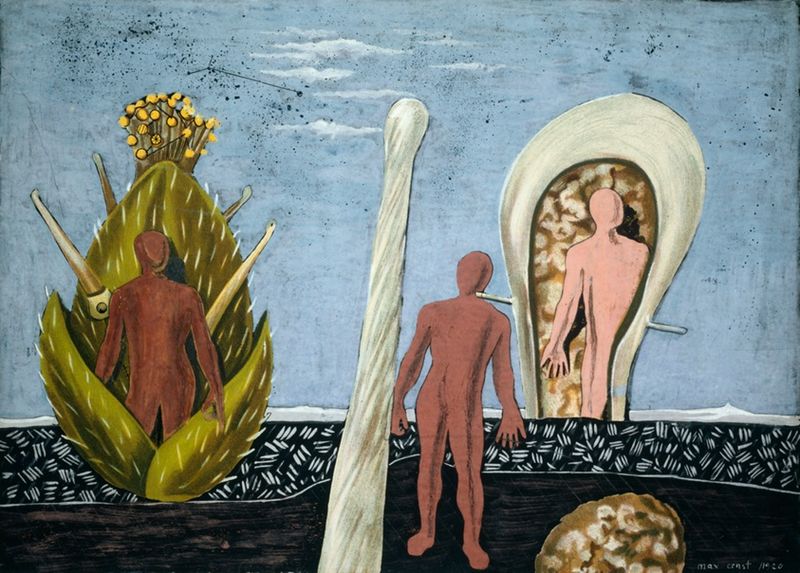
Dada Gauguin
Max Ernst · 1920 · Art Institute of Chicago
 Same era · 1900s–1930s
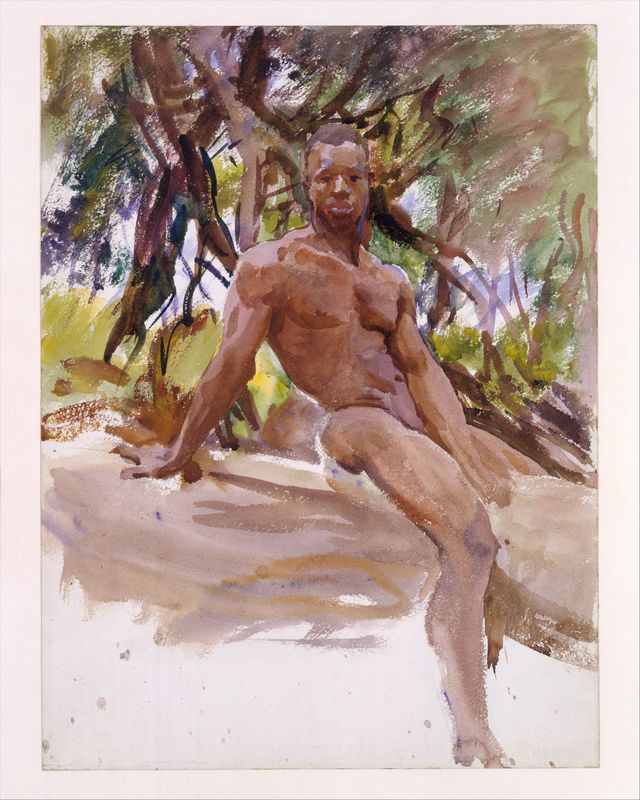
Man and Trees, Florida
John Singer Sargent · 1917 · The Metropolitan Museum of Art
 Same era · 1900s–1930s
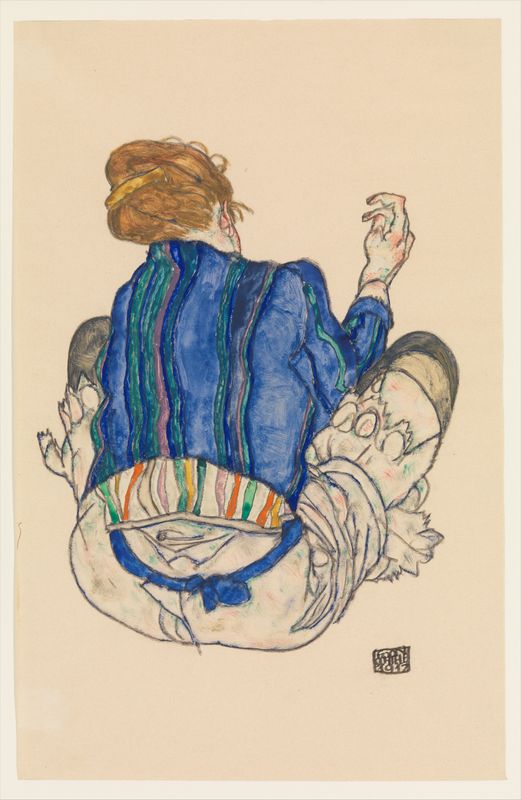
Seated Woman, Back View
Egon Schiele · 1917 · The Metropolitan Museum of Art
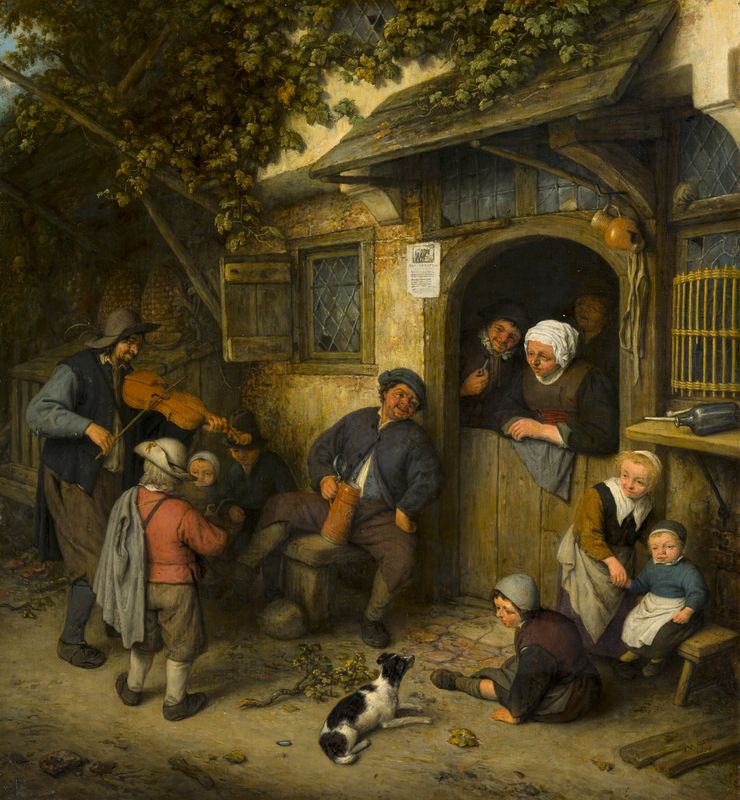 Same era · 1900s–1930s
The Fiddler
Norman Rockwell · 1921 · Brandywine Museum of Art
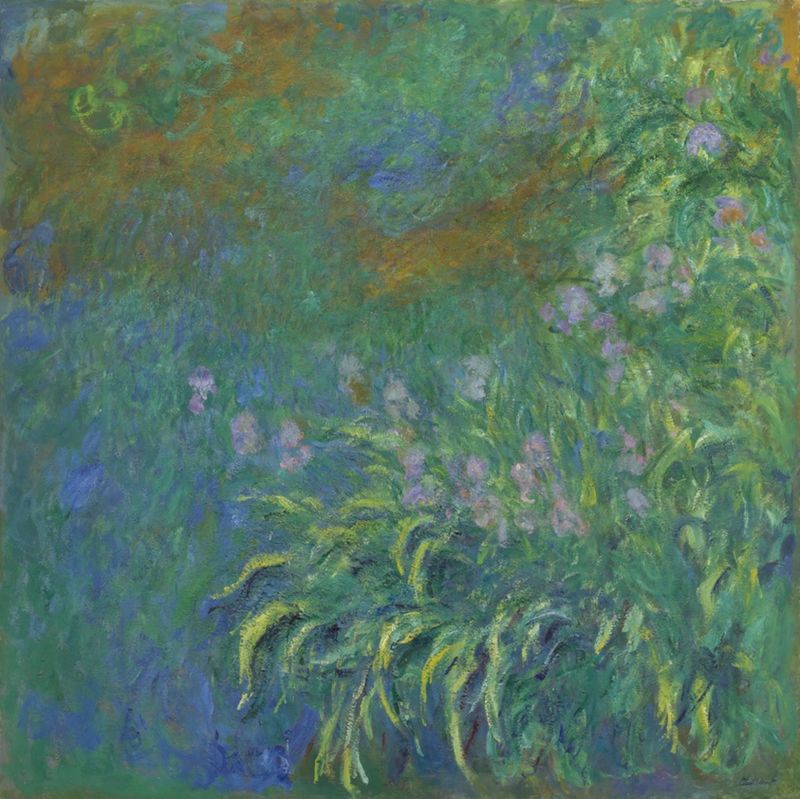 Same era · 1900s–1930s
Irises
Claude Monet · 1915 · National Gallery