
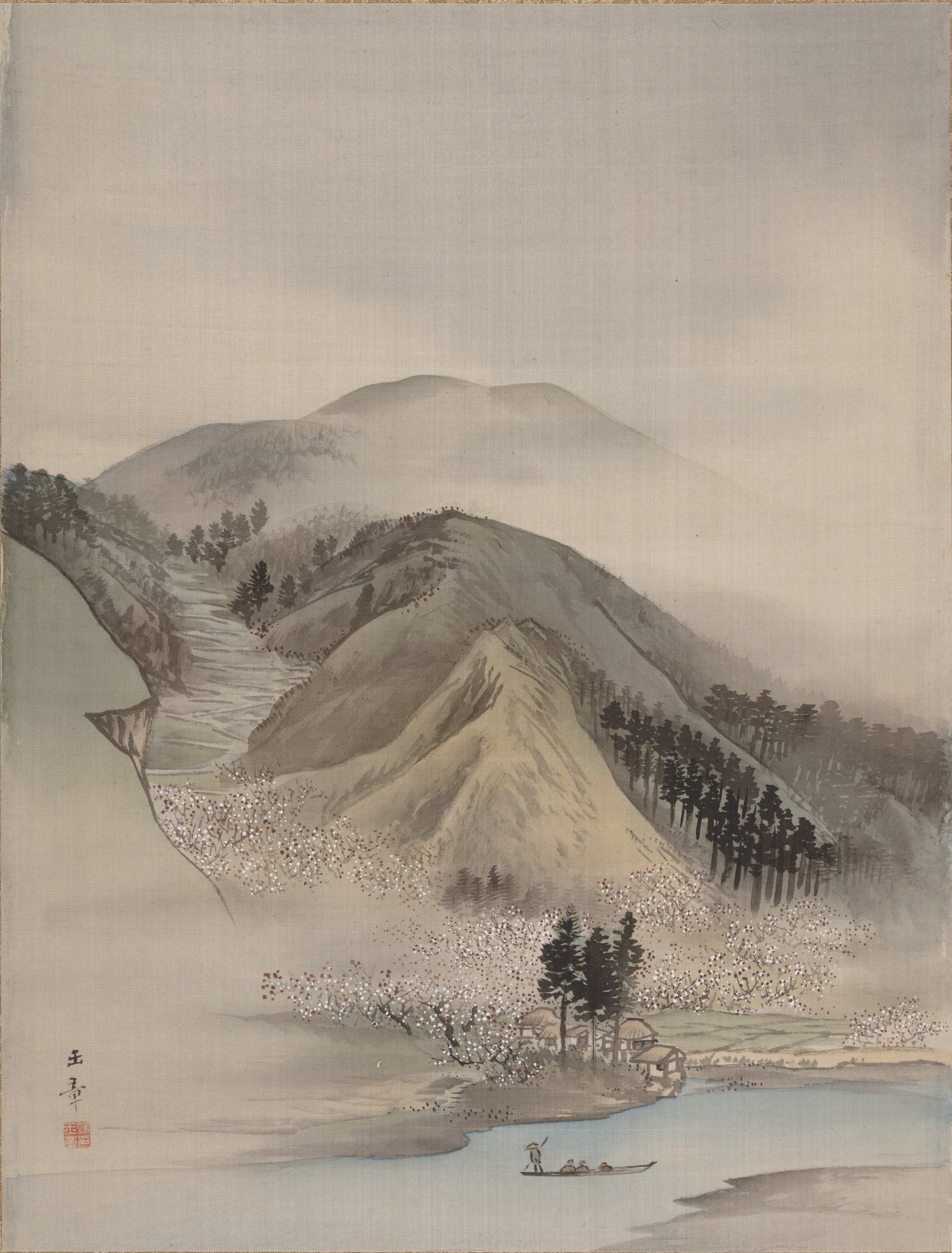
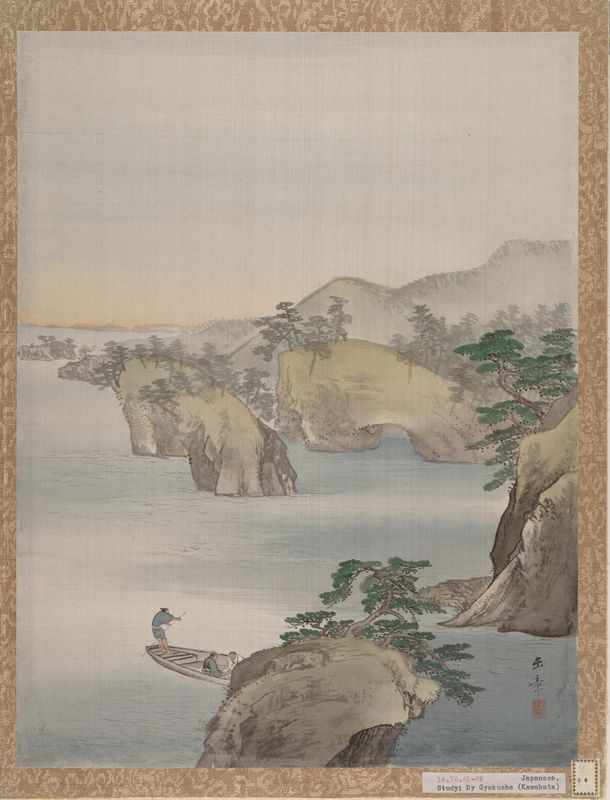
“Stop to appreciate this miniature landscape, where a single boatman navigates a river framed by a burst of delicate blossoms and distant, misty mountains. It's a moment of tranquil beauty captured with exquisite detail.”
A lone boatman guides a small vessel through tranquil waters in this intimate scene. The river's surface, rendered with delicate washes of ink and color on silk, reflects the soft light of a hazy day. On the left, a cascade of blossoms tumbles from an unseen bank, their pale pinks and whites creating a vibrant counterpoint to the muted greens and browns of the distant mountains. The composition draws your eye from the foreground activity towards the serene, almost ethereal landscape beyond, inviting a moment of quiet contemplation. This album leaf, created around 1887, belongs to a series of similar nature studies, each capturing a fleeting moment with subtle detail and a sense of poetic calm, characteristic of the Maruyama school's emphasis on naturalistic observation.
- Artist
- Kawabata Gyokushō
- Date
- 1887
- Medium
- Album leaf; ink and color on silk
- Location
- The Metropolitan Museum of Art
- Dimensions
- 14 1/2 x 11 1/8 in. (36.8 x 28.3 cm)
- Collection
- Asian Art
- Culture
- Japan
- Credit line
- Charles Stewart Smith Collection, Gift of Mrs. Charles Stewart Smith, Charles Stewart Smith Jr., and Howard Caswell Smith, in memory of Charles Stewart Smith, 1914
What to Notice
Four details hide in plain sight. Here’s where to look.
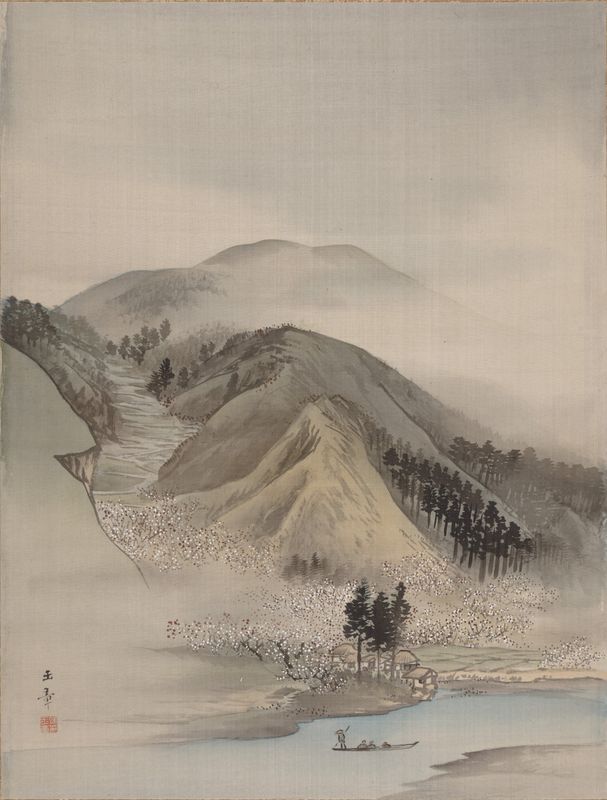
The tiny figure in the boat, barely visible amidst the expansive river.
The delicate pink and white blossoms, painted with fine, feathery strokes.
The soft, atmospheric perspective of the distant mountains.
The subtle reflections on the water, mirroring the sky and land.
Stand in front of it and listen
The full narration walks you through Blossoms by a River — the story behind it, the details most visitors miss, and why it matters. Free in the Art Whisper app.
Kawabata Gyokushō
1842–1913 · Empire of JapanKawabata Gyokushō was a prominent Japanese painter known for his delicate ink and color works on silk.
Further Works by Gyokushō
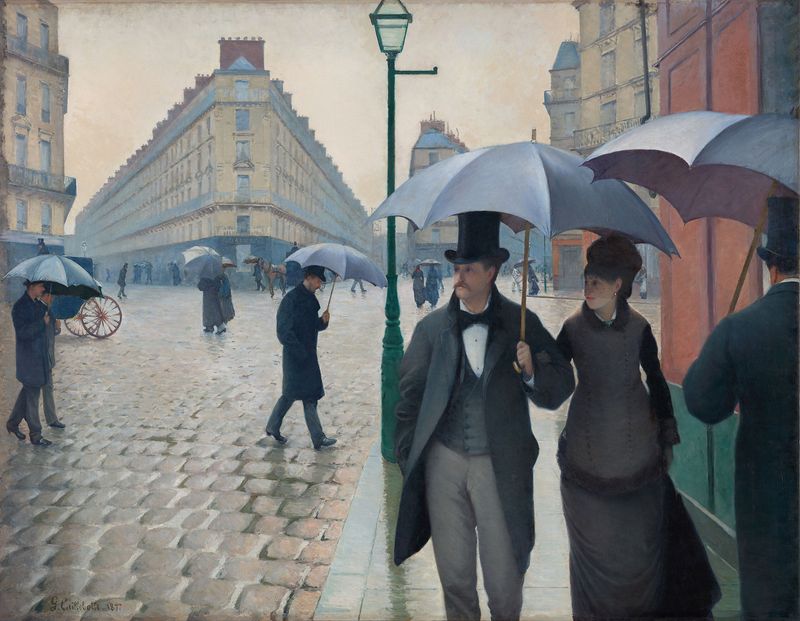 Paris Street; Rainy Day
1877 · Art Institute of Chicago
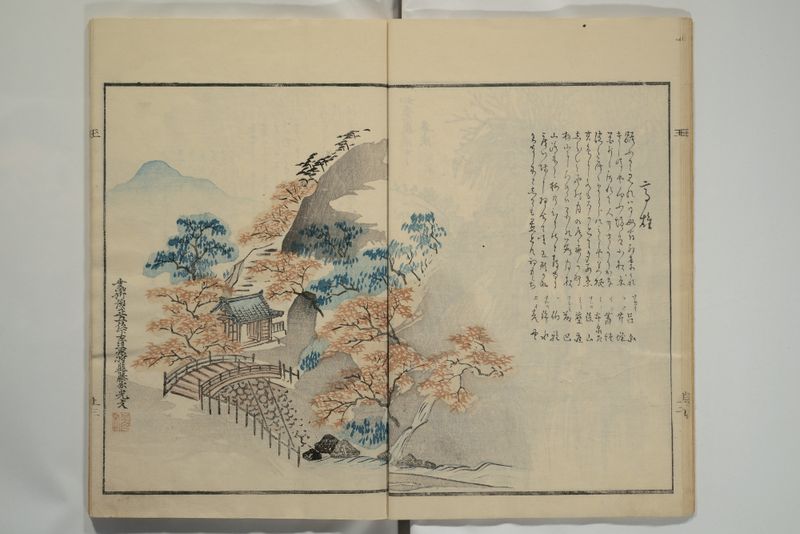 Gathering of the Jewels (Tama hiroi)
1861 · The Metropolitan Museum of Art
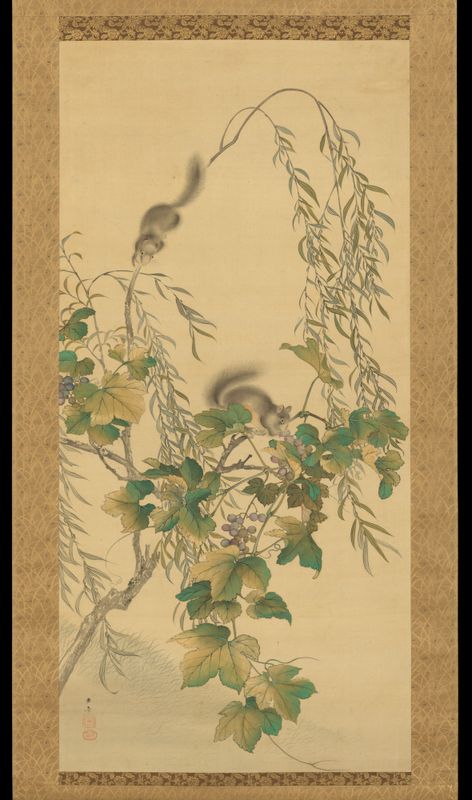 Plum Blossoms under the Moon at Dawn
1867 · The Metropolitan Museum of Art
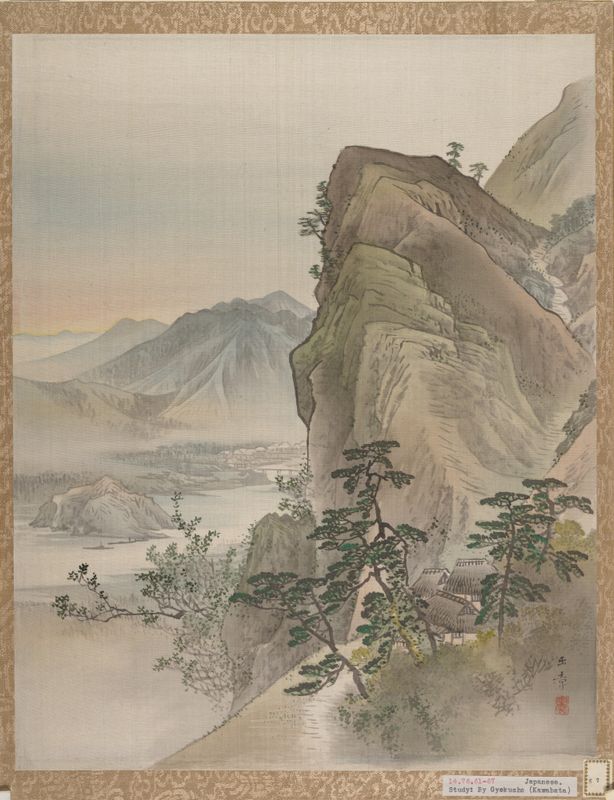 Landscape
1887 · The Metropolitan Museum of Art
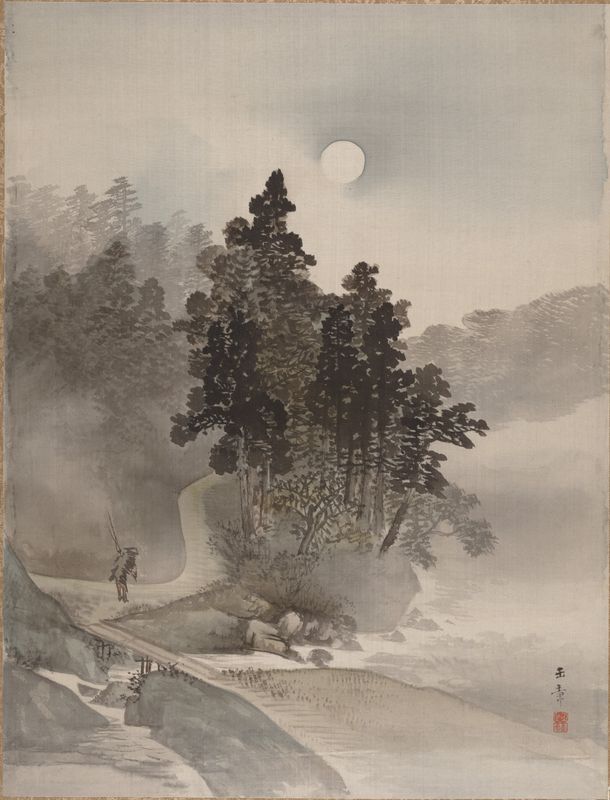 Traveling by Moonlight
1887 · The Metropolitan Museum of Art
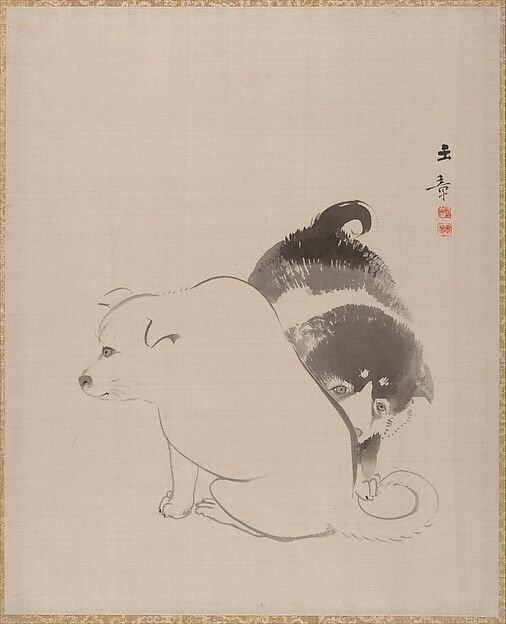 狗児図|A Pair of Puppies
1887 · The Metropolitan Museum of Art
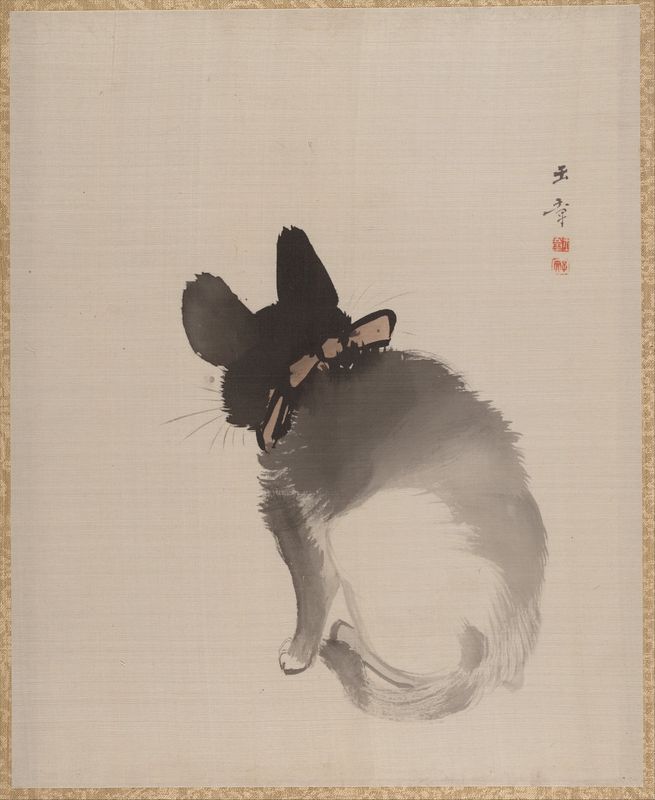 Cat Seen from Behind
1868 · Metropolitan Museum of Art
 River Scene with Rocky Hills in Background
1868 · Metropolitan Museum of Art
More from Nihonga
More works to explore
Beyond Gyokushō and Nihonga: works from the same years.
 Same era · 1870s–1900s
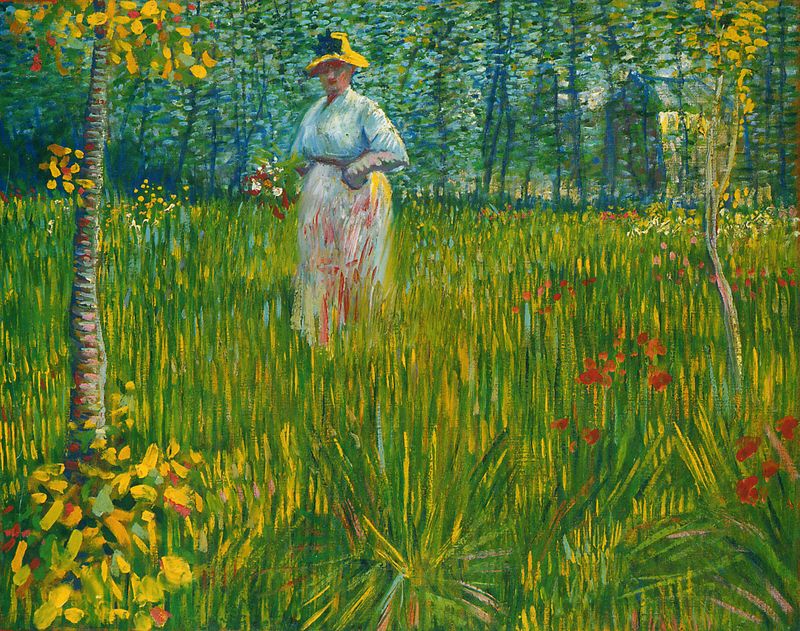
A Woman Walking in a Garden
Vincent van Gogh · 1887 · Frans Buffa & sons
 Same era · 1870s–1900s
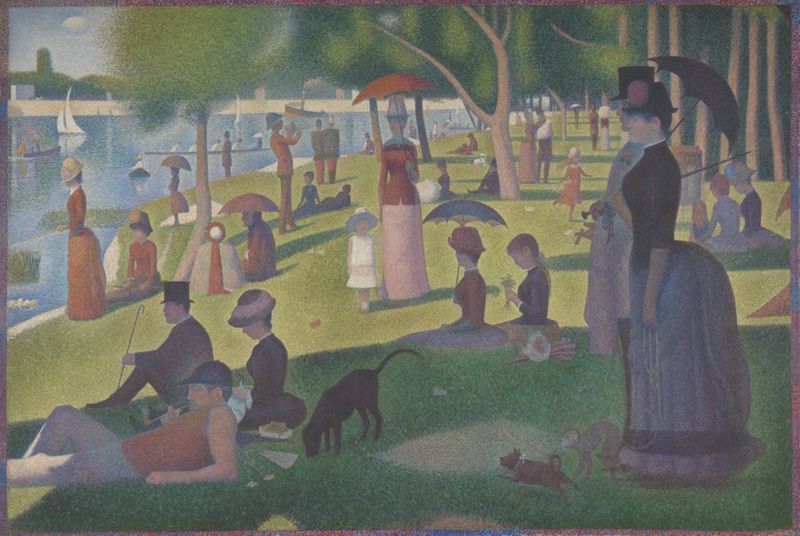
A Sunday on La Grande Jatte — 1884
Okada Saburosuke · 1884 · Art Institute of Chicago
 Same era · 1870s–1900s
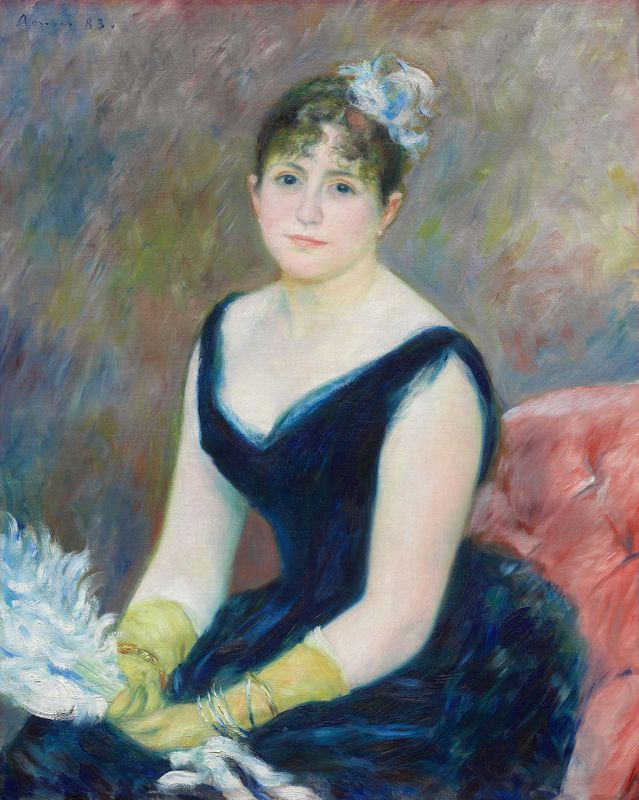
Madame Léon Clapisson
Léon-Victor Dupré · 1883 · Art Institute of Chicago
 Same era · 1870s–1900s
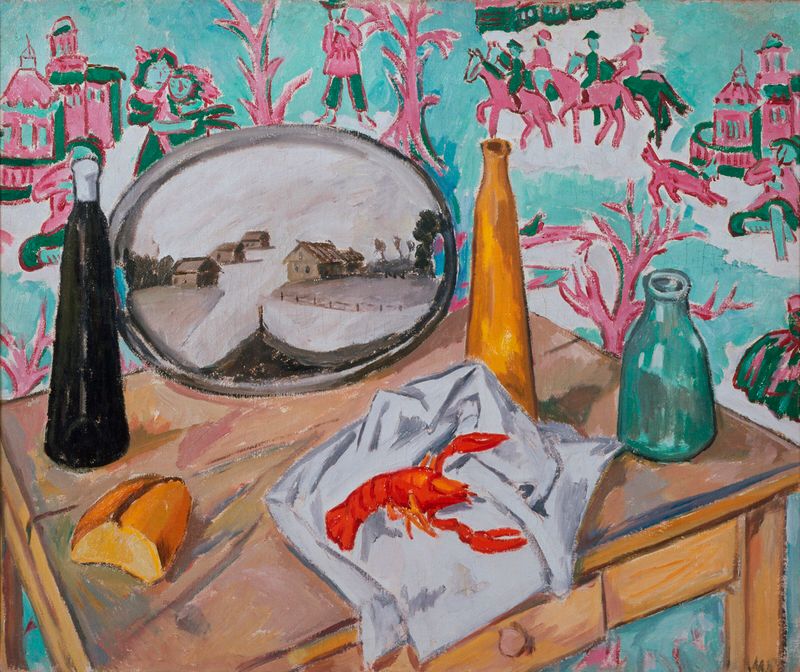
Still Life with Crayfish
Mikhail Larionov · 1900 · Museum Ludwig
 Same era · 1870s–1900s
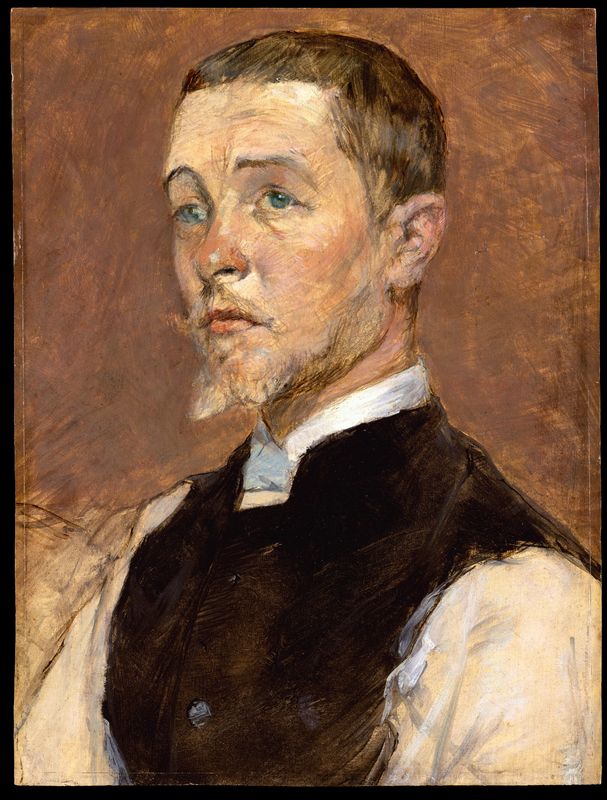
Albert (René) Grenier (1858–1925)
Henri de Toulouse-Lautrec · 1887 · The Metropolitan Museum of Art
 Same era · 1870s–1900s
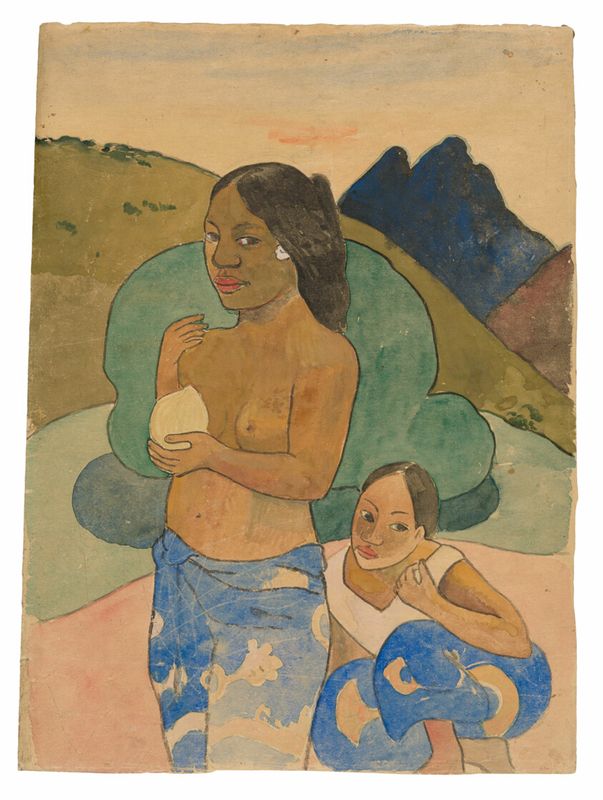
Two Tahitian Women in a Landscape
Paul Gauguin · 1887 · Art Institute of Chicago
 Same era · 1870s–1900s
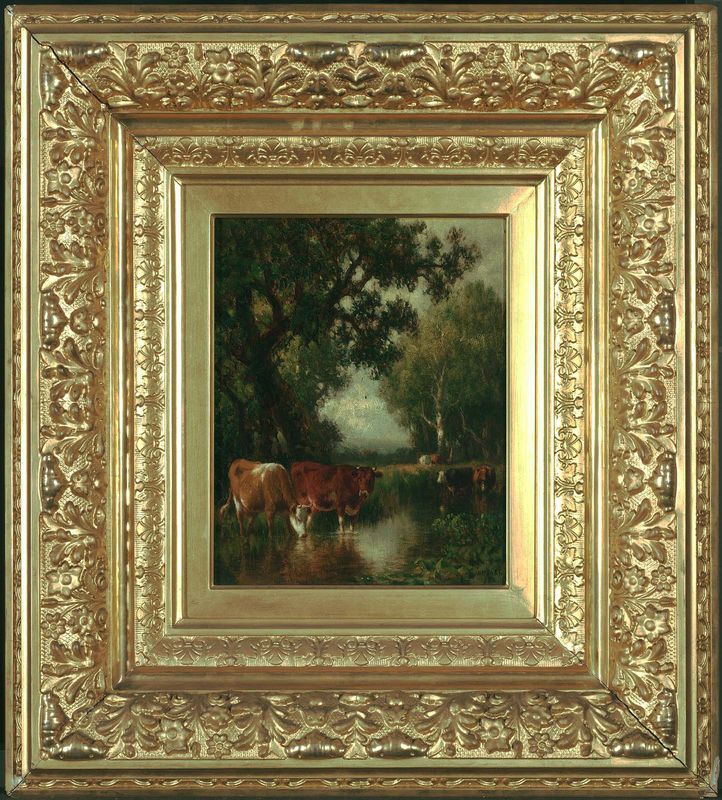
Cows Drinking at a Pool
William Hart · 1886 · Museum of Fine Arts Boston
 Same era · 1870s–1900s
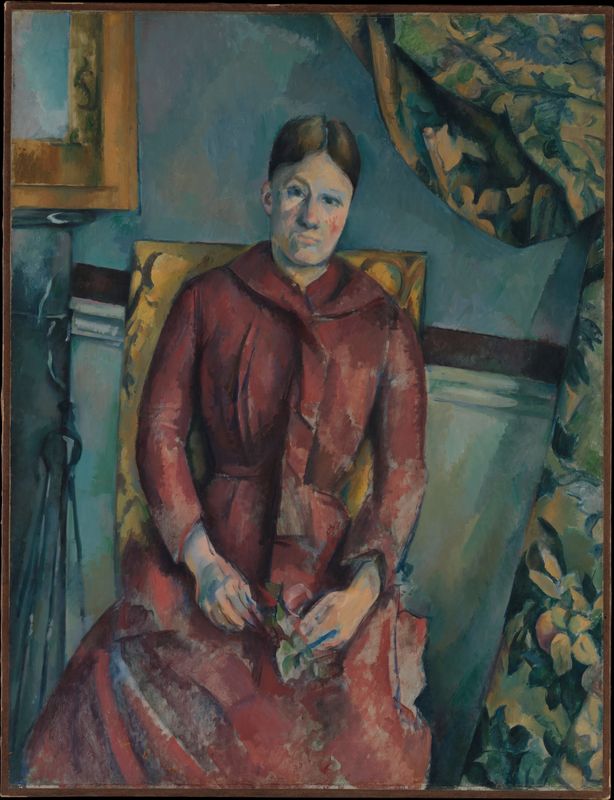
Madame Cézanne (Hortense Fiquet, 1850–1922) in a Red Dress
Paul Cézanne · 1888 · The Metropolitan Museum of Art
 Same era · 1870s–1900s
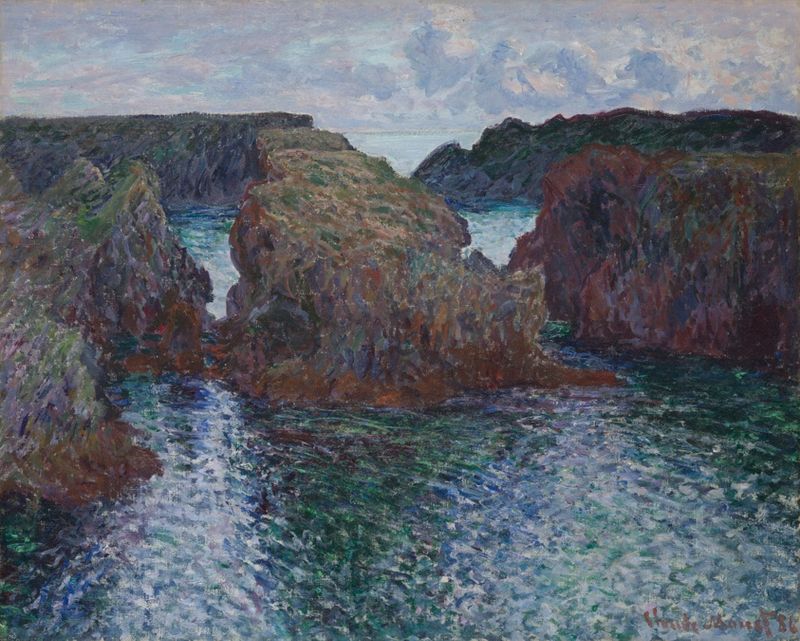
Rocks at Port-Goulphar, Belle-Île
Claude Monet · 1886 · Art Institute of Chicago
 Same era · 1870s–1900s
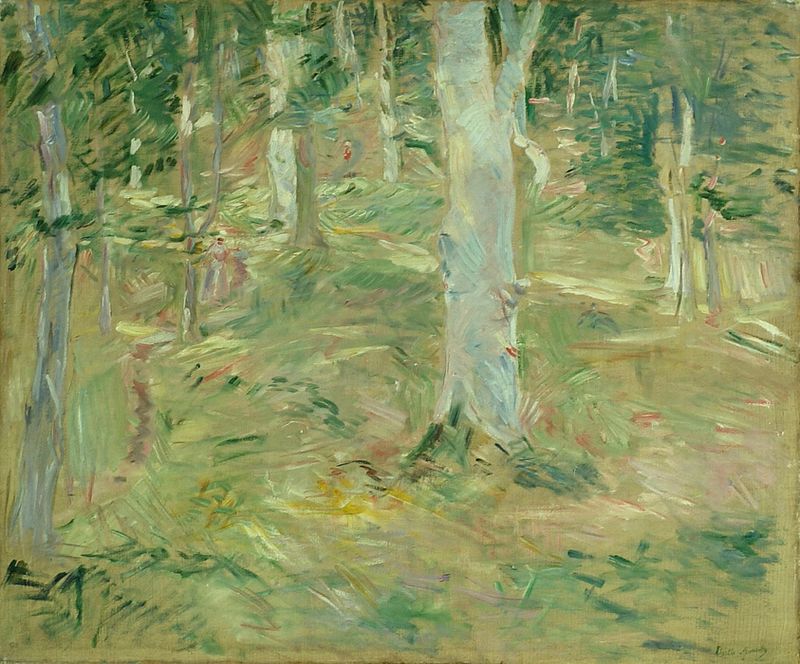
Forêt de Compiègne
Berthe Morisot · 1885 · Art Institute of Chicago
 Same era · 1870s–1900s
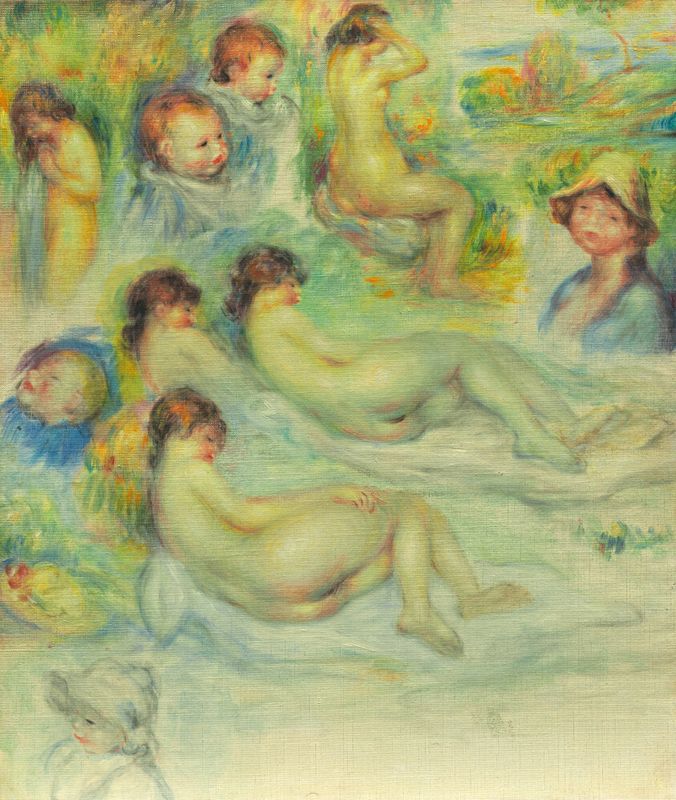
Studies of Pierre Renoir; His Mother, Aline Charigot; Nudes; and Landscape
Pierre-Auguste Renoir · 1885 · Art Institute of Chicago
 Same era · 1870s–1900s
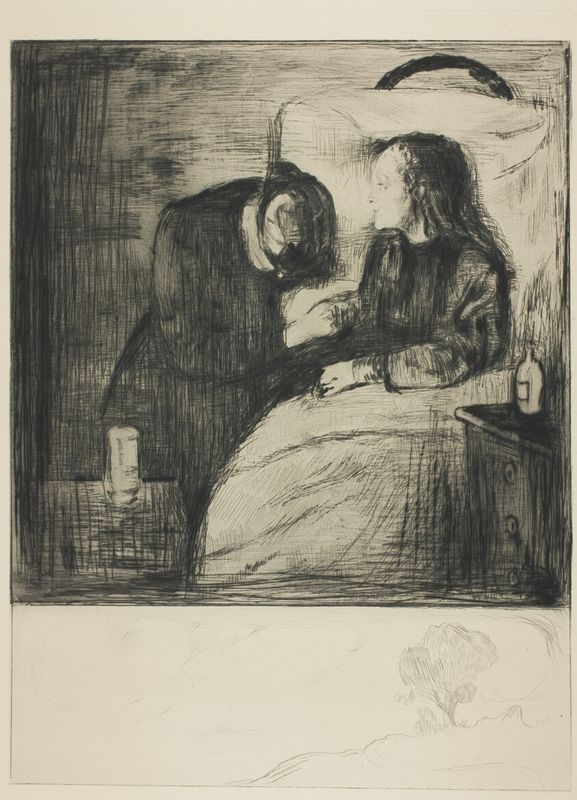
The Sick Child
Edvard Munch · 1885 · National Museum of Art, Architecture and Design