01Whole painting
Image across the gutter
The scene begins on the left page and drifts across the fold, then fades into mist beside the text. Picture and poem share one continuous space.
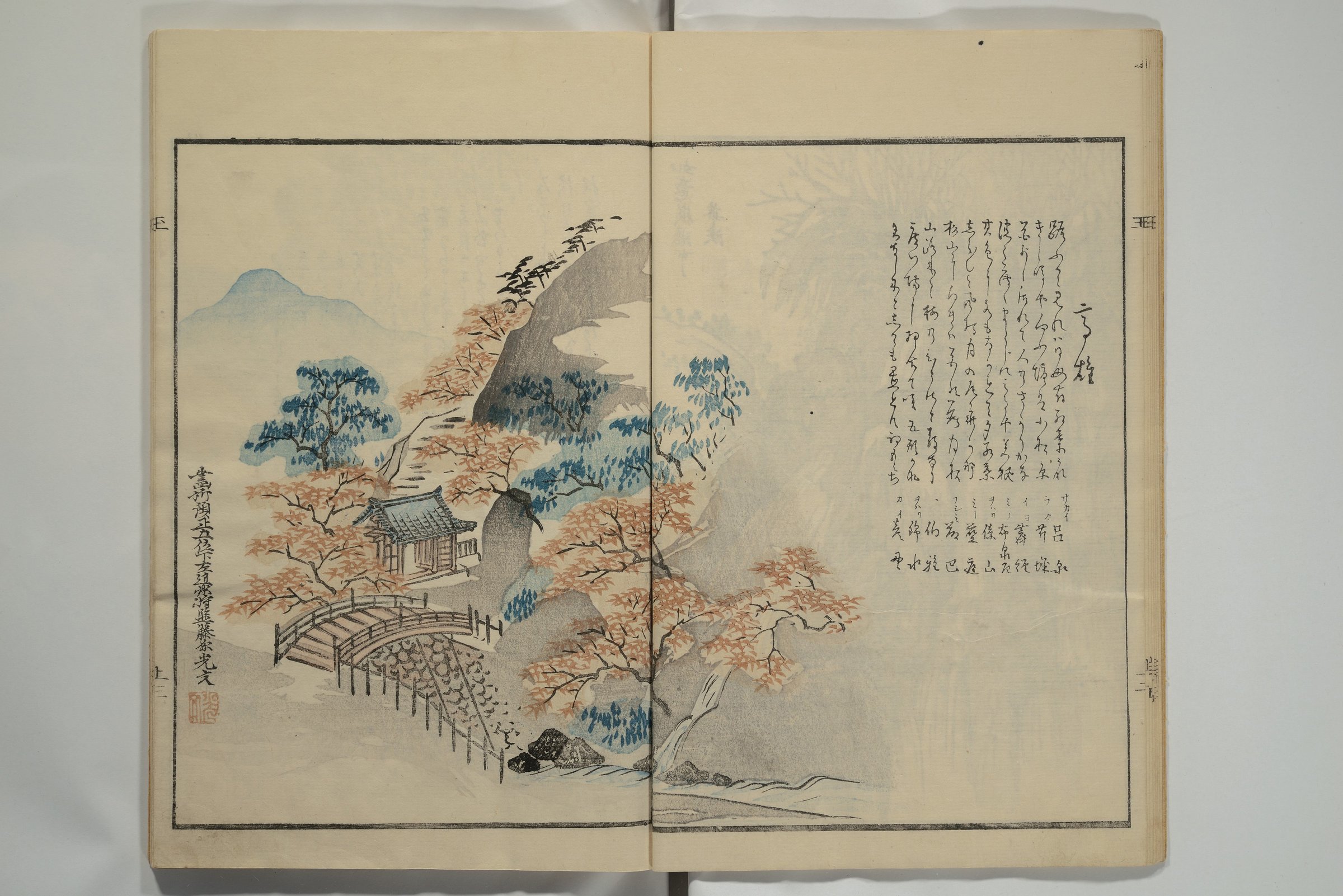
“Step into a mythical underwater world where dragons and deities gather precious jewels. This woodblock printed book set showcases intricate detail and imaginative storytelling, a captivating example of Japanese art.”
This set of two woodblock printed books, titled "Gathering of the Jewels," transports us to a fantastical underwater realm. The pages unfold a narrative of mythical figures, including dragons and deities, interacting with an array of precious jewels. Observe the delicate lines and subtle washes of color, which suggest the ethereal quality of the deep sea. The artist, Kawabata Gyokushō, created this work in 1861, when he would have been 19 years old, showcasing an early mastery of the intricate woodblock printing process. The books invite close inspection, revealing details of the characters' expressions and the shimmering quality of the jewels, rendered through carefully applied ink and pigments on paper. This piece exemplifies the rich storytelling tradition often found in Japanese illustrated books of the Edo period, blending natural observation with imaginative narrative.
Five details hide in plain sight. Pick one and we’ll show you exactly where to look.
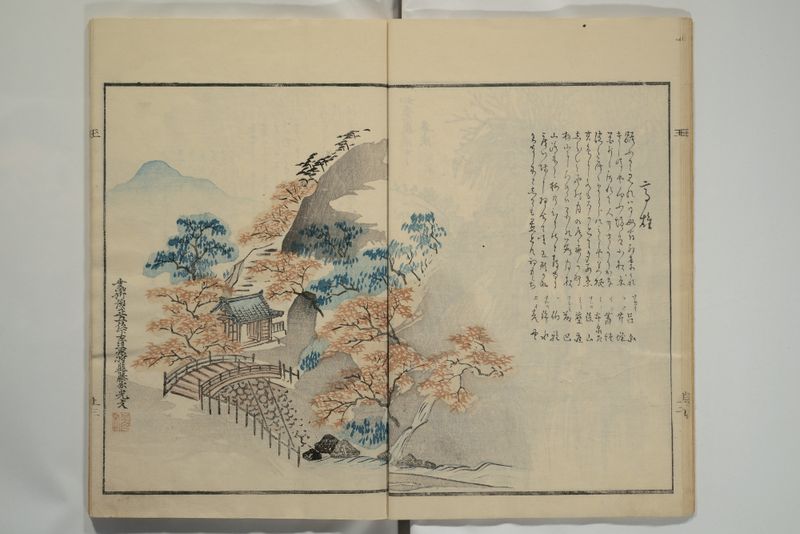
The scene begins on the left page and drifts across the fold, then fades into mist beside the text. Picture and poem share one continuous space.
Find the small wooden bridge at lower left, with its curved railing and stone-faced bank. It leads the eye up toward the little building among the trees.
Tucked among the trees at left of center is a small hall with a tiled roof, set just beyond the bridge. Its quiet presence gives the landscape a human touch.
Look at the orange-red maple leaves, printed in soft dabs over fine black branches. The delicate line and light color show the subtlety of woodblock printing.
The tall rock at the top is printed in smoky gray that shifts from dark to pale. The soft shading looks like ink wash and gives the cliff weight and a hint of mist.
The full narration walks you through Gathering of the Jewels (Tama hiroi) — the story behind it, the details most visitors miss, and why it matters. Free in the Art Whisper app.
Kawabata Gyokushō was a prominent Japanese painter known for his delicate ink and color works on silk.
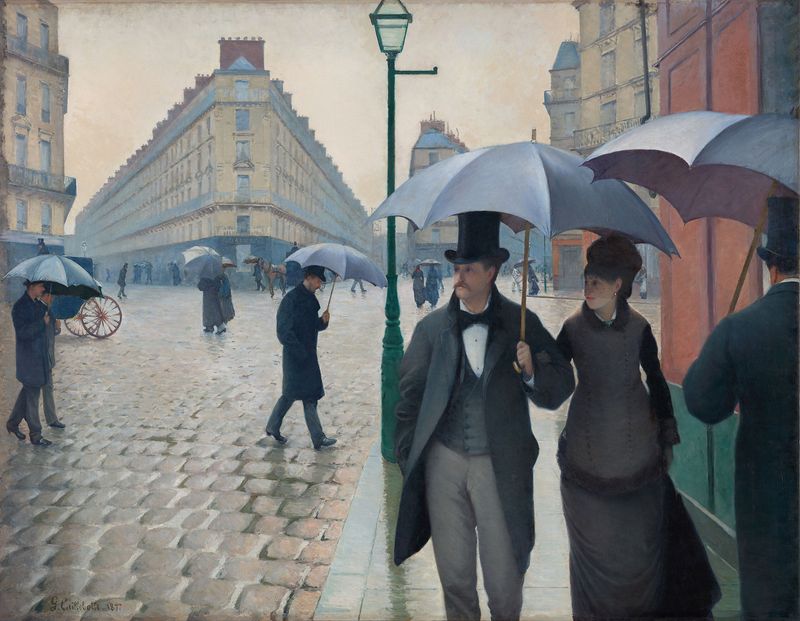 Paris Street; Rainy Day
1877 · Art Institute of Chicago
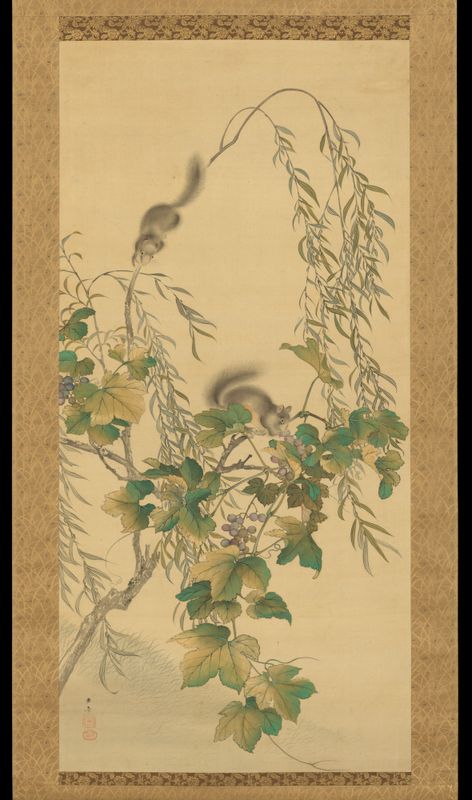 Plum Blossoms under the Moon at Dawn
1867 · The Metropolitan Museum of Art
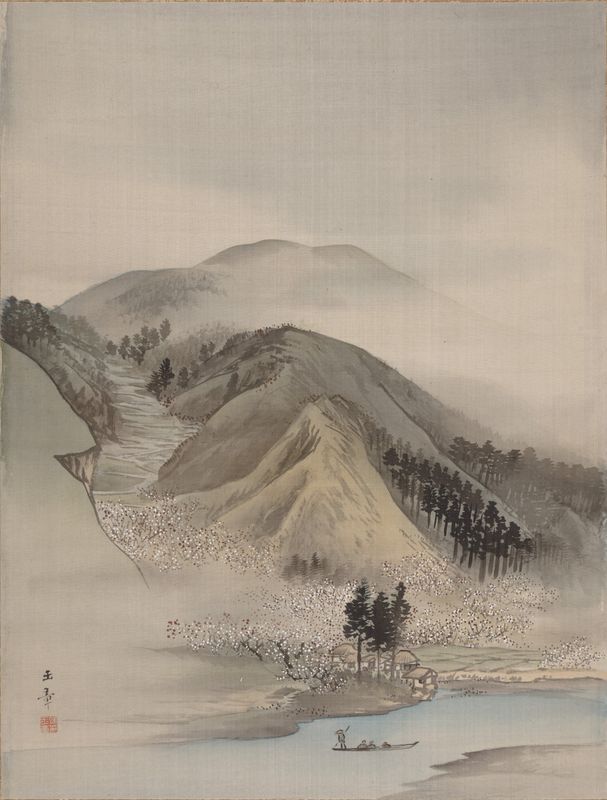 Blossoms by a River
1887 · The Metropolitan Museum of Art
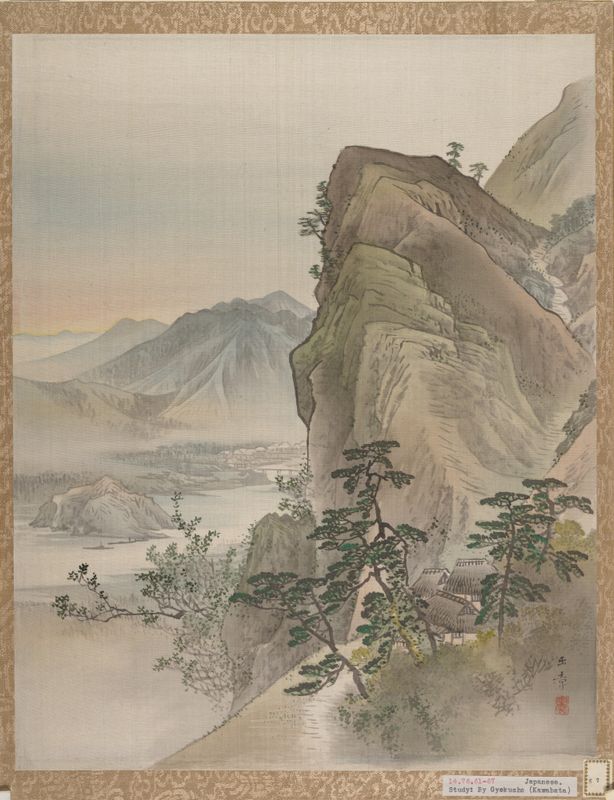 Landscape
1887 · The Metropolitan Museum of Art
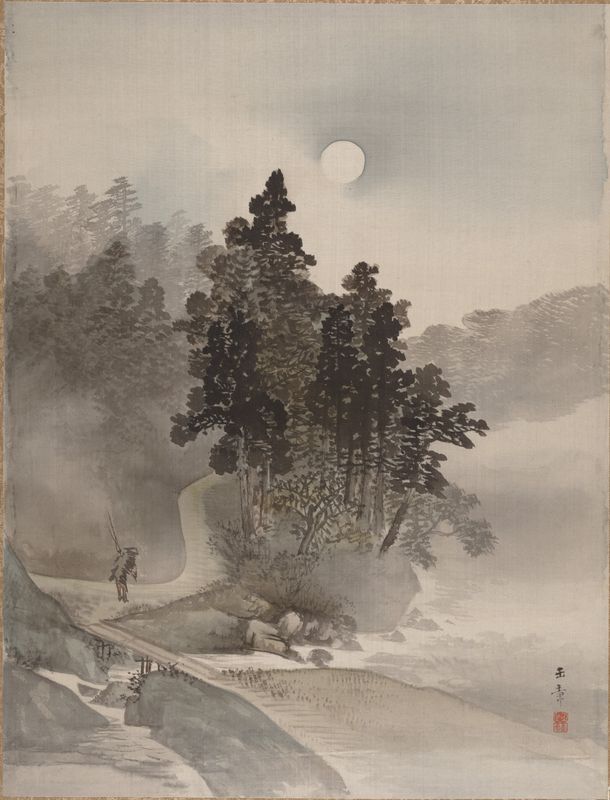 Traveling by Moonlight
1887 · The Metropolitan Museum of Art
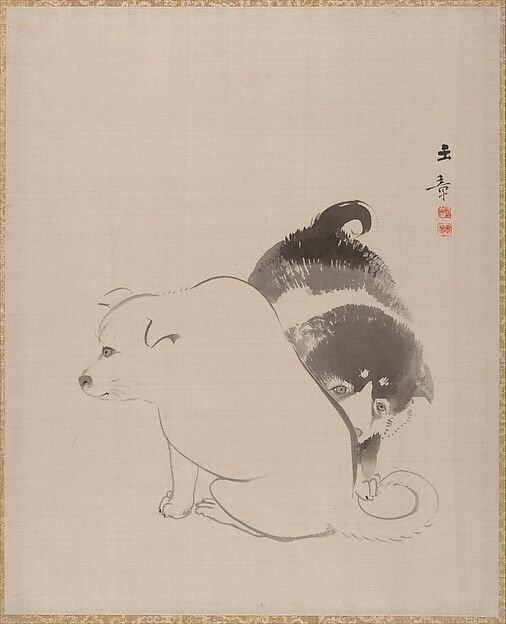 狗児図|A Pair of Puppies
1887 · The Metropolitan Museum of Art
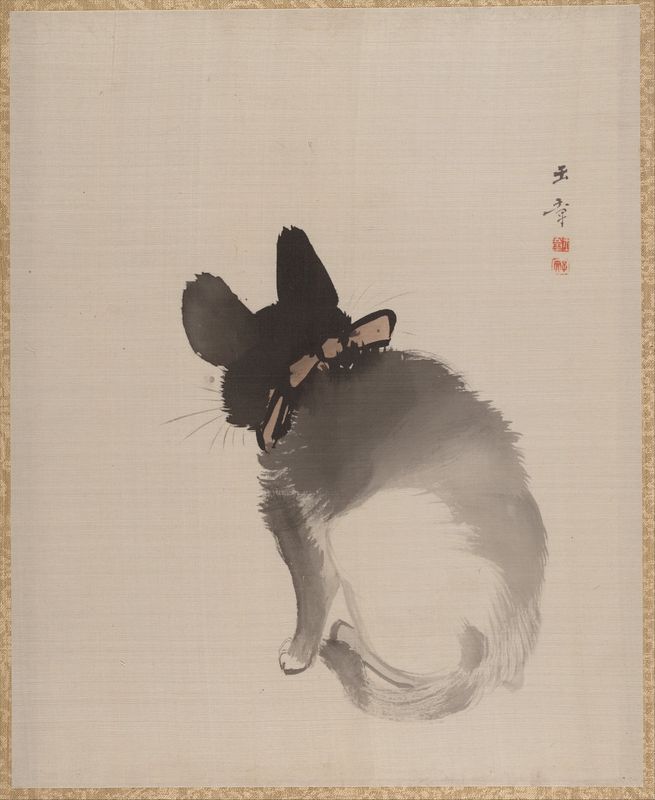 Cat Seen from Behind
1868 · Metropolitan Museum of Art
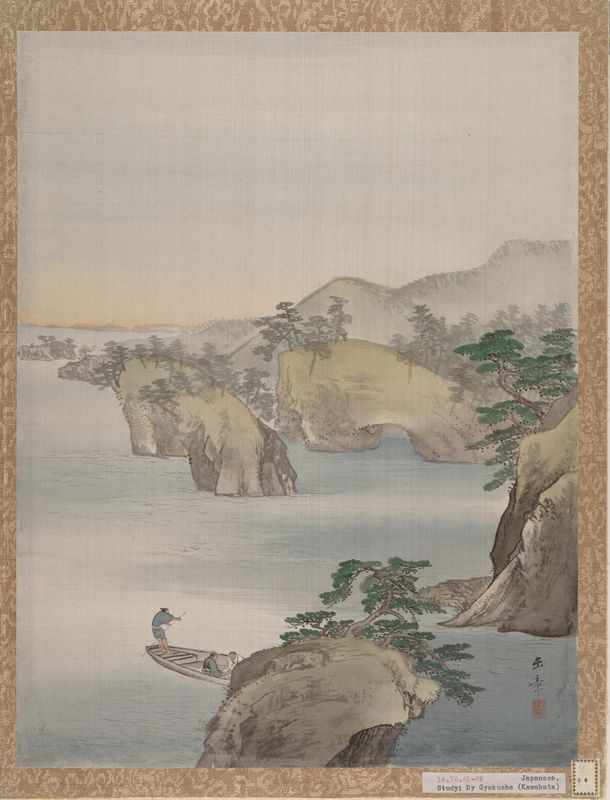 River Scene with Rocky Hills in Background
1868 · Metropolitan Museum of Art
Beyond Gyokushō and Nihonga: works from the same years.
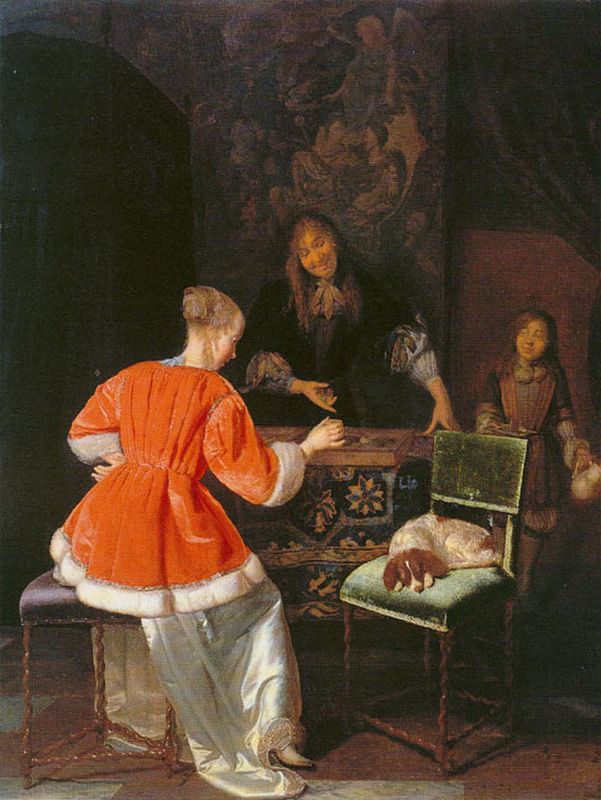 Same era · 1840s–1870s
The Backgammon Players
Philip Webb · 1861 · The Metropolitan Museum of Art
 Same era · 1840s–1870s
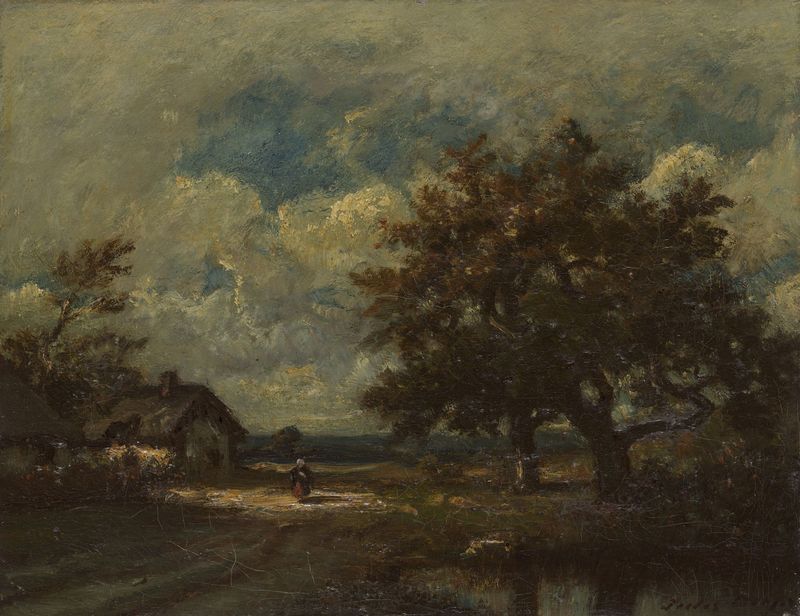
The Cottage by the Roadside, Stormy Sky
Léon-Victor Dupré · 1855 · Art Institute of Chicago
 Same era · 1840s–1870s
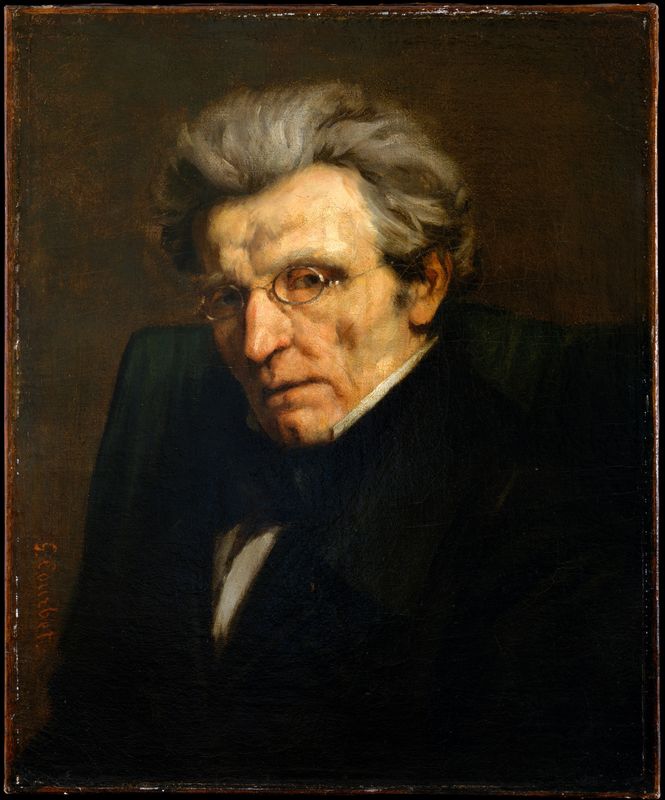
Monsieur Suisse
Gustave Courbet · 1861 · The Metropolitan Museum of Art
 Same era · 1840s–1870s
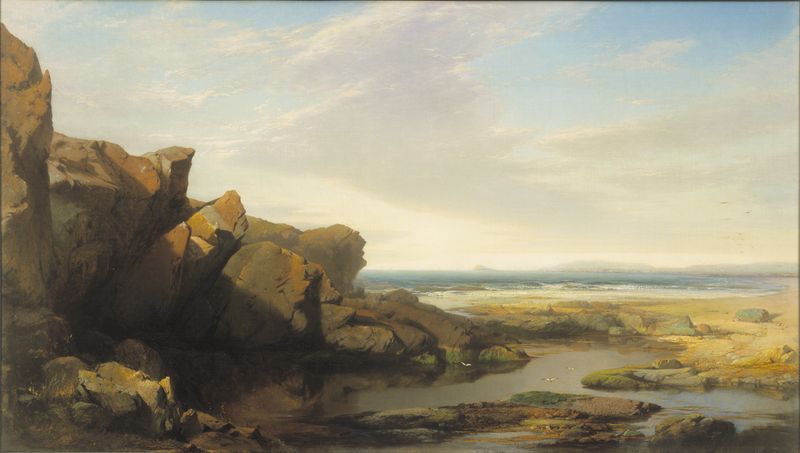
Pools by the Seaside
William Hart · 1861 · Buffalo AKG Art Museum
 Same era · 1840s–1870s
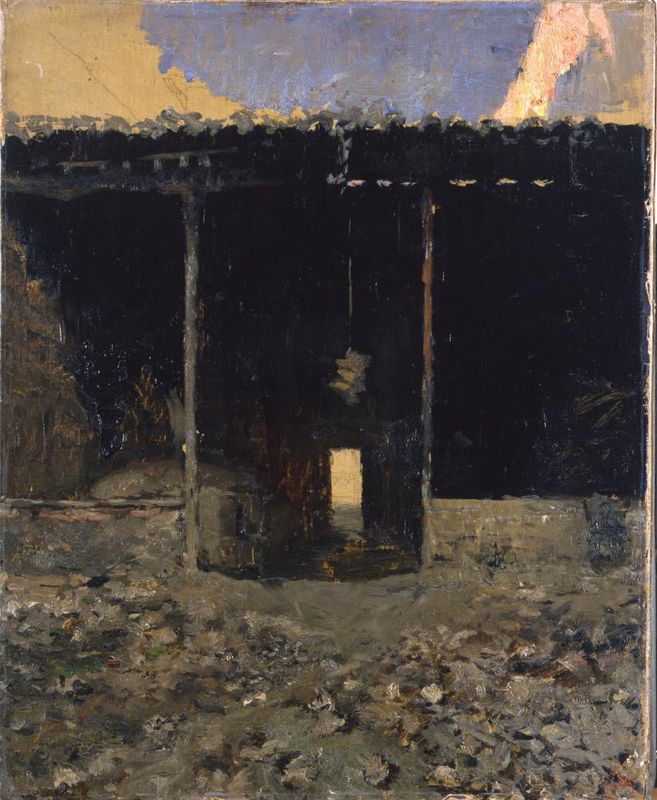
A Sketch
Mariano Fortuny Marsal · 1862 · Hispanic Society of America
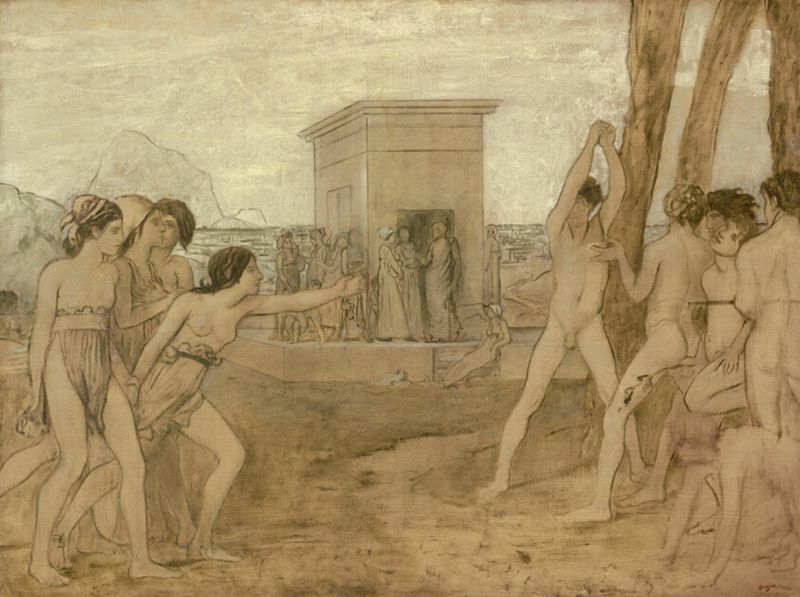 Same era · 1840s–1870s
Young Spartan Girls Challenging Boys
Edgar Degas · 1860 · Art Institute of Chicago
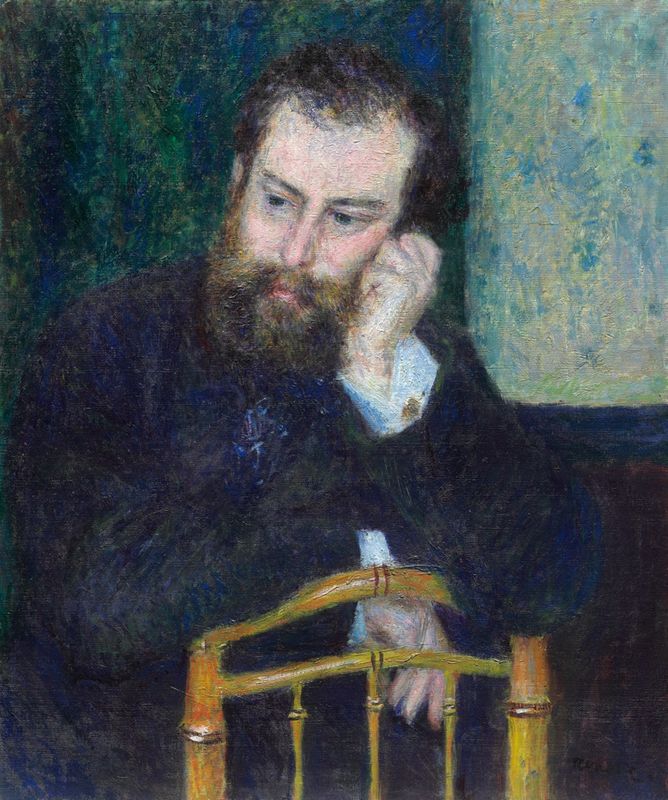 Same era · 1840s–1870s
Alfred Sisley
Pierre-Auguste Renoir · 1864 · Foundation E.G. Bührle Collection
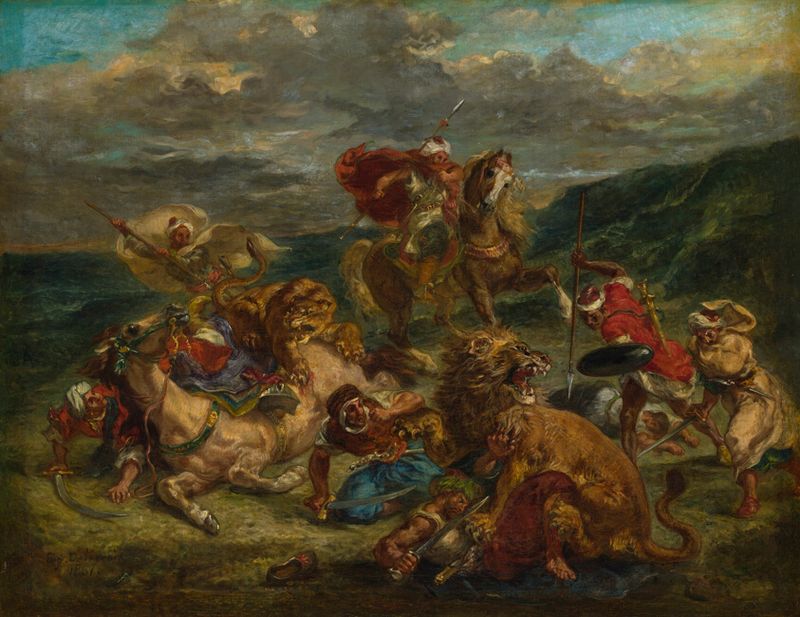 Same era · 1840s–1870s
Lion Hunt
Eugène Delacroix · 1858 · Museum of Fine Arts Boston
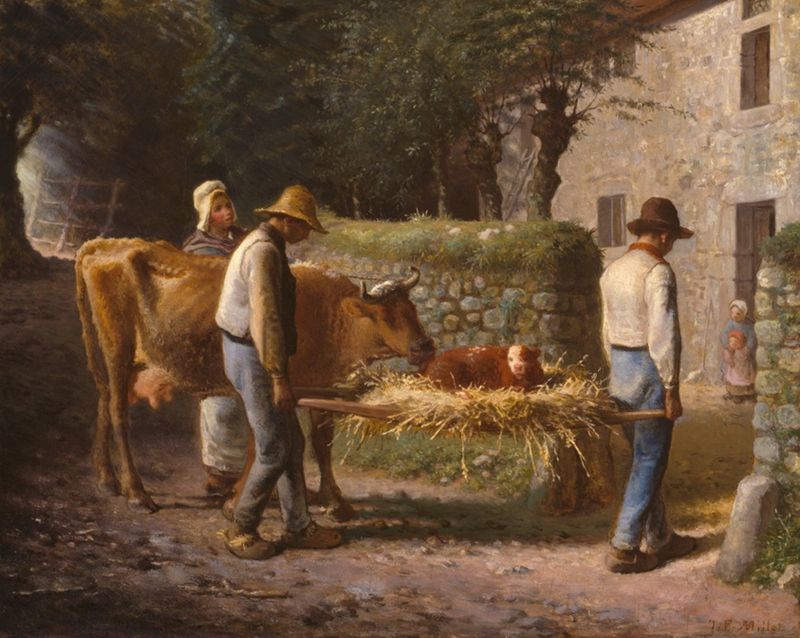 Same era · 1840s–1870s
Peasants Bringing Home a Calf Born in the Fields
Jean-François Millet · 1864 · Art Institute of Chicago
 Same era · 1840s–1870s
Sea View, Calm Weather (Vue de mer, temps calme)
Édouard Manet · 1864 · Art Institute of Chicago
 Same era · 1840s–1870s
The Banks of the Marne in Winter
Camille Pissarro · 1866 · Art Institute of Chicago
 Same era · 1840s–1870s
The Beach at Sainte-Adresse
Claude Monet · 1867 · Art Institute of Chicago