
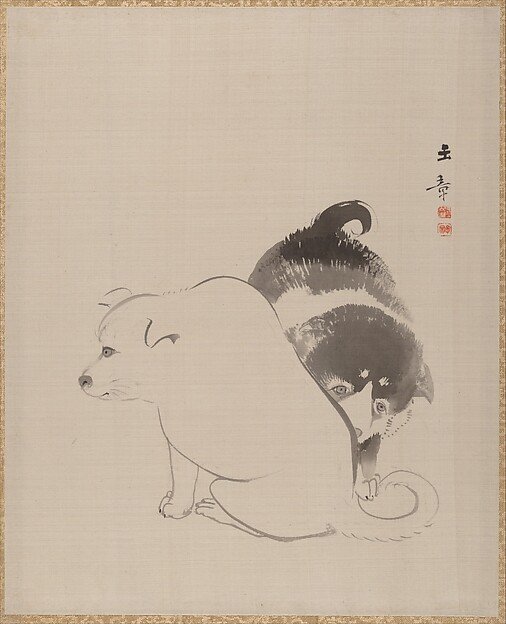
“Pause to appreciate the exquisite detail and tender emotion in this 1887 ink painting of two puppies. The artist's masterful use of ink on silk captures their individual personalities and the softness of their fur with remarkable sensitivity.”
Two small puppies, one curled in sleep and the other alert, are captured in a moment of quiet domesticity. The artist, Kawabata Gyokushō, uses delicate ink washes on silk to bring out the softness of their fur and the subtle planes of their bodies. The sleeping puppy, a fluffy ball, nestles against its companion, whose bright eyes and perked ears suggest it's just woken up or is listening intently to something beyond our view. There's a gentle intimacy to the scene, emphasizing the simple, innocent charm of these young animals. This album leaf, created in 1887, belongs to a series of animal studies, showcasing the artist's keen observation and ability to convey character through minimal yet expressive brushwork, a hallmark of the Maruyama school tradition.
- Artist
- Kawabata Gyokushō
- Date
- 1887
- Medium
- Album leaf; ink on silk
- Location
- The Metropolitan Museum of Art
- Dimensions
- 13 1/2 x 10 7/8 in. (34.3 x 27.6 cm)
- Collection
- Asian Art
- Culture
- Japan
- Credit line
- Charles Stewart Smith Collection, Gift of Mrs. Charles Stewart Smith, Charles Stewart Smith Jr., and Howard Caswell Smith, in memory of Charles Stewart Smith, 1914
What to Notice
Four details hide in plain sight. Here’s where to look.
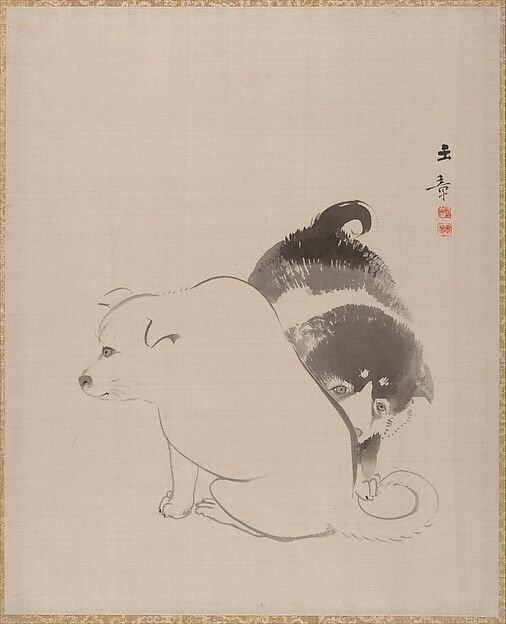
The way the ink wash creates the illusion of soft, fluffy fur on the puppies.
The contrast between the sleeping puppy's closed eyes and the other's alert gaze.
The subtle variations in the ink, from dark outlines to lighter, translucent areas.
The delicate brushstrokes that define individual whiskers on the awake puppy.
Stand in front of it and listen
The full narration walks you through 狗児図|A Pair of Puppies — the story behind it, the details most visitors miss, and why it matters. Free in the Art Whisper app.
Kawabata Gyokushō
1842–1913 · Empire of JapanKawabata Gyokushō was a prominent Japanese painter known for his delicate ink and color works on silk.
Further Works by Gyokushō
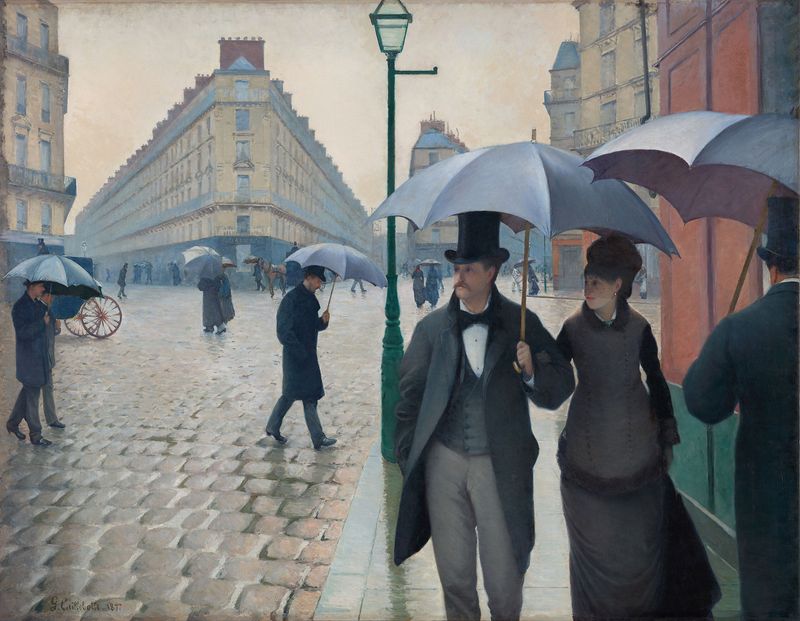 Paris Street; Rainy Day
1877 · Art Institute of Chicago
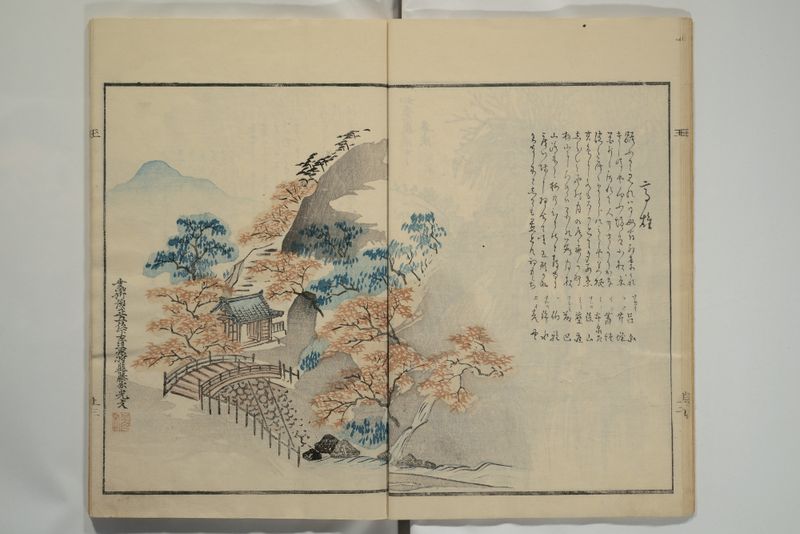 Gathering of the Jewels (Tama hiroi)
1861 · The Metropolitan Museum of Art
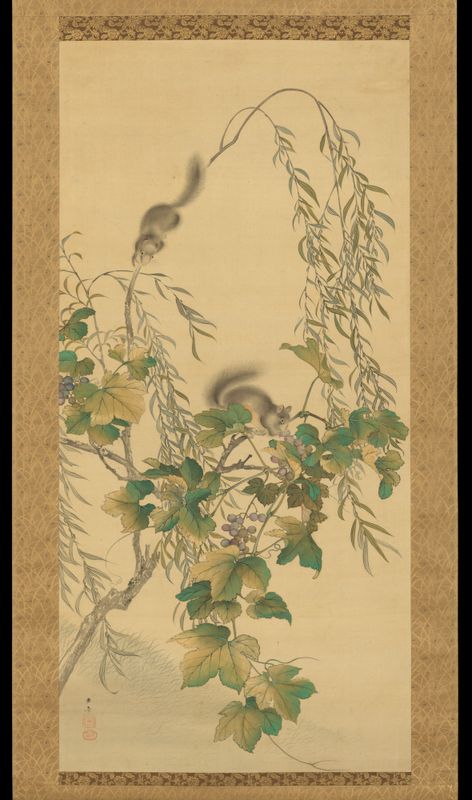 Plum Blossoms under the Moon at Dawn
1867 · The Metropolitan Museum of Art
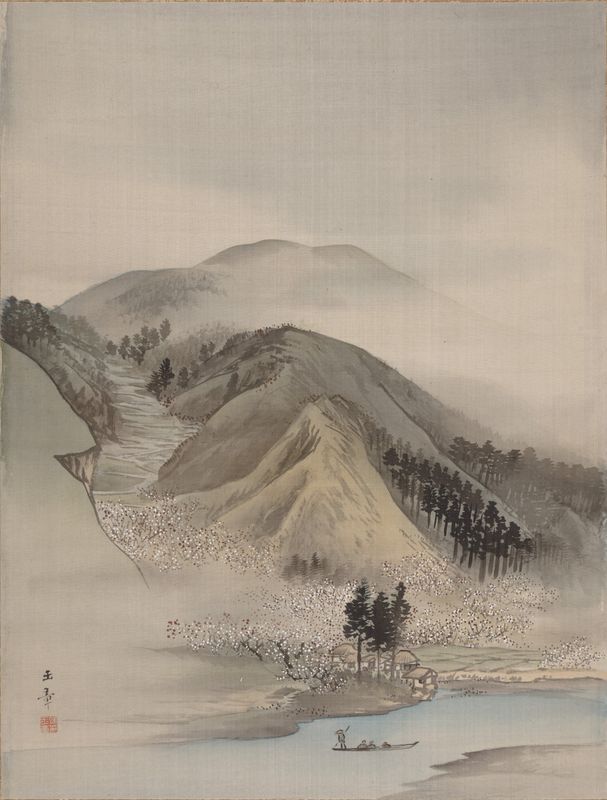 Blossoms by a River
1887 · The Metropolitan Museum of Art
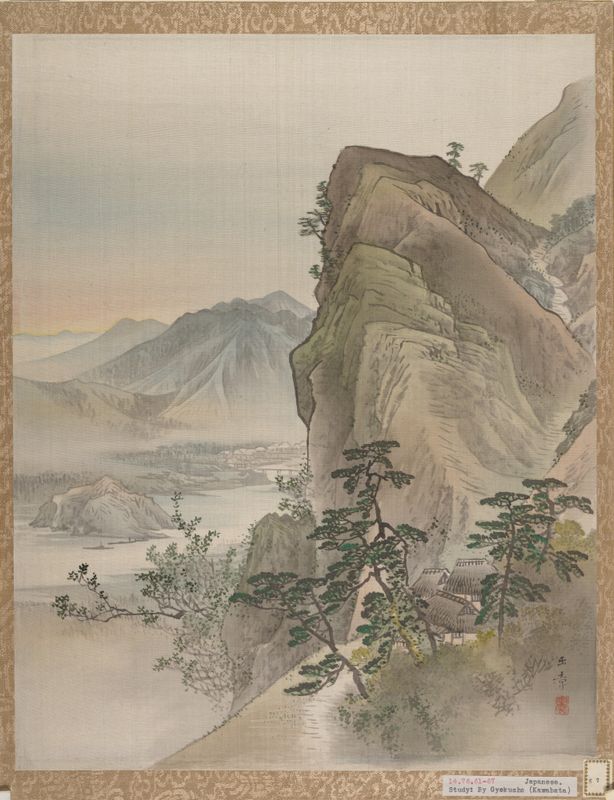 Landscape
1887 · The Metropolitan Museum of Art
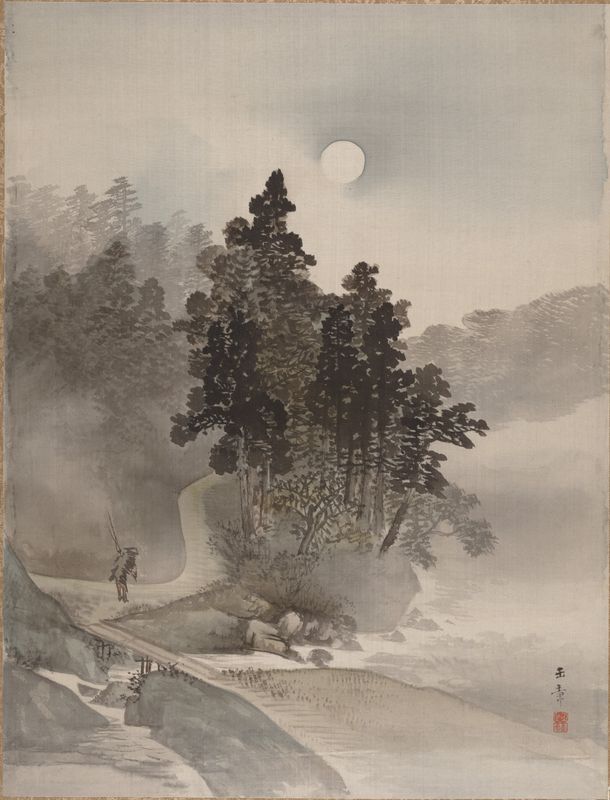 Traveling by Moonlight
1887 · The Metropolitan Museum of Art
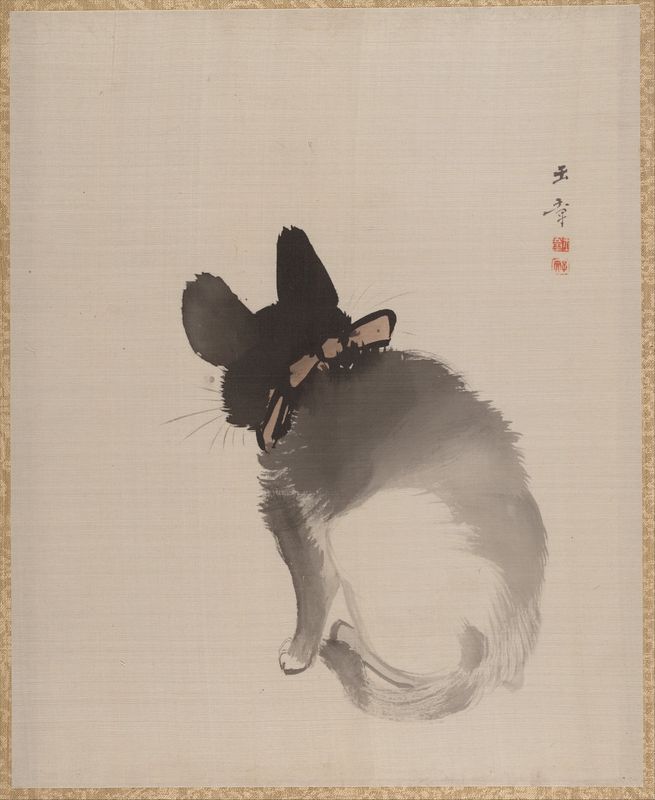 Cat Seen from Behind
1868 · Metropolitan Museum of Art
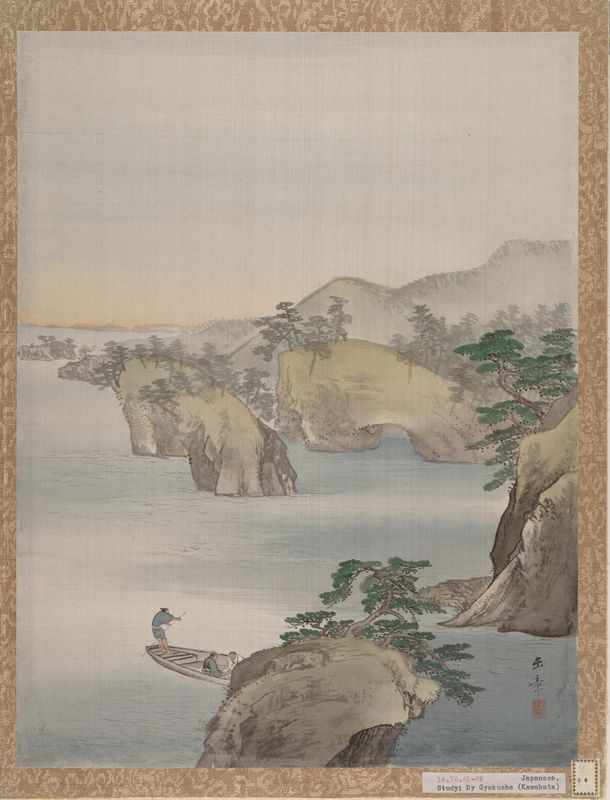 River Scene with Rocky Hills in Background
1868 · Metropolitan Museum of Art
More from Nihonga
More works to explore
Beyond Gyokushō and Nihonga: works from the same years.
 Same era · 1870s–1900s
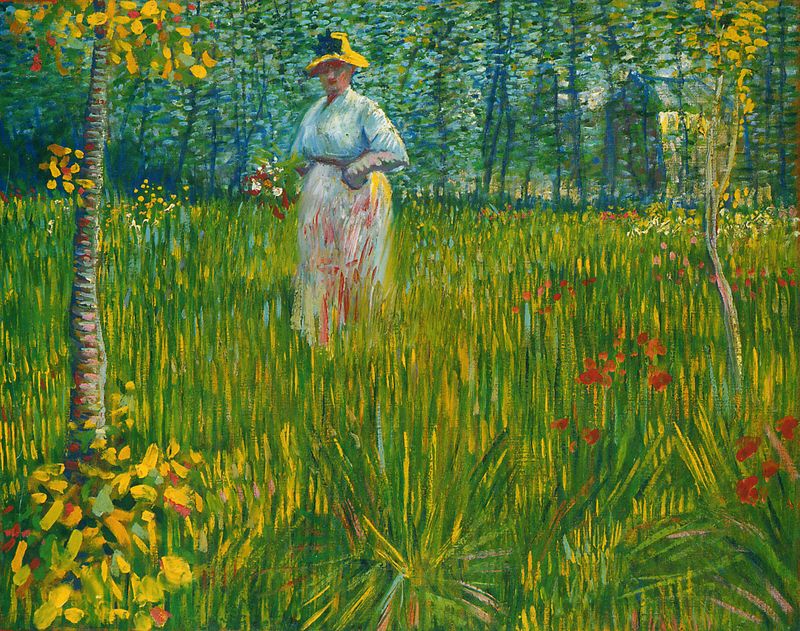
A Woman Walking in a Garden
Vincent van Gogh · 1887 · Frans Buffa & sons
 Same era · 1870s–1900s
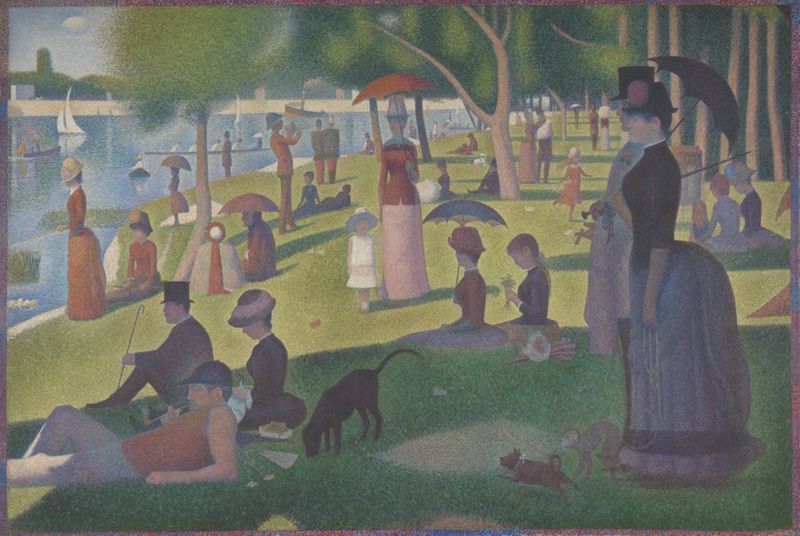
A Sunday on La Grande Jatte — 1884
Okada Saburosuke · 1884 · Art Institute of Chicago
 Same era · 1870s–1900s
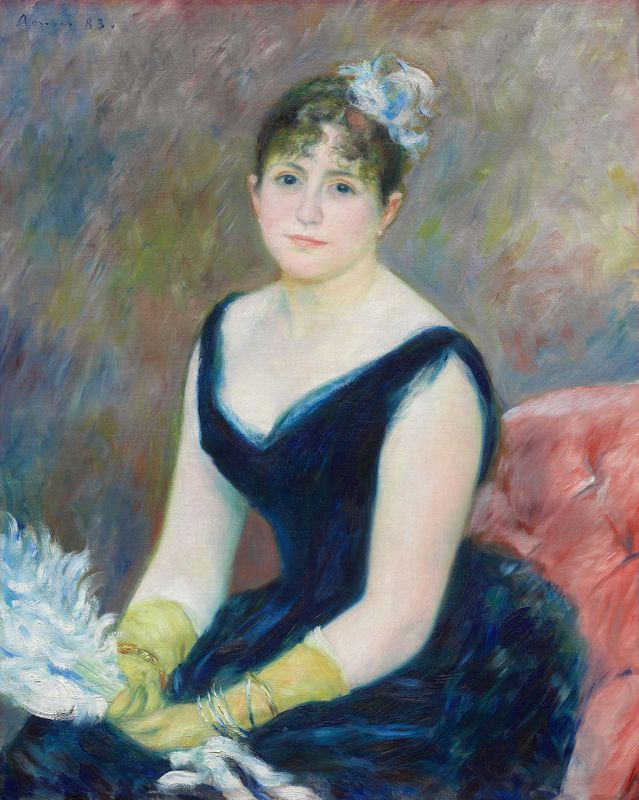
Madame Léon Clapisson
Léon-Victor Dupré · 1883 · Art Institute of Chicago
 Same era · 1870s–1900s
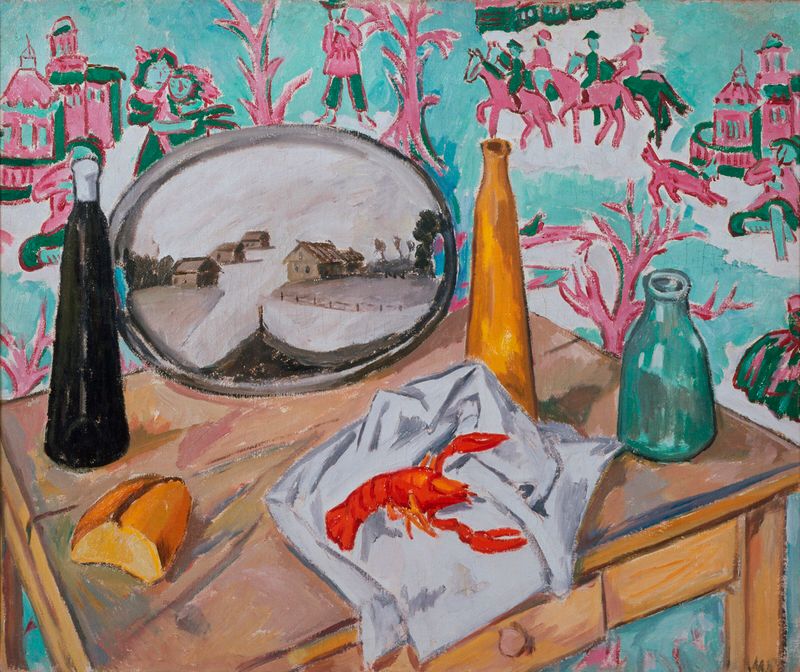
Still Life with Crayfish
Mikhail Larionov · 1900 · Museum Ludwig
 Same era · 1870s–1900s
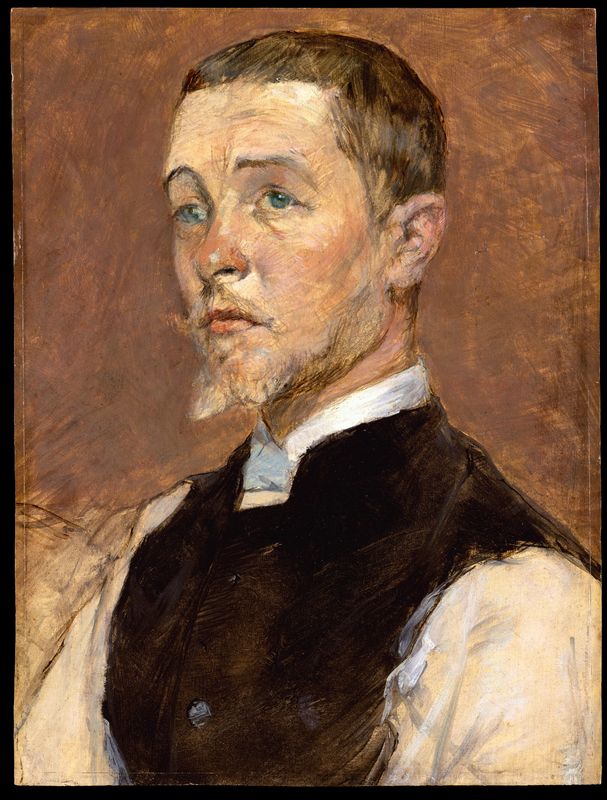
Albert (René) Grenier (1858–1925)
Henri de Toulouse-Lautrec · 1887 · The Metropolitan Museum of Art
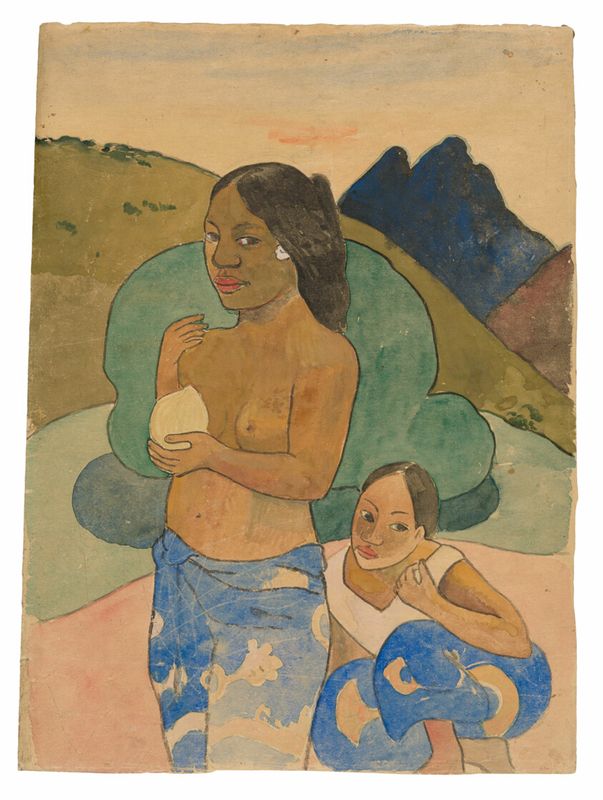 Same era · 1870s–1900s
Two Tahitian Women in a Landscape
Paul Gauguin · 1887 · Art Institute of Chicago
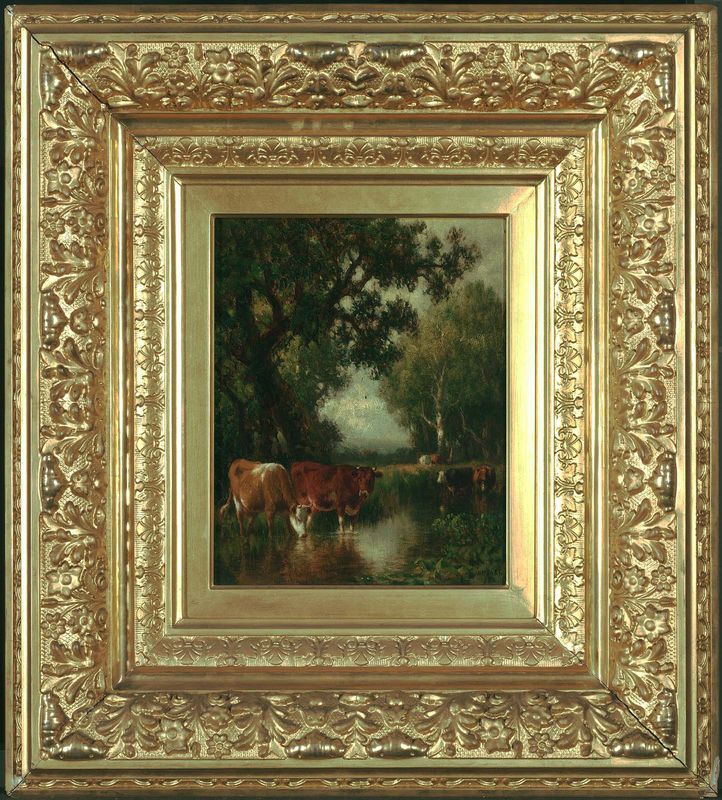 Same era · 1870s–1900s
Cows Drinking at a Pool
William Hart · 1886 · Museum of Fine Arts Boston
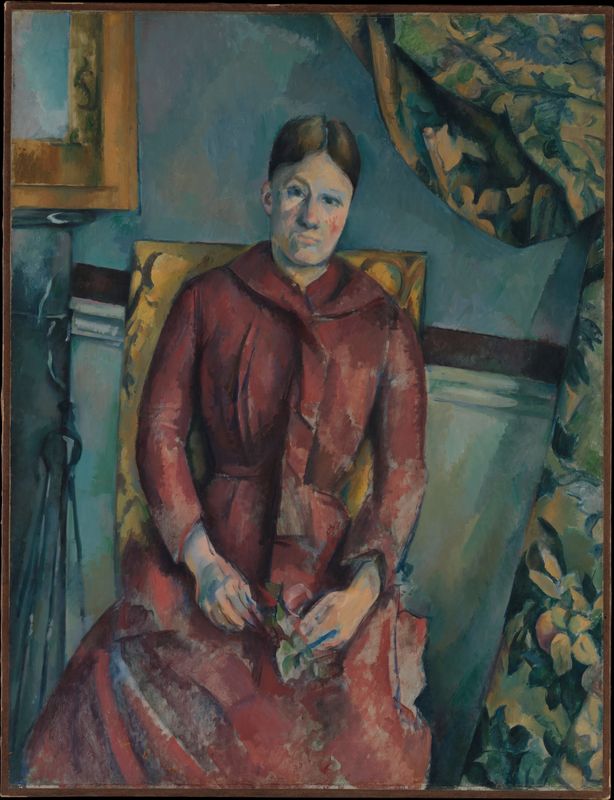 Same era · 1870s–1900s
Madame Cézanne (Hortense Fiquet, 1850–1922) in a Red Dress
Paul Cézanne · 1888 · The Metropolitan Museum of Art
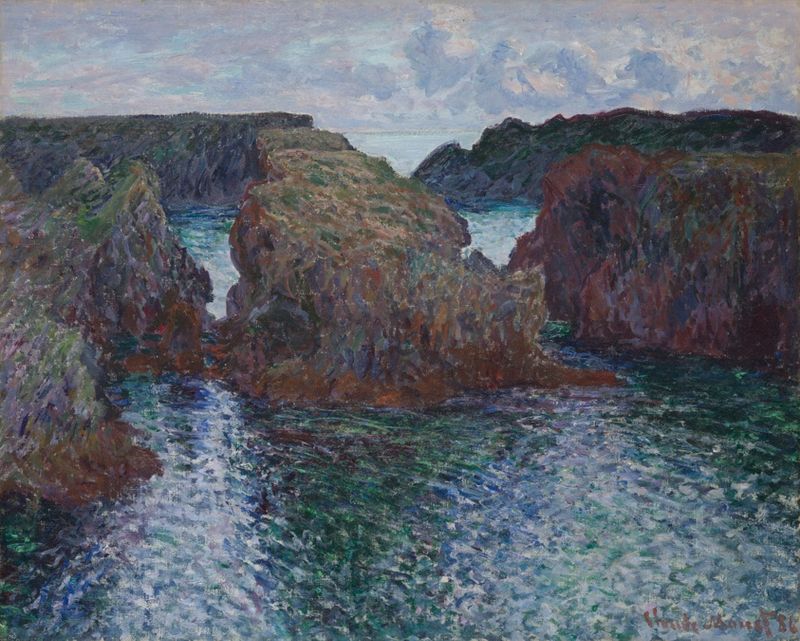 Same era · 1870s–1900s
Rocks at Port-Goulphar, Belle-Île
Claude Monet · 1886 · Art Institute of Chicago
 Same era · 1870s–1900s
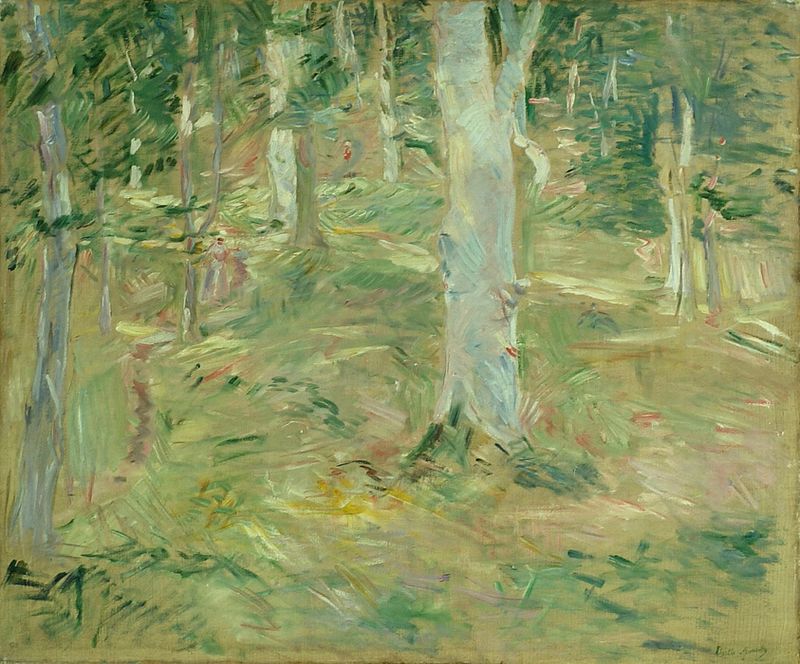
Forêt de Compiègne
Berthe Morisot · 1885 · Art Institute of Chicago
 Same era · 1870s–1900s
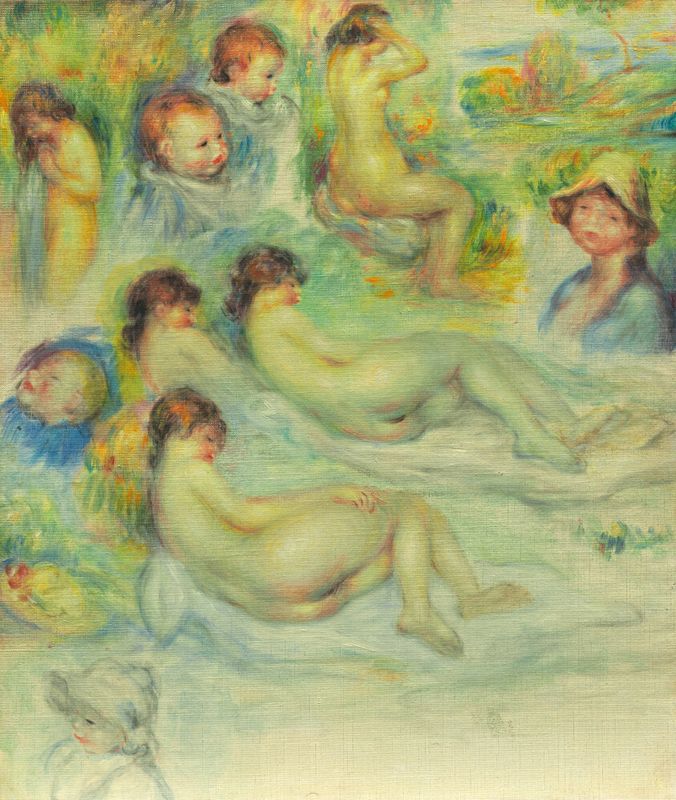
Studies of Pierre Renoir; His Mother, Aline Charigot; Nudes; and Landscape
Pierre-Auguste Renoir · 1885 · Art Institute of Chicago
 Same era · 1870s–1900s
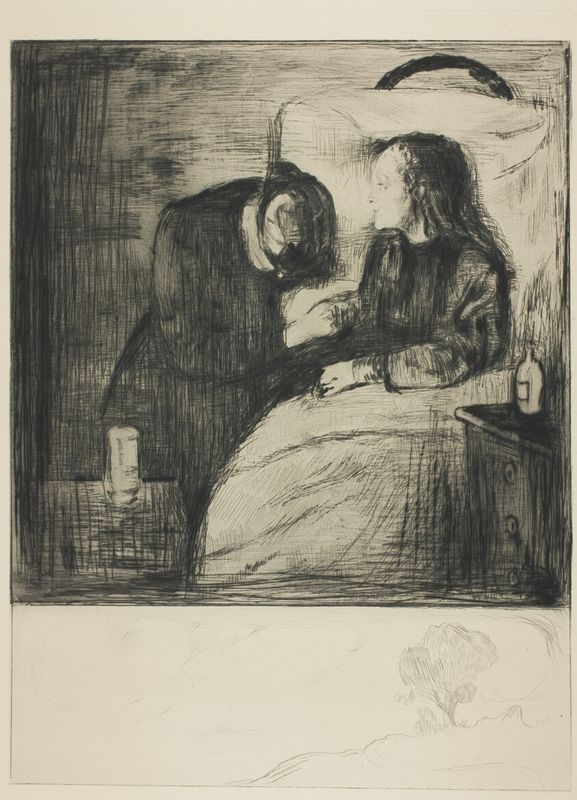
The Sick Child
Edvard Munch · 1885 · National Museum of Art, Architecture and Design