
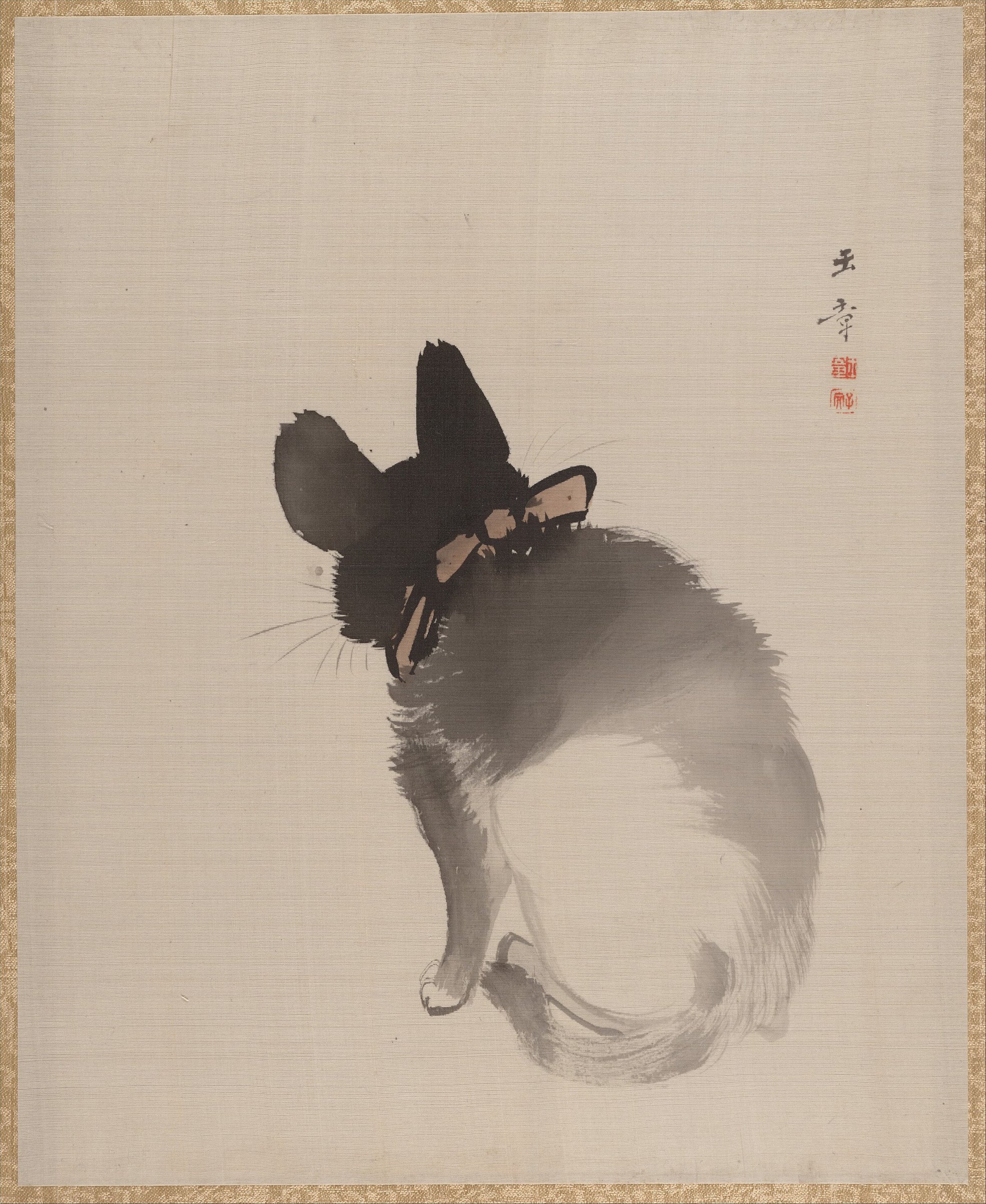
“Stop for a moment with this charming cat, depicted with remarkable softness and grace. Its quiet pose, seen from behind, invites you to share a moment of peaceful contemplation.”
A cat, seen from behind, sits with a quiet dignity, its back to us as it gazes out of the frame. Kawabata Gyokushō captures the animal with a soft, almost ethereal quality, using delicate strokes of ink and color on silk. The fur appears remarkably lifelike, rendered with subtle variations in tone that suggest its texture without overly defined lines. This intimate perspective, focusing on the cat's posture and the gentle curve of its spine, invites a moment of shared contemplation. The work, created around 1887–92, belongs to a period when artists often explored themes of nature and everyday life, finding beauty in understated moments. It reflects an aesthetic valuing quiet observation, a hallmark of the Maruyama school tradition.
- Artist
- Kawabata Gyokushō
- Date
- 1868
- Location
- Metropolitan Museum of Art
- Culture
- Japan
What to Notice
Four details hide in plain sight. Here’s where to look.
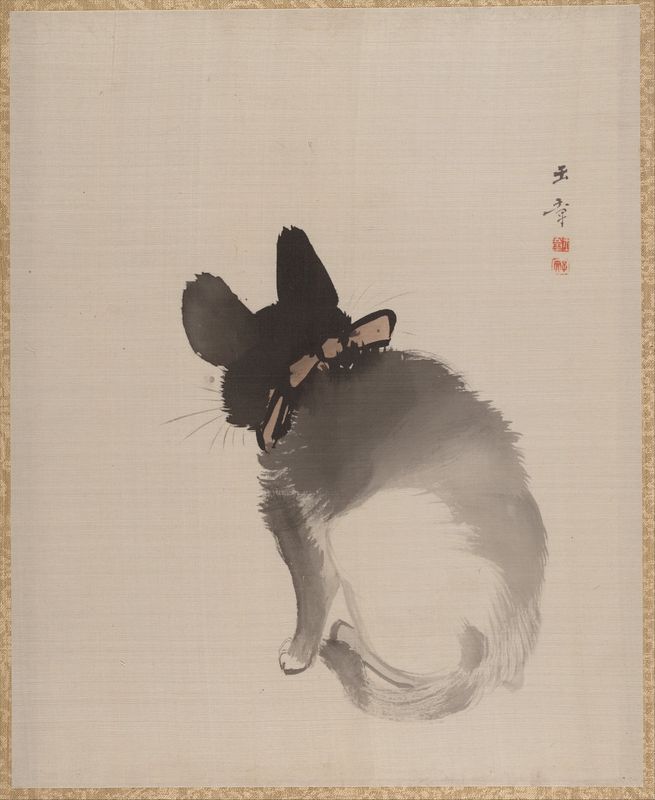
The delicate shading on the cat's back, suggesting soft fur.
The subtle curve of the cat's spine, conveying a relaxed posture.
The way the tail curls gently, hinting at movement.
The soft, diffused light that seems to emanate from the silk itself.
Stand in front of it and listen
The full narration walks you through Cat Seen from Behind — the story behind it, the details most visitors miss, and why it matters. Free in the Art Whisper app.
Kawabata Gyokushō
1842–1913 · Empire of JapanKawabata Gyokushō was a prominent Japanese painter known for his delicate ink and color works on silk.
Further Works by Gyokushō
 Paris Street; Rainy Day
1877 · Art Institute of Chicago
 River Scene with Rocky Hills in Background
1868 · Metropolitan Museum of Art
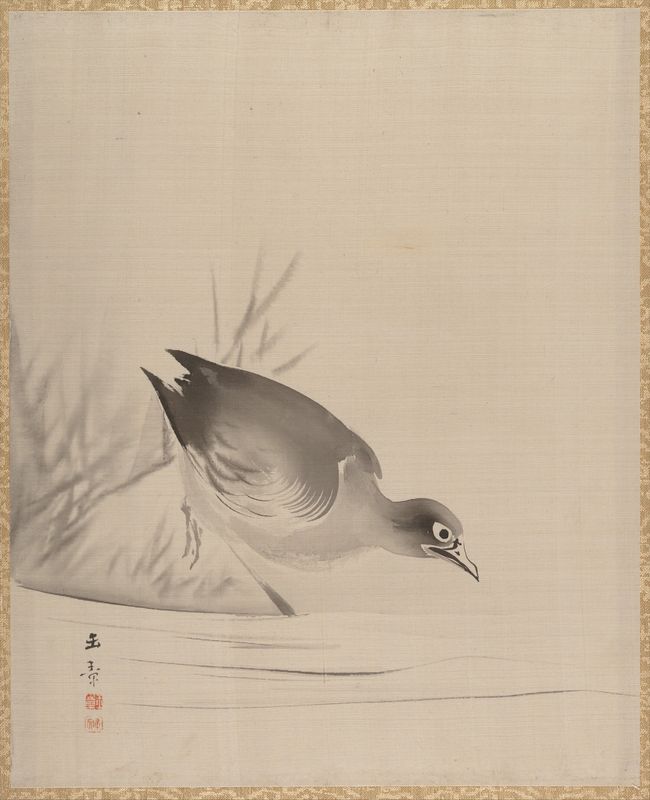 Bird at the Water's Edge
1889 · Metropolitan Museum of Art
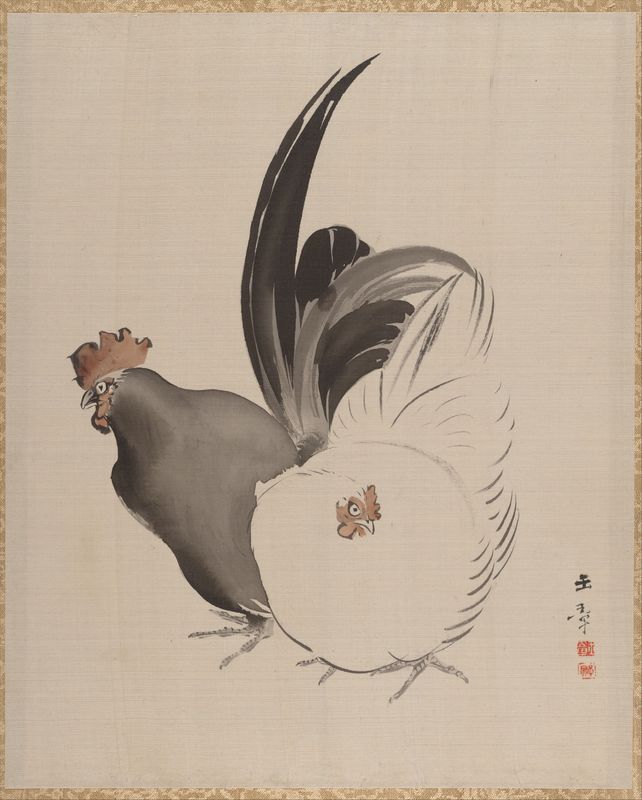 Cock and Hen
1889 · Metropolitan Museum of Art
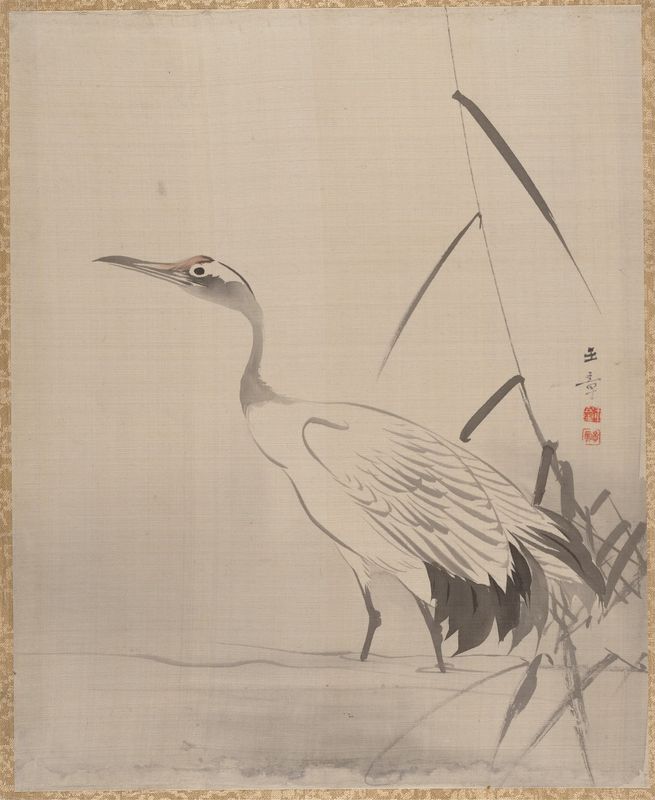 Crane Among Reeds
1889 · Metropolitan Museum of Art
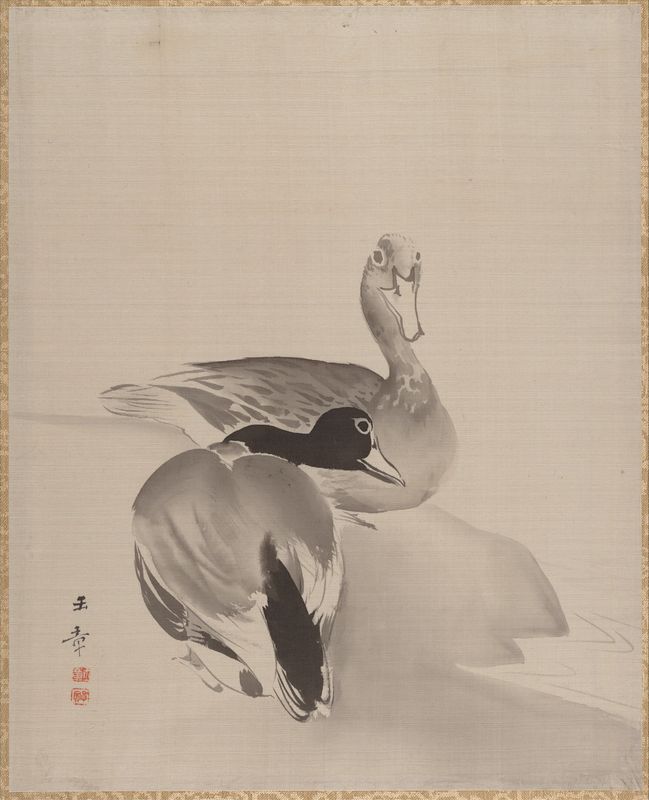 Pair of Ducks
1889 · Metropolitan Museum of Art
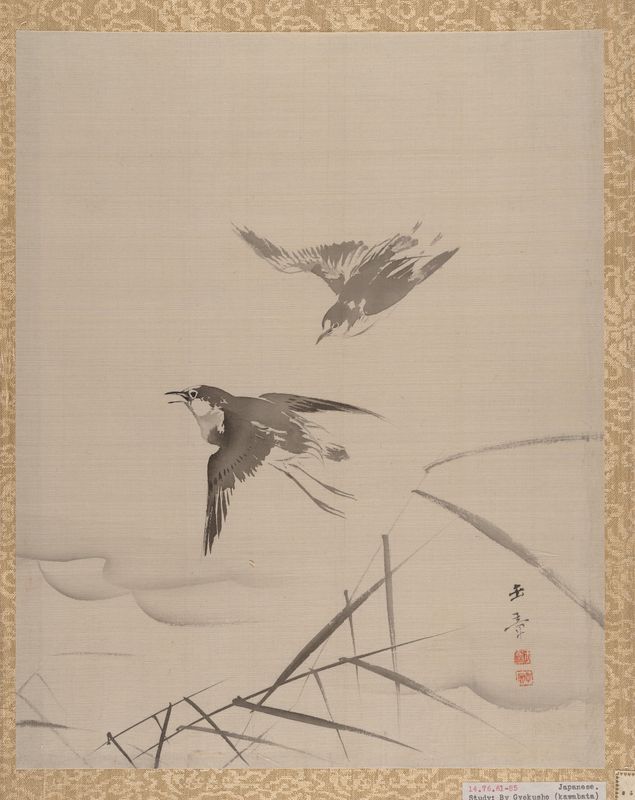 Small Birds and Bamboo
1889 · Metropolitan Museum of Art
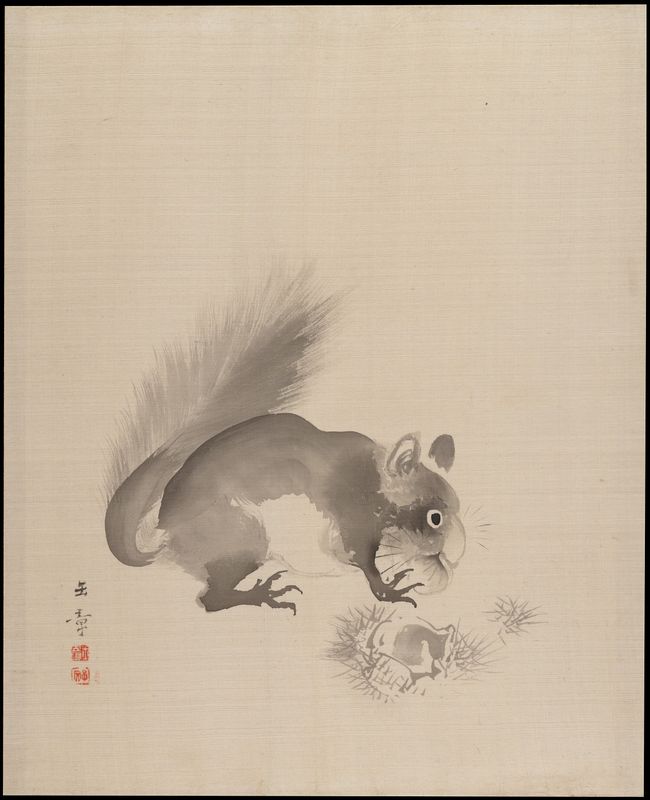 Squirrel Eating Chestnuts
1889 · Metropolitan Museum of Art
More from Nihonga
More works to explore
Beyond Gyokushō and Nihonga: works from the same years.
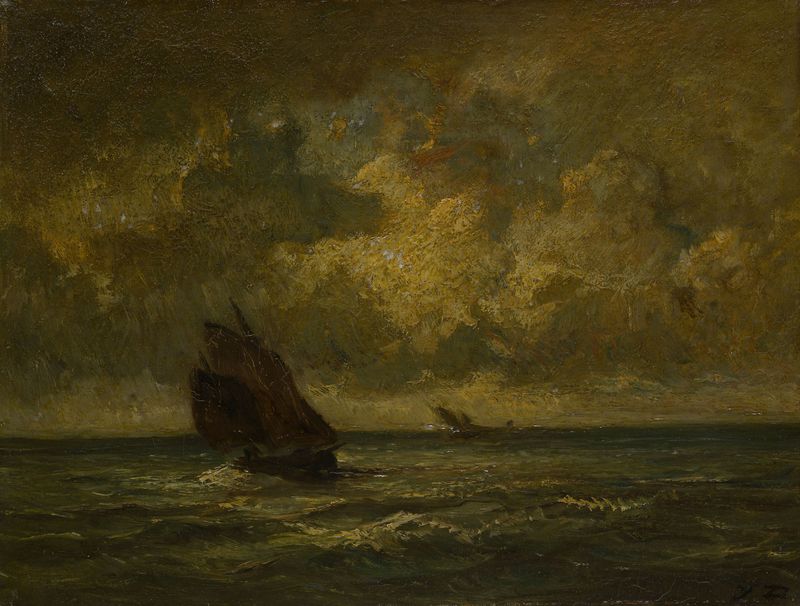 Same era · 1850s–1880s
Two Boats in a Storm
Léon-Victor Dupré · 1870 · Art Institute of Chicago
 Same era · 1850s–1880s
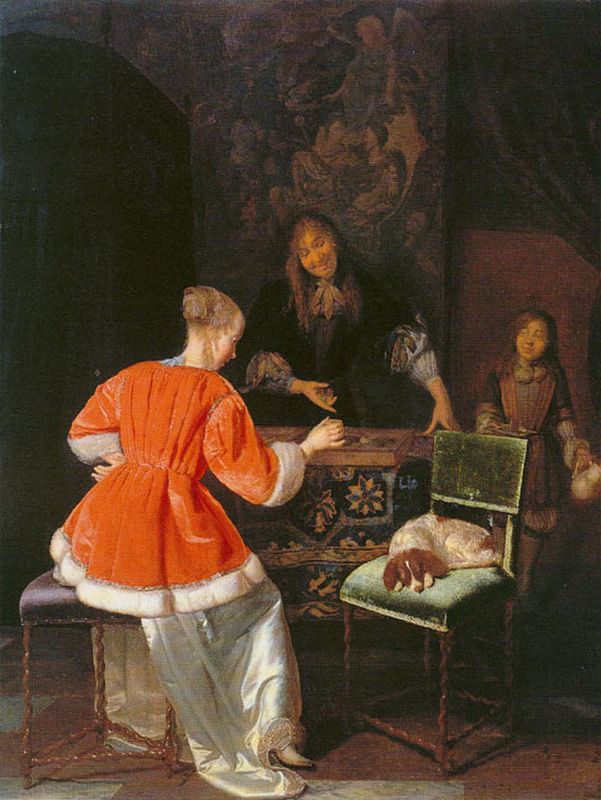
The Backgammon Players
Philip Webb · 1861 · The Metropolitan Museum of Art
 Same era · 1850s–1880s
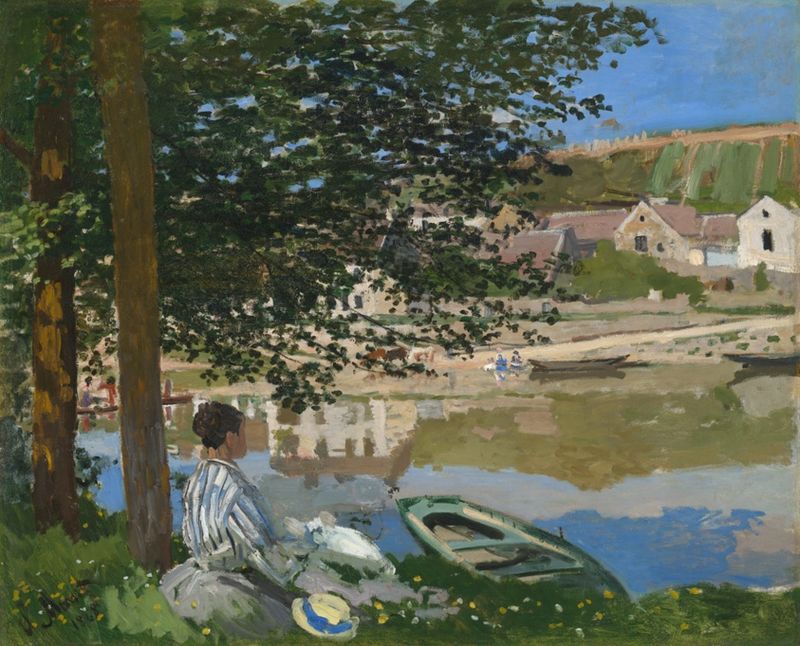
On the Bank of the Seine, Bennecourt
Claude Monet · 1868 · Art Institute of Chicago
 Same era · 1850s–1880s
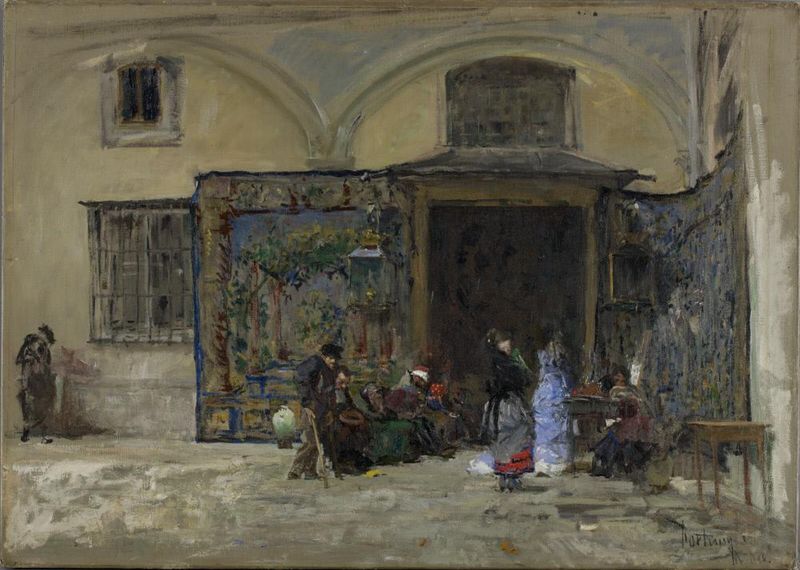
The Portico of the Church of San Ginés, Madrid
Mariano Fortuny Marsal · 1868 · Hispanic Society of America
 Same era · 1850s–1880s
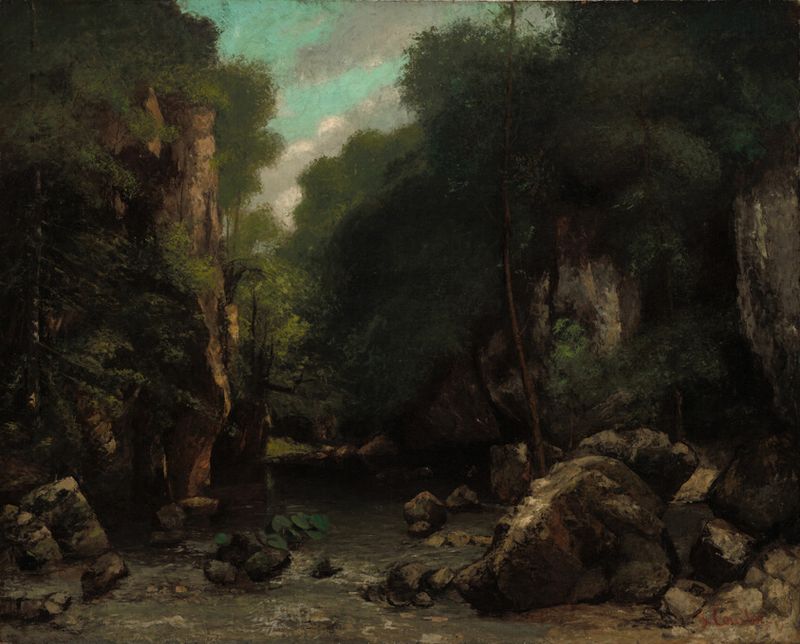
The Valley of Les Puits-Noir
Gustave Courbet · 1868 · Art Institute of Chicago
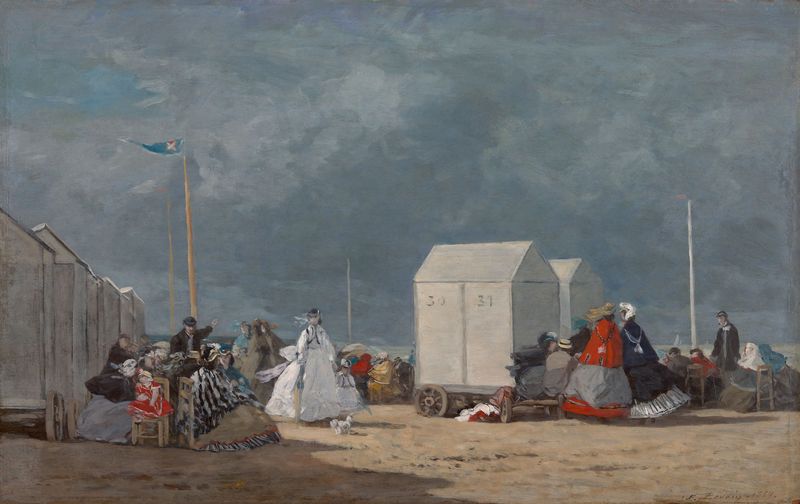 Same era · 1850s–1880s
Approaching Storm
William Hart · 1867 · Gilcrease Museum
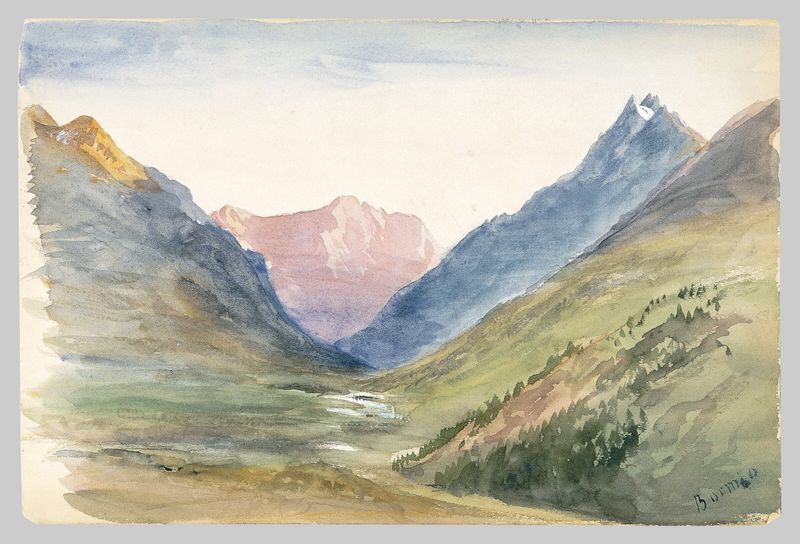 Same era · 1850s–1880s
Mountain View at Bormio (from Switzerland 1869 Sketchbook)
John Singer Sargent · 1869 · The Metropolitan Museum of Art
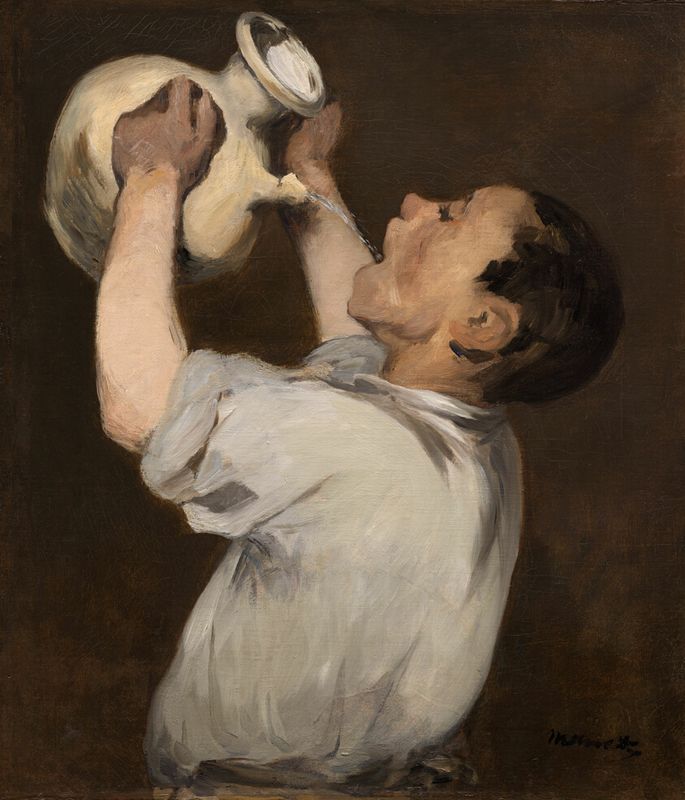 Same era · 1850s–1880s
Boy with Pitcher (La Régalade)
Édouard Manet · 1866 · Art Institute of Chicago
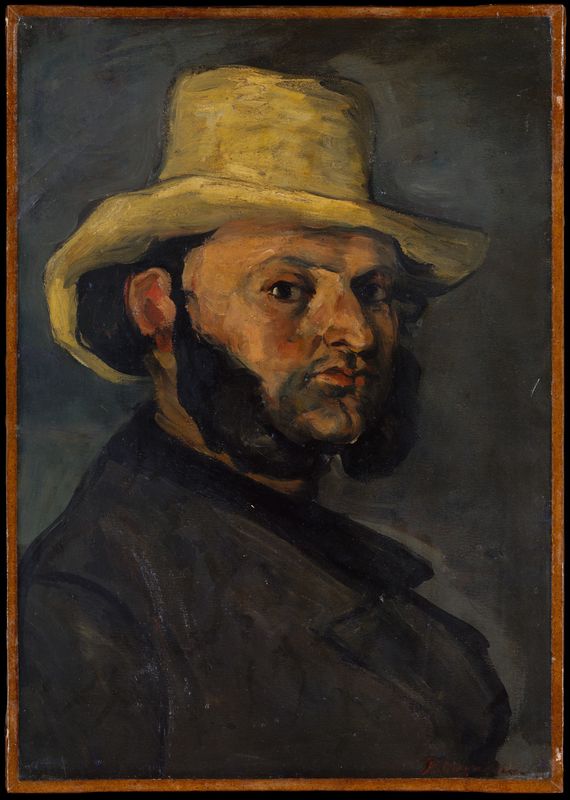 Same era · 1850s–1880s
Gustave Boyer (b. 1840) in a Straw Hat
Paul Cézanne · 1870 · The Metropolitan Museum of Art
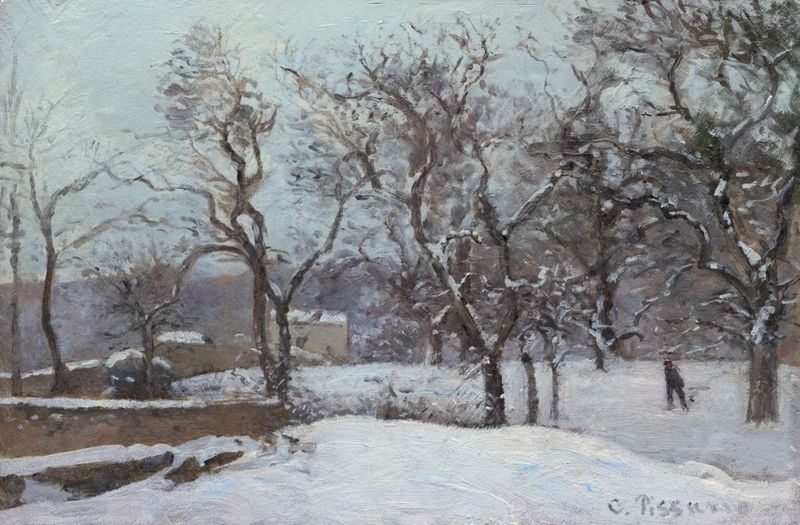 Same era · 1850s–1880s
Snow at Louveciennes
Camille Pissarro · 1870 · Art Institute of Chicago
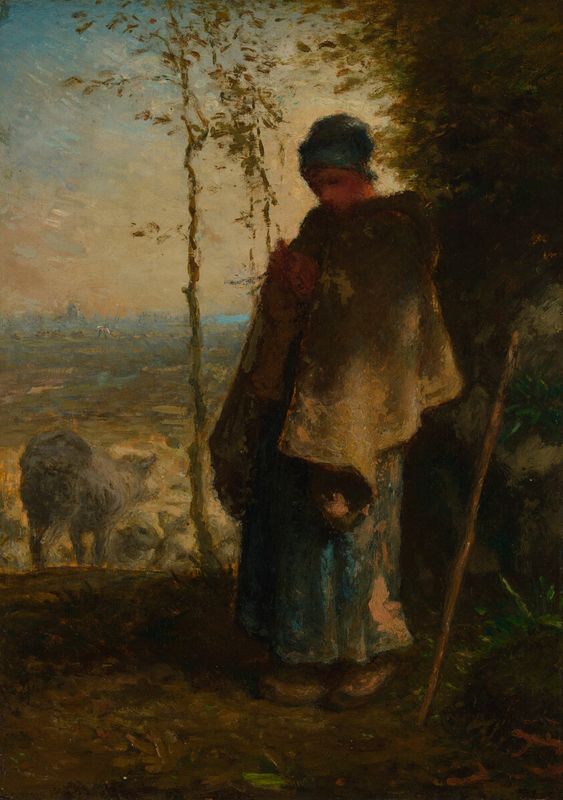 Same era · 1850s–1880s
The Little Shepherdess
Jean-François Millet · 1870 · Art Institute of Chicago
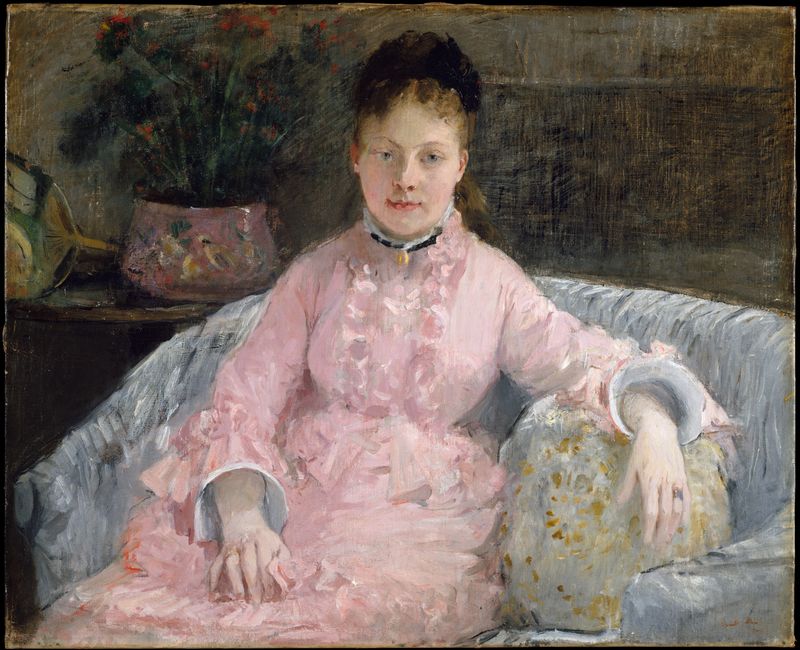 Same era · 1850s–1880s
The Pink Dress (Albertie-Marguerite Carré, later Madame Ferdinand-Henri Himmes, 1854–1935)
Berthe Morisot · 1870 · Metropolitan Museum of Art