
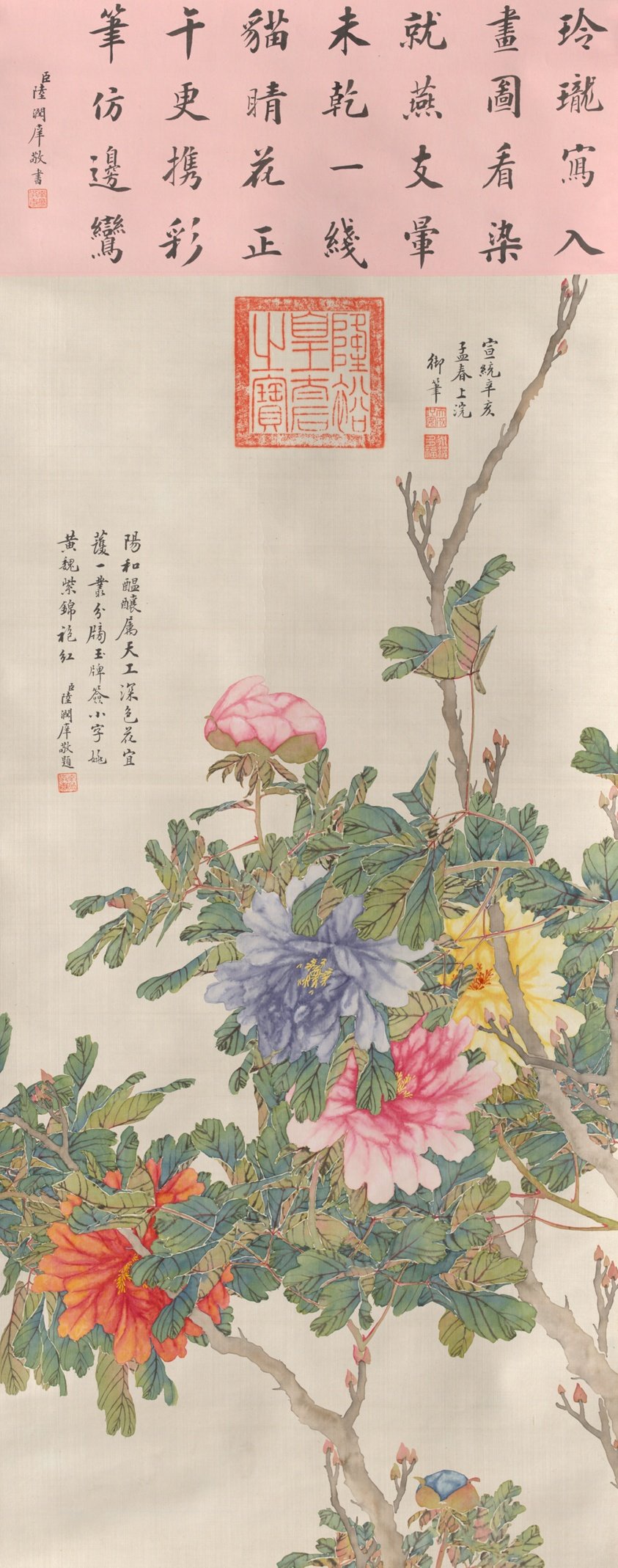
“Stop to appreciate these exquisite tree peonies, a painting that served as a significant diplomatic gift from China's last empress dowager during the dramatic fall of the Qing dynasty.”
This vibrant hanging scroll bursts with the lush beauty of tree peonies, their petals rendered in delicate layers of pink, red, and white. The flowers emerge from a dark, undefined background, their forms illuminated as if by an unseen light source. More than just a botanical study, this painting holds a unique place in history: it was a diplomatic gift from Empress Dowager Longyu of China to American Ambassador William C. Calhoun and his wife in 1913. This exchange marked a pivotal moment, occurring just one year after the abdication of the young Emperor Puyi, which brought an end to China's two-thousand-year-old imperial system. The inscription next to the peonies and the calligraphy on the mounting, both signed by the scholar Lu Runxiang, add to its historical significance. While the brief inscription near the large seal above the flowers, dated 1911, describes it as a work of the "imperial brush," the actual painter remains unknown.
- Artist
- Artist Unknown - The Mercat Cross, Aberdeen
- Date
- 1644
- Medium
- Hanging scroll; ink and colors on silk
- Location
- Art Institute of Chicago
- Dimensions
- 131 × 52.1 cm (51 9/16 × 20 1/2 in.); Including mount and knobs: 284.8 × 83.2 cm (112 1/8 × 32 3/4 in.)
- Collection
- Arts of Asia
- Culture
- China
- Credit line
- Gift of Mrs. William J. Calhoun
What to Notice
Four details hide in plain sight. Here’s where to look.
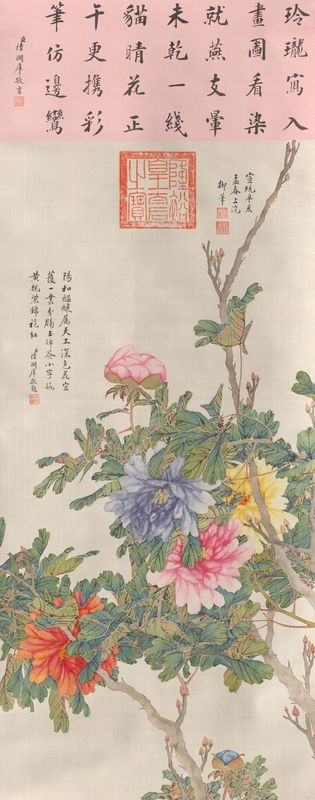
The delicate shading on the peony petals, creating a sense of volume.
The subtle texture of the silk medium, visible through the paint.
The large red seal above the flowers, belonging to Empress Dowager Longyu.
The elegant calligraphy signed by scholar Lu Runxiang to the left of the peonies.
Stand in front of it and listen
The full narration walks you through Tree Peonies in Full Bloom — the story behind it, the details most visitors miss, and why it matters. Free in the Art Whisper app.
Artist Unknown - The Mercat Cross, Aberdeen
This 'Artist Unknown' represents a vast collection of anonymous creators, whose works like 'Boston Common' and 'Self Portrait' offer glimpses into diverse historical periods and artistic practices.
Further Works by Aberdeen
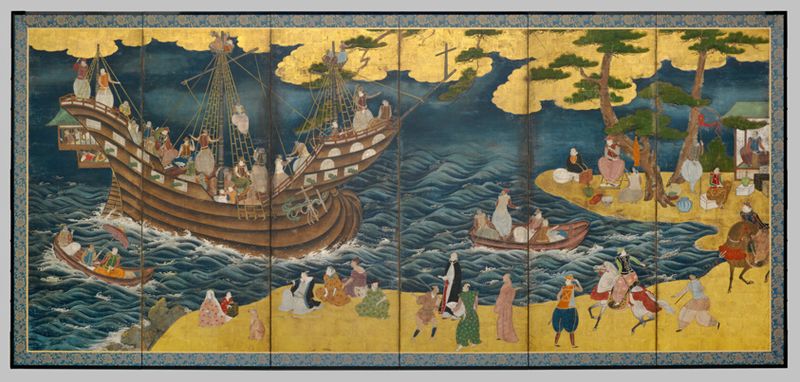 Southern Barbarians
1625 · Art Institute of Chicago
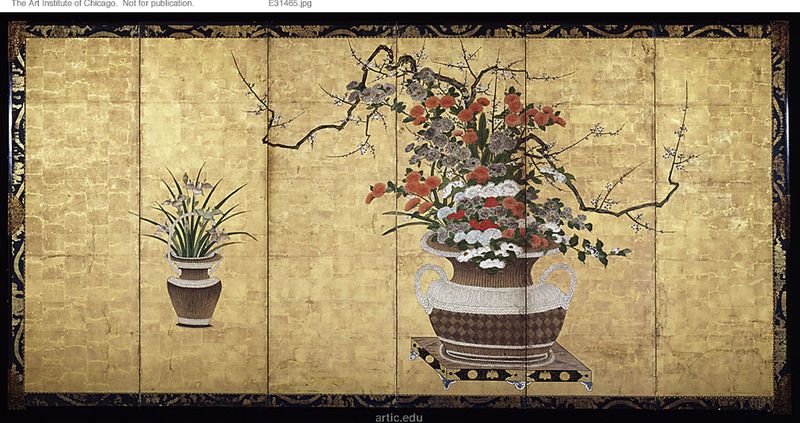 Baskets with Flowers of the Four Seasons
1701 · Art Institute of Chicago
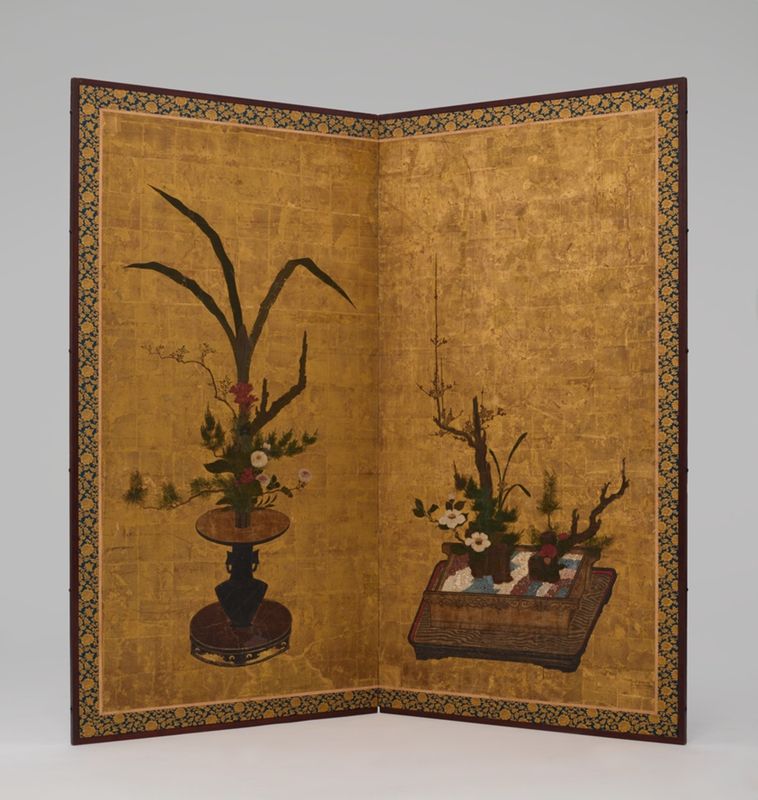 Flower Arrangements
1595 · Art Institute of Chicago
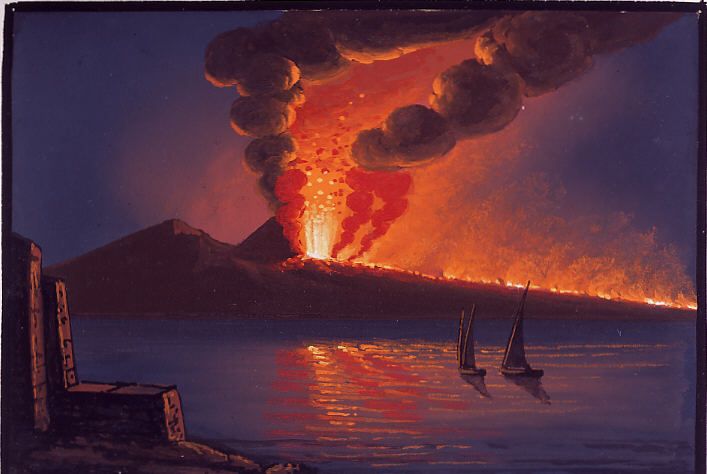 Sketchbook: Souvenir of Naples
1821 · The Metropolitan Museum of Art
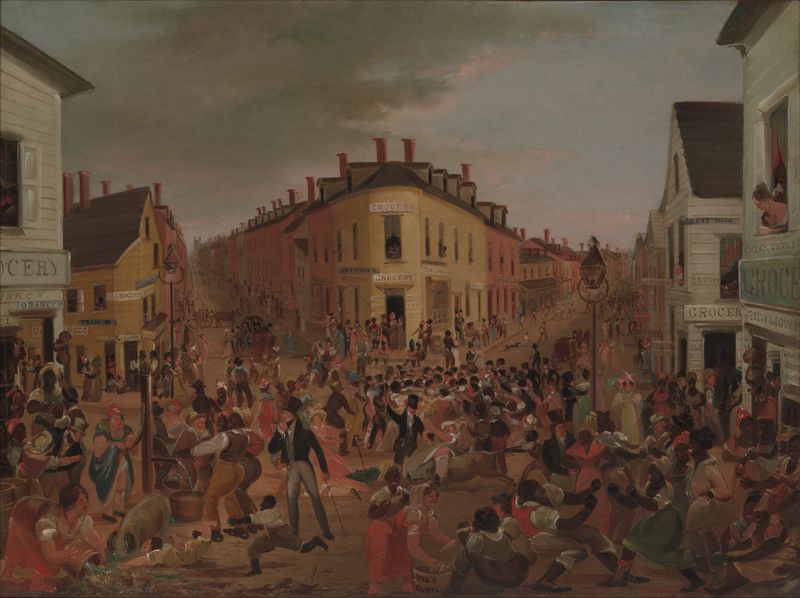 The Five Points
1822 · The Metropolitan Museum of Art
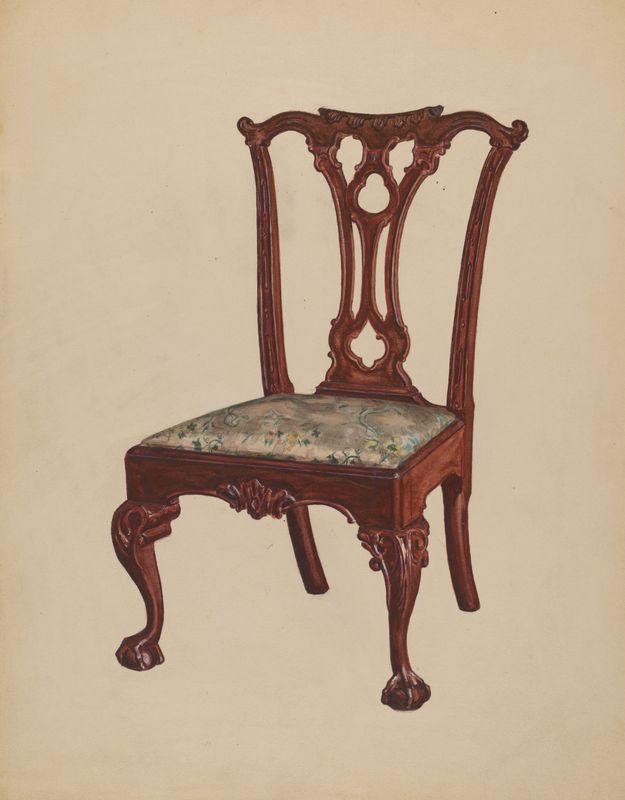 Side Chair
1750 · Art Institute of Chicago
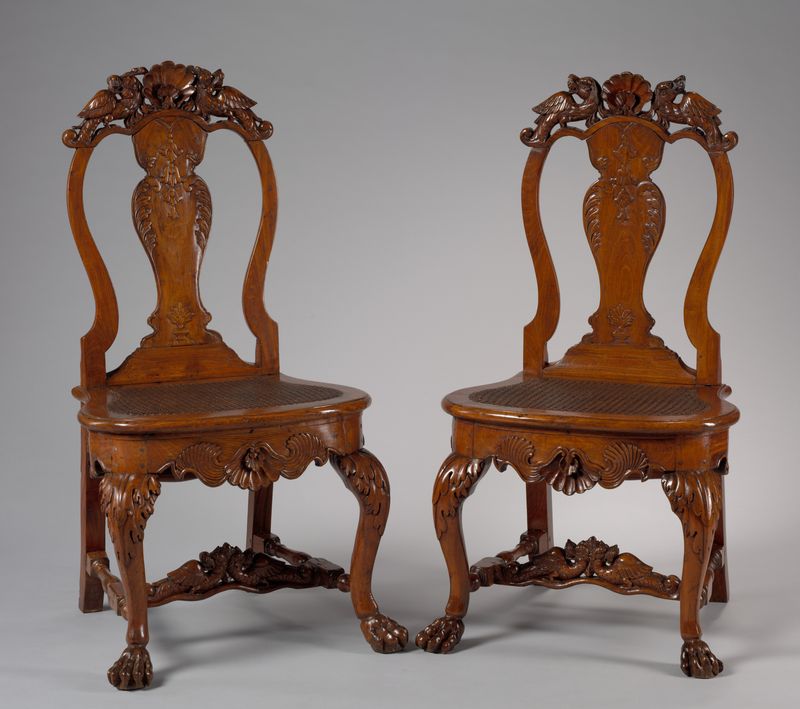 Pair of Side Chairs
1770 · Art Institute of Chicago
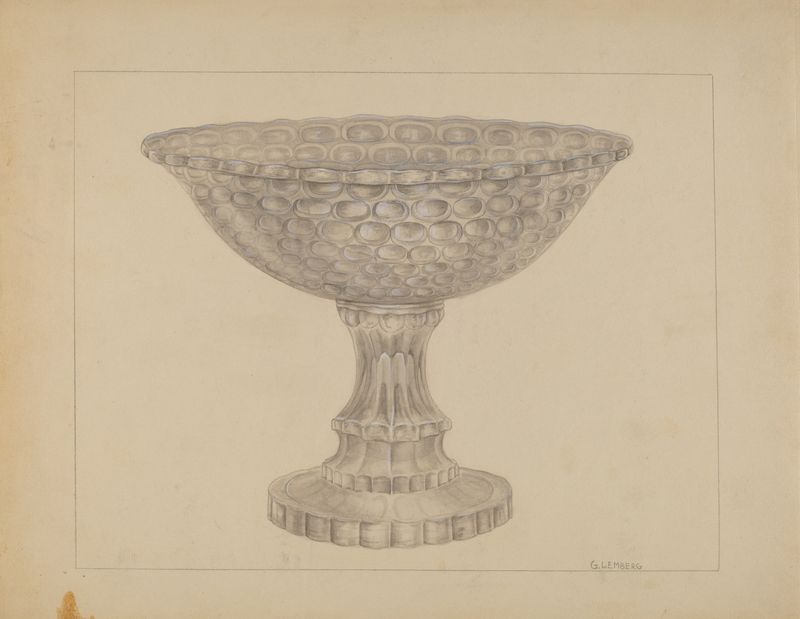 Punch Bowl
1789 · Art Institute of Chicago
More works to explore
Beyond Aberdeen: works from the same years.
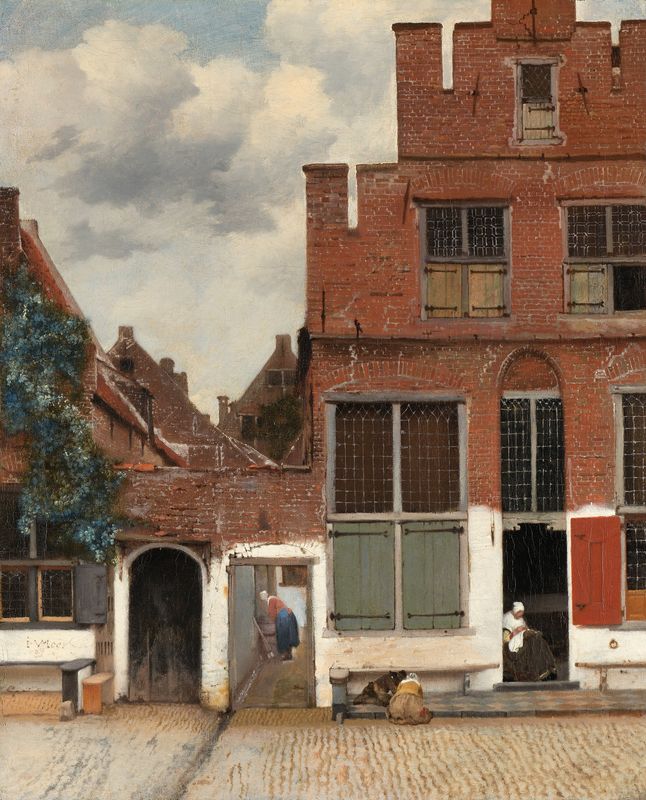 Same era · 1620s–1650s
The Little Street
Johannes Vermeer · 1658 · Rijksmuseum
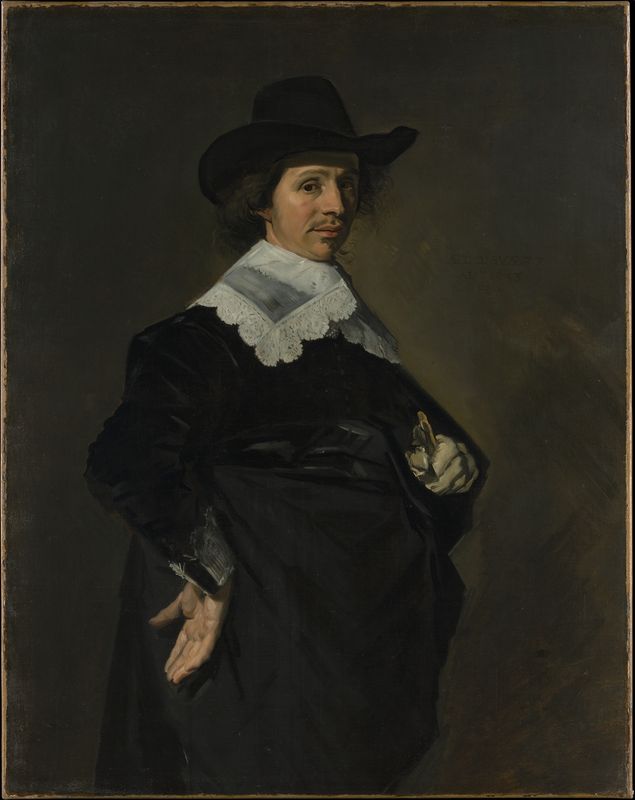 Same era · 1620s–1650s
Paulus Verschuur (1606–1667)
Frans Hals · 1643 · The Metropolitan Museum of Art
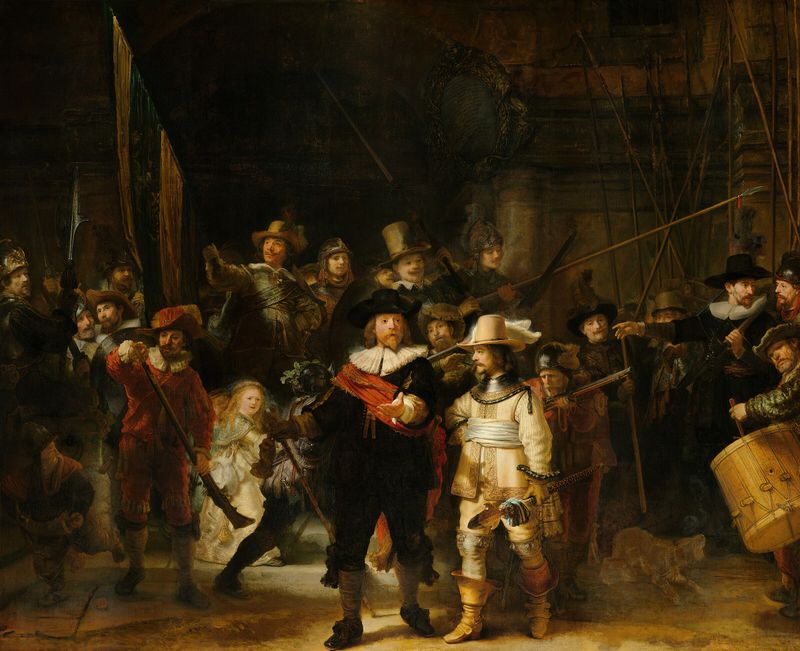 Same era · 1620s–1650s
The Night Watch
Rembrandt · 1642 · Rijksmuseum
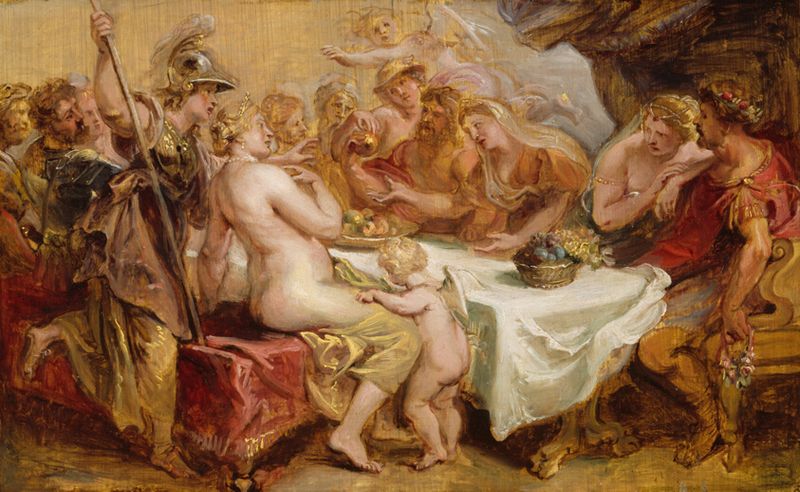 Same era · 1620s–1650s
The Wedding of Peleus and Thetis
Peter Paul Rubens · 1636 · Art Institute of Chicago
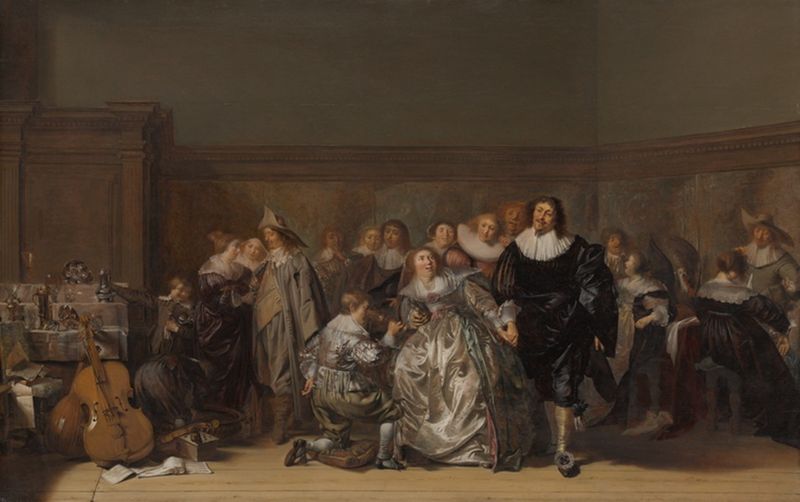 Same era · 1620s–1650s
An Elegant Company
Samuel Alcock & Company · 1632 · Art Institute of Chicago
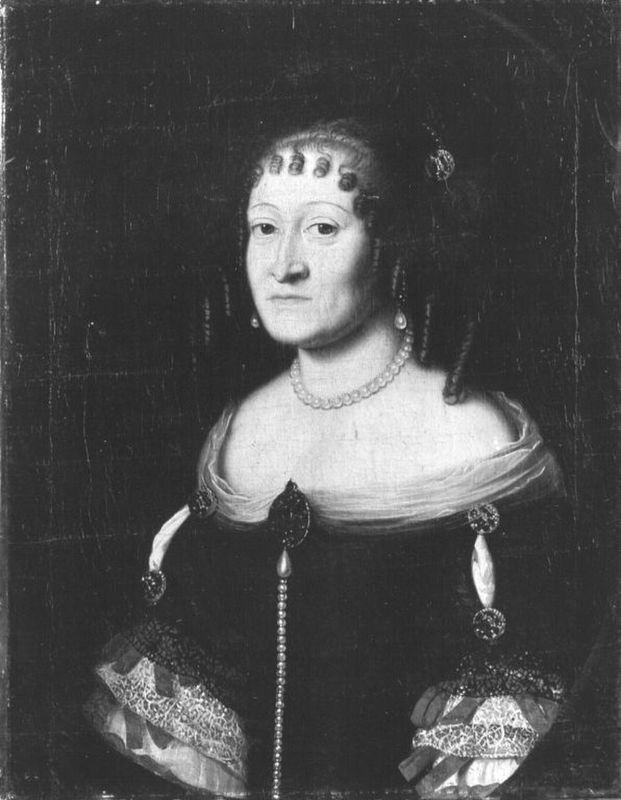 Same era · 1620s–1650s
Portrait of Elisabeth Dorothea of Saxony-Gotha-Altenburg
Salomon Duarte · 1650 · Bavarian State Painting Collections
 Same era · 1620s–1650s
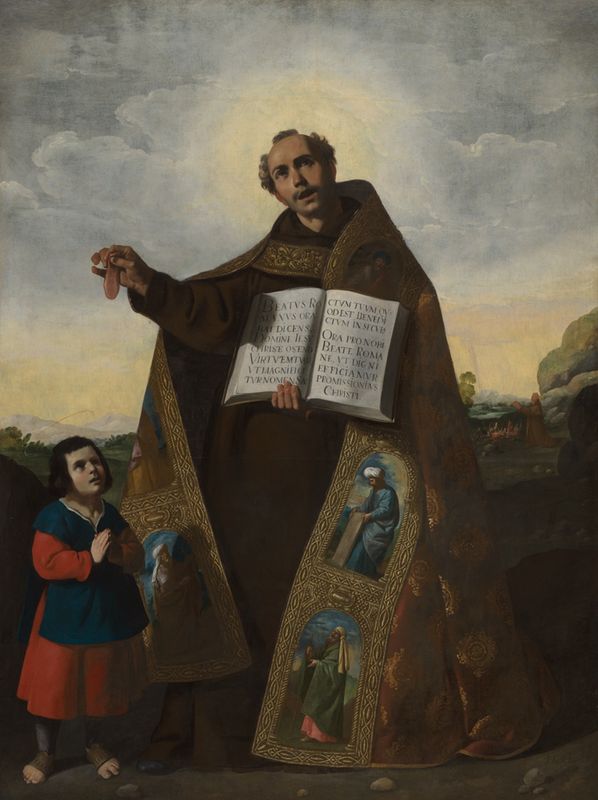
Saint Romanus of Antioch and Saint Barulas
Master of the View of Saint Gudula · 1638 · Art Institute of Chicago
 Same era · 1620s–1650s
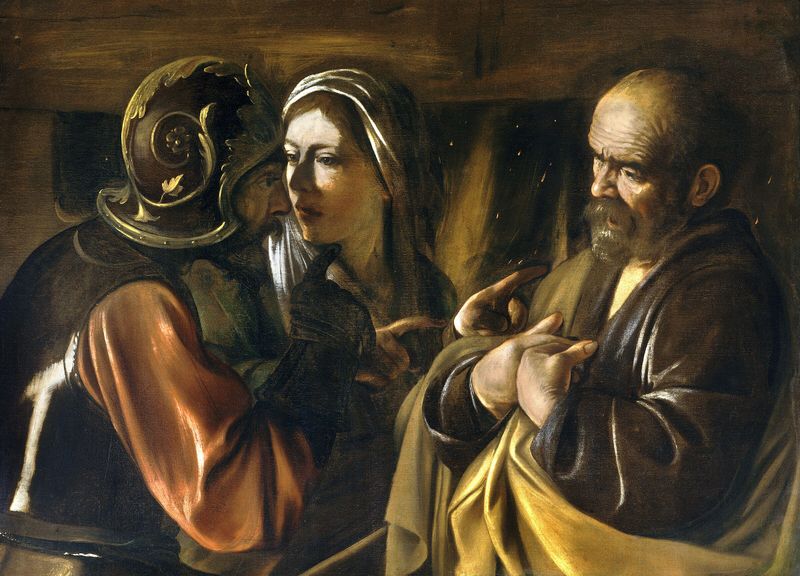
The Denial of Saint Peter
Georges de La Tour · 1650 · Nantes Museum of Arts
 Same era · 1620s–1650s
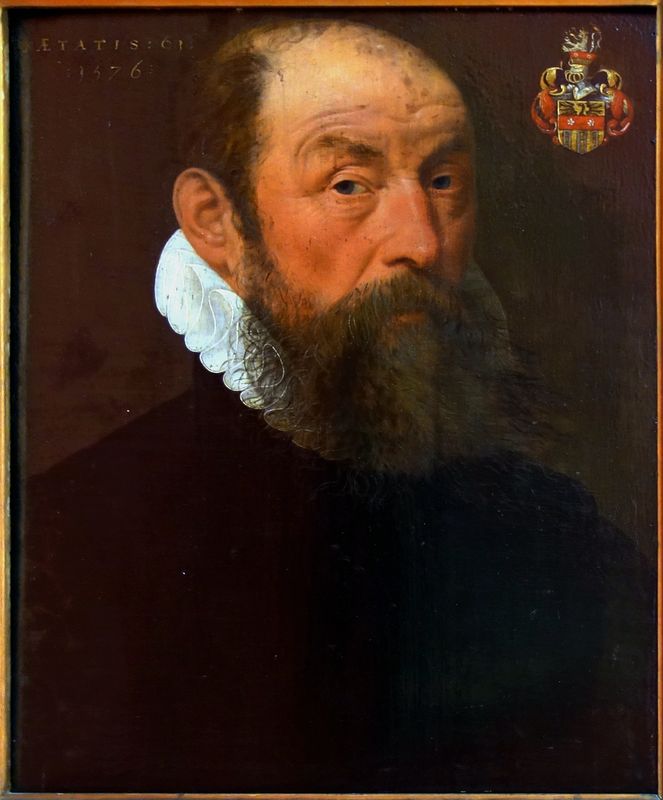
Portrait of a man
Willem van der Vliet · 1634 · Pushkin Museum of Fine Arts
 Same era · 1620s–1650s
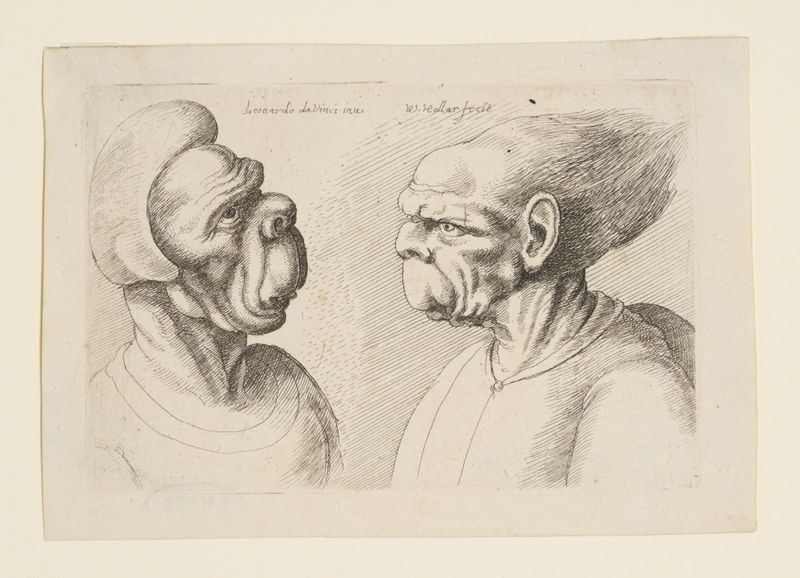
Two Deformed Heads with Very Long Upper Lips
Leonardo da Vinci · 1645 · The Metropolitan Museum of Art
 Same era · 1620s–1650s
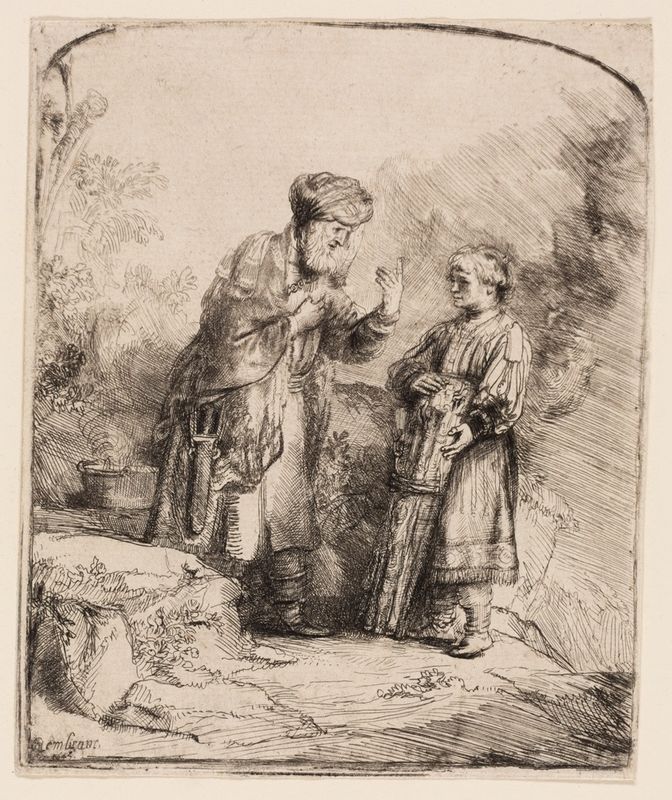
Abraham and Isaac
Rembrandt van Rijn · 1645 · Art Institute of Chicago
 Same era · 1620s–1650s
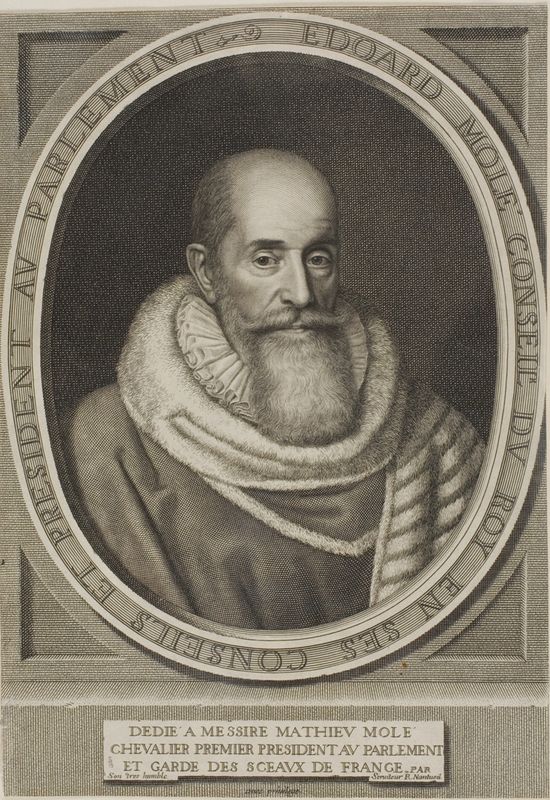
Portrait of Edouard Molé
Robert Nanteuil · 1653 · Art Institute of Chicago