01
The two leaders
Find the captain in black with a red sash and the lieutenant in pale yellow beside him. They step forward together, and both are lit more strongly than most of the crowd around them.
1 of 4 on the painting
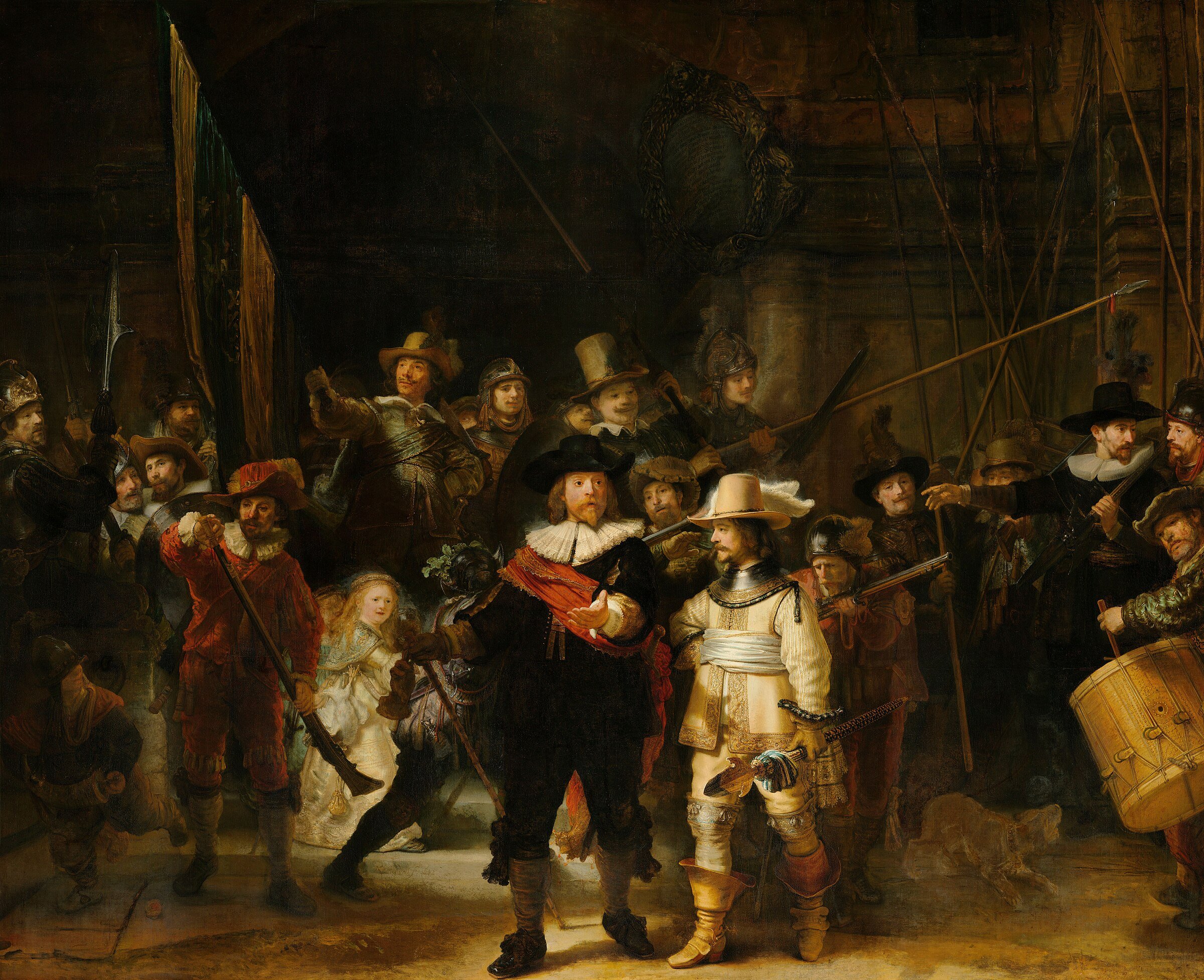
“Stop to see how this painting transforms a group portrait into a dynamic, theatrical scene, full of movement and life. Observe the dramatic use of light and shadow that makes the figures almost leap from the canvas.”
This monumental painting, often called "The Night Watch," captures a civic militia company on the move, led by Captain Frans Banninck Cocq and his lieutenant, Willem van Ruytenburch. Far from a static group portrait, the scene pulses with dramatic energy, created by the interplay of light and shadow, a technique known as tenebrism. While it appears to be a nocturnal scene, the title is actually a misnomer; the painting depicts a daytime event, its darkened varnish over centuries giving it its nighttime appearance. The work was commissioned around 1639 by Captain Cocq and seventeen members of his company to hang in Amsterdam's Kloveniersdoelen, or Musketeers' Meeting Hall. It was later trimmed on all four sides in 1715 to fit between two columns in the Amsterdam Town Hall, losing significant portions of the original composition.
Five details hide in plain sight. Pick one and we’ll show you exactly where to look.
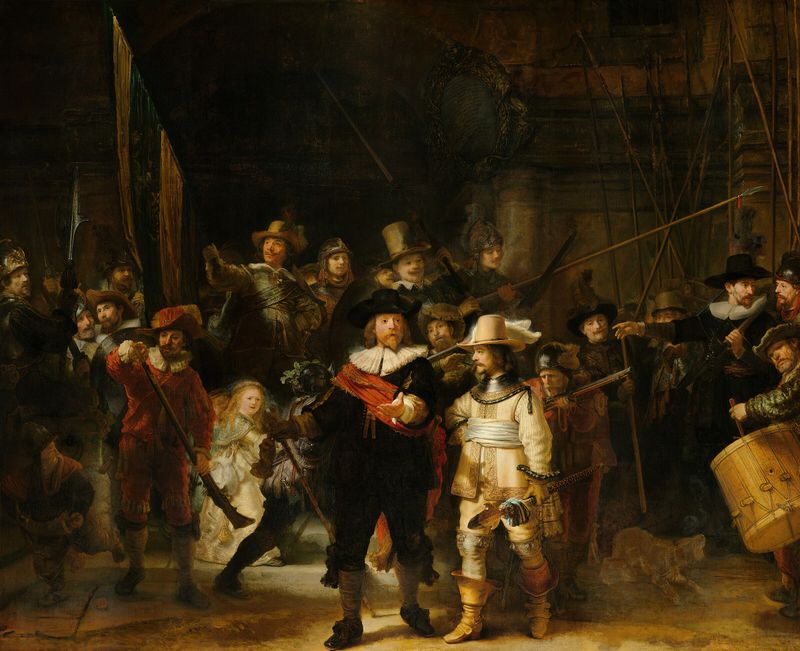
Find the captain in black with a red sash and the lieutenant in pale yellow beside him. They step forward together, and both are lit more strongly than most of the crowd around them.
A dead chicken hangs at the girl's belt, and its yellow claws are easy to spot. Many art historians read the claws (klauwen) as a pun on the militia's name, the Kloveniers.
Pikes, flags, muskets and pointing arms go off in every direction, yet the lit central figures hold it together. The group seems caught mid-action, not posed.
At the far right, a drummer beats a big golden drum, seen from the side. It anchors the right edge of the crowd and adds to the sense of a company getting ready to march.
Under the lieutenant's elbow a man aims his musket, close to the faces in the crowd. Rembrandt packs in small acts of drilling and loading.
The full narration walks you through The Night Watch — the story behind it, the details most visitors miss, and why it matters. Free in the Art Whisper app.
Rembrandt painted ~40 self-portraits across his life, creating history's most intimate visual autobiography.
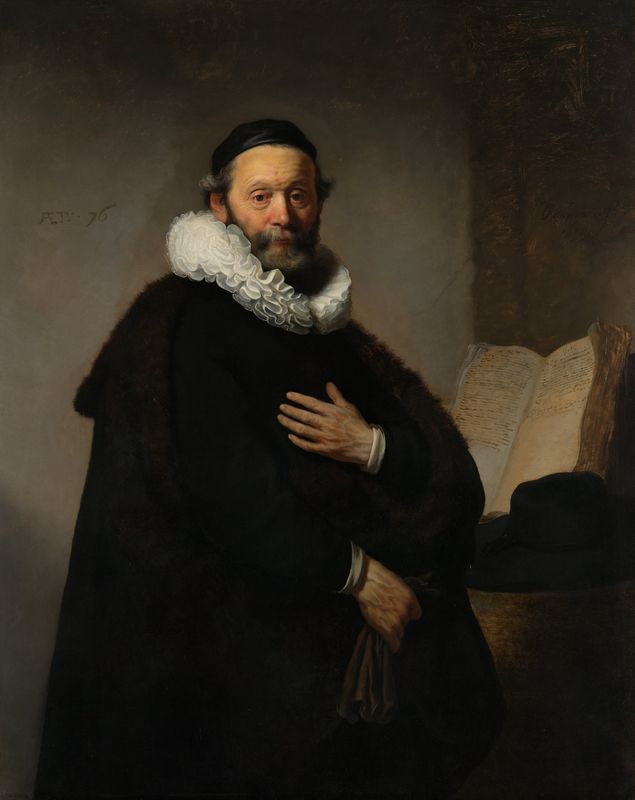 Portrait of Johannes Wtenbogaert
1633 · Rijksmuseum
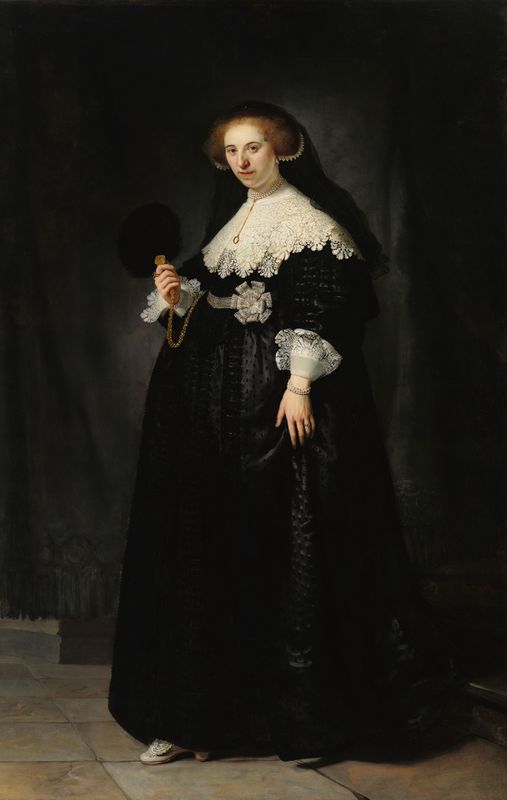 Portrait of Oopjen Coppit
1634 · Rijksmuseum
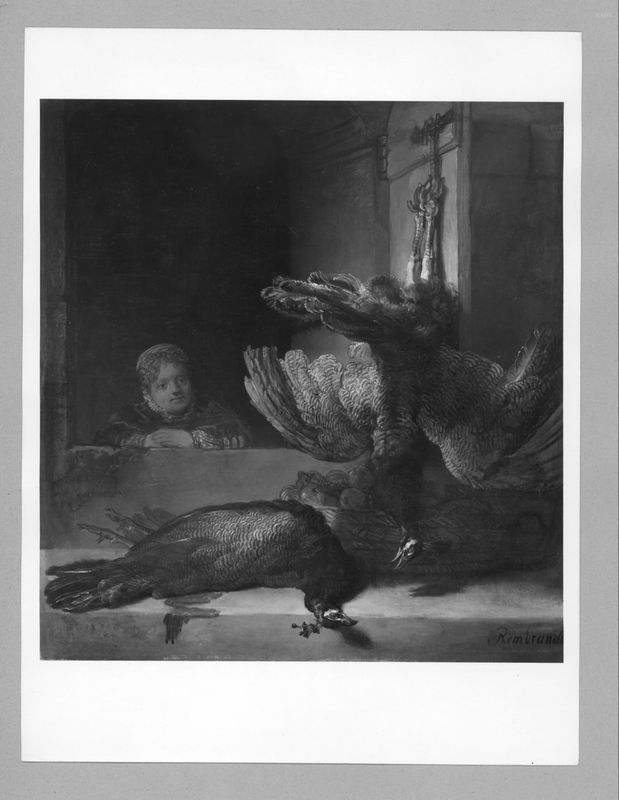 Still Life with Peacocks
1636 · Rijksmuseum
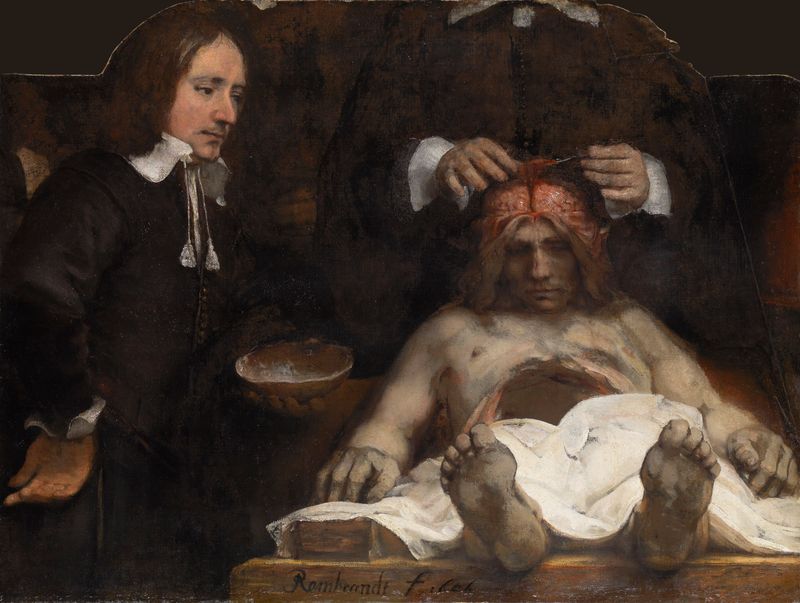 The anatomy lesson of Dr. Joan Deijman
1656 · Rijksmuseum
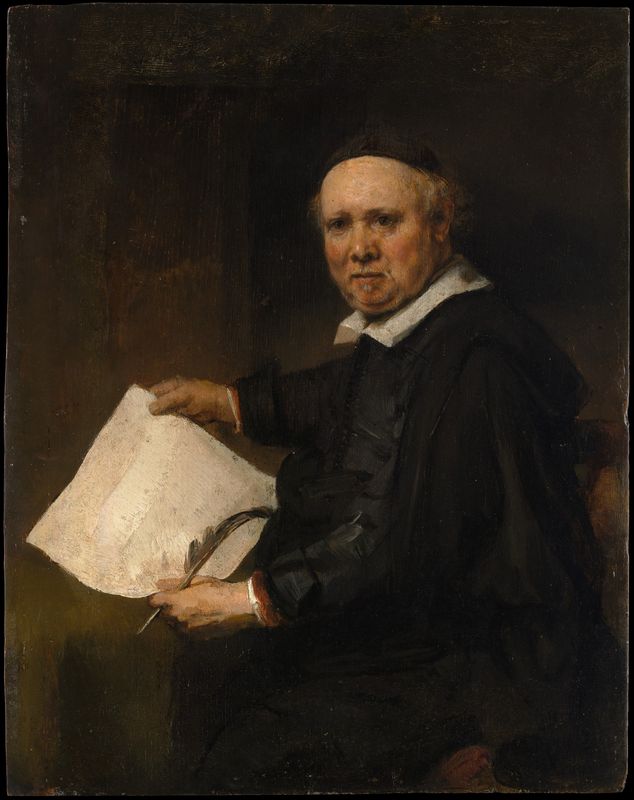 Lieven Willemsz van Coppenol (born about 1599, died 1671 or later)
1626 · The Metropolitan Museum of Art
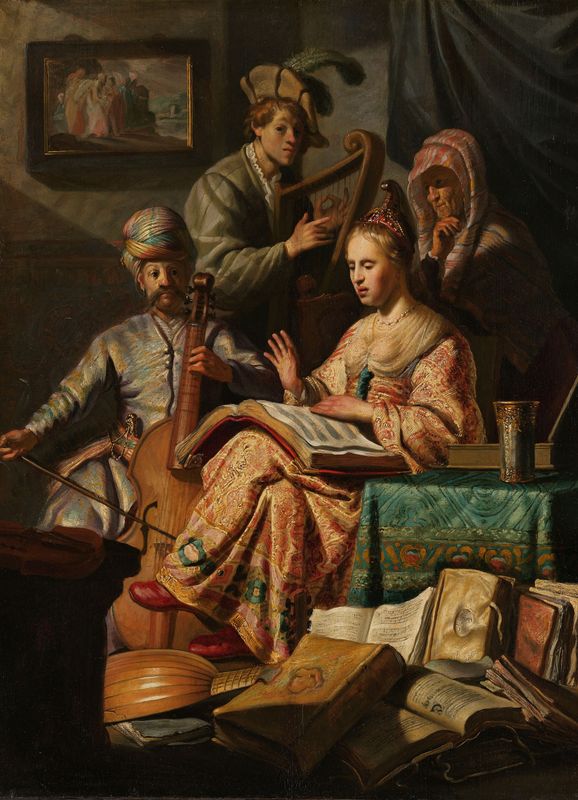 Musical Company
1626 · Museum De Lakenhal
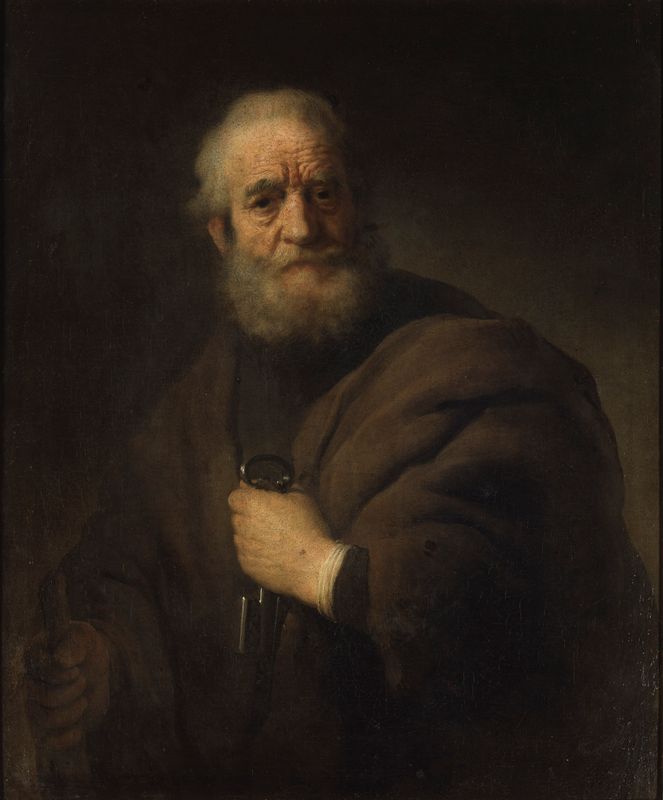 Apostle Peter
1629 · Nationalmuseum
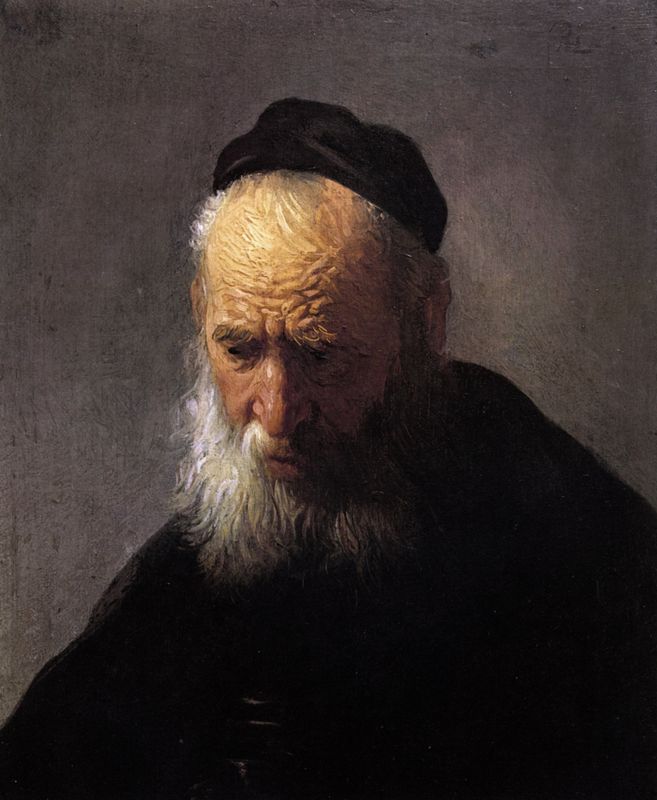 Head of an Old Man in a Cap
1629 · Agnes Etherington Art Centre
Beyond Rembrandt and Dutch Golden Age painting: works from the same years.
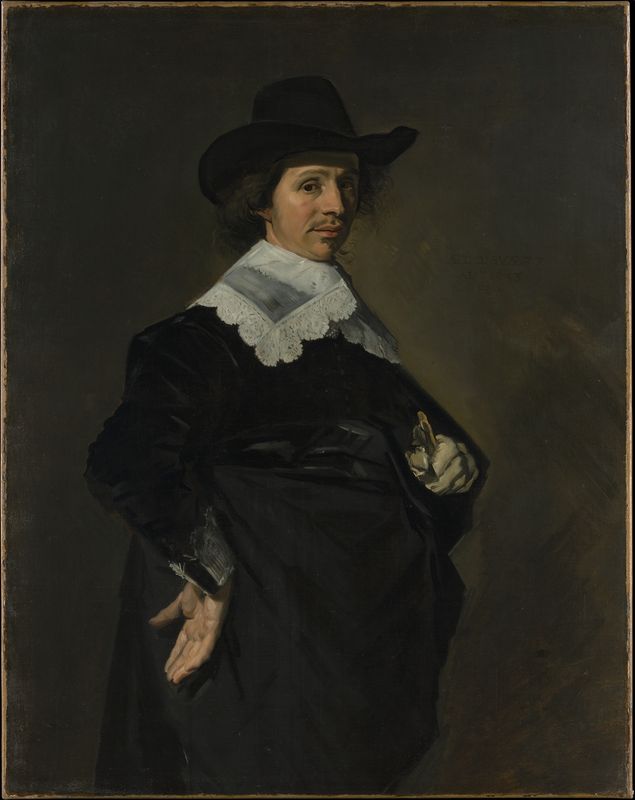 Same era · 1620s–1650s
Paulus Verschuur (1606–1667)
Frans Hals · 1643 · The Metropolitan Museum of Art
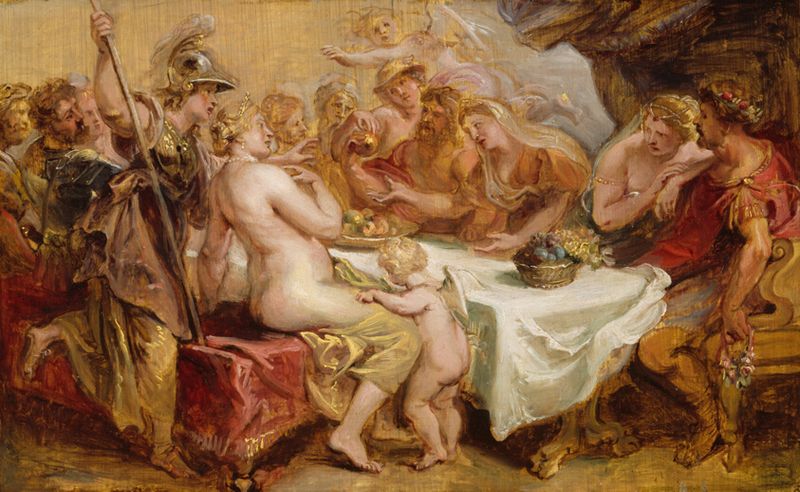 Same era · 1620s–1650s
The Wedding of Peleus and Thetis
Peter Paul Rubens · 1636 · Art Institute of Chicago
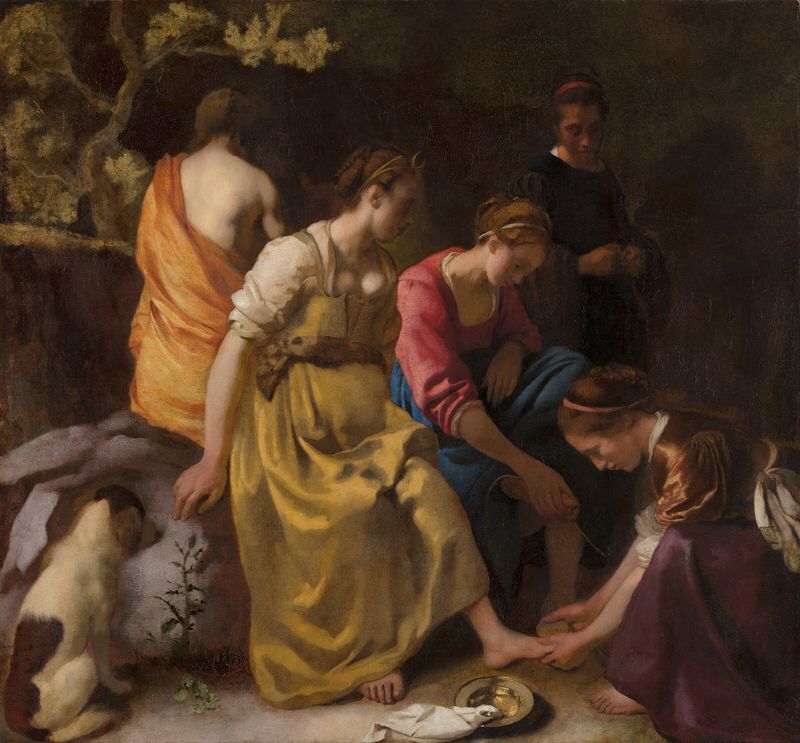 Same era · 1620s–1650s
Diana and her Nymphs
Johannes Vermeer · 1650 · Mauritshuis
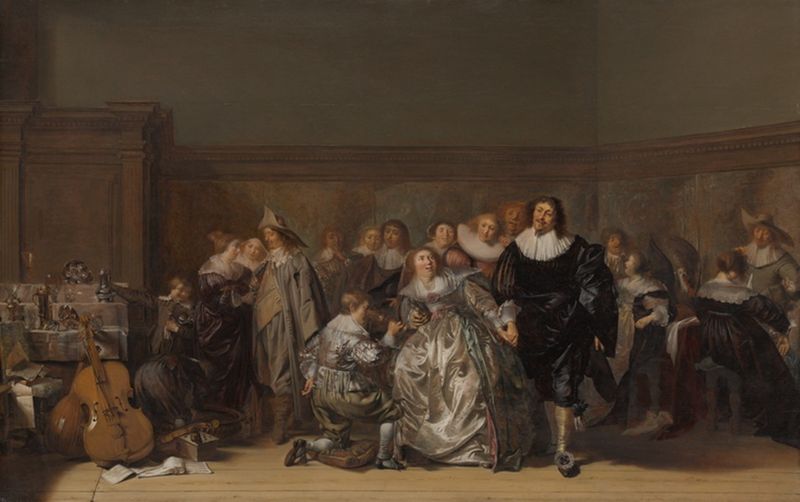 Same era · 1620s–1650s
An Elegant Company
Samuel Alcock & Company · 1632 · Art Institute of Chicago
 Same era · 1620s–1650s
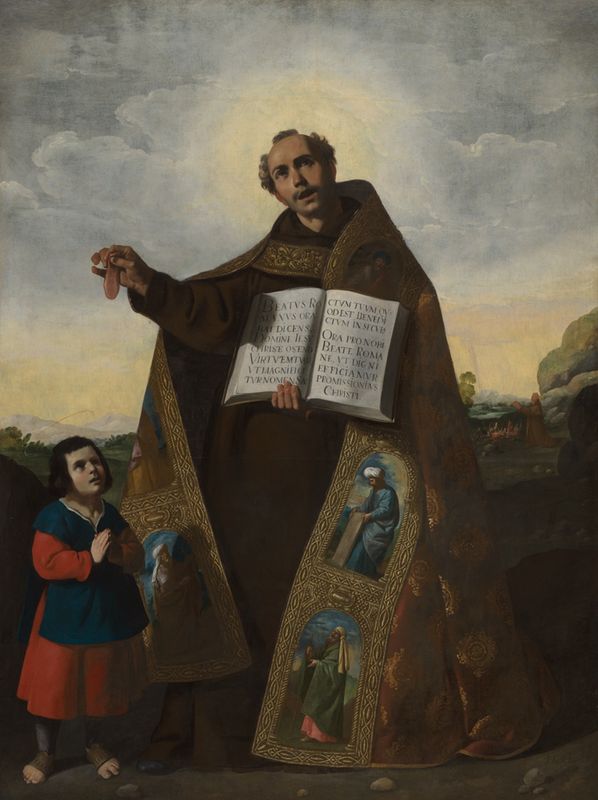
Saint Romanus of Antioch and Saint Barulas
Master of the View of Saint Gudula · 1638 · Art Institute of Chicago
 Same era · 1620s–1650s
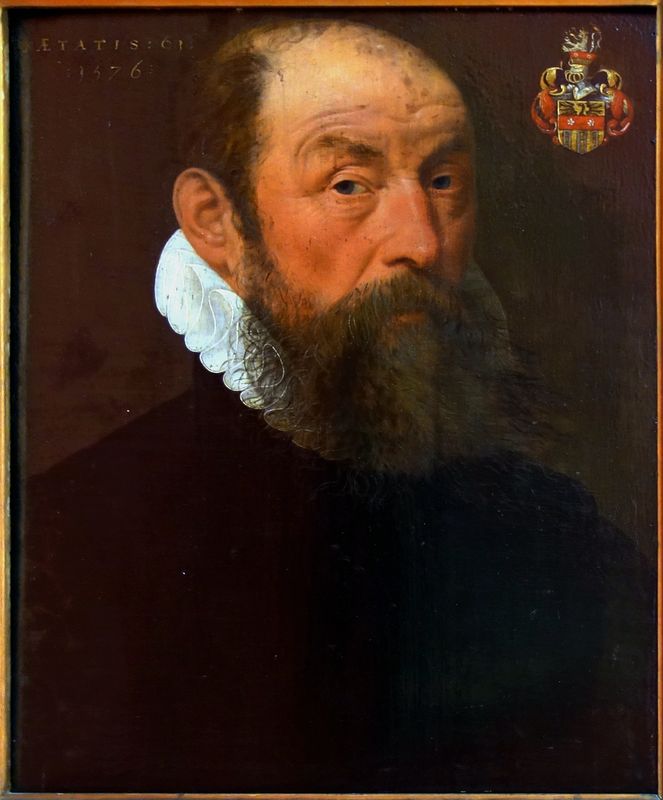
Portrait of a man
Willem van der Vliet · 1634 · Pushkin Museum of Fine Arts
 Same era · 1620s–1650s
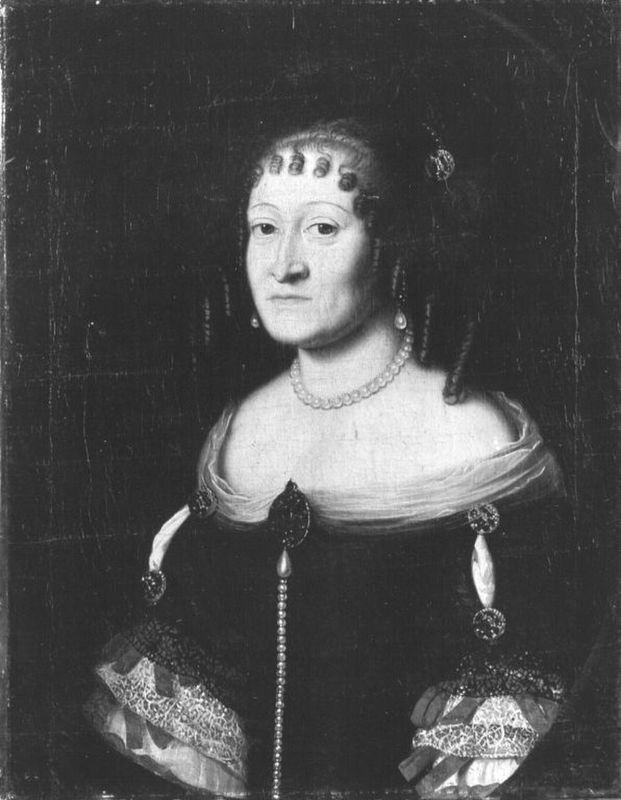
Portrait of Elisabeth Dorothea of Saxony-Gotha-Altenburg
Salomon Duarte · 1650 · Bavarian State Painting Collections
 Same era · 1620s–1650s
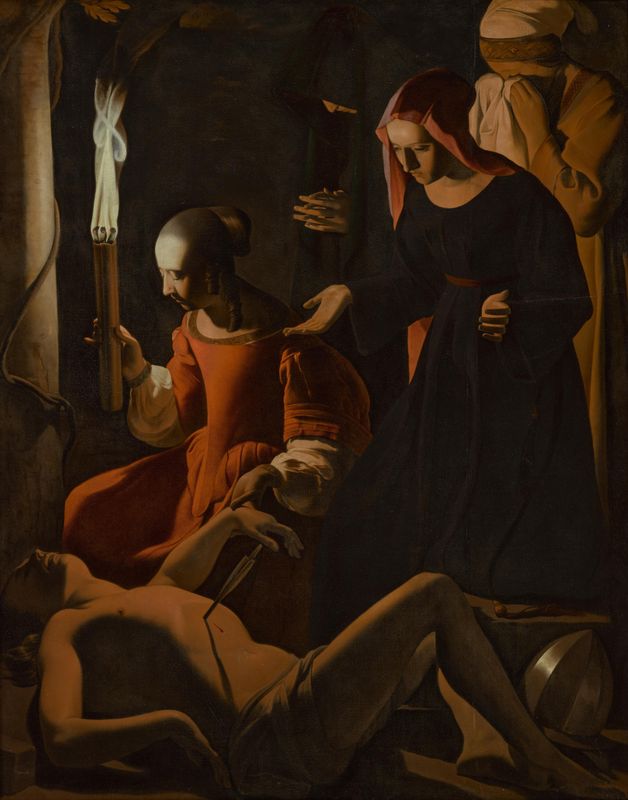
Saint Sebastian tended by Saint Irene
Georges de La Tour · 1634 · Gemäldegalerie Berlin
 Same era · 1620s–1650s
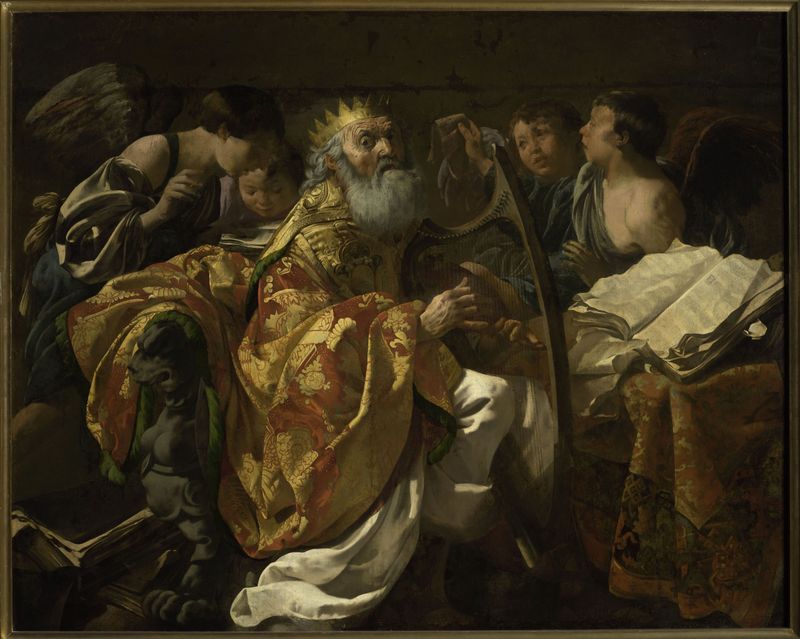
King David playing the harp among angels
Hendrick ter Brugghen · 1628 · National Museum in Warsaw
 Same era · 1620s–1650s
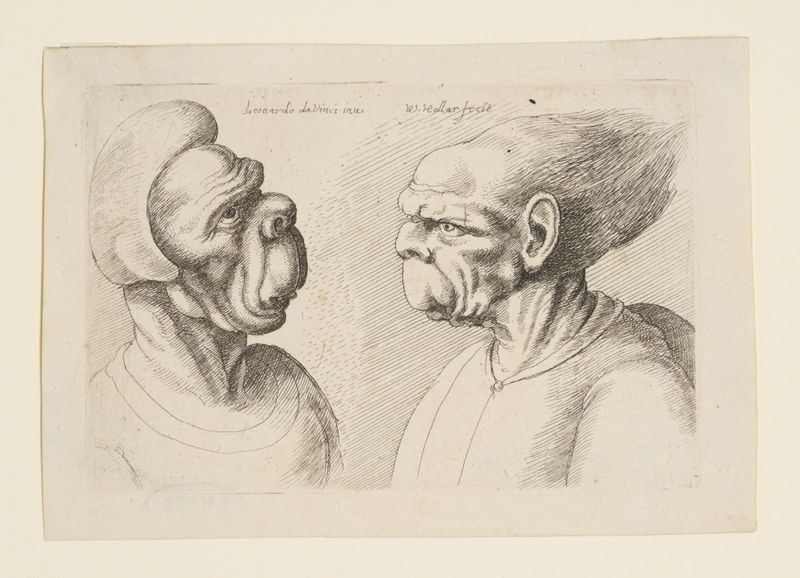
Two Deformed Heads with Very Long Upper Lips
Leonardo da Vinci · 1645 · The Metropolitan Museum of Art
 Same era · 1620s–1650s
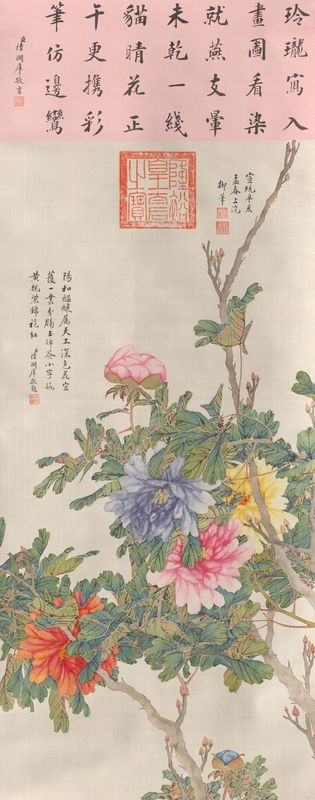
Tree Peonies in Full Bloom
Artist Unknown - The Mercat Cross, Aberdeen · 1644 · Art Institute of Chicago
 Same era · 1620s–1650s
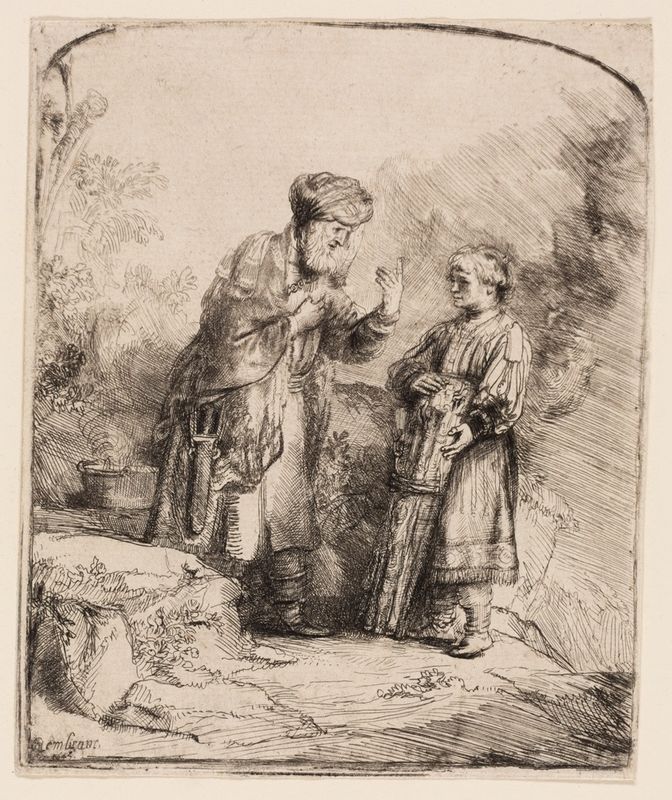
Abraham and Isaac
Rembrandt van Rijn · 1645 · Art Institute of Chicago