
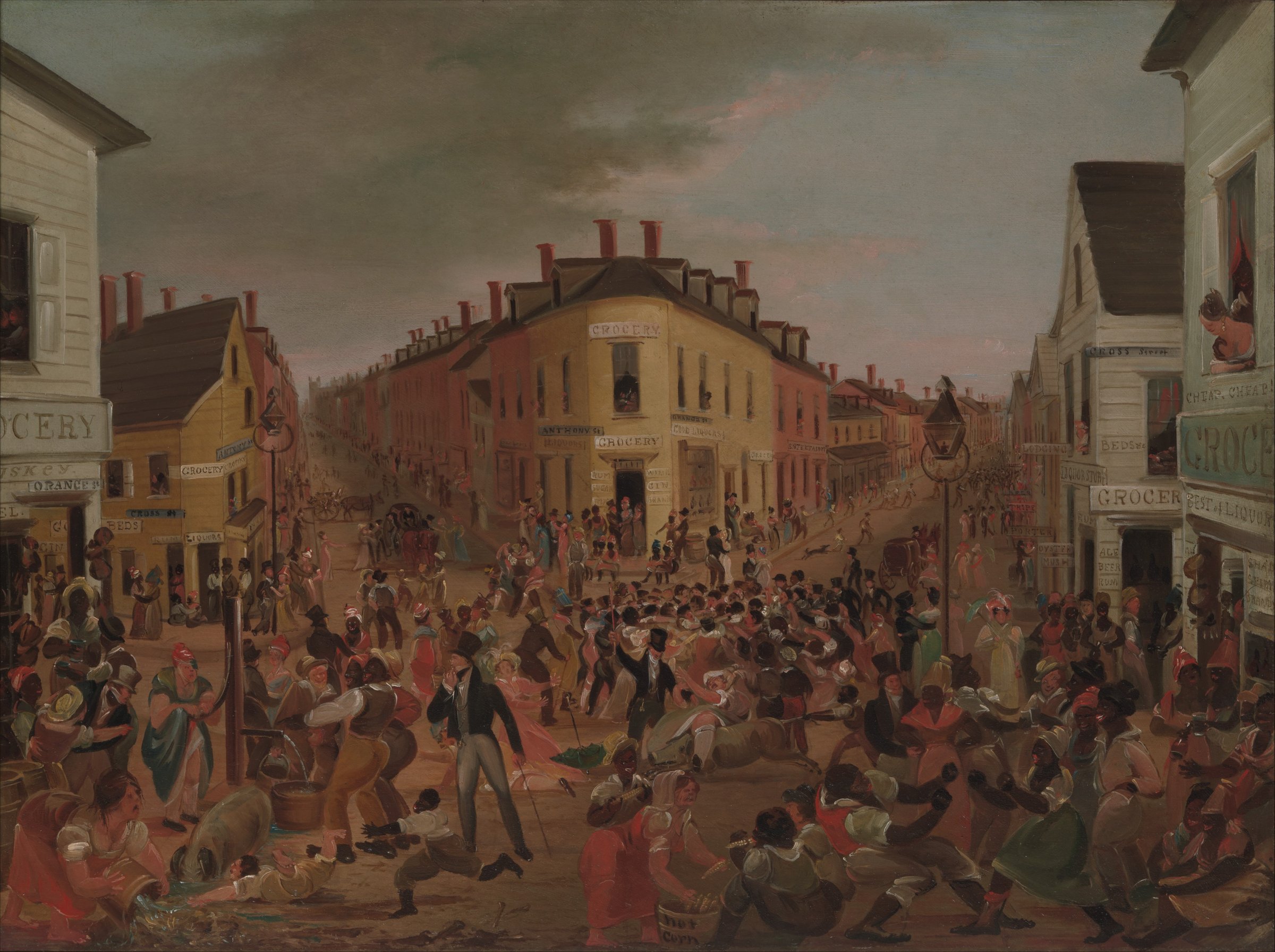
“This painting plunges you into the lively, often chaotic streets of New York City's infamous Five Points neighborhood in the early 1800s, offering a vivid snapshot of urban life and its diverse inhabitants.”
A bustling street scene unfolds in "The Five Points," capturing a slice of early 19th-century New York City life. The painting shows a vibrant, if chaotic, intersection, teeming with people engaged in various activities. Horse-drawn carts and wagons navigate through the crowd, while individuals converse, hawk wares, and simply observe the daily spectacle. The architecture of the buildings, though somewhat generalized, hints at the period's urban landscape, with multi-story structures lining the busy thoroughfare. This work offers a rare glimpse into a notorious neighborhood, known for its dense population and diverse social strata, presenting it not as a moralizing tale but as a dynamic, living environment. The artist, though unknown, effectively conveys the energy and complexity of this significant historical location.
- Artist
- Artist Unknown - The Mercat Cross, Aberdeen
- Date
- 1822
- Medium
- Oil on wood panel
- Location
- The Metropolitan Museum of Art
- Dimensions
- 17 × 23 1/2 in. (43.2 × 59.7 cm) Framed: 27 × 33 × 2 1/4 in. (68.6 × 83.8 × 5.7 cm)
- Collection
- The American Wing
- Culture
- American
- Credit line
- Bequest of Mrs. Screven Lorillard (Alice Whitney), from the collection of Mrs. J. Insley Blair, 2016
What to Notice
Five details hide in plain sight. Here’s where to look.
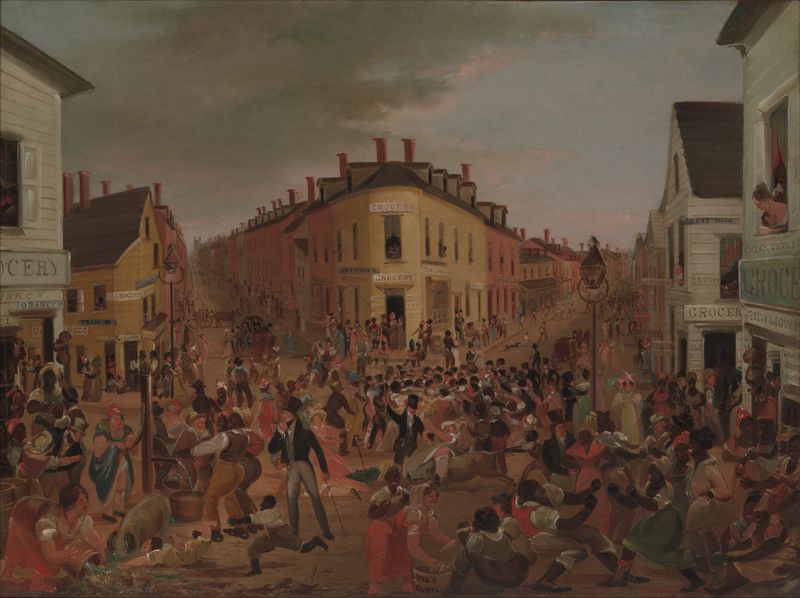
Look at the variety of figures, from laborers to more formally dressed individuals.
Notice the horse-drawn vehicles and their interaction with the pedestrians.
Observe the details of the buildings, like windows and doorways.
Spot the different activities happening in the crowd, suggesting daily life.
1 more detail is waiting.
See all 5 in Art Whisper →Stand in front of it and listen
The full narration walks you through The Five Points — the story behind it, the details most visitors miss, and why it matters. Free in the Art Whisper app.
Artist Unknown - The Mercat Cross, Aberdeen
This 'Artist Unknown' represents a vast collection of anonymous creators, whose works like 'Boston Common' and 'Self Portrait' offer glimpses into diverse historical periods and artistic practices.
Further Works by Aberdeen
 Southern Barbarians
1625 · Art Institute of Chicago
 Baskets with Flowers of the Four Seasons
1701 · Art Institute of Chicago
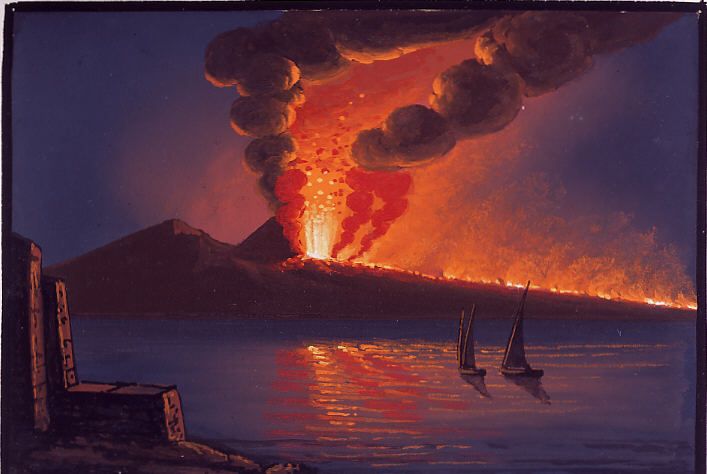 Sketchbook: Souvenir of Naples
1821 · The Metropolitan Museum of Art
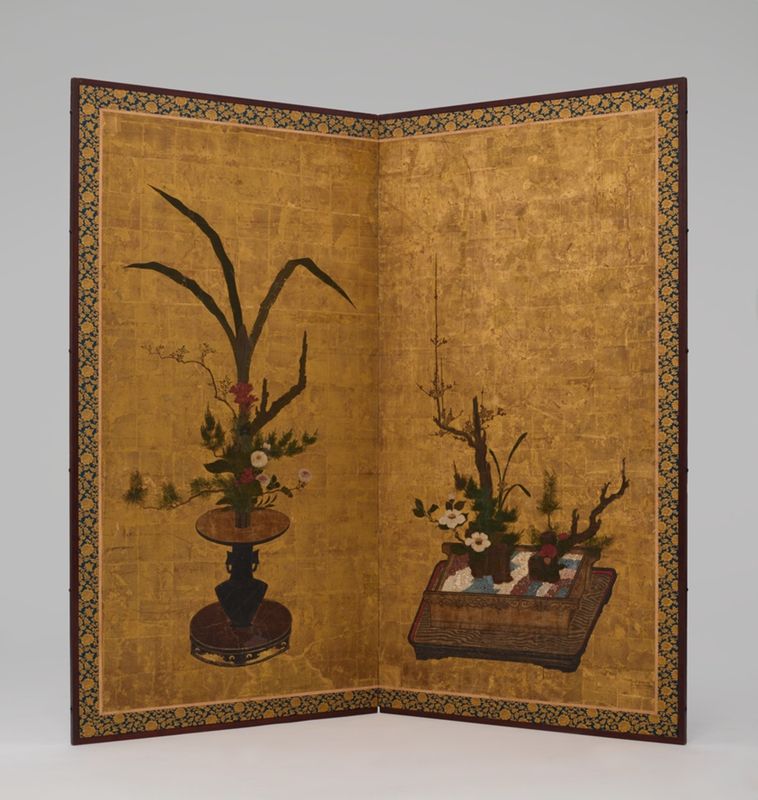 Flower Arrangements
1595 · Art Institute of Chicago
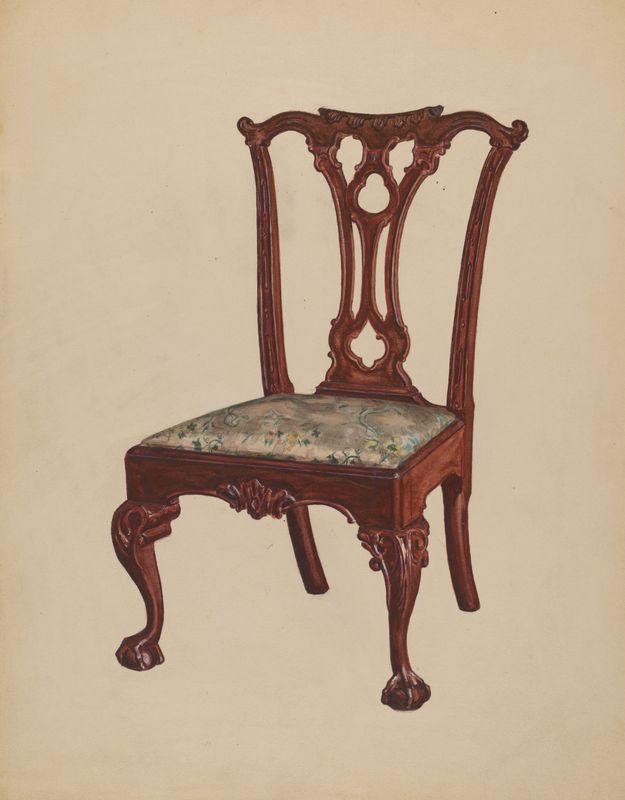 Side Chair
1750 · Art Institute of Chicago
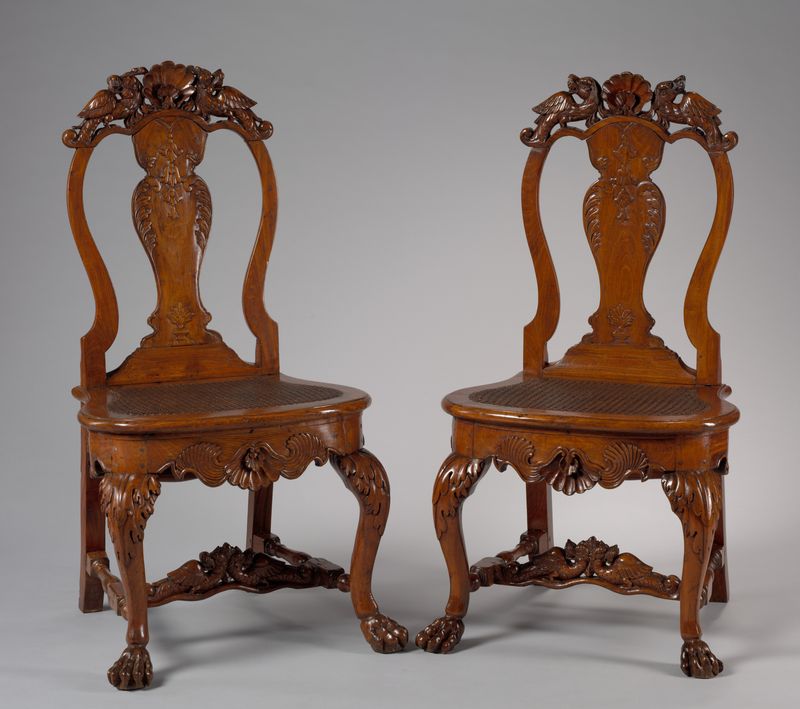 Pair of Side Chairs
1770 · Art Institute of Chicago
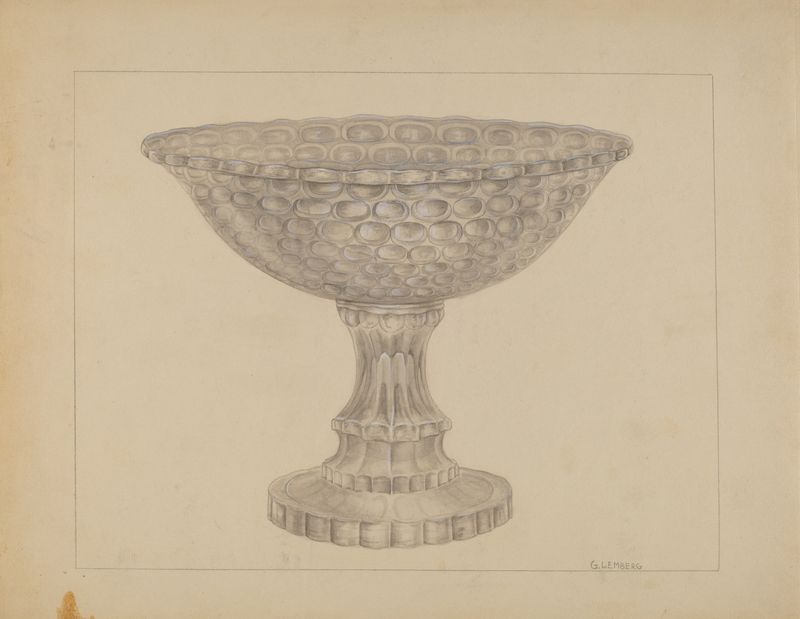 Punch Bowl
1789 · Art Institute of Chicago
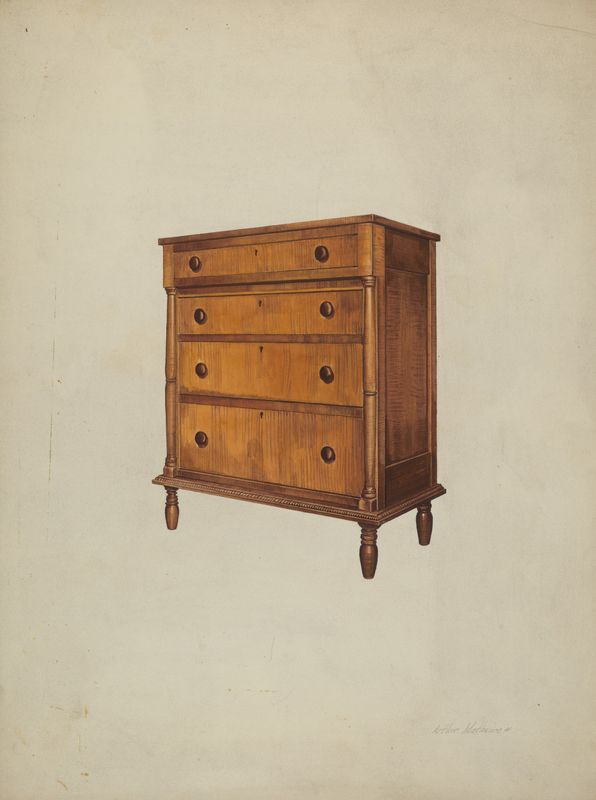 Chest of Drawers
1800 · Art Institute of Chicago
More works to explore
Beyond Aberdeen: works from the same years.
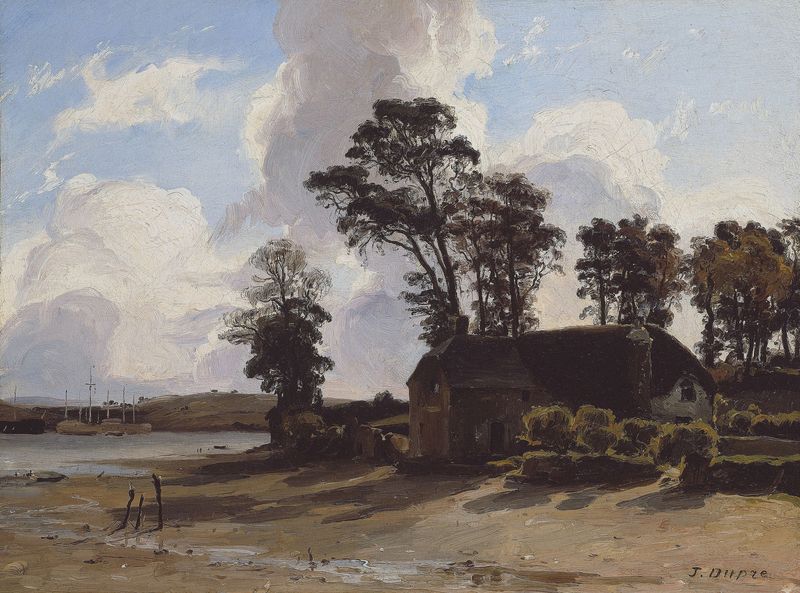 Same era · 1800s–1830s
The Estuary Farm
Léon-Victor Dupré · 1831 · Art Institute of Chicago
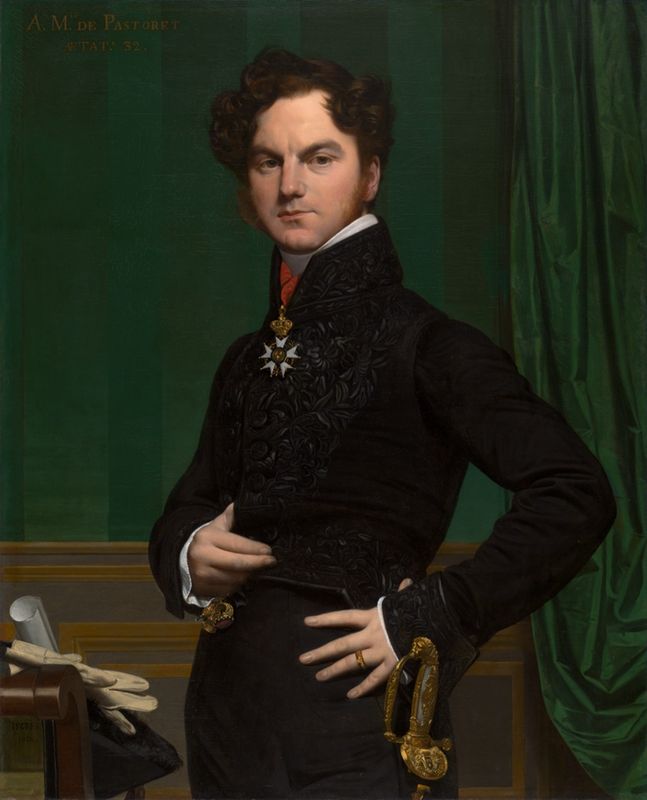 Same era · 1800s–1830s
Amédée-David, the Comte de Pastoret
Jean-Auguste-Dominique Ingres · 1823 · Art Institute of Chicago
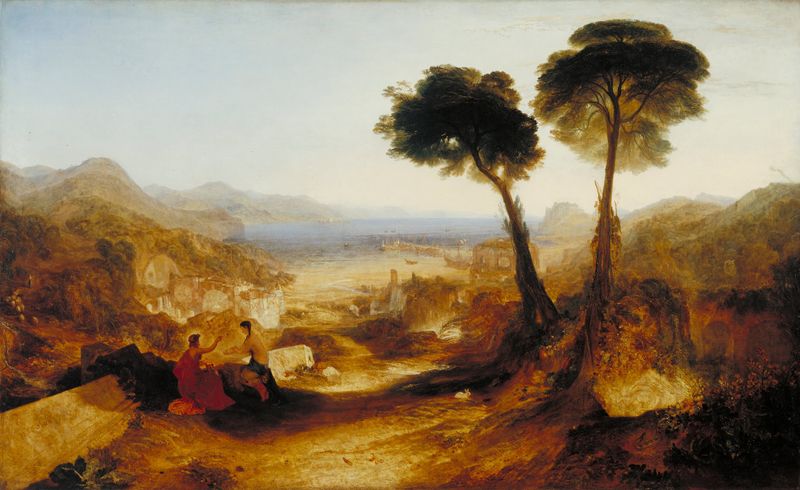 Same era · 1800s–1830s
The Bay of Baiae, with Apollo and the Sibyl
J. M. W. Turner · 1823 · National Gallery
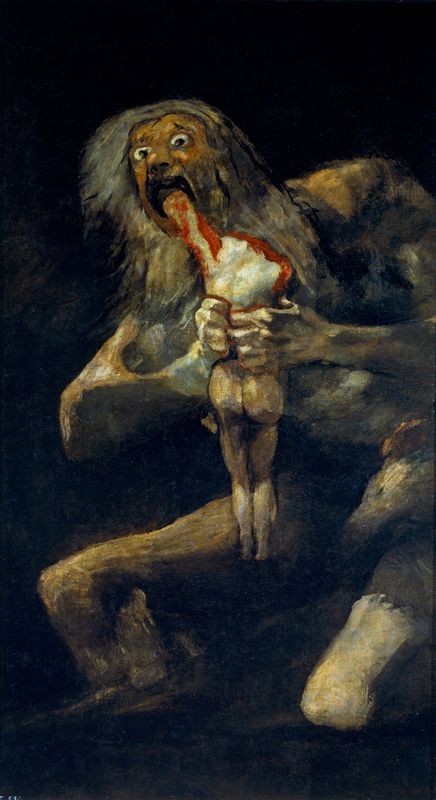 Same era · 1800s–1830s
Saturn Devouring His Son
Francisco Goya · 1820 · Museo del Prado
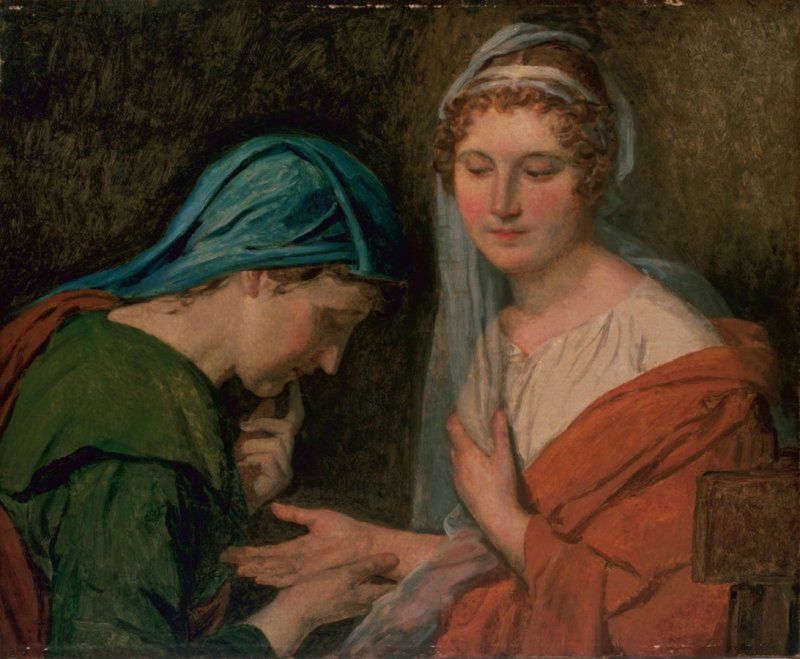 Same era · 1800s–1830s
The Fortune Teller (La Bonne Aventure)
Jacques-Louis David · 1824 · Fine Arts Museums of San Francisco
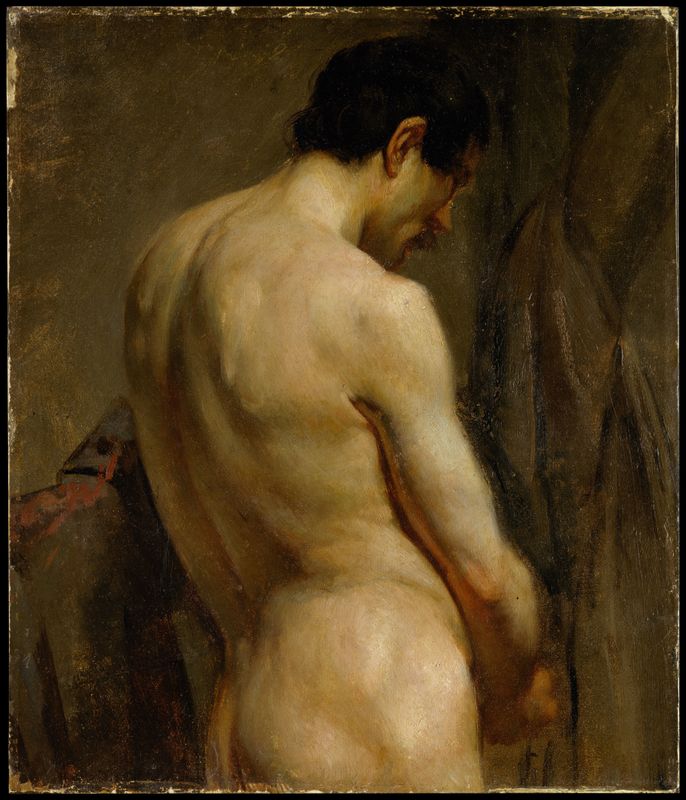 Same era · 1800s–1830s
Male Academy Figure: Half-Length, Side View
Eugène Delacroix · 1819 · Karen B. Cohen Collection
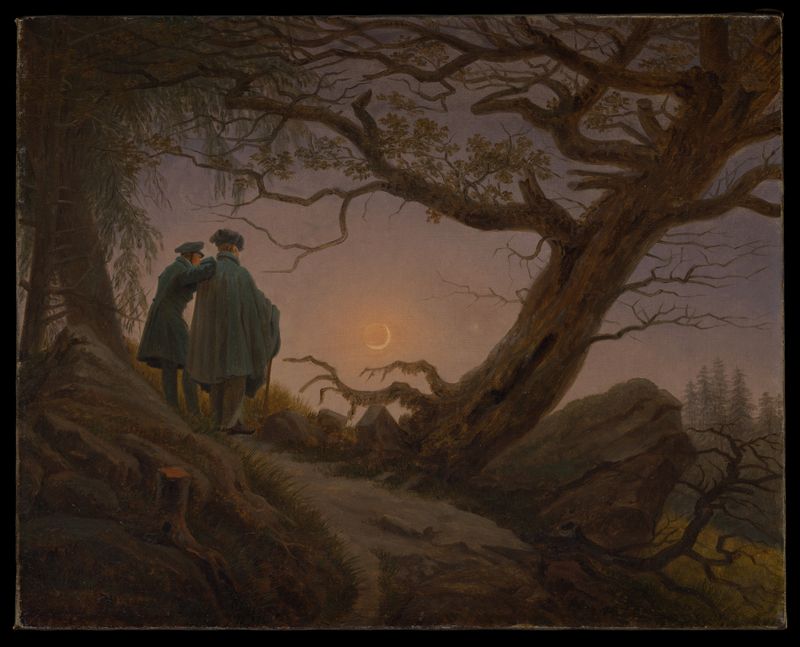 Same era · 1800s–1830s
Two Men Contemplating the Moon
Caspar David Friedrich · 1819 · Staatliche Kunstsammlungen Dresden
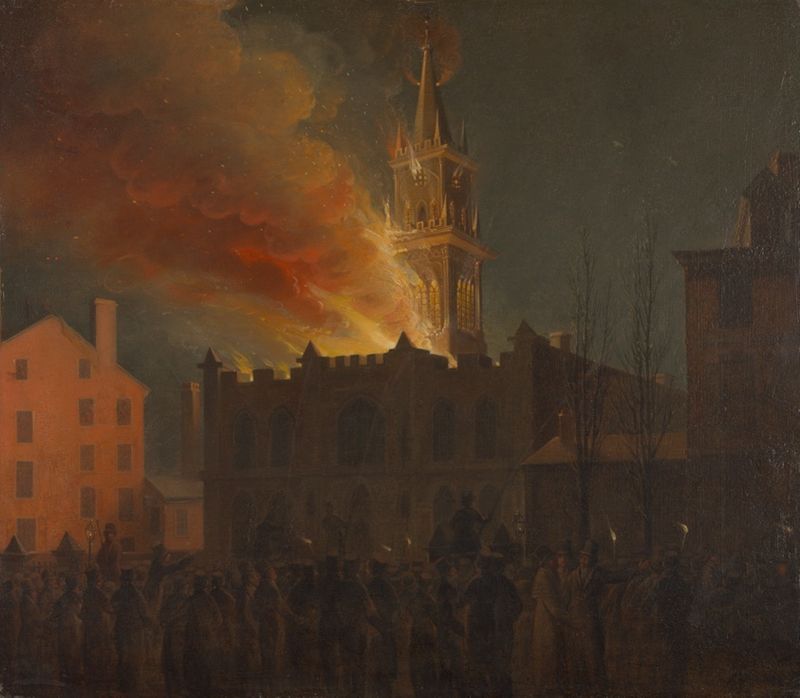 Same era · 1800s–1830s
Conflagration of the Masonic Hall, Chestnut Street, Philadelphia, Pennsylvania
Samuel Jones · 1819 · Art Institute of Chicago
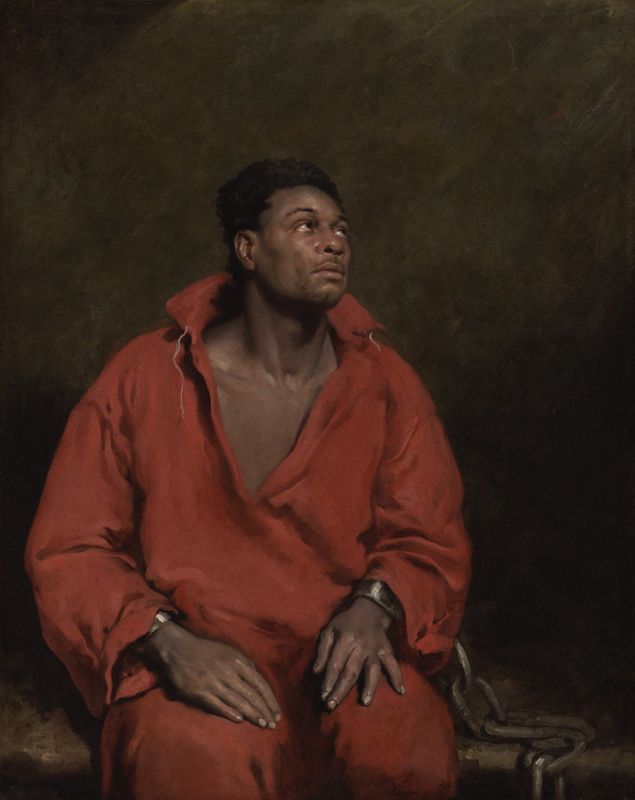 Same era · 1800s–1830s
The Captive Slave (Ira Aldridge)
John Philip Simpson · 1827 · Art Institute of Chicago
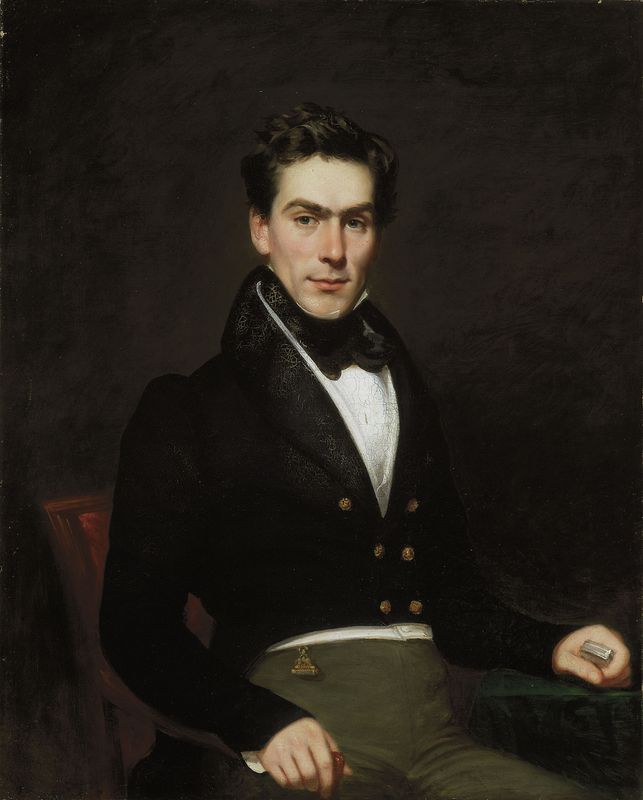 Same era · 1800s–1830s
Mr. James Mackie
Samuel Alcock & Company · 1830 · Art Institute of Chicago
 Same era · 1800s–1830s
Ekim Lazarev
Vasily Andreevich Tropinin · 1822 · National Gallery of Armenia
 Same era · 1800s–1830s
Indian Army Officer
William Havell · 1822 · Reading Museum