
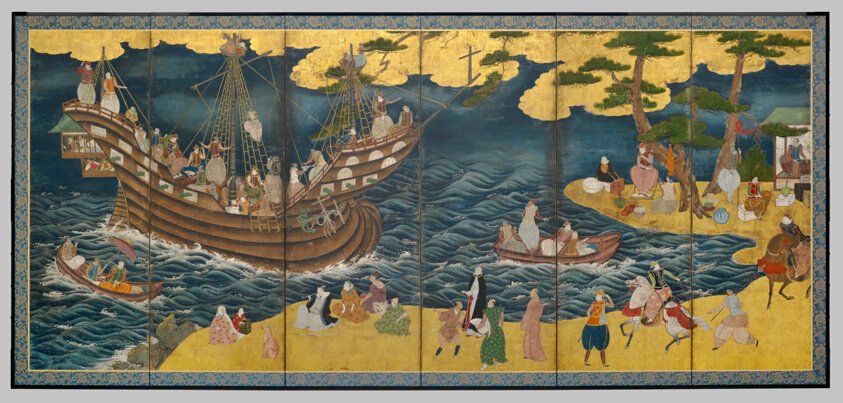
“Step back in time to 17th-century Japan with these magnificent screens, capturing the dramatic arrival of European traders and missionaries, a pivotal moment in Japanese history.”
This pair of six-panel screens, titled "Southern Barbarians," captures a vibrant moment in early 17th-century Japan, depicting the arrival of European traders and missionaries. The screens are a fascinating historical document, illustrating the Japanese perception of these newcomers, often referred to as "Nanbanjin" or "Southern Barbarians" because they arrived from the south. You can see the bustling activity of a port, with towering ships anchored offshore and foreign figures disembarking, their distinctive clothing and features immediately setting them apart. The artist uses rich colors and gold to highlight the exotic nature of the scene, drawing attention to the intricate details of both the Europeans' attire and the Japanese onlookers. This work provides a window into a period of intense cultural exchange, before Japan largely closed itself off to foreign influence.
- Artist
- Artist Unknown - The Mercat Cross, Aberdeen
- Date
- 1625
- Medium
- Pair of six-panel screens; ink, colors, and gold on paper
- Location
- Art Institute of Chicago
- Dimensions
- Each: 170.4 × 370 cm (67 1/8 × 145 11/16 in.)
- Collection
- Arts of Asia
- Culture
- Japan
- Credit line
- Art Institute of Chicago, Robert Allerton Endowment Fund
What to Notice
Five details hide in plain sight. Here’s where to look.
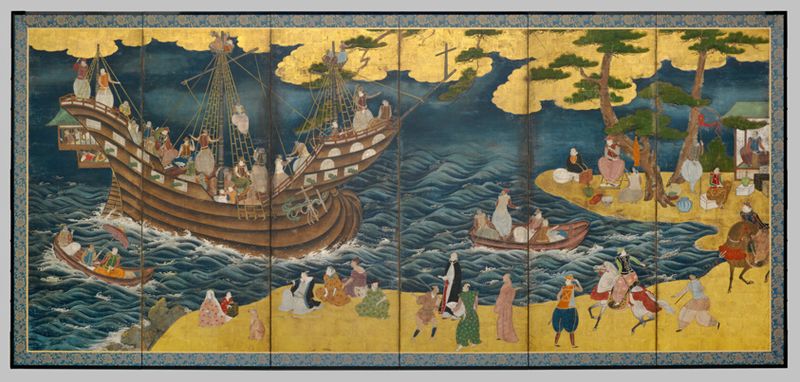
Look for the large European sailing ships with their distinctive rigging.
Spot the Europeans' unusual clothing, like puffed sleeves and wide breeches.
Notice the detailed facial features of both the Japanese and European figures.
Observe the bustling crowds gathered to witness the foreigners' arrival.
1 more detail is waiting.
See all 5 in Art Whisper →Stand in front of it and listen
The full narration walks you through Southern Barbarians — the story behind it, the details most visitors miss, and why it matters. Free in the Art Whisper app.
Artist Unknown - The Mercat Cross, Aberdeen
This 'Artist Unknown' represents a vast collection of anonymous creators, whose works like 'Boston Common' and 'Self Portrait' offer glimpses into diverse historical periods and artistic practices.
Further Works by Aberdeen
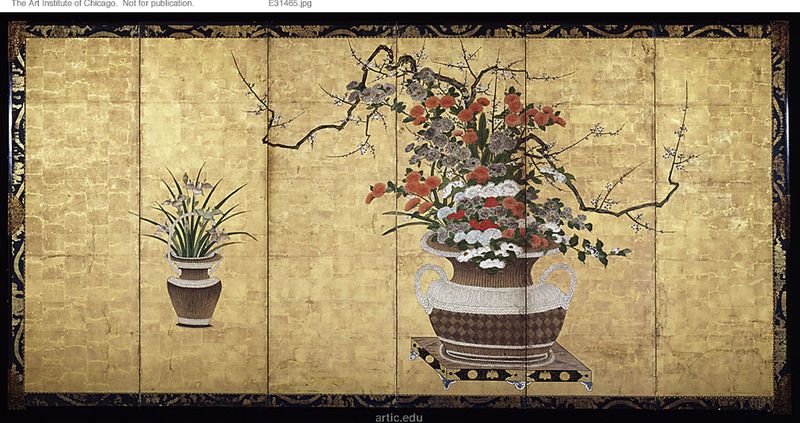 Baskets with Flowers of the Four Seasons
1701 · Art Institute of Chicago
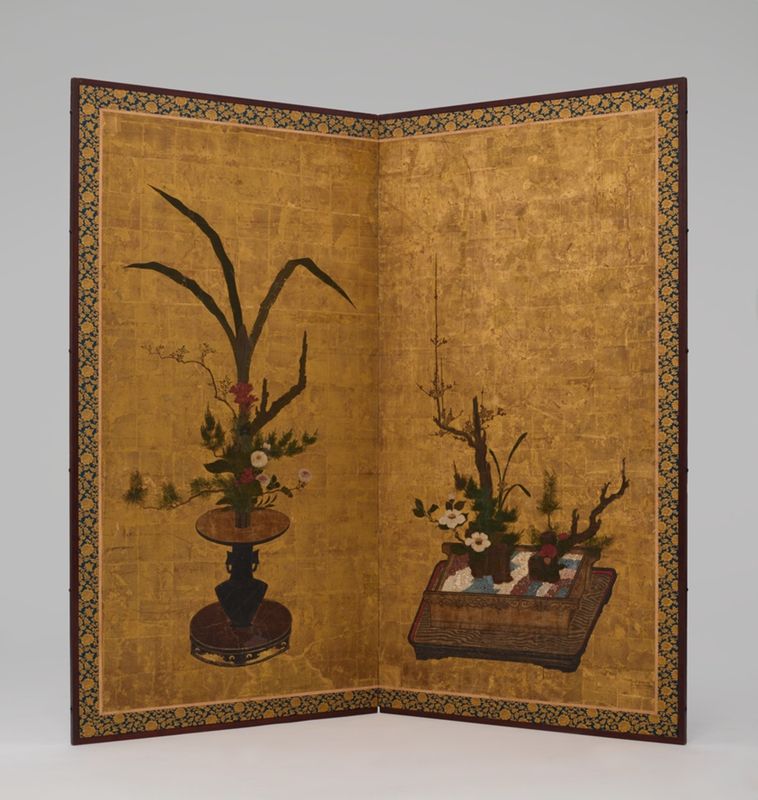 Flower Arrangements
1595 · Art Institute of Chicago
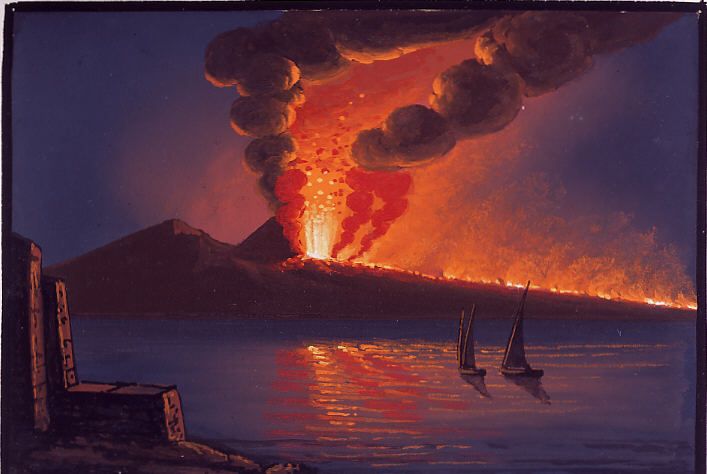 Sketchbook: Souvenir of Naples
1821 · The Metropolitan Museum of Art
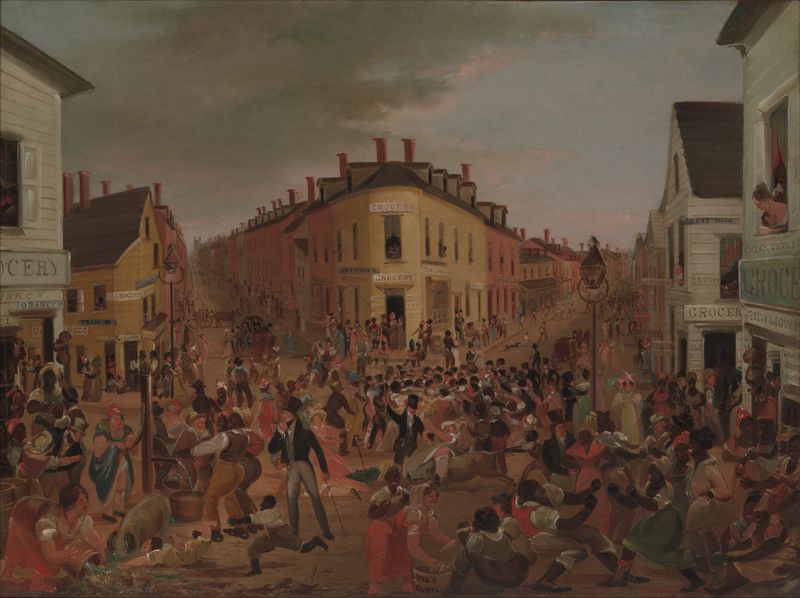 The Five Points
1822 · The Metropolitan Museum of Art
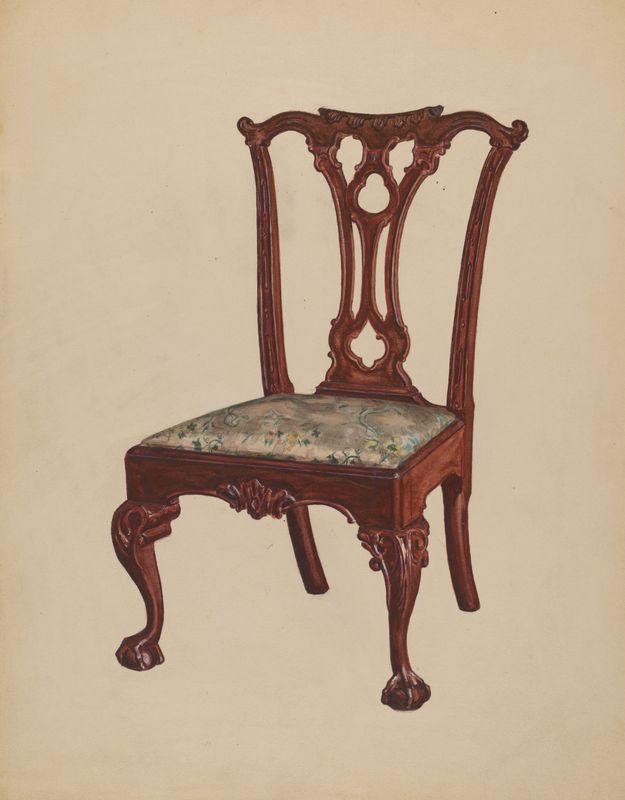 Side Chair
1750 · Art Institute of Chicago
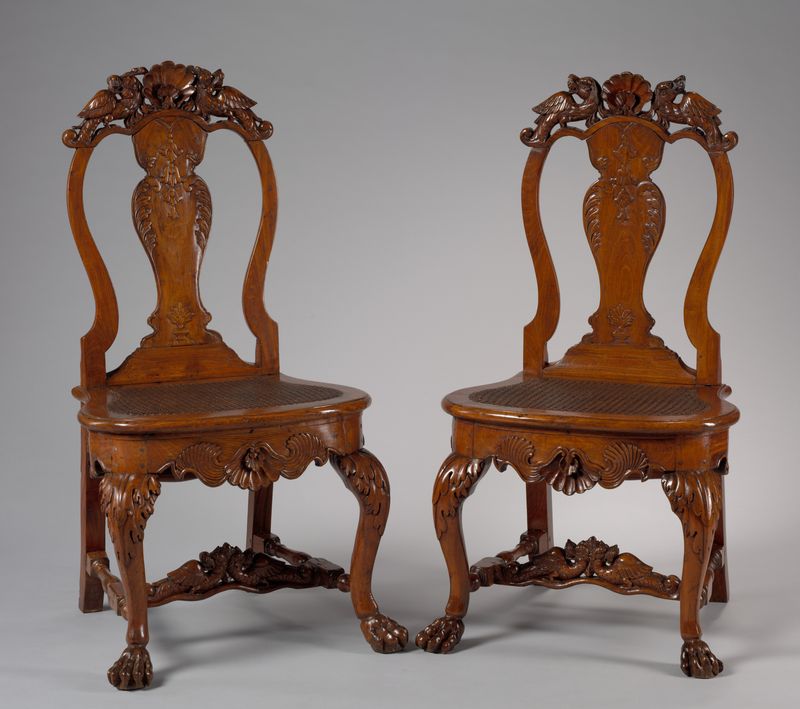 Pair of Side Chairs
1770 · Art Institute of Chicago
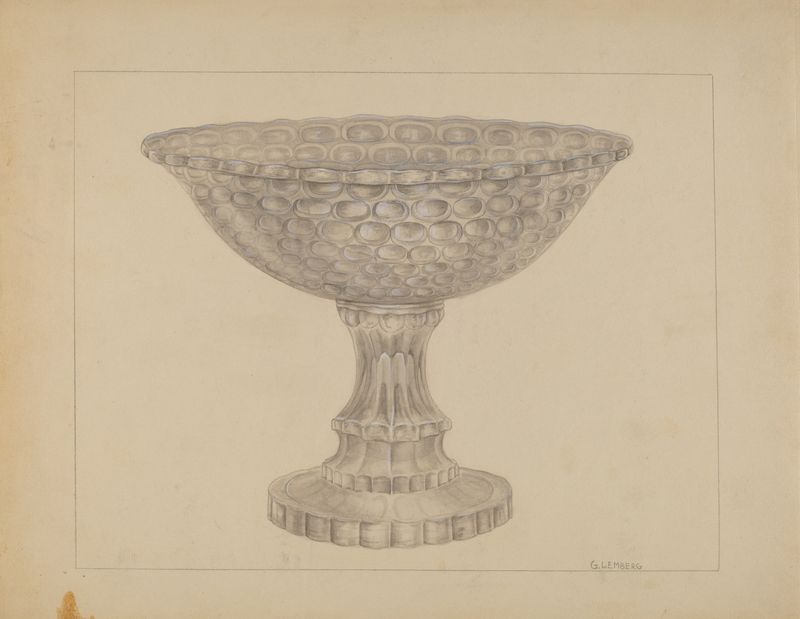 Punch Bowl
1789 · Art Institute of Chicago
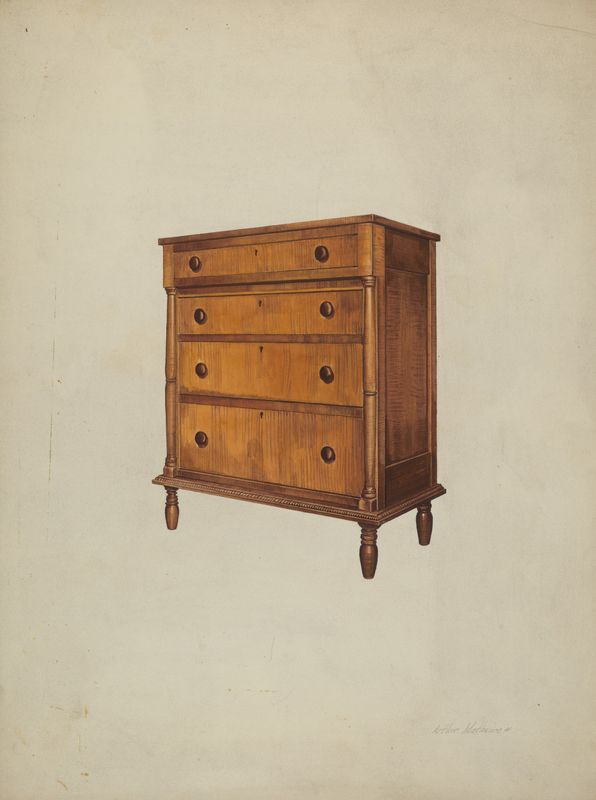 Chest of Drawers
1800 · Art Institute of Chicago
More works to explore
Beyond Aberdeen: works from the same years.
 Same era · 1610s–1640s
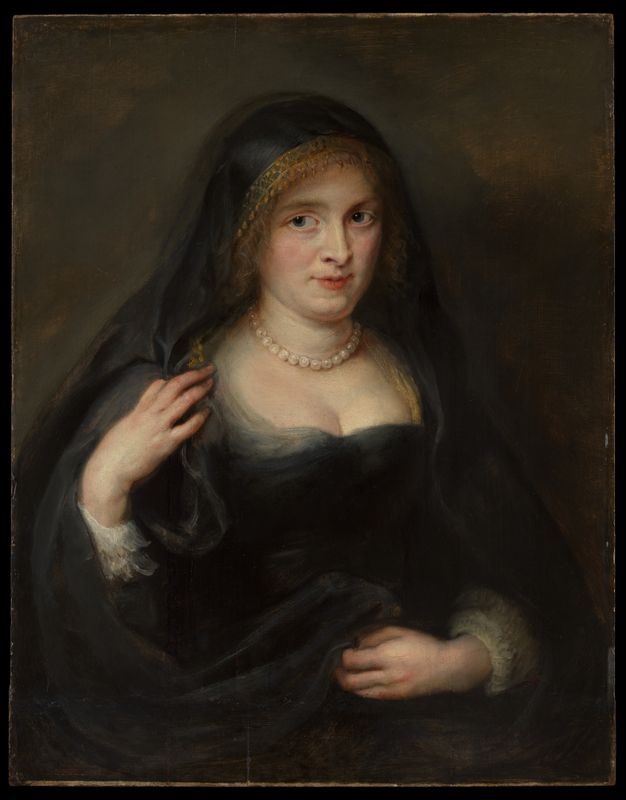
Portrait of a Woman, Probably Susanna Lunden (Susanna Fourment, 1599–1628)
Peter Paul Rubens · 1625 · The Metropolitan Museum of Art
 Same era · 1610s–1640s
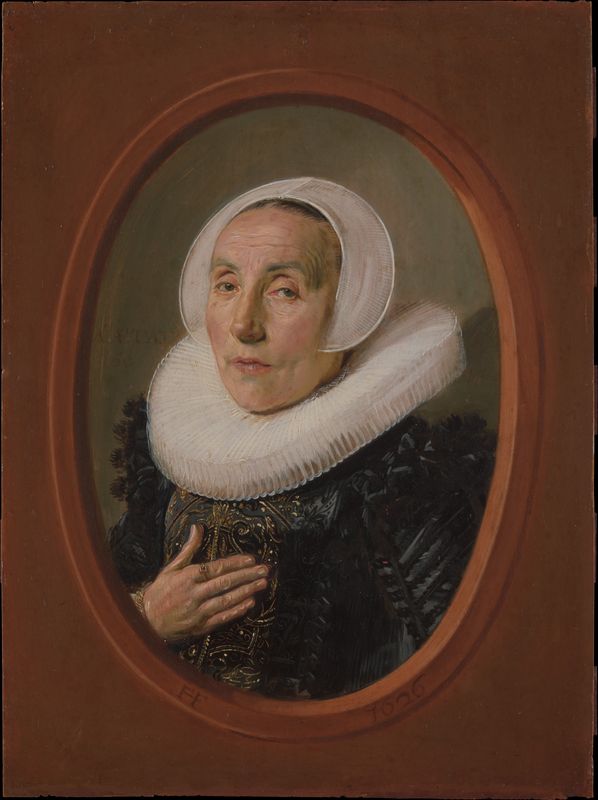
Anna van der Aar (born 1576/77, died after 1626)
Frans Hals · 1626 · The Metropolitan Museum of Art
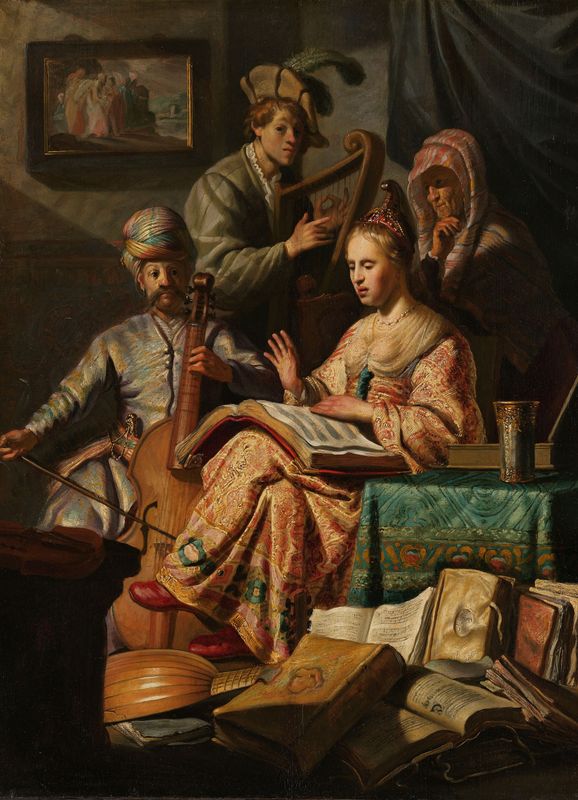 Same era · 1610s–1640s
Musical Company
Rembrandt · 1626 · Museum De Lakenhal
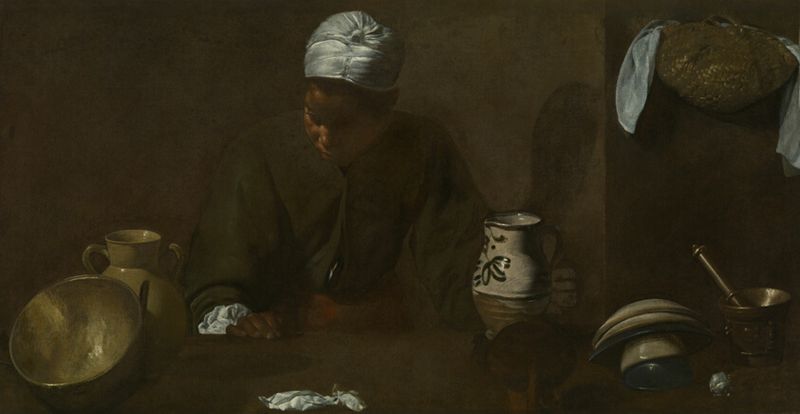 Same era · 1610s–1640s
Kitchen Scene
Diego Velázquez · 1618 · Art Institute of Chicago
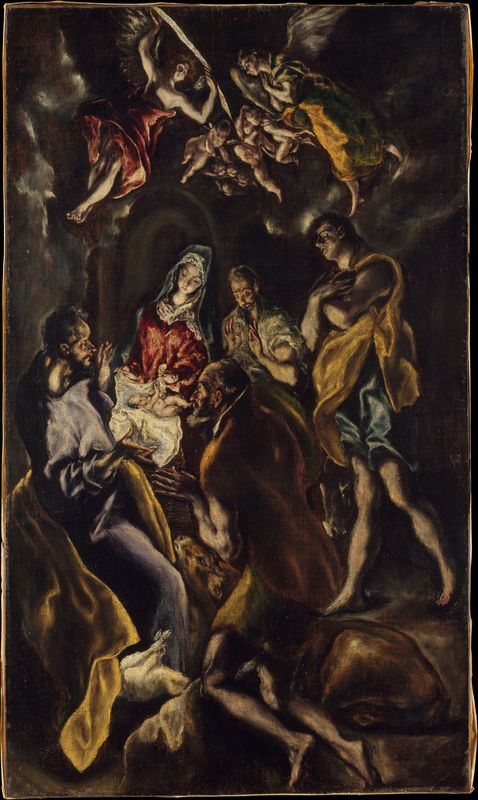 Same era · 1610s–1640s
The Adoration of the Shepherds
El Greco · 1610
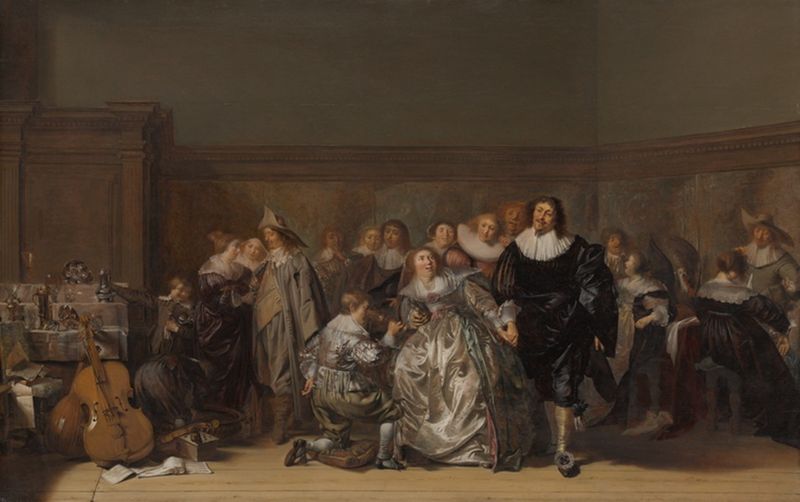 Same era · 1610s–1640s
An Elegant Company
Samuel Alcock & Company · 1632 · Art Institute of Chicago
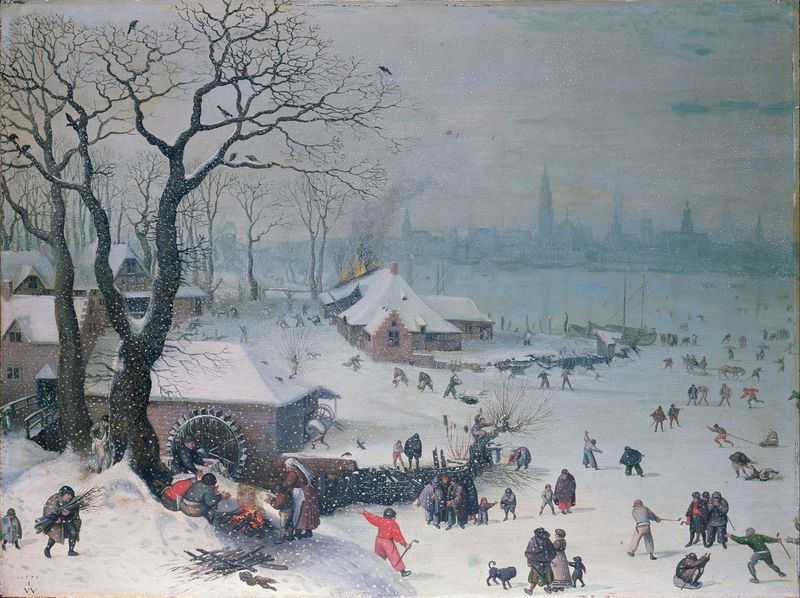 Same era · 1610s–1640s
Winter Landscape with Snowfall near Antwerp
Jan Brueghel the Elder · 1610
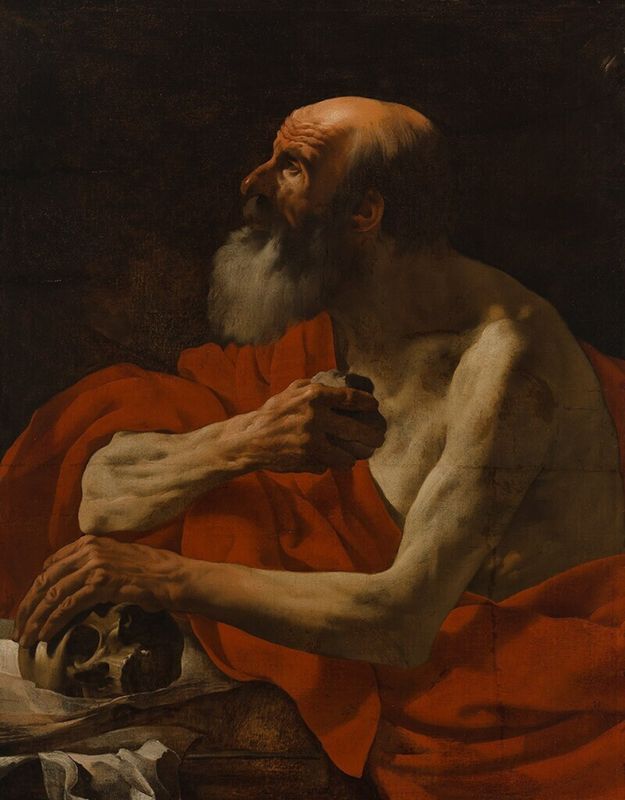 Same era · 1610s–1640s
Saint Jerome
Hendrick ter Brugghen · 1624 · Museum Boijmans Van Beuningen
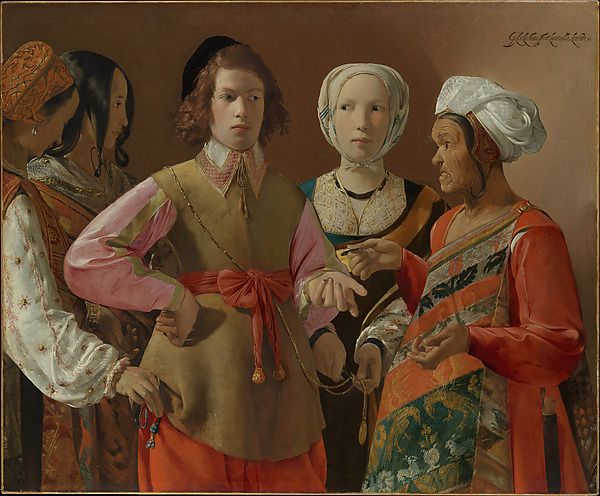 Same era · 1610s–1640s
The Fortune-Teller
Georges de La Tour · 1630 · The Metropolitan Museum of Art
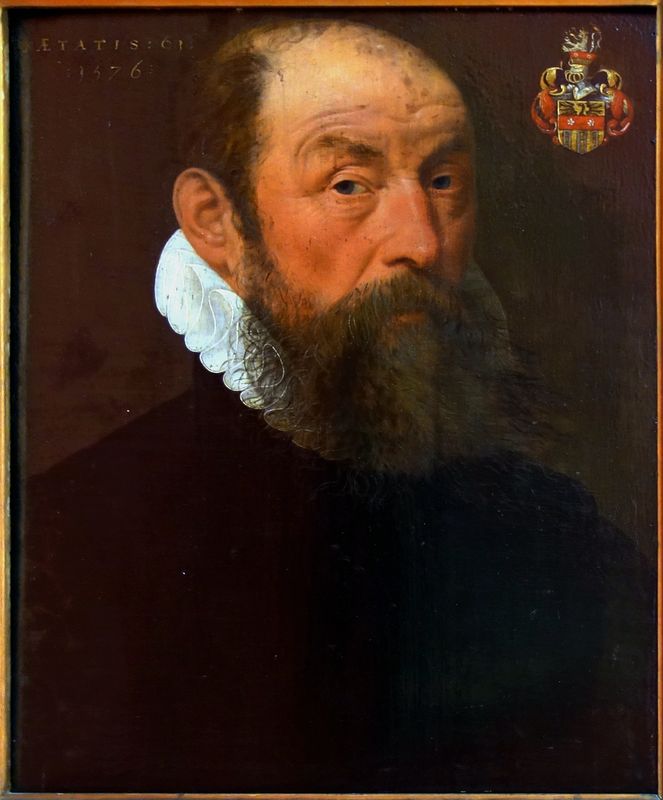 Same era · 1610s–1640s
Portrait of a man
Willem van der Vliet · 1634 · Pushkin Museum of Fine Arts
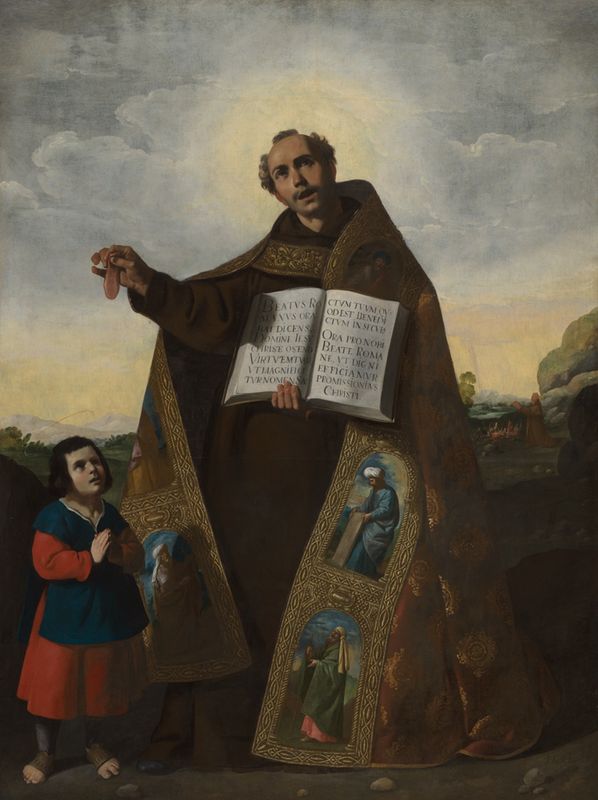 Same era · 1610s–1640s
Saint Romanus of Antioch and Saint Barulas
Master of the View of Saint Gudula · 1638 · Art Institute of Chicago
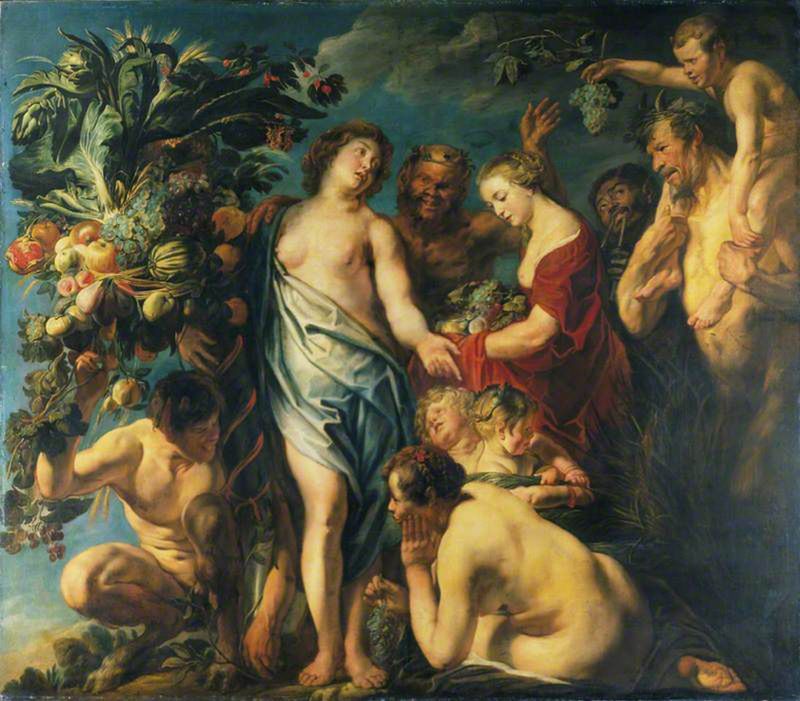 Same era · 1610s–1640s
An Allegory of Fruitfulness
Jacob Jordaens · 1620 · Wallace Collection