
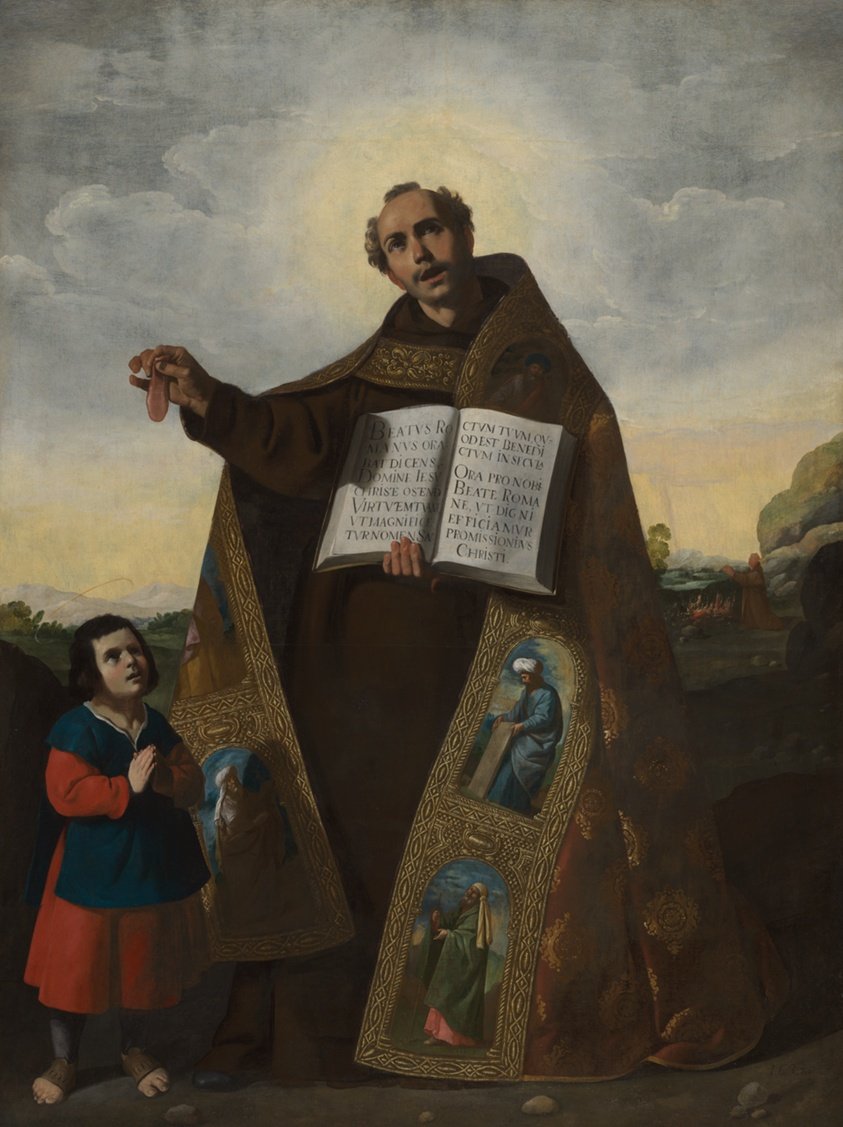
“This monumental altarpiece depicts Saint Romanus of Antioch, holding his own severed tongue, alongside the child martyr Saint Barulas. It's a powerful example of religious art designed to be both accessible and inspiring, created for a church in Seville.”
In this imposing canvas, Saint Romanus of Antioch towers over a young boy, Saint Barulas, in a dramatic scene of faith and martyrdom. Romanus, a figure of immense strength, holds up his own tongue, brutally torn out by his tormentors, a visceral detail that immediately draws the eye. His other hand grasps a massive, open book, inscribed with a prayer invoking his intercession for the faithful. This painting, originally created for the high altar of the church of San Román in Seville, Spain, was designed to align with the church's dedication to Saint Romanus. Catholic reformers of the era emphasized that religious art should present easily recognizable figures and narratives to engage contemporary audiences, a goal this artwork achieves with its direct and powerful depiction of the saints.
- Artist
- Master of the View of Saint Gudula
- Date
- 1638
- Medium
- Oil on canvas
- Location
- Art Institute of Chicago
- Dimensions
- 246.5 × 185.4 cm (97 1/16 × 73 in.)
- Collection
- Painting and Sculpture of Europe
- Culture
- Spain
- Credit line
- Gift of Mrs. Chauncey McCormick and Mrs. Richard E. Danielson
What to Notice
Five details hide in plain sight. Here’s where to look.
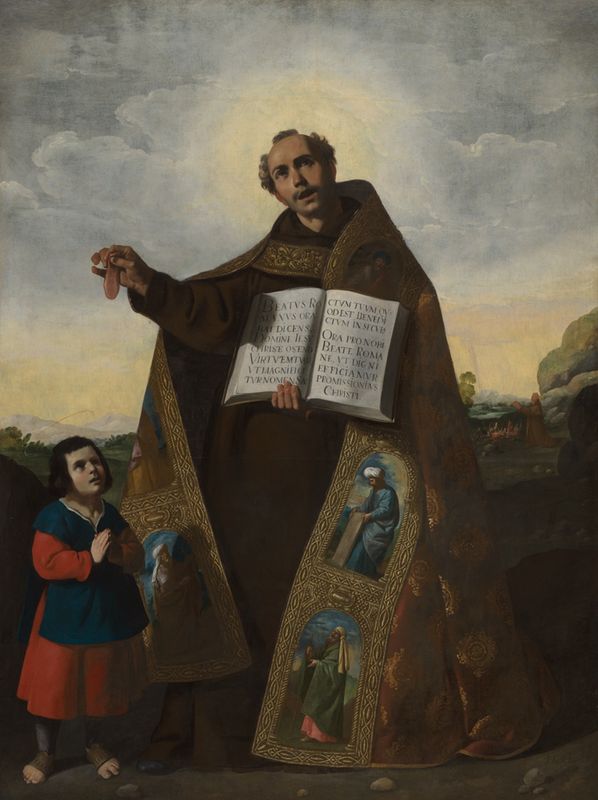
The saint's torn-out tongue held in his hand
The large book open to a Latin prayer
The young Saint Barulas looking up at Romanus
The dramatic play of light and shadow on the figures
1 more detail is waiting.
See all 5 in Art Whisper →Stand in front of it and listen
The full narration walks you through Saint Romanus of Antioch and Saint Barulas — the story behind it, the details most visitors miss, and why it matters. Free in the Art Whisper app.
Master of the View of Saint Gudula
This enigmatic Early Netherlandish painter, active in Brussels, is known for his detailed religious scenes and portraits of church patrons.
Further Works by Gudula
 The Beach at Sainte-Adresse
1867 · Art Institute of Chicago
 The Crucifixion
1330 · The Metropolitan Museum of Art
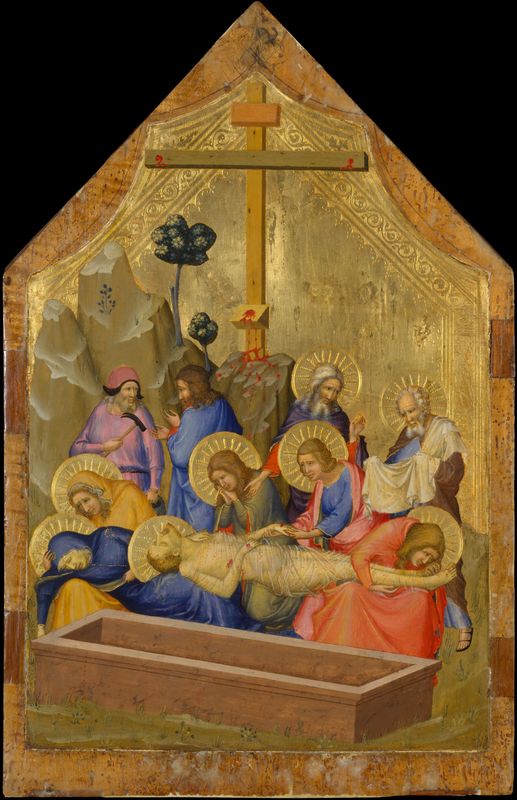 The Lamentation
1330 · The Metropolitan Museum of Art
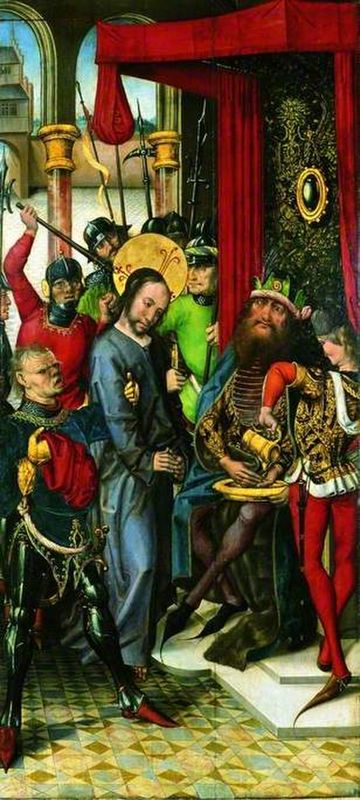 Christ Before Pilate (recto)
1467 · Bowes Museum
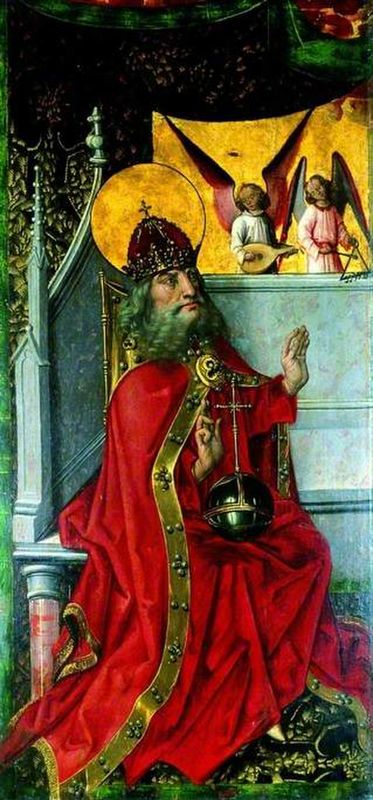 God the Father (recto)
1467 · Bowes Museum
 Saint Anthony (verso)
1467 · Bowes Museum
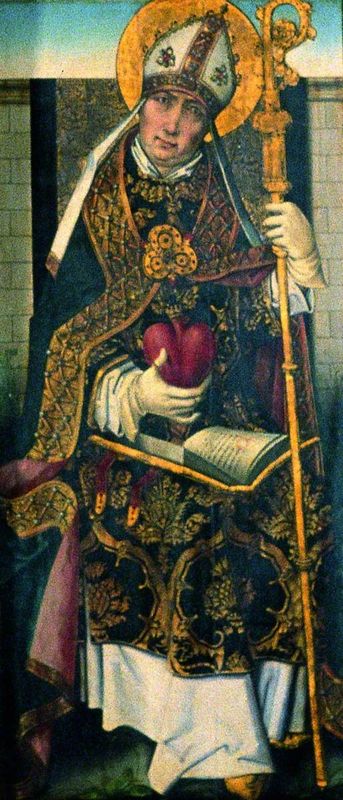 Saint Augustine (verso)
1467 · Bowes Museum
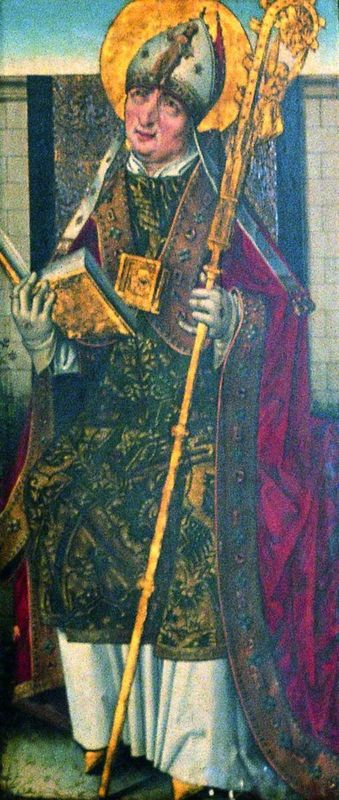 St Ambrose (verso)
1467 · Bowes Museum
More works to explore
Beyond Gudula: works from the same years.
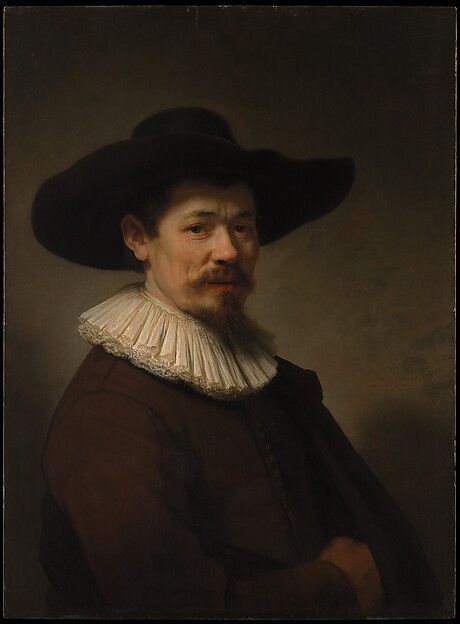 Same era · 1620s–1650s
Herman Doomer (ca. 1595–1650)
Rembrandt · 1640 · The Metropolitan Museum of Art
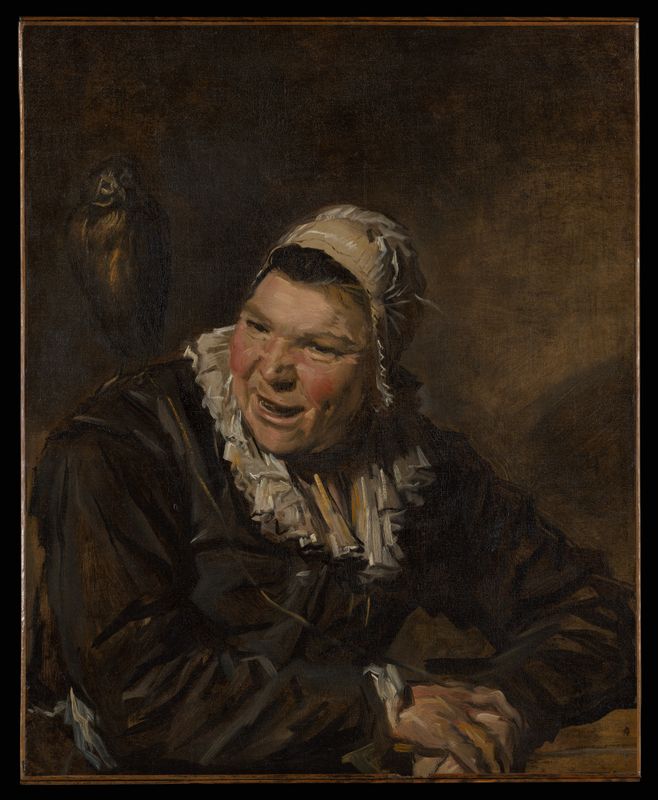 Same era · 1620s–1650s
Malle Babbe
Frans Hals · 1640 · Gemäldegalerie Berlin
 Same era · 1620s–1650s
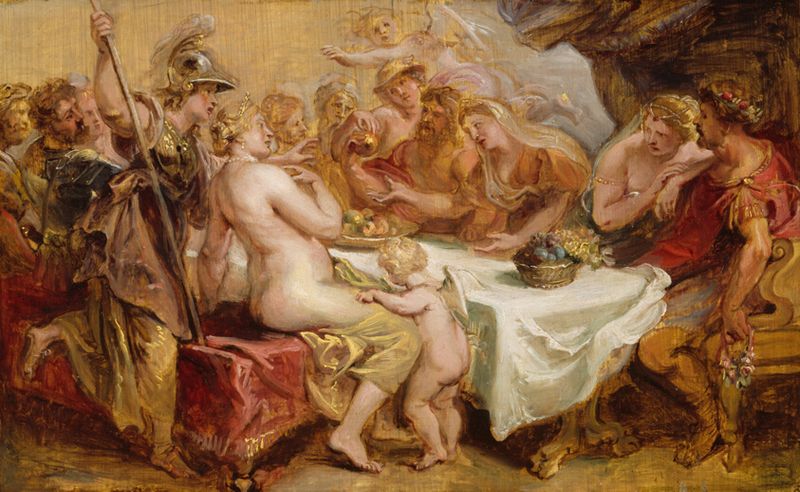
The Wedding of Peleus and Thetis
Peter Paul Rubens · 1636 · Art Institute of Chicago
 Same era · 1620s–1650s
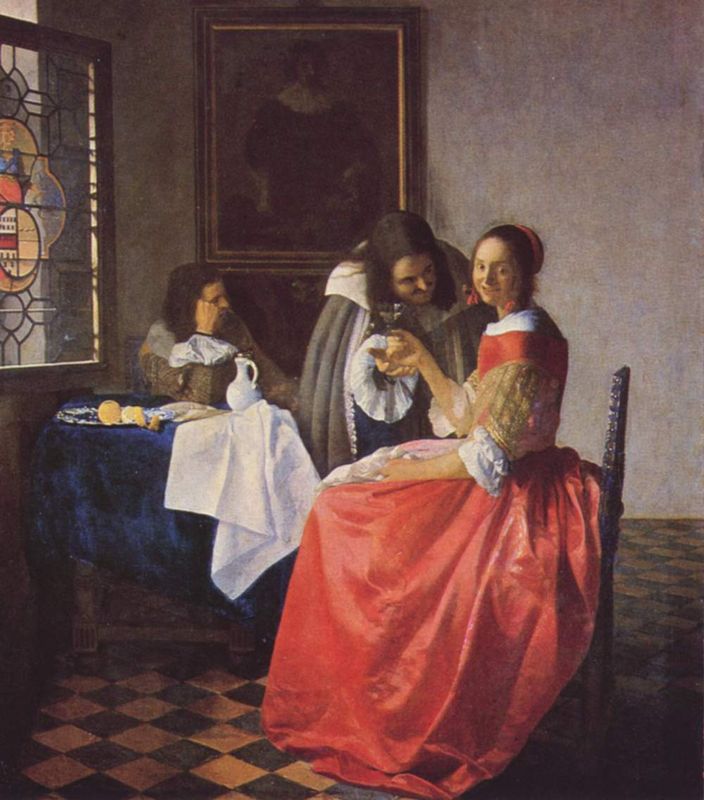
The Girl with the Wine Glass
Johannes Vermeer · 1650 · Herzog Anton Ulrich Museum
 Same era · 1620s–1650s
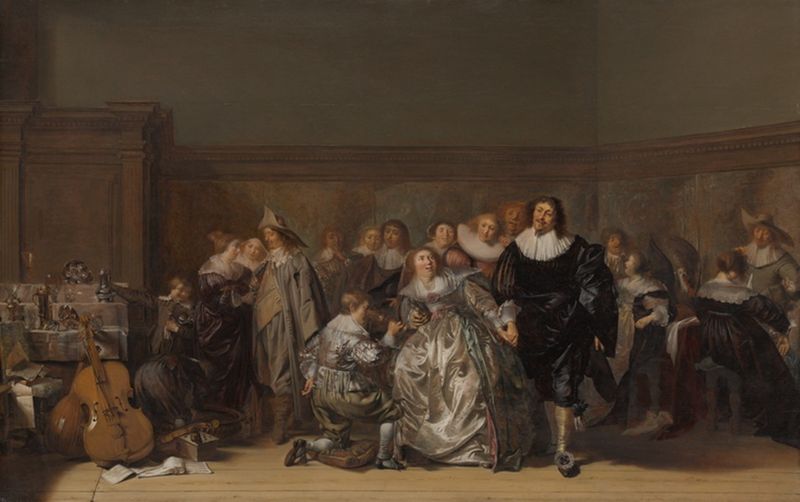
An Elegant Company
Samuel Alcock & Company · 1632 · Art Institute of Chicago
 Same era · 1620s–1650s
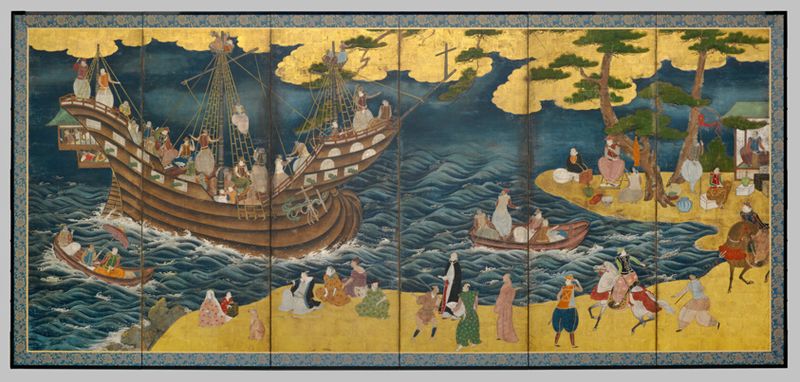
Southern Barbarians
Artist Unknown - The Mercat Cross, Aberdeen · 1625 · Art Institute of Chicago
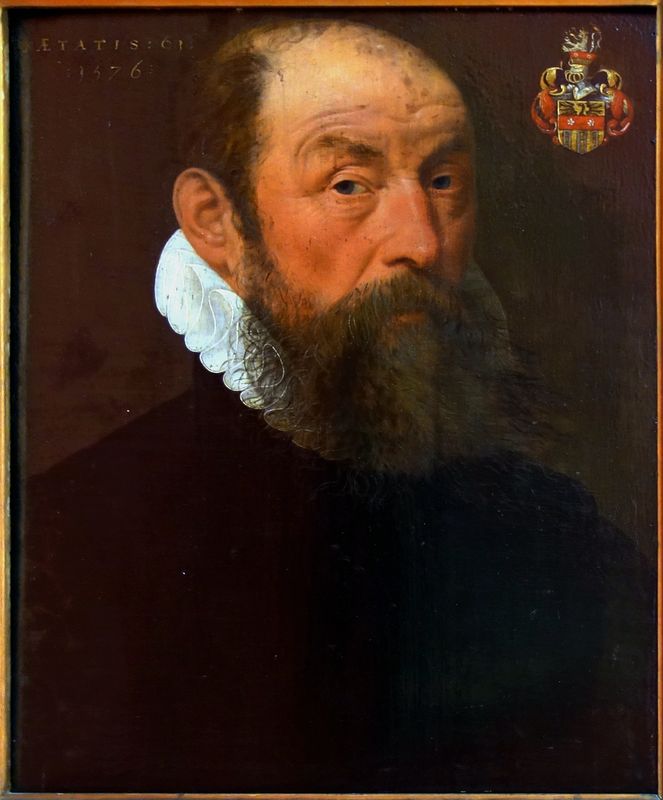 Same era · 1620s–1650s
Portrait of a man
Willem van der Vliet · 1634 · Pushkin Museum of Fine Arts
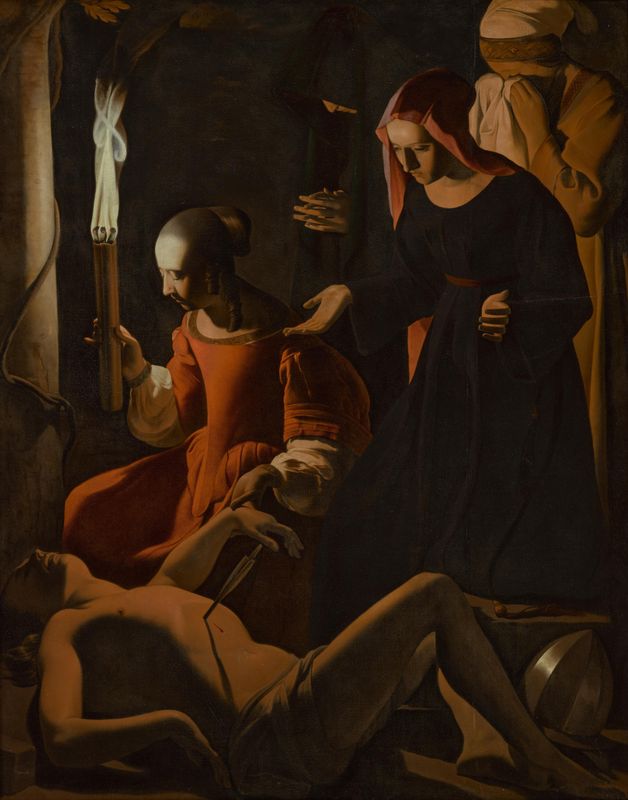 Same era · 1620s–1650s
Saint Sebastian tended by Saint Irene
Georges de La Tour · 1634 · Gemäldegalerie Berlin
 Same era · 1620s–1650s
Portrait of Elisabeth Dorothea of Saxony-Gotha-Altenburg
Salomon Duarte · 1650 · Bavarian State Painting Collections
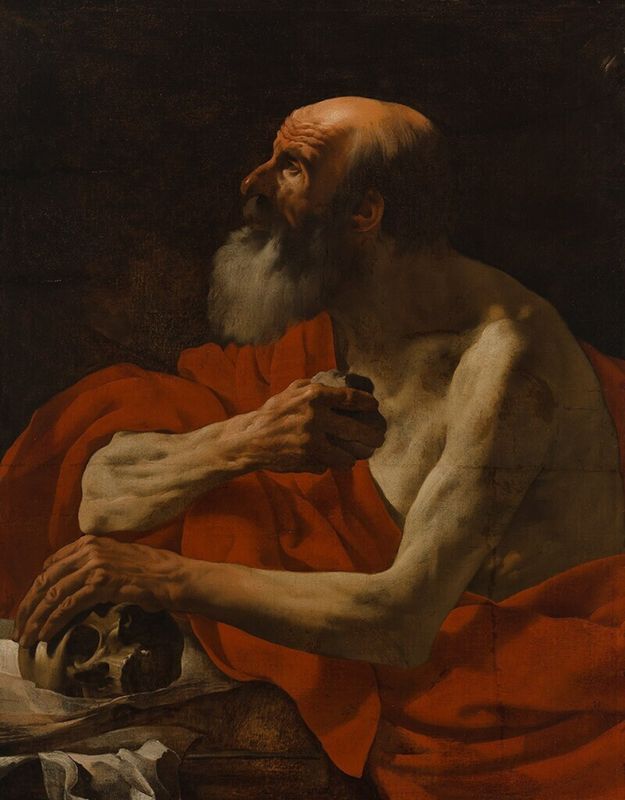 Same era · 1620s–1650s
Saint Jerome
Hendrick ter Brugghen · 1624 · Museum Boijmans Van Beuningen
 Same era · 1620s–1650s
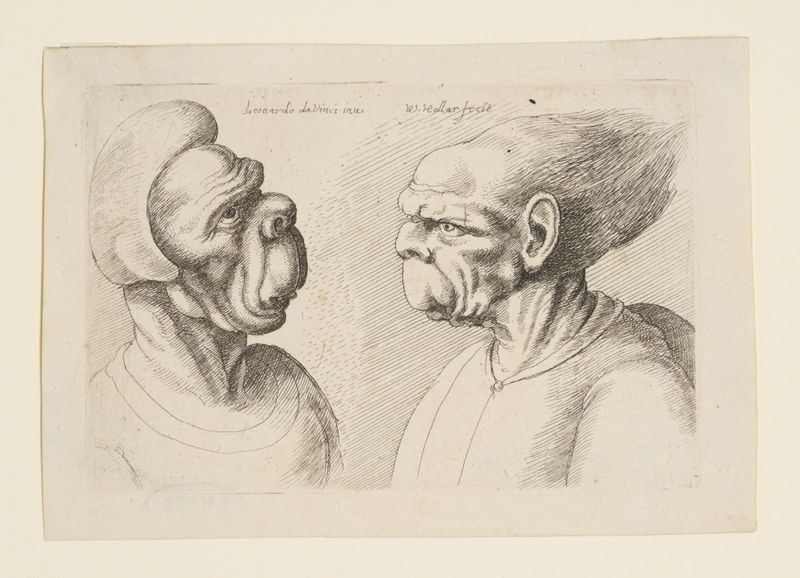
Two Deformed Heads with Very Long Upper Lips
Leonardo da Vinci · 1645 · The Metropolitan Museum of Art
 Same era · 1620s–1650s
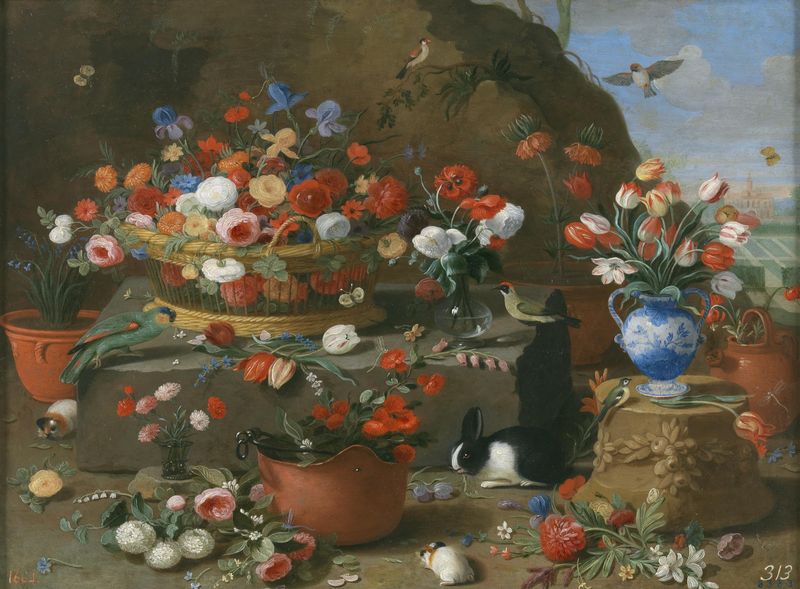
Floral Still Life
Jan van Kessel the Elder · 1633 · Museo del Prado