
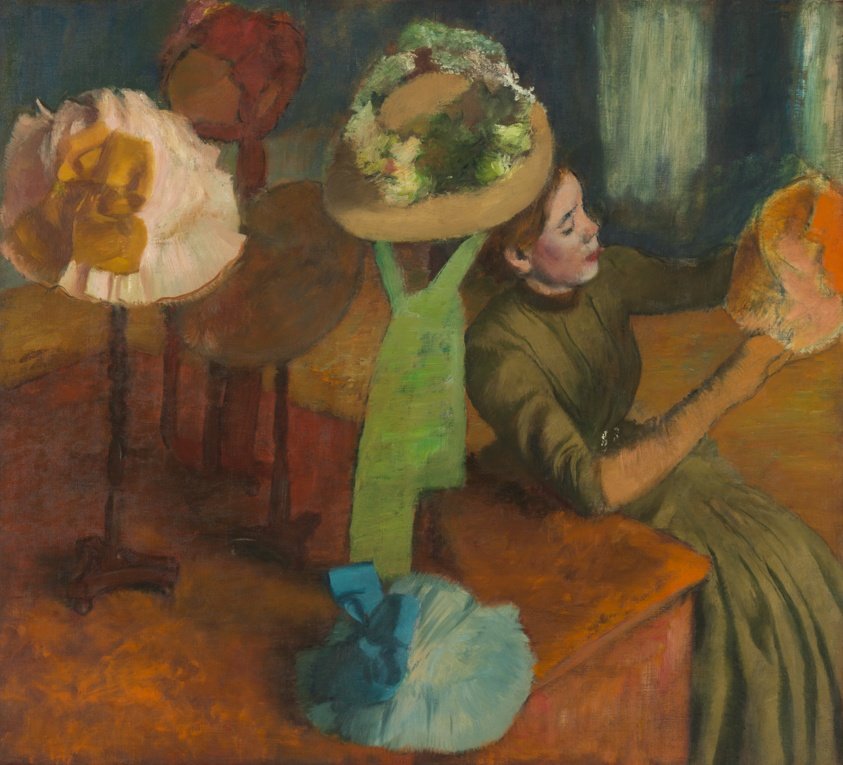
“Stop to consider this large and vibrant painting of a millinery shop, where a woman's ambiguous identity and the latest Parisian hat fashions capture a fascinating glimpse into 19th-century urban life and class dynamics.”
A young woman, perhaps a milliner or a customer, sits intently in a hat shop, examining a wide-brimmed hat in her hands. The vibrant, fashionable hats dominate the scene, reflecting the latest Parisian styles of the late 19th century. This painting, the largest Edgar Degas created on the subject of milliners, captures a fleeting moment of urban modern life. The elevated perspective places you, the viewer, almost directly above the woman, a characteristic Impressionist technique that creates an unconventional and intimate view. Degas deliberately left the woman's identity ambiguous; her fashionable green dress and elegant gloves could belong to either a wealthy client or a skilled shop employee, highlighting the shifting class identities of the era. The artist even playfully positions a green-trimmed hat above her head, suggesting it might be her own, or perhaps the result of her labor.
- Artist
- Edgar Degas
- Date
- 1879
- Medium
- Oil on canvas
- Location
- Art Institute of Chicago
- Dimensions
- 100 × 110.7 cm (39 3/8 × 43 9/16 in.); Framed: 132.1 × 142.3 × 9.6 cm (52 × 56 × 3 3/4 in.)
- Collection
- Painting and Sculpture of Europe
- Culture
- France
- Credit line
- Mr. and Mrs. Lewis Larned Coburn Memorial Collection
What to Notice
Five details hide in plain sight. Here’s where to look.
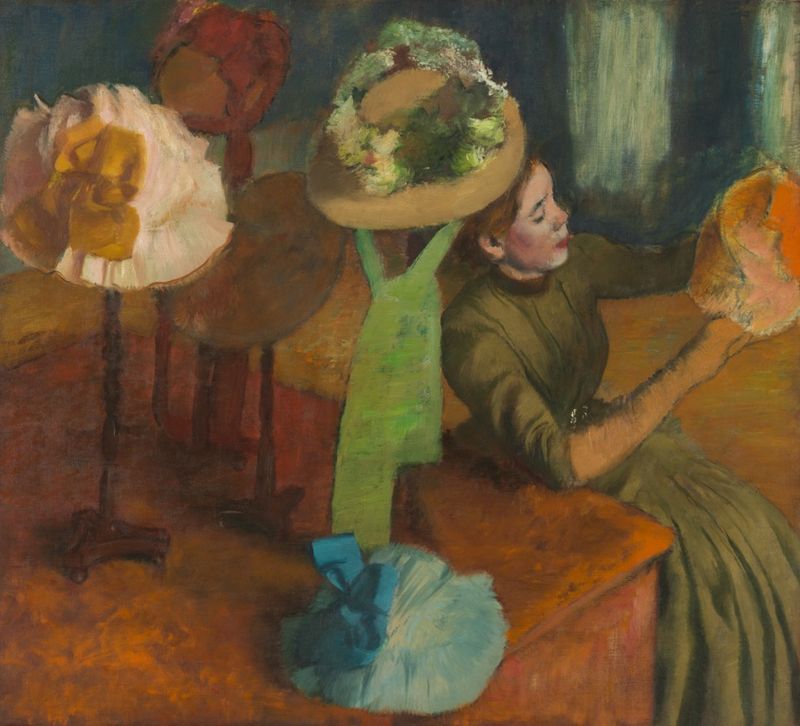
The woman's focused expression and pursed lips, as if holding a pin, hinting at her trade.
The array of colorful hats, showcasing the diverse fabrics and materials of Parisian fashion.
The unusual elevated angle from which the woman is depicted, placing you above her.
The subtle contrast between the woman's elegant attire and the absence of a hat on her own head.
1 more detail is waiting.
See all 5 in Art Whisper →Stand in front of it and listen
The full narration walks you through The Millinery Shop — the story behind it, the details most visitors miss, and why it matters. Free in the Art Whisper app.
Edgar Degas
1834–1917 · FranceCaptured ballet dancers and modern Parisian life in pastels with an eye as precise as a photographer's lens.
Further Works by Degas
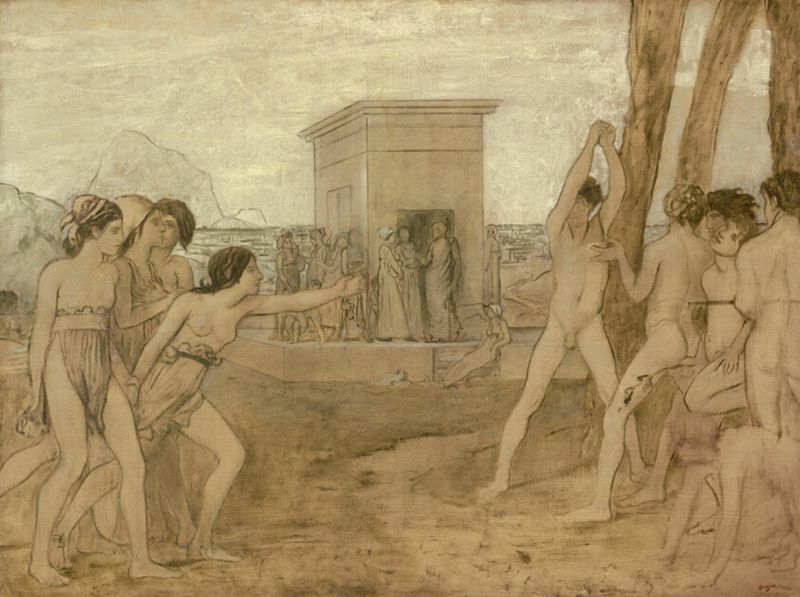 Young Spartan Girls Challenging Boys
1860 · Art Institute of Chicago
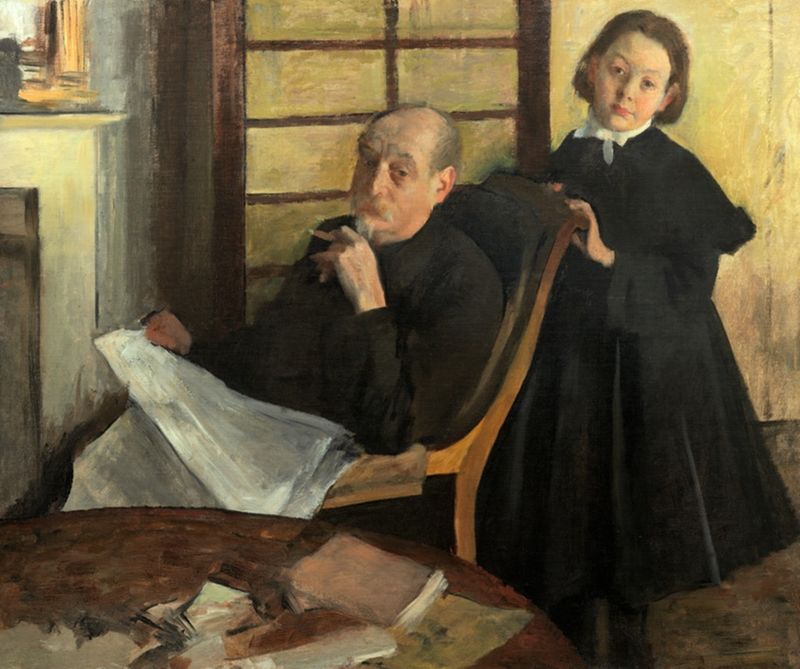 Henri Degas and His Niece Lucie Degas (The Artist's Uncle and Cousin)
1875 · Art Institute of Chicago
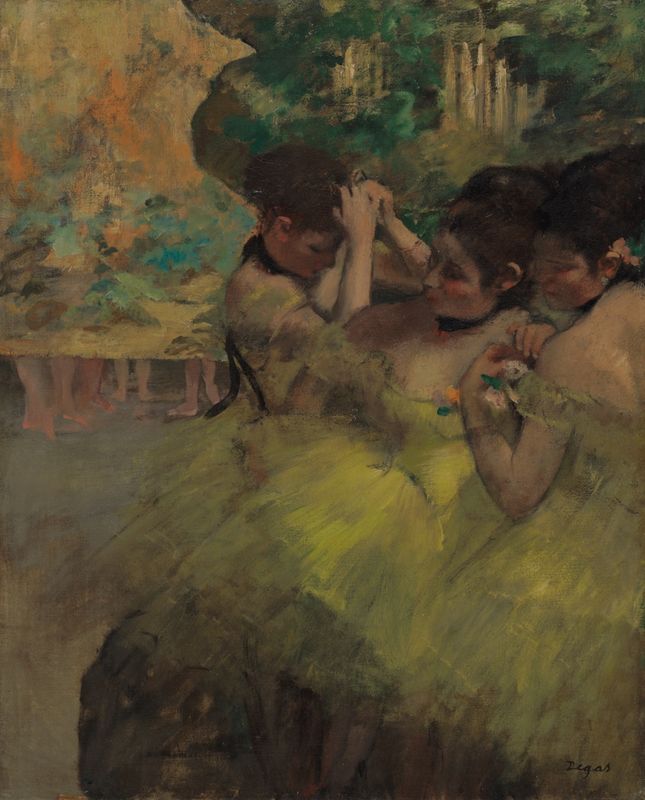 Yellow Dancers (In the Wings)
1875 · Art Institute of Chicago
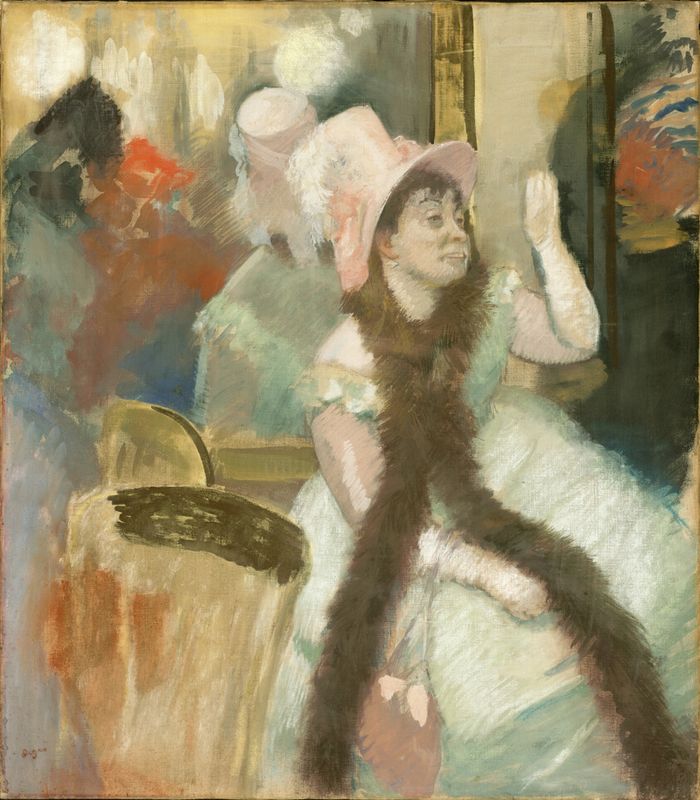 Portrait after a Costume Ball (Portrait of Madame Dietz-Monnin)
1877 · Art Institute of Chicago
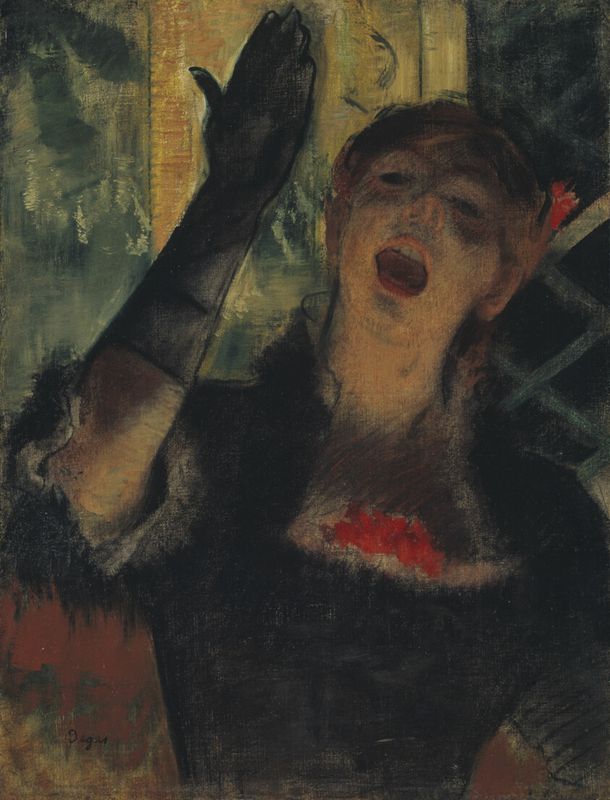 Café Singer
1879 · Art Institute of Chicago
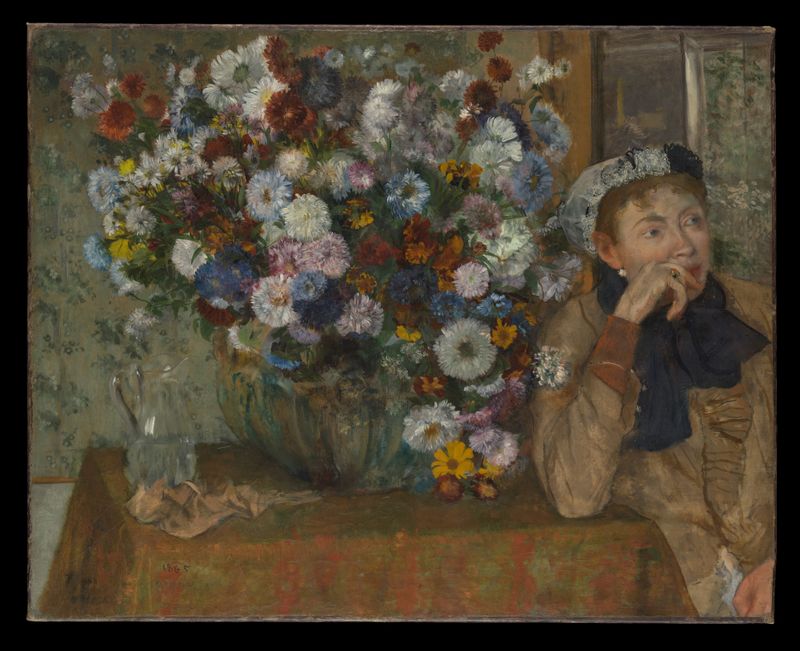 A Woman Seated beside a Vase of Flowers (Madame Paul Valpinçon?)
1865 · The Metropolitan Museum of Art
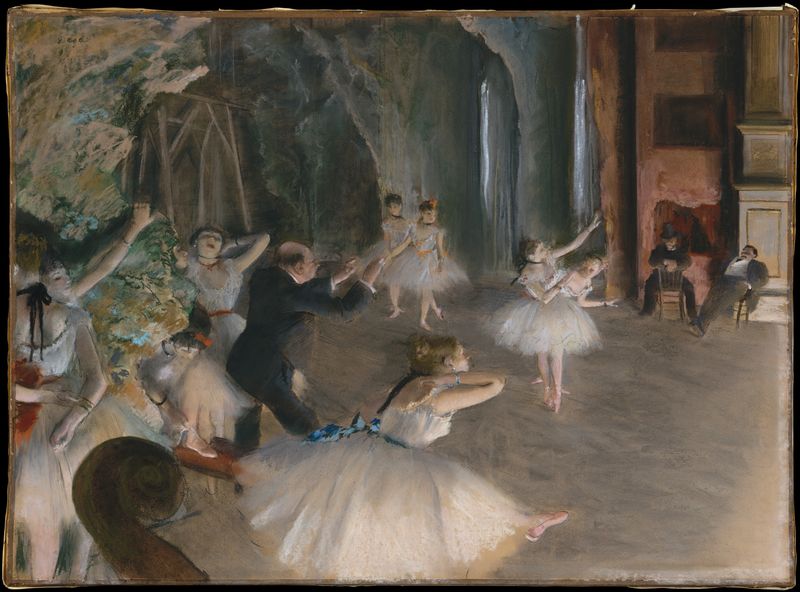 The Rehearsal Onstage
1871 · The Metropolitan Museum of Art
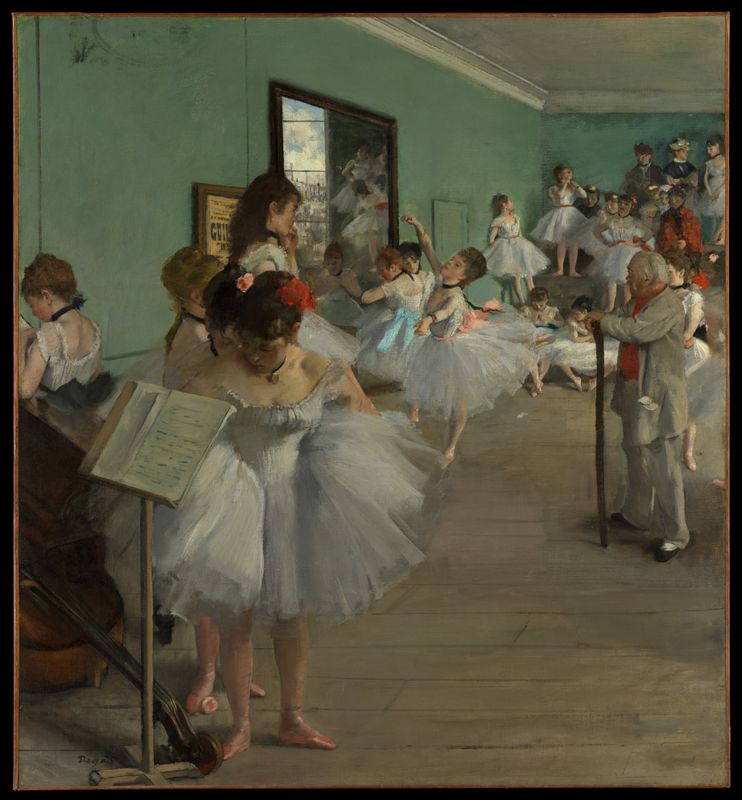 The Dance Class
1873 · National Gallery of Art
More from Impressionism
More works to explore
Beyond Degas and Impressionism: works from the same years.
 Same era · 1860s–1890s
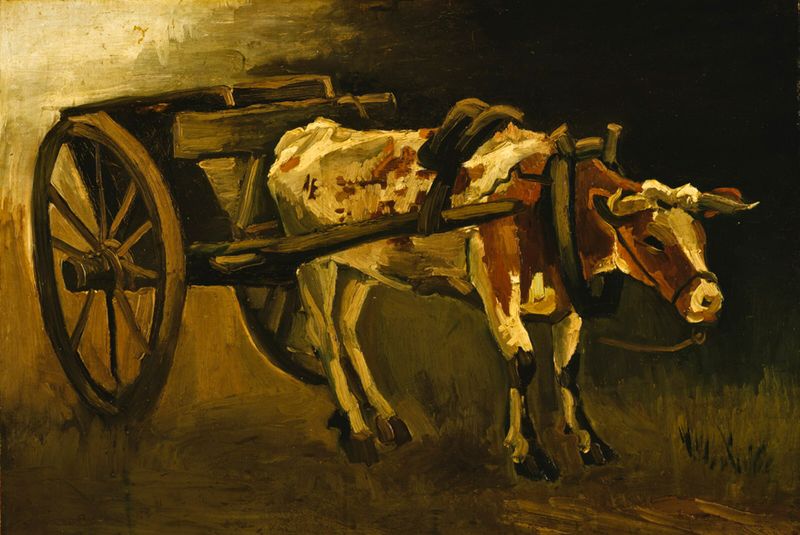
Cart with Red and White Ox
Vincent van Gogh · 1884 · Kröller-Müller Museum
 Same era · 1860s–1890s
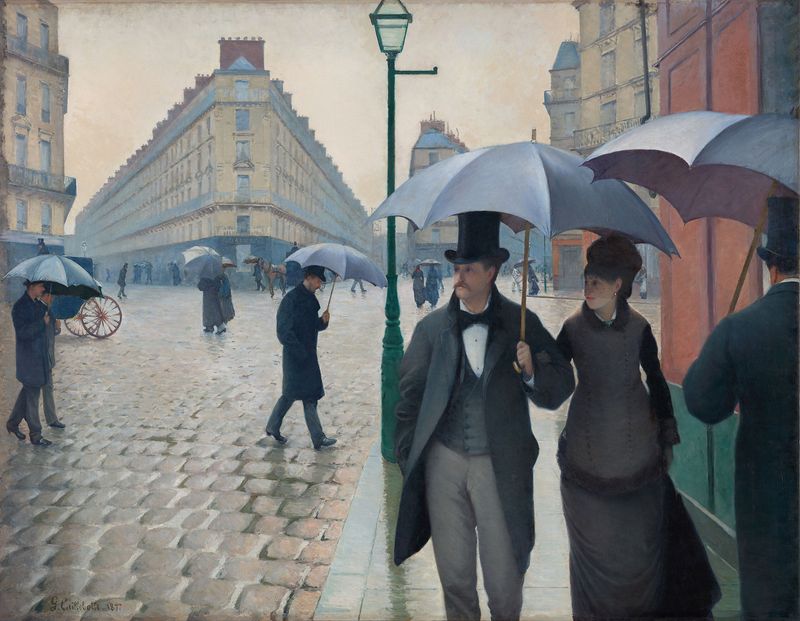
Paris Street; Rainy Day
Kawabata Gyokushō · 1877 · Art Institute of Chicago
 Same era · 1860s–1890s
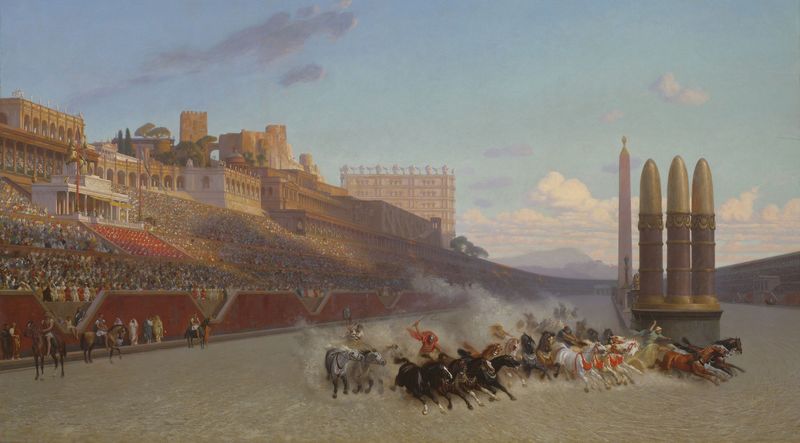
Chariot Race
Léon-Victor Dupré · 1876 · Art Institute of Chicago
 Same era · 1860s–1890s
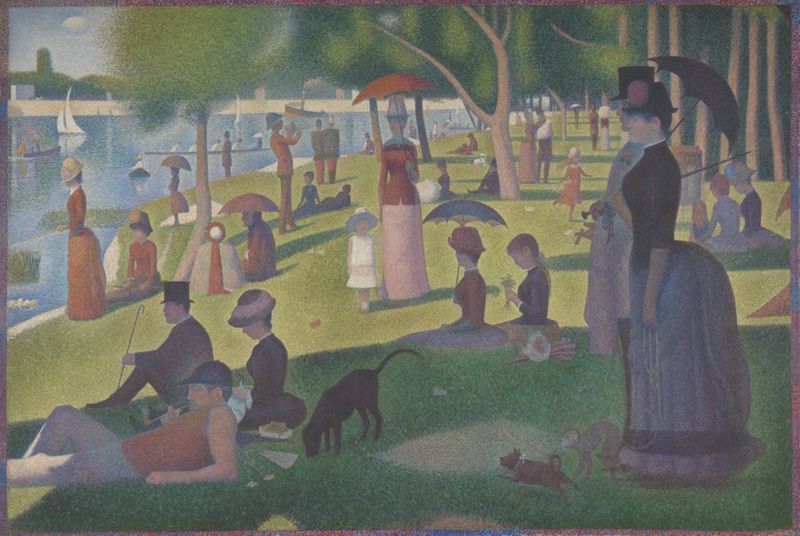
A Sunday on La Grande Jatte — 1884
Okada Saburosuke · 1884 · Art Institute of Chicago
 Same era · 1860s–1890s
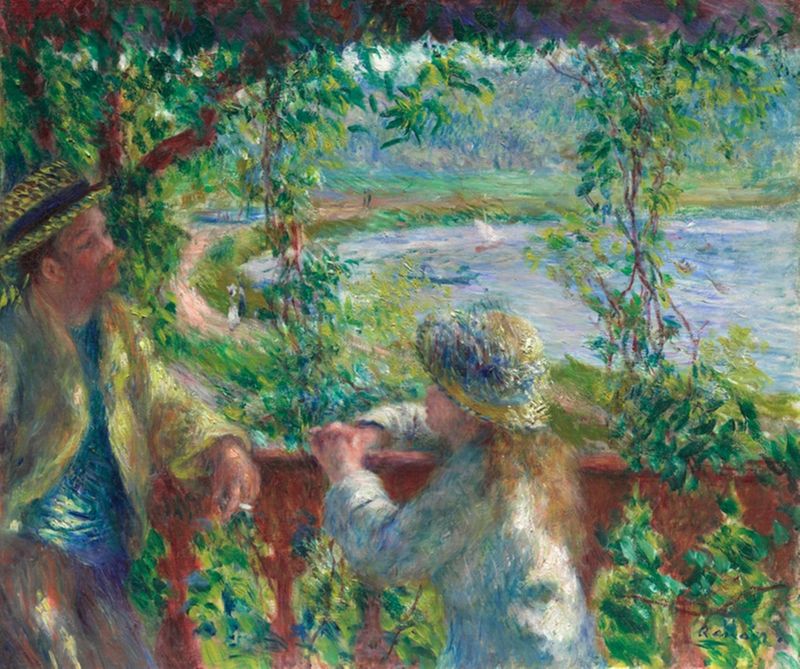
Near the Lake
Pierre-Auguste Renoir · 1879 · Art Institute of Chicago
 Same era · 1860s–1890s
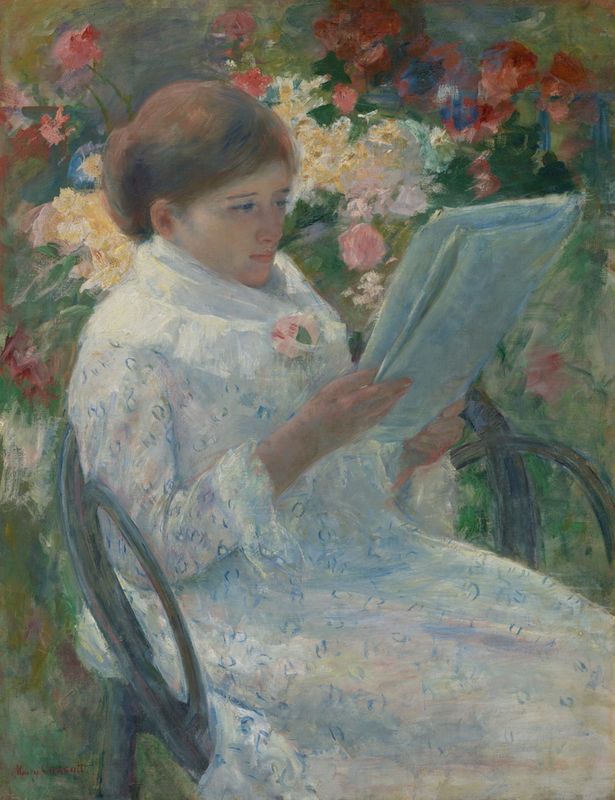
On a Balcony
Mary Cassatt · 1879 · Art Institute of Chicago
 Same era · 1860s–1890s
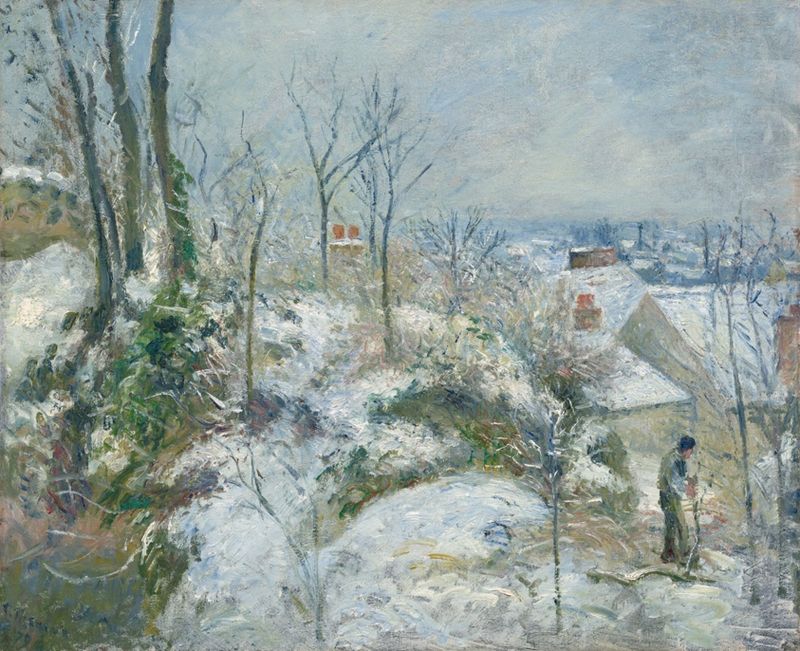
Rabbit Warren at Pontoise, Snow
Camille Pissarro · 1879 · Art Institute of Chicago
 Same era · 1860s–1890s
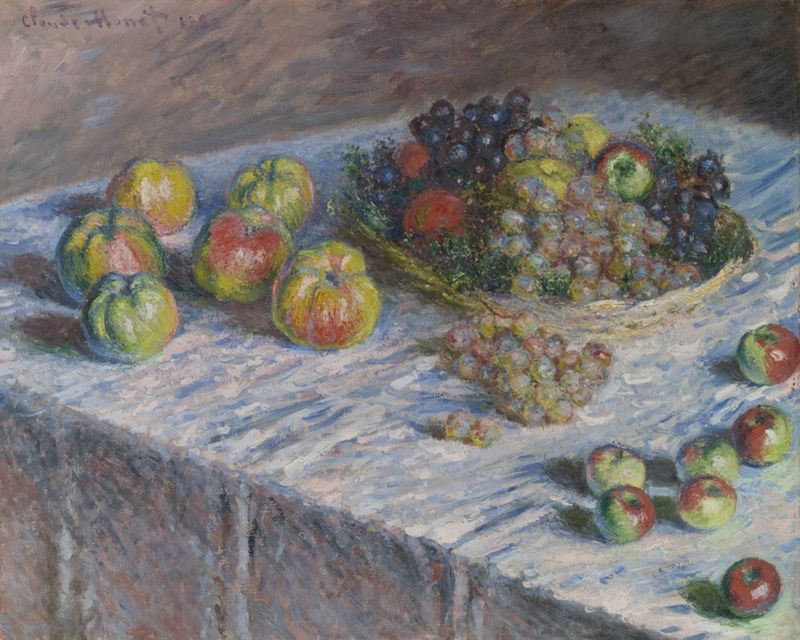
Apples and Grapes
Claude Monet · 1880 · Art Institute of Chicago
 Same era · 1860s–1890s
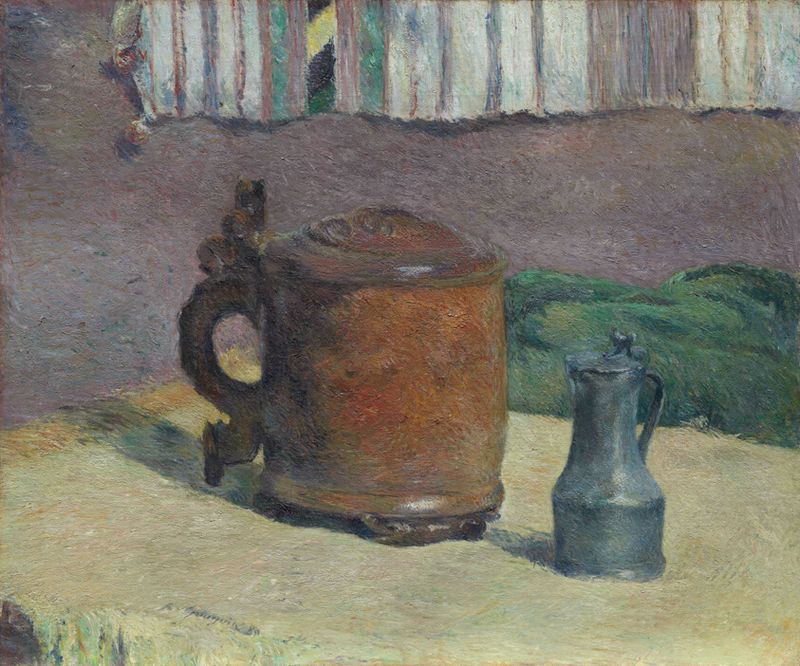
Still Life: Wood Tankard and Metal Pitcher
Paul Gauguin · 1880 · Art Institute of Chicago
 Same era · 1860s–1890s
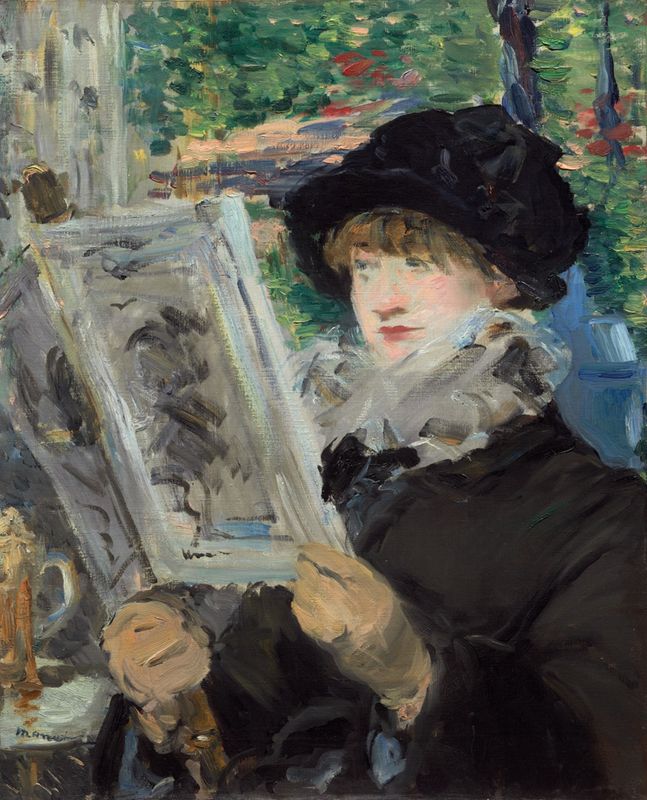
Woman Reading
Édouard Manet · 1878 · Art Institute of Chicago
 Same era · 1860s–1890s
Beata Beatrix
Dante Gabriel Rossetti · 1877 · Birmingham Museums Trust
 Same era · 1860s–1890s
Potted Plant
Edvard Munch · 1881 · Munch Museum