
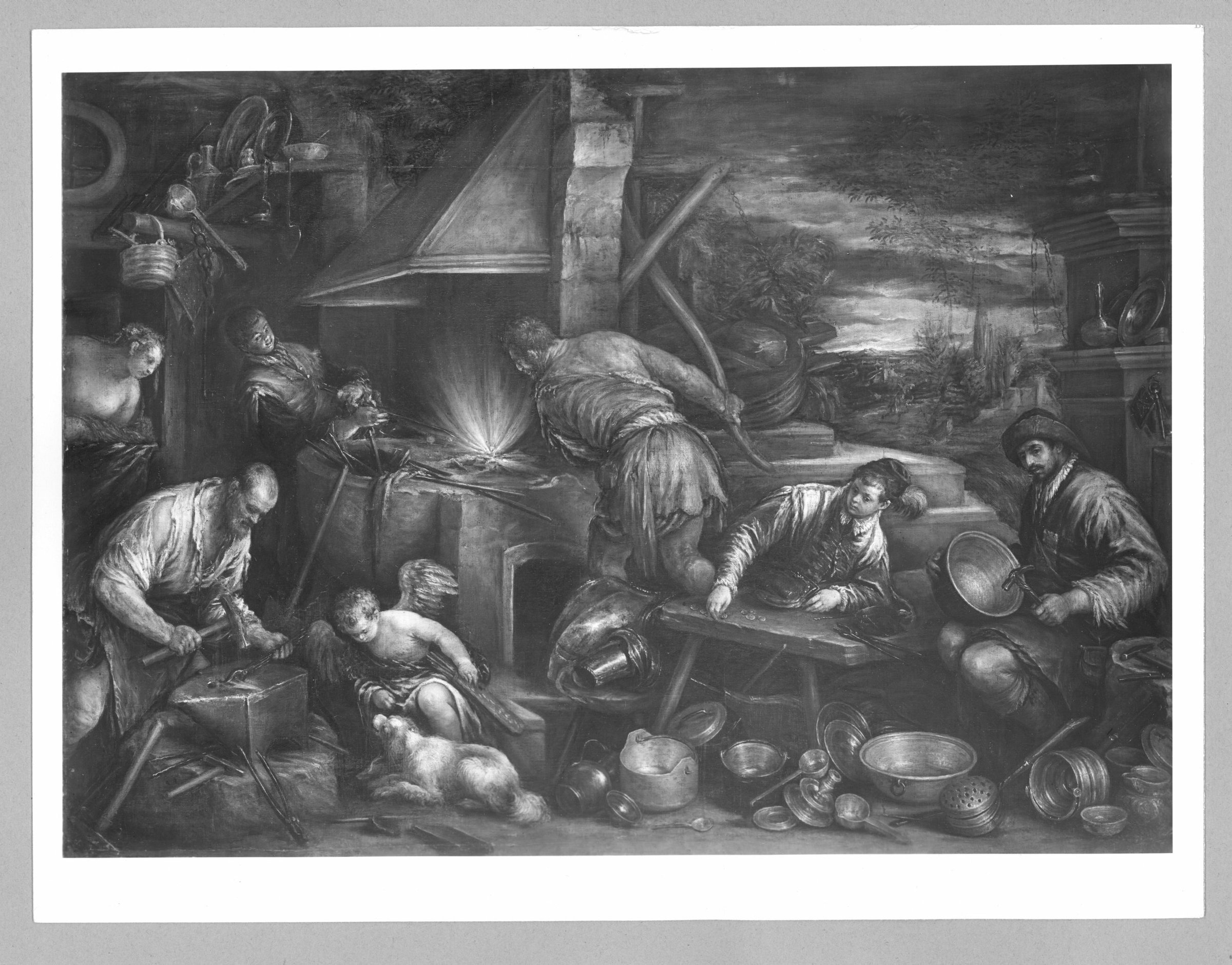
“This print thrusts you into the heart of Vulcan's forge, a vivid depiction of mythical labor. Ottilie Wilhelmine Roederstein masterfully uses printmaking techniques to evoke the fiery atmosphere and powerful action of the scene.”
In this dynamic print, the mythical god Vulcan, identifiable by his powerful physique and the tools of his trade, presides over a bustling forge. The scene is alive with the rhythmic clang of hammers, implied by the figures' intense focus and the glowing metal. Roederstein used drypoint and roulette, techniques that create rich, velvety lines and textured tones, to capture the fiery atmosphere and the play of light on muscle and metal. The ivory wove paper itself contributes to the print's luminous quality, suggesting the intense heat emanating from the furnace. This work, created in 1919, reflects a fascination with classical mythology, yet its energetic depiction of labor feels distinctly modern, capturing a moment of intense, physical creation.
- Artist
- Ottilie Wilhelmine Roederstein
- Date
- 1919
- Medium
- Drypoint and roulette on ivory, wove paper
- Location
- Art Institute of Chicago
- Dimensions
- Plate: 25 × 32.3 cm (9 7/8 × 12 3/4 in.); Sheet: 27.8 × 40.8 cm (11 × 16 1/8 in.)
- Collection
- Prints and Drawings
- Culture
- Germany
- Credit line
- Edna Wilhelmine Rose Fund
What to Notice
Five details hide in plain sight. Here’s where to look.
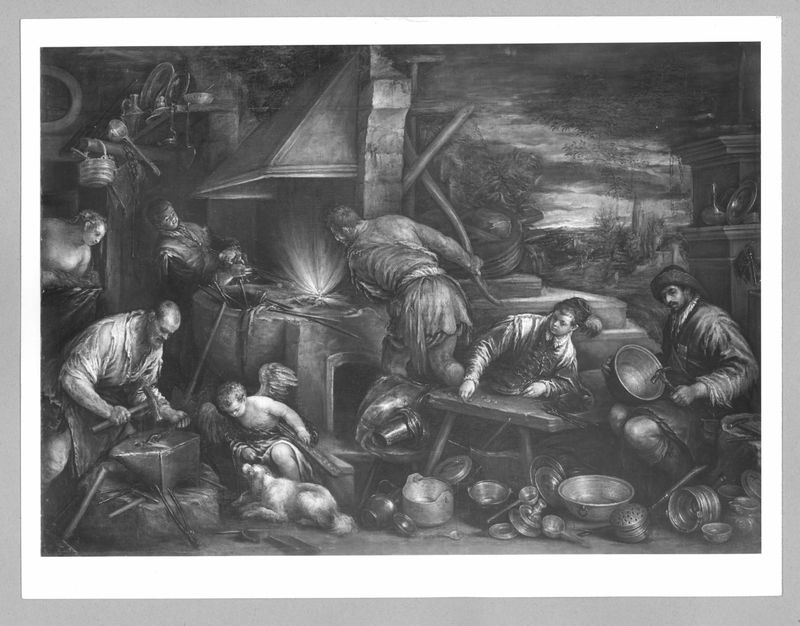
Observe the sparks flying from the anvil, suggesting the force of the hammer blow.
See the varying textures created by drypoint and roulette, especially in the smoke and shadows.
Notice the powerful musculature of the figures, highlighted by the dramatic lighting.
Look for the glowing metal on the anvil, indicating its extreme heat.
1 more detail is waiting.
See all 5 in Art Whisper →Stand in front of it and listen
The full narration walks you through The Forge of Vulcan — the story behind it, the details most visitors miss, and why it matters. Free in the Art Whisper app.
Ottilie Wilhelmine Roederstein
1859–1937 · SwitzerlandOttilie Wilhelmine Roederstein, a German-Swiss painter, defied social norms to become a celebrated portraitist, exhibiting at the 1893 World's Columbian Exposition.
Further Works by Roederstein
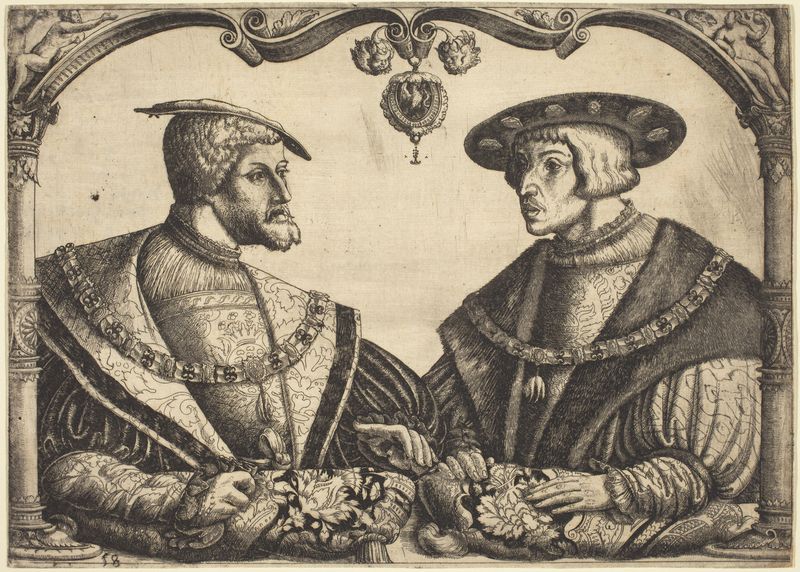 Emperors Charles V and Ferdinand I
Art Institute of Chicago
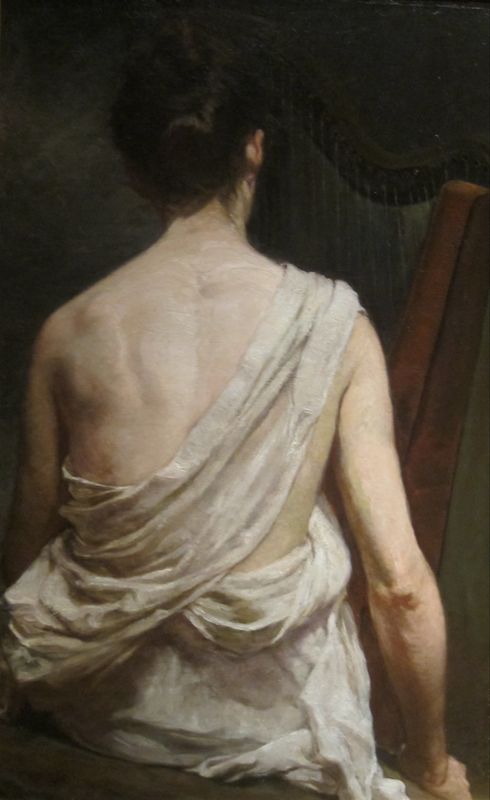 Woman with a Harp
Art Institute of Chicago
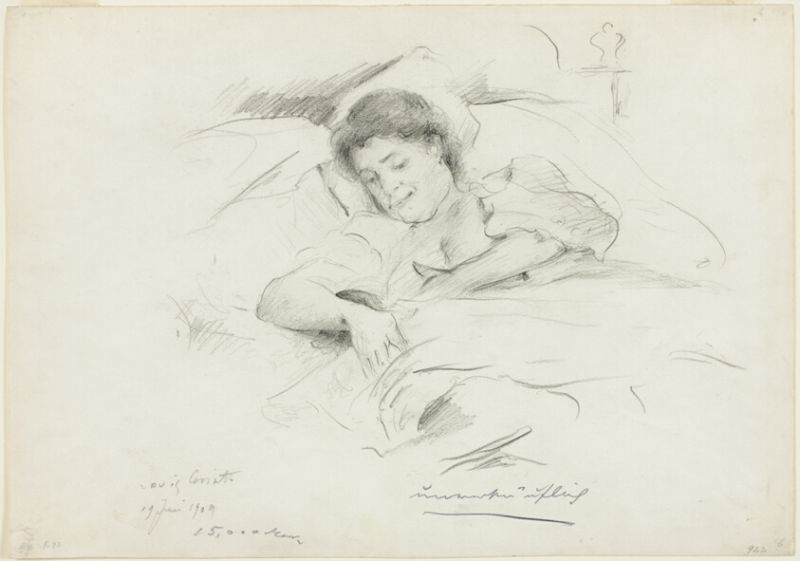 Study for In Puerperium: Charlotte with Wilhelmine
1909 · Art Institute of Chicago
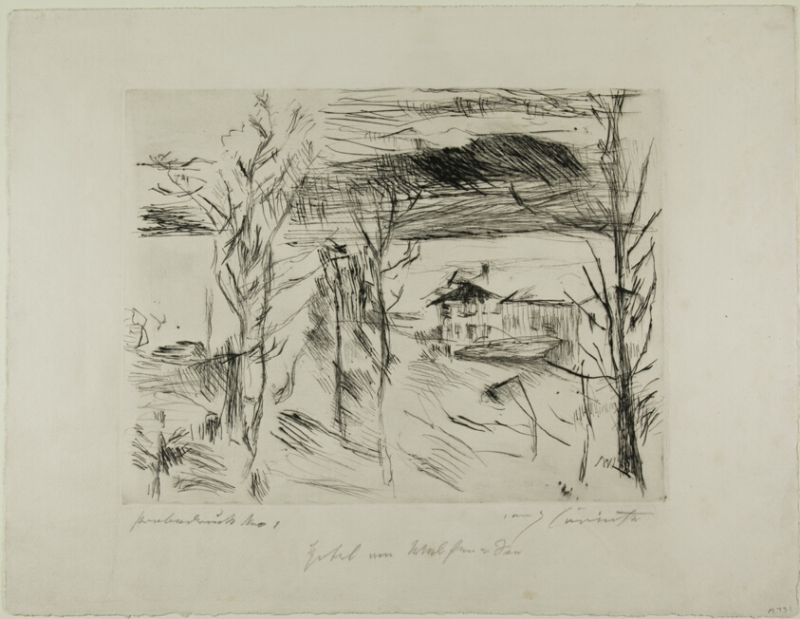 Hotel by the Walchensee, from The Walchensee
1920 · Art Institute of Chicago
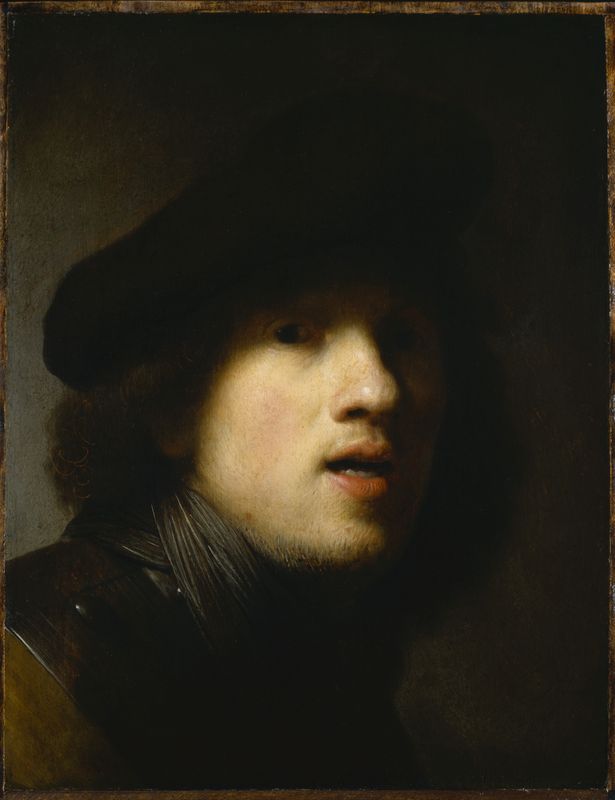 Self-Portrait
1920 · Art Institute of Chicago
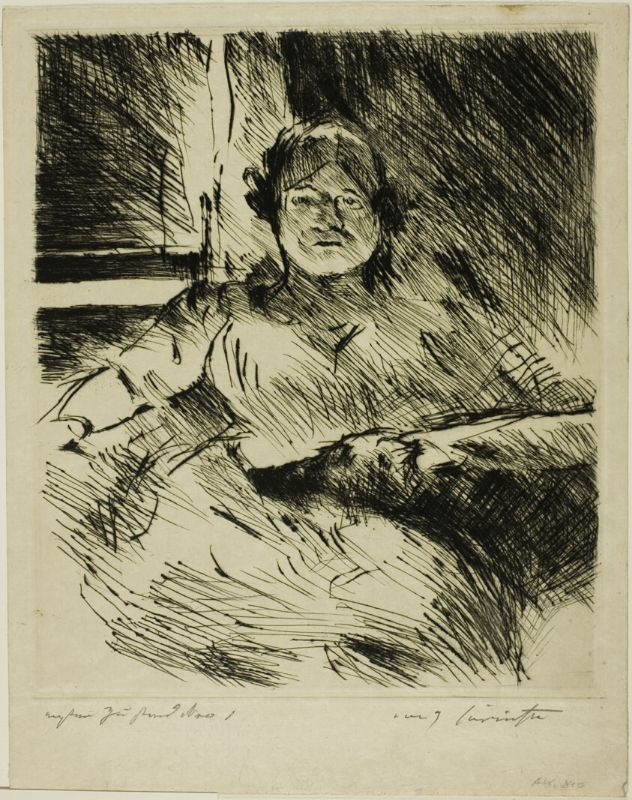 Wilhelmine in a Bathing Costume
1924 · Art Institute of Chicago
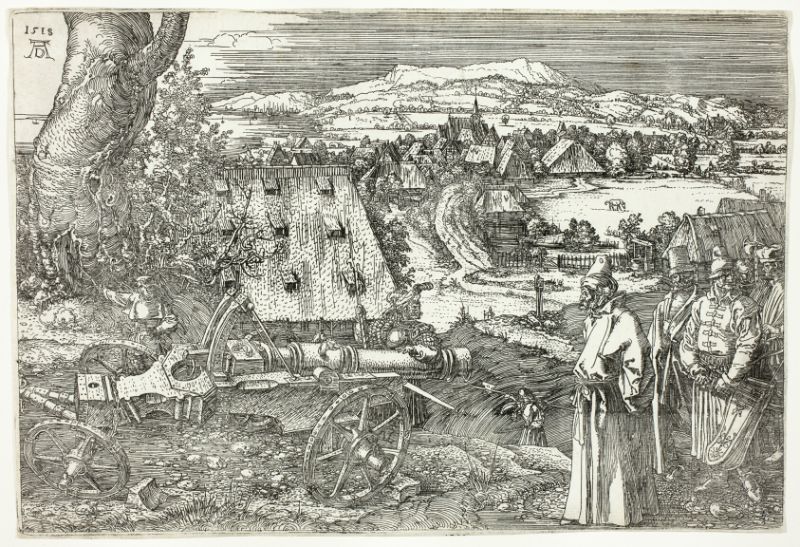 Landscape with Cannon (The Great Cannon)
Art Institute of Chicago
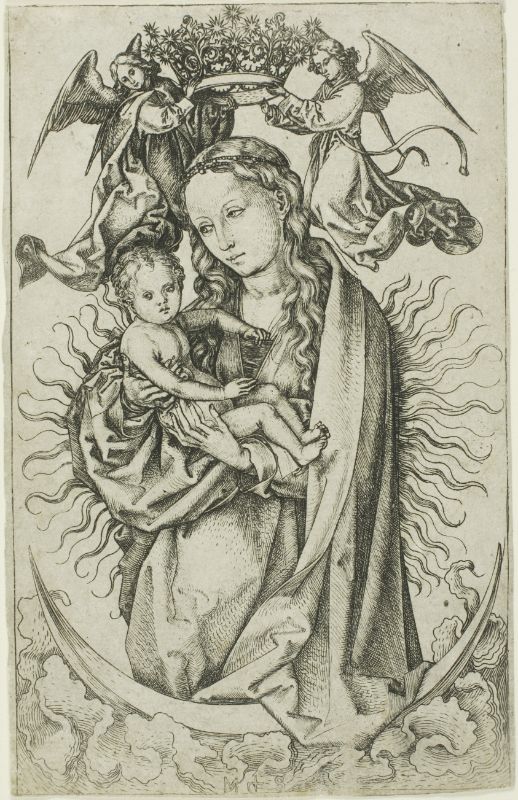 The Madonna on the Crescent Crowned by Two Angels
Art Institute of Chicago
More works to explore
Beyond Roederstein: works from the same years.
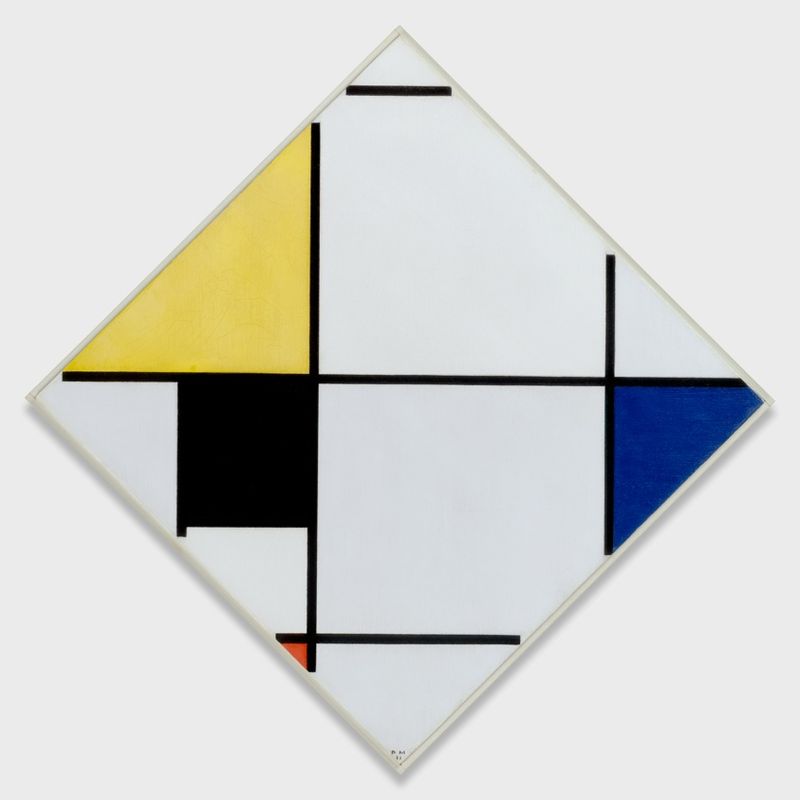 Same era · 1900s–1930s
Lozenge Composition with Yellow, Black, Blue, Red, and Gray
Piet Mondrian · 1921 · Art Institute of Chicago
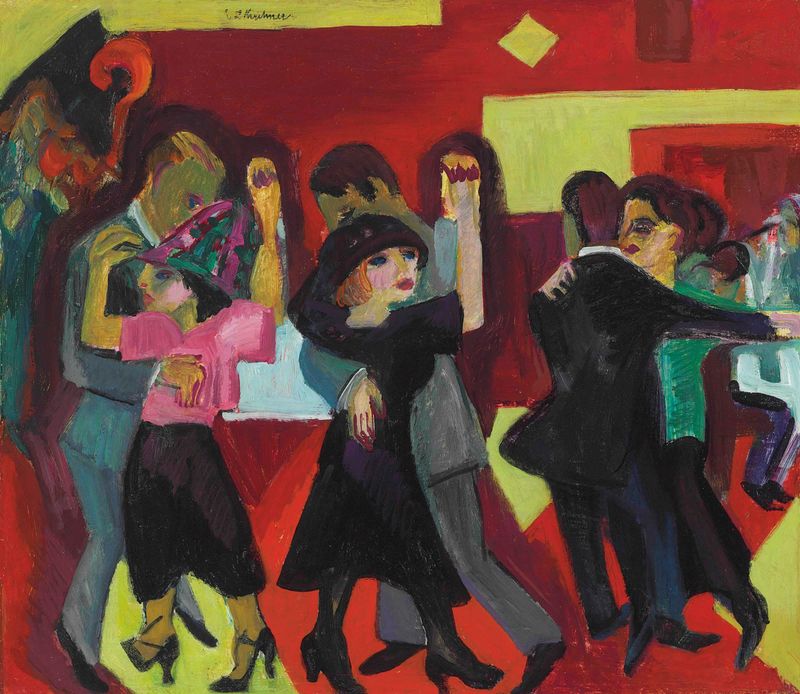 Same era · 1900s–1930s
Tangotee
Ernst Ludwig Kirchner · 1920
 Same era · 1900s–1930s
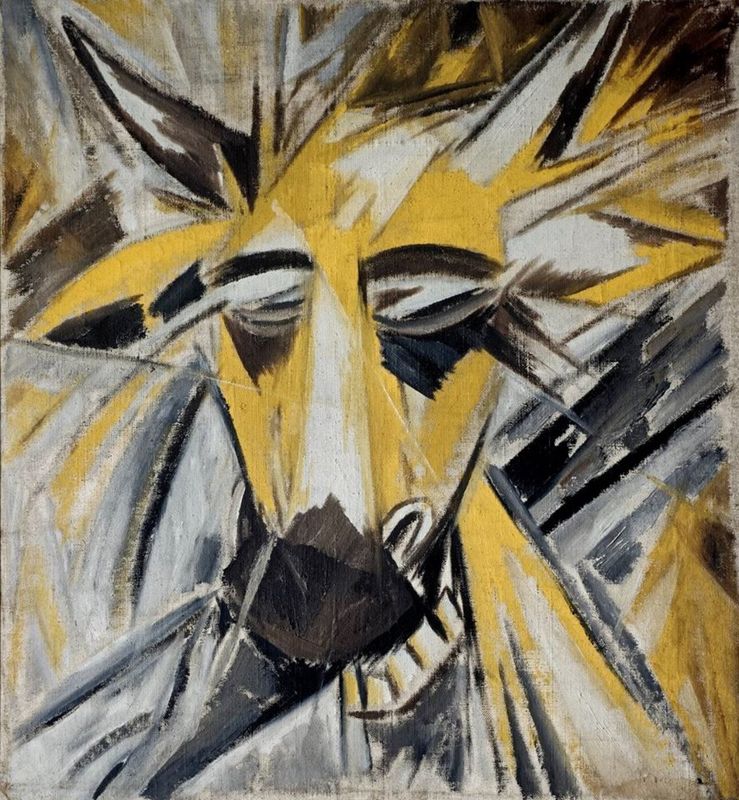
Bull's Head
Mikhail Larionov · 1913 · Tretyakov Gallery
 Same era · 1900s–1930s
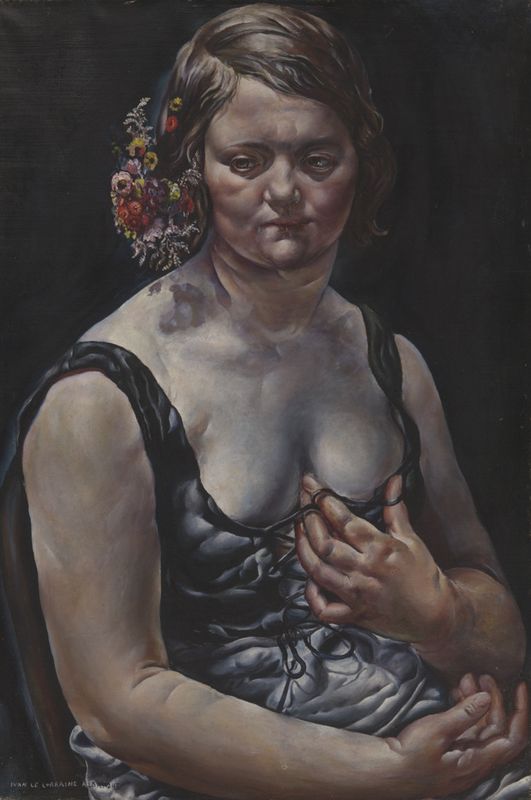
Memories of the Past
Ivan Puni · 1927 · Art Institute of Chicago
 Same era · 1900s–1930s
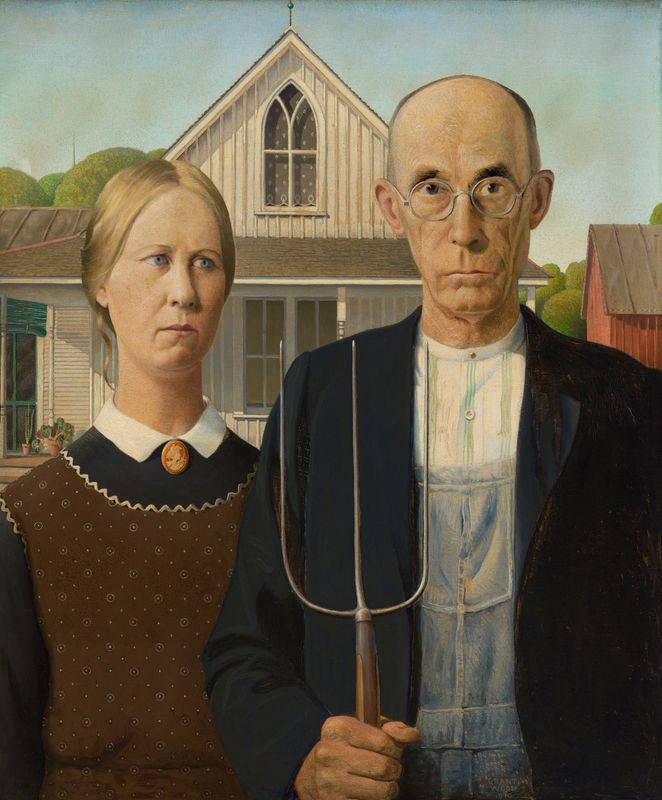
American Gothic
Okada Saburosuke · 1930 · Art Institute of Chicago
 Same era · 1900s–1930s
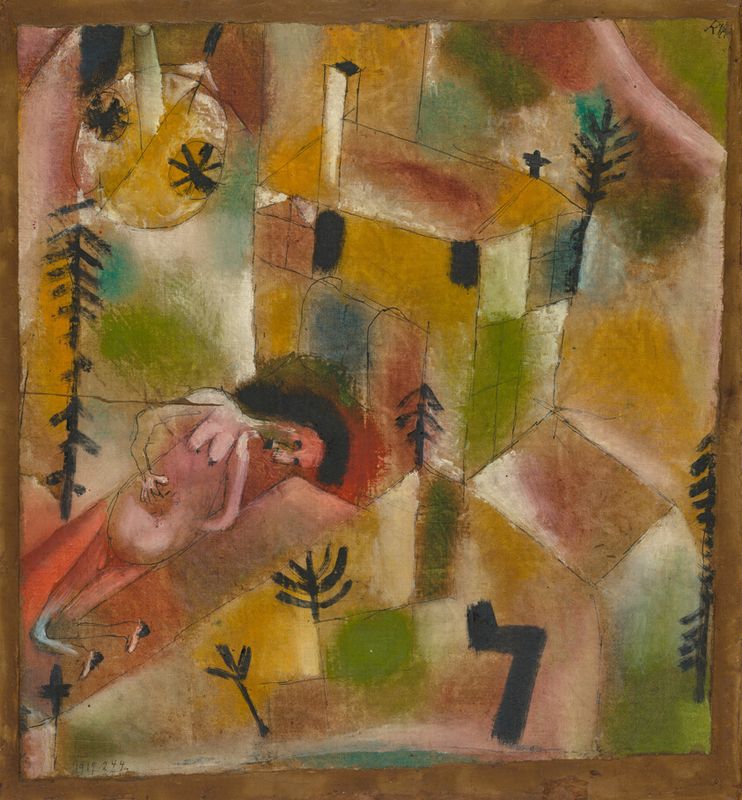
Death in the Garden (Legend)
Paul Klee · 1919 · Art Institute of Chicago
 Same era · 1900s–1930s
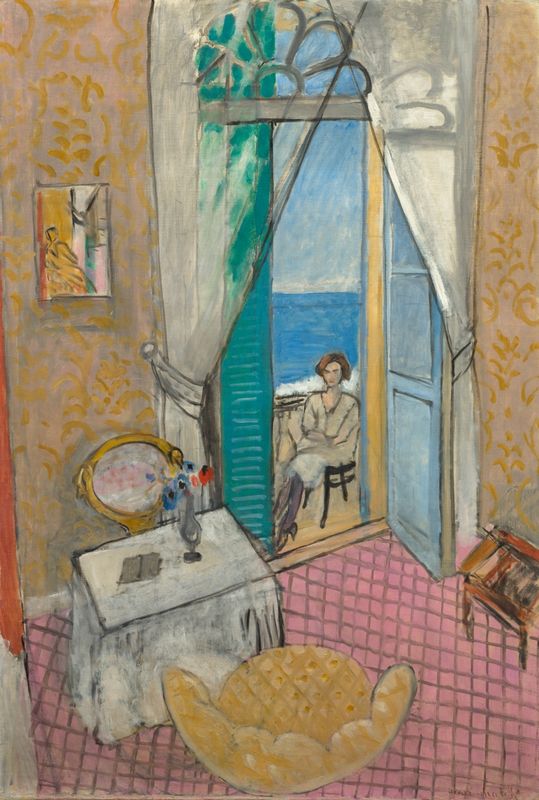
Interior at Nice
Henri Matisse · 1919 · Art Institute of Chicago
 Same era · 1900s–1930s
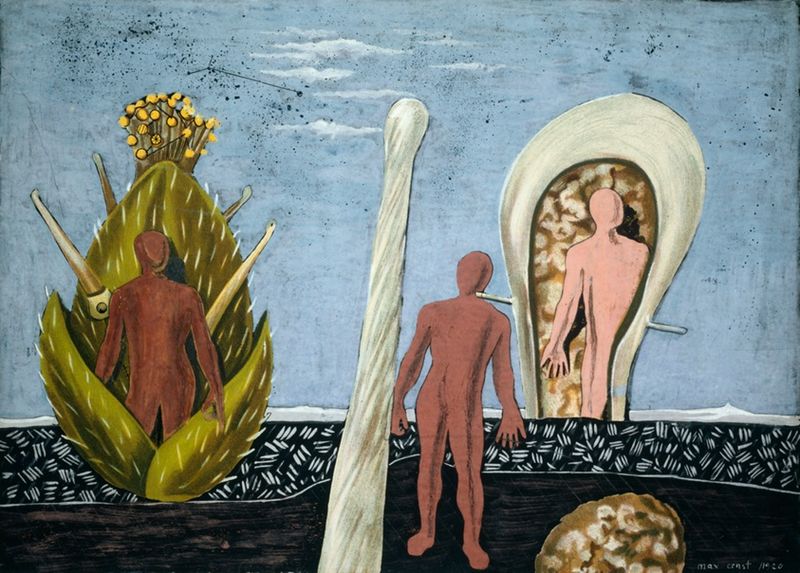
Dada Gauguin
Max Ernst · 1920 · Art Institute of Chicago
 Same era · 1900s–1930s
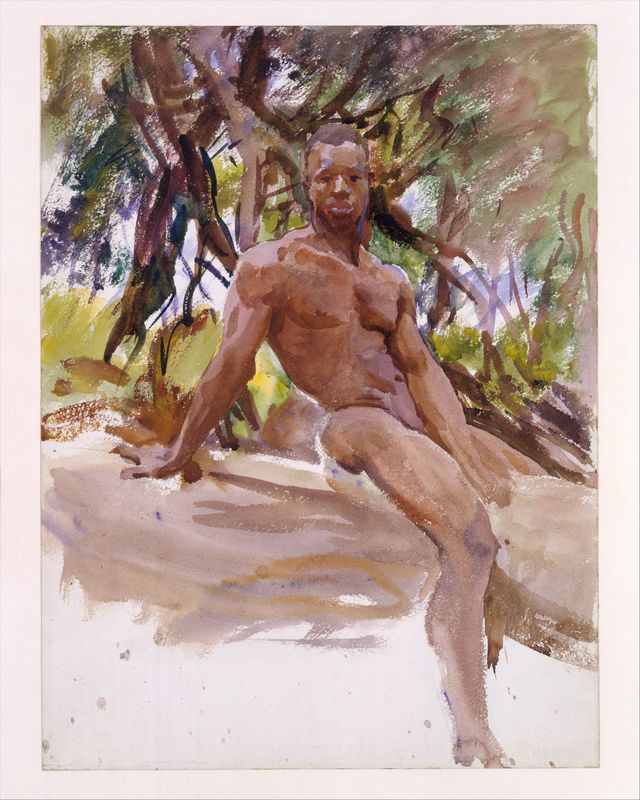
Man and Trees, Florida
John Singer Sargent · 1917 · The Metropolitan Museum of Art
 Same era · 1900s–1930s
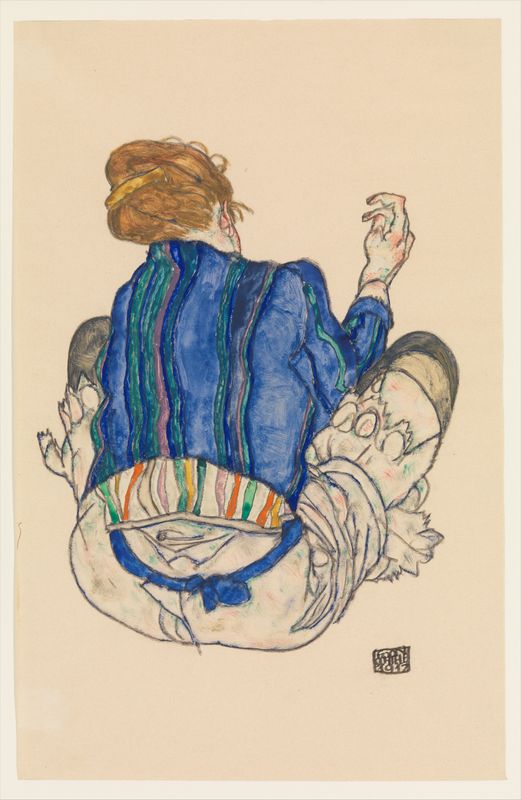
Seated Woman, Back View
Egon Schiele · 1917 · The Metropolitan Museum of Art
 Same era · 1900s–1930s
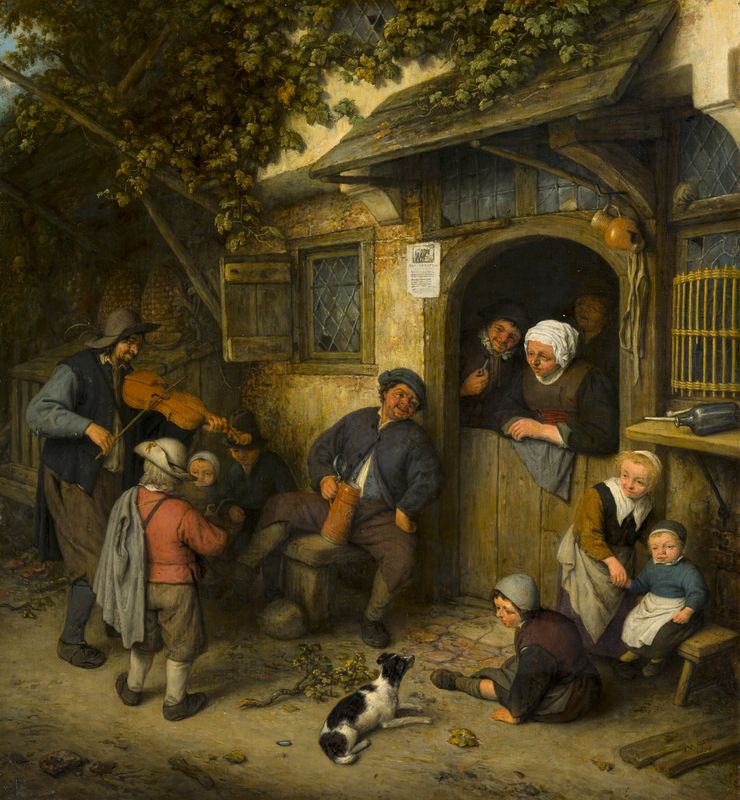
The Fiddler
Norman Rockwell · 1921 · Brandywine Museum of Art
 Same era · 1900s–1930s
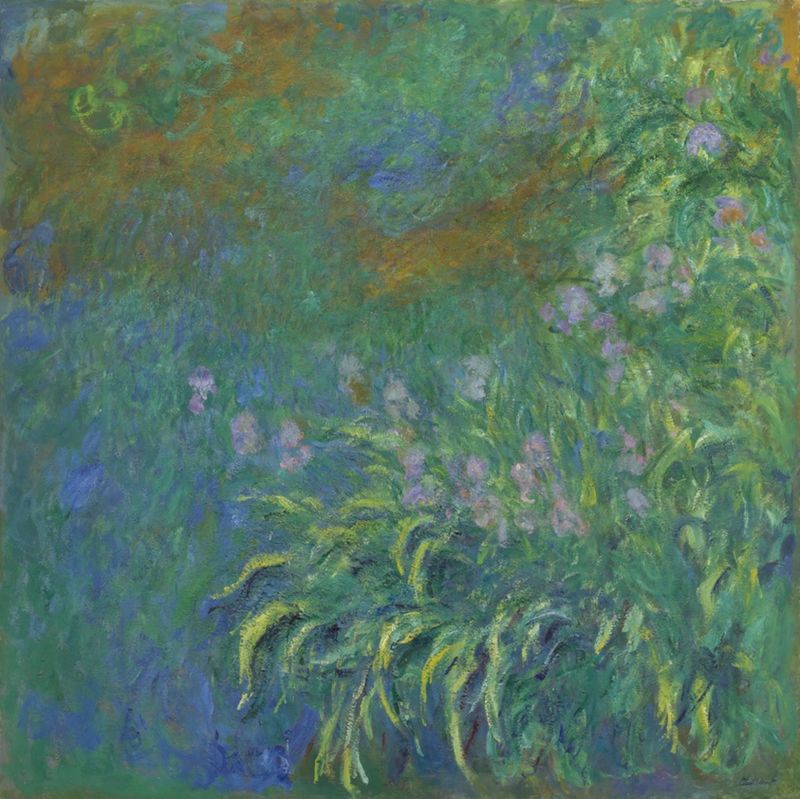
Irises
Claude Monet · 1915 · National Gallery