01
The resting face
Look at the tilted head, the lowered eyes and the faint smile. With only a few lines, the face reads as calm and tender.
1 of 5 on the painting
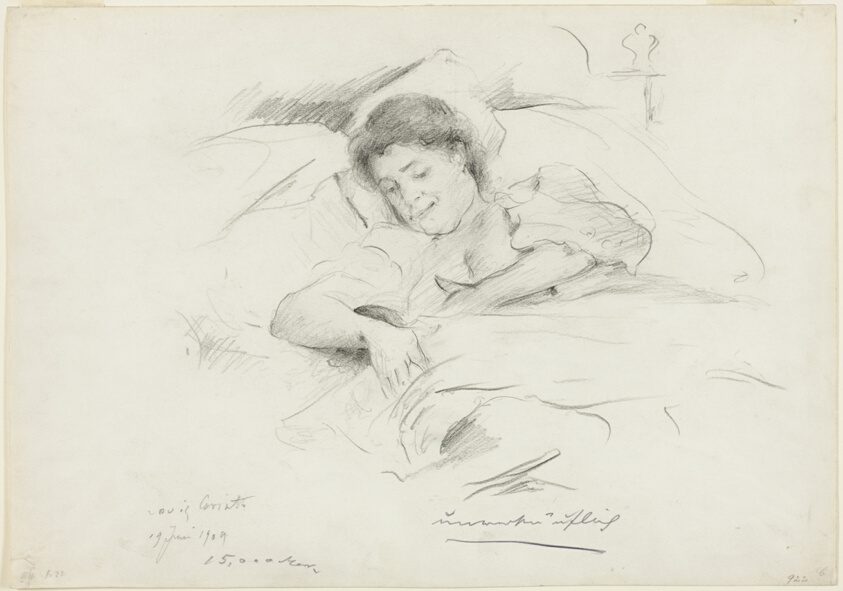
“Stop to appreciate this tender graphite drawing, a rare glimpse into the intimate, quiet moments of early motherhood, rendered with a sensitive hand and profound emotional depth.”
In this intimate graphite drawing, a mother, Charlotte, gently cradles her infant daughter, Wilhelmine, in what appears to be the immediate aftermath of childbirth. The title, "In Puerperium," refers to the six-week period following birth, a time of recovery and bonding. The scene is rendered with a tender realism, focusing on the quiet connection between mother and child. We see Charlotte's weary but loving gaze directed downward, her body still heavy from the recent ordeal, while Wilhelmine is a tiny, bundled presence, seemingly asleep against her mother's chest. The soft, almost ethereal quality of the graphite captures the hushed atmosphere, drawing attention to the delicate forms and emotional weight of the moment. This study was created by Ottilie Wilhelmine Roederstein in 1909, and the subject, Wilhelmine Corinth-Klopfer, later became the artist's daughter through adoption.
Five details hide in plain sight. Pick one and we’ll show you exactly where to look.
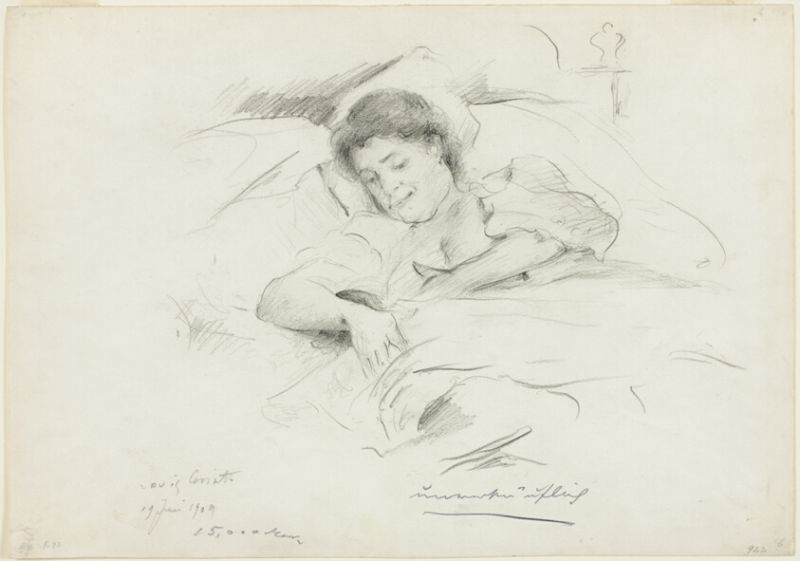
Look at the tilted head, the lowered eyes and the faint smile. With only a few lines, the face reads as calm and tender.
Behind the head, dense slanting strokes build a dark mass. It sets the face against the pillow and gives the pillow some depth.
The arm reaches down across the bedding, and the fingers are drawn with a few delicate lines. The hand looks loose and relaxed.
Around the shoulder and chest, quick scribbled strokes and sharp dark accents suggest frilly fabric without outlining every fold.
Across the lower half, the bedding is described with a few long, light curves and one dark patch. The bare paper stands in for the pale covers.
The full narration walks you through Study for In Puerperium: Charlotte with Wilhelmine — the story behind it, the details most visitors miss, and why it matters. Free in the Art Whisper app.
Ottilie Wilhelmine Roederstein, a German-Swiss painter, defied social norms to become a celebrated portraitist, exhibiting at the 1893 World's Columbian Exposition.
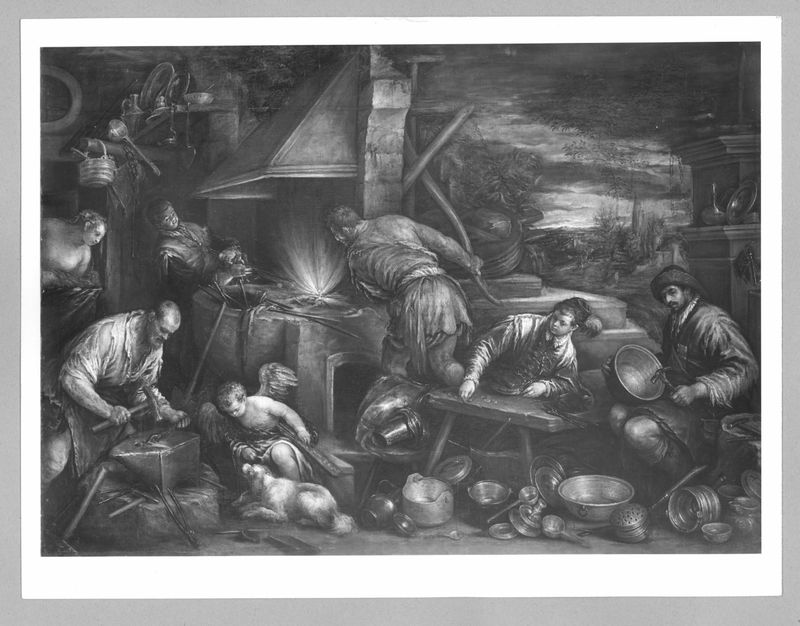 The Forge of Vulcan
1919 · Art Institute of Chicago
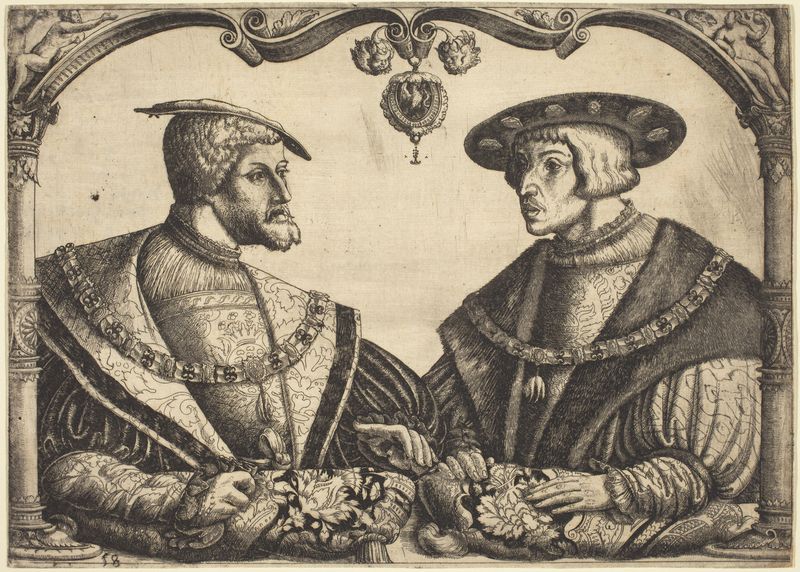 Emperors Charles V and Ferdinand I
Art Institute of Chicago
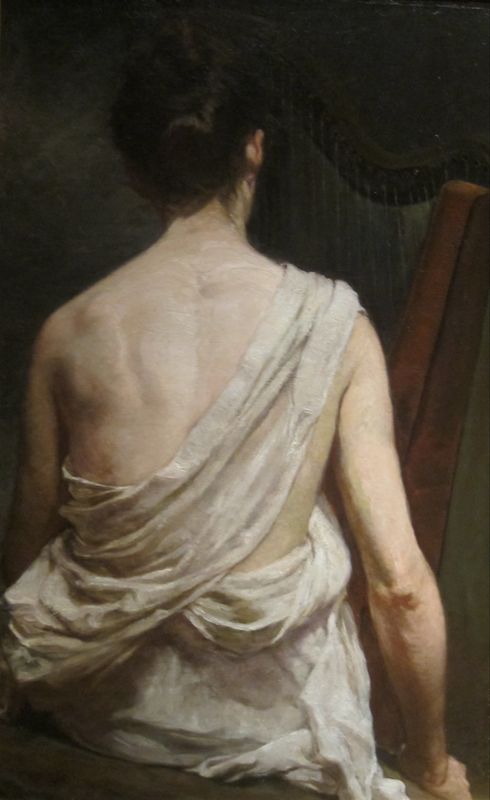 Woman with a Harp
Art Institute of Chicago
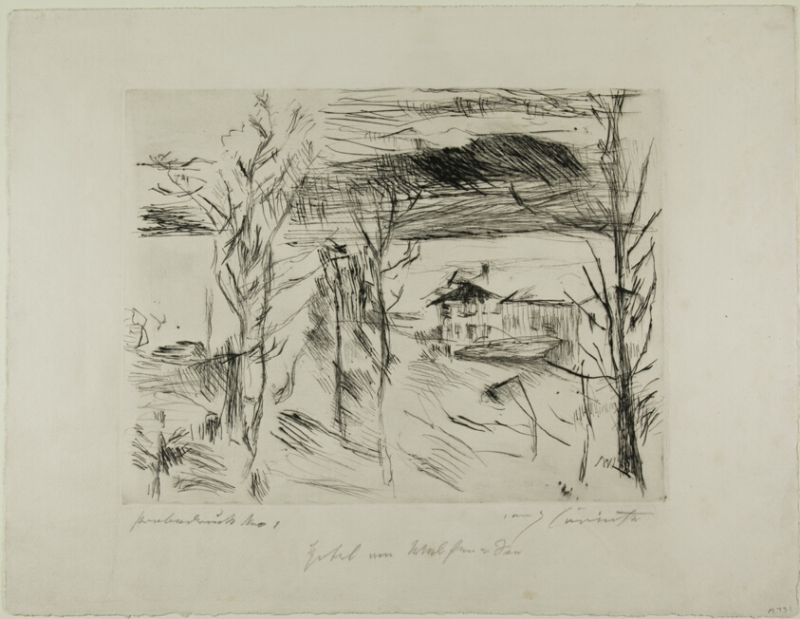 Hotel by the Walchensee, from The Walchensee
1920 · Art Institute of Chicago
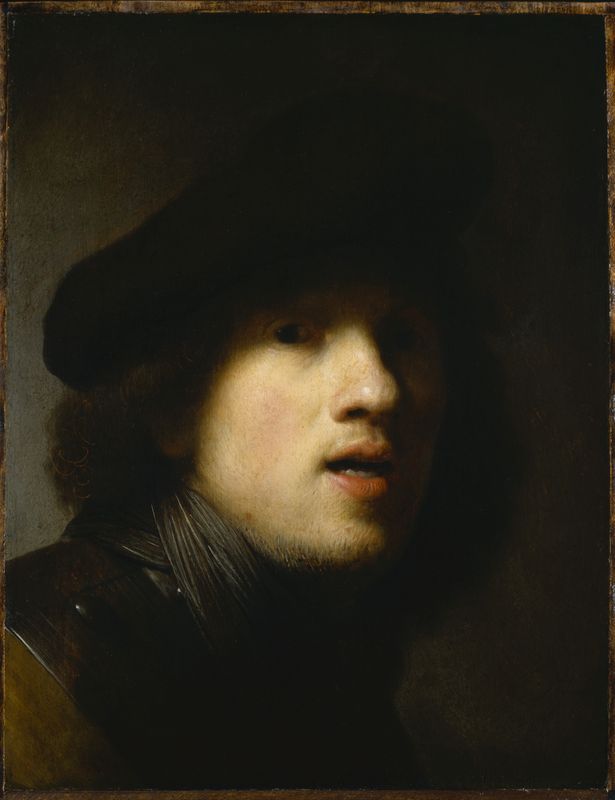 Self-Portrait
1920 · Art Institute of Chicago
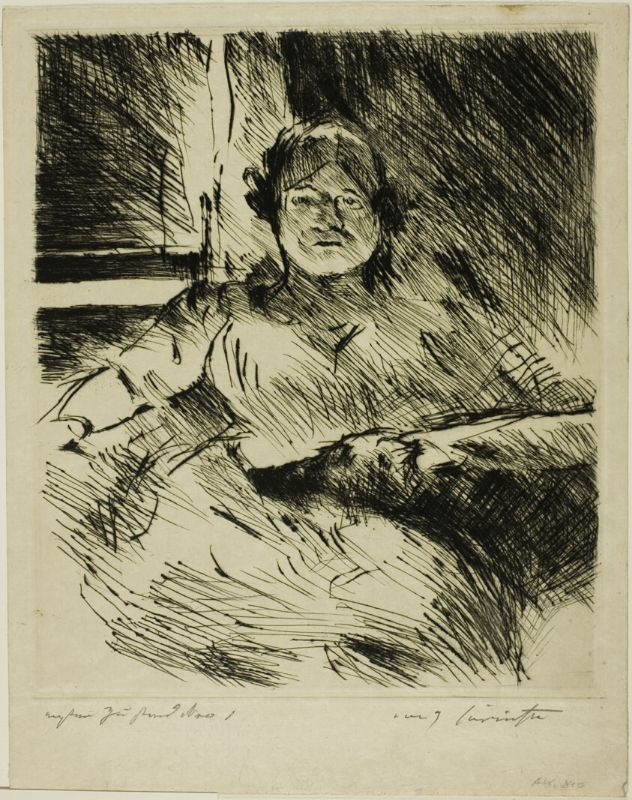 Wilhelmine in a Bathing Costume
1924 · Art Institute of Chicago
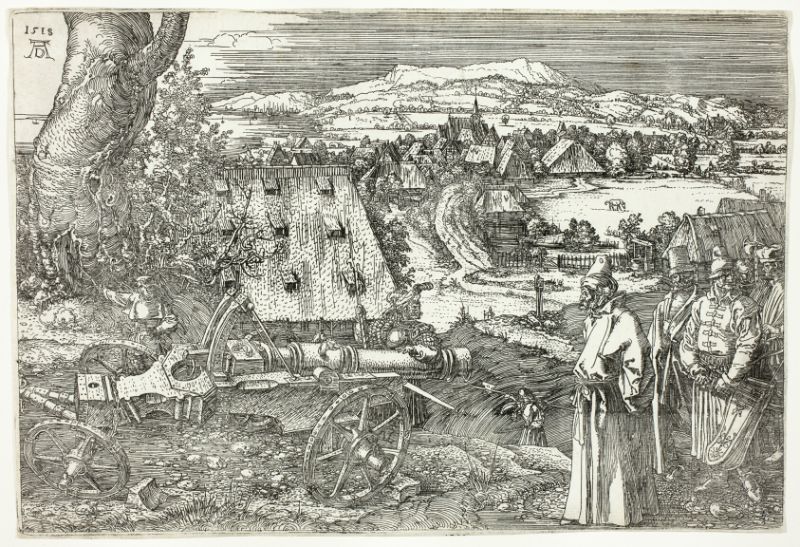 Landscape with Cannon (The Great Cannon)
Art Institute of Chicago
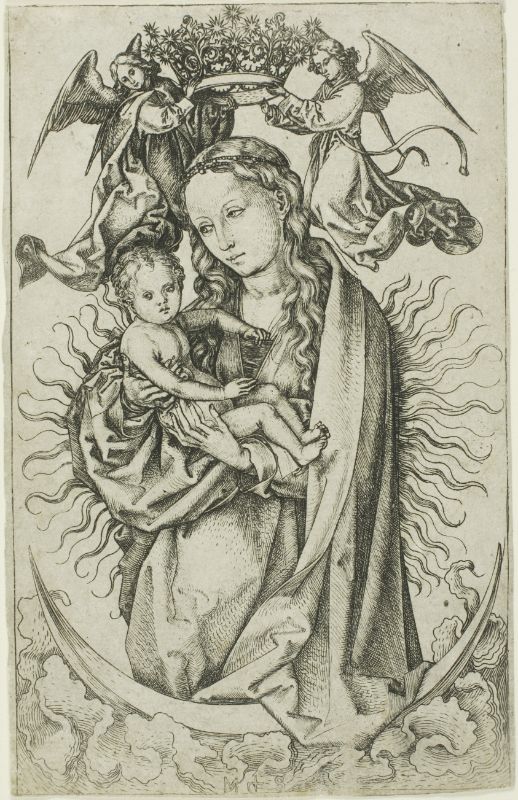 The Madonna on the Crescent Crowned by Two Angels
Art Institute of Chicago
Beyond Roederstein: works from the same years.
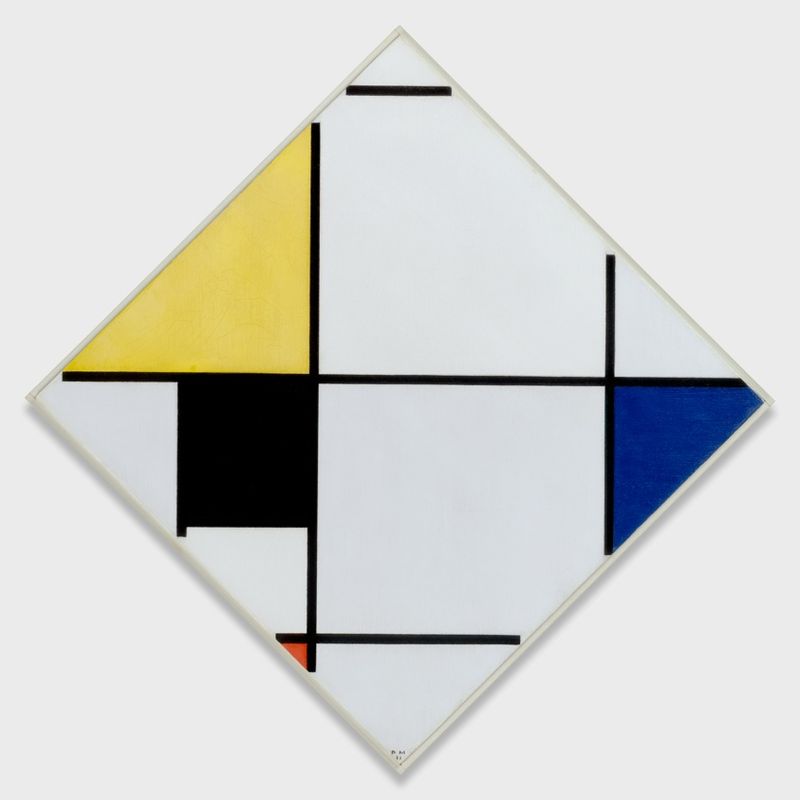 Same era · 1890s–1920s
Lozenge Composition with Yellow, Black, Blue, Red, and Gray
Piet Mondrian · 1921 · Art Institute of Chicago
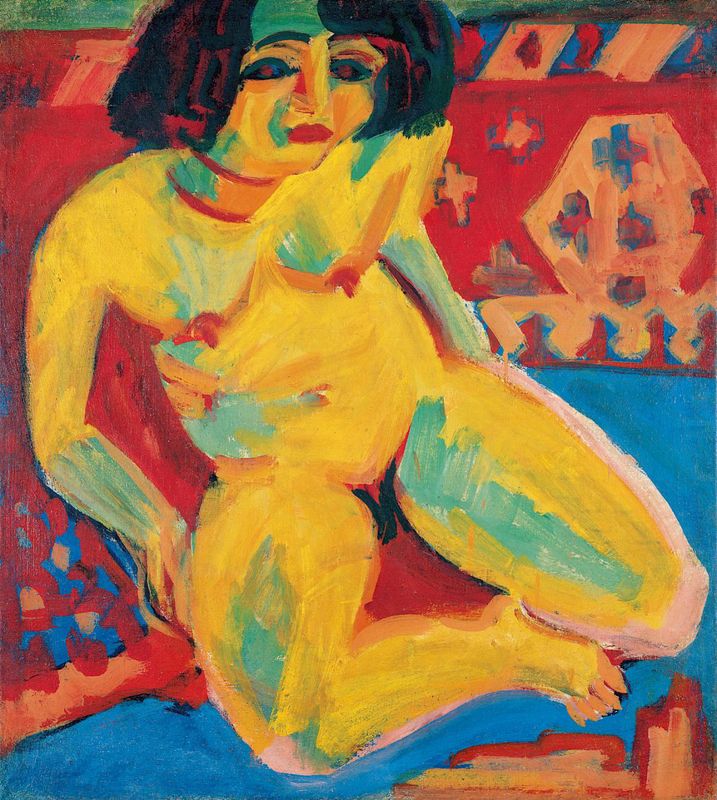 Same era · 1890s–1920s
Female Nude (Dodo)
Ernst Ludwig Kirchner · 1909 · Albertina
 Same era · 1890s–1920s
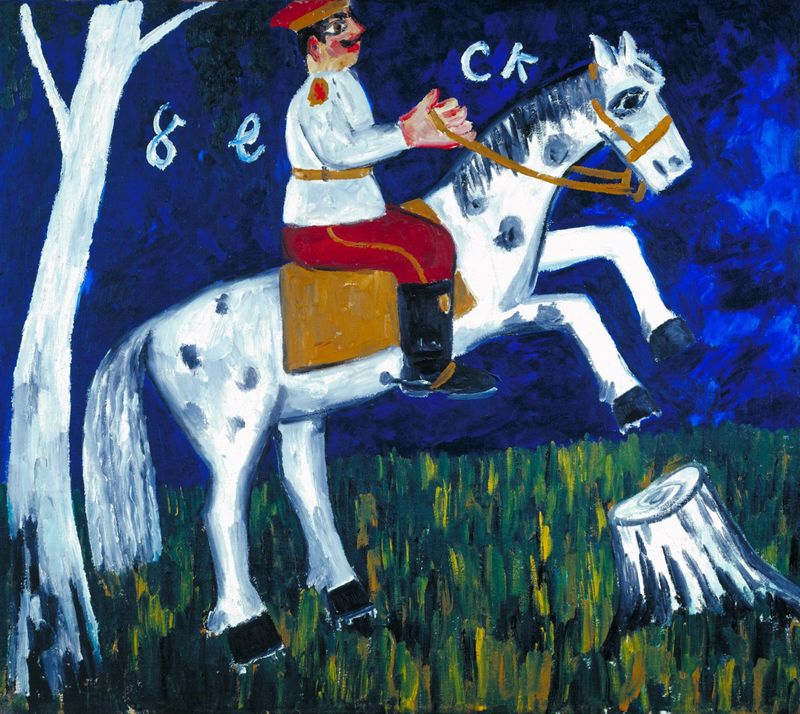
Soldier on a Horse
Mikhail Larionov · 1911 · Tate
 Same era · 1890s–1920s
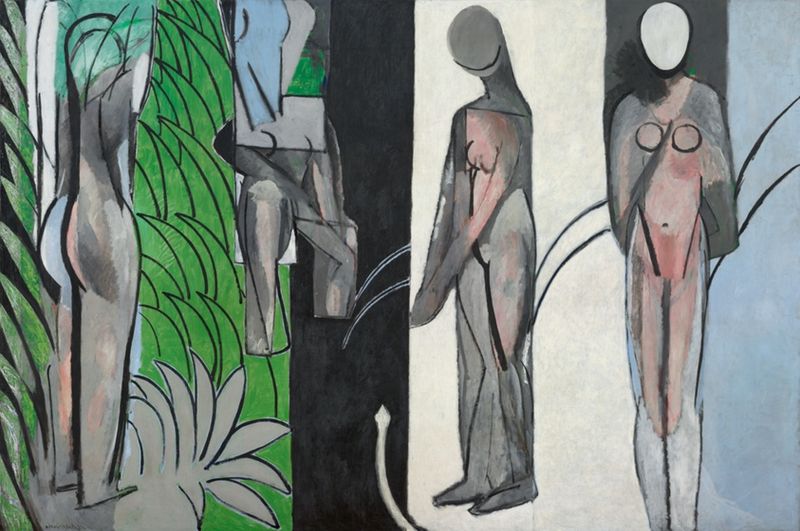
Bathers by a River
Henri Matisse · 1909 · Art Institute of Chicago
 Same era · 1890s–1920s
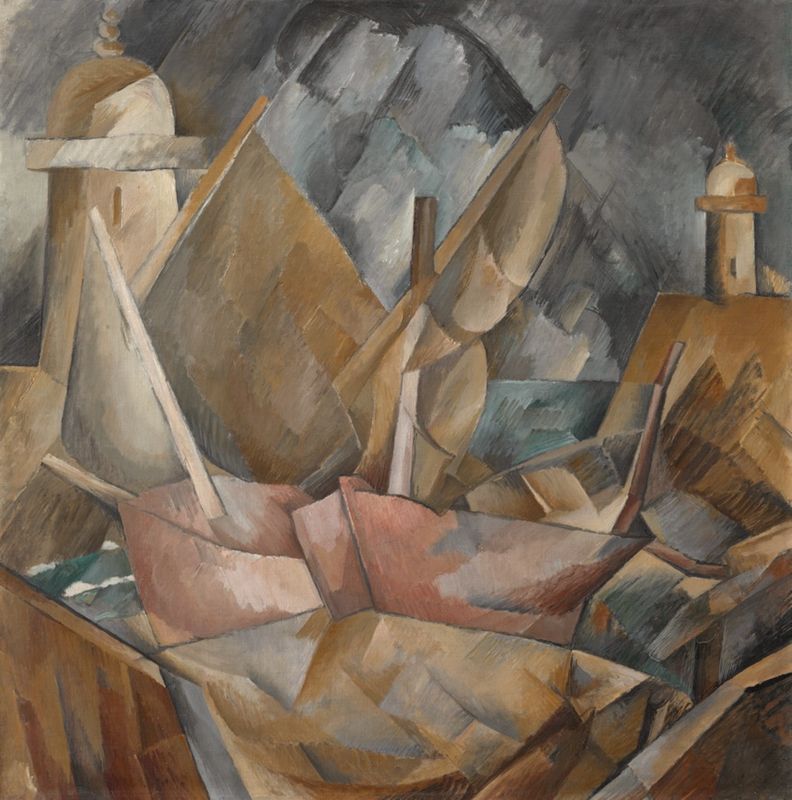
Little Harbor in Normandy
Georges Braque · 1909 · Art Institute of Chicago
 Same era · 1890s–1920s
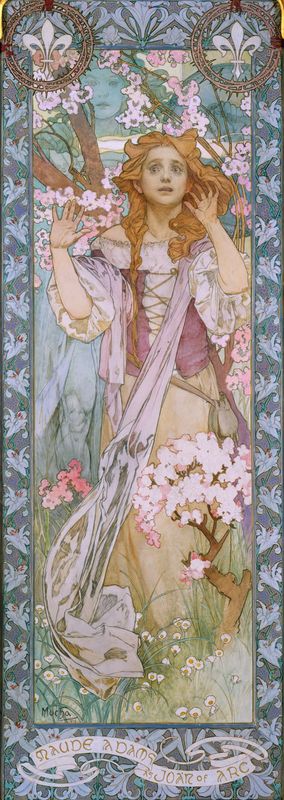
Maude Adams (1872–1953) as Joan of Arc
Alphonse Mucha · 1909 · The Metropolitan Museum of Art
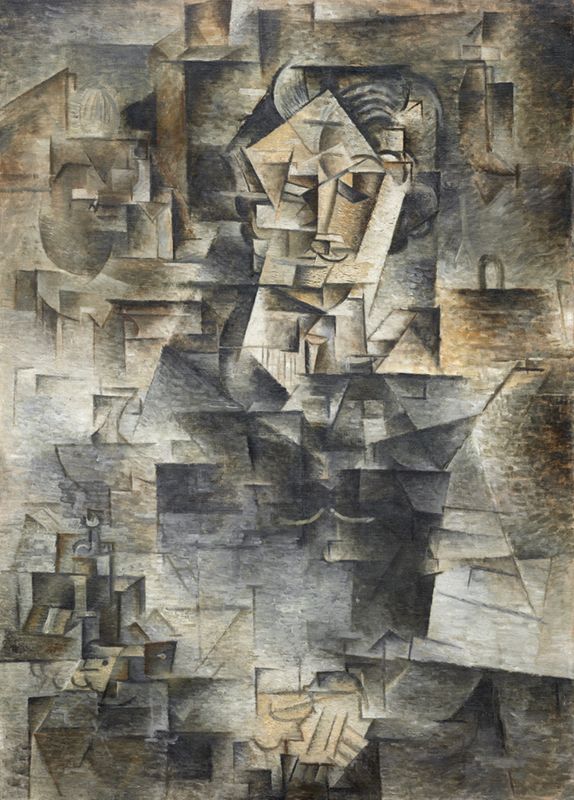 Same era · 1890s–1920s
Daniel-Henry Kahnweiler
Pablo Picasso · 1910 · Art Institute of Chicago
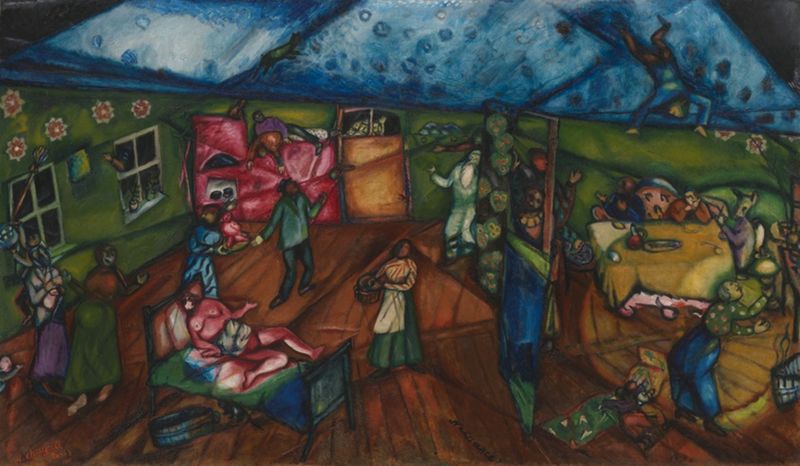 Same era · 1890s–1920s
Birth
Marc Chagall · 1911 · Art Institute of Chicago
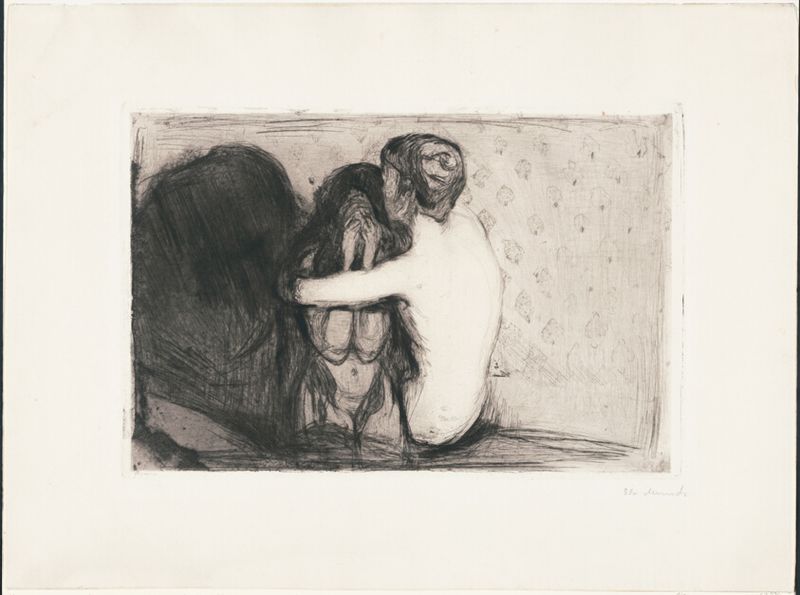 Same era · 1890s–1920s
Consolation
Edvard Munch · 1907 · Munch Museum
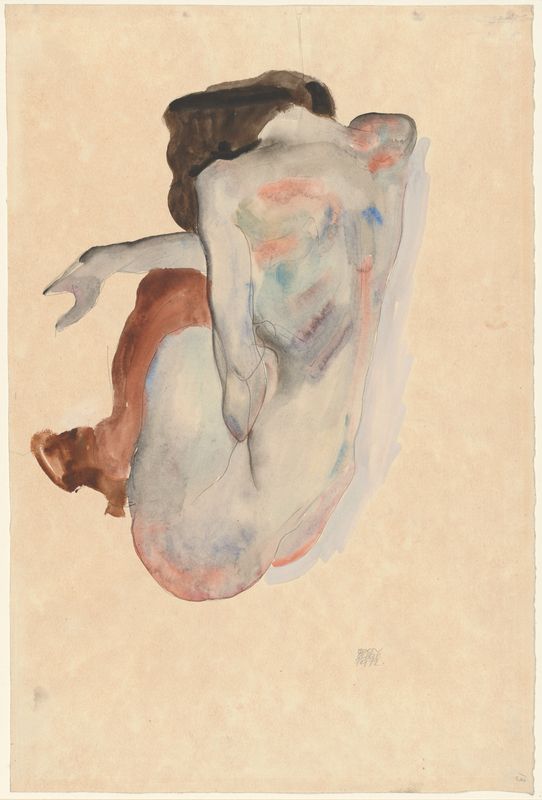 Same era · 1890s–1920s
Crouching Nude in Shoes and Black Stockings, Back View
Egon Schiele · 1912 · The Metropolitan Museum of Art
 Same era · 1890s–1920s
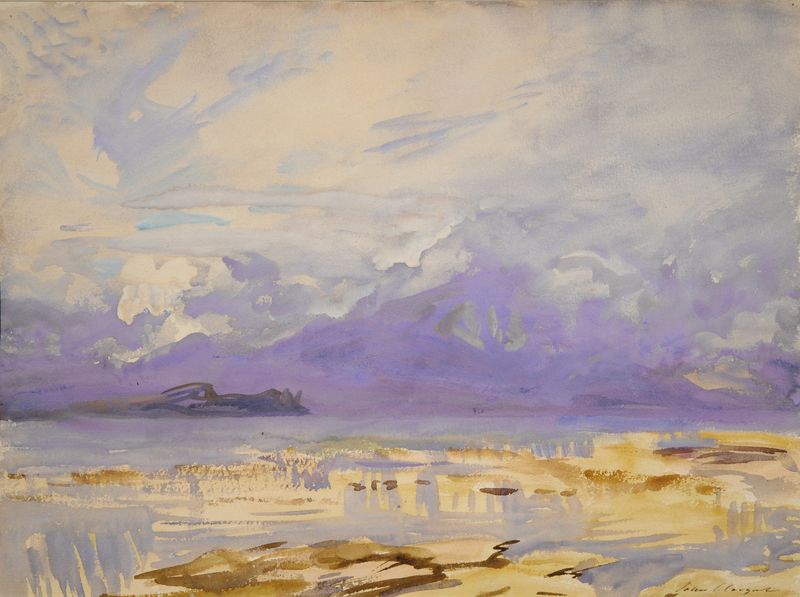
Sirmione
John Singer Sargent · 1913 · The Metropolitan Museum of Art
 Same era · 1890s–1920s
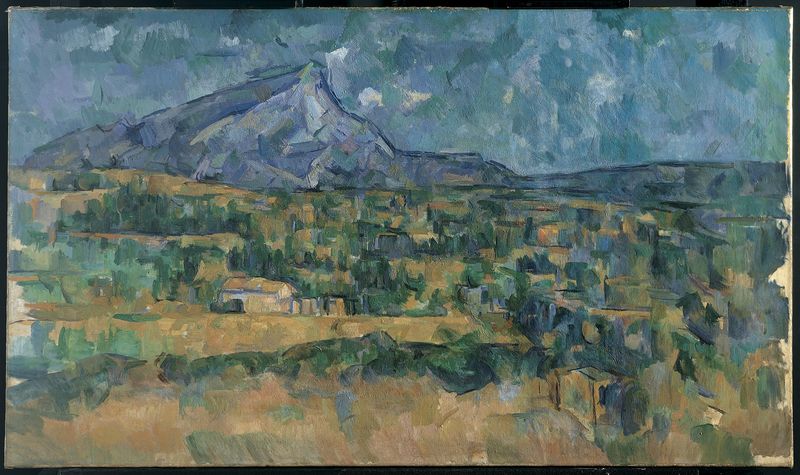
Mont Sainte-Victoire
Paul Cézanne · 1904 · Detroit Institute of Arts
