
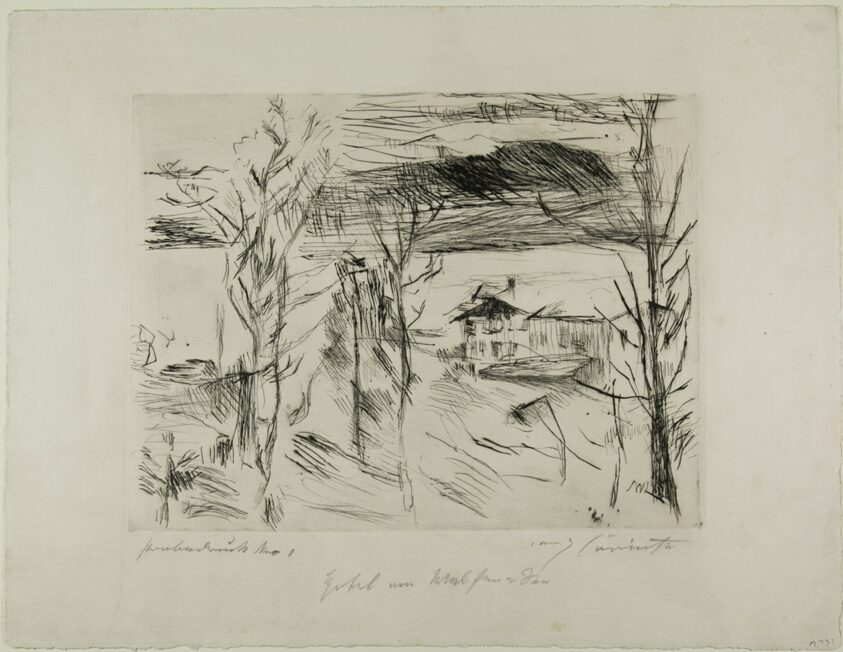
“This drypoint print by Ottilie Wilhelmine Roederstein offers a serene glimpse of a hotel by the Walchensee, capturing a moment of post-war tranquility through delicate lines and soft reflections. It's a beautiful example of how printmaking can evoke atmosphere and a sense of place.”
In this drypoint print, a stately hotel sits nestled by the tranquil Walchensee, its reflection gently rippling on the water's surface. The artist, Ottilie Wilhelmine Roederstein, captures the serene beauty of the Bavarian landscape with delicate lines and subtle tonal variations. The building, with its many windows, suggests a bustling yet peaceful retreat, a common theme in early 20th-century European art that romanticized nature and leisure. The surrounding hills rise softly, framing the lake and the hotel, creating a sense of quiet grandeur. This work, created in 1920, reflects a moment of calm and introspection after the turmoil of World War I, offering viewers an escape into an idyllic scene. The choice of drypoint, a technique that allows for rich, velvety lines, enhances the atmospheric quality of the print, making the light and shadow particularly evocative.
- Artist
- Ottilie Wilhelmine Roederstein
- Date
- 1920
- Medium
- Drypoint on paper
- Location
- Art Institute of Chicago
- Dimensions
- Plate: 24.5 × 32.5 cm (9 11/16 × 12 13/16 in.); Sheet: 47 × 36 cm (18 9/16 × 14 3/16 in.)
- Collection
- Prints and Drawings
- Culture
- Germany
- Credit line
- Edna Wilhelmine Rose Fund
What to Notice
Five details hide in plain sight. Here’s where to look.
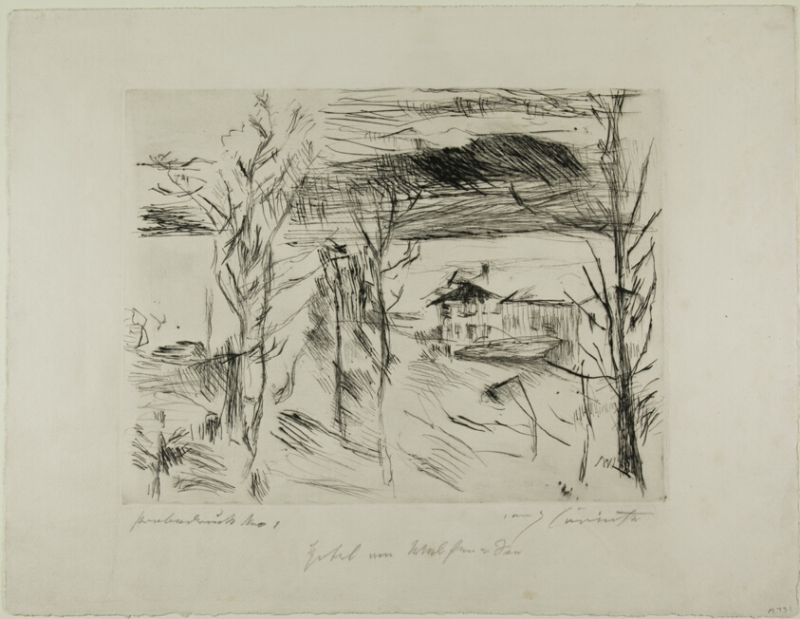
The subtle reflections of the hotel and trees on the lake's surface.
The delicate cross-hatching and lines that create texture in the hills.
The numerous small windows of the hotel, suggesting its scale.
The way the distant mountains fade into a hazy background.
1 more detail is waiting.
See all 5 in Art Whisper →Stand in front of it and listen
The full narration walks you through Hotel by the Walchensee, from The Walchensee — the story behind it, the details most visitors miss, and why it matters. Free in the Art Whisper app.
Ottilie Wilhelmine Roederstein
1859–1937 · SwitzerlandOttilie Wilhelmine Roederstein, a German-Swiss painter, defied social norms to become a celebrated portraitist, exhibiting at the 1893 World's Columbian Exposition.
Further Works by Roederstein
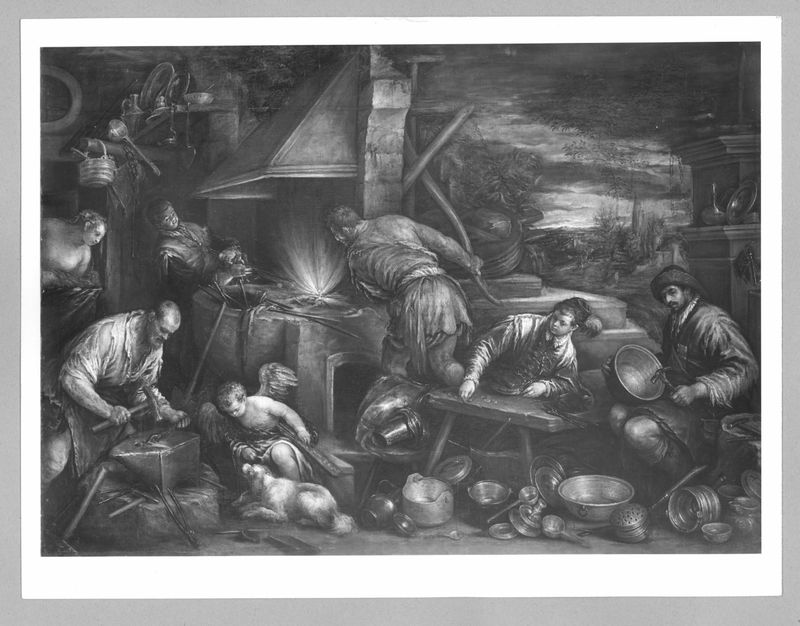 The Forge of Vulcan
1919 · Art Institute of Chicago
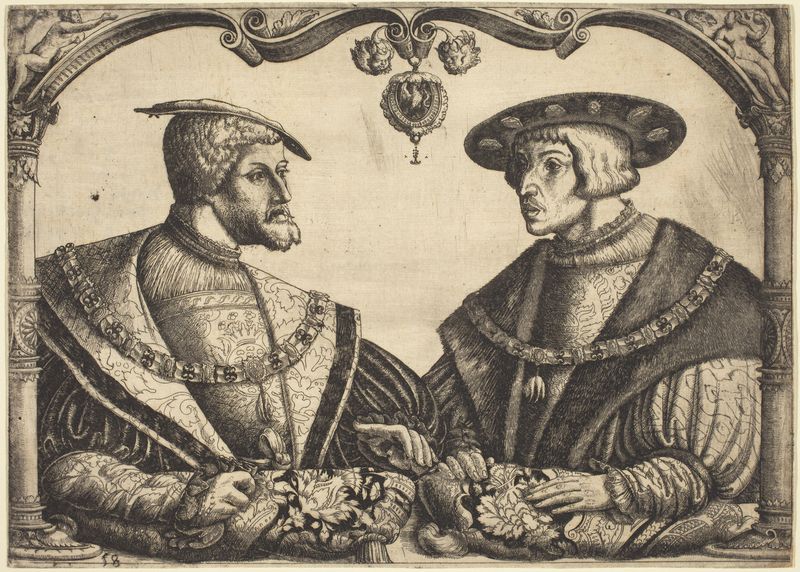 Emperors Charles V and Ferdinand I
Art Institute of Chicago
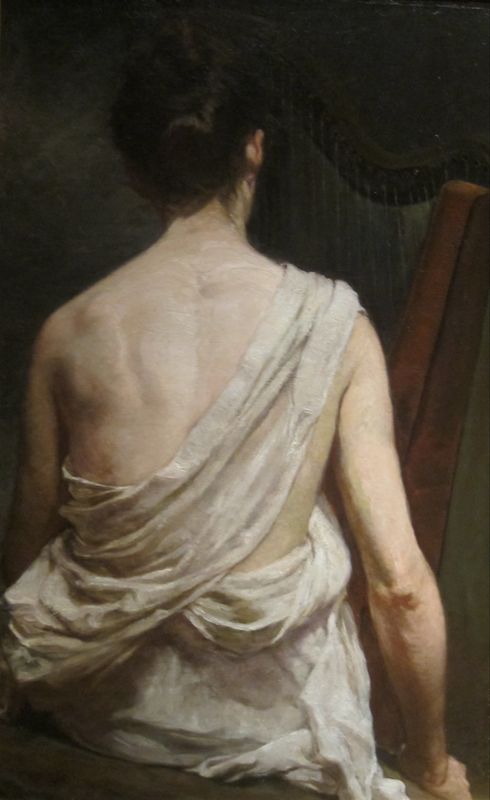 Woman with a Harp
Art Institute of Chicago
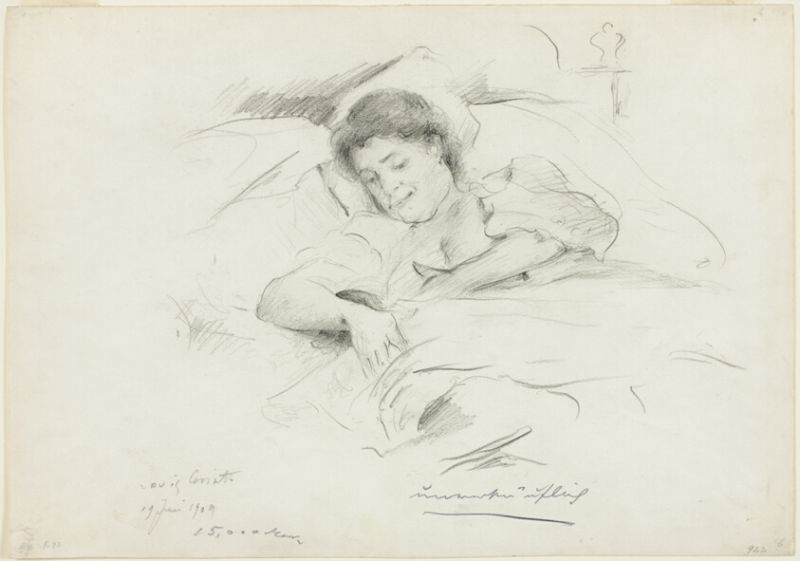 Study for In Puerperium: Charlotte with Wilhelmine
1909 · Art Institute of Chicago
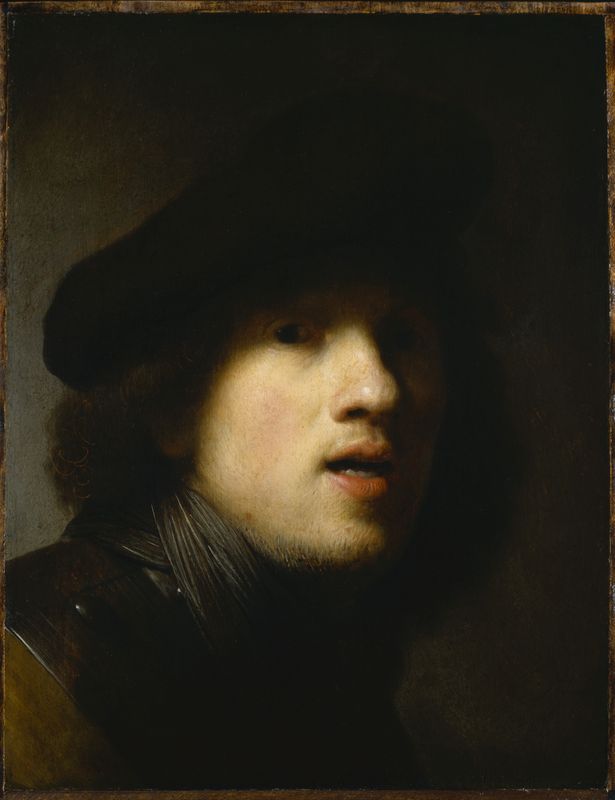 Self-Portrait
1920 · Art Institute of Chicago
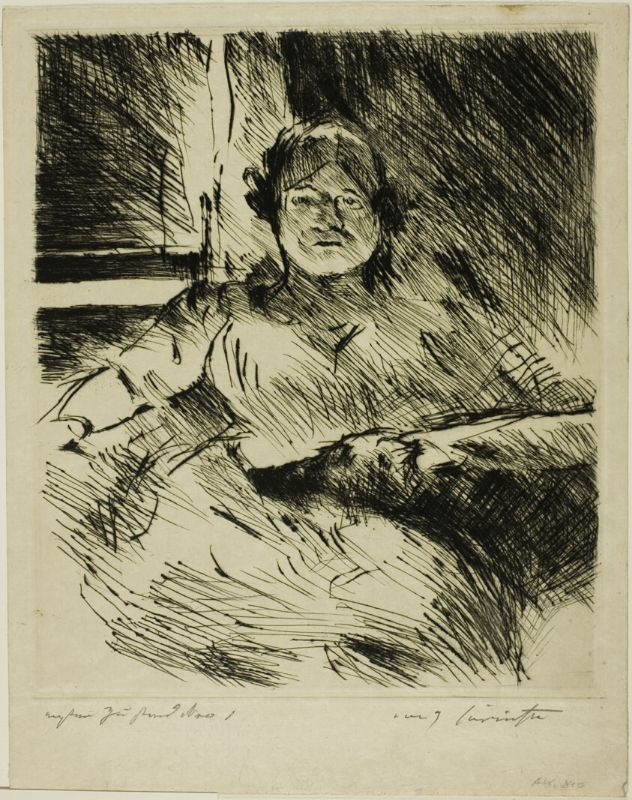 Wilhelmine in a Bathing Costume
1924 · Art Institute of Chicago
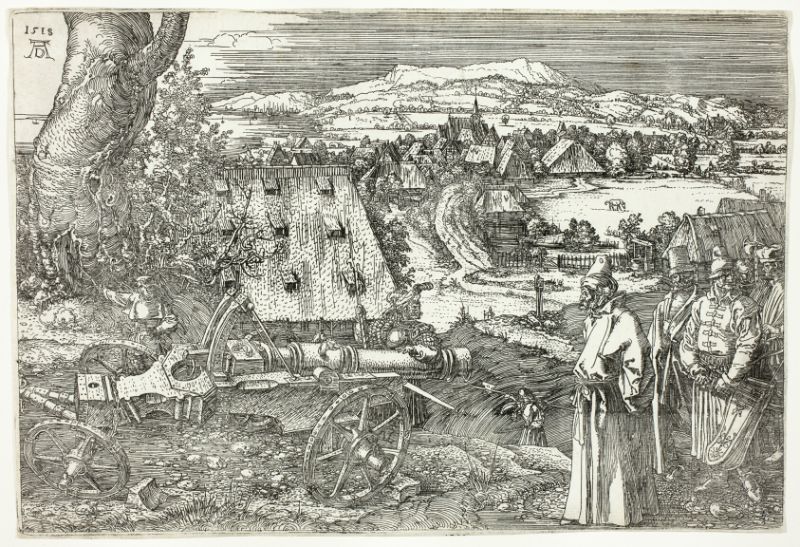 Landscape with Cannon (The Great Cannon)
Art Institute of Chicago
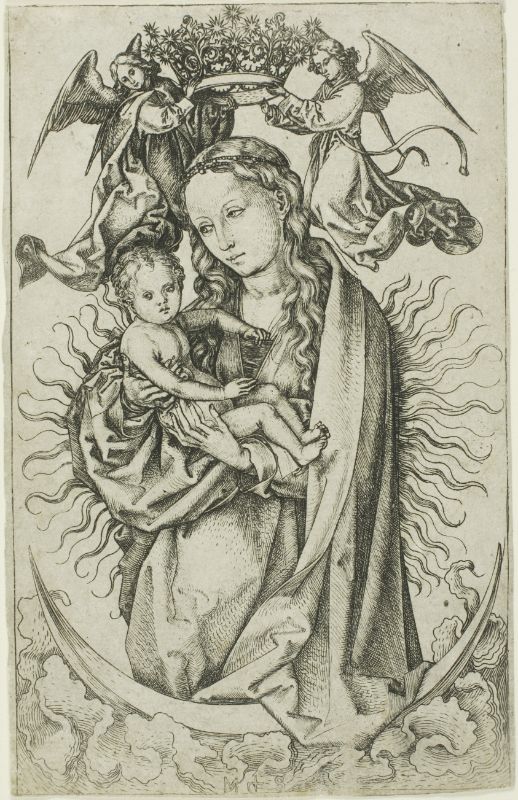 The Madonna on the Crescent Crowned by Two Angels
Art Institute of Chicago
More works to explore
Beyond Roederstein: works from the same years.
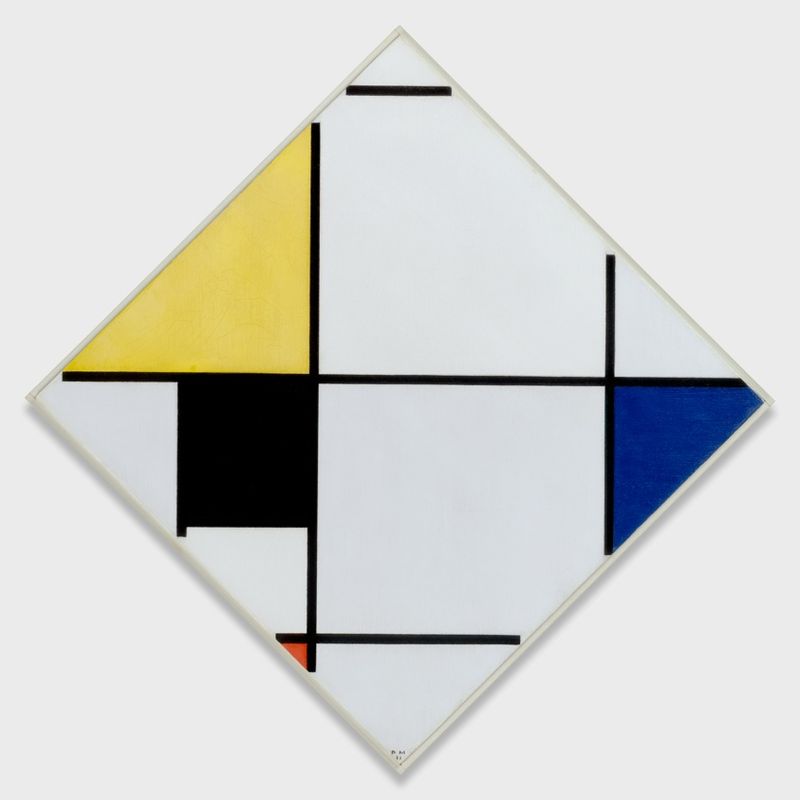 Same era · 1900s–1930s
Lozenge Composition with Yellow, Black, Blue, Red, and Gray
Piet Mondrian · 1921 · Art Institute of Chicago
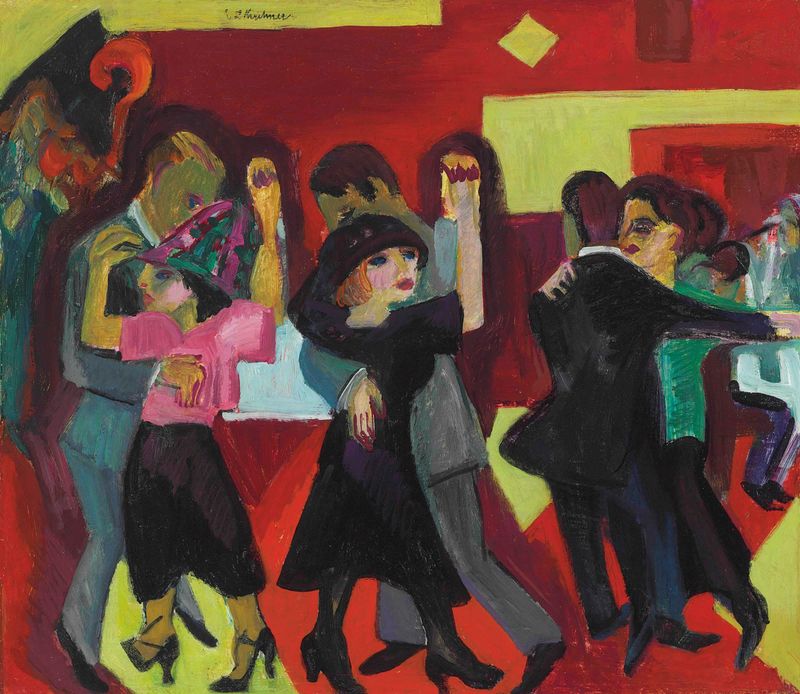 Same era · 1900s–1930s
Tangotee
Ernst Ludwig Kirchner · 1920
 Same era · 1900s–1930s
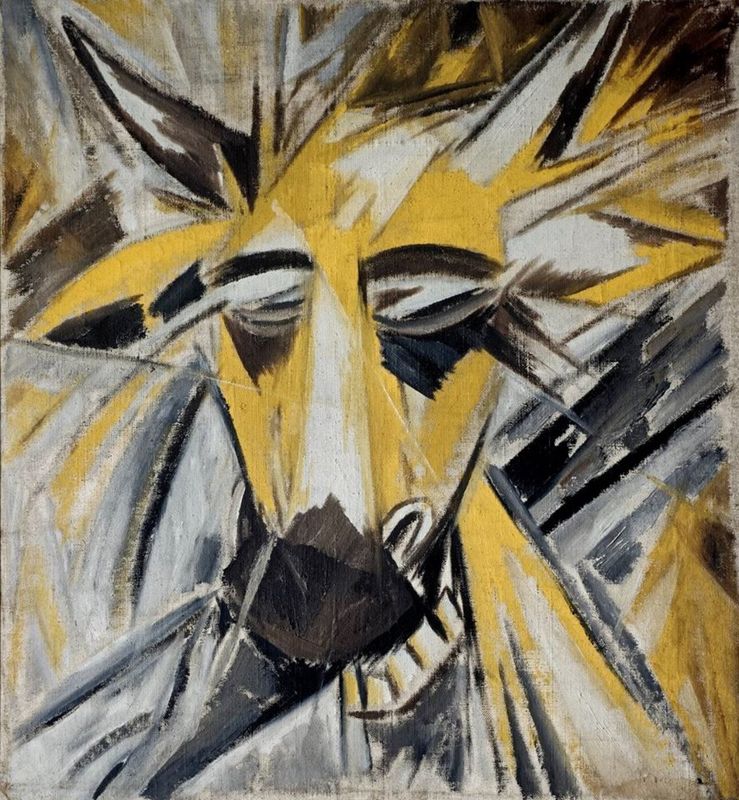
Bull's Head
Mikhail Larionov · 1913 · Tretyakov Gallery
 Same era · 1900s–1930s
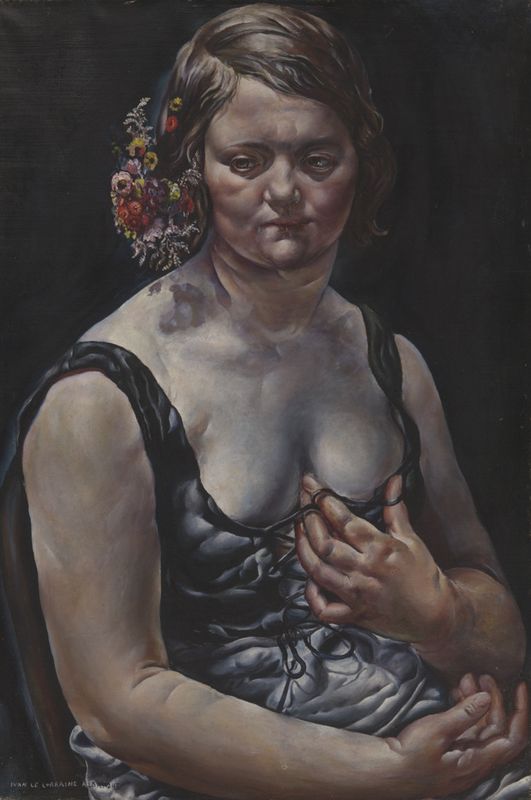
Memories of the Past
Ivan Puni · 1927 · Art Institute of Chicago
 Same era · 1900s–1930s
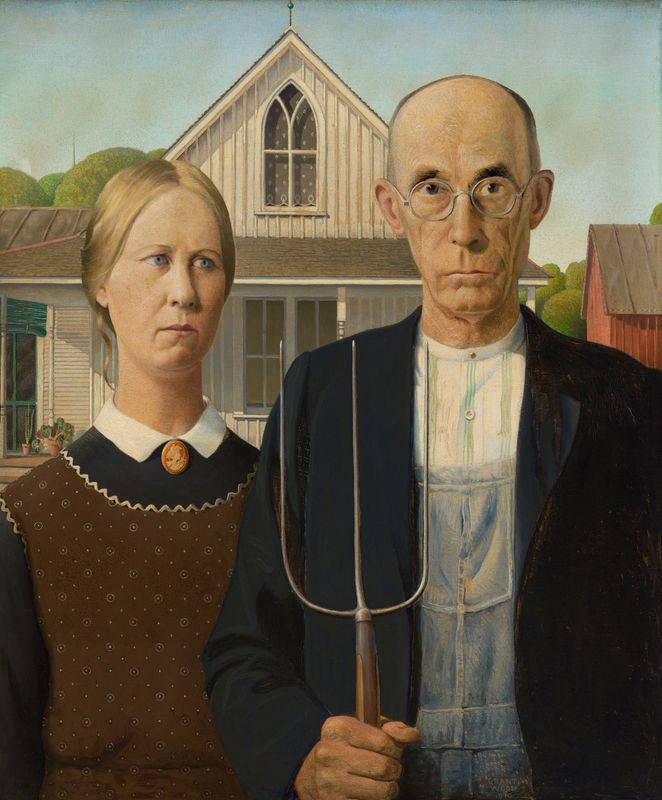
American Gothic
Okada Saburosuke · 1930 · Art Institute of Chicago
 Same era · 1900s–1930s
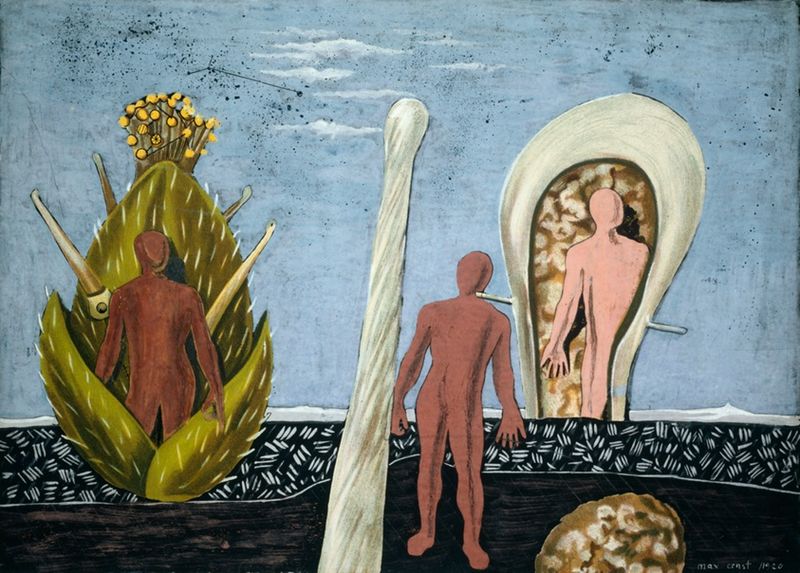
Dada Gauguin
Max Ernst · 1920 · Art Institute of Chicago
 Same era · 1900s–1930s
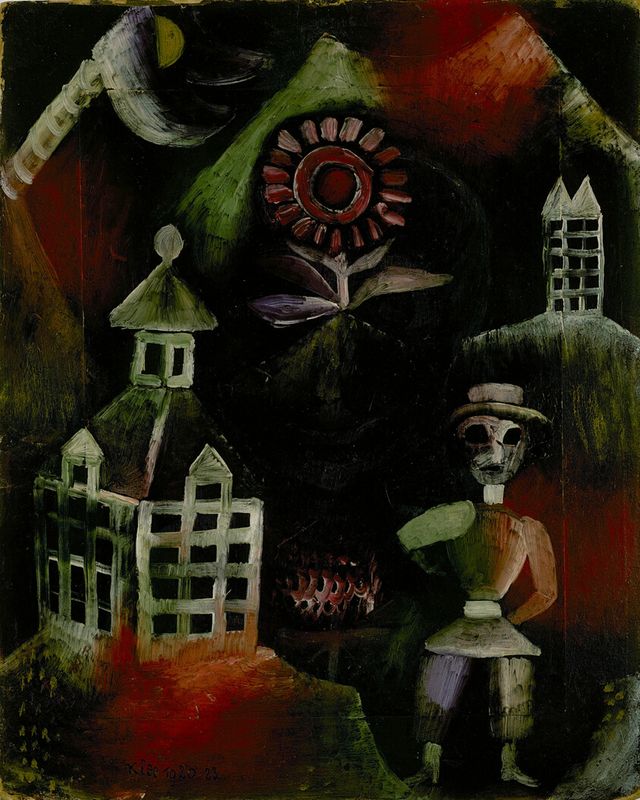
Schoolhouse
Paul Klee · 1920 · Art Institute of Chicago
 Same era · 1900s–1930s
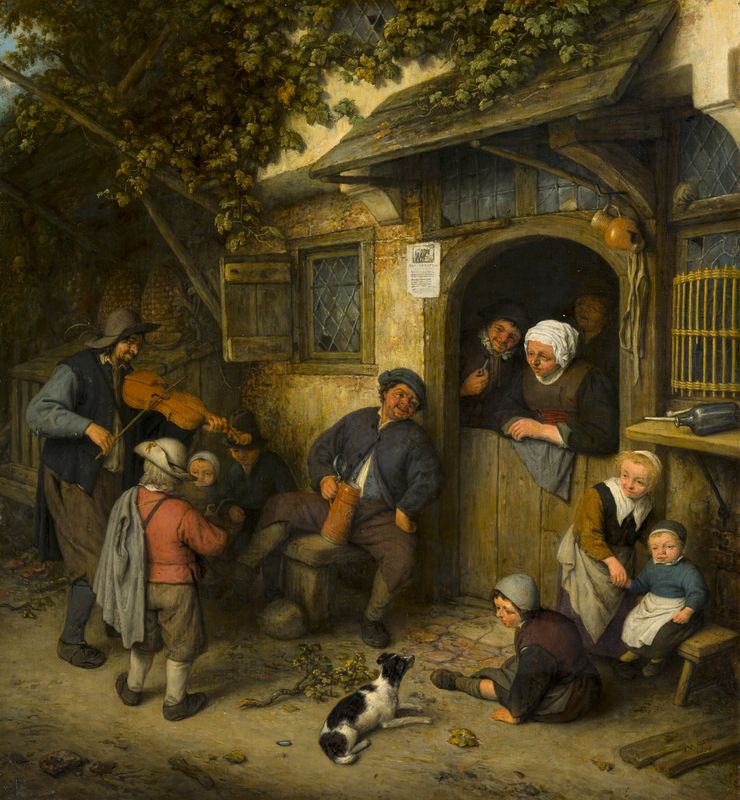
The Fiddler
Norman Rockwell · 1921 · Brandywine Museum of Art
 Same era · 1900s–1930s
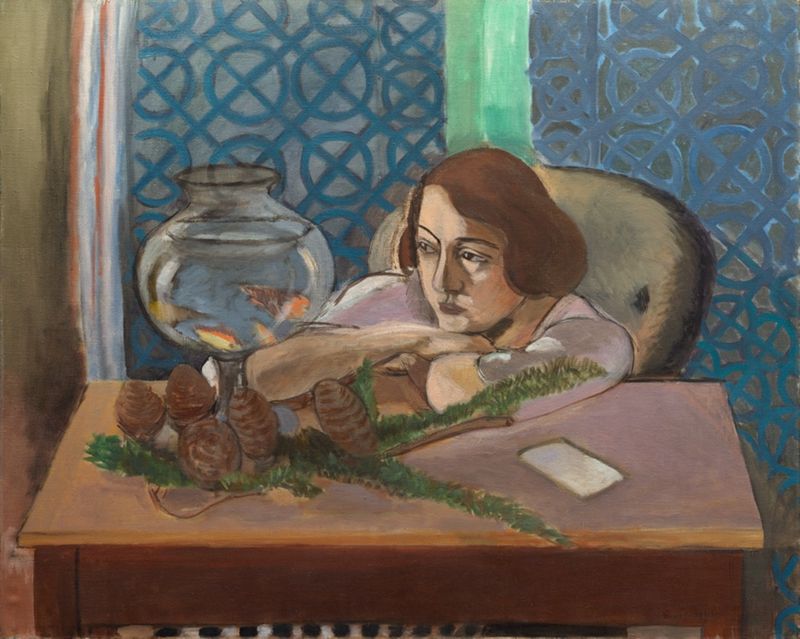
Woman before an Aquarium
Henri Matisse · 1921 · Art Institute of Chicago
 Same era · 1900s–1930s
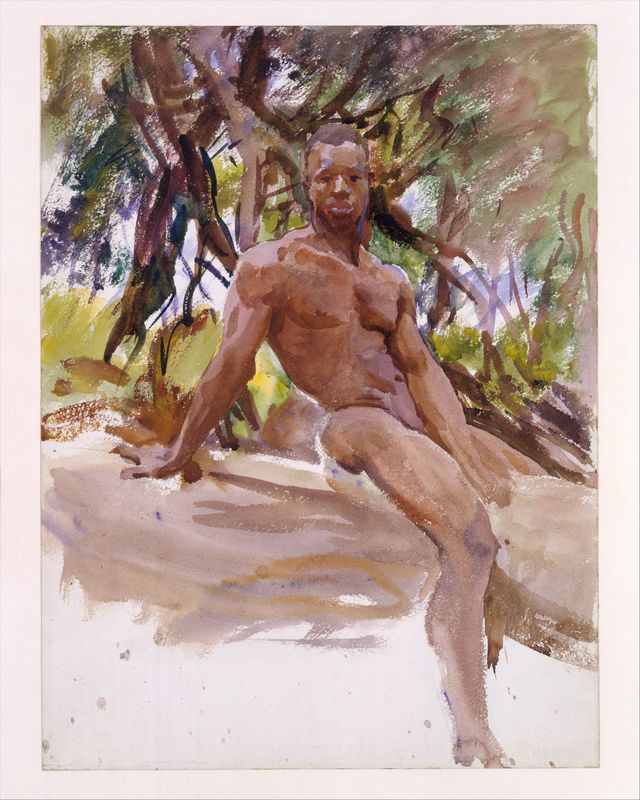
Man and Trees, Florida
John Singer Sargent · 1917 · The Metropolitan Museum of Art
 Same era · 1900s–1930s
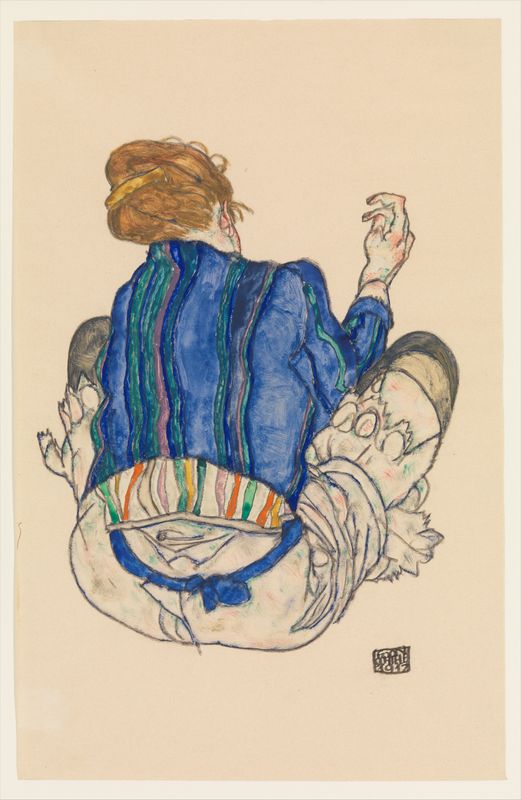
Seated Woman, Back View
Egon Schiele · 1917 · The Metropolitan Museum of Art
 Same era · 1900s–1930s
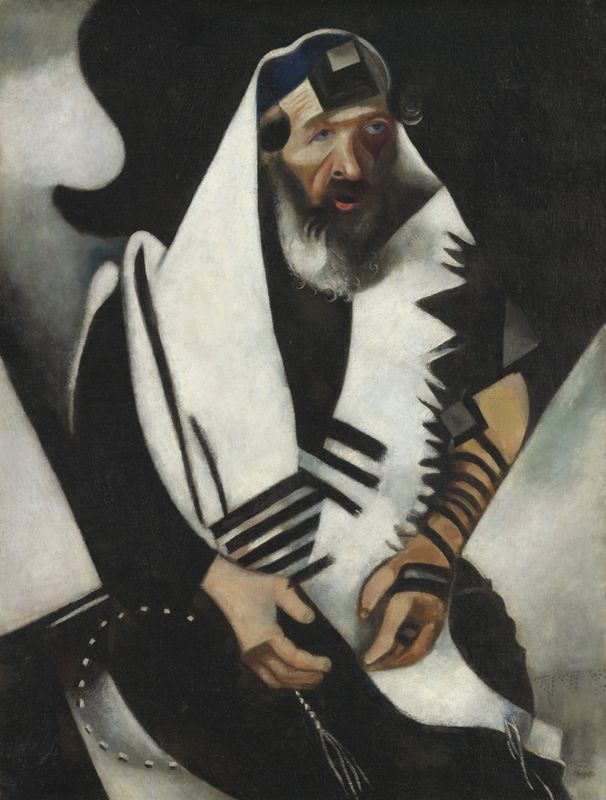
The Praying Jew
Marc Chagall · 1923 · Art Institute of Chicago