
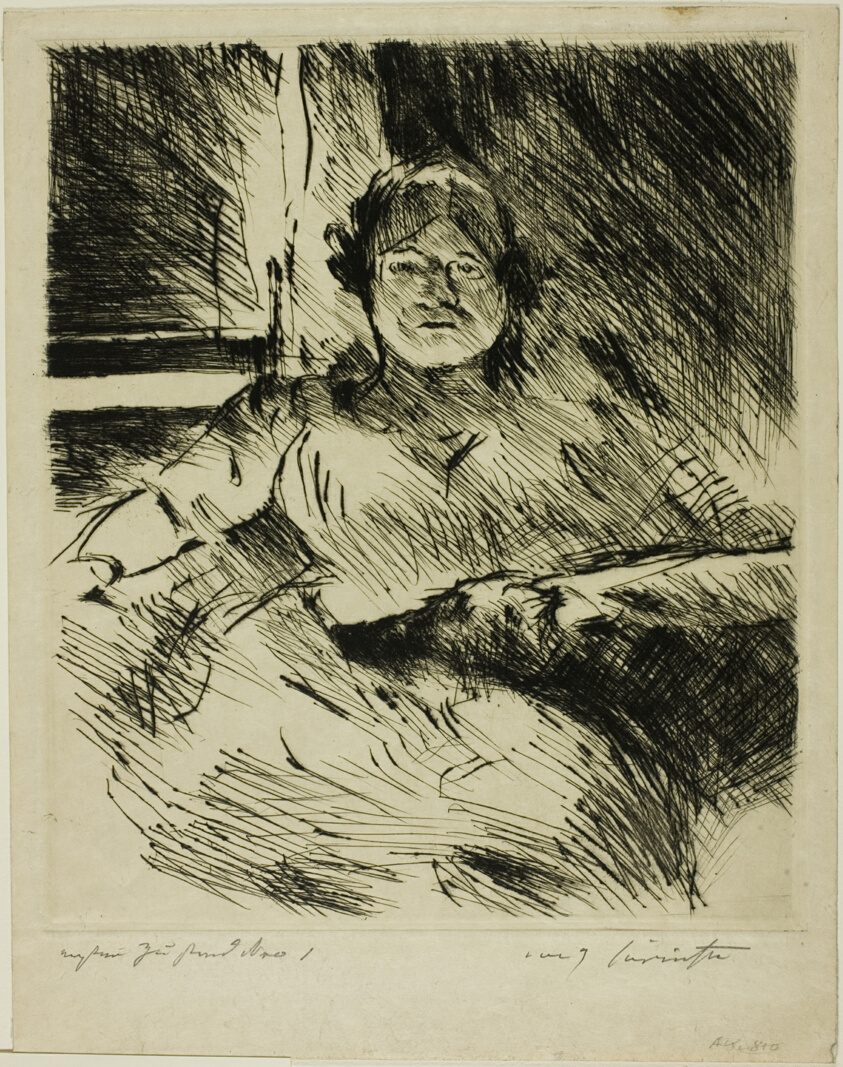
“This striking drypoint portrait captures a young woman in a bathing costume, her direct gaze and relaxed pose offering a glimpse into early 20th-century life and personal freedom, rendered with a distinctive soft focus.”
A young woman, likely the artist's daughter or a close family member, stands confidently in a simple bathing costume, her gaze direct and engaging. The drypoint technique, characterized by its velvety lines and rich tonal variations, creates a soft focus around her, drawing attention to her figure. This print, created in 1924, captures a moment of modern leisure and a sense of personal freedom, reflecting the changing social norms of the early 20th century. The artist, Ottilie Wilhelmine Roederstein, often depicted women in her work, and here she presents a subject who is both vulnerable and poised, suggesting an intimate connection between the artist and the sitter. The simplicity of the composition emphasizes the model's presence, making her the undeniable focal point.
- Artist
- Ottilie Wilhelmine Roederstein
- Date
- 1924
- Medium
- Drypoint on ivory wove paper
- Location
- Art Institute of Chicago
- Dimensions
- Image: 27.3 × 23.3 cm (10 3/4 × 9 3/16 in.); Plate: 27.9 × 23.8 cm (11 × 9 3/8 in.); Sheet: 32.6 × 25.5 cm (12 7/8 × 10 1/16 in.)
- Collection
- Prints and Drawings
- Culture
- Germany
- Credit line
- William McCallin McKee Memorial Endowment
What to Notice
Five details hide in plain sight. Here’s where to look.
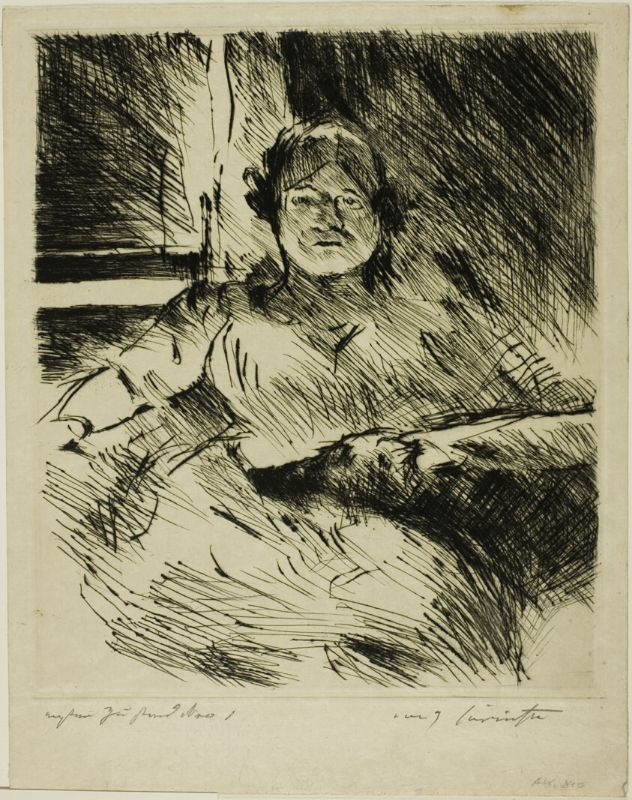
The soft, blurred quality of the background, typical of drypoint.
The subtle texture of the bathing costume, rendered with fine lines.
The direct gaze of the subject, engaging the viewer.
The delicate shading on her arms and legs, giving them volume.
1 more detail is waiting.
See all 5 in Art Whisper →Stand in front of it and listen
The full narration walks you through Wilhelmine in a Bathing Costume — the story behind it, the details most visitors miss, and why it matters. Free in the Art Whisper app.
Ottilie Wilhelmine Roederstein
1859–1937 · SwitzerlandOttilie Wilhelmine Roederstein, a German-Swiss painter, defied social norms to become a celebrated portraitist, exhibiting at the 1893 World's Columbian Exposition.
Further Works by Roederstein
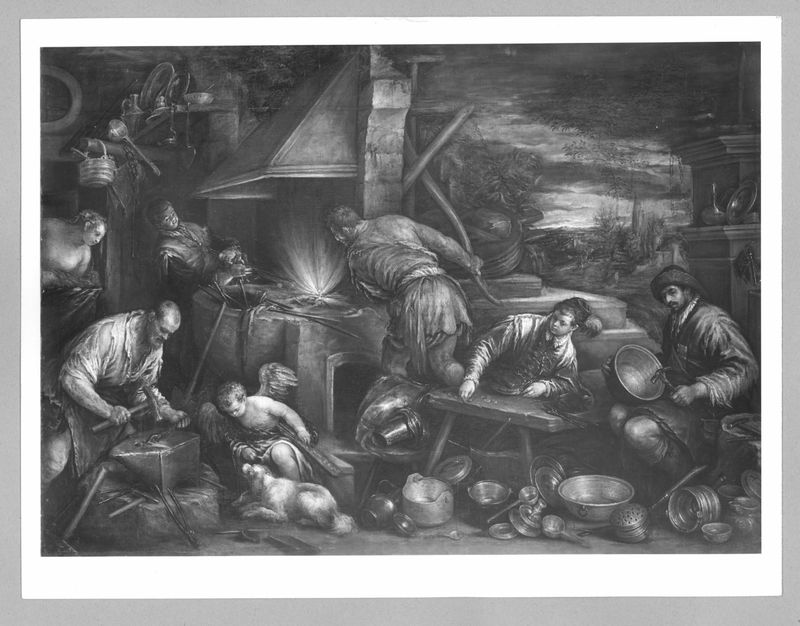 The Forge of Vulcan
1919 · Art Institute of Chicago
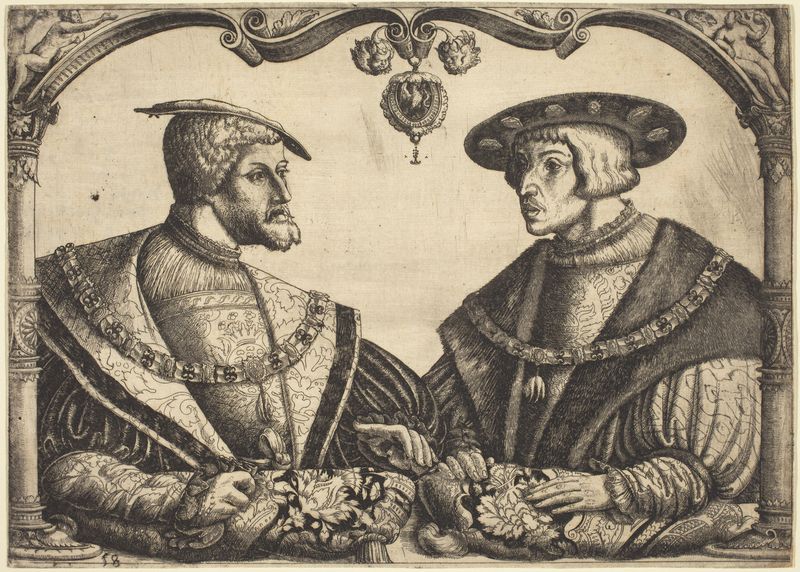 Emperors Charles V and Ferdinand I
Art Institute of Chicago
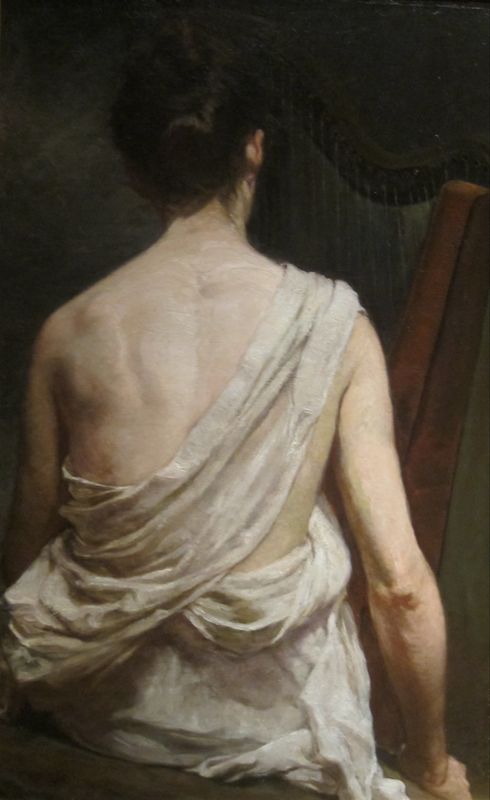 Woman with a Harp
Art Institute of Chicago
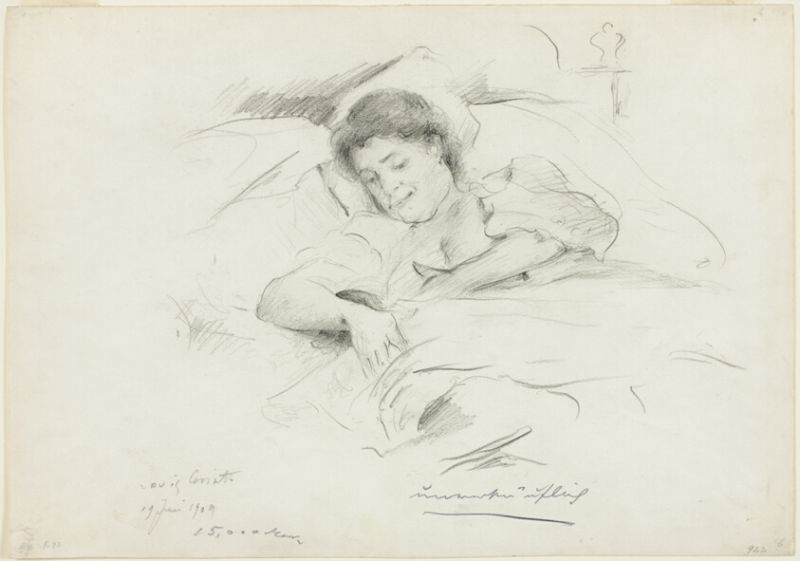 Study for In Puerperium: Charlotte with Wilhelmine
1909 · Art Institute of Chicago
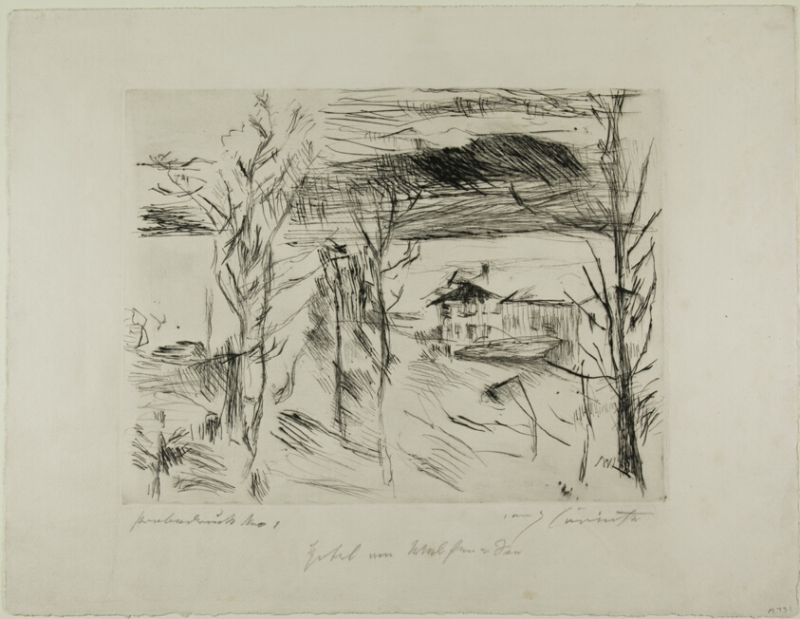 Hotel by the Walchensee, from The Walchensee
1920 · Art Institute of Chicago
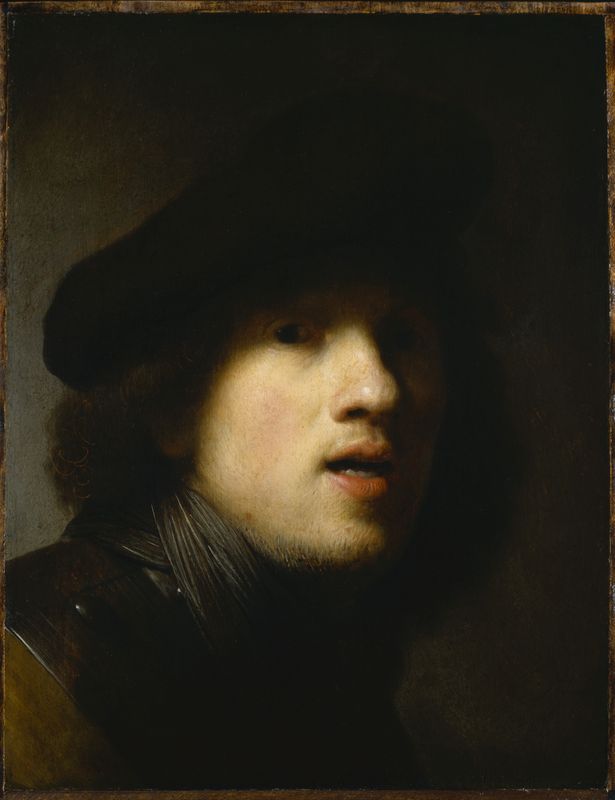 Self-Portrait
1920 · Art Institute of Chicago
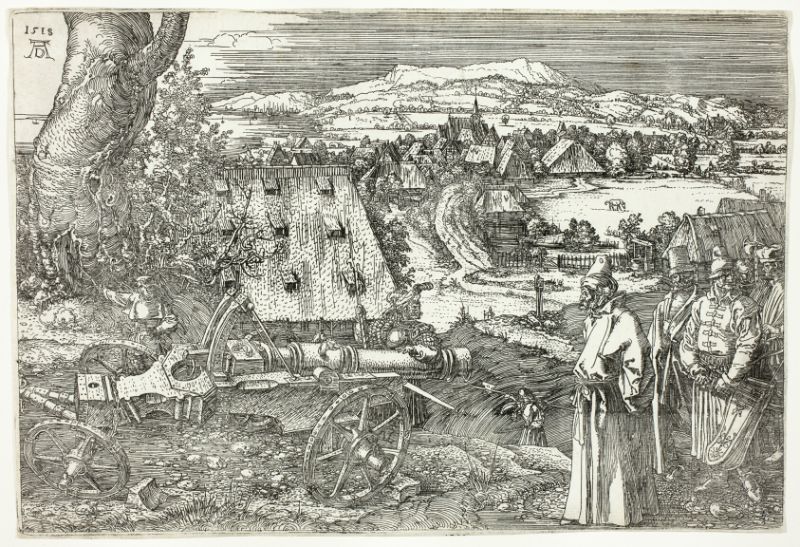 Landscape with Cannon (The Great Cannon)
Art Institute of Chicago
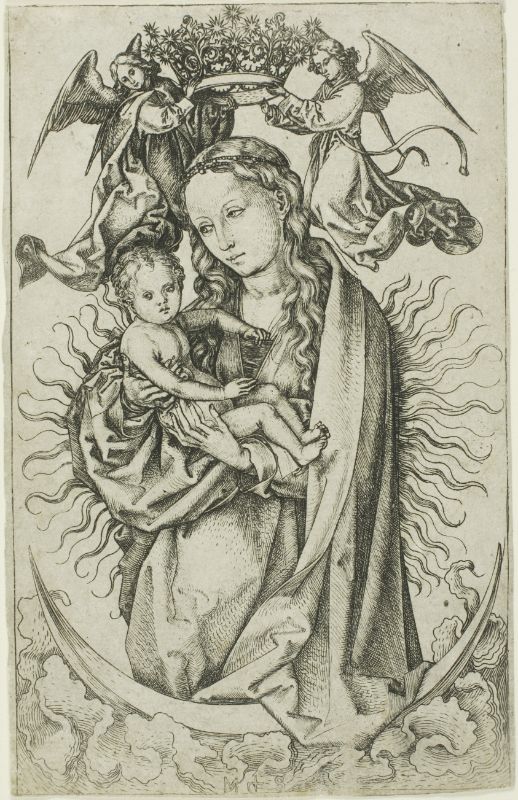 The Madonna on the Crescent Crowned by Two Angels
Art Institute of Chicago
More works to explore
Beyond Roederstein: works from the same years.
 Same era · 1900s–1930s
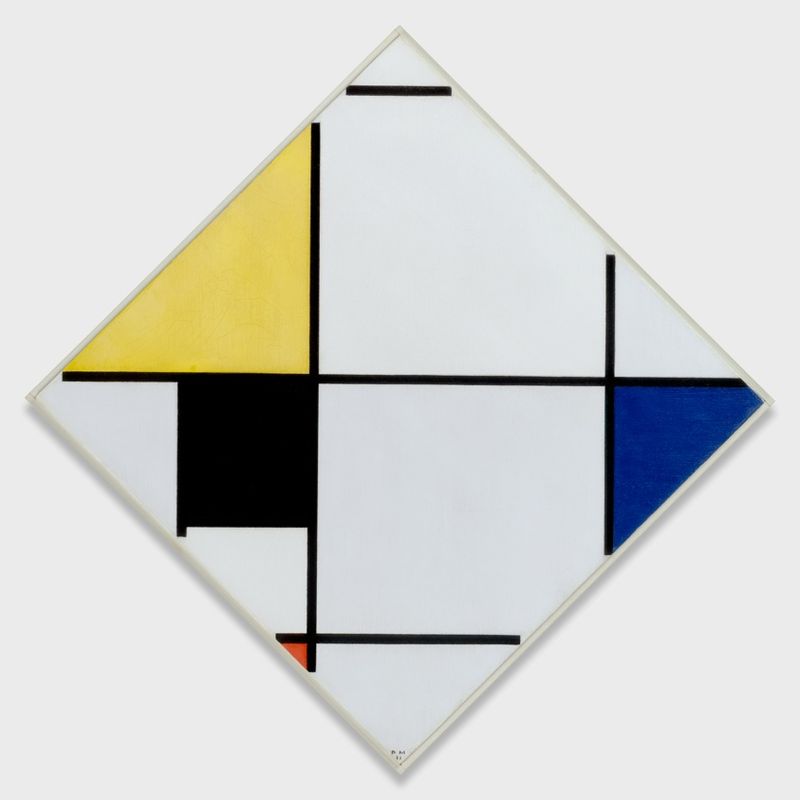
Lozenge Composition with Yellow, Black, Blue, Red, and Gray
Piet Mondrian · 1921 · Art Institute of Chicago
 Same era · 1900s–1930s
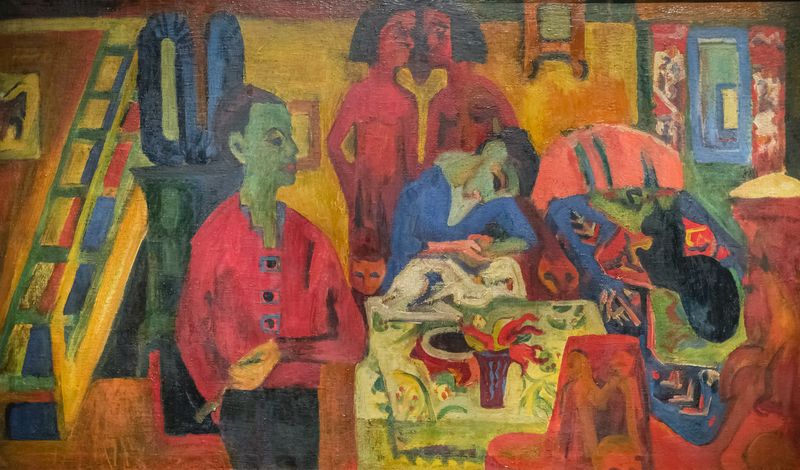
Interior with painter
Ernst Ludwig Kirchner · 1921 · Buchheim Museum of Imagination
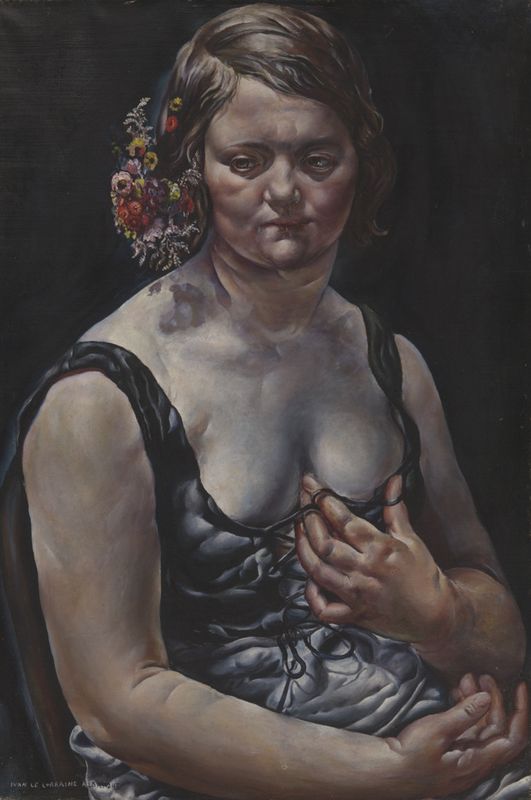 Same era · 1900s–1930s
Memories of the Past
Ivan Puni · 1927 · Art Institute of Chicago
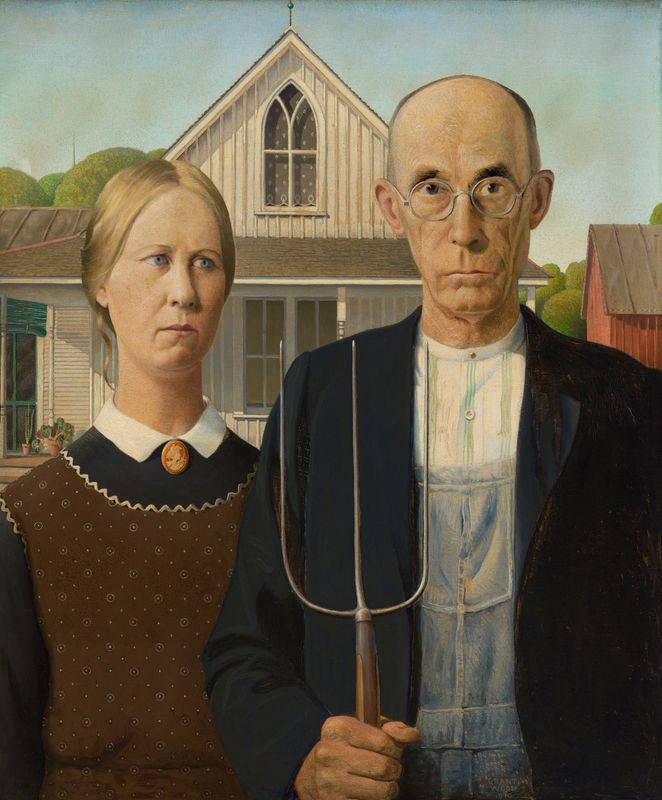 Same era · 1900s–1930s
American Gothic
Okada Saburosuke · 1930 · Art Institute of Chicago
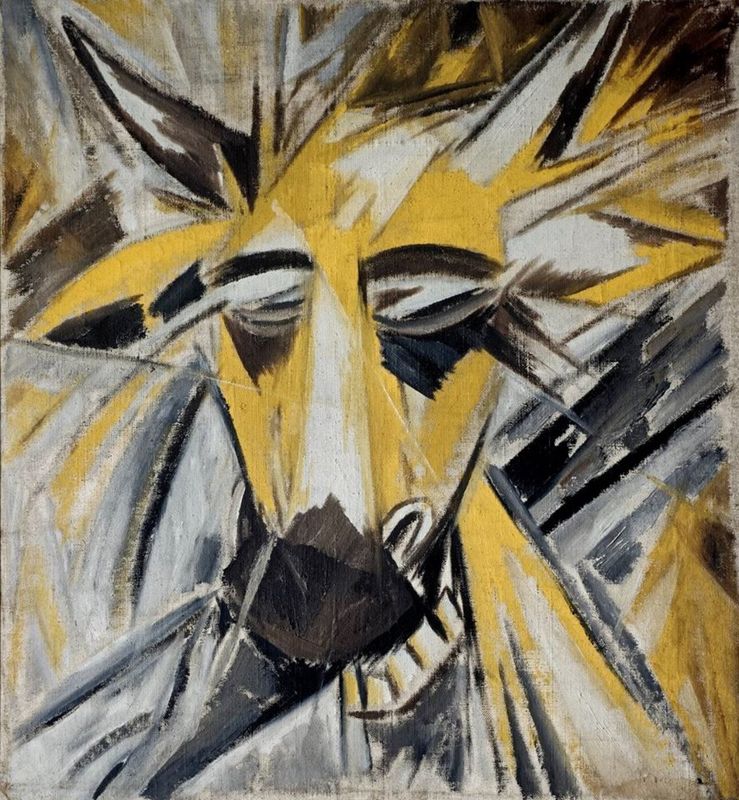 Same era · 1900s–1930s
Bull's Head
Mikhail Larionov · 1913 · Tretyakov Gallery
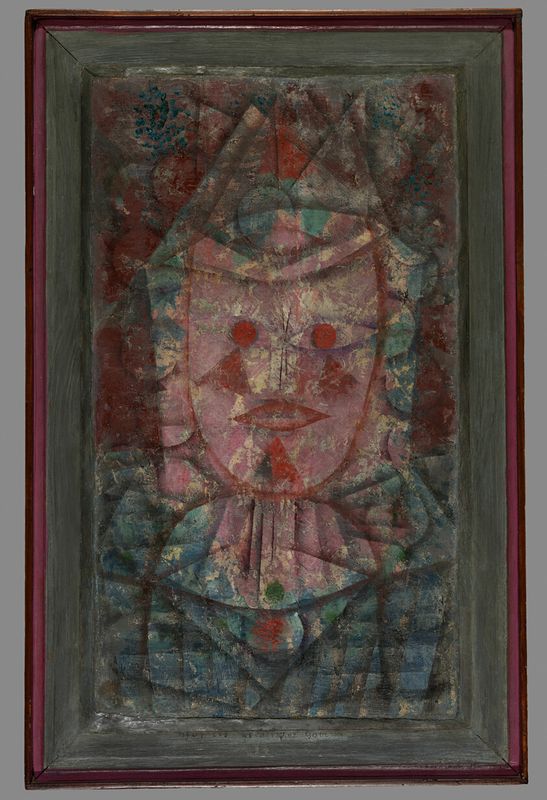 Same era · 1900s–1930s
Asiatic God
Paul Klee · 1924 · Art Institute of Chicago
 Same era · 1900s–1930s
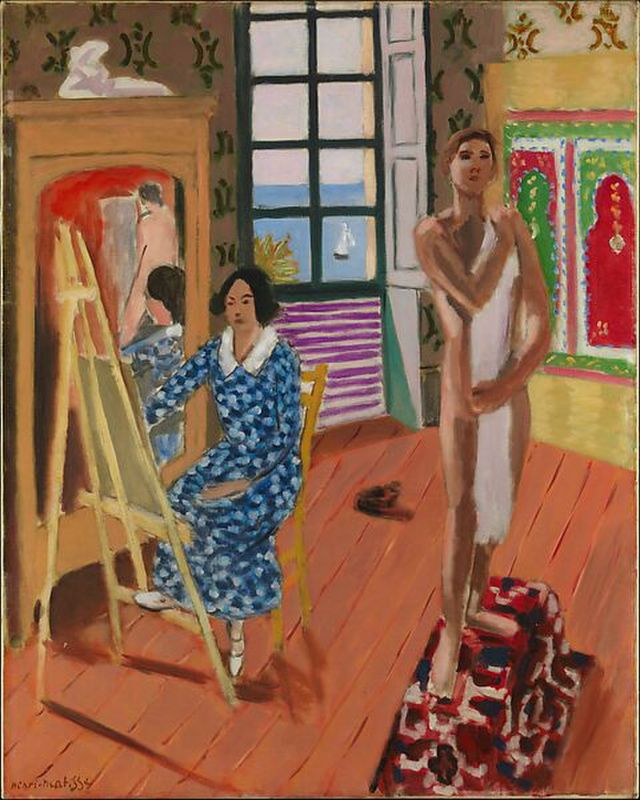
The Three O'Clock Sitting
Henri Matisse · 1924 · The Metropolitan Museum of Art
 Same era · 1900s–1930s
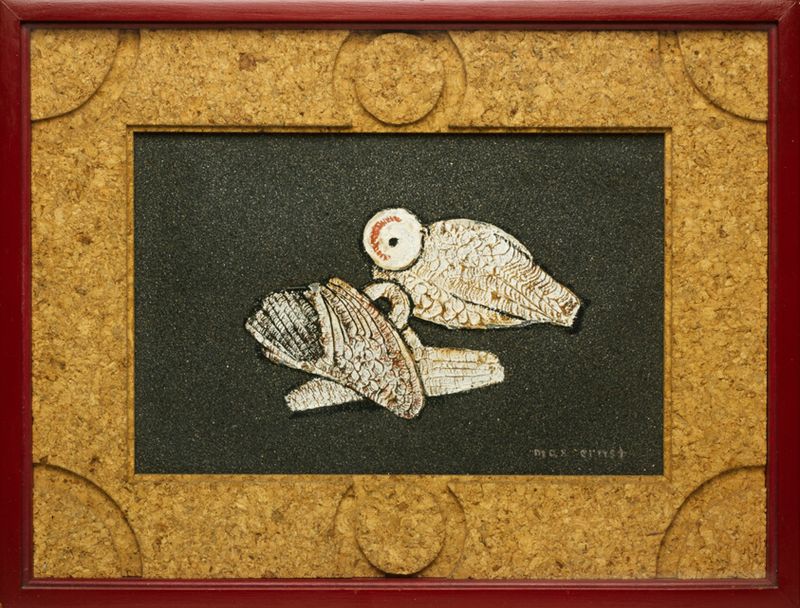
Untitled (Birds)
Max Ernst · 1924 · Art Institute of Chicago
 Same era · 1900s–1930s
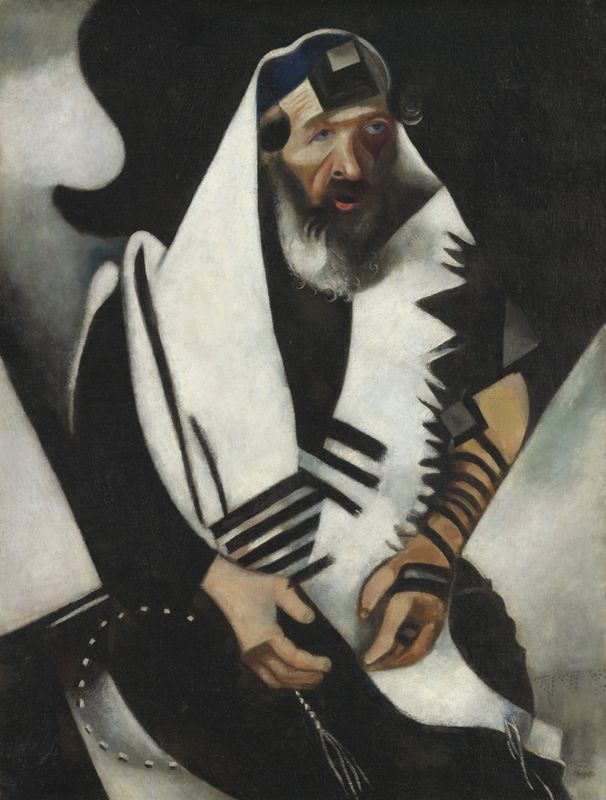
The Praying Jew
Marc Chagall · 1923 · Art Institute of Chicago
 Same era · 1900s–1930s
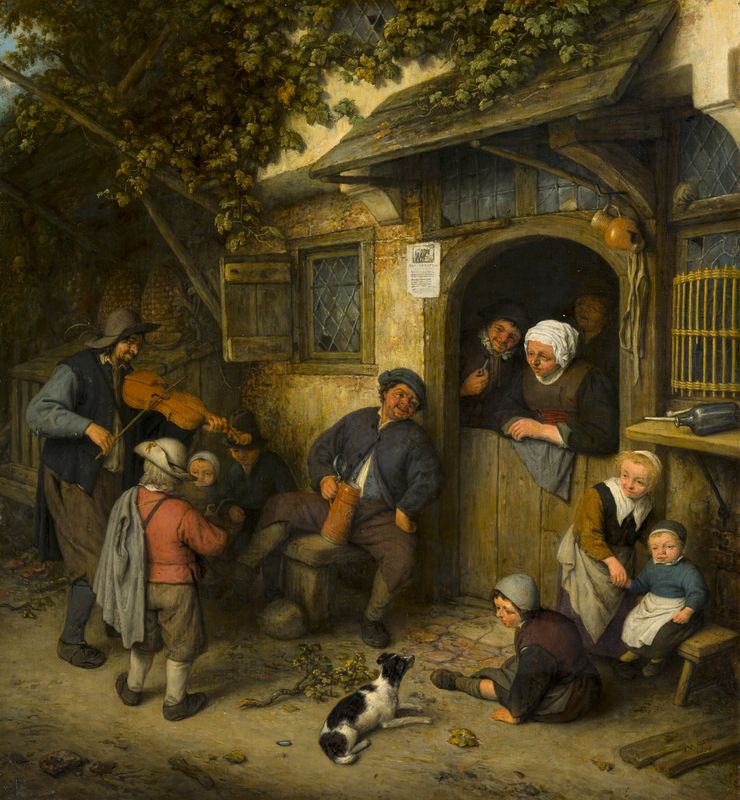
The Fiddler
Norman Rockwell · 1921 · Brandywine Museum of Art
 Same era · 1900s–1930s
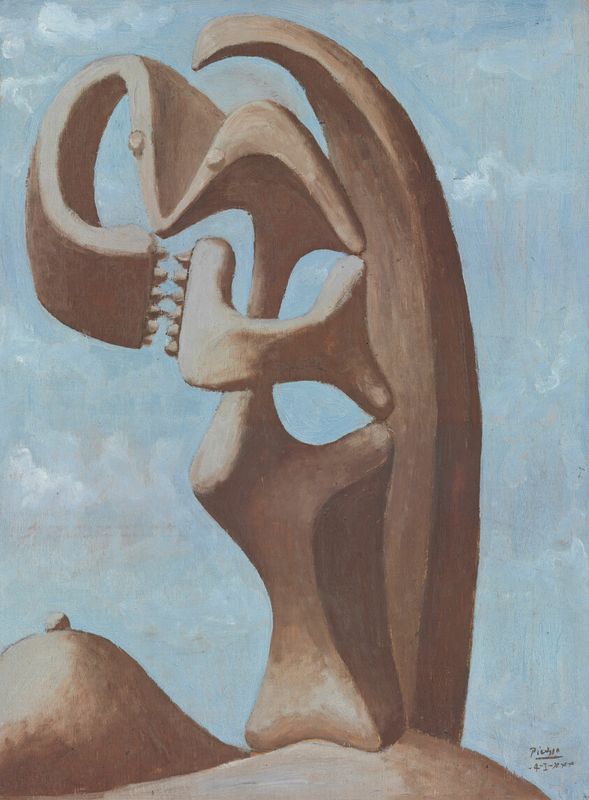
Abstraction: Background with Blue Cloudy Sky
Pablo Picasso · 1930 · Art Institute of Chicago
 Same era · 1900s–1930s
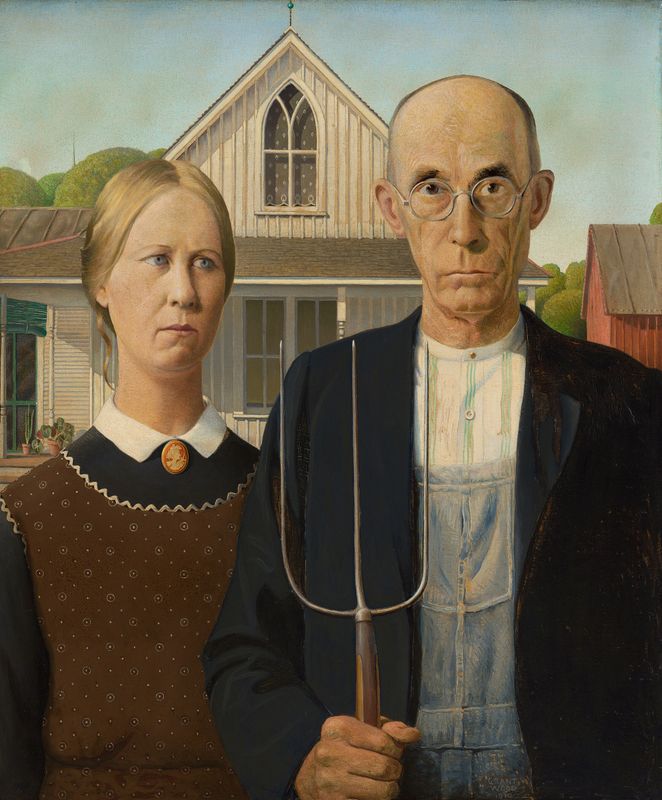
American Gothic
Grant Wood · 1930 · Art Institute of Chicago