
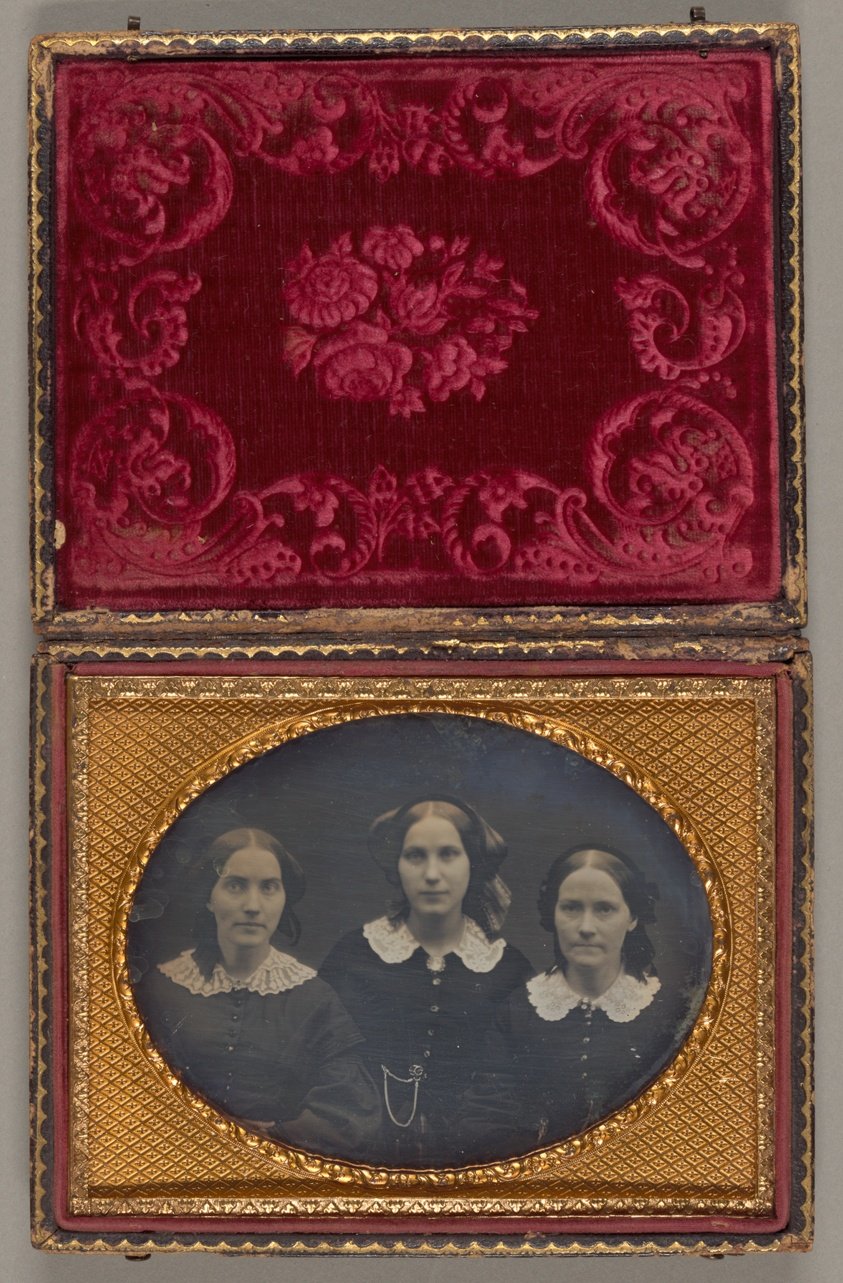
“Stop to see one of the world's first photographic portraits, capturing three women in 1839, the very year photography was introduced. The daguerreotype's unique metallic surface creates an almost mirror-like image of the past.”
This daguerreotype, made in 1839, captures three young women: Mary, Olive, and Susan Underwood. They gaze directly at the viewer, their expressions serious, as was common in early photography due to the long exposure times required. This image is among the earliest photographic portraits ever made, created in the very year Louis Daguerre's process was publicly introduced. The women are posed closely together, their bodies angled slightly, creating a sense of intimacy within the formal setting. The sharp focus and metallic sheen characteristic of daguerreotypes lend a remarkable clarity to their faces and the textures of their clothing, allowing us to see details like the lace on Mary's collar and the subtle patterns in their dresses. This small, precious object offers a rare glimpse into the early moments of photography and the lives of individuals from nearly two centuries ago.
- Artist
- Artist Unknown - The Mercat Cross, Aberdeen
- Date
- 1839
- Medium
- Daguerreotype
- Location
- Art Institute of Chicago
- Dimensions
- Plate: 8.3 × 10.8 cm (3 5/16 × 4 5/16 in.); Case: 9 × 11.9 × 1.4 cm (3 9/16 × 4 11/16 × 9/16 in.)
- Collection
- Photography and Media
- Culture
- United States
- Credit line
- Gift of Miss Laura Matthews
What to Notice
Five details hide in plain sight. Here’s where to look.
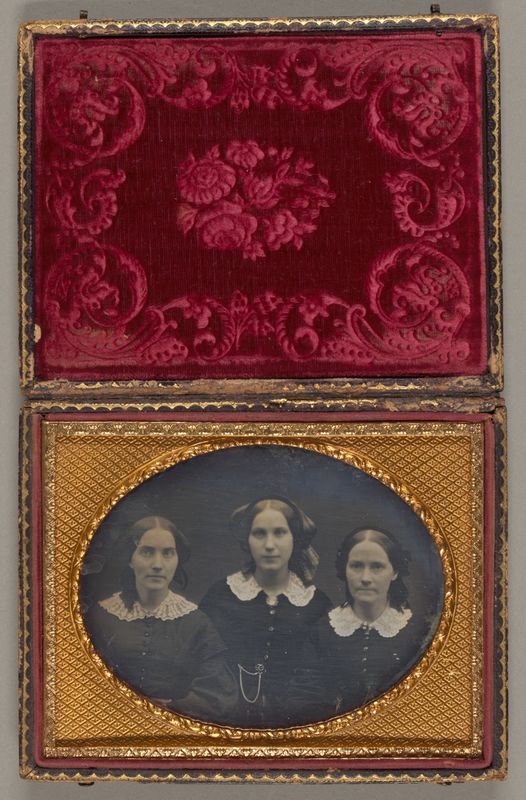
The intense, direct gaze of each woman, typical of early photographic subjects.
The delicate lace collar worn by Mary, the woman on the left.
The subtle sheen on the surface of the daguerreotype, a hallmark of the medium.
The intricate patterns visible in the fabric of their dresses.
1 more detail is waiting.
See all 5 in Art Whisper →Stand in front of it and listen
The full narration walks you through Mary Underwood, Olive Underwood and Susan Underwood — the story behind it, the details most visitors miss, and why it matters. Free in the Art Whisper app.
Artist Unknown - The Mercat Cross, Aberdeen
This 'Artist Unknown' represents a vast collection of anonymous creators, whose works like 'Boston Common' and 'Self Portrait' offer glimpses into diverse historical periods and artistic practices.
Further Works by Aberdeen
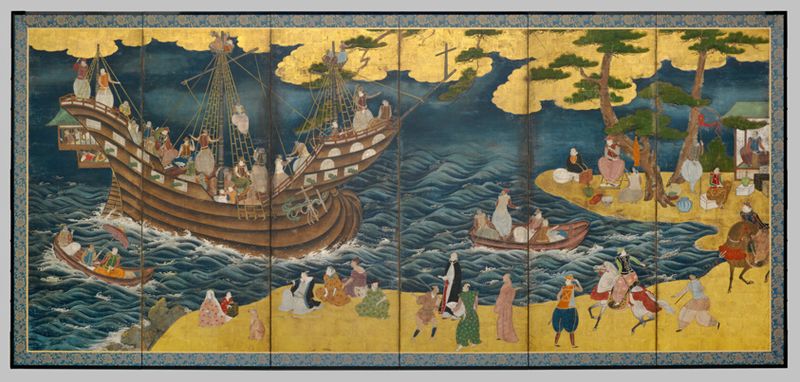 Southern Barbarians
1625 · Art Institute of Chicago
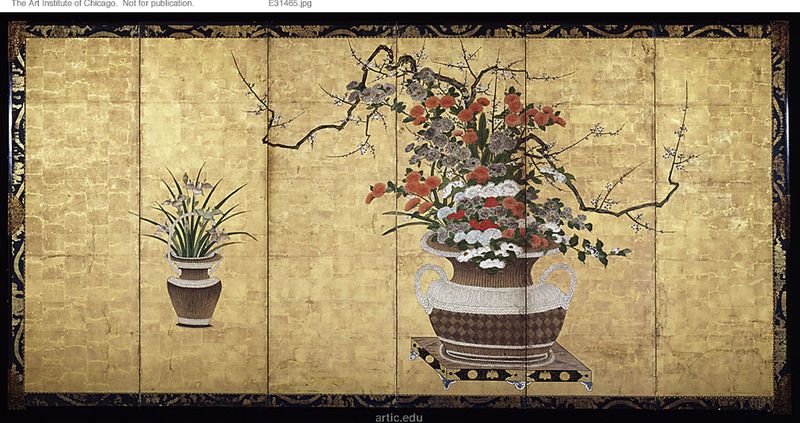 Baskets with Flowers of the Four Seasons
1701 · Art Institute of Chicago
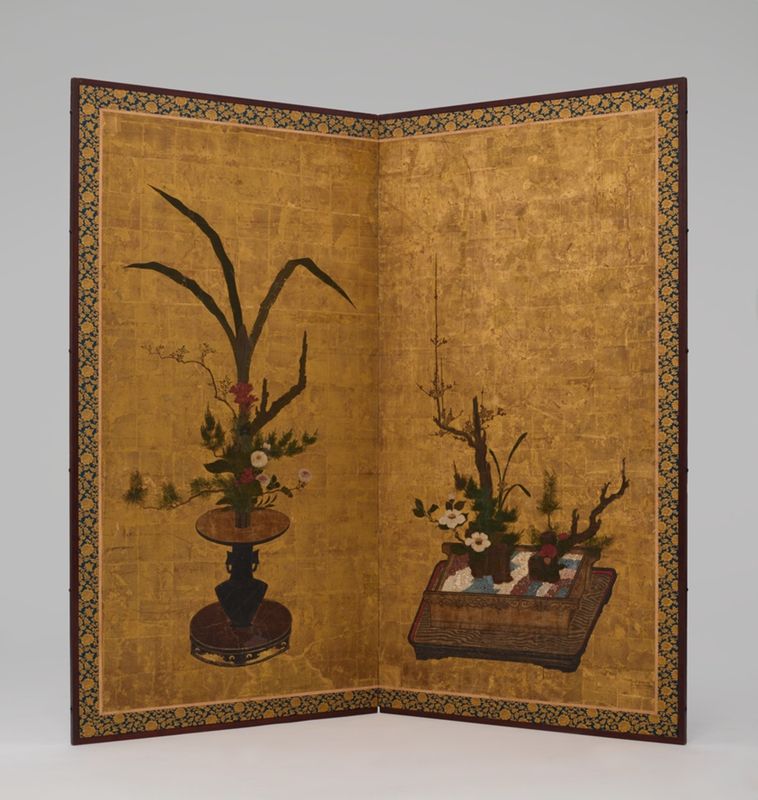 Flower Arrangements
1595 · Art Institute of Chicago
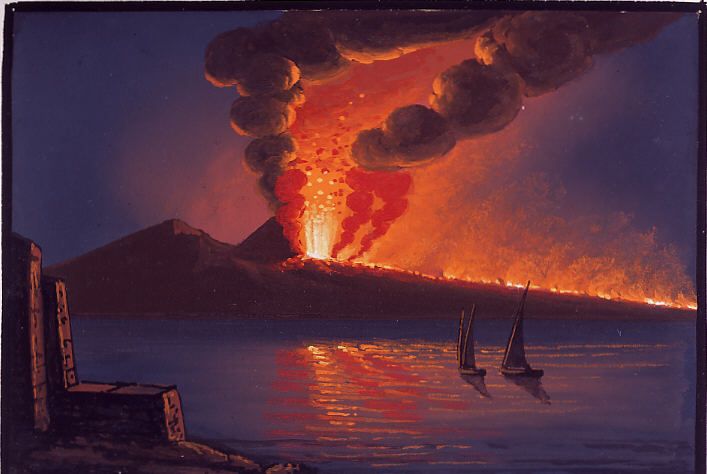 Sketchbook: Souvenir of Naples
1821 · The Metropolitan Museum of Art
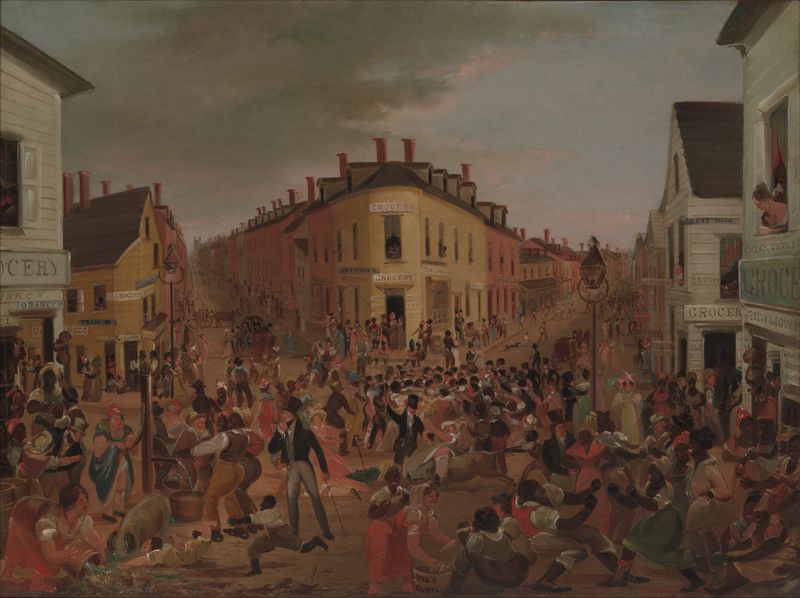 The Five Points
1822 · The Metropolitan Museum of Art
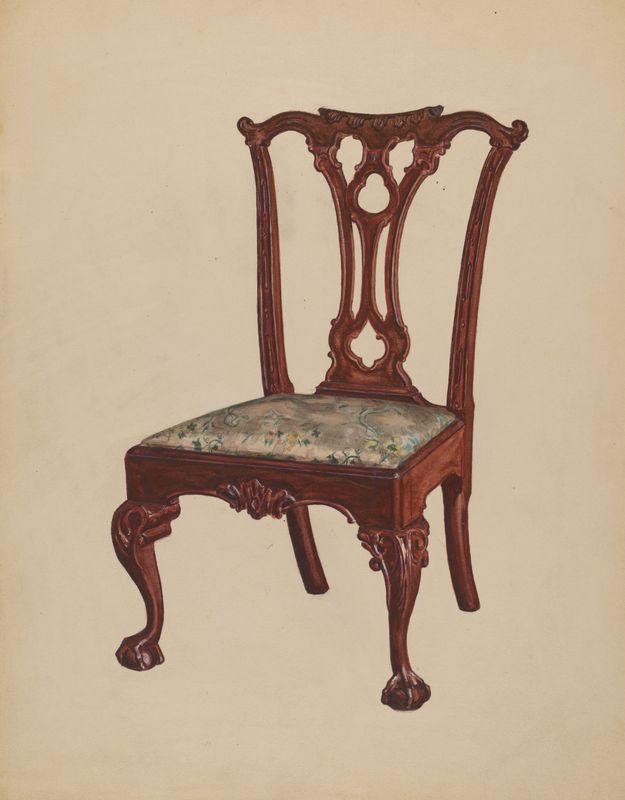 Side Chair
1750 · Art Institute of Chicago
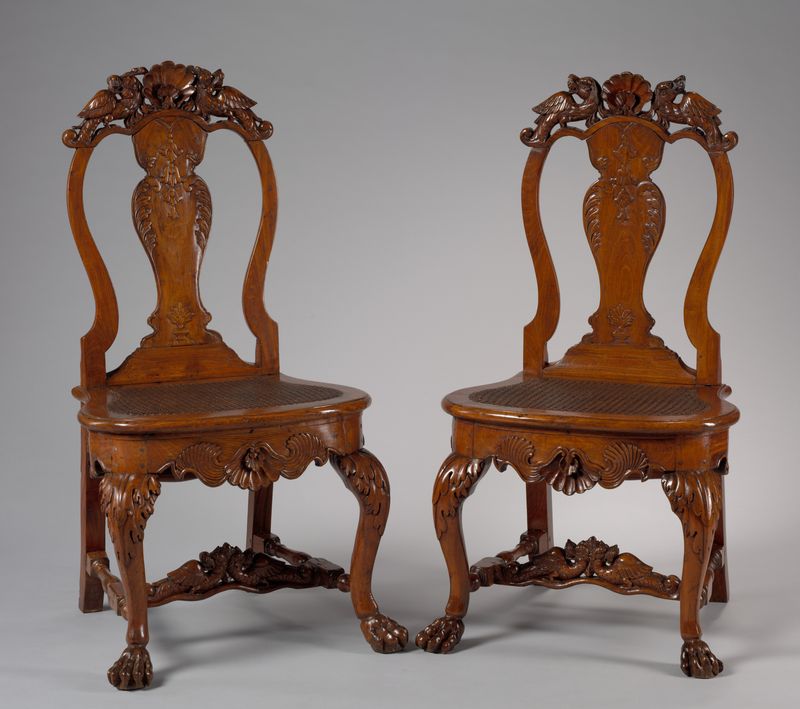 Pair of Side Chairs
1770 · Art Institute of Chicago
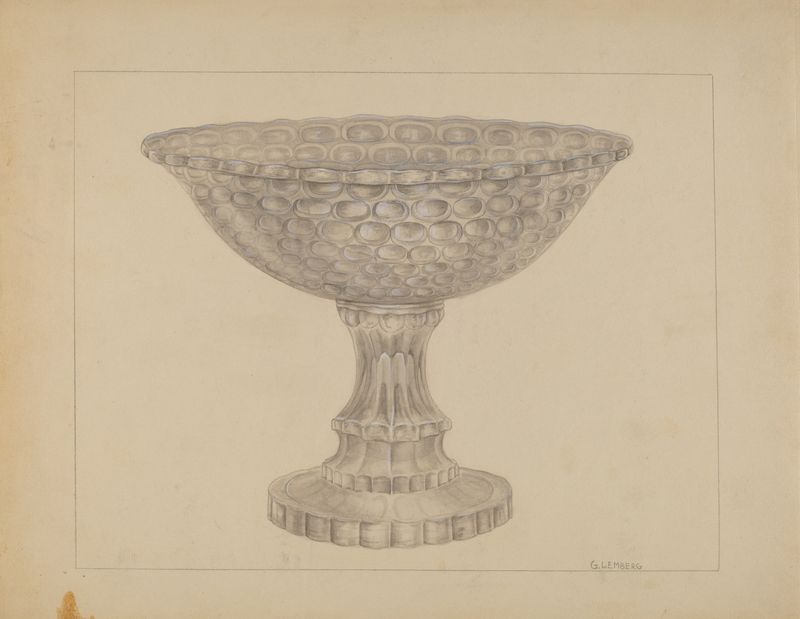 Punch Bowl
1789 · Art Institute of Chicago
More works to explore
Beyond Aberdeen: works from the same years.
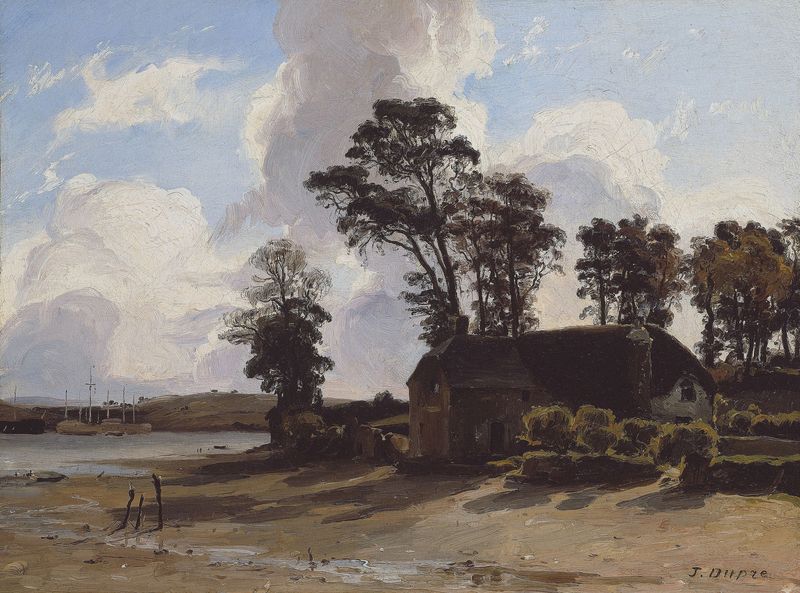 Same era · 1820s–1850s
The Estuary Farm
Léon-Victor Dupré · 1831 · Art Institute of Chicago
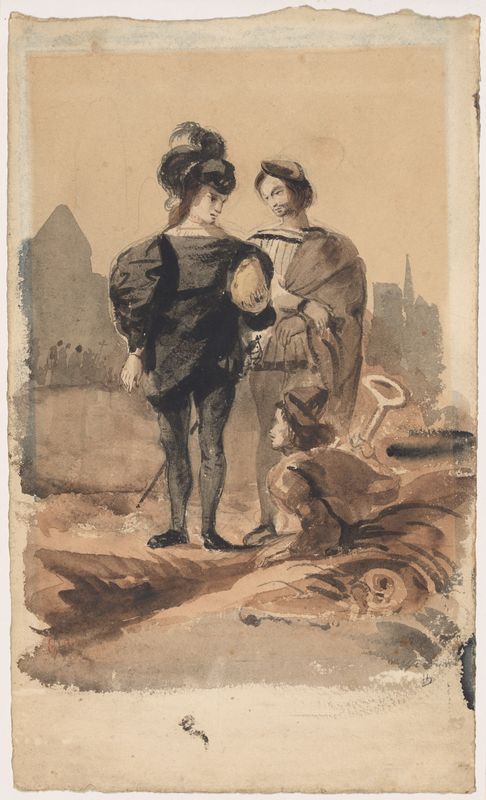 Same era · 1820s–1850s
Hamlet and Horatio in the Graveyard
Eugène Delacroix · 1839 · Department of Paintings of the Louvre
 Same era · 1820s–1850s
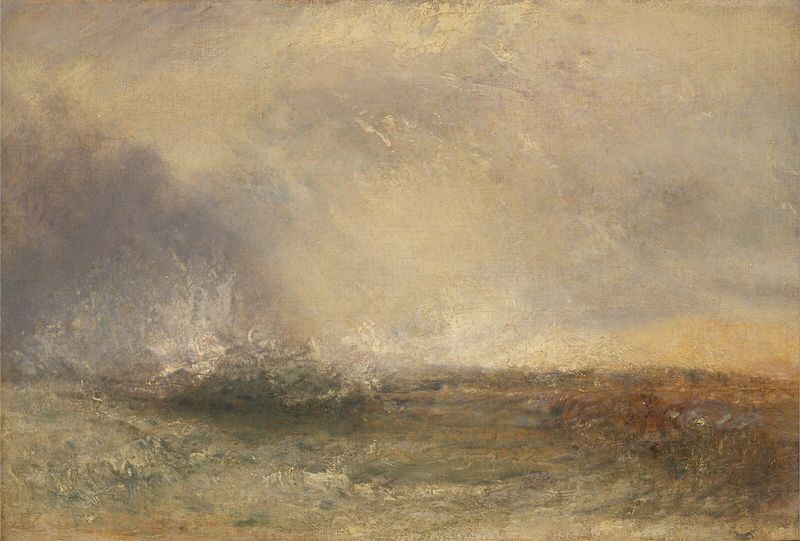
Stormy Sea Breaking on a Shore
J. M. W. Turner · 1840 · Yale Center for British Art
 Same era · 1820s–1850s
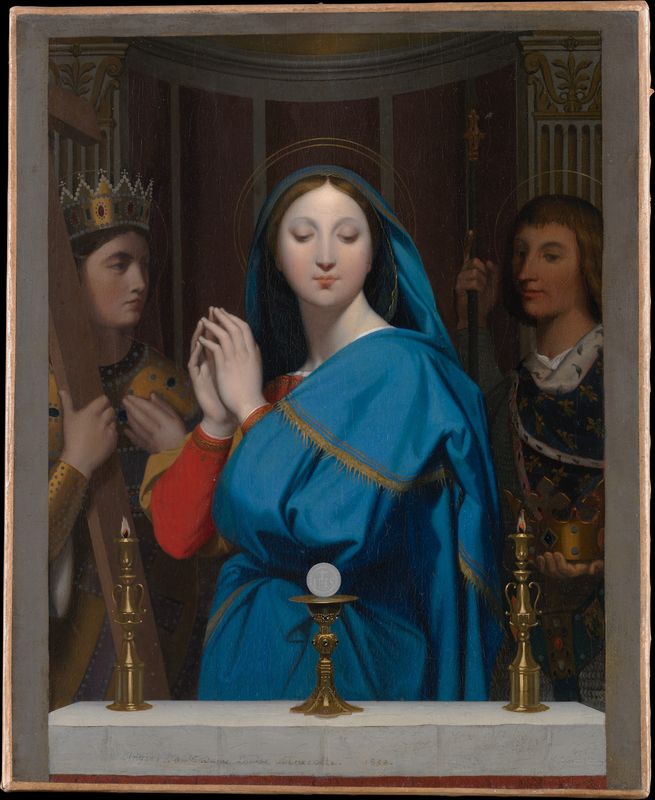
The Virgin Adoring the Host
Jean-Auguste-Dominique Ingres · 1841 · Pushkin Museum of Fine Arts
 Same era · 1820s–1850s
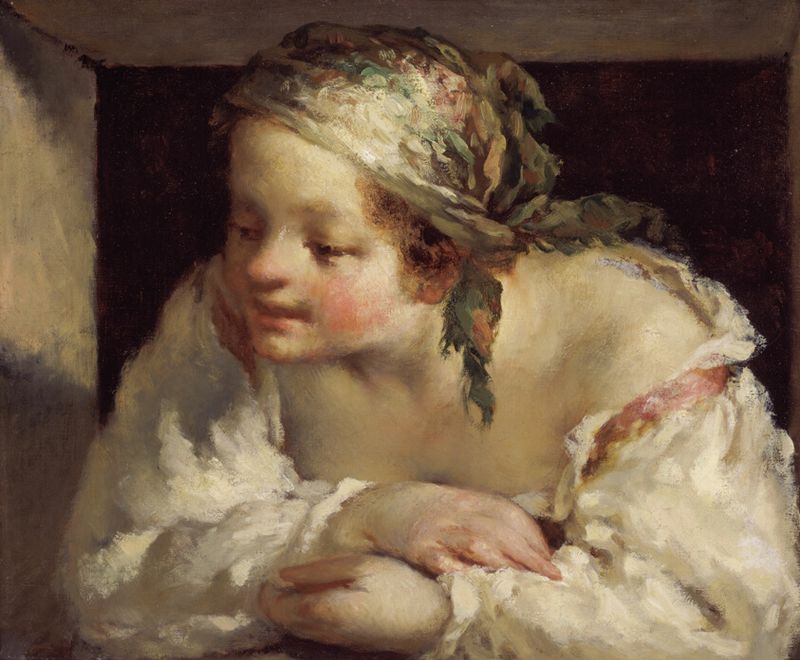
Young Woman
Jean-François Millet · 1844 · Art Institute of Chicago
 Same era · 1820s–1850s
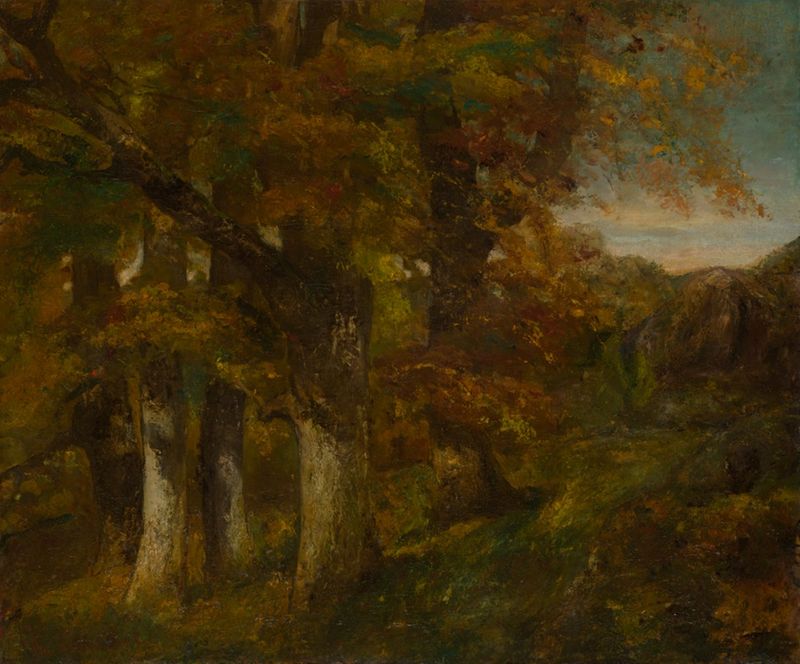
Wooded Landscape
Gustave Courbet · 1848 · Art Institute of Chicago
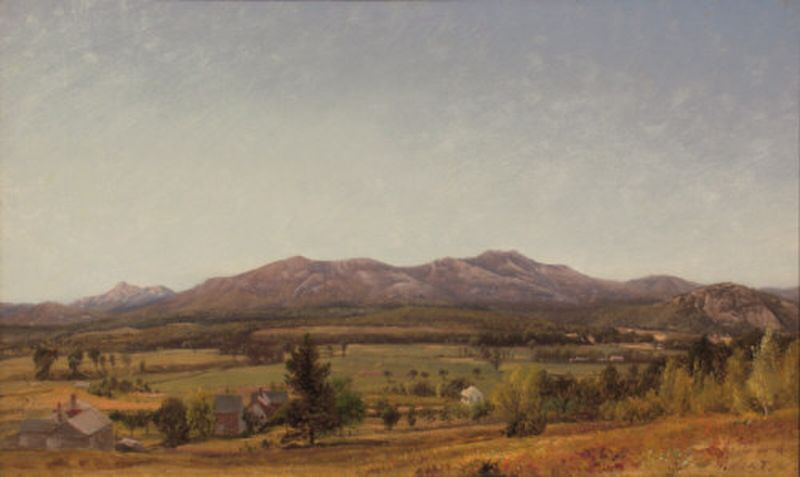 Same era · 1820s–1850s
Mount Chocorua and Moat Mountain from North Conway
William Hart · 1850
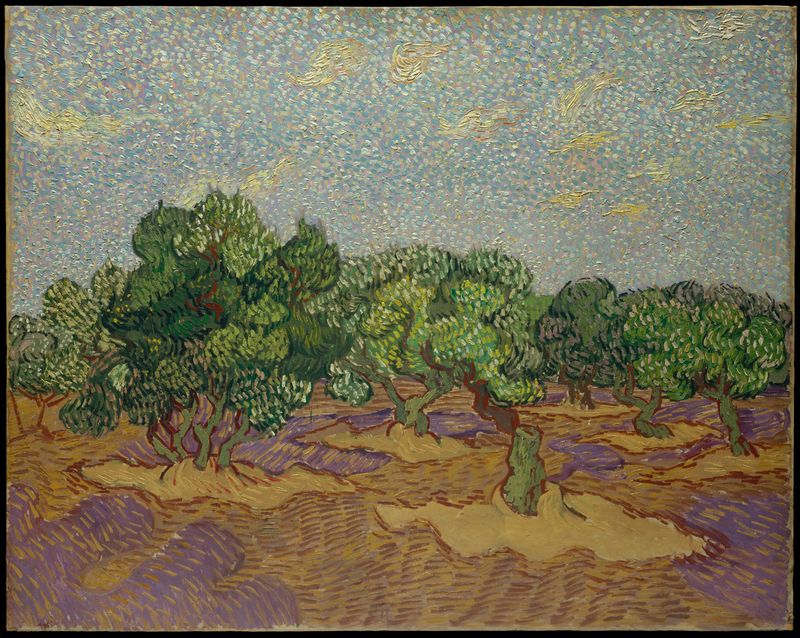 Same era · 1820s–1850s
Olive Trees
Vincent van Gogh · 1853 · The Metropolitan Museum of Art
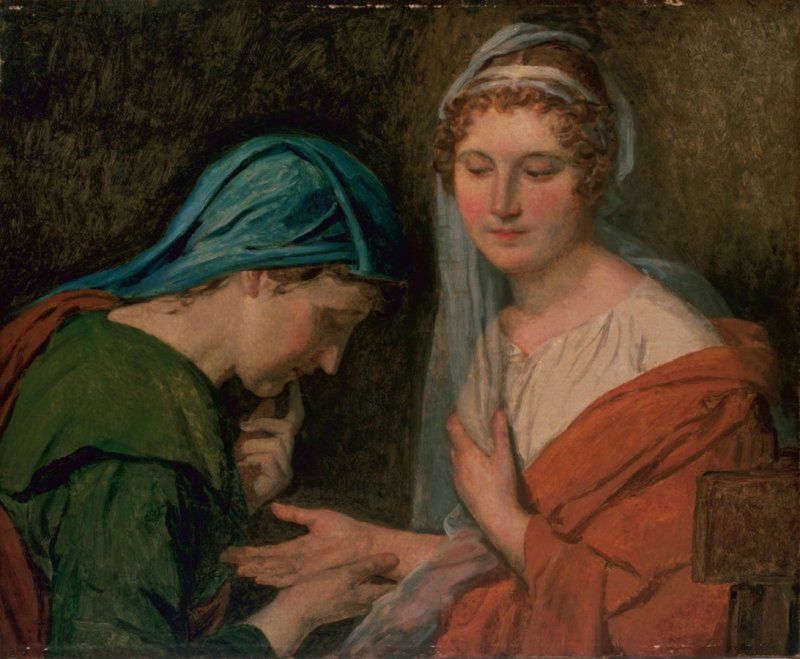 Same era · 1820s–1850s
The Fortune Teller (La Bonne Aventure)
Jacques-Louis David · 1824 · Fine Arts Museums of San Francisco
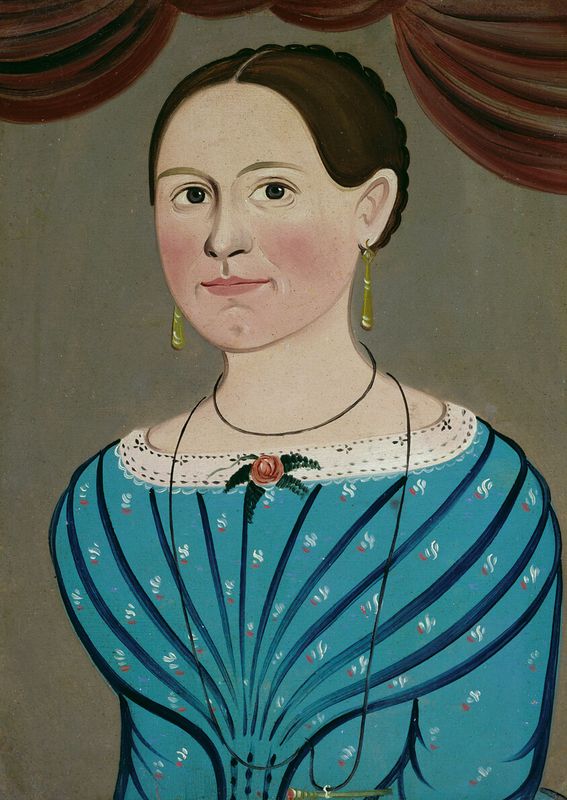 Same era · 1820s–1850s
Woman in a Blue Dress
School of William Matthew Prior · 1840 · Art Institute of Chicago
 Same era · 1820s–1850s
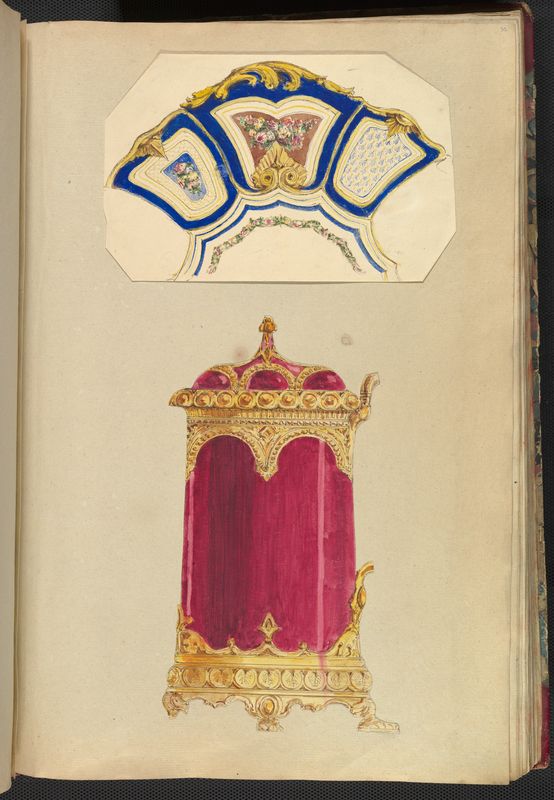
Designs for a Decorated Dish, or Platter, and a Biscuit Barrel
Alfred Henry Forrester [Alfred Crowquill] · 1845 · The Metropolitan Museum of Art
 Same era · 1820s–1850s
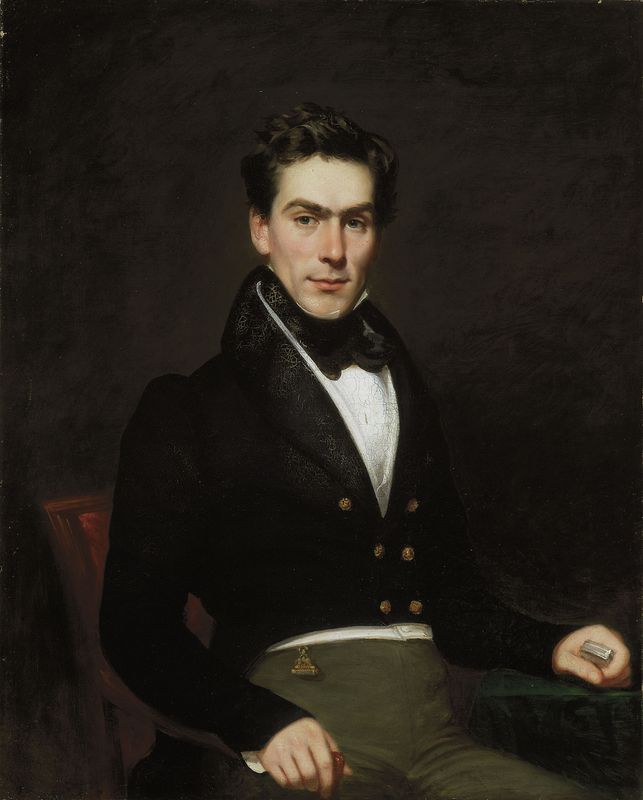
Mr. James Mackie
Samuel Alcock & Company · 1830 · Art Institute of Chicago