
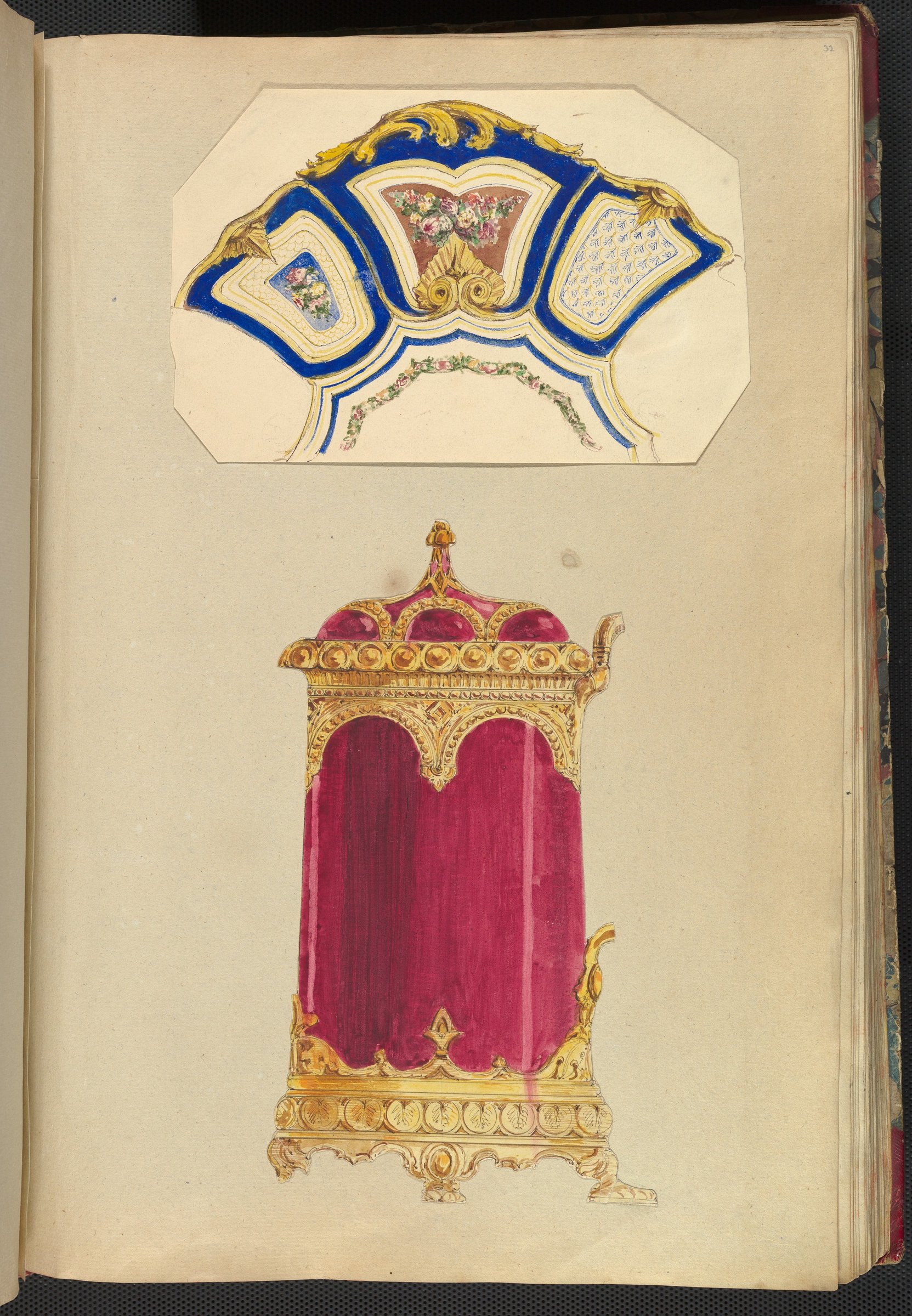
“Step back to Victorian England with these charming designs for a decorated dish and biscuit barrel. This drawing reveals the era's love for elaborate ornamentation, transforming everyday items into works of art for the home.”
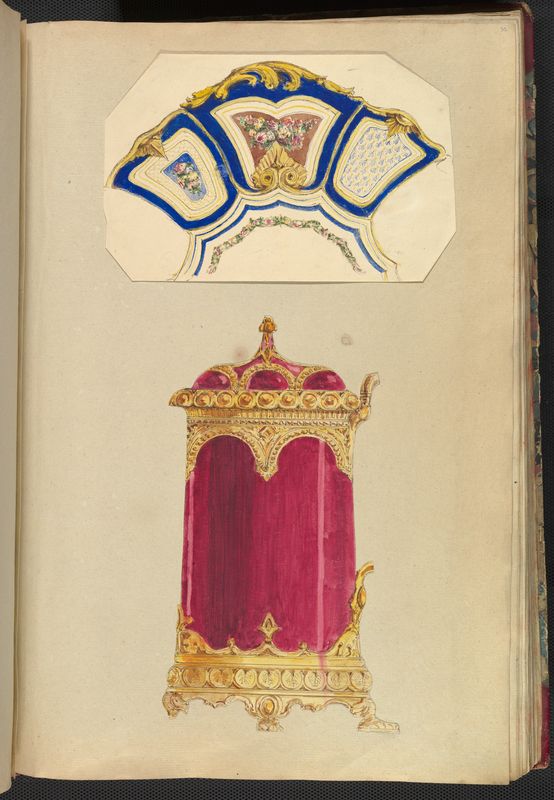
This vibrant watercolor and ink drawing presents two distinct designs for household objects: a decorated dish or platter and a biscuit barrel. Imagine these pieces gracing a Victorian tea table, reflecting the era's taste for elaborate ornamentation even on everyday items. The dish, with its scalloped edge, features a central scene of playful cherubs amidst swirling foliage, framed by a border of intricate patterns. Below it, the cylindrical biscuit barrel is adorned with similar motifs, including a charming frieze of figures and more delicate scrollwork. The artist, Alfred Henry Forrester (who often used the pseudonym Alfred Crowquill), created these designs in 1845, a time when industrial production was making such decorated wares more accessible to a burgeoning middle class. This drawing offers a glimpse into the creative process behind those objects, showing how artistry was applied to elevate functional items into decorative statements.
- Artist
- Alfred Henry Forrester [Alfred Crowquill]
- Date
- 1845
- Medium
- Pen and ink, watercolor and gouache (bodycolor)
- Location
- The Metropolitan Museum of Art
- Dimensions
- sheet: 16 3/4 x 11 7/16 in. (42.5 x 29 cm)
- Collection
- Drawings and Prints
- Credit line
- The Elisha Whittelsey Collection, The Elisha Whittelsey Fund, 1956
What to Notice
Five details hide in plain sight. Here’s where to look.
The cherubs on the platter, one riding a dolphin, another holding a trident.
The delicate floral and shell motifs bordering the dish.
The small figures dancing around the biscuit barrel's upper band.
The subtle washes of watercolor that give depth to the designs.
1 more detail is waiting.
See all 5 in Art Whisper →Stand in front of it and listen
The full narration walks you through Designs for a Decorated Dish, or Platter, and a Biscuit Barrel — the story behind it, the details most visitors miss, and why it matters. Free in the Art Whisper app.
Further Works by Crowquill]
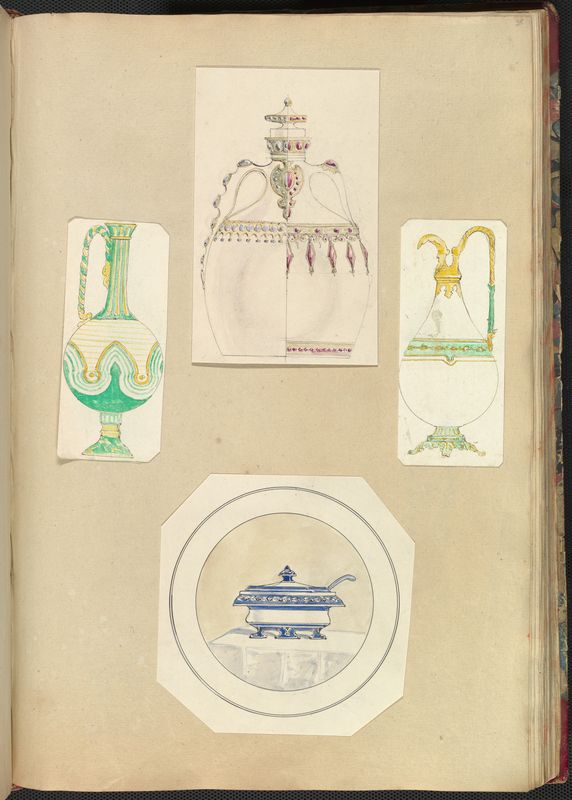 Designs for Two Ewers, a Carafe (two alternate designs), and a Covered Tureen
1845 · The Metropolitan Museum of Art
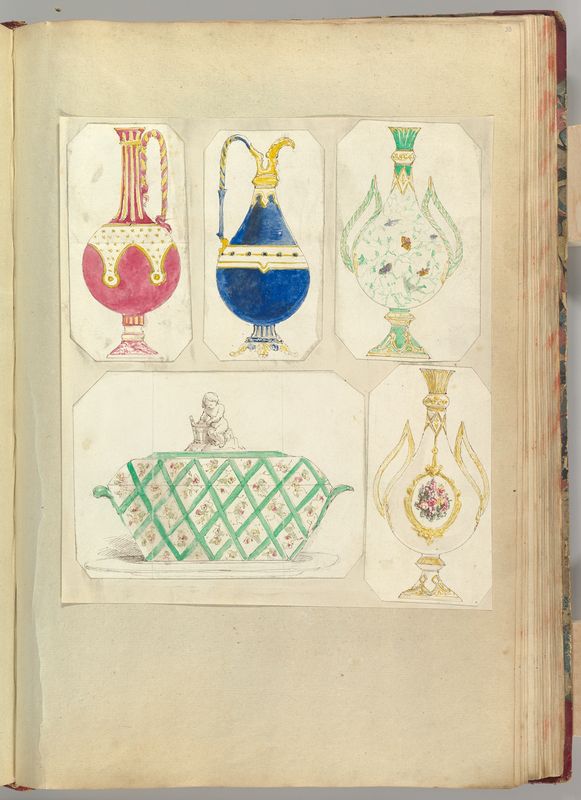 Designs for Two Ewers, Two Bottle-shaped Vases and a Covered Tureen
1845 · The Metropolitan Museum of Art
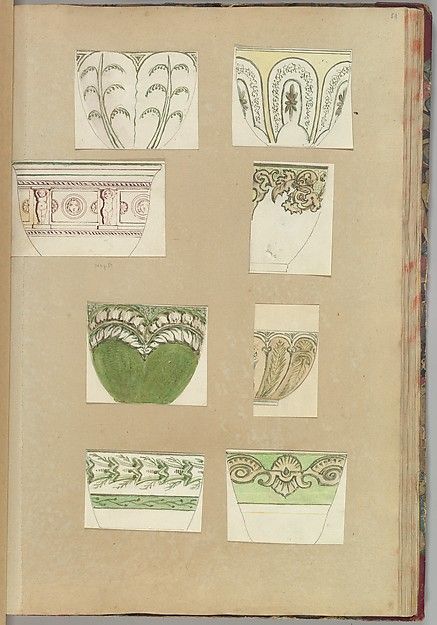 Eight Designs for Decorated Cups
1845 · The Metropolitan Museum of Art
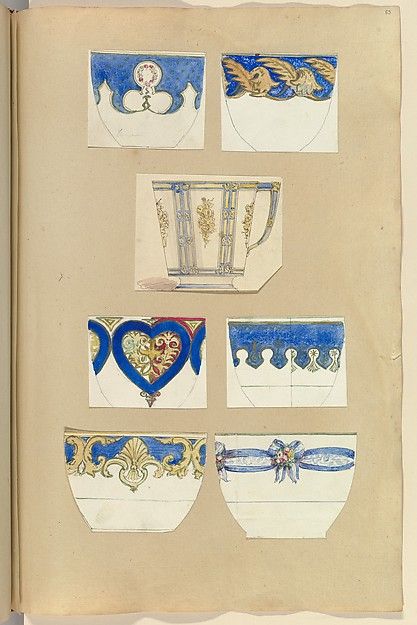 Seven Designs for Decorated Cups
1845 · The Metropolitan Museum of Art
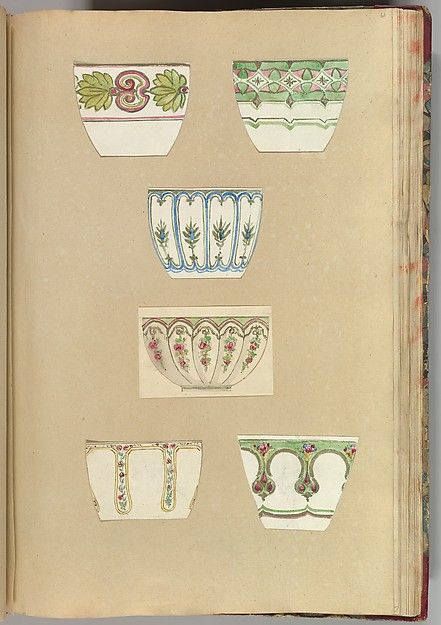 Six Designs for Decorated Cups
1845 · The Metropolitan Museum of Art
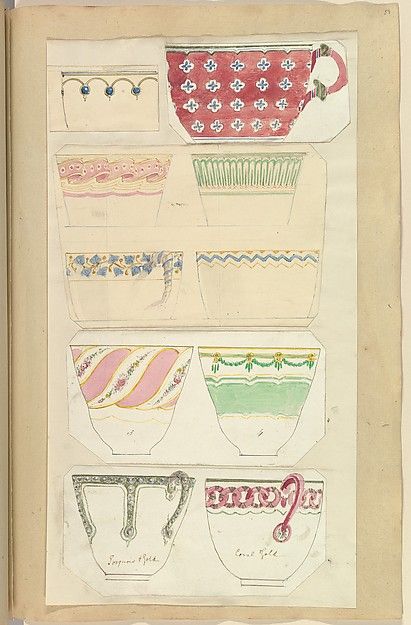 Ten Designs for Decorated Cups
1845 · The Metropolitan Museum of Art
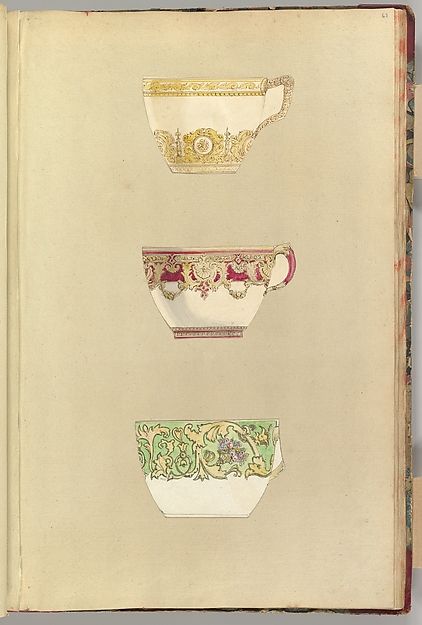 Three Designs for Decorated Cups
1845 · The Metropolitan Museum of Art
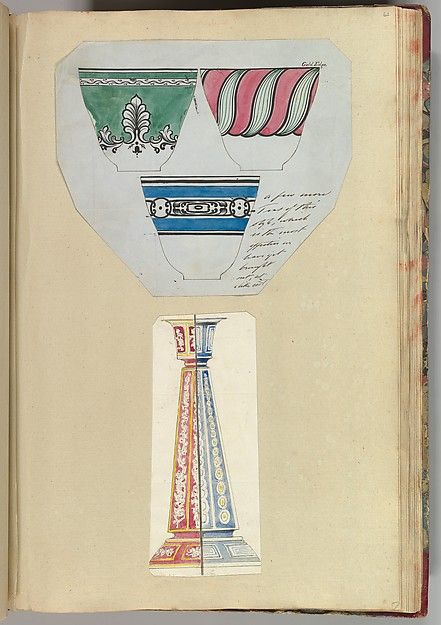 Three Designs for Decorated Cups and Two Designs for a Candlestick
1845 · The Metropolitan Museum of Art
More works to explore
Beyond Crowquill]: works from the same years.
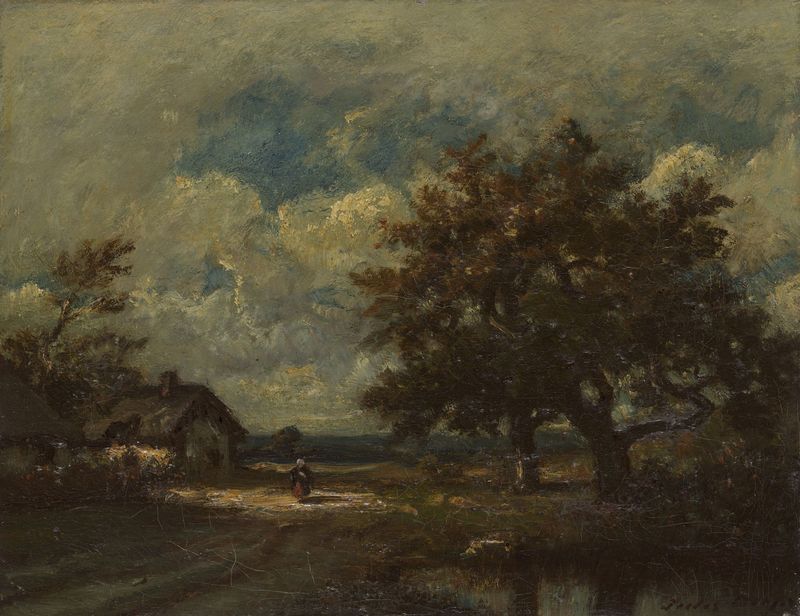 Same era · 1830s–1860s
The Cottage by the Roadside, Stormy Sky
Léon-Victor Dupré · 1855 · Art Institute of Chicago
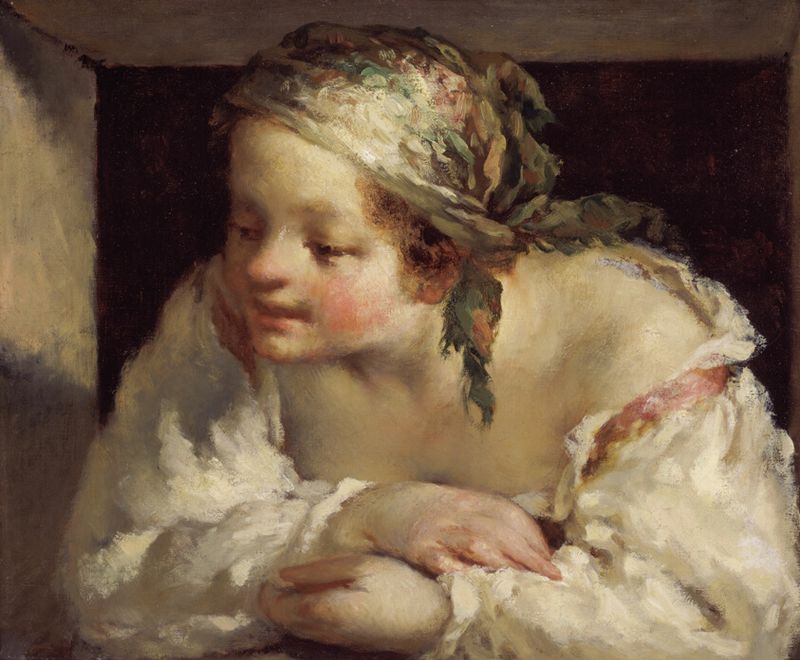 Same era · 1830s–1860s
Young Woman
Jean-François Millet · 1844 · Art Institute of Chicago
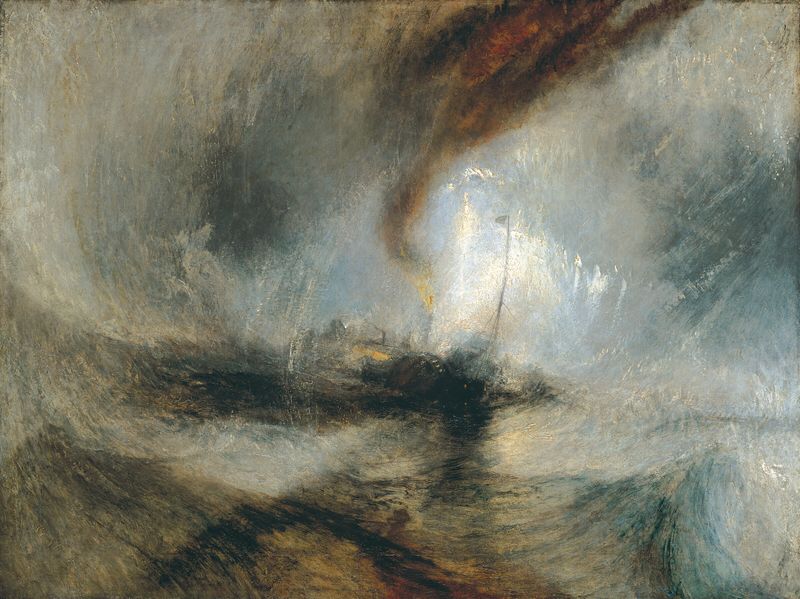 Same era · 1830s–1860s
Snow Storm: Steam-Boat off a Harbour's Mouth
J. M. W. Turner · 1842 · National Gallery
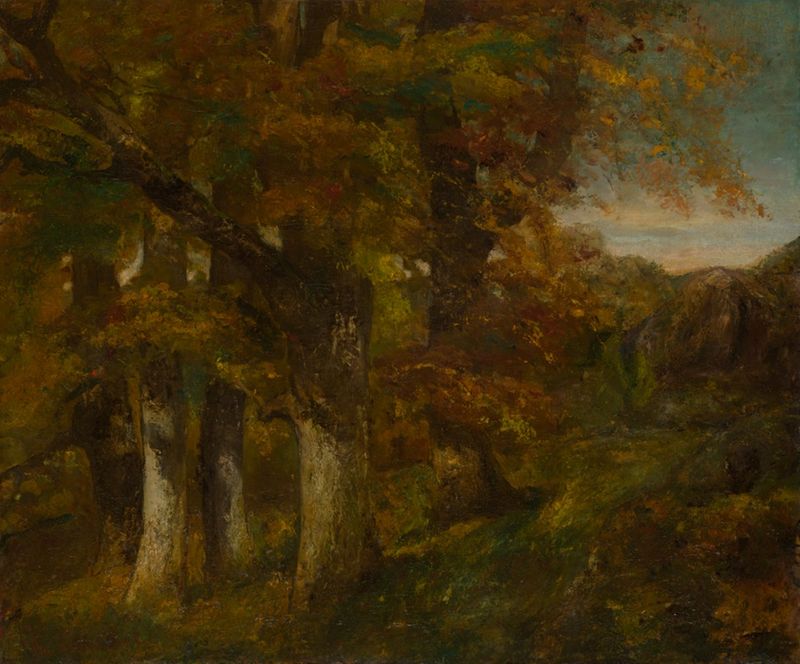 Same era · 1830s–1860s
Wooded Landscape
Gustave Courbet · 1848 · Art Institute of Chicago
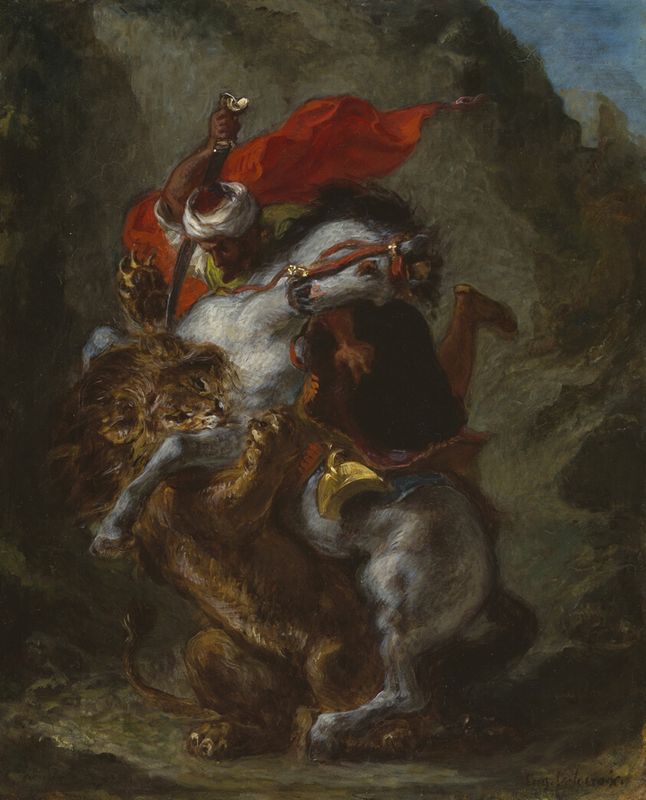 Same era · 1830s–1860s
Arab Horseman Attacked by a Lion
Eugène Delacroix · 1849 · Art Institute of Chicago
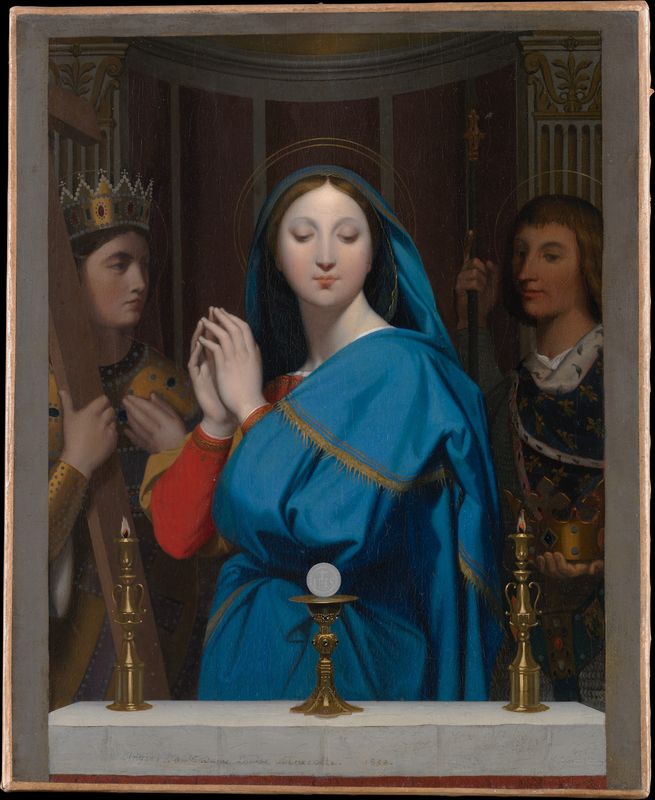 Same era · 1830s–1860s
The Virgin Adoring the Host
Jean-Auguste-Dominique Ingres · 1841 · Pushkin Museum of Fine Arts
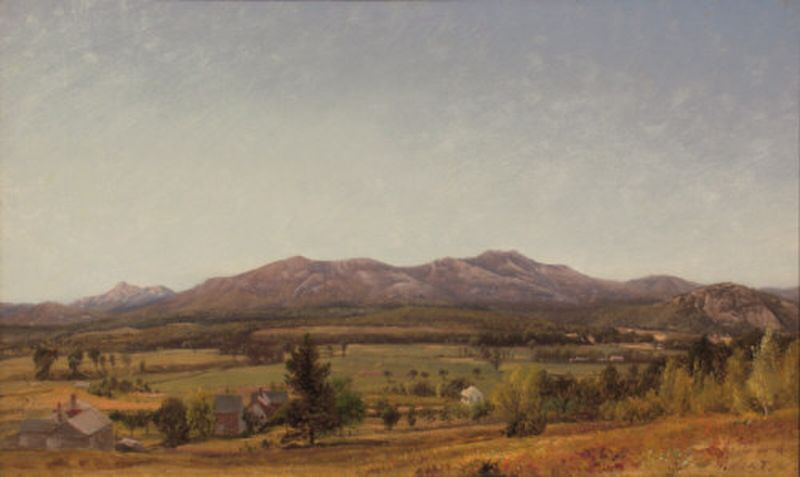 Same era · 1830s–1860s
Mount Chocorua and Moat Mountain from North Conway
William Hart · 1850
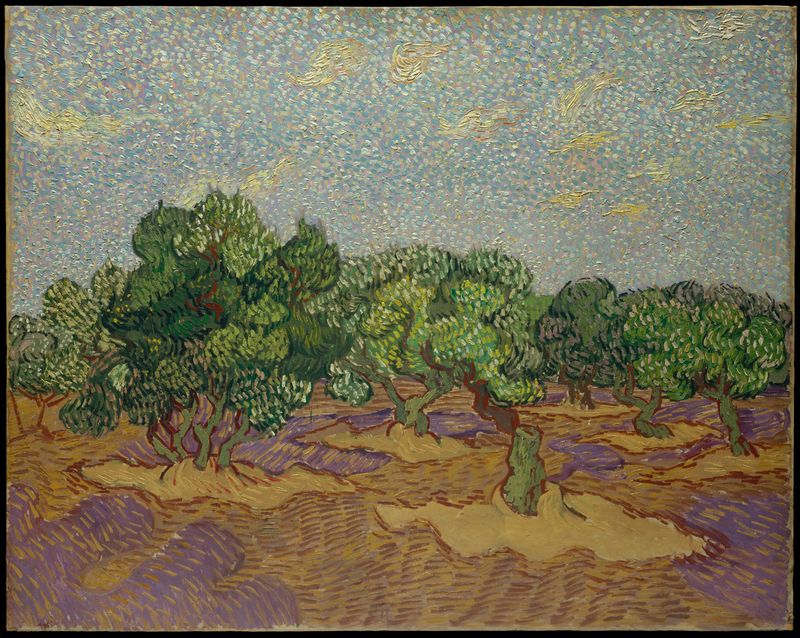 Same era · 1830s–1860s
Olive Trees
Vincent van Gogh · 1853 · The Metropolitan Museum of Art
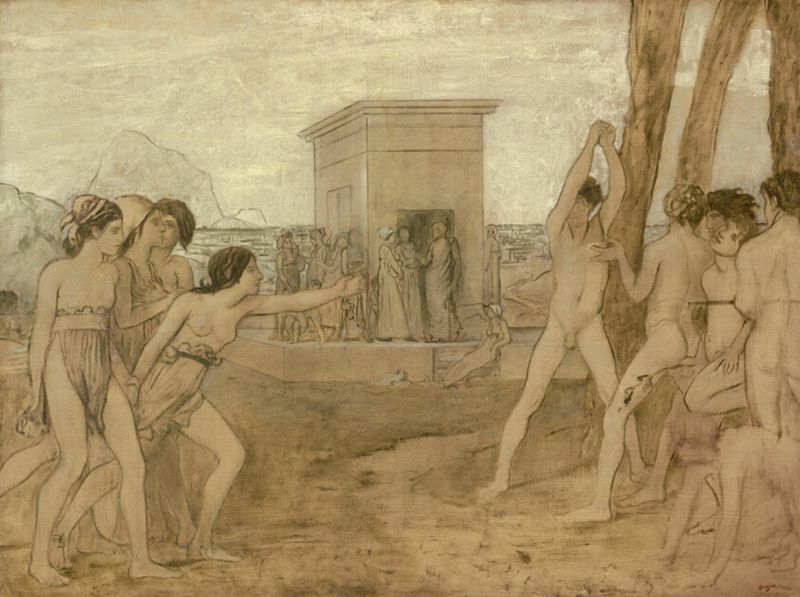 Same era · 1830s–1860s
Young Spartan Girls Challenging Boys
Edgar Degas · 1860 · Art Institute of Chicago
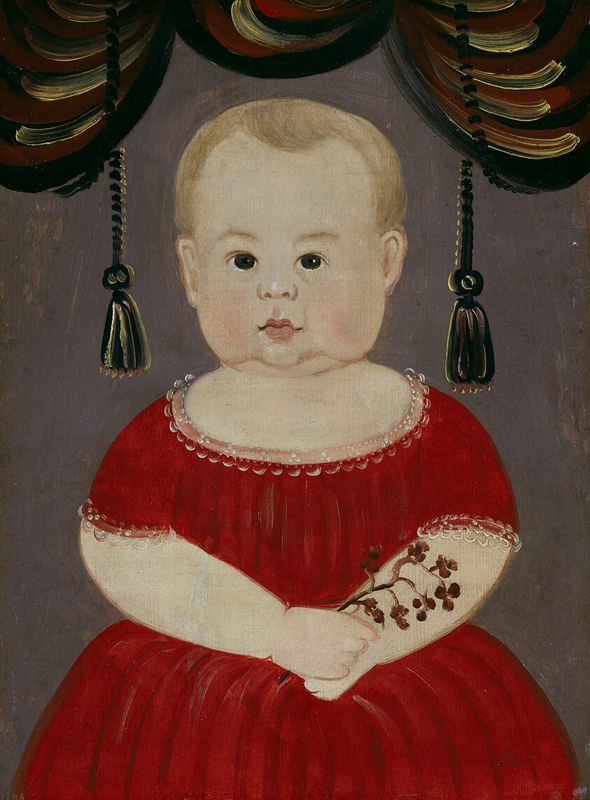 Same era · 1830s–1860s
Portrait of Fred Adelbert Haywood
School of William Matthew Prior · 1848 · Art Institute of Chicago
 Same era · 1830s–1860s
Mr. James Mackie
Samuel Alcock & Company · 1830 · Art Institute of Chicago
 Same era · 1830s–1860s
Portrait of Mary Ann (c.1796–after 1880), Wife of the Reverend George Balleine
Philip John Ouless · 1846 · Jersey Museum and Art Gallery