01
The calm face
Start at the face, with its faint smile and level gaze. Ingres makes the skin smooth and rosy, so the sitter feels relaxed, confident and close.
1 of 4 on the painting
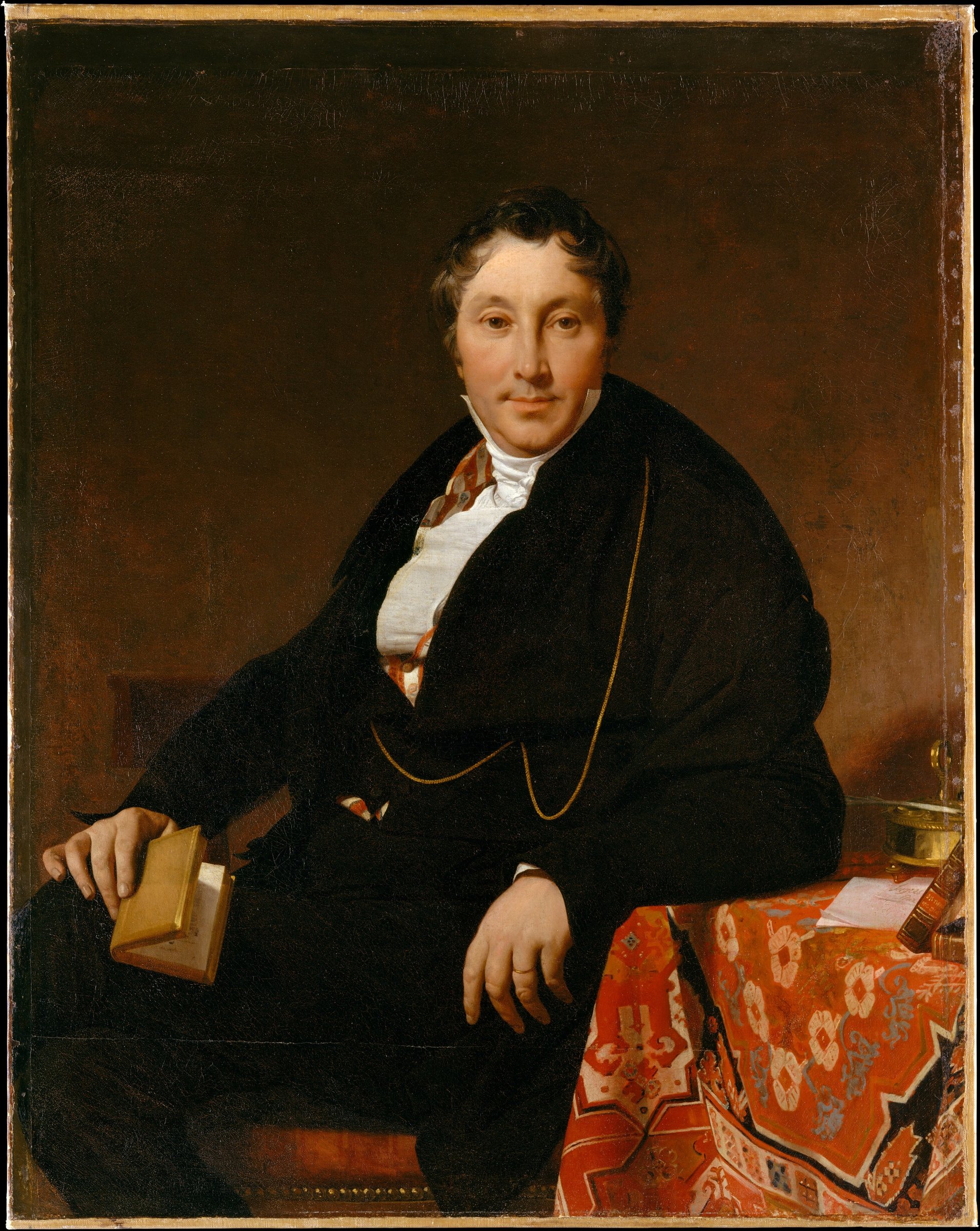
“Stop to appreciate the refined elegance of this portrait, where the artist masterfully uses line and form to capture the quiet dignity and thoughtful character of Jacques-Louis Leblanc.”
Jacques-Louis Leblanc, a civil servant in Napoleon's administration, gazes out from this portrait with a quiet intensity. His dark coat and white cravat are rendered with an almost sculptural precision, typical of the Neoclassical style. The artist, Jean-Auguste-Dominique Ingres, often emphasized line and form over dramatic color, and here we see that commitment in the crisp contours of Leblanc's face and the subtle modeling of his features. The background is simple, allowing full attention to fall on the sitter, whose expression hints at a calm confidence. Created in 1823, this work captures the dignity of its subject through a restrained elegance, reflecting a period when portraiture sought to reveal character through understated grandeur rather than overt display.
Five details hide in plain sight. Pick one and we’ll show you exactly where to look.
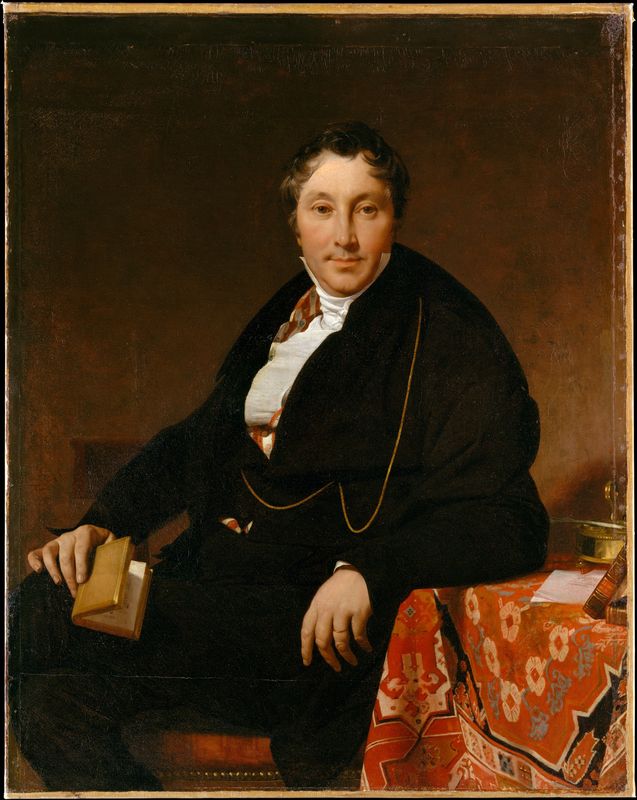
Start at the face, with its faint smile and level gaze. Ingres makes the skin smooth and rosy, so the sitter feels relaxed, confident and close.
A thin gold chain loops across the black coat, drawn as a single bright line. It gives a glint of luxury and shows how the dark cloth is shaped by its curve.
On the left, the hand holds a small gold-covered book, with each finger drawn in crisp, clean outline. The book suggests a man with time for reading.
At lower right, a red carpet draped over a table bursts with pattern. It is the loudest color in a mostly dark picture and pulls the eye to the corner.
The sitter's broad black coat fills much of the canvas against a brown wall, and he leans toward the table at right. The bright carpet balances that dark weight, and the pale face sits at the top of the shape.
The full narration walks you through Jacques-Louis Leblanc (1774–1846) — the story behind it, the details most visitors miss, and why it matters. Free in the Art Whisper app.
Jean-Auguste-Dominique Ingres, a French Neoclassical painter, masterfully blended academic tradition with expressive distortions, influencing modernists like Matisse and Picasso.
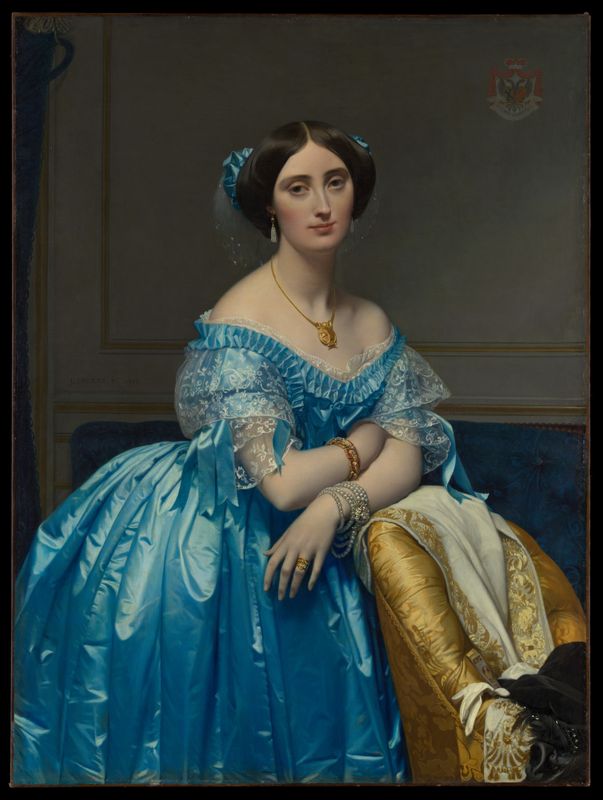 Joséphine-Éléonore-Marie-Pauline de Galard de Brassac de Béarn (1825–1860), Princesse de Broglie
1853 · Metropolitan Museum of Art
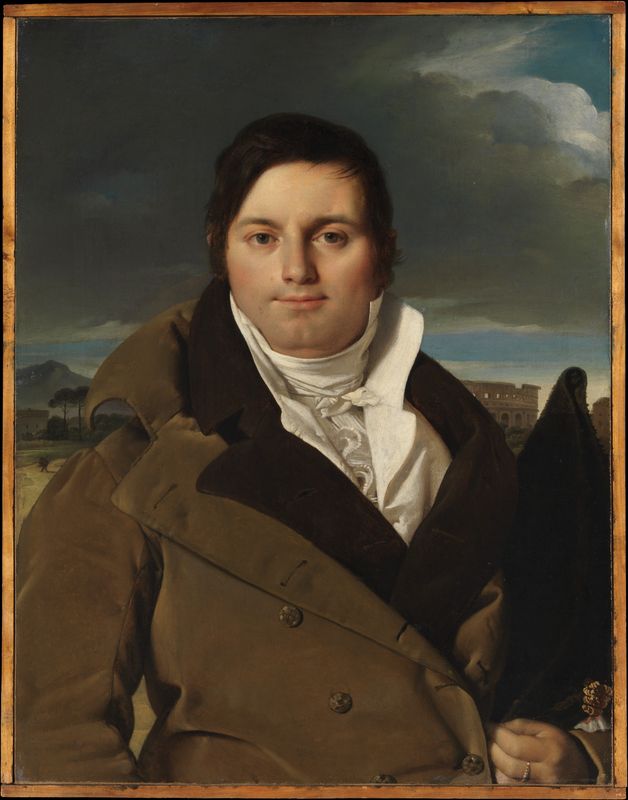 Joseph-Antoine Moltedo (born 1775)
1805 · The Metropolitan Museum of Art
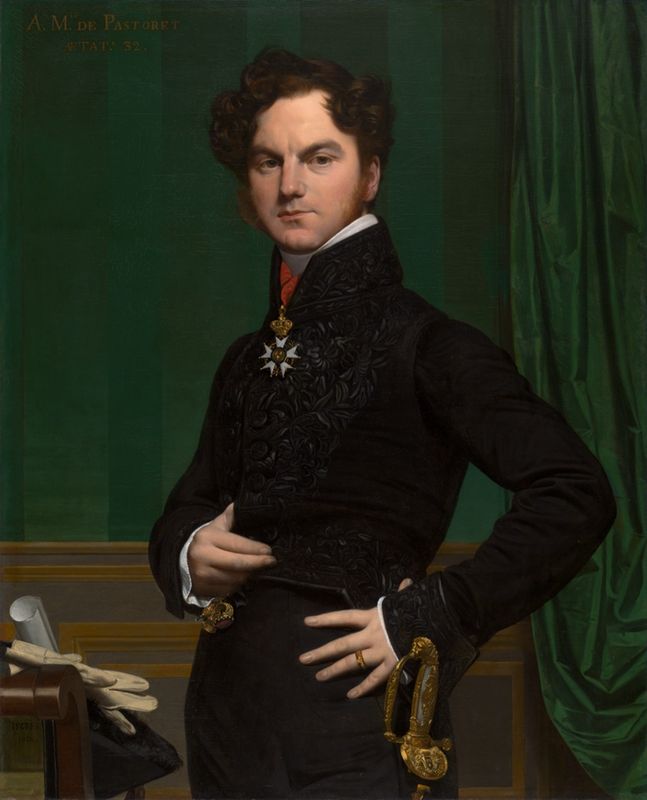 Amédée-David, the Comte de Pastoret
1823 · Art Institute of Chicago
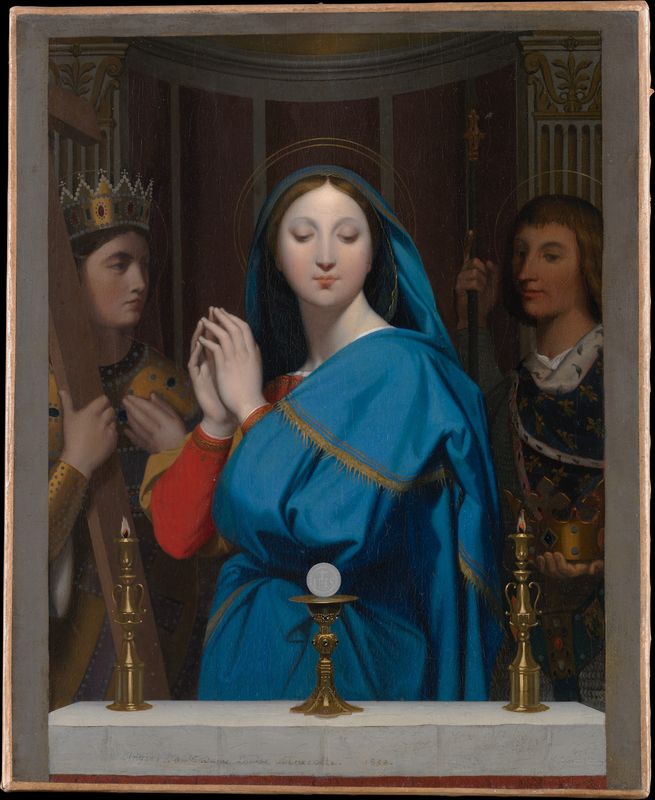 The Virgin Adoring the Host
1841 · Pushkin Museum of Fine Arts
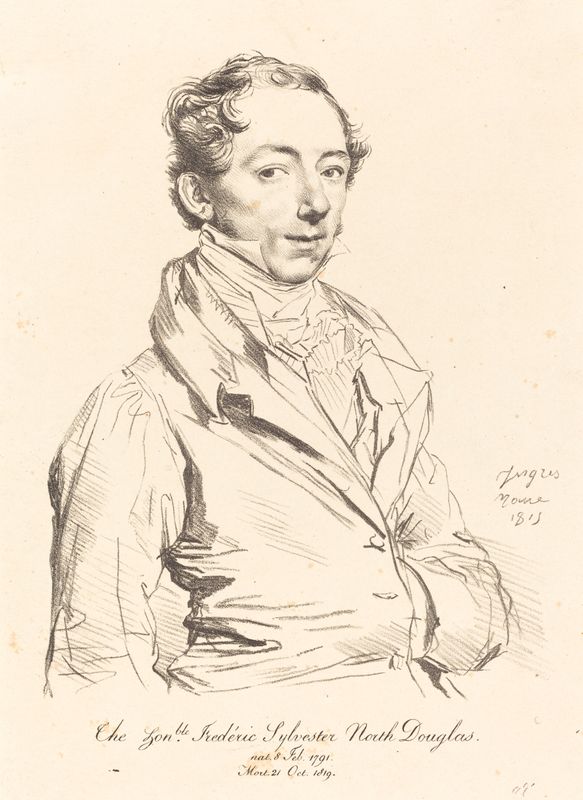 Frederic Sylvester Douglas
1815 · Art Institute of Chicago
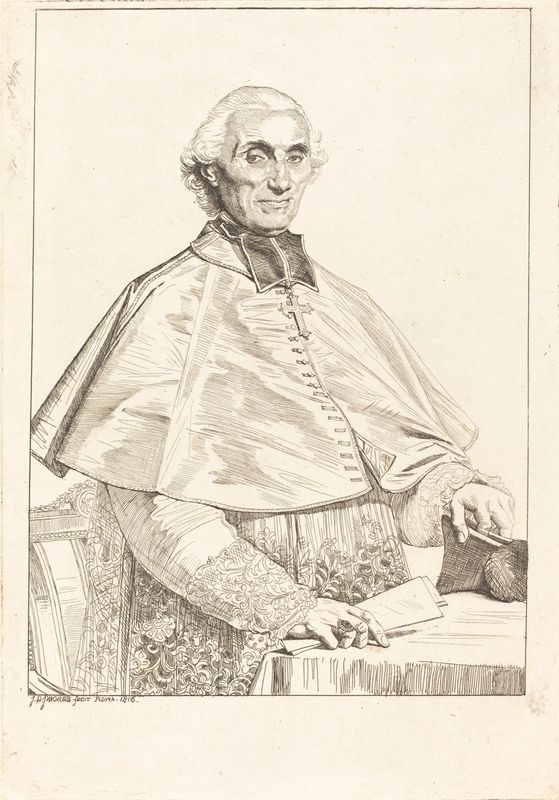 Gabriel Cortois de Pressigny
1816 · Art Institute of Chicago
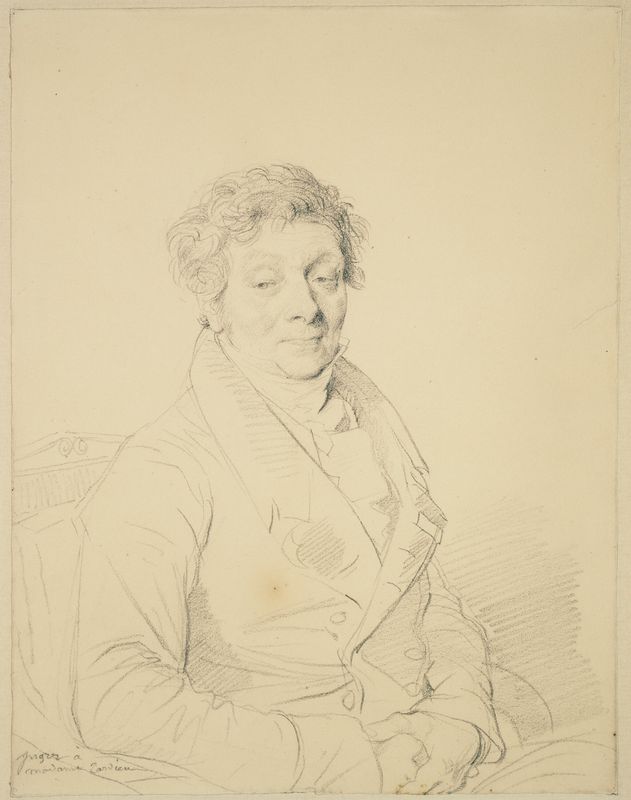 Pierre Alexandre Tardieu
1825 · Art Institute of Chicago
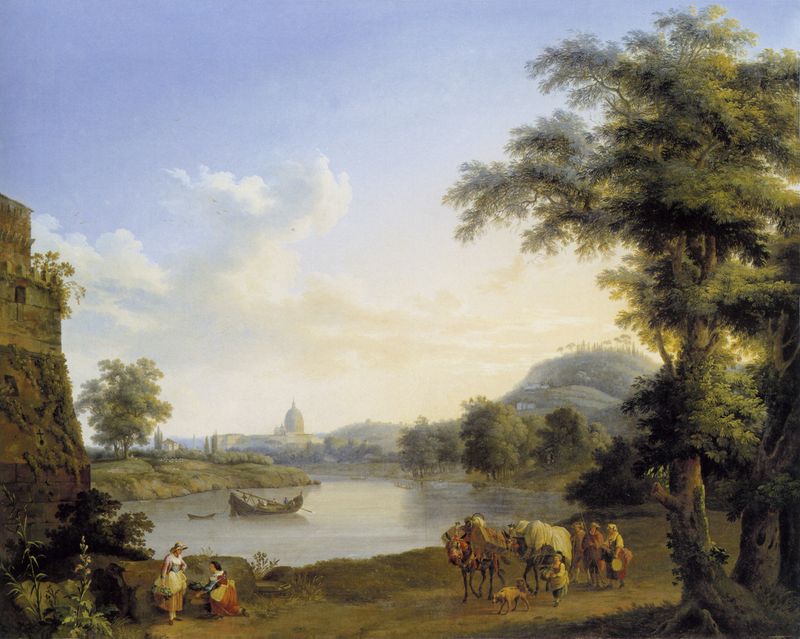 View of Saint Peter's in Rome
Art Institute of Chicago
Beyond Ingres and Romanticism: works from the same years, and from the other movements Jacques-Louis Leblanc (1774–1846) belongs to.
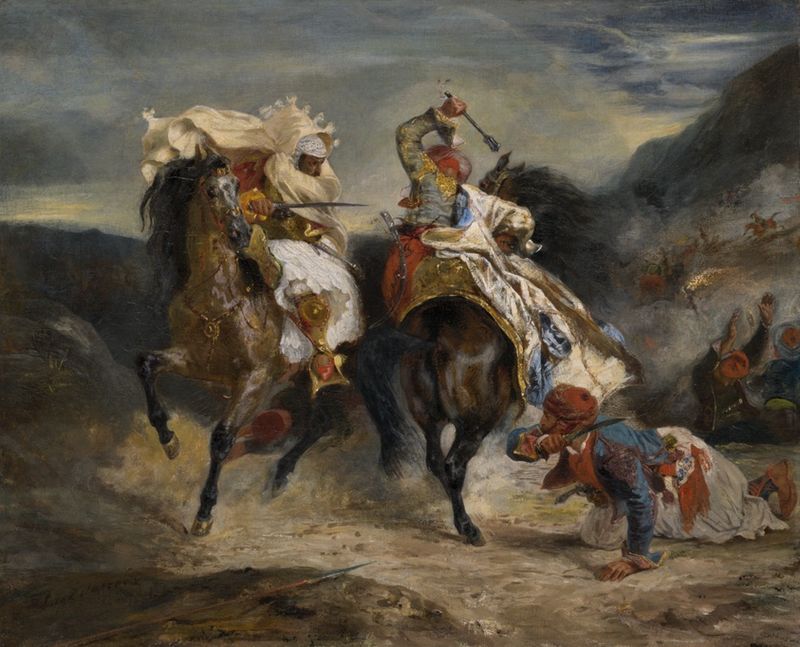 Same movement · Academic art
The Combat of the Giaour and Hassan
Eugène Delacroix · 1826 · Art Institute of Chicago
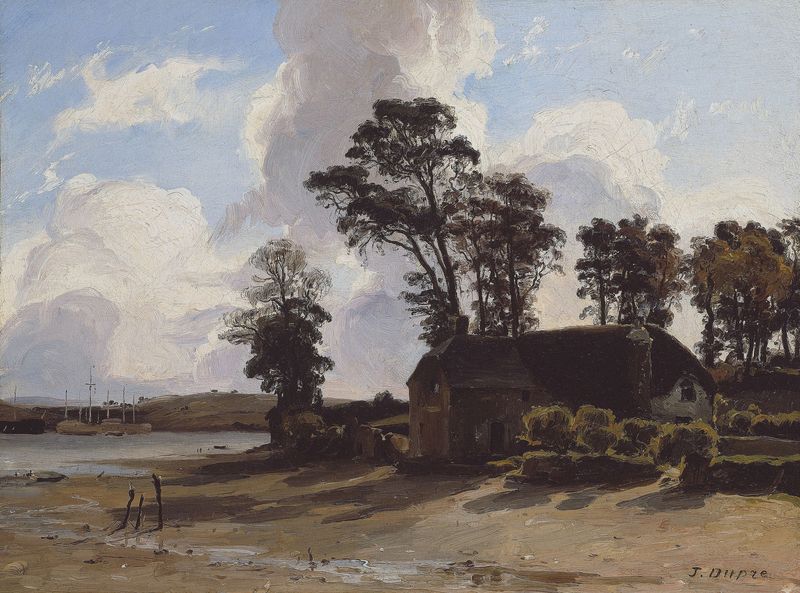 Same era · 1800s–1830s
The Estuary Farm
Léon-Victor Dupré · 1831 · Art Institute of Chicago
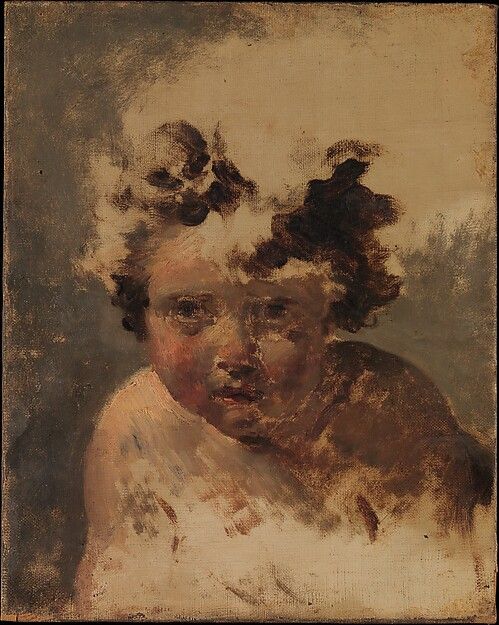 Same movement · Neoclassicism
Head of a Child
Jacques-Louis David · 1768 · The Metropolitan Museum of Art
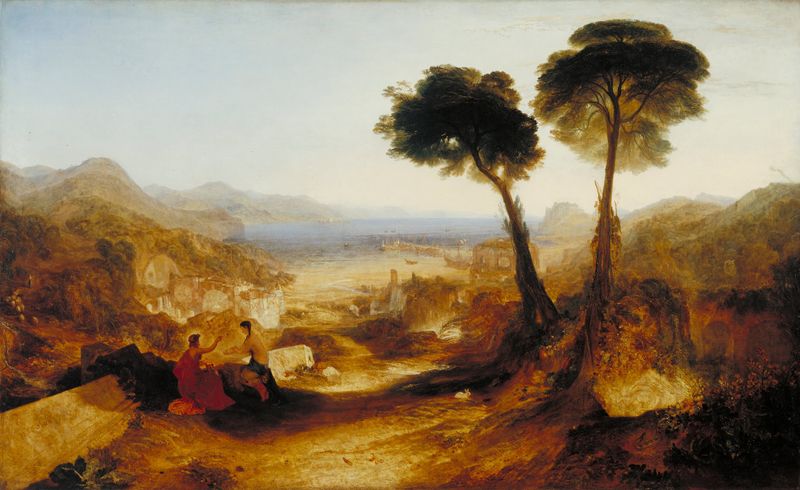 Same era · 1800s–1830s
The Bay of Baiae, with Apollo and the Sibyl
J. M. W. Turner · 1823 · National Gallery
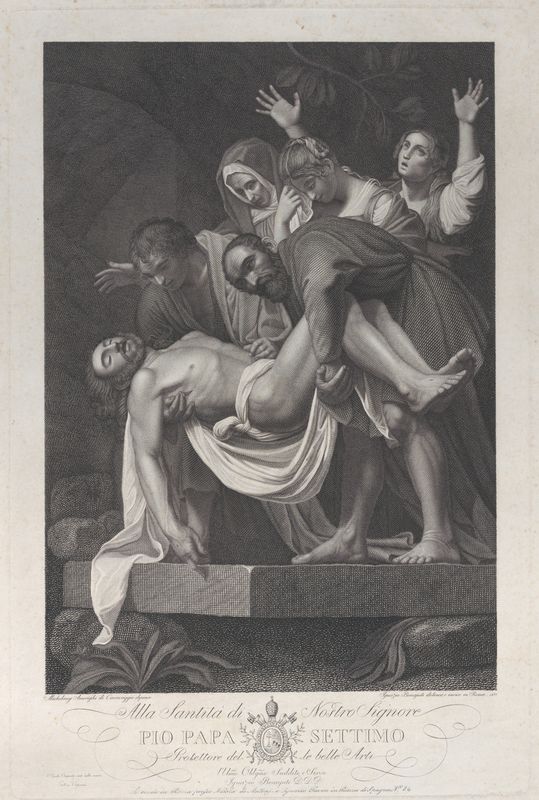 Same movement · Academic art
The Entombment of Christ
Caravaggio · 1600 · Pinacoteca Vaticana
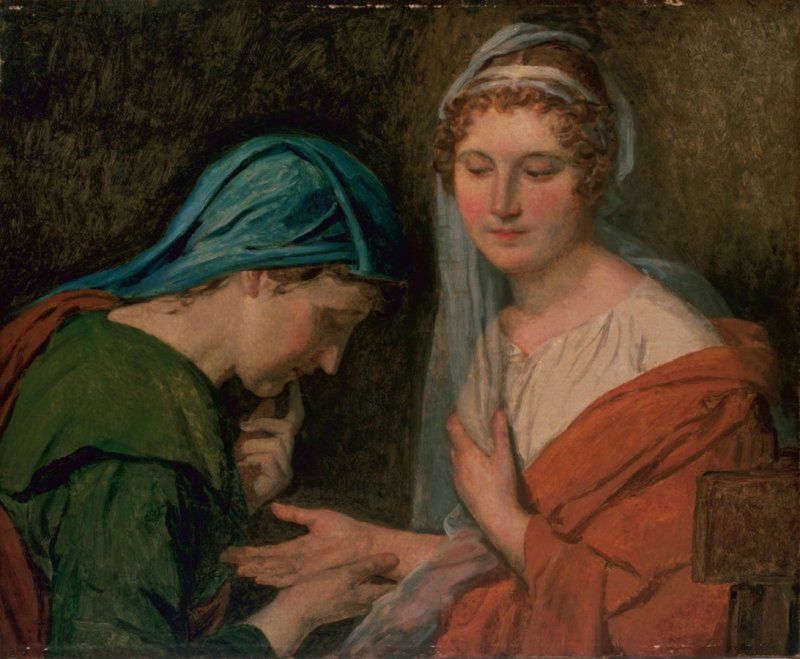 Same era · 1800s–1830s
The Fortune Teller (La Bonne Aventure)
Jacques-Louis David · 1824 · Fine Arts Museums of San Francisco
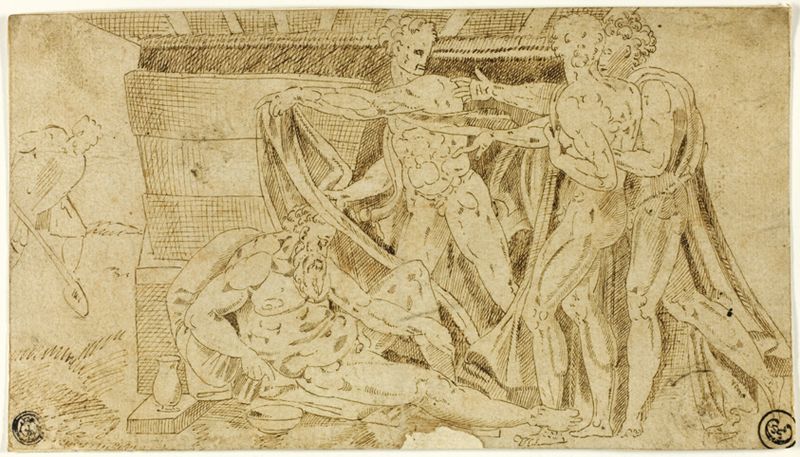 Same movement · Academic art
Drunkenness of Noah
Michelangelo · 1509 · Sistine Chapel
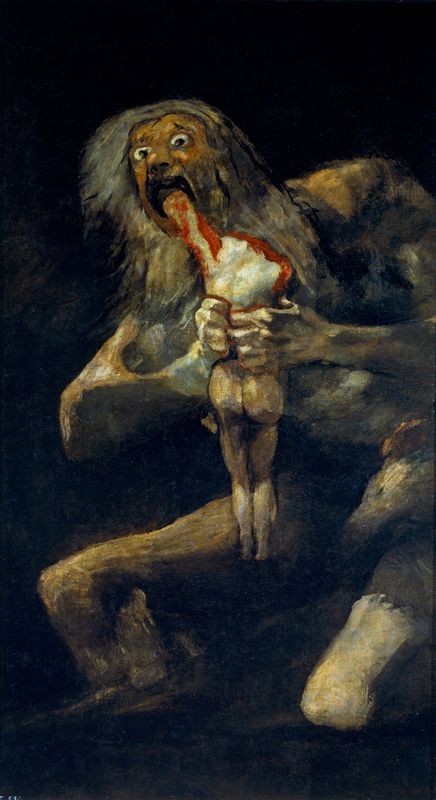 Same era · 1800s–1830s
Saturn Devouring His Son
Francisco Goya · 1820 · Museo del Prado
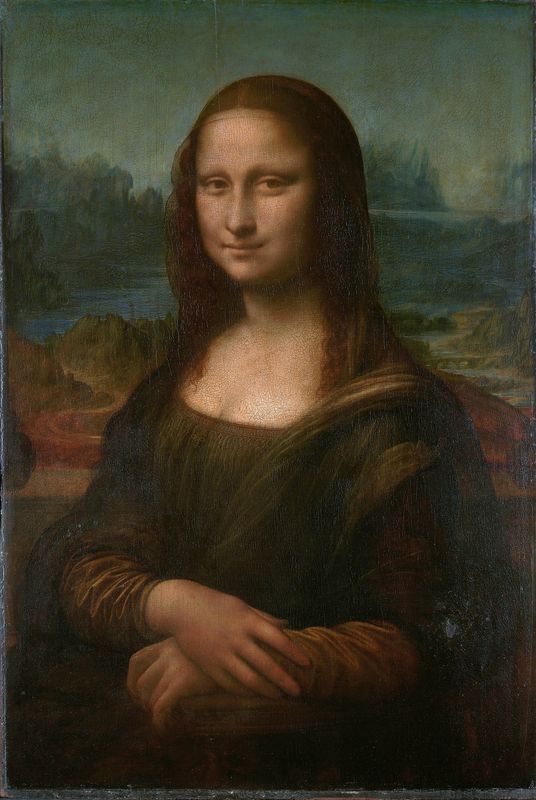 Same movement · Academic art
Mona Lisa
Leonardo da Vinci · 1503 · Department of Paintings of the Louvre
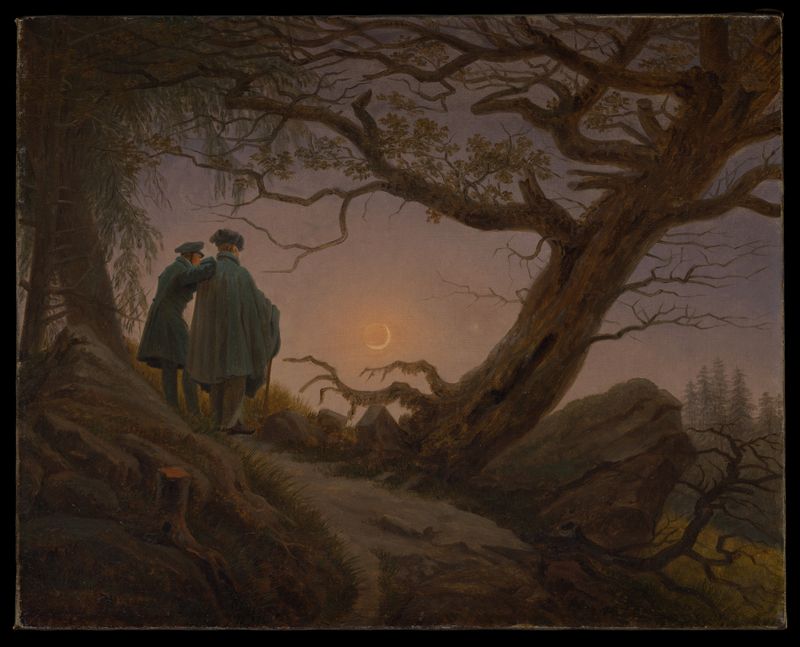 Same era · 1800s–1830s
Two Men Contemplating the Moon
Caspar David Friedrich · 1819 · Staatliche Kunstsammlungen Dresden
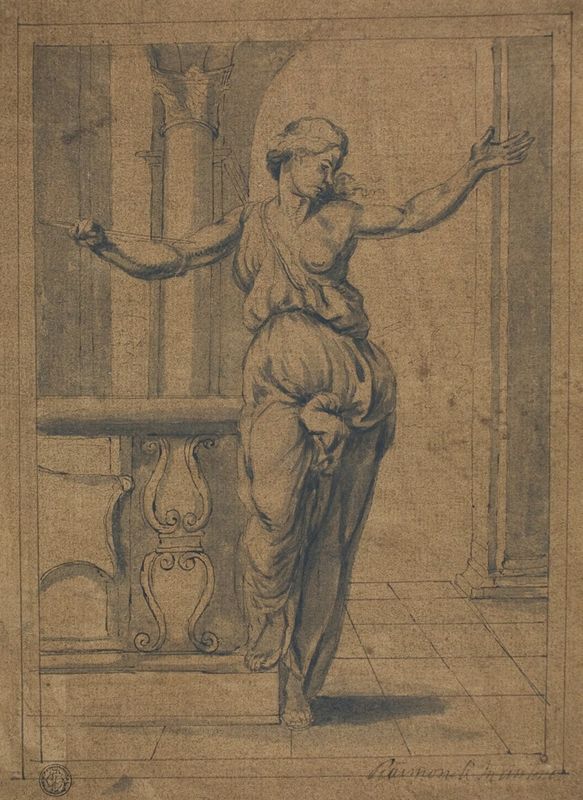 Same movement · Academic art
Lucretia
Raphael · Metropolitan Museum of Art
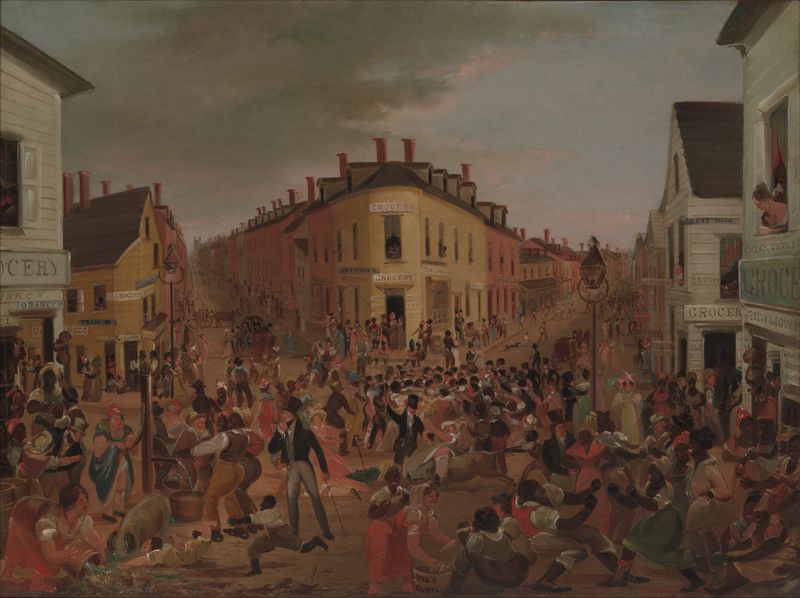 Same era · 1800s–1830s
The Five Points
Artist Unknown - The Mercat Cross, Aberdeen · 1822 · The Metropolitan Museum of Art
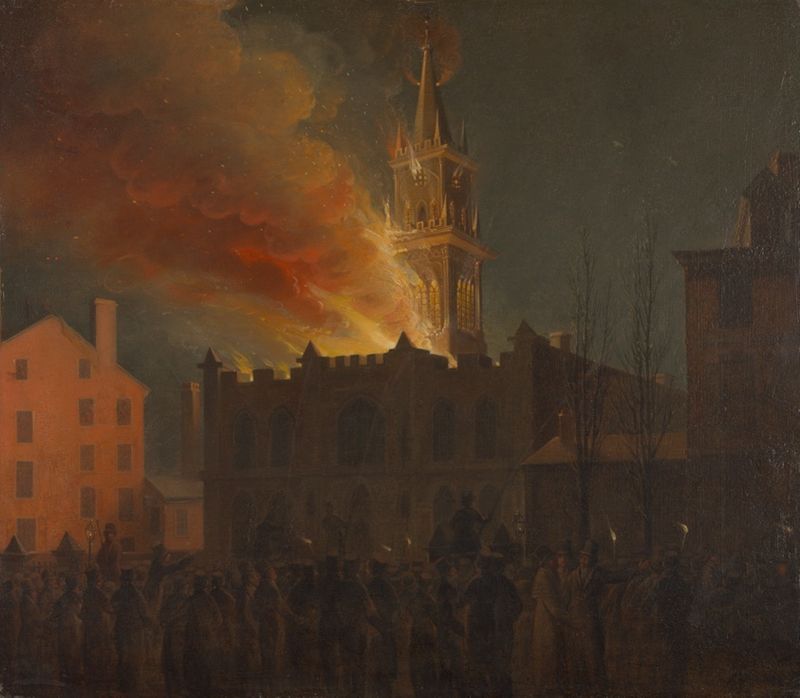 Same era · 1800s–1830s
Conflagration of the Masonic Hall, Chestnut Street, Philadelphia, Pennsylvania
Samuel Jones · 1819 · Art Institute of Chicago
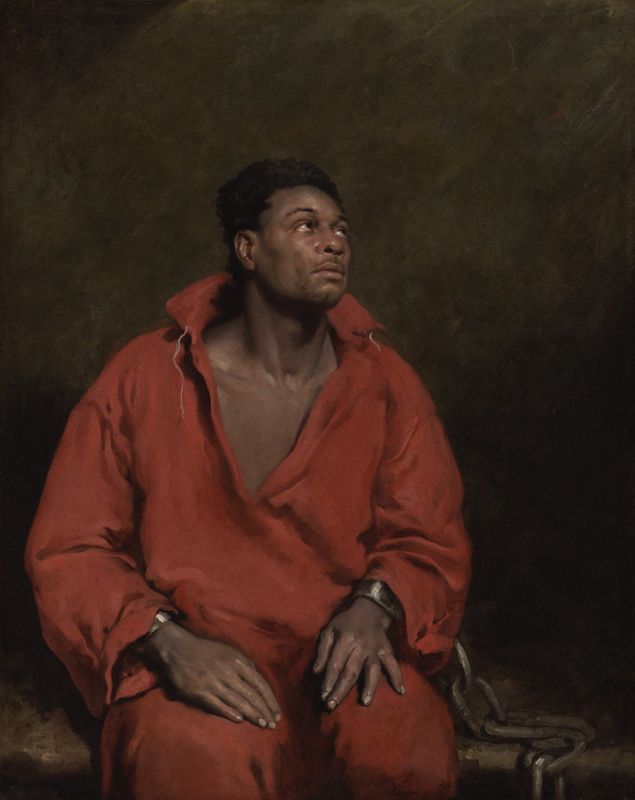 Same era · 1800s–1830s
The Captive Slave (Ira Aldridge)
John Philip Simpson · 1827 · Art Institute of Chicago
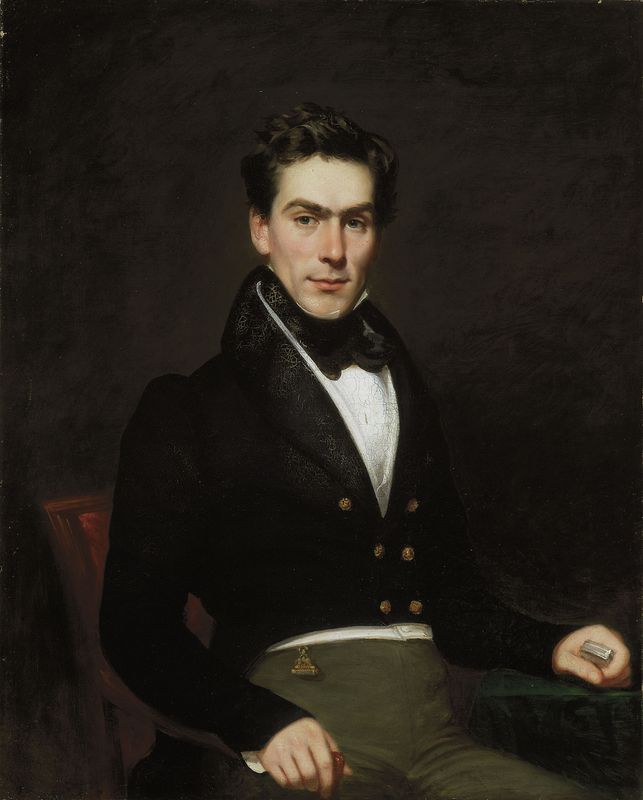 Same era · 1800s–1830s
Mr. James Mackie
Samuel Alcock & Company · 1830 · Art Institute of Chicago
 Same era · 1800s–1830s
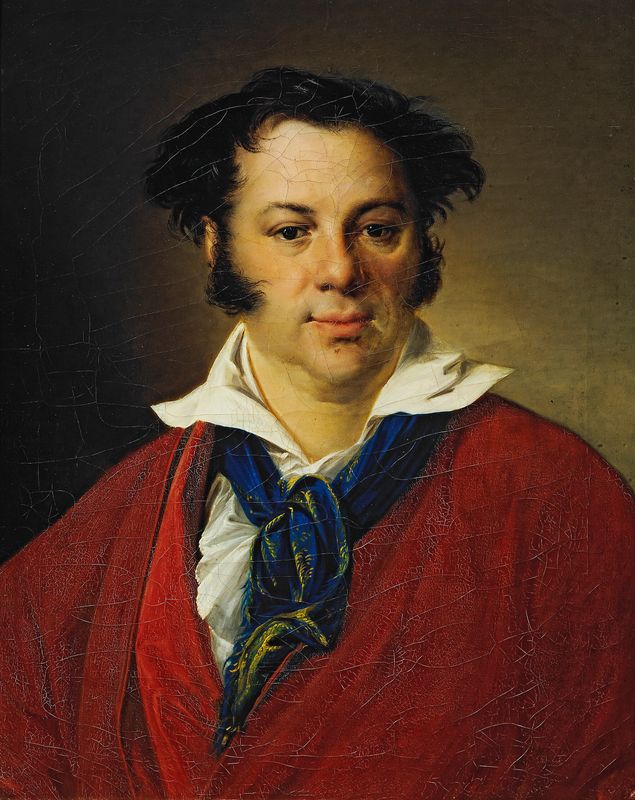
Portrait of K.G.Ravich
Vasily Andreevich Tropinin · 1823 · Tretyakov Gallery
 Same era · 1800s–1830s
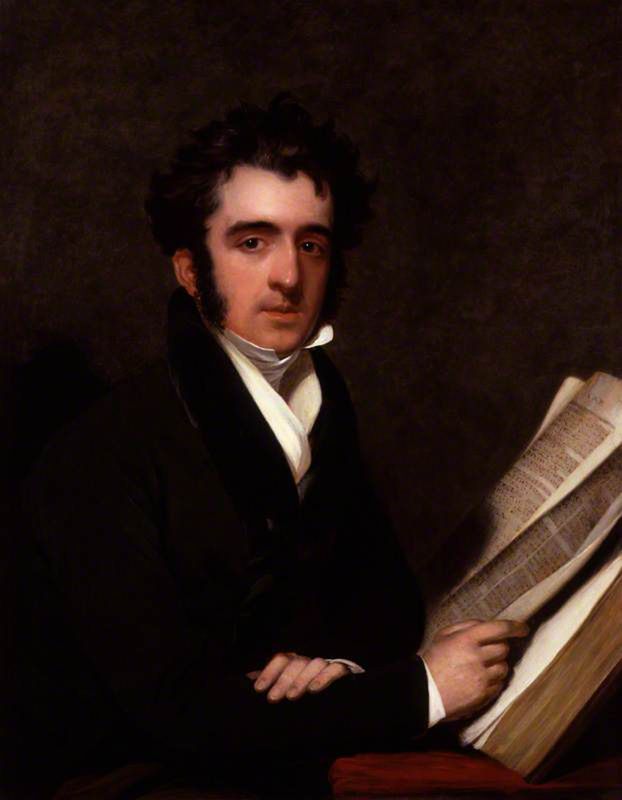
George Grote
Thomas Stewardson · 1824 · National Portrait Gallery
 Same era · 1800s–1830s
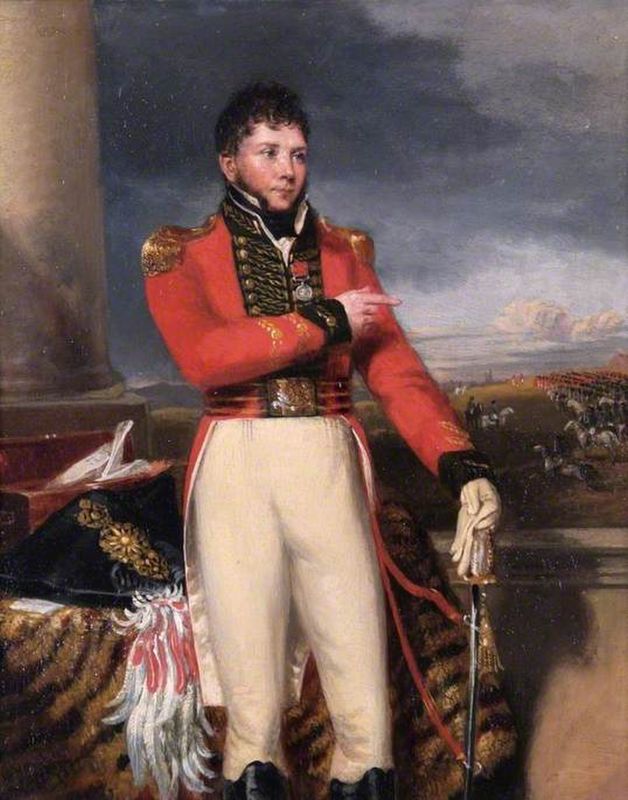
Indian Army Officer
William Havell · 1822 · Reading Museum