
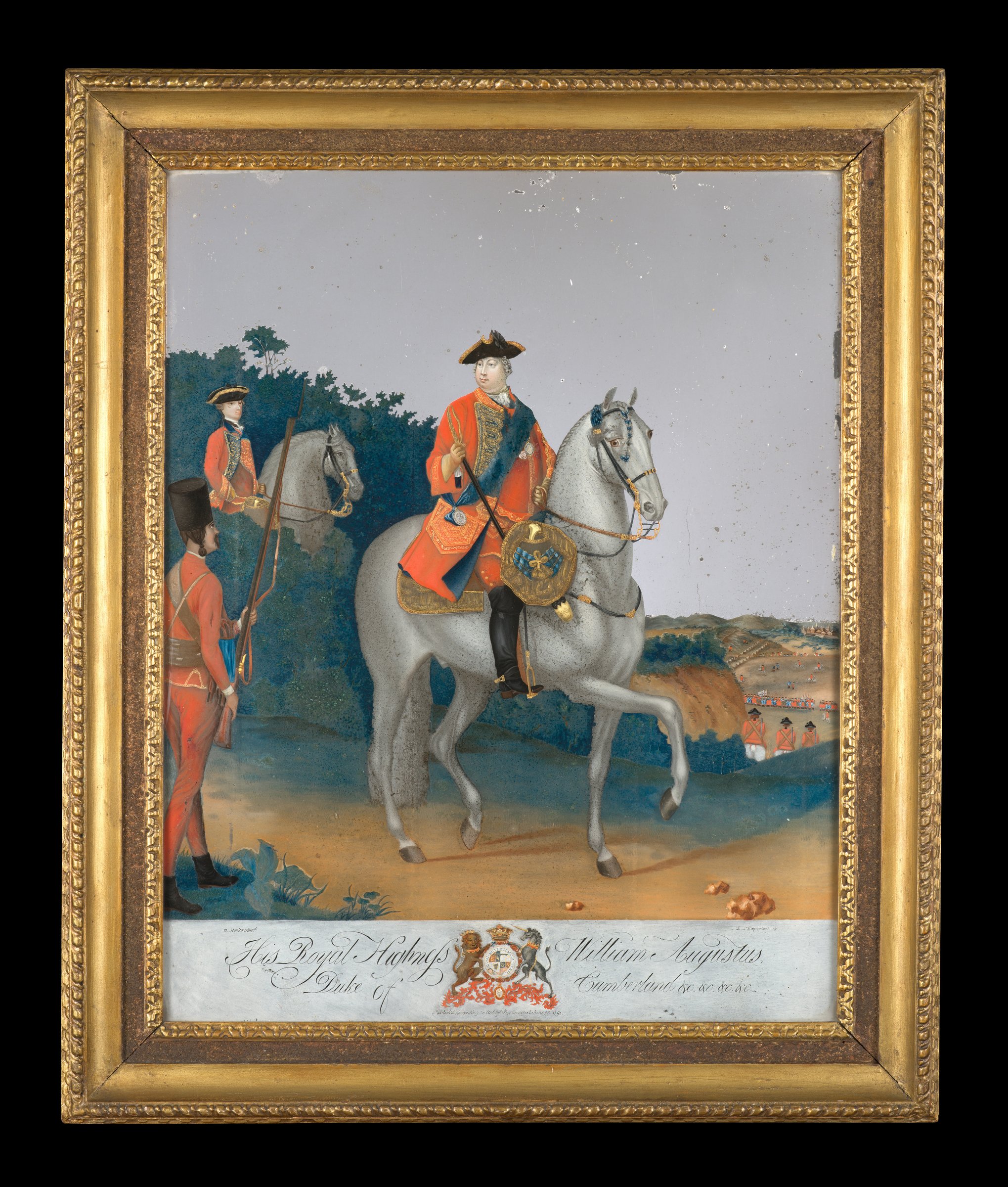
“Stop to see this striking equestrian portrait of William, Duke of Cumberland, rendered in the unusual and shimmering medium of reverse-painted and mirrored glass. It captures a powerful figure with a unique decorative flair.”
This unusual portrait of William, Duke of Cumberland, presents a military figure in a surprisingly delicate medium: reverse-painted and mirrored glass. The Duke, a son of King George II and a prominent commander in the British Army, is shown astride a rearing horse, a classic pose for powerful leaders. His uniform is detailed, with a sash across his chest and a tricorn hat. The artist, Jacques-Louis David, was only about three years old when this work was made, making the attribution of this piece, dated to 1751, implausible. David would later become celebrated for his Neoclassical paintings, often depicting grand historical scenes and portraits. This piece, with its reflective surface and intricate technique, offers a unique blend of formal portraiture and decorative art, capturing the Duke's formidable presence with an unexpected shimmer.
- Artist
- Jacques-Louis David
- Date
- 1751
- Medium
- Glass, reverse painted and mirrored
- Location
- The Metropolitan Museum of Art
- Dimensions
- 26 3/4 × 22 1/4 in. (67.9 × 56.5 cm)
What to Notice
Four details hide in plain sight. Here’s where to look.
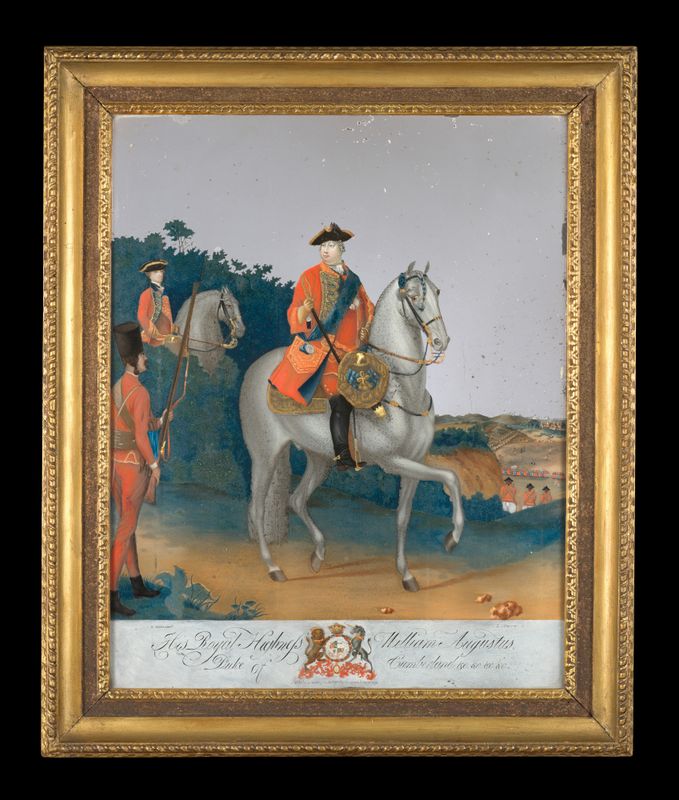
The horse's dramatic pose, rearing on its hind legs.
The reflective, almost shimmering quality of the mirrored glass.
Details of the Duke's uniform, including his sash and hat.
The delicate brushwork visible through the glass.
Jacques-Louis David
1748–1825 · FranceDavid survived revolution, prison, and exile to paint Napoleon's glory — and still died the most influential artist in France.
Further Works by David
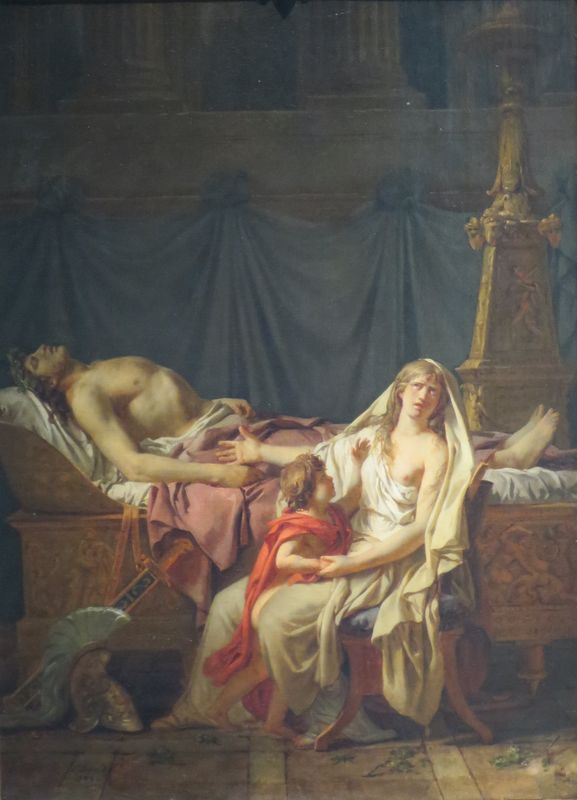 Andromache Mourning Hector
1783 · Pushkin Museum of Fine Arts
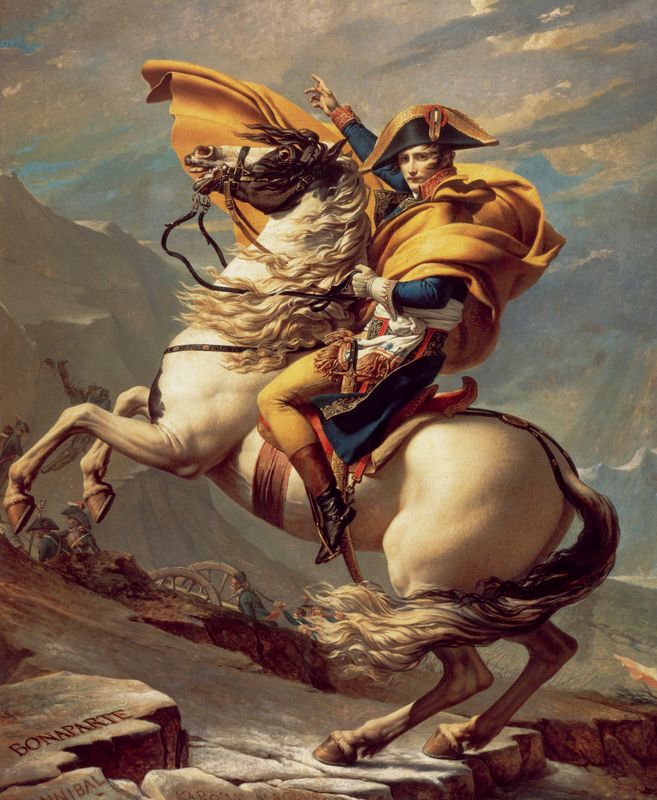 Napoleon Crossing the Alps
1800 · Musée national de Malmaison et Bois-Préau
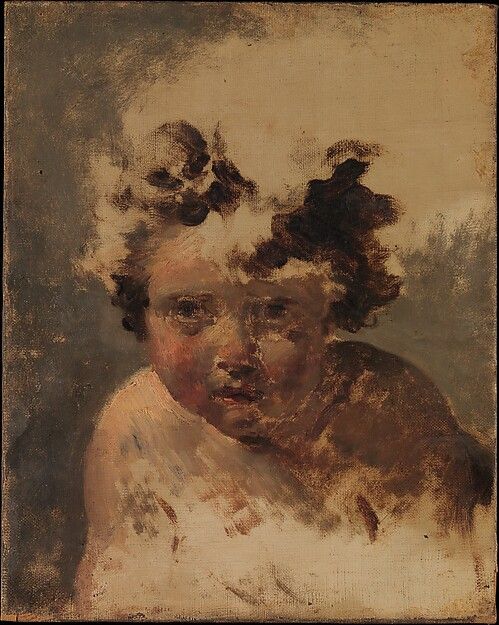 Head of a Child
1768 · The Metropolitan Museum of Art
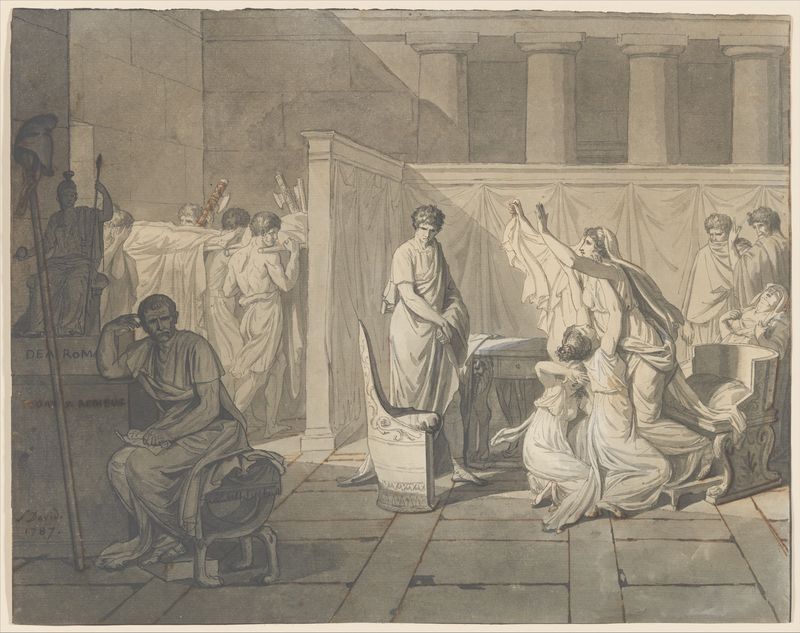 The Lictors Bringing Brutus the Bodies of his Sons
1787 · The Metropolitan Museum of Art
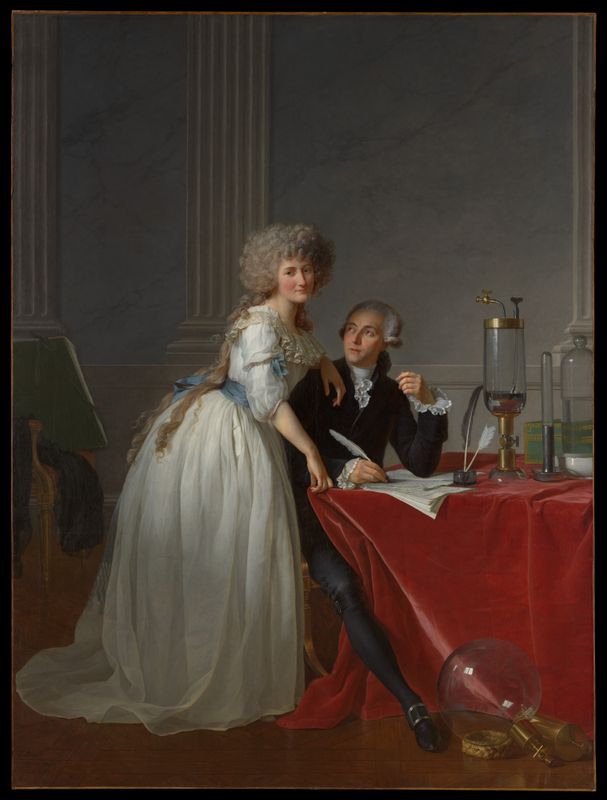 Antoine Laurent Lavoisier (1743–1794) and Marie Anne Lavoisier (Marie Anne Pierrette Paulze, 1758–1836)
1788 · The Metropolitan Museum of Art
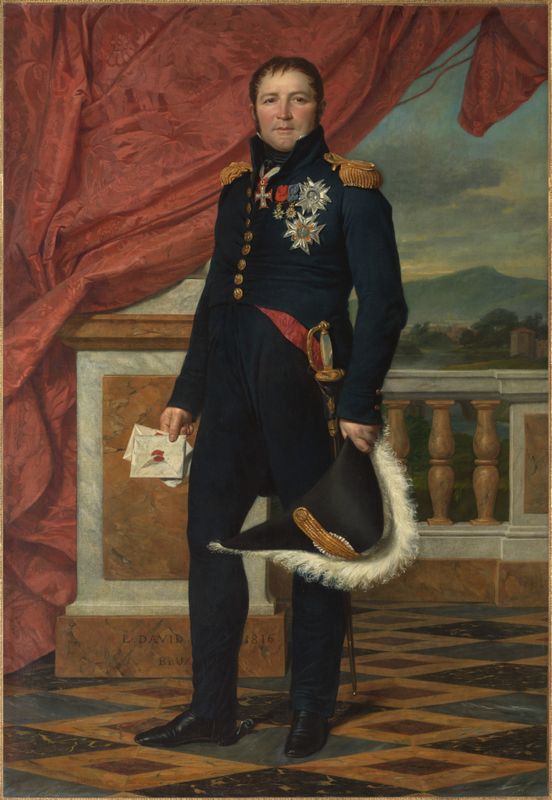 General Étienne-Maurice Gérard (1773–1852)
1816 · The Metropolitan Museum of Art
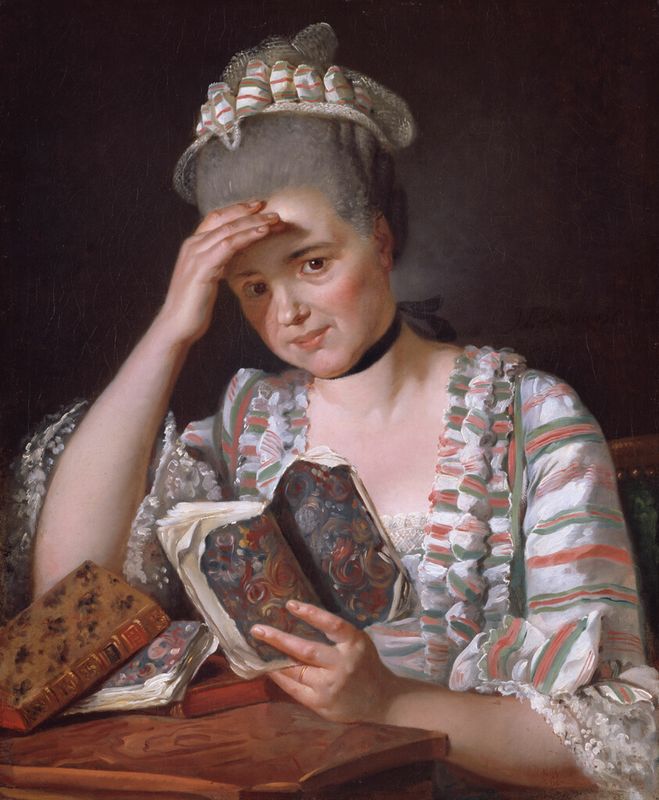 Madame François Buron
1769 · Art Institute of Chicago
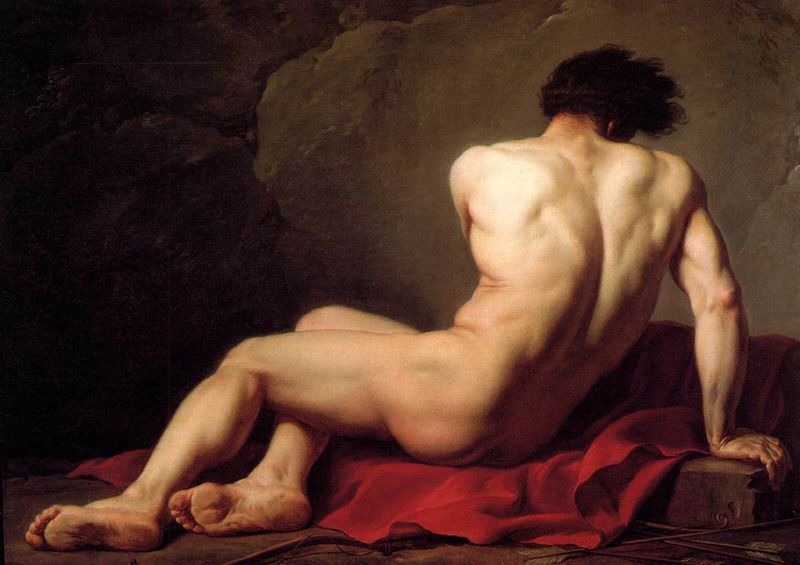 Patroclus
1780 · Musée Thomas-Henry
More from Academic art
More works to explore
Beyond David and Academic art: works from the same years, and from the other movements Equestrian portrait of William, Duke of Cumberland (1721–1765) belongs to.
 Same movement · Neoclassicism
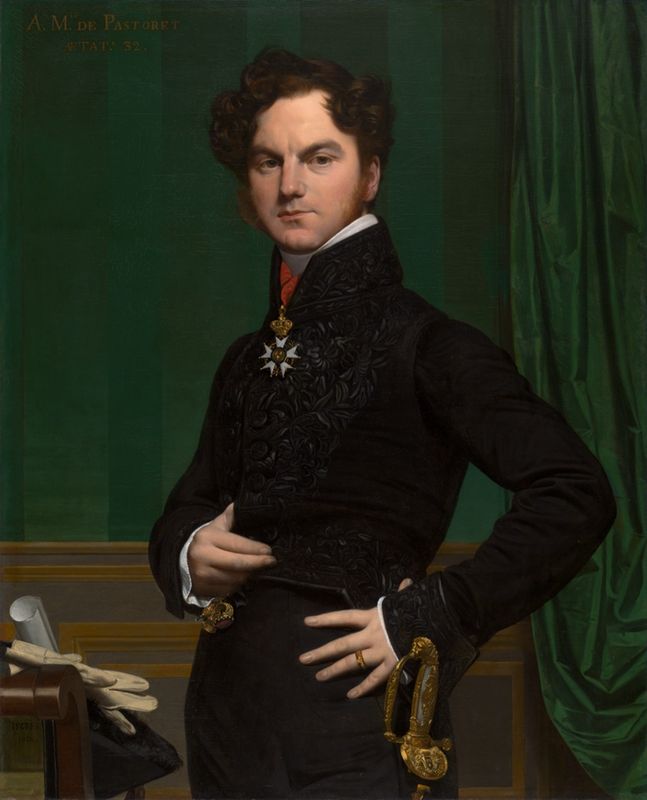
Amédée-David, the Comte de Pastoret
Jean-Auguste-Dominique Ingres · 1823 · Art Institute of Chicago
 Same era · 1730s–1760s
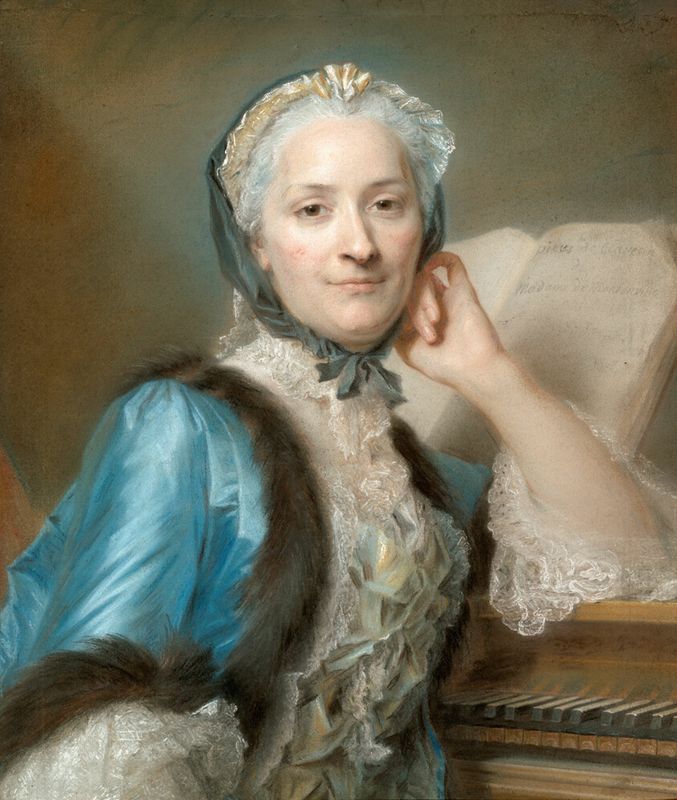
Portrait of Madame Anne-Jeanne Cassanéa de Mondonville, née Boucon (1708-1780)
Maurice Quentin de Latour · 1752 · Art Institute of Chicago
 Same era · 1730s–1760s
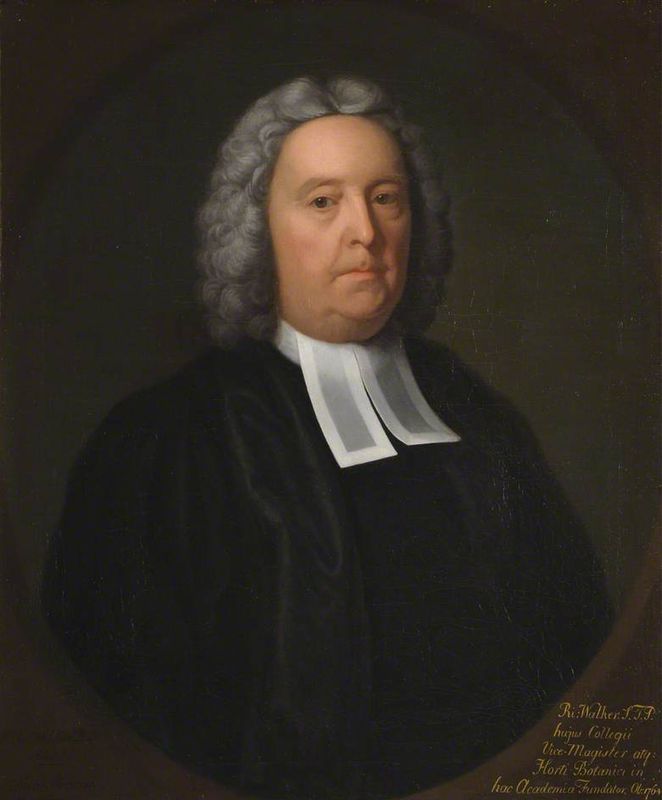
Richard Walker (1679–1764), Vice-Master and Horticulturist
John Theodore Heins · 1751 · Trinity College
 Same era · 1730s–1760s
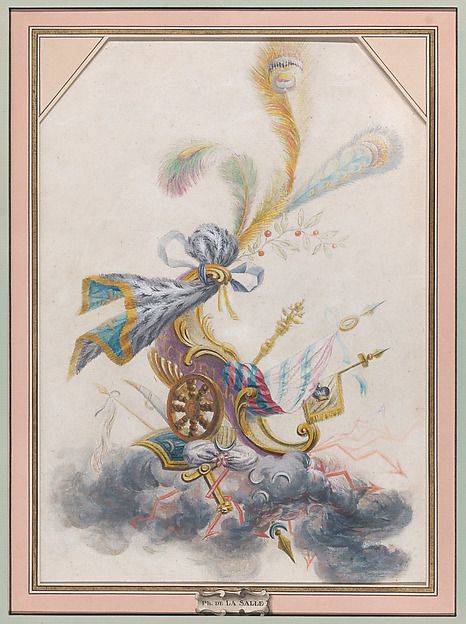
Design for a Lampas Silk with a Triumphal Chariot on a Cloud
Philippe de la Salle · 1765 · The Metropolitan Museum of Art
 Same era · 1730s–1760s
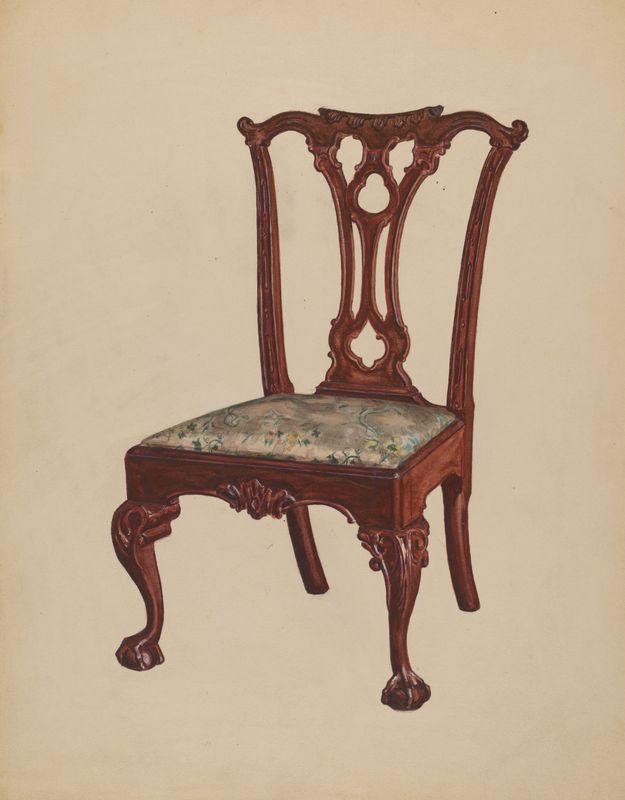
Side Chair
Artist Unknown - The Mercat Cross, Aberdeen · 1750 · Art Institute of Chicago
 Same era · 1730s–1760s
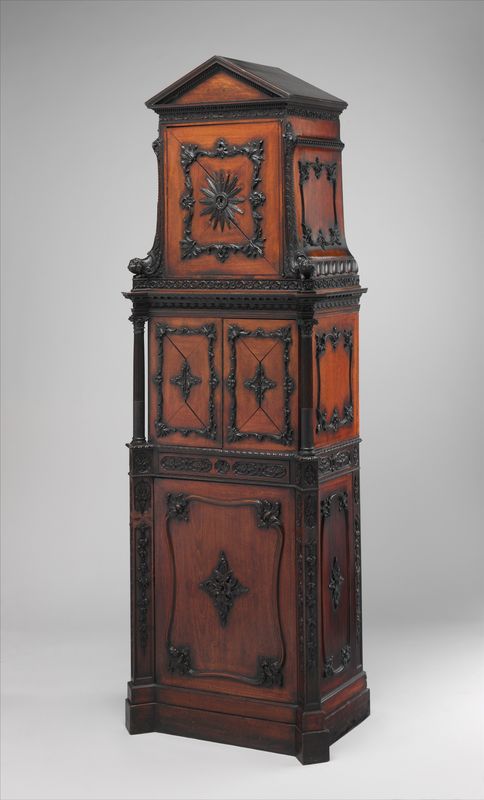
Medal cabinet
William Vile · 1760 · The Metropolitan Museum of Art
 Same era · 1730s–1760s
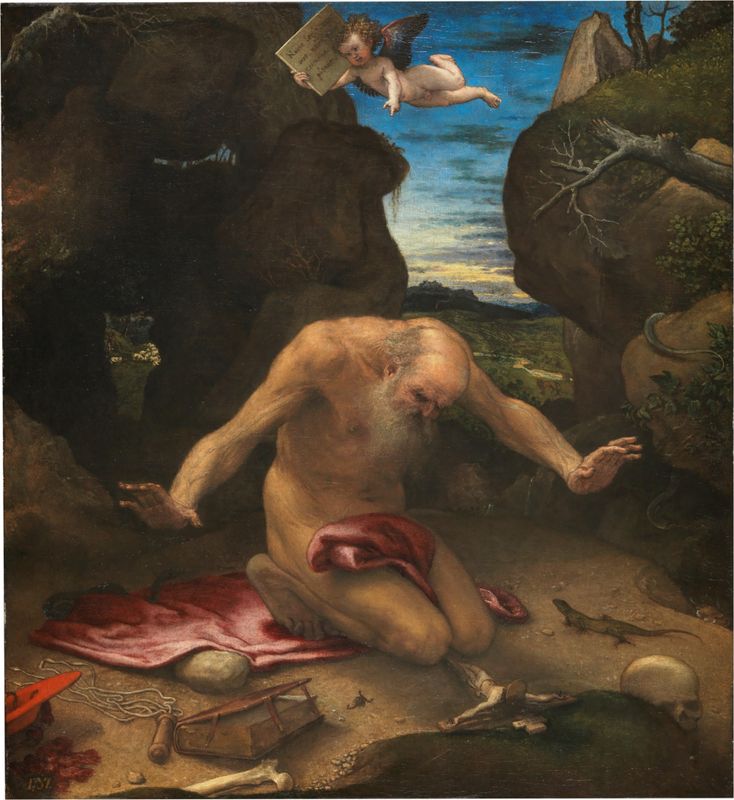
Saint Jerome in Penitence
Stefano Mulinari · 1750 · The Metropolitan Museum of Art
 Same era · 1730s–1760s
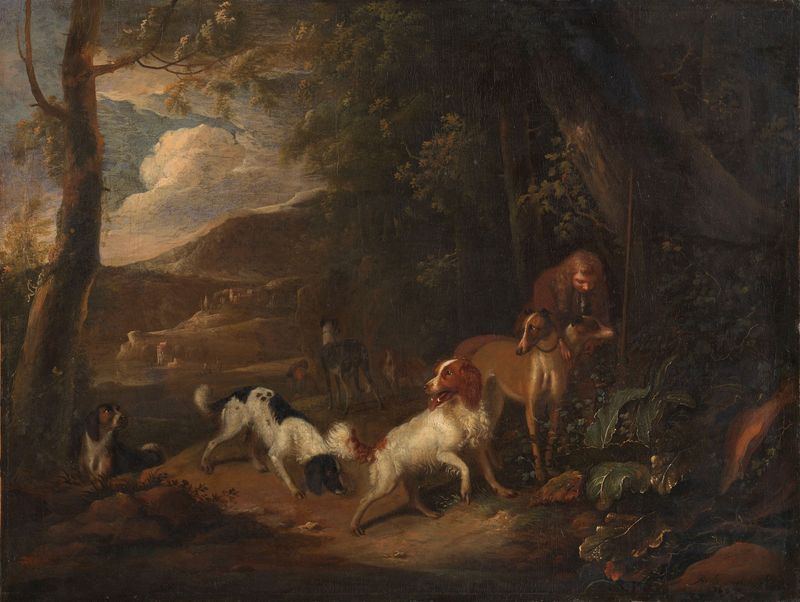
Hunter with Hounds
Höchster Porzellan-Manufaktur · 1755 · The Metropolitan Museum of Art
 Same era · 1730s–1760s
Image of an Empire in Peace and Prosperity
Zhou Kun · 1745 · National Palace Museum
 Same era · 1730s–1760s
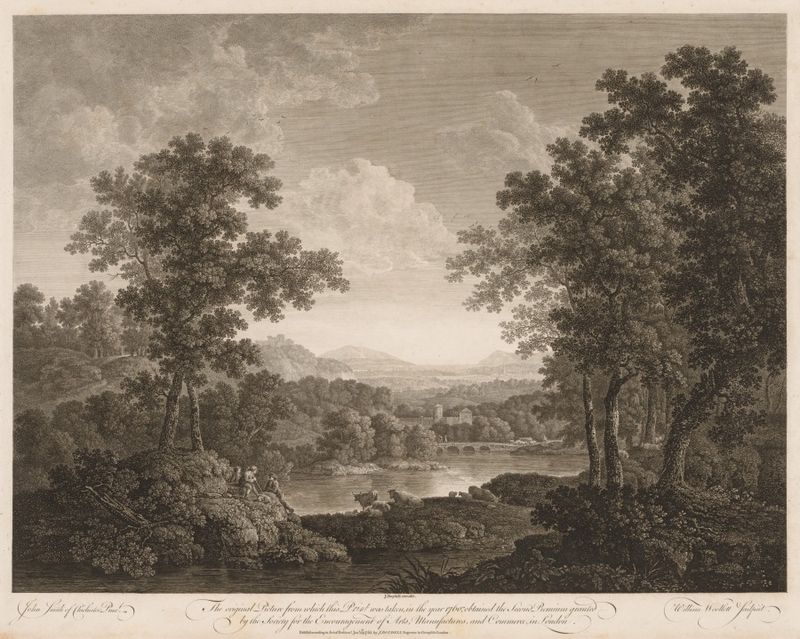
Landscape
William Wooller · 1763 · Cleveland Museum of Art
 Same era · 1730s–1760s
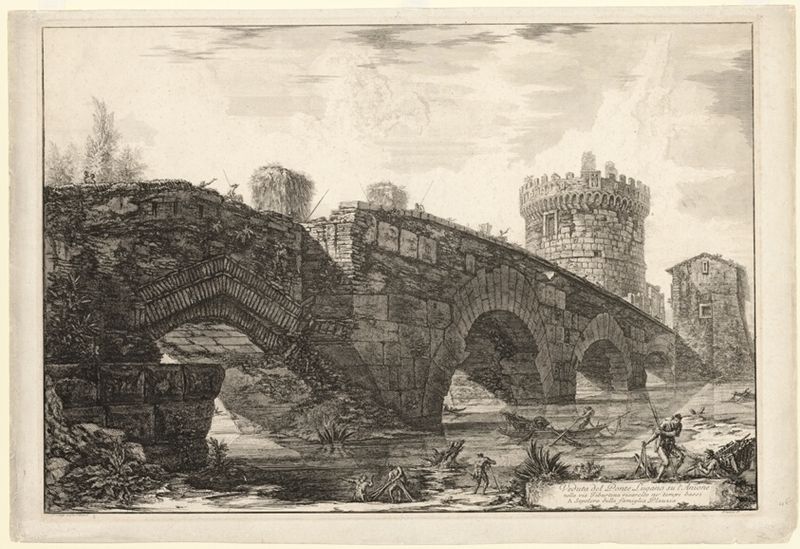
View of Ponte Lugano on the Anio, from Views of Rome
Giovanni Battista Piranesi · 1763 · Art Institute of Chicago