
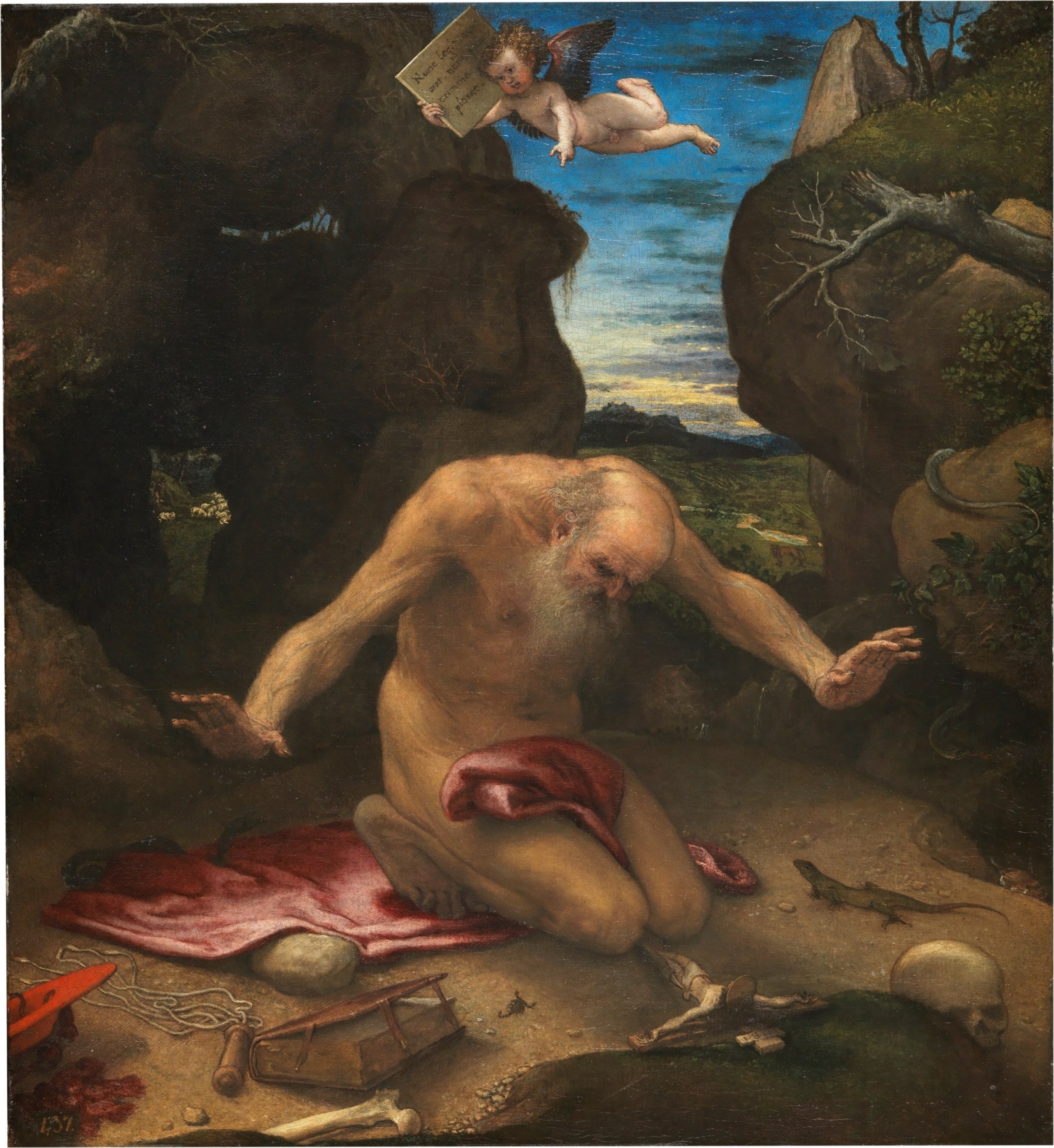
“Stop to witness Saint Jerome's intense penitence, captured in a striking play of light and shadow. This etching invites you into a moment of profound spiritual reflection, surrounded by the symbolic elements of his solitary desert life.”
In this dramatic etching, Saint Jerome kneels in penitence, his gaze directed upward, perhaps toward a divine vision. The stark contrast between light and shadow, achieved through the aquatint technique, emphasizes the saint's isolation and spiritual intensity within a rugged, almost desolate landscape. His emaciated body, partially covered by drapery, speaks to a life of ascetic devotion. The artist uses the textures of the print medium to evoke the rough terrain and the saint's weathered skin, drawing the viewer into this moment of profound contemplation. This depiction of Jerome, a foundational figure in Christian scholarship, highlights his later years spent in the Syrian desert, translating the Bible and engaging in rigorous self-discipline. The year 1750 for this work seems a bit early given Stefano Mulinari's birth year of 1741, suggesting it might be from later in his career, which spanned the mid to late 18th century.
- Artist
- Stefano Mulinari
- Date
- 1750
- Medium
- Etching and aquatint
- Location
- The Metropolitan Museum of Art
- Dimensions
- sheet: 7 5/16 x 4 3/4 in. (18.5 x 12 cm)
- Collection
- Drawings and Prints
- Credit line
- Rogers Fund, 1962
What to Notice
Five details hide in plain sight. Here’s where to look.
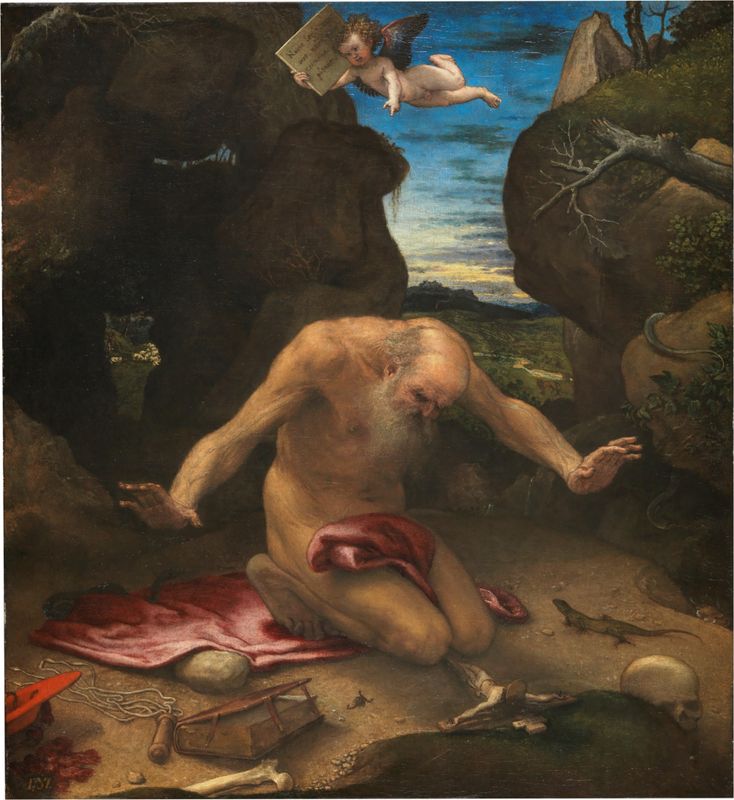
The skull at Jerome's knee, a classic symbol of mortality.
The crucifix, a focal point of the saint's devotion.
The lion, Jerome's constant companion, resting calmly in the shadows.
The subtle texture of the aquatint, creating depth in the sky and rocks.
1 more detail is waiting.
See all 5 in Art Whisper →Stand in front of it and listen
The full narration walks you through Saint Jerome in Penitence — the story behind it, the details most visitors miss, and why it matters. Free in the Art Whisper app.
Stefano Mulinari
1741–1790Italian engraver who transformed devotional scenes into intimate etchings with aquatint and colored washes.
Further Works by Mulinari
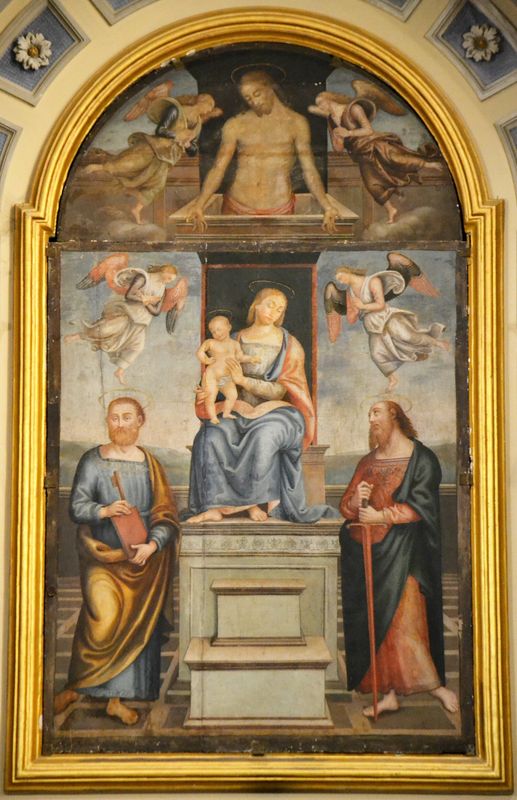 Madonna and Child with Saints Peter and Paul
1750 · The Metropolitan Museum of Art
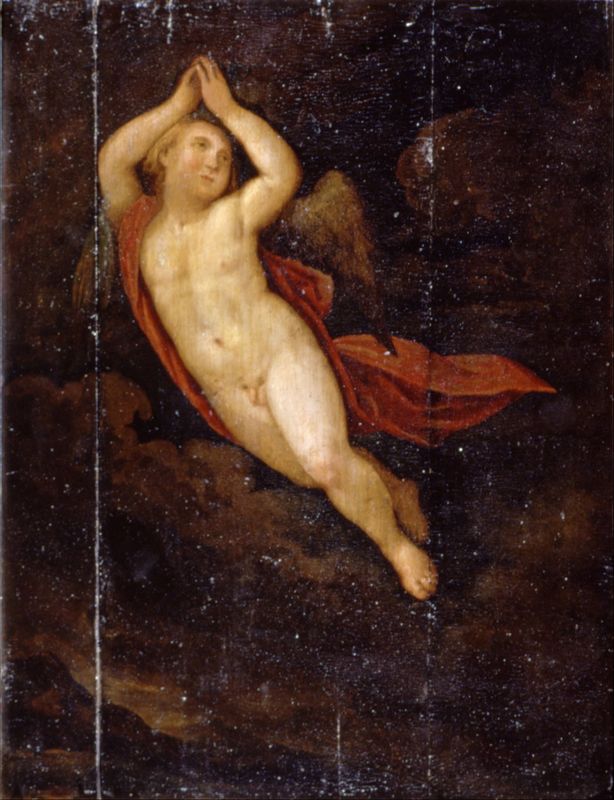 Winged Figure
1750 · The Metropolitan Museum of Art
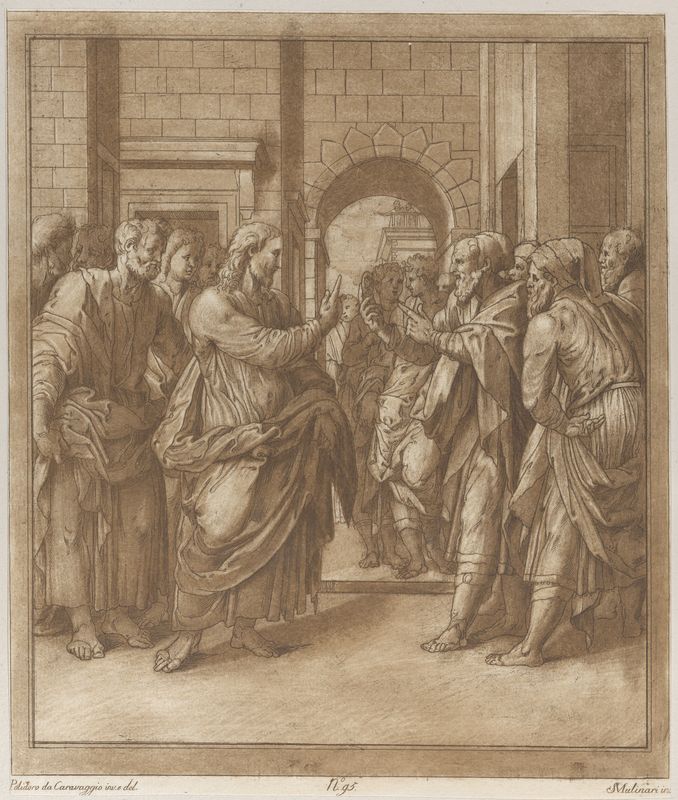 Christ standing before an entrance to a city surrounded by apostles addressing a group of men at right
1756 · The Metropolitan Museum of Art
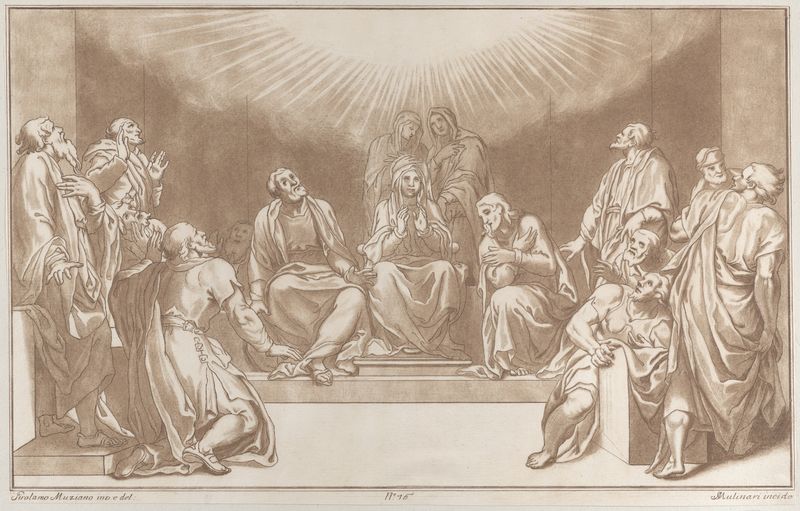 Descent of the Holy Ghost
1760 · The Metropolitan Museum of Art
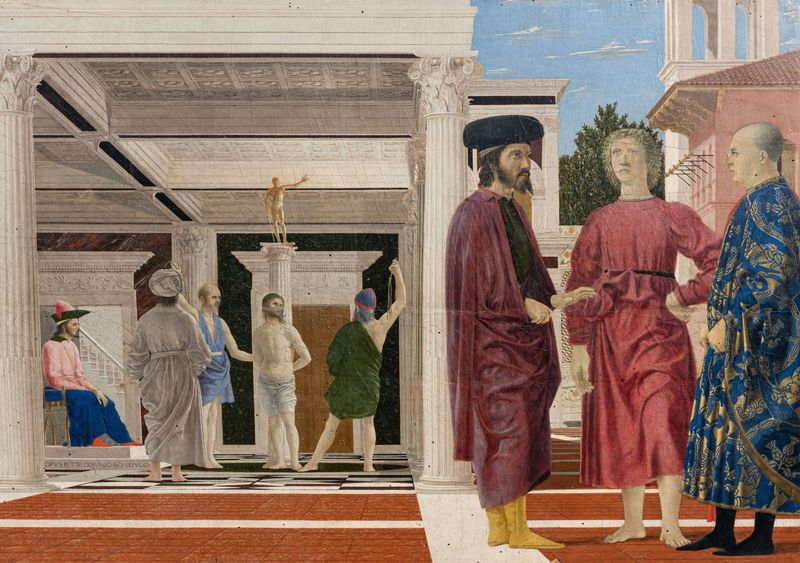 Flagellation of Christ
1760 · The Metropolitan Museum of Art
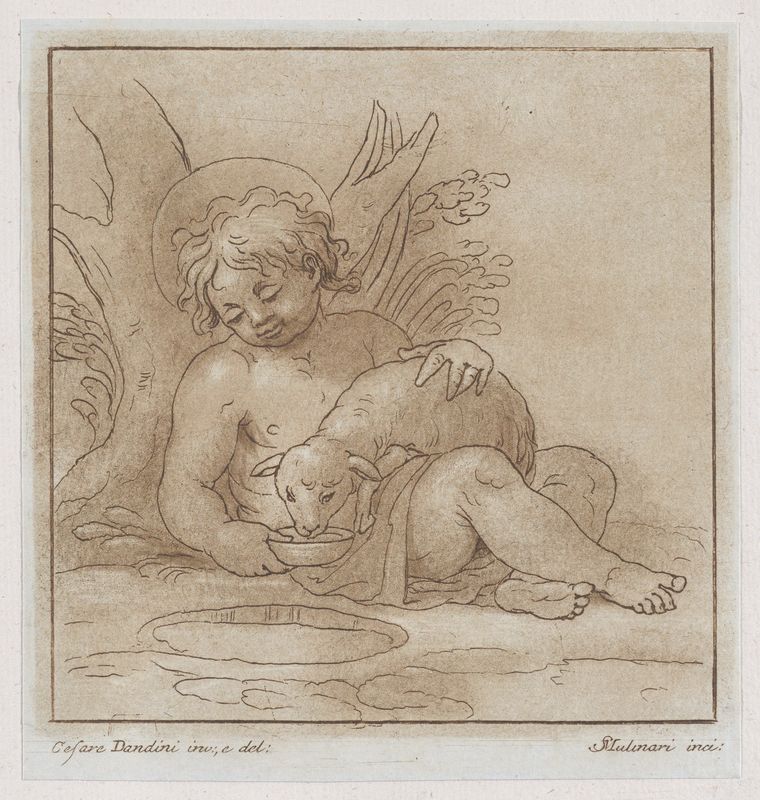 Saint John the Baptist with a lamb
1766 · The Metropolitan Museum of Art
More works to explore
Beyond Mulinari: works from the same years.
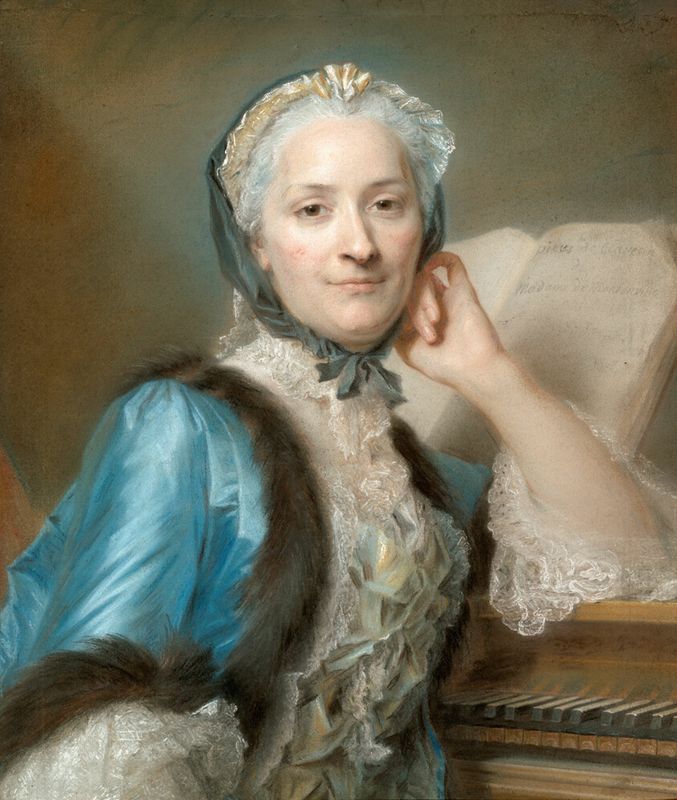 Same era · 1730s–1760s
Portrait of Madame Anne-Jeanne Cassanéa de Mondonville, née Boucon (1708-1780)
Maurice Quentin de Latour · 1752 · Art Institute of Chicago
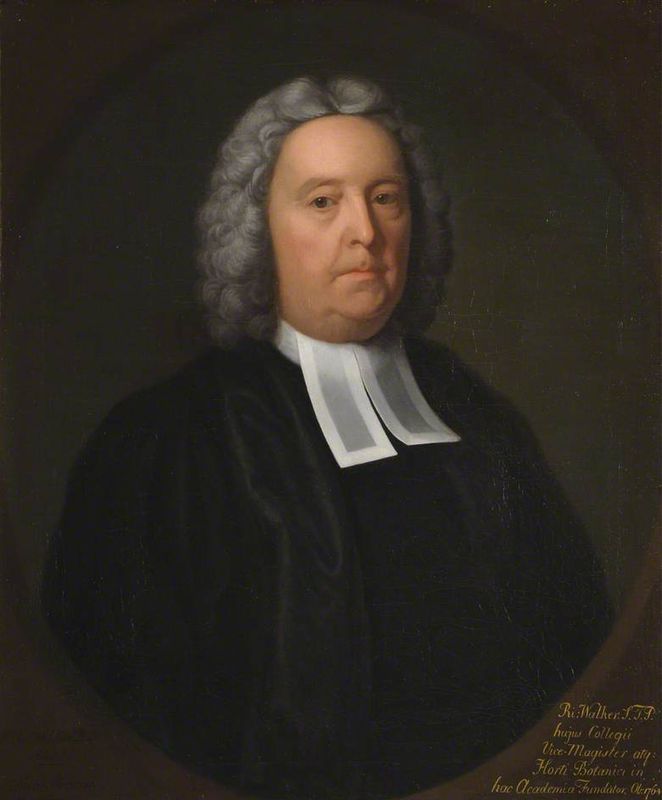 Same era · 1730s–1760s
Richard Walker (1679–1764), Vice-Master and Horticulturist
John Theodore Heins · 1751 · Trinity College
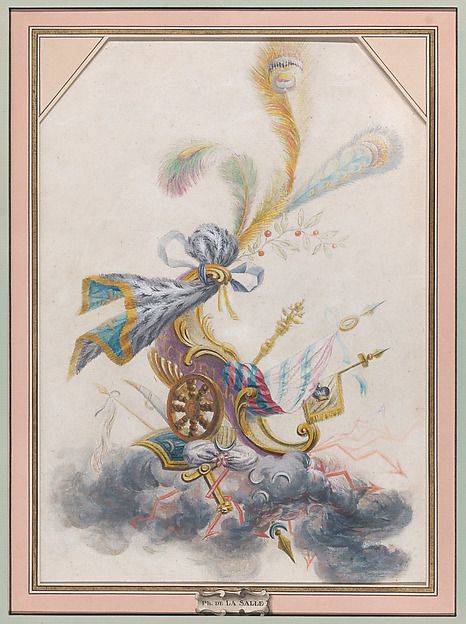 Same era · 1730s–1760s
Design for a Lampas Silk with a Triumphal Chariot on a Cloud
Philippe de la Salle · 1765 · The Metropolitan Museum of Art
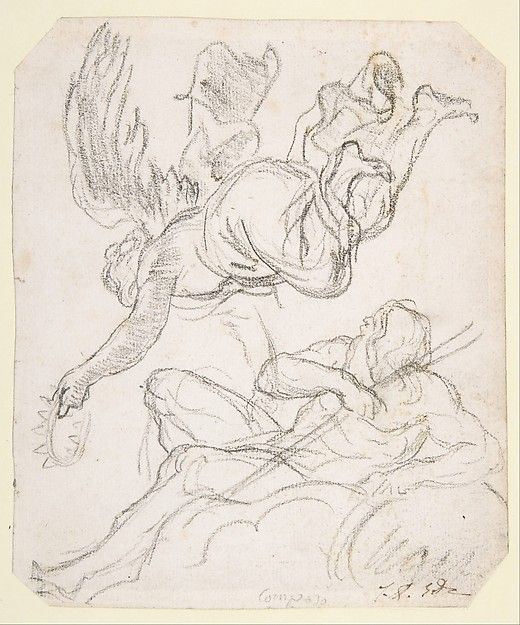 Same era · 1730s–1760s
Flying Figure Holding a Crown, Reclining River God
Jacques-Louis David · 1760 · The Metropolitan Museum of Art
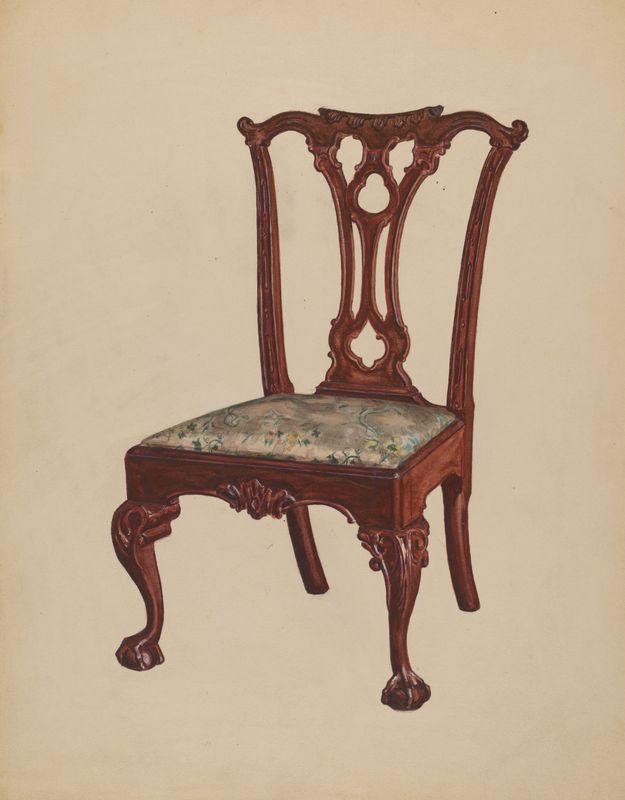 Same era · 1730s–1760s
Side Chair
Artist Unknown - The Mercat Cross, Aberdeen · 1750 · Art Institute of Chicago
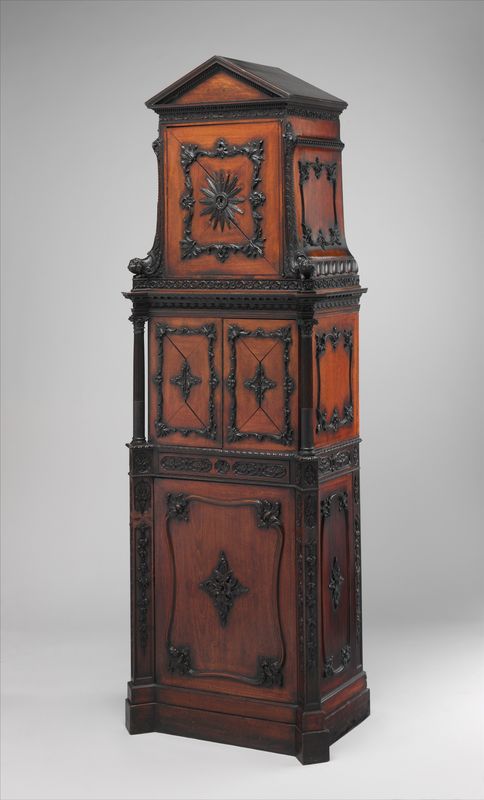 Same era · 1730s–1760s
Medal cabinet
William Vile · 1760 · The Metropolitan Museum of Art
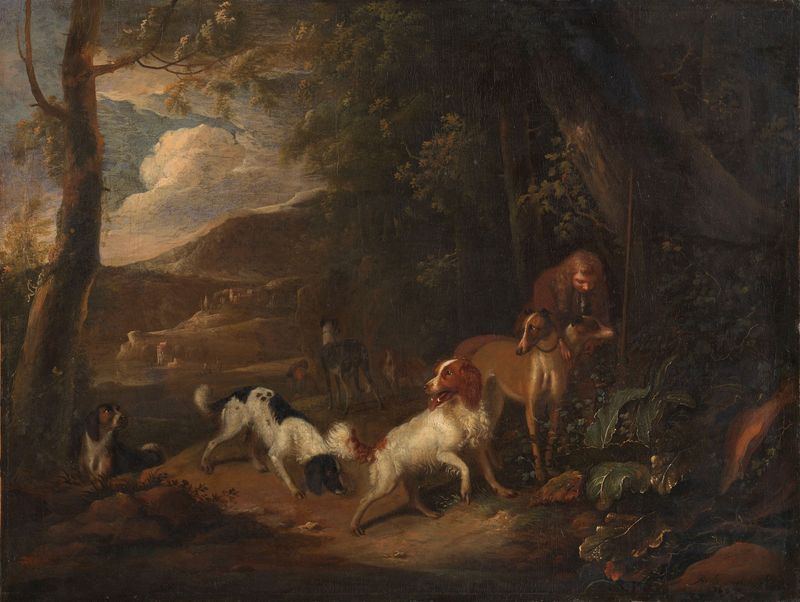 Same era · 1730s–1760s
Hunter with Hounds
Höchster Porzellan-Manufaktur · 1755 · The Metropolitan Museum of Art
 Same era · 1730s–1760s
Image of an Empire in Peace and Prosperity
Zhou Kun · 1745 · National Palace Museum
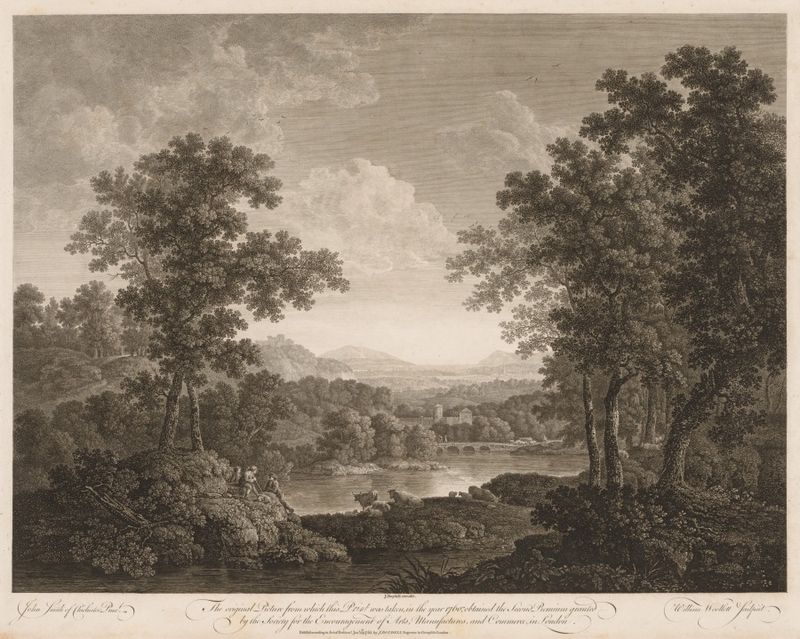 Same era · 1730s–1760s
Landscape
William Wooller · 1763 · Cleveland Museum of Art
 Same era · 1730s–1760s
View of Ponte Lugano on the Anio, from Views of Rome
Giovanni Battista Piranesi · 1763 · Art Institute of Chicago