
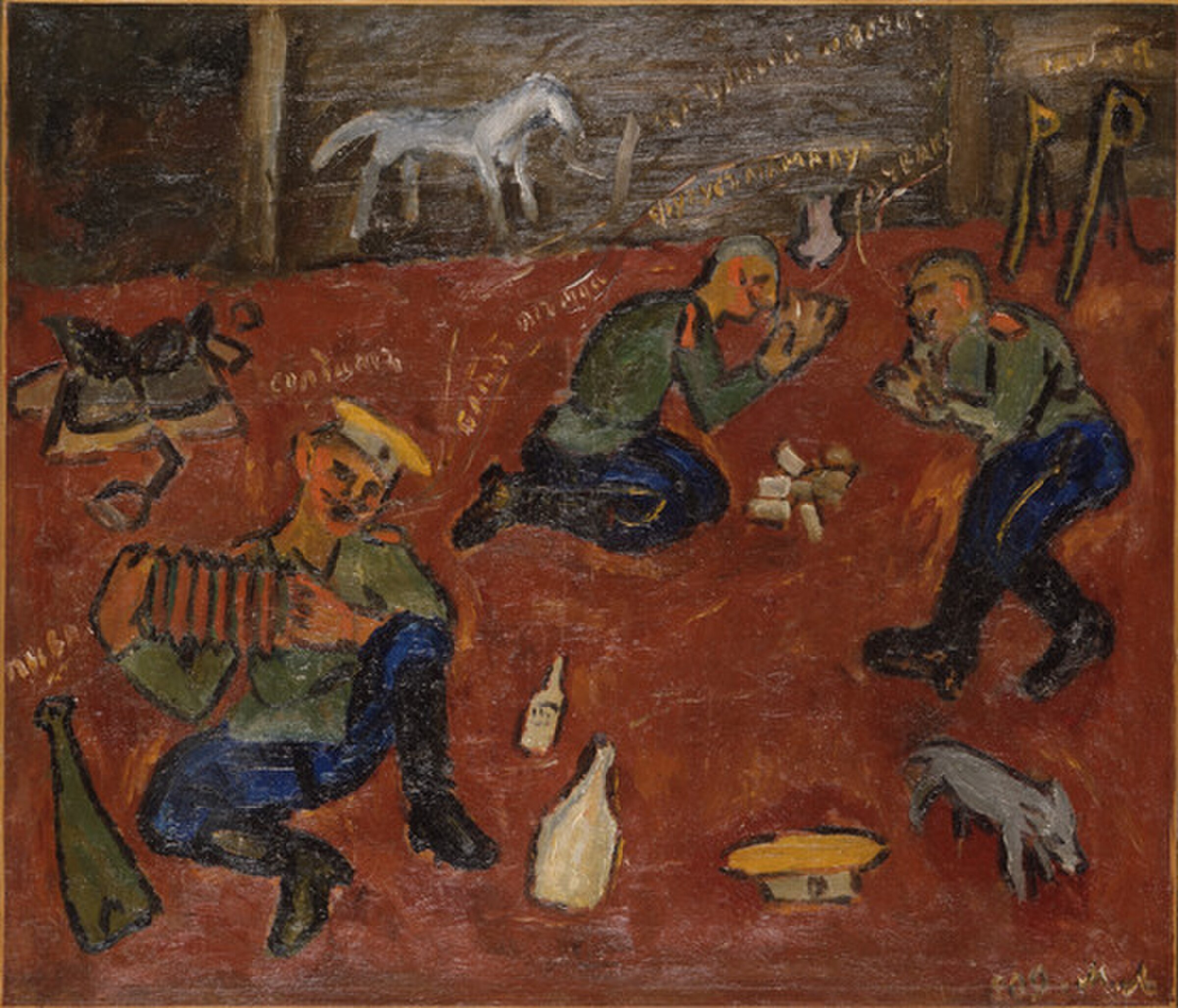
“This painting captures a lively scene of dancing soldiers with raw, expressive energy. It's an early example of Russian avant-garde art, showing Larionov's move towards a more simplified, powerful style inspired by folk art.”
In Mikhail Larionov's "Dancing Soldiers," a dynamic scene unfolds with figures in motion, their forms simplified and rendered in bold, expressive strokes. The year 1910 places this painting at a pivotal moment in Russian art, just before Larionov would co-found the radical Donkey's Tail group and develop Rayonism. Here, we see an artist pushing against traditional representation, using vibrant colors and a raw energy that hints at the avant-garde movements to come. The soldiers, perhaps off-duty or in a moment of revelry, are depicted with an almost primitive force, their movements suggested rather than precisely detailed. This work reflects an engagement with Neo-primitive styles, drawing inspiration from Russian folk art and sign painting, giving the figures a grounded, almost monumental presence despite their active poses. It captures a spontaneous, unrefined joy, making the viewer feel like an observer of a lively, uninhibited celebration.
- Artist
- Mikhail Larionov
- Date
- 1910
- Location
- Los Angeles County Museum of Art
What to Notice
Five details hide in plain sight. Here’s where to look.
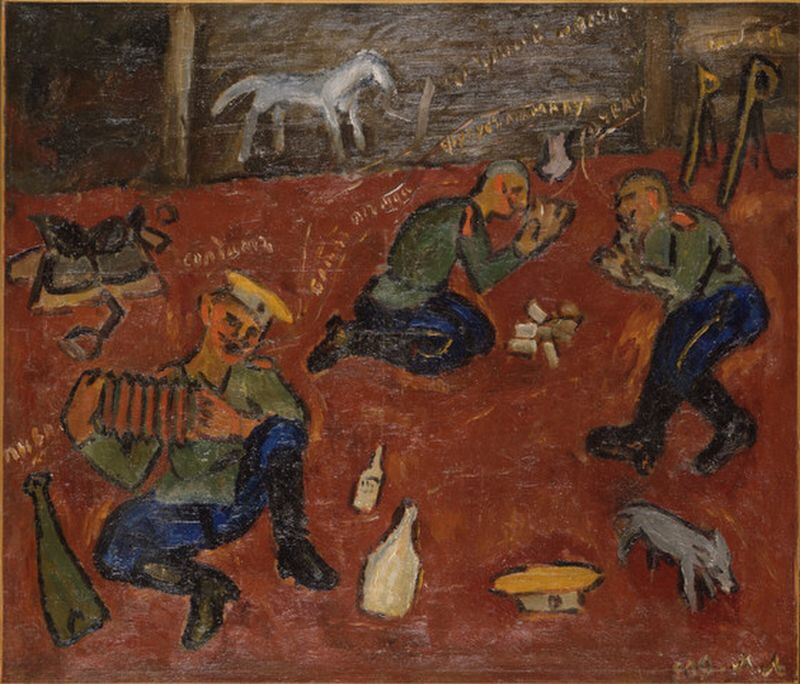
The way the soldiers' limbs are simplified into strong, almost blocky shapes.
The vibrant, non-naturalistic colors used for their uniforms and the background.
The energetic, visible brushstrokes that convey a sense of movement and spontaneity.
How the figures seem to merge with their surroundings, creating a unified composition.
1 more detail is waiting.
See all 5 in Art Whisper →Stand in front of it and listen
The full narration walks you through Dancing Soldiers — the story behind it, the details most visitors miss, and why it matters. Free in the Art Whisper app.
Mikhail Larionov
1881–1964 · Russian EmpirePioneered Rayonism in 1913, Russia's first abstract art movement, then designed for Diaghilev's legendary Ballets Russes.
Further Works by Larionov
 Still Life with Crayfish
1900 · Museum Ludwig
 Portrait of Natalia Goncharova
1903
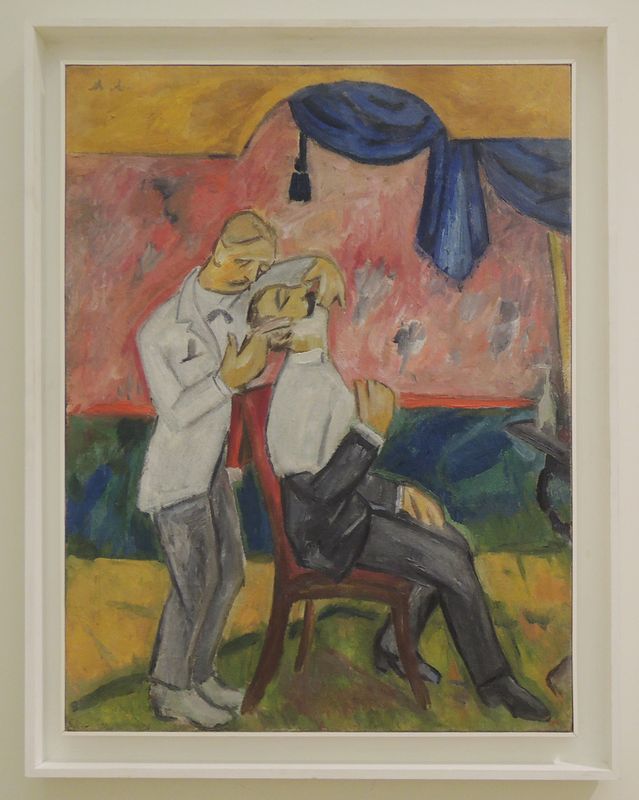 Barber
1907 · Russian Museum
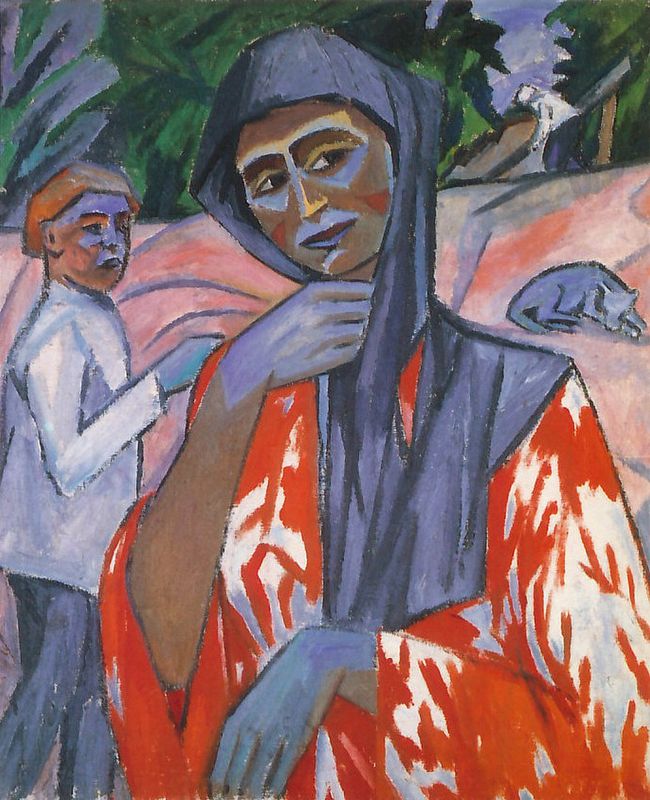 Female Passerby
1911 · Ulyanovsk Oblast Art Museum
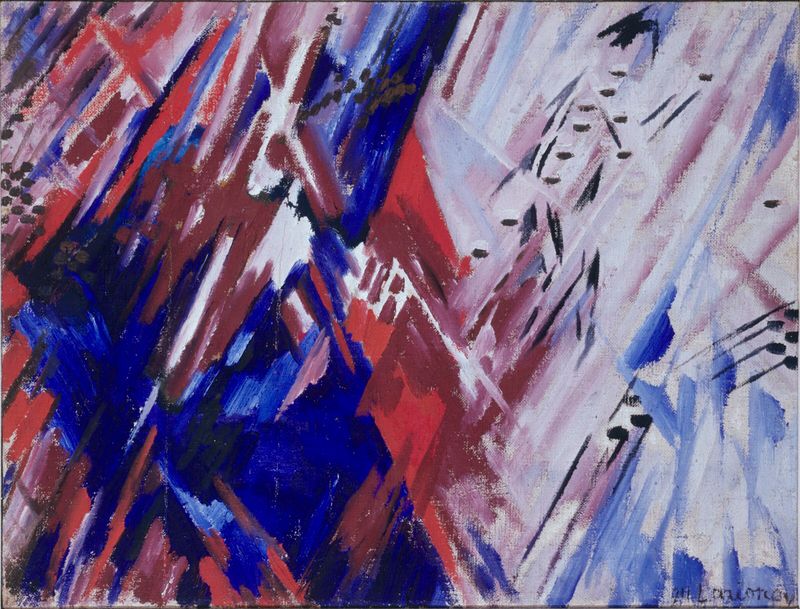 Red and Blue Rayonism (Beach)
1911 · Museum Ludwig
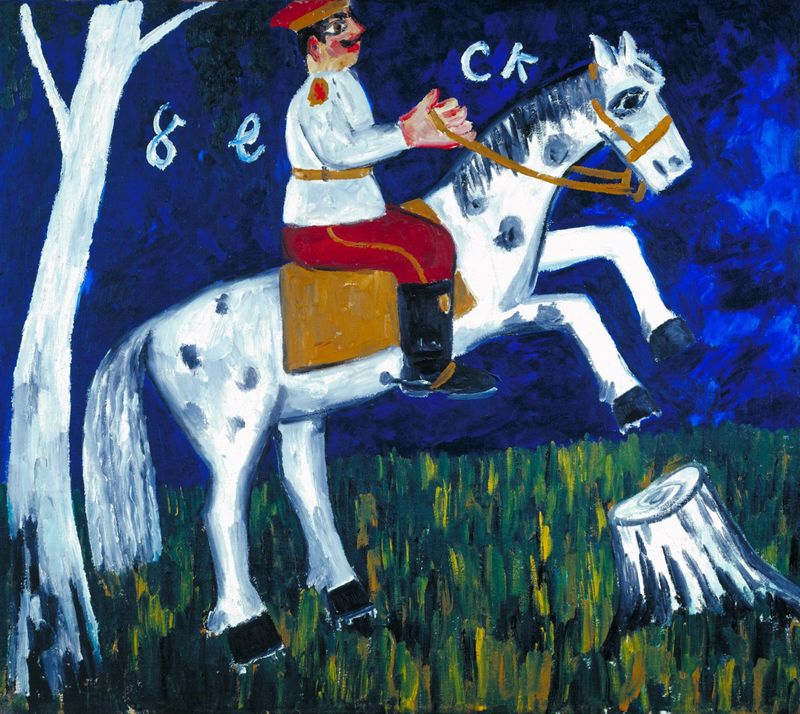 Soldier on a Horse
1911 · Tate
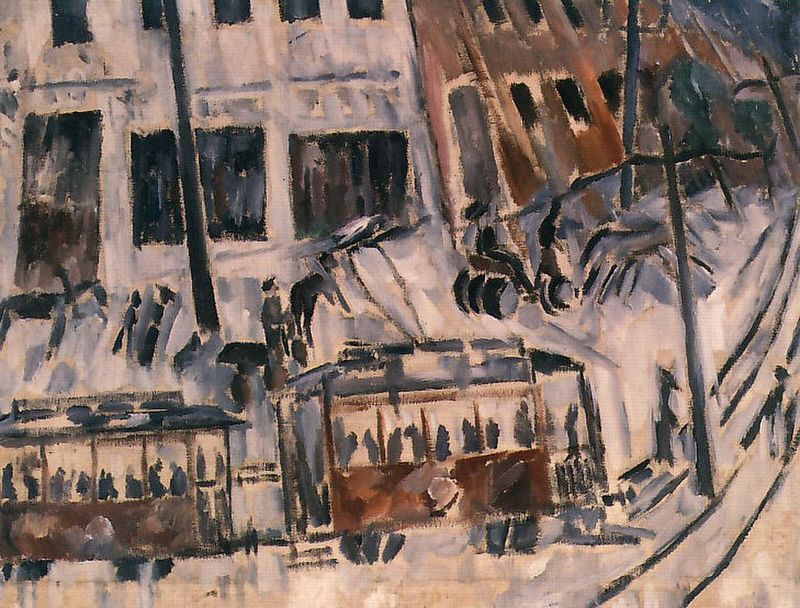 Streetcar
1911 · Bashkir State Art Museum (Nesterov Museum)
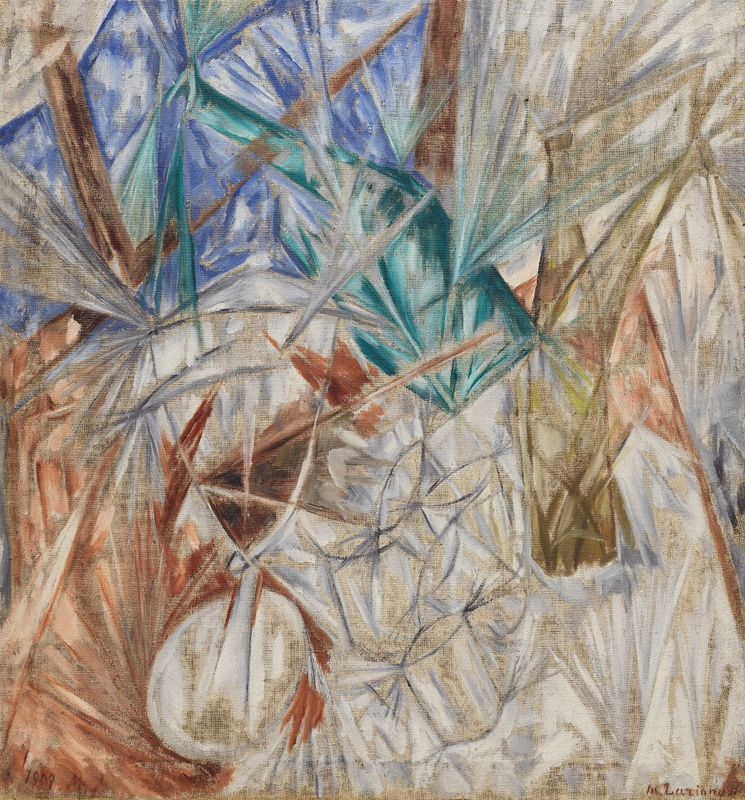 Glass
1912 · Solomon R. Guggenheim Museum
More from Der Blaue Reiter
More works to explore
Beyond Larionov and Der Blaue Reiter: works from the same years.
 Same era · 1890s–1920s
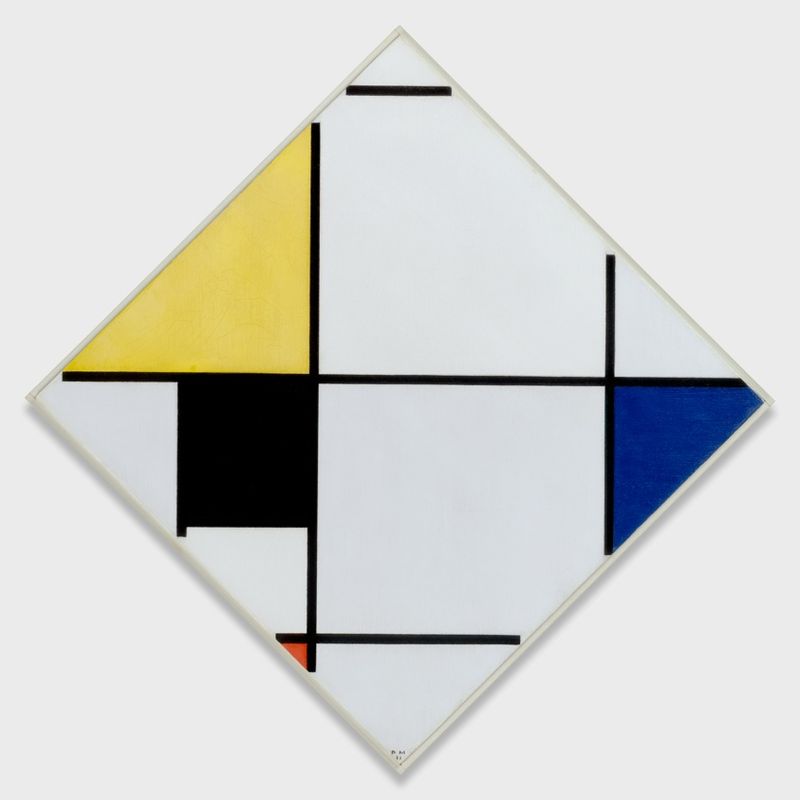
Lozenge Composition with Yellow, Black, Blue, Red, and Gray
Piet Mondrian · 1921 · Art Institute of Chicago
 Same era · 1890s–1920s
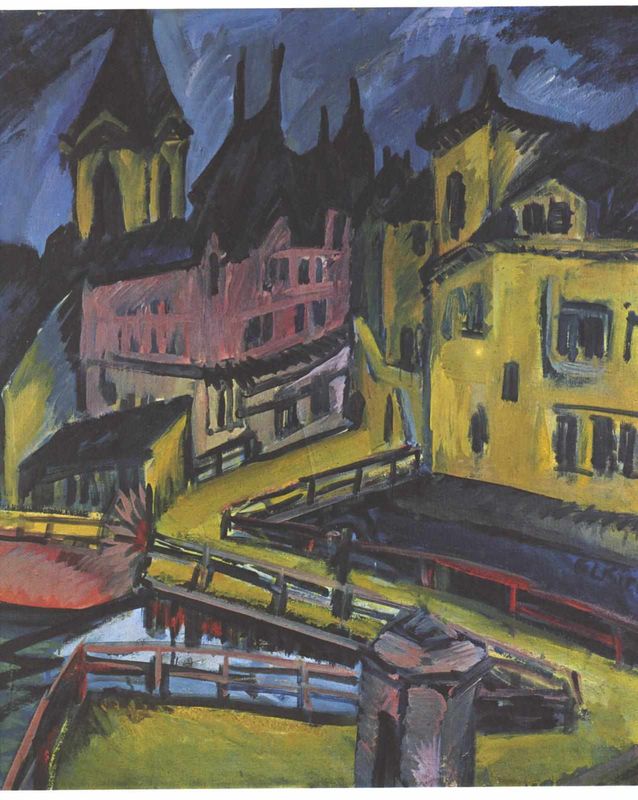
Pfortensteg Chemnitz
Ernst Ludwig Kirchner · 1910 · Museum Frieder Burda
 Same era · 1890s–1920s
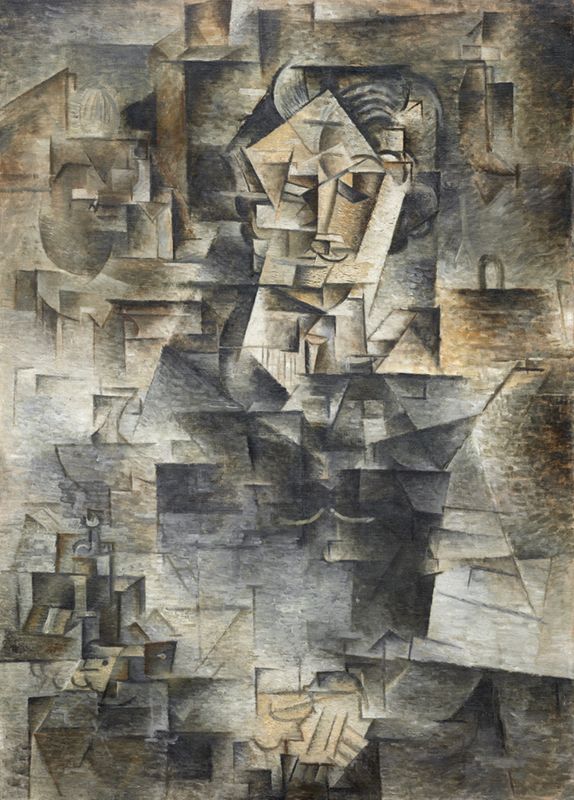
Daniel-Henry Kahnweiler
Pablo Picasso · 1910 · Art Institute of Chicago
 Same era · 1890s–1920s
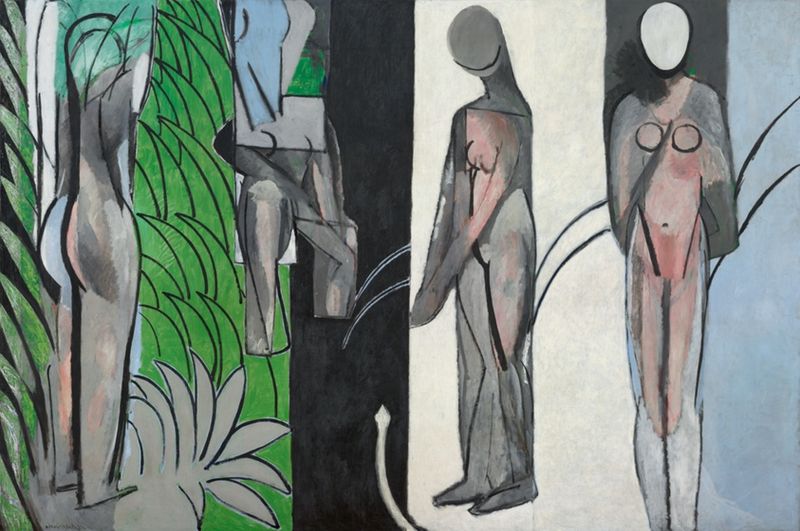
Bathers by a River
Henri Matisse · 1909 · Art Institute of Chicago
 Same era · 1890s–1920s
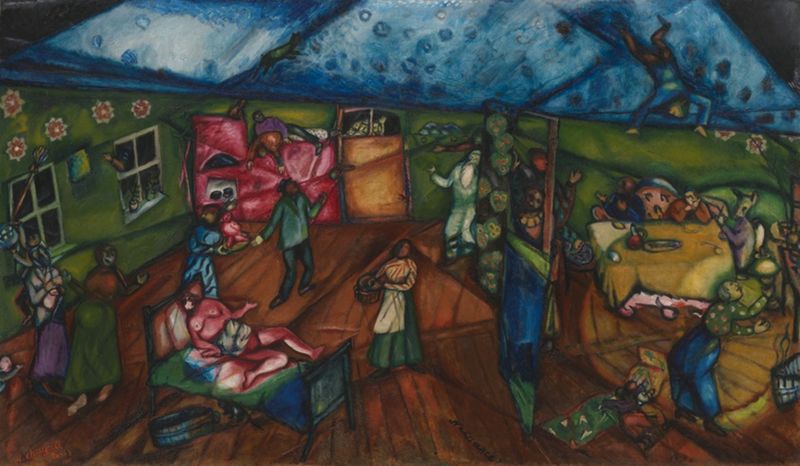
Birth
Marc Chagall · 1911 · Art Institute of Chicago
 Same era · 1890s–1920s
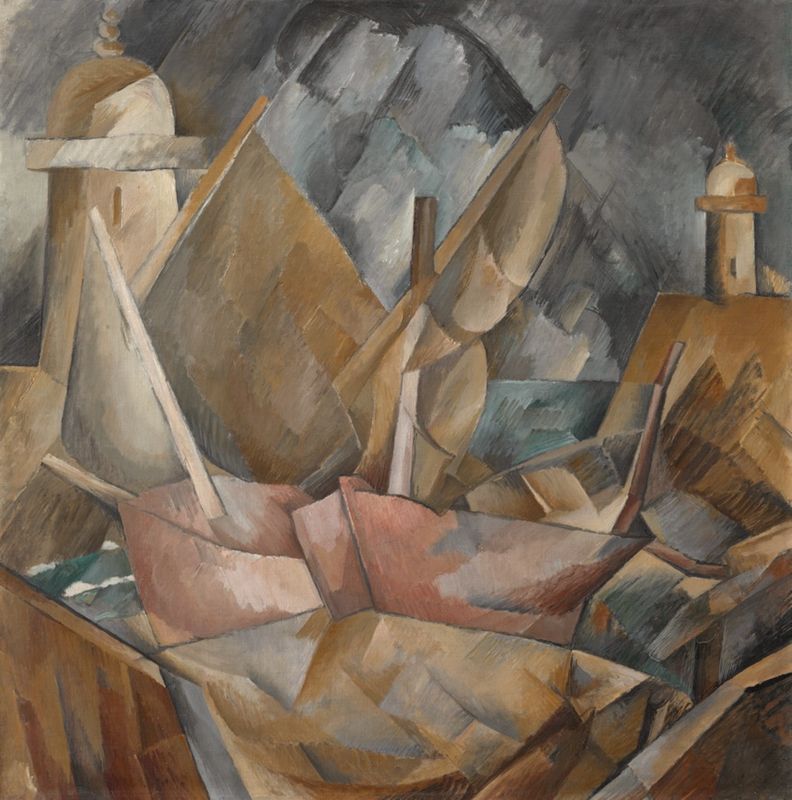
Little Harbor in Normandy
Georges Braque · 1909 · Art Institute of Chicago
 Same era · 1890s–1920s
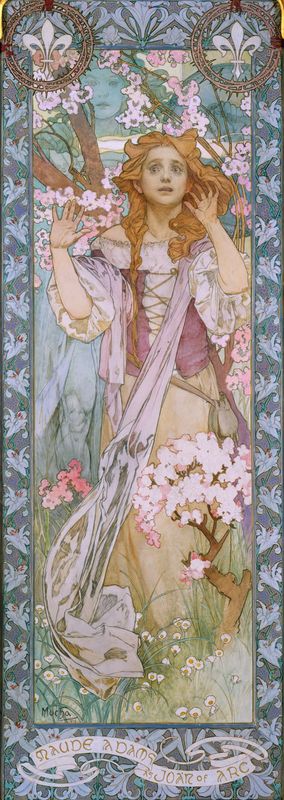
Maude Adams (1872–1953) as Joan of Arc
Alphonse Mucha · 1909 · The Metropolitan Museum of Art
 Same era · 1890s–1920s
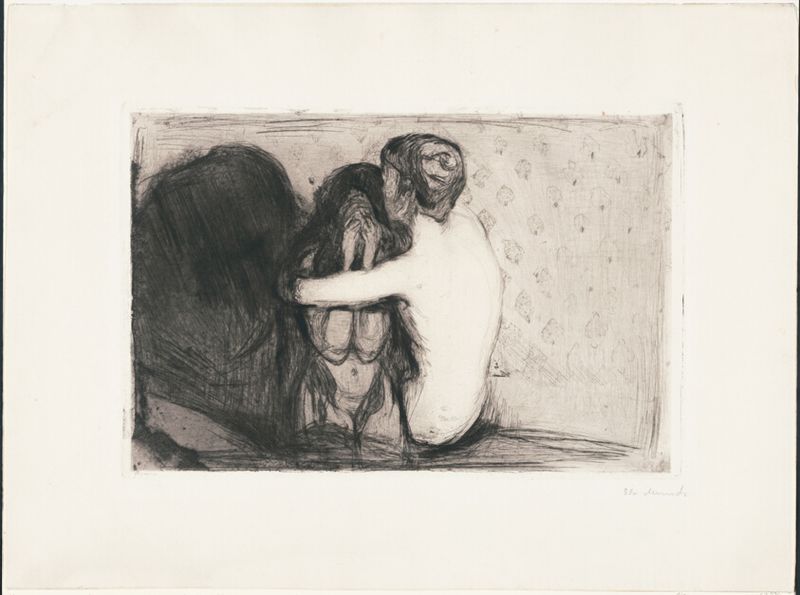
Consolation
Edvard Munch · 1907 · Munch Museum
 Same era · 1890s–1920s
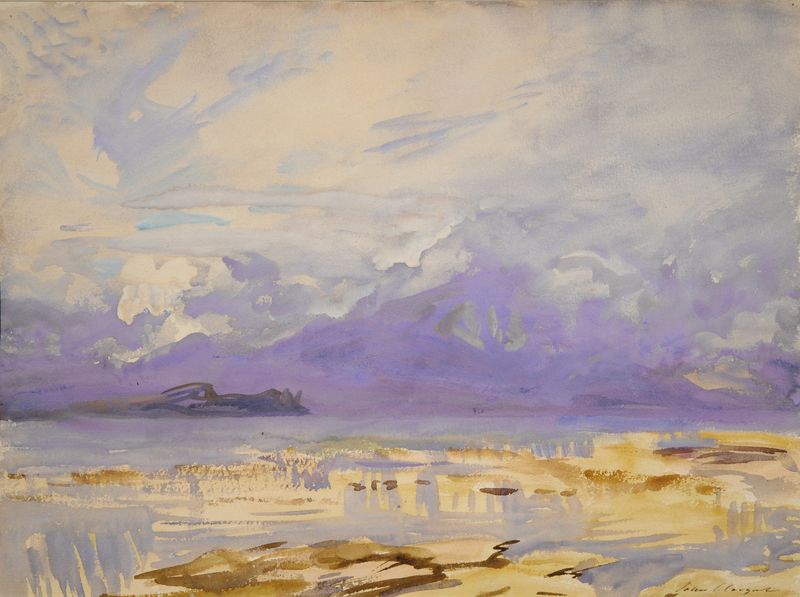
Sirmione
John Singer Sargent · 1913 · The Metropolitan Museum of Art
 Same era · 1890s–1920s
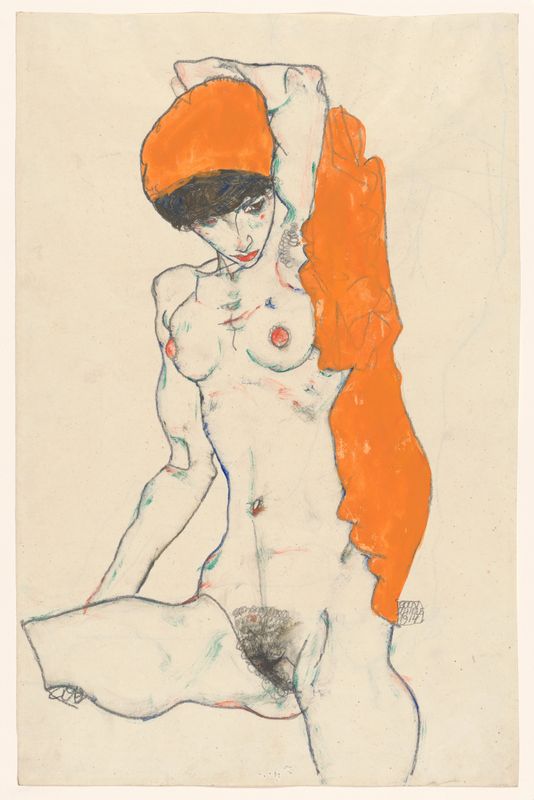
Standing Nude with Orange Drapery (recto): Study of Nude with Arms Raised (verso)
Egon Schiele · 1914 · The Metropolitan Museum of Art
 Same era · 1890s–1920s
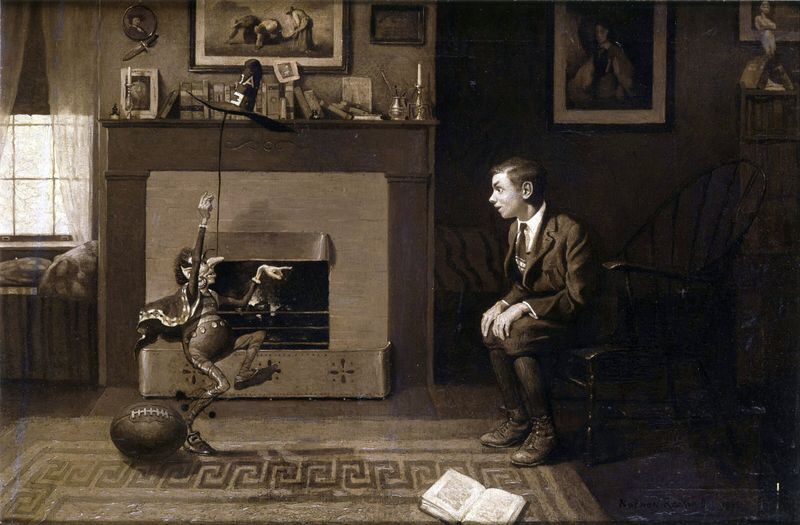
The Magic Foot-ball, 'I thought you were wrong,' he said in triumph. 'You said it was nine! Stupid!'
Norman Rockwell · 1914 · Norman Rockwell Museum
 Same era · 1890s–1920s
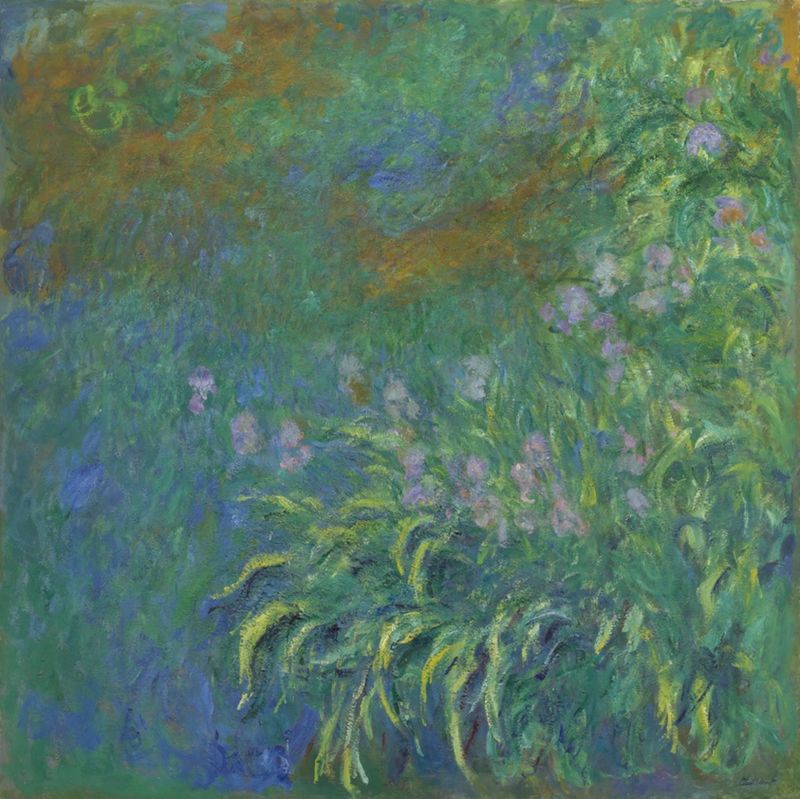
Irises
Claude Monet · 1915 · National Gallery