
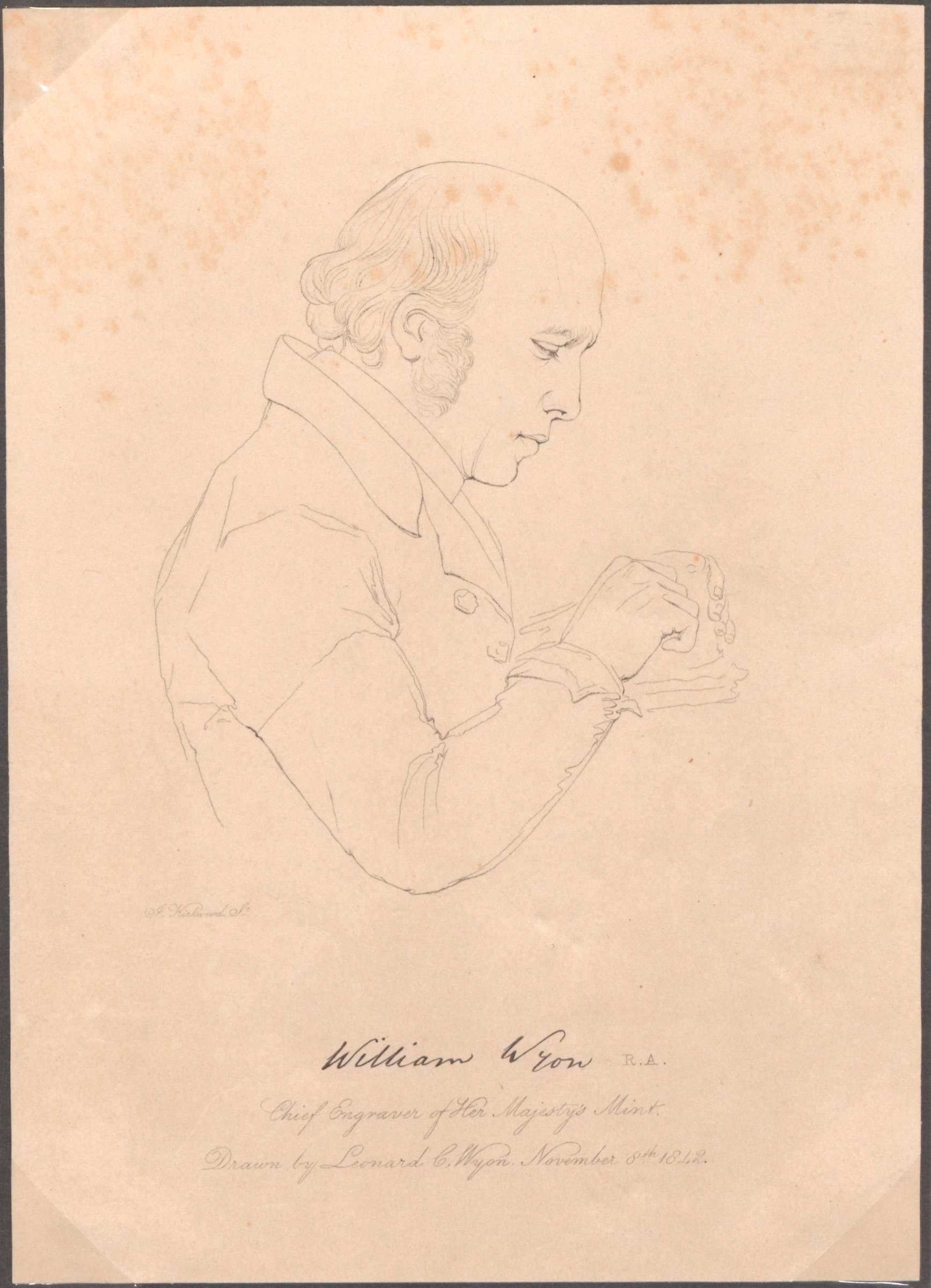
“This portrait captures William Wyon, the influential chief engraver of the Royal Mint, offering a personal look at the man behind Britain's iconic coins and medals.”
In this striking portrait, William Wyon, the chief engraver of Her Majesty's Mint, is presented with an air of quiet dignity. The image captures him in 1842, a year when he was deeply involved in designing medals, including the Wrangham Medal for Cambridge University. His gaze is direct and thoughtful, inviting the viewer to consider the man behind the intricate designs that graced British coinage and medals for decades. The subtle play of light and shadow across his face emphasizes his features, suggesting a person of intellect and precision, qualities essential to his craft. This portrait offers a rare glimpse of the artist himself, a figure whose work shaped the public face of the British monarchy and national identity through the currency and commemorative pieces he created.
- Artist
- William Wyon
- Date
- 1842
- Location
- The Metropolitan Museum of Art
- Dimensions
- 1 sheet ; Height: 8 1/4 in. (21 cm) x Width: 5 7/8 in. (15 cm)
- Collection
- The Libraries
- Credit line
- Gift of Romano I. Peluso
What to Notice
Four details hide in plain sight. Here’s where to look.
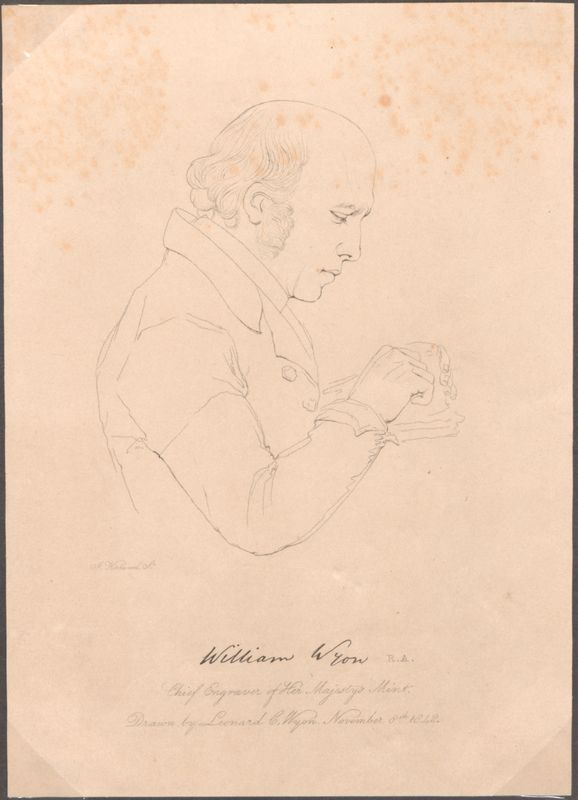
Observe Wyon's direct, contemplative gaze.
Notice the subtle play of light and shadow on his face.
Look for details in his attire that suggest his profession.
Consider the overall composition, emphasizing his intellectual presence.
Stand in front of it and listen
The full narration walks you through William Wyon, R.A., chief engraver of Her Majesty's Mint — the story behind it, the details most visitors miss, and why it matters. Free in the Art Whisper app.
William Wyon
1795–1851 · British EmpireWilliam Wyon, Chief Engraver at the Royal Mint, left an indelible mark on British coinage and even the world's first adhesive postage stamp, the Penny Black.
Further Works by Wyon
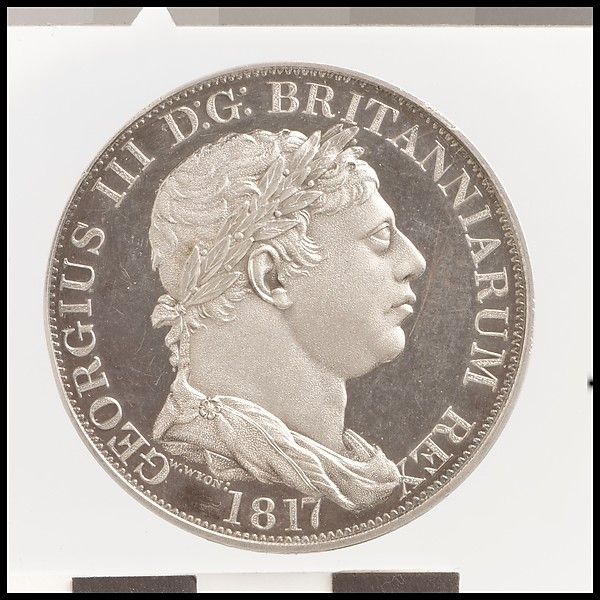 George III "Incorrupta" crown
1817 · The Metropolitan Museum of Art
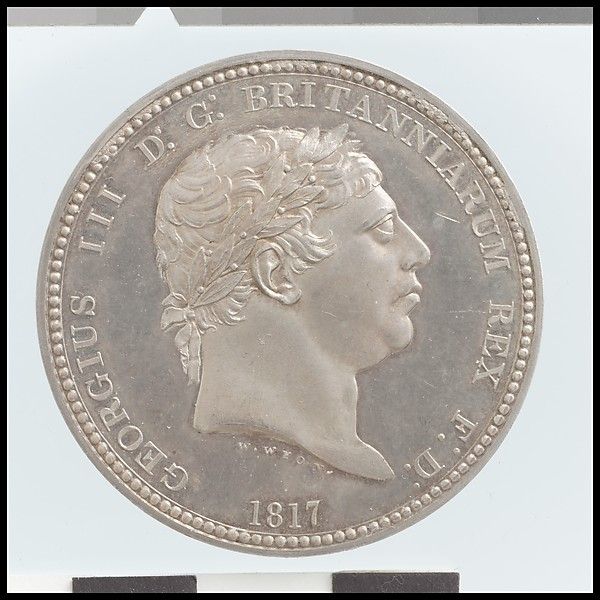 "Three Graces" crown
1817 · The Metropolitan Museum of Art
 Study for "Flying Victory"
1825 · The Metropolitan Museum of Art
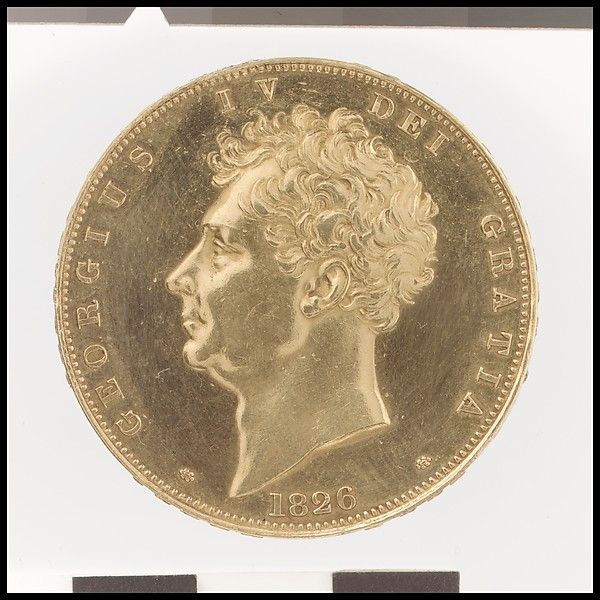 George IV crown
1826 · The Metropolitan Museum of Art
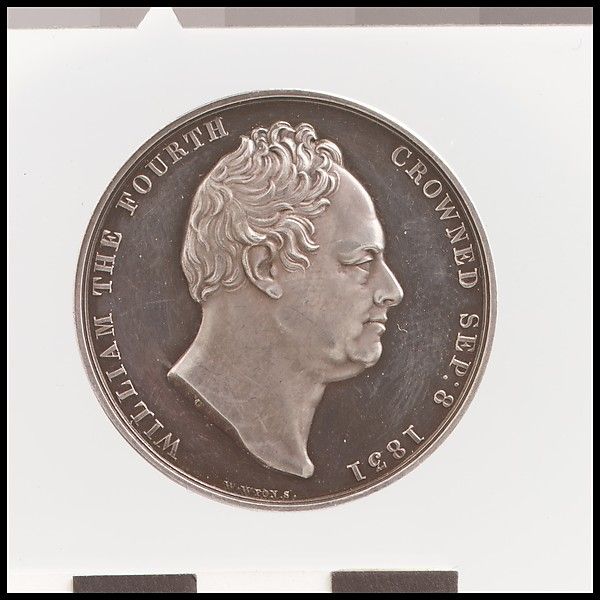 Coronation of William IV
1831 · The Metropolitan Museum of Art
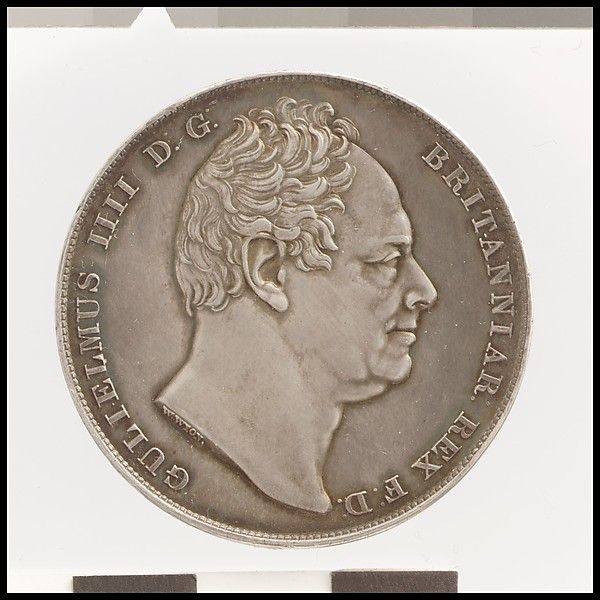 William IV proof crown
1831 · The Metropolitan Museum of Art
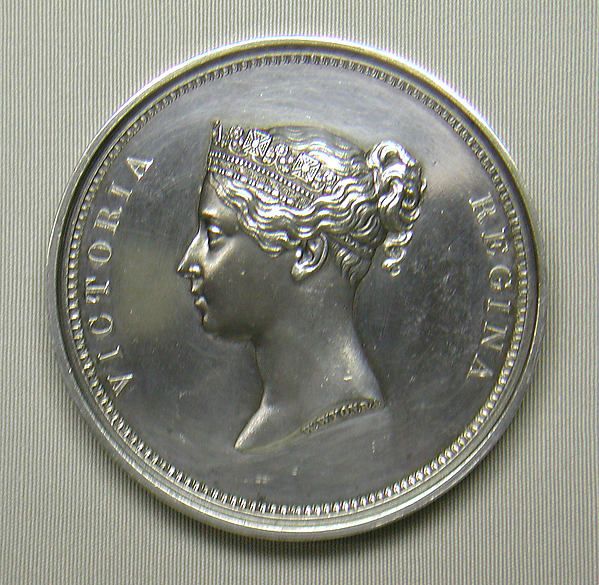 Queen Victoria's Visit to the Corporation of London
1837 · The Metropolitan Museum of Art
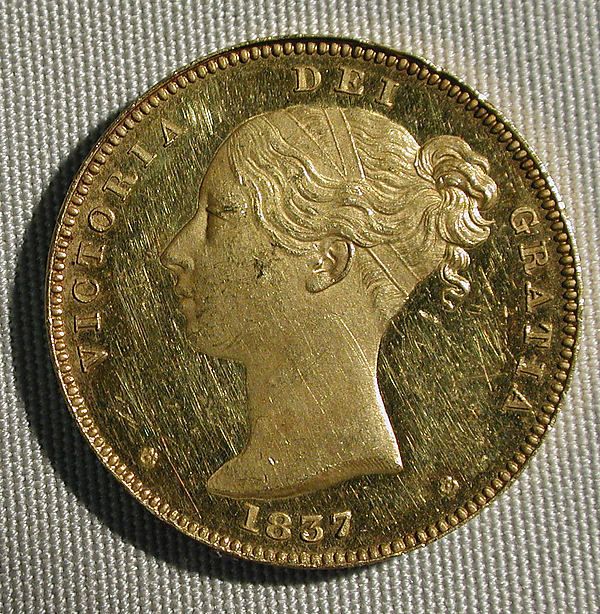 Victoria proof sovereign
1837 · The Metropolitan Museum of Art
More works to explore
Beyond Wyon: works from the same years.
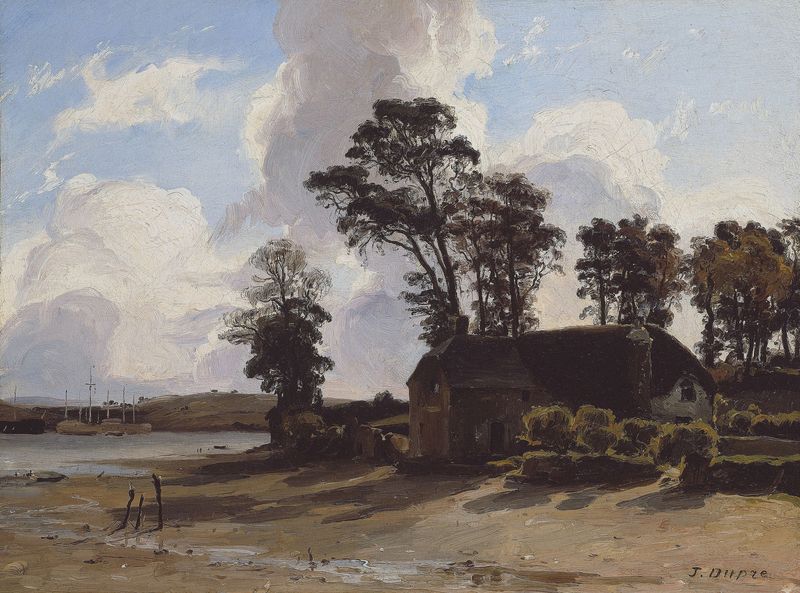 Same era · 1820s–1850s
The Estuary Farm
Léon-Victor Dupré · 1831 · Art Institute of Chicago
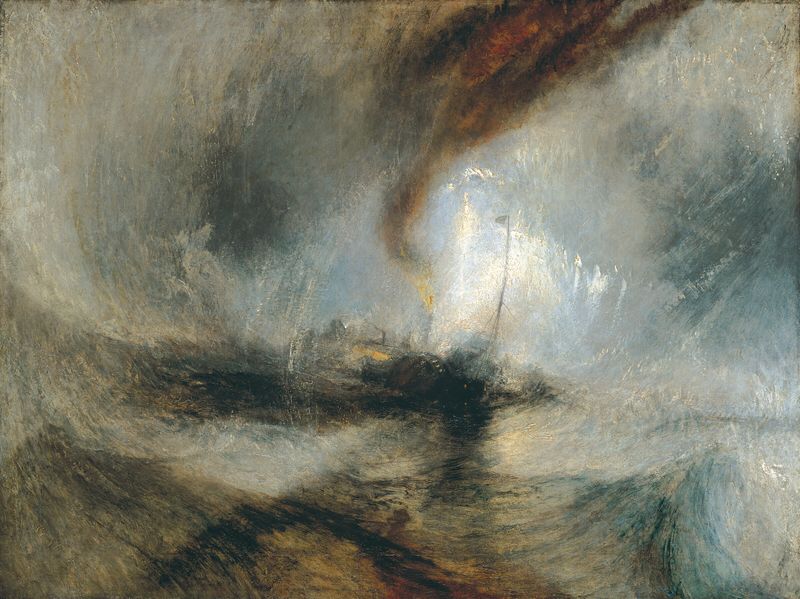 Same era · 1820s–1850s
Snow Storm: Steam-Boat off a Harbour's Mouth
J. M. W. Turner · 1842 · National Gallery
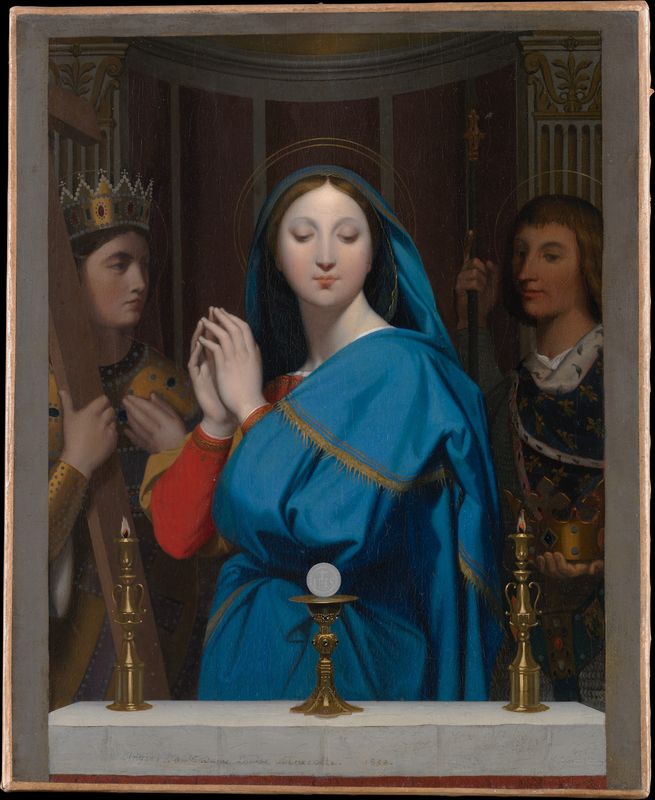 Same era · 1820s–1850s
The Virgin Adoring the Host
Jean-Auguste-Dominique Ingres · 1841 · Pushkin Museum of Fine Arts
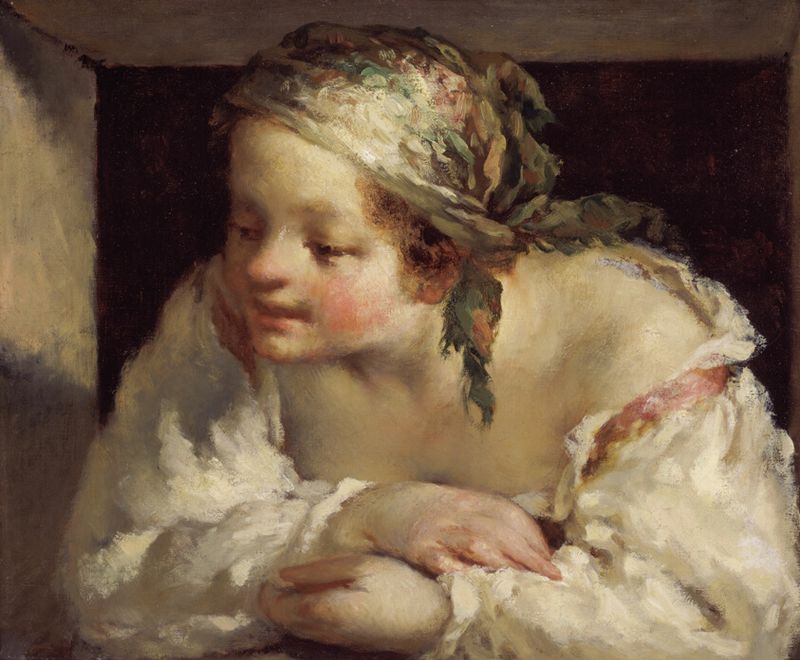 Same era · 1820s–1850s
Young Woman
Jean-François Millet · 1844 · Art Institute of Chicago
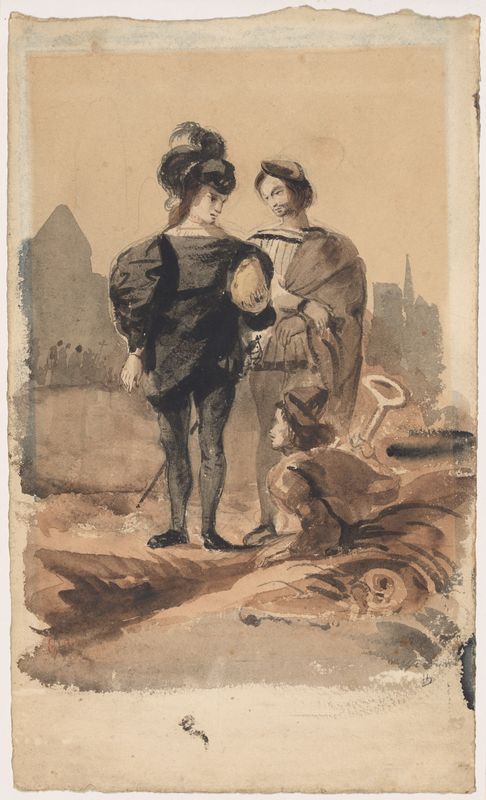 Same era · 1820s–1850s
Hamlet and Horatio in the Graveyard
Eugène Delacroix · 1839 · Department of Paintings of the Louvre
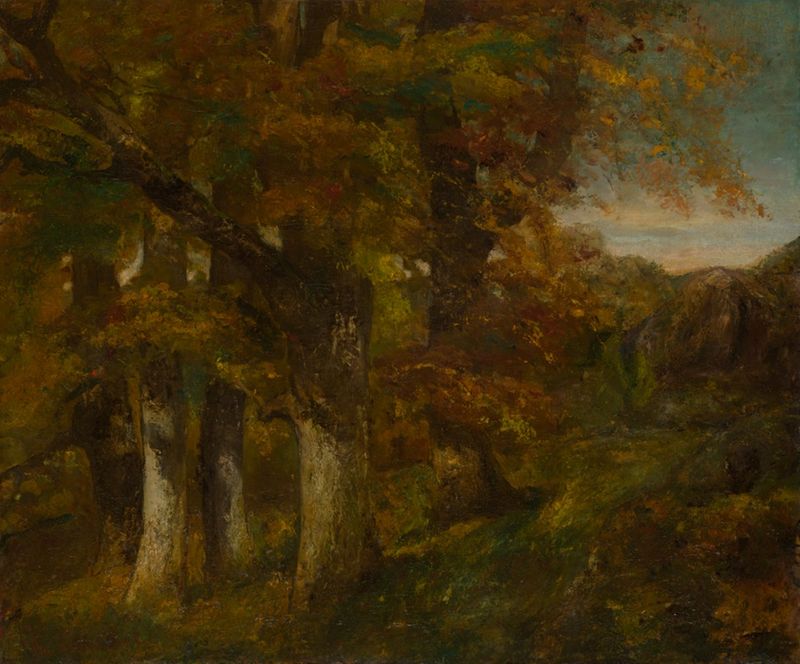 Same era · 1820s–1850s
Wooded Landscape
Gustave Courbet · 1848 · Art Institute of Chicago
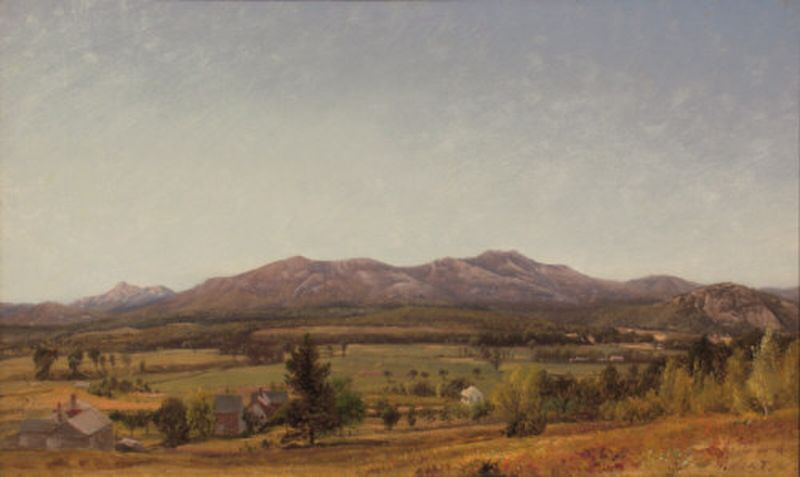 Same era · 1820s–1850s
Mount Chocorua and Moat Mountain from North Conway
William Hart · 1850
 Same era · 1820s–1850s
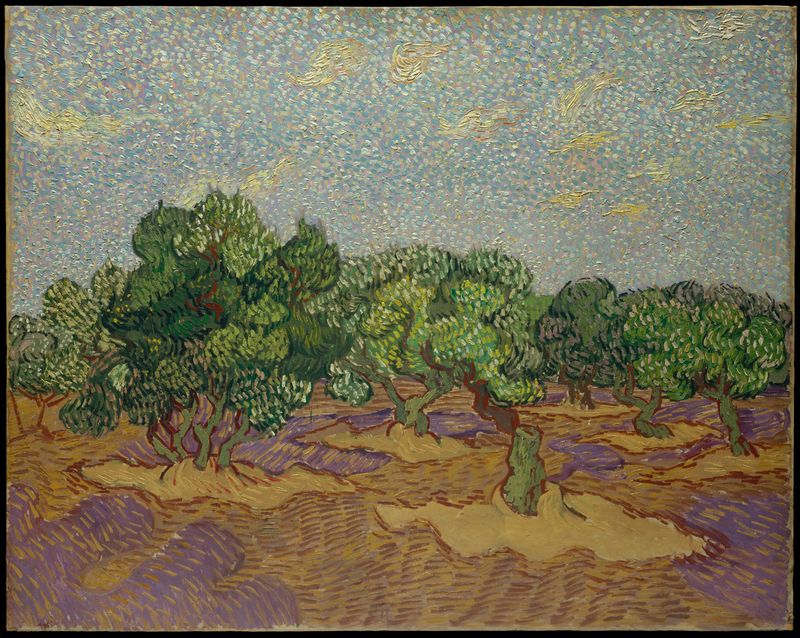
Olive Trees
Vincent van Gogh · 1853 · The Metropolitan Museum of Art
 Same era · 1820s–1850s
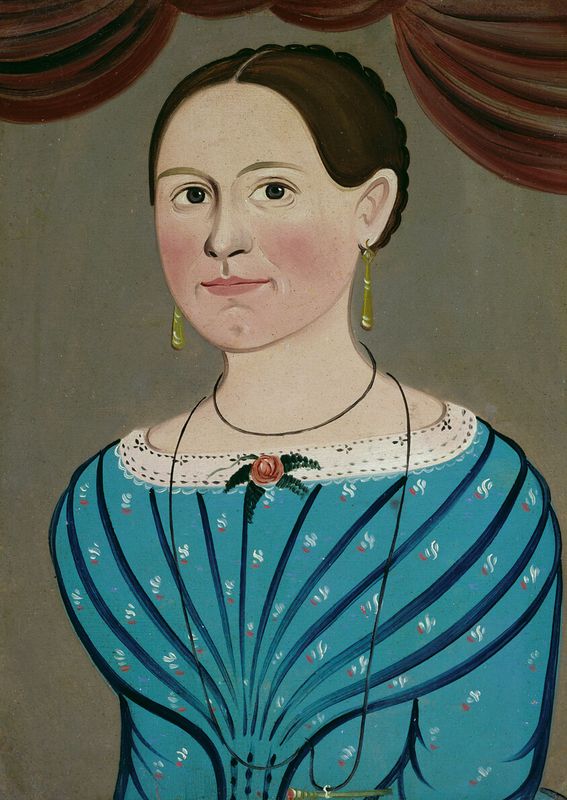
Woman in a Blue Dress
School of William Matthew Prior · 1840 · Art Institute of Chicago
 Same era · 1820s–1850s
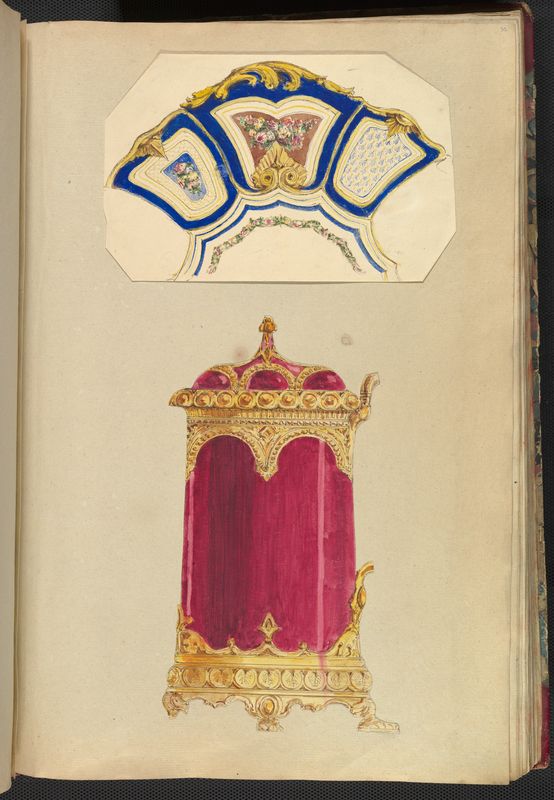
Designs for a Decorated Dish, or Platter, and a Biscuit Barrel
Alfred Henry Forrester [Alfred Crowquill] · 1845 · The Metropolitan Museum of Art
 Same era · 1820s–1850s
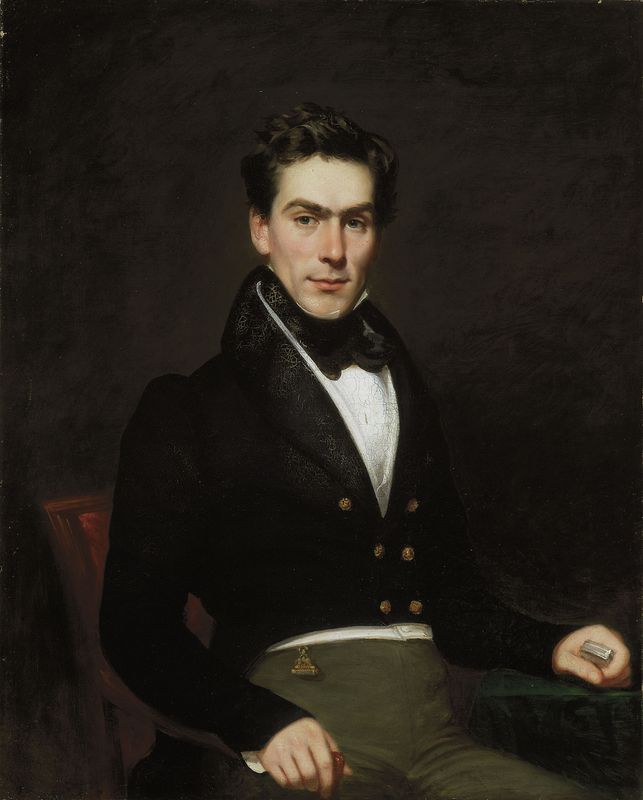
Mr. James Mackie
Samuel Alcock & Company · 1830 · Art Institute of Chicago
 Same era · 1820s–1850s
The Captive Slave (Ira Aldridge)
John Philip Simpson · 1827 · Art Institute of Chicago