
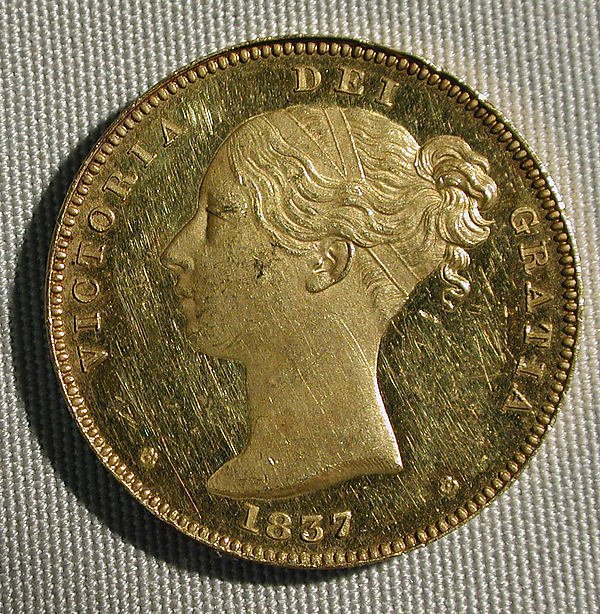
“Stop to admire this exquisite gold proof sovereign, featuring the youthful Queen Victoria in 1837, the year she ascended to the British throne. It's a miniature portrait of a pivotal historical moment, showcasing exceptional engraving skill.”
This gold proof sovereign, dated 1837, offers a striking profile of the young Queen Victoria, then just 18 years old and newly ascended to the throne. Her likeness, often referred to as "The Young Head," captures a sense of youthful dignity, a departure from the more classical, idealized representations common on coinage of earlier reigns. The meticulous engraving on such a small, circular canvas speaks to the precision required for numismatic art, where every detail must be crisp and legible even at miniature scale. This particular coin, a proof striking, would have been produced with extra care to showcase the engraver's skill and the mint's quality, likely intended for official presentation or collectors rather than general circulation. It marks a pivotal moment in British history, immortalizing the beginning of a reign that would redefine an era.
- Artist
- William Wyon
- Date
- 1837
- Medium
- Gold
- Location
- The Metropolitan Museum of Art
- Dimensions
- Diameter: 22 mm.
- Collection
- European Sculpture and Decorative Arts
- Culture
- British
- Credit line
- Gift of Assunta Sommella Peluso, Ada Peluso, and Romano I. Peluso, in memory of Ignazio Peluso, 2003
What to Notice
Five details hide in plain sight. Here’s where to look.
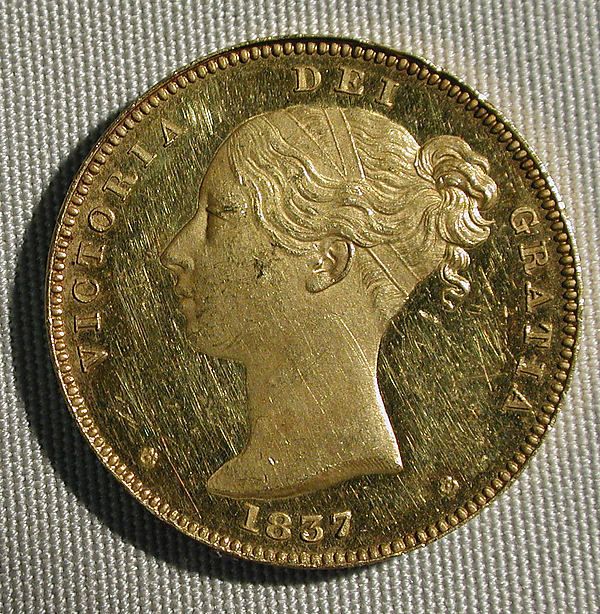
The intricate braided hairstyle and delicate floral wreath adorning Victoria's head.
The finely rendered drapery of the queen's gown, visible at her shoulder.
The sharp, raised lettering of "VICTORIA DEI GRATIA" around the portrait's edge.
The subtle texture of the gold surface, characteristic of a proof coin.
1 more detail is waiting.
See all 5 in Art Whisper →Stand in front of it and listen
The full narration walks you through Victoria proof sovereign — the story behind it, the details most visitors miss, and why it matters. Free in the Art Whisper app.
William Wyon
1795–1851 · British EmpireWilliam Wyon, Chief Engraver at the Royal Mint, left an indelible mark on British coinage and even the world's first adhesive postage stamp, the Penny Black.
Further Works by Wyon
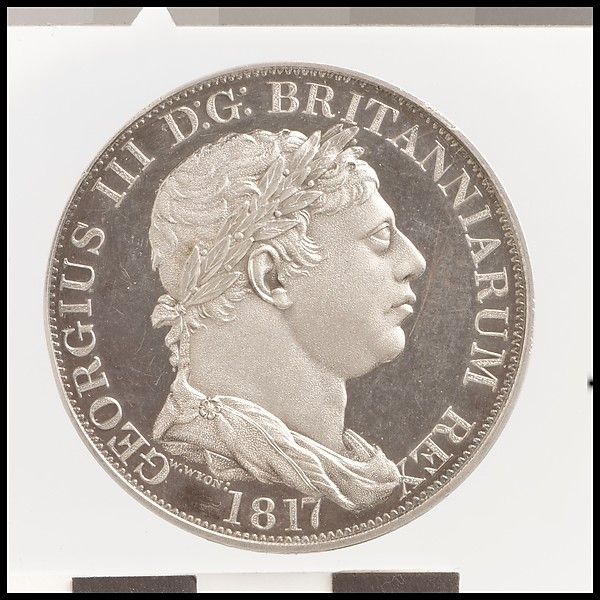 George III "Incorrupta" crown
1817 · The Metropolitan Museum of Art
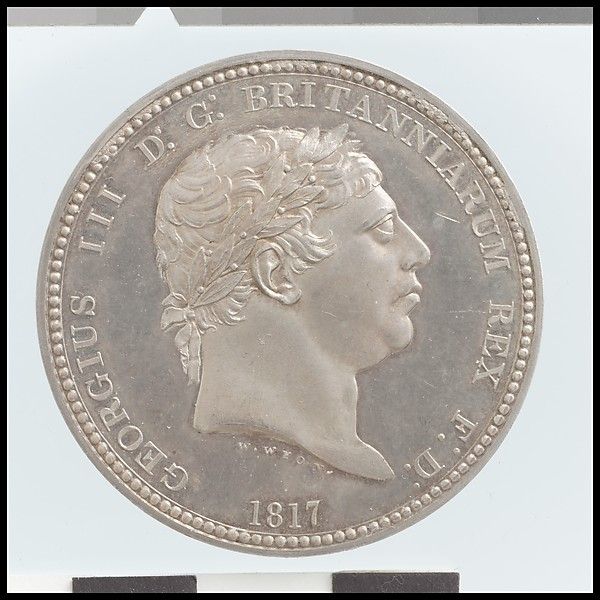 "Three Graces" crown
1817 · The Metropolitan Museum of Art
 Study for "Flying Victory"
1825 · The Metropolitan Museum of Art
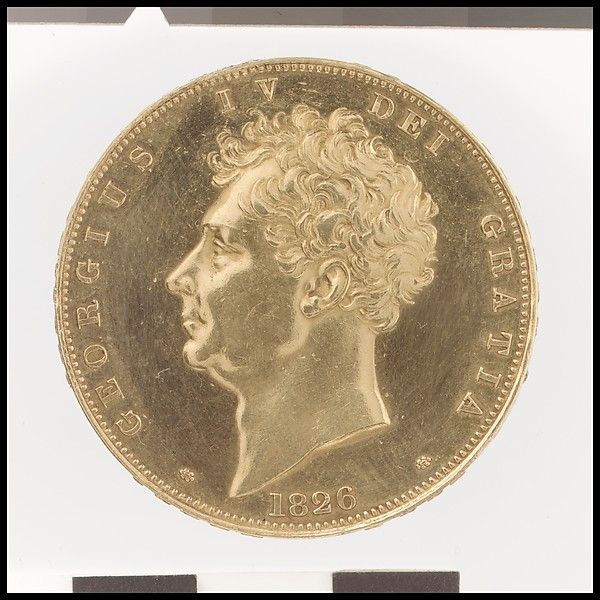 George IV crown
1826 · The Metropolitan Museum of Art
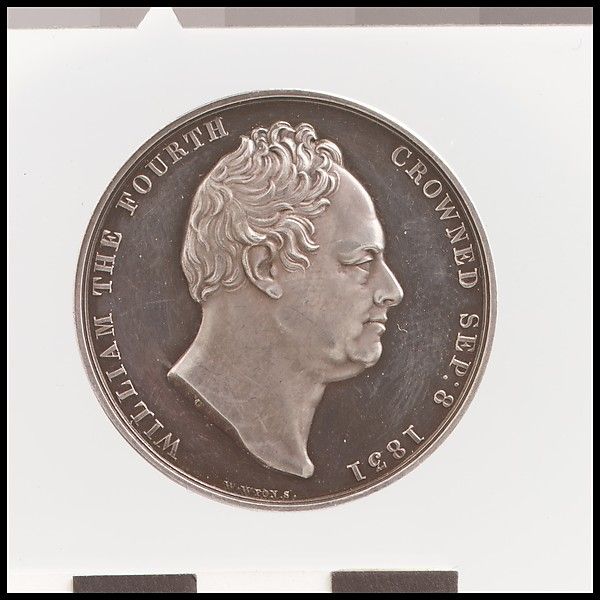 Coronation of William IV
1831 · The Metropolitan Museum of Art
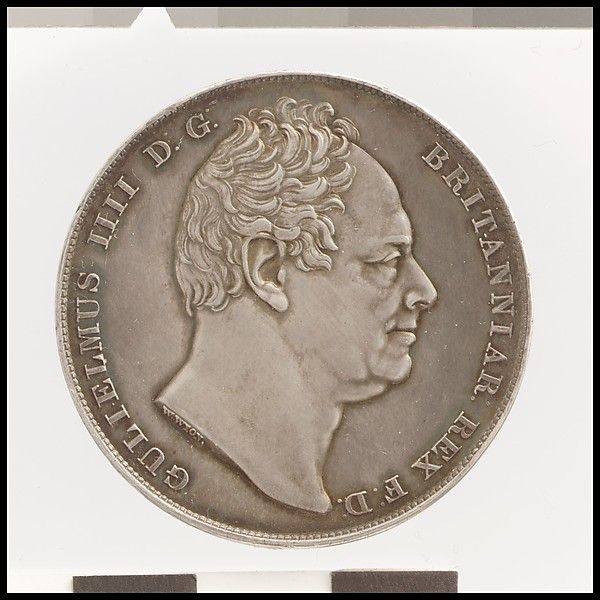 William IV proof crown
1831 · The Metropolitan Museum of Art
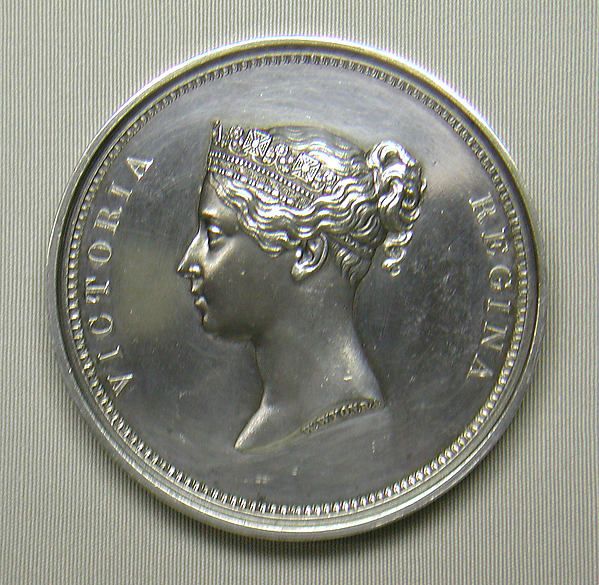 Queen Victoria's Visit to the Corporation of London
1837 · The Metropolitan Museum of Art
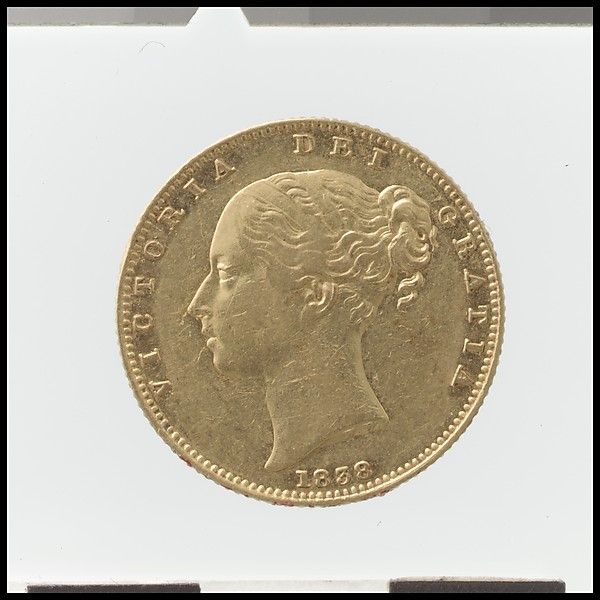 Victoria sovereign
1838 · The Metropolitan Museum of Art
More works to explore
Beyond Wyon: works from the same years.
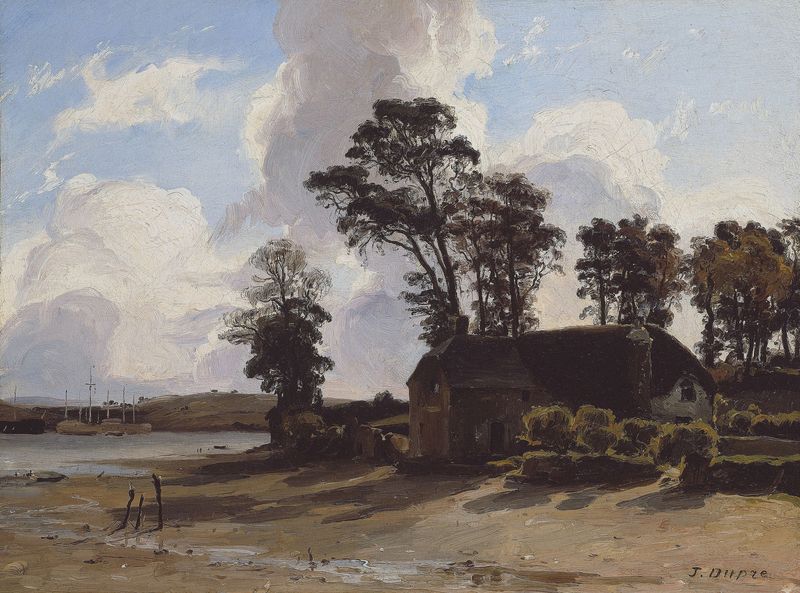 Same era · 1820s–1850s
The Estuary Farm
Léon-Victor Dupré · 1831 · Art Institute of Chicago
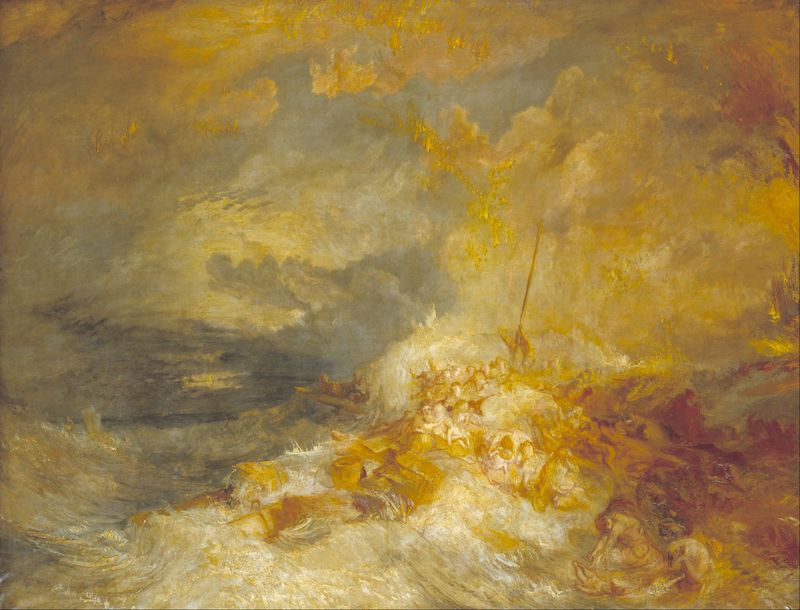 Same era · 1820s–1850s
Disaster at Sea
J. M. W. Turner · 1835 · National Gallery
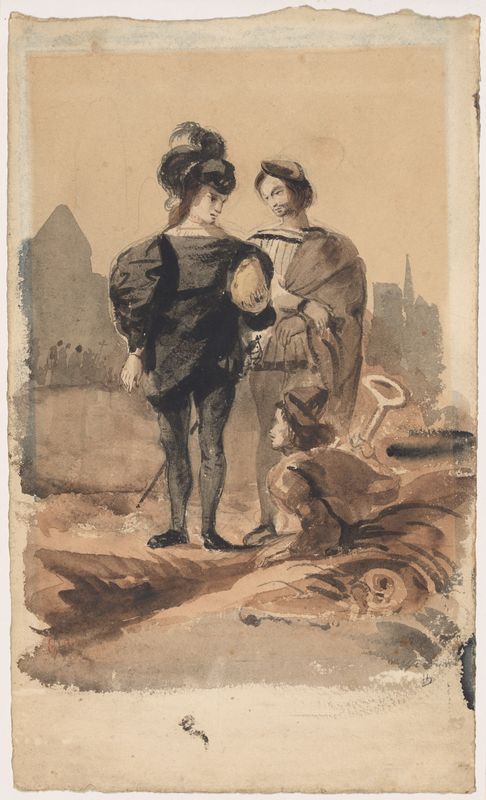 Same era · 1820s–1850s
Hamlet and Horatio in the Graveyard
Eugène Delacroix · 1839 · Department of Paintings of the Louvre
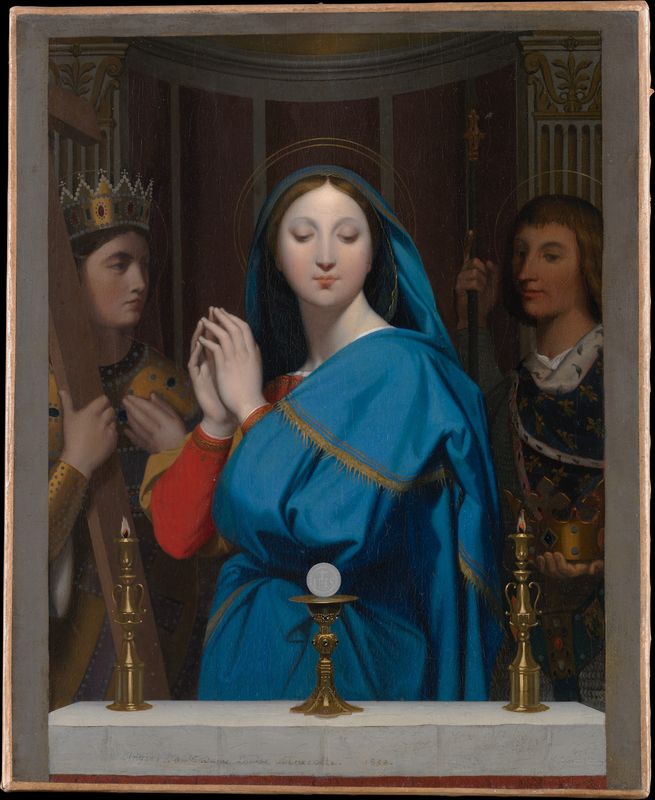 Same era · 1820s–1850s
The Virgin Adoring the Host
Jean-Auguste-Dominique Ingres · 1841 · Pushkin Museum of Fine Arts
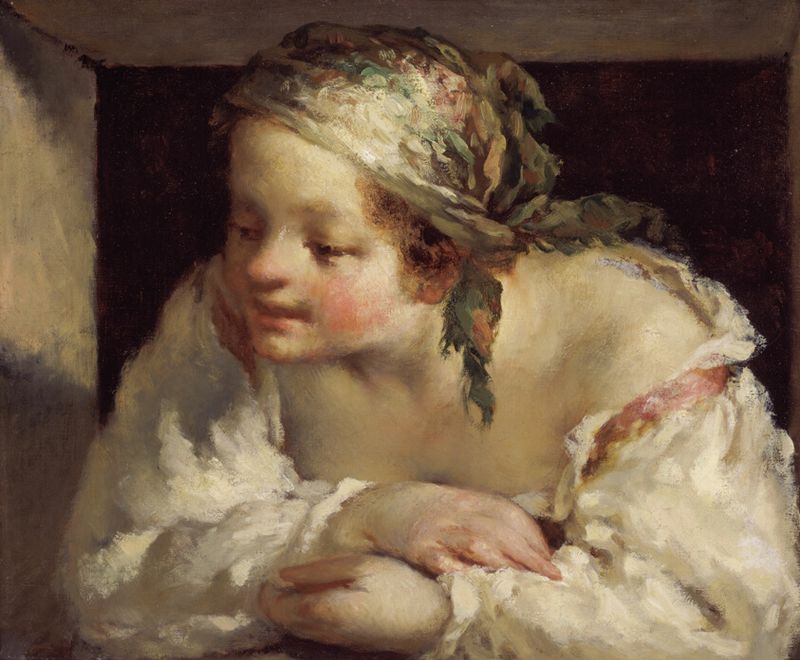 Same era · 1820s–1850s
Young Woman
Jean-François Millet · 1844 · Art Institute of Chicago
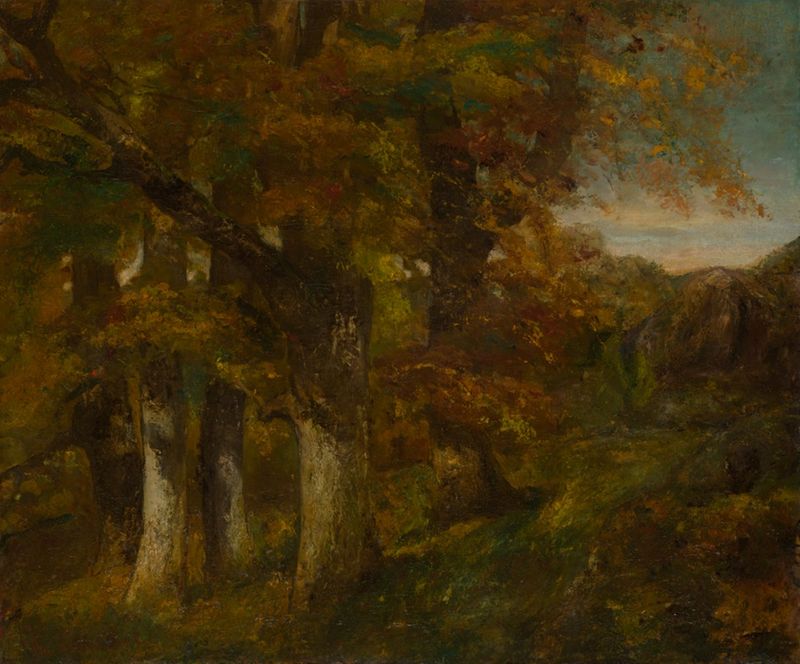 Same era · 1820s–1850s
Wooded Landscape
Gustave Courbet · 1848 · Art Institute of Chicago
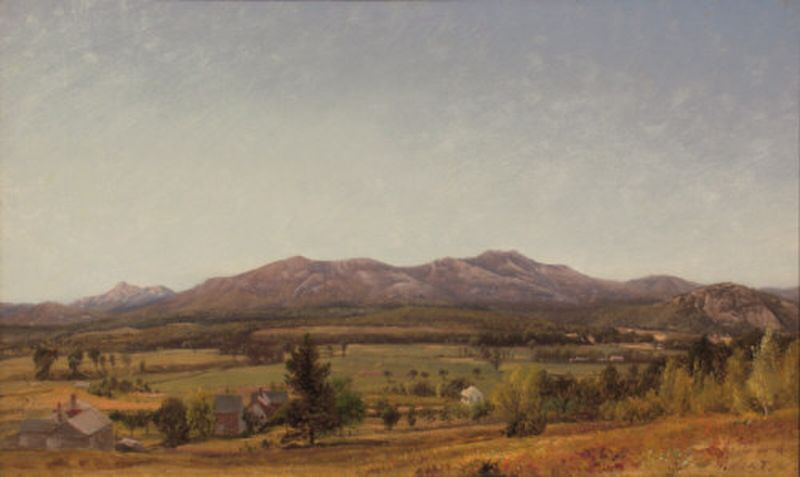 Same era · 1820s–1850s
Mount Chocorua and Moat Mountain from North Conway
William Hart · 1850
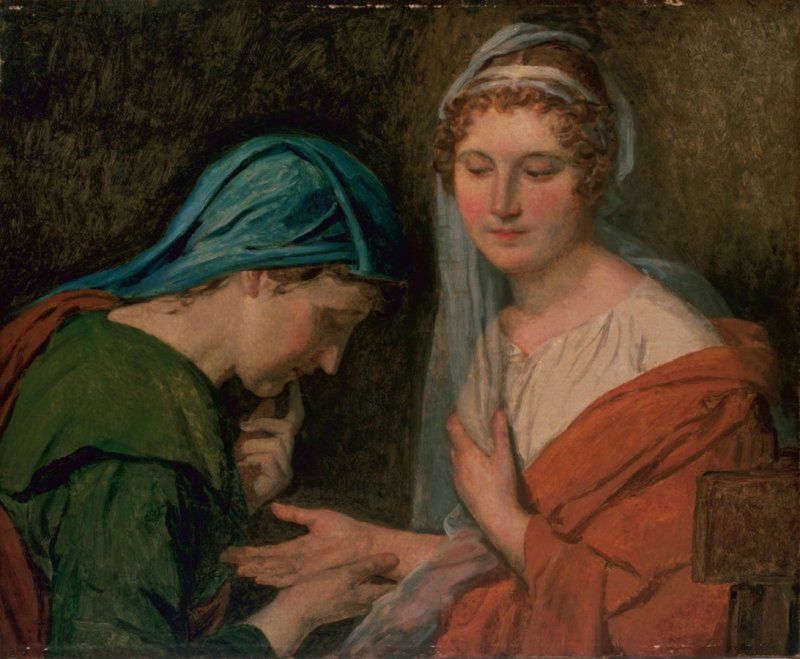 Same era · 1820s–1850s
The Fortune Teller (La Bonne Aventure)
Jacques-Louis David · 1824 · Fine Arts Museums of San Francisco
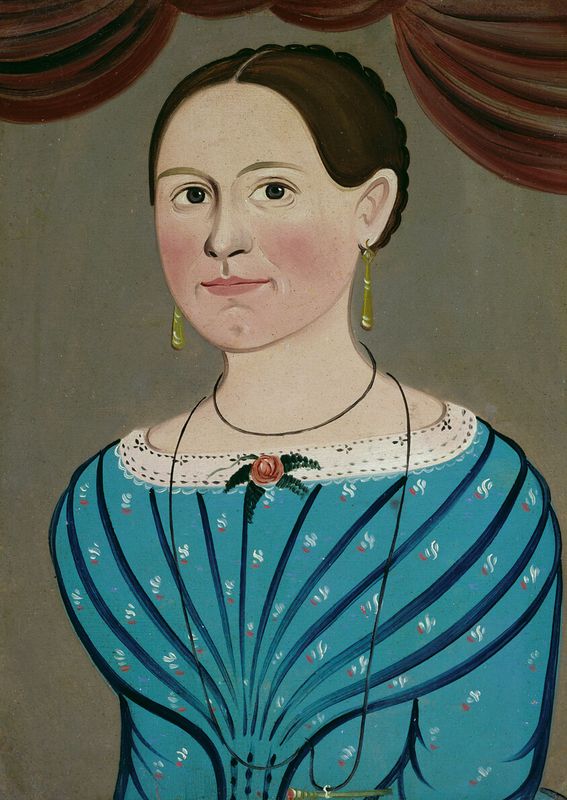 Same era · 1820s–1850s
Woman in a Blue Dress
School of William Matthew Prior · 1840 · Art Institute of Chicago
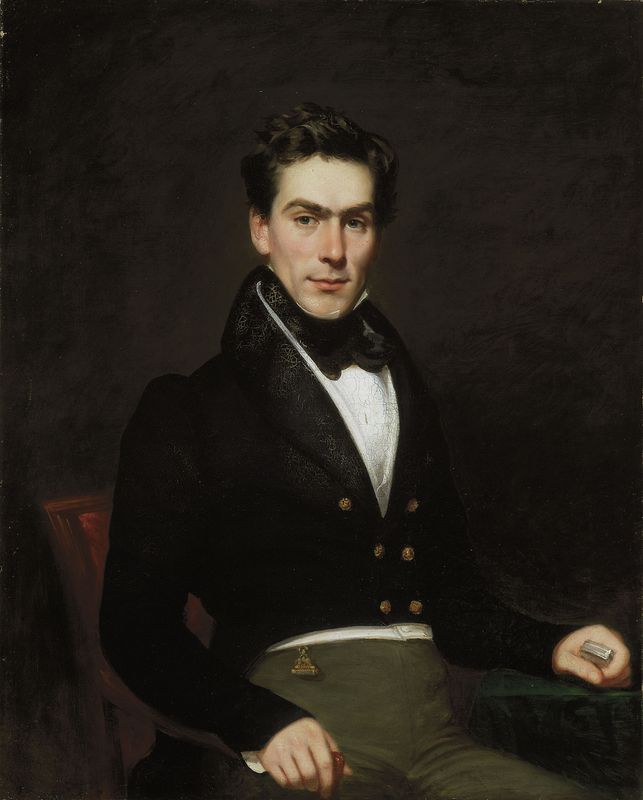 Same era · 1820s–1850s
Mr. James Mackie
Samuel Alcock & Company · 1830 · Art Institute of Chicago
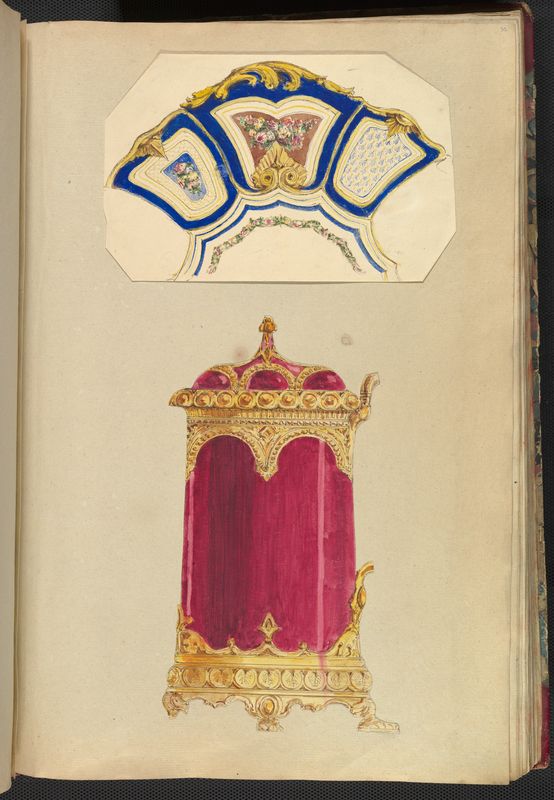 Same era · 1820s–1850s
Designs for a Decorated Dish, or Platter, and a Biscuit Barrel
Alfred Henry Forrester [Alfred Crowquill] · 1845 · The Metropolitan Museum of Art
 Same era · 1820s–1850s
The Captive Slave (Ira Aldridge)
John Philip Simpson · 1827 · Art Institute of Chicago