
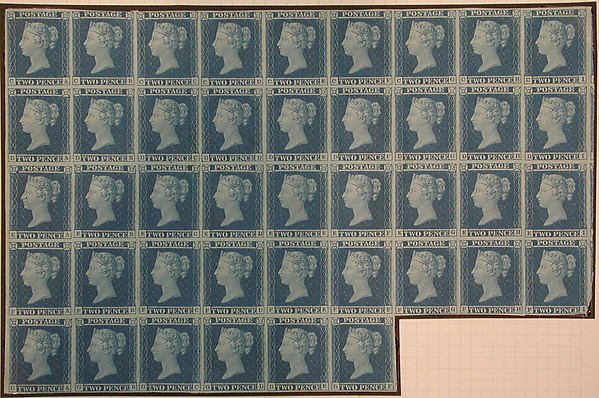
“This block of forty-two "Two Penny Blue" stamps showcases an iconic portrait of Queen Victoria, marking a pivotal moment in postal history and the spread of standardized communication.”
This sheet of forty-two "Two Penny Blue" postage stamps of Queen Victoria offers a fascinating glimpse into the early days of postal history. Printed in 1841, just a year after the world's first adhesive stamp, the Penny Black, these stamps feature a finely engraved profile of the young Queen Victoria. The consistent blue ink and the repetitive nature of the block emphasize the new era of standardized, affordable communication. The image itself, based on a design by William Wyon, the chief engraver at the Royal Mint, became a widely recognized symbol of British imperial power and innovation. Looking closely, you can appreciate the intricate detail in Victoria's portrait, a testament to the engraver's skill in miniaturization, reproduced here many times over. This unused block, still intact, reminds us of a time when these small pieces of paper revolutionized how people connected across distances.
- Artist
- William Wyon
- Date
- 1841
- Medium
- Engraving printed in blue ink on paper
- Location
- The Metropolitan Museum of Art
- Dimensions
- Overall: 4 11/16 × 7 1/8 in. (11.9 × 18.1 cm)
- Collection
- European Sculpture and Decorative Arts
- Culture
- British
- Credit line
- Gift of Assunta Sommella Peluso, Ada Peluso, and Romano I. Peluso, in memory of Ignazio Peluso, 2002
What to Notice
Five details hide in plain sight. Here’s where to look.
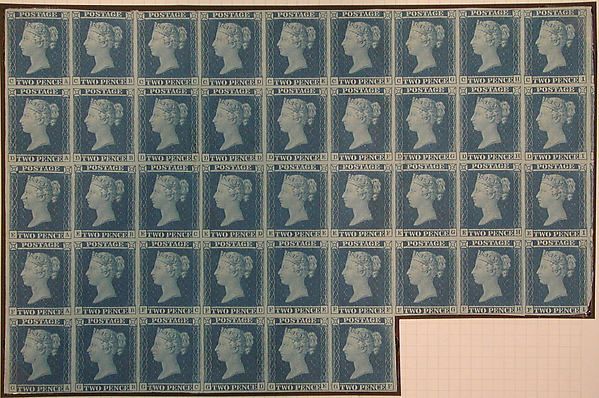
The delicate engraving of Queen Victoria's profile, repeated 42 times.
The consistent blue ink, a defining feature of the "Two Penny Blue" stamp.
The perforations (or lack thereof) between the stamps, indicating early production.
The small, almost imperceptible details in Victoria's hair and diadem.
1 more detail is waiting.
See all 5 in Art Whisper →Stand in front of it and listen
The full narration walks you through Unused block of forty-two "Two Penny Blue" postage stamps of Queen Victoria — the story behind it, the details most visitors miss, and why it matters. Free in the Art Whisper app.
William Wyon
1795–1851 · British EmpireWilliam Wyon, Chief Engraver at the Royal Mint, left an indelible mark on British coinage and even the world's first adhesive postage stamp, the Penny Black.
Further Works by Wyon
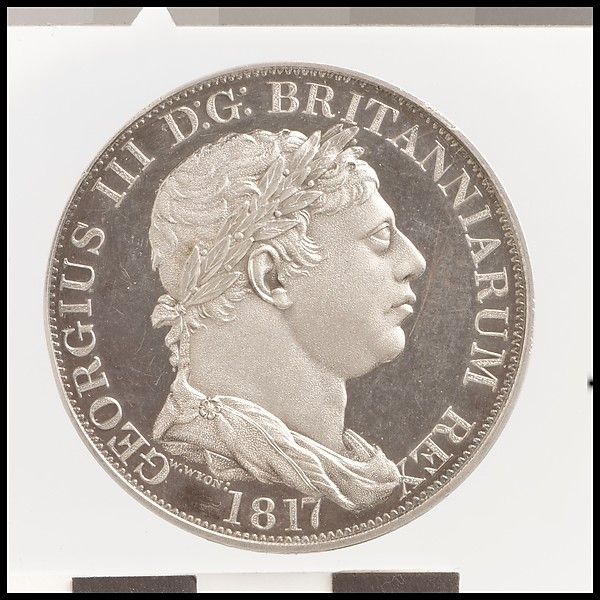 George III "Incorrupta" crown
1817 · The Metropolitan Museum of Art
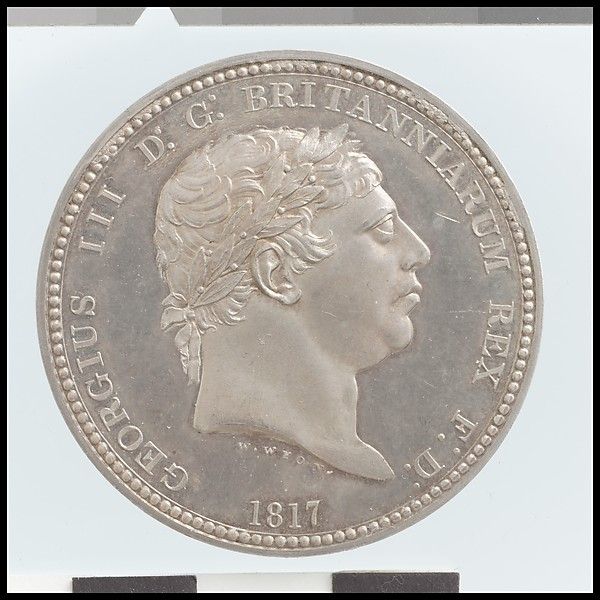 "Three Graces" crown
1817 · The Metropolitan Museum of Art
 Study for "Flying Victory"
1825 · The Metropolitan Museum of Art
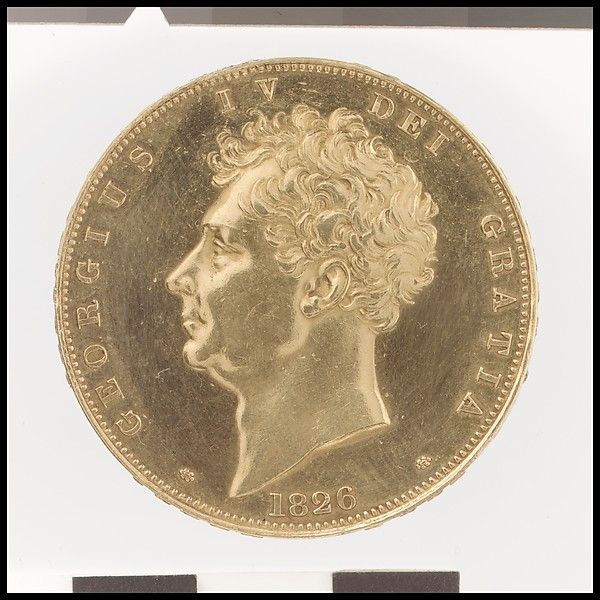 George IV crown
1826 · The Metropolitan Museum of Art
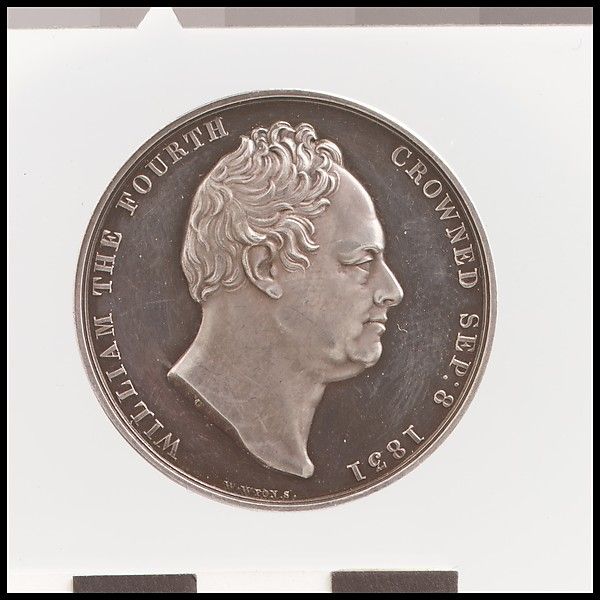 Coronation of William IV
1831 · The Metropolitan Museum of Art
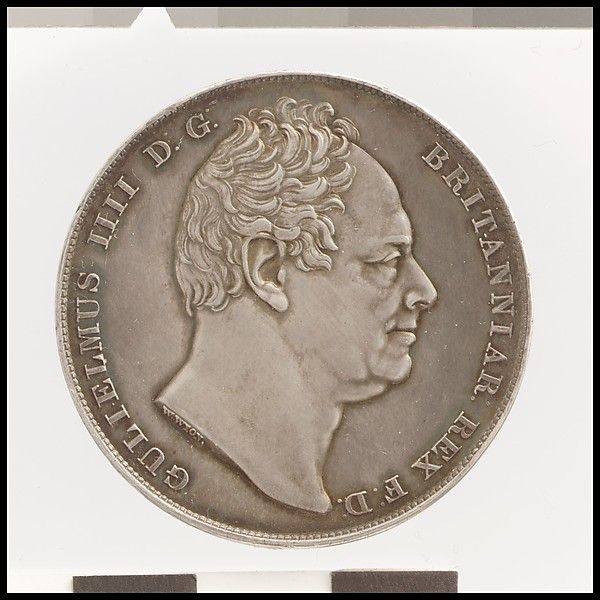 William IV proof crown
1831 · The Metropolitan Museum of Art
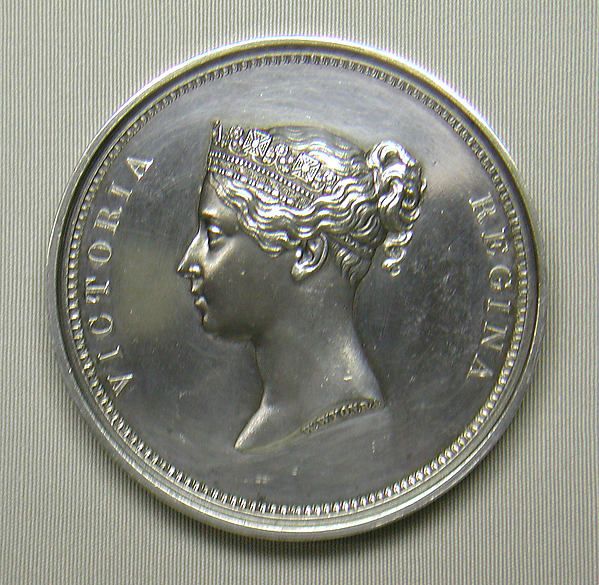 Queen Victoria's Visit to the Corporation of London
1837 · The Metropolitan Museum of Art
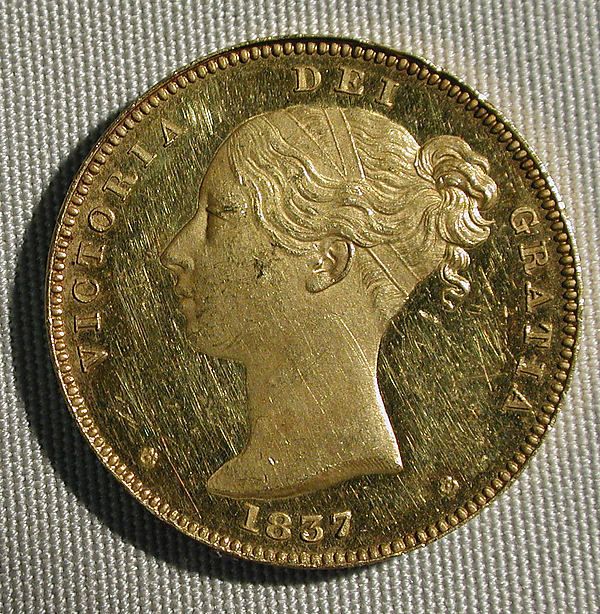 Victoria proof sovereign
1837 · The Metropolitan Museum of Art
More works to explore
Beyond Wyon: works from the same years.
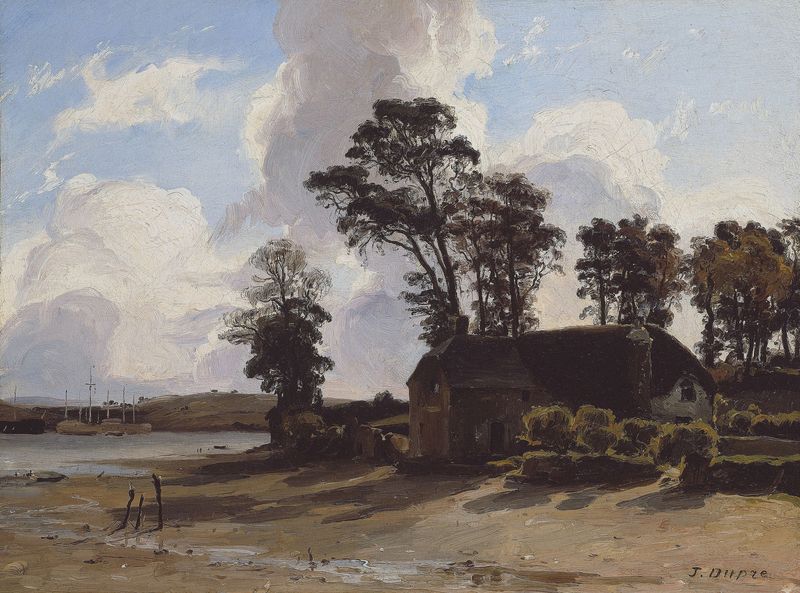 Same era · 1820s–1850s
The Estuary Farm
Léon-Victor Dupré · 1831 · Art Institute of Chicago
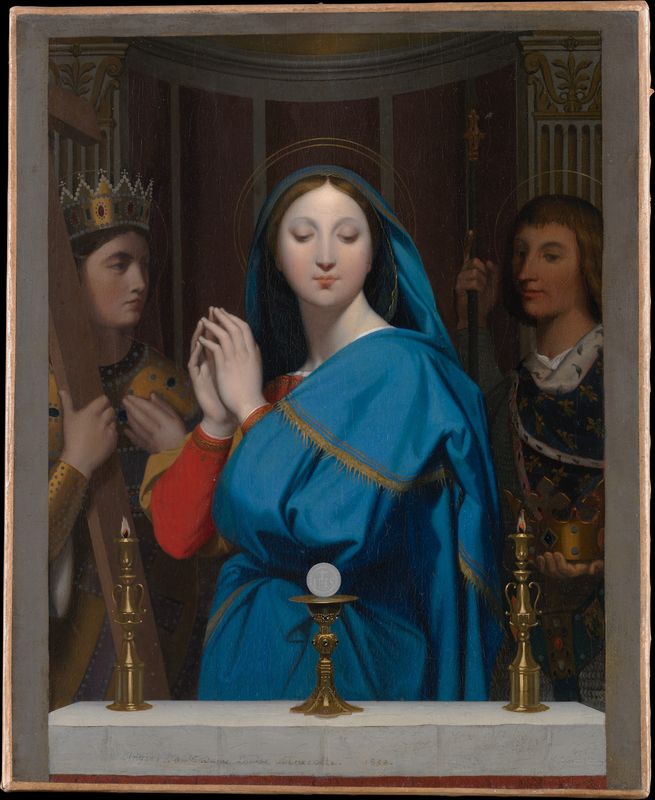 Same era · 1820s–1850s
The Virgin Adoring the Host
Jean-Auguste-Dominique Ingres · 1841 · Pushkin Museum of Fine Arts
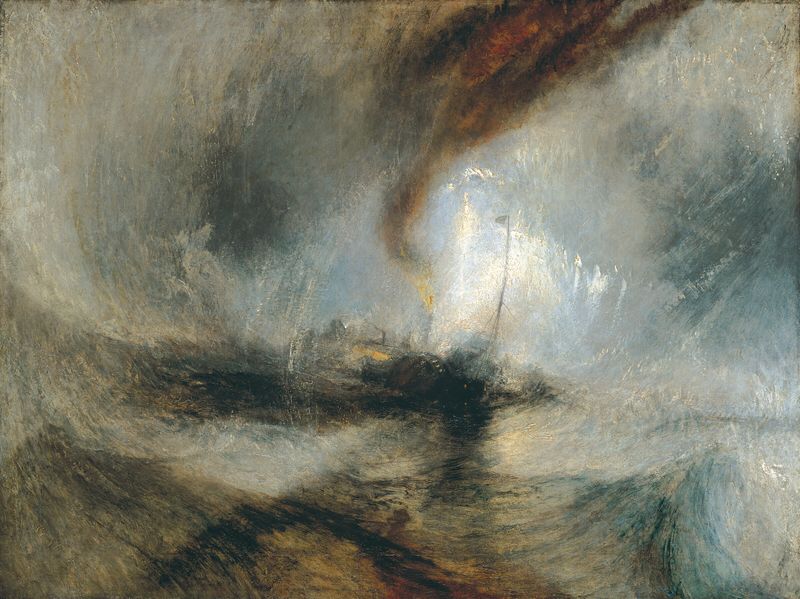 Same era · 1820s–1850s
Snow Storm: Steam-Boat off a Harbour's Mouth
J. M. W. Turner · 1842 · National Gallery
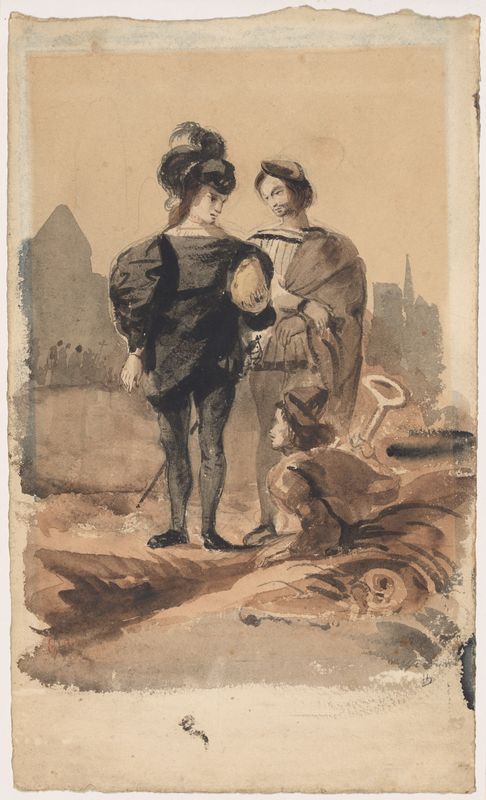 Same era · 1820s–1850s
Hamlet and Horatio in the Graveyard
Eugène Delacroix · 1839 · Department of Paintings of the Louvre
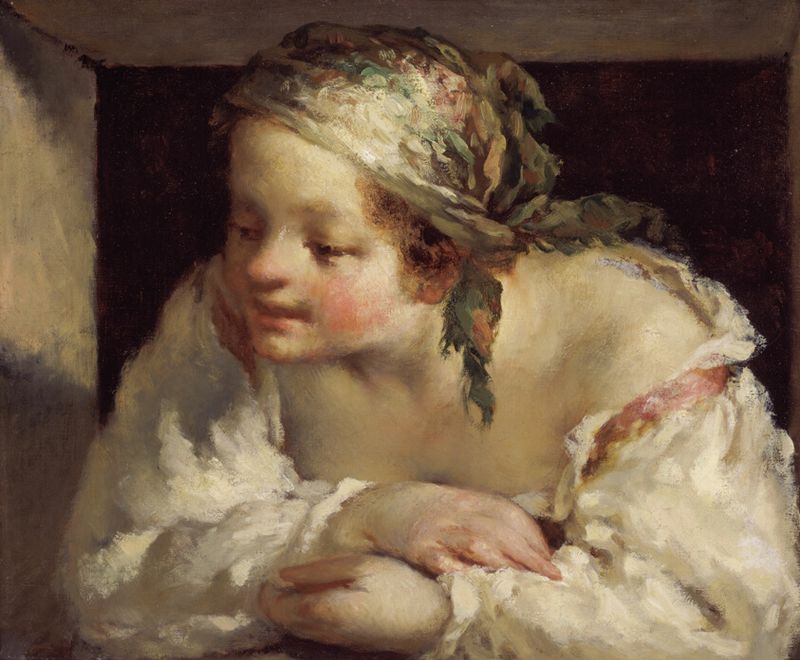 Same era · 1820s–1850s
Young Woman
Jean-François Millet · 1844 · Art Institute of Chicago
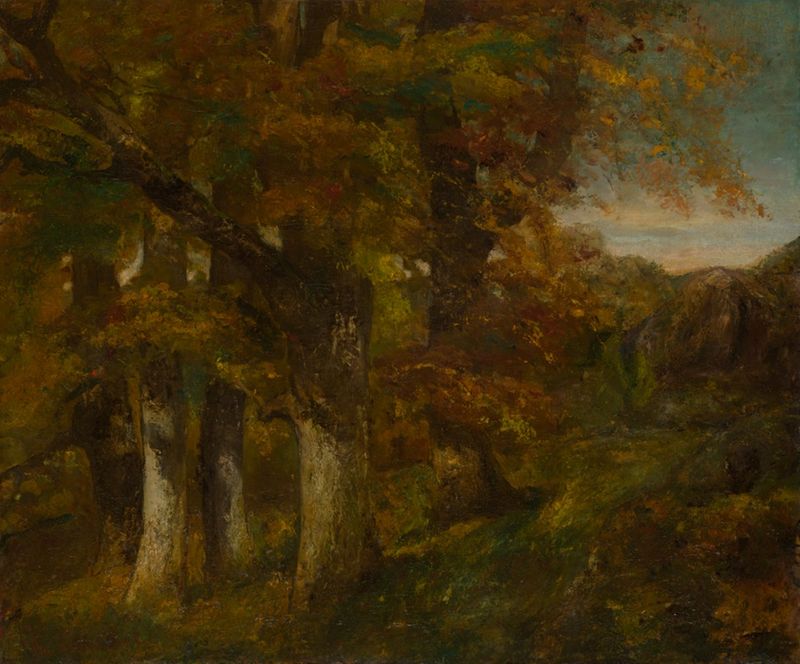 Same era · 1820s–1850s
Wooded Landscape
Gustave Courbet · 1848 · Art Institute of Chicago
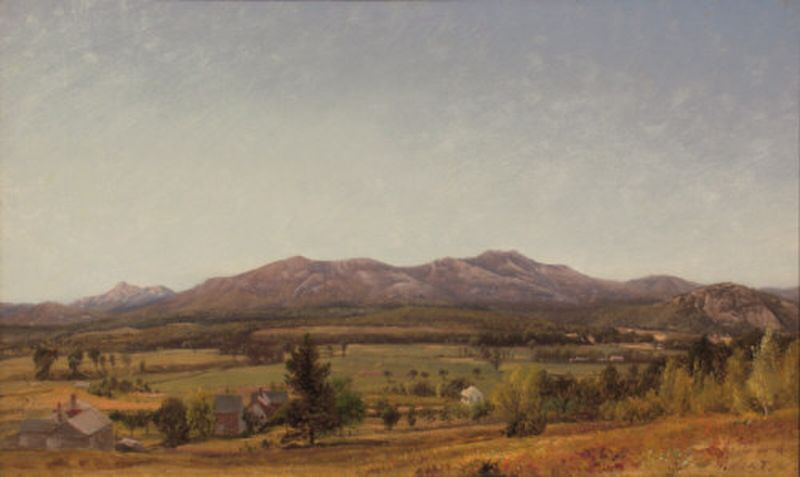 Same era · 1820s–1850s
Mount Chocorua and Moat Mountain from North Conway
William Hart · 1850
 Same era · 1820s–1850s
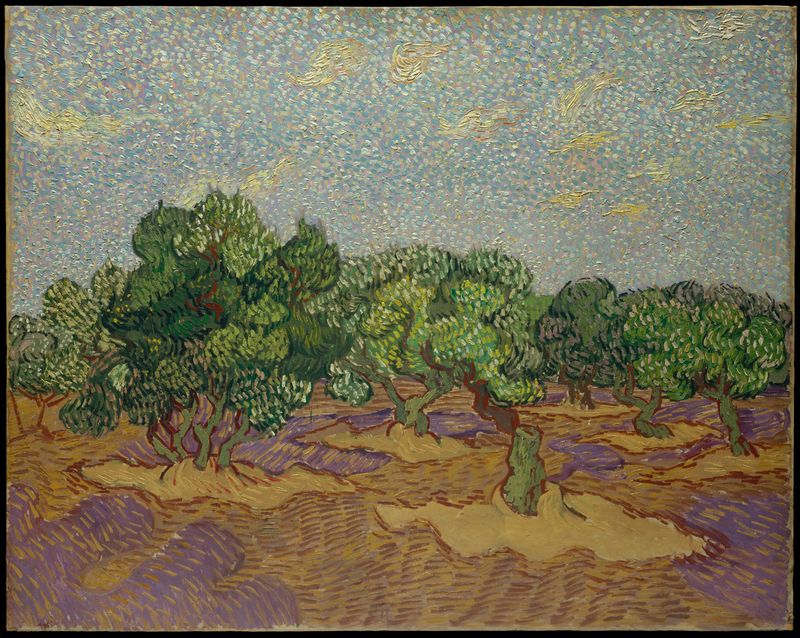
Olive Trees
Vincent van Gogh · 1853 · The Metropolitan Museum of Art
 Same era · 1820s–1850s
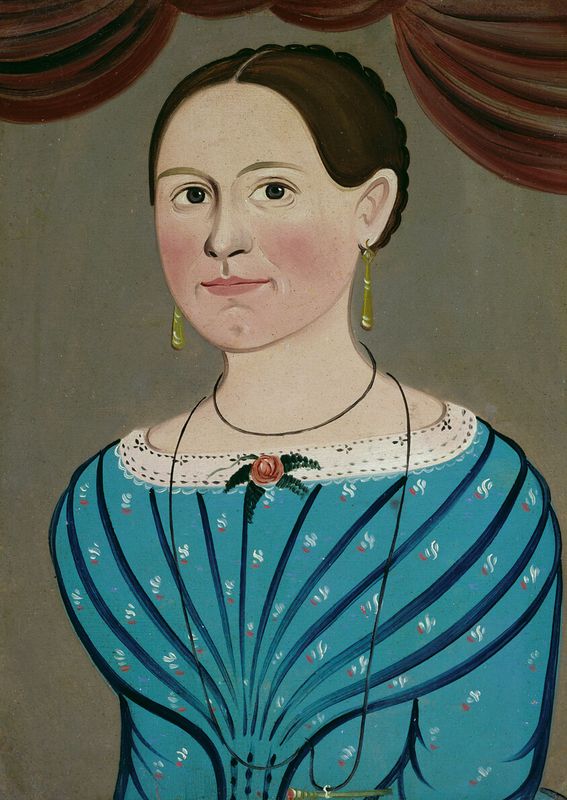
Woman in a Blue Dress
School of William Matthew Prior · 1840 · Art Institute of Chicago
 Same era · 1820s–1850s
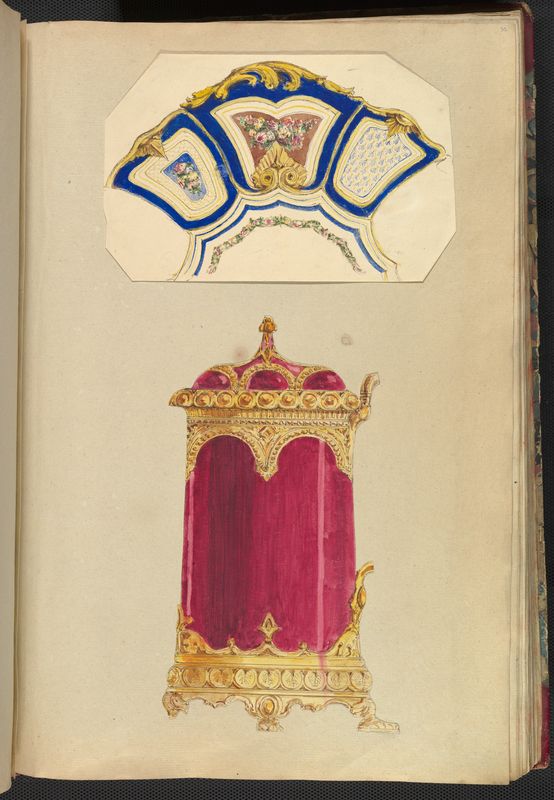
Designs for a Decorated Dish, or Platter, and a Biscuit Barrel
Alfred Henry Forrester [Alfred Crowquill] · 1845 · The Metropolitan Museum of Art
 Same era · 1820s–1850s
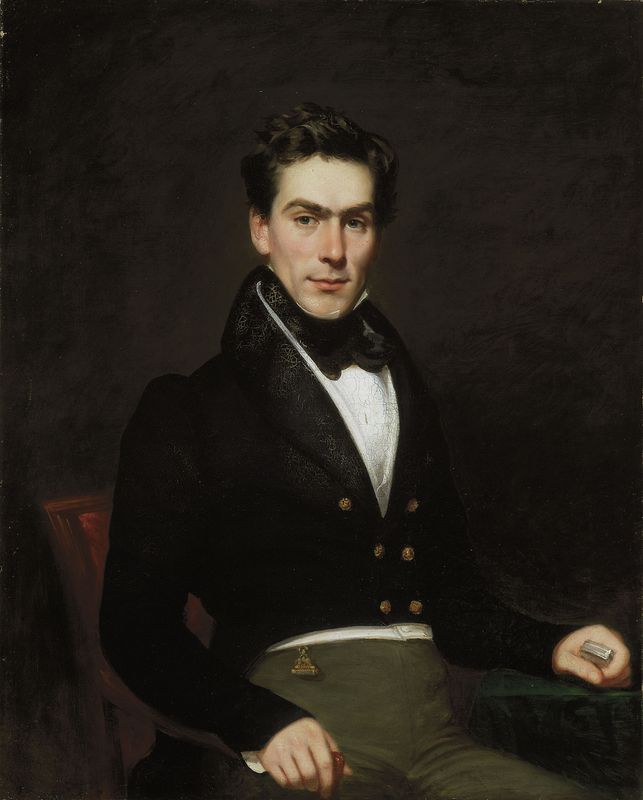
Mr. James Mackie
Samuel Alcock & Company · 1830 · Art Institute of Chicago
 Same era · 1820s–1850s
The Captive Slave (Ira Aldridge)
John Philip Simpson · 1827 · Art Institute of Chicago