01
The downcast eye
Find the lowered eye under its heavy lid. The gaze drops away from us, which gives the face a quiet, inward tenderness.
1 of 5 on the painting
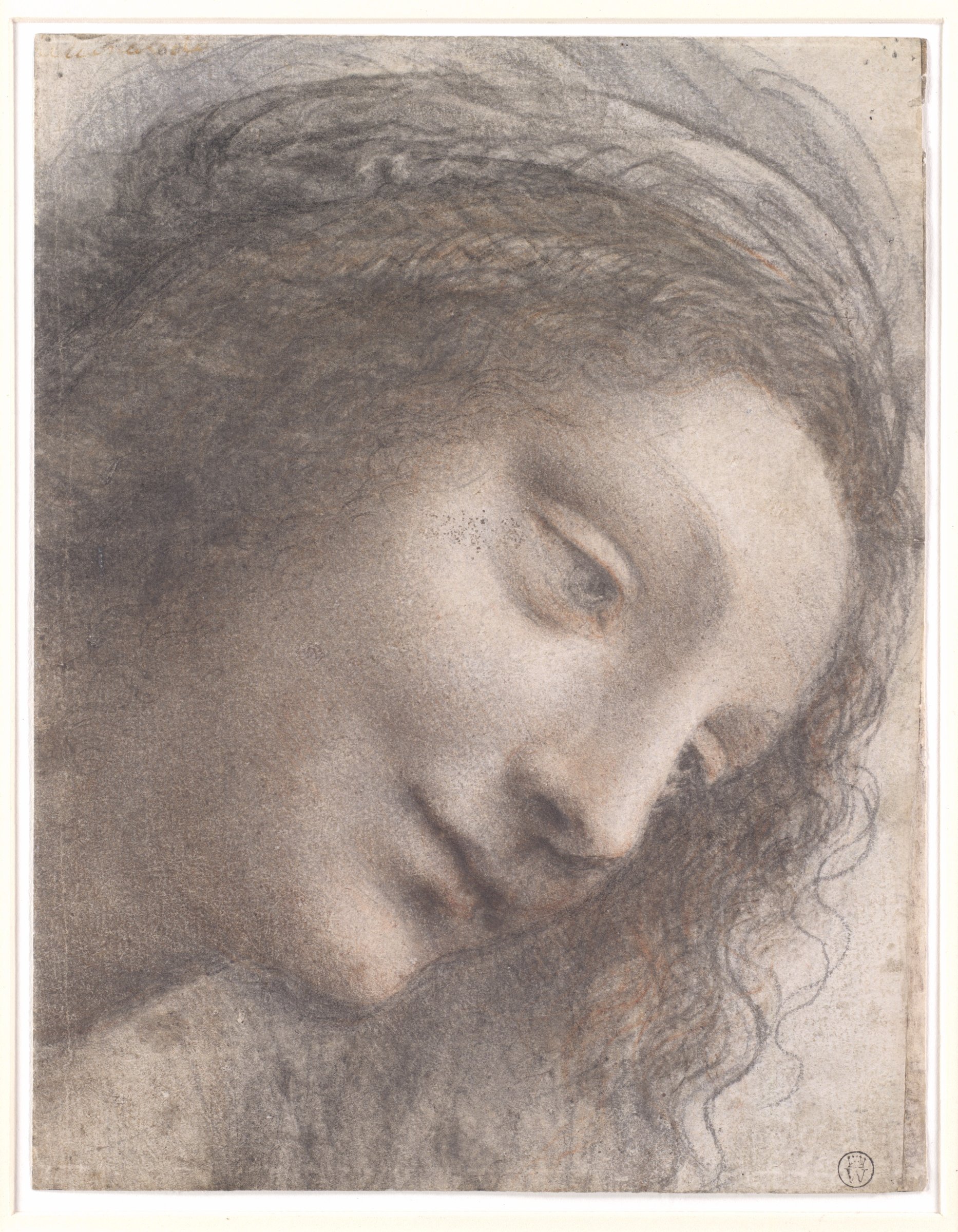
“This exquisite chalk drawing of the Virgin Mary's head is a preparatory study for a major painting, showcasing a master's meticulous approach to capturing serene beauty and soft, lifelike forms.”
In this intimate drawing, a young woman's head tilts gently downward, her face captured in a three-quarter view, facing right. Her hair is intricately styled, with two braids secured by a veil at the crown, and a delicate lock falling over her left cheek. Created using black chalk, charcoal, and red chalk, with subtle touches of white, the drawing demonstrates a remarkable softness and depth. This study was a preparatory work for the head of the Virgin Mary in a larger painting, "The Virgin and Child with Saint Anne," now in the Louvre. Likely made between 1507 and 1513, it reflects a period when the artist, despite his varied interests, continued to refine his painting compositions through detailed studies like this one. The delicate blending of chalks creates a hazy, atmospheric quality, a technique that imbues the figure with a sense of serene beauty.
Five details hide in plain sight. Pick one and we’ll show you exactly where to look.
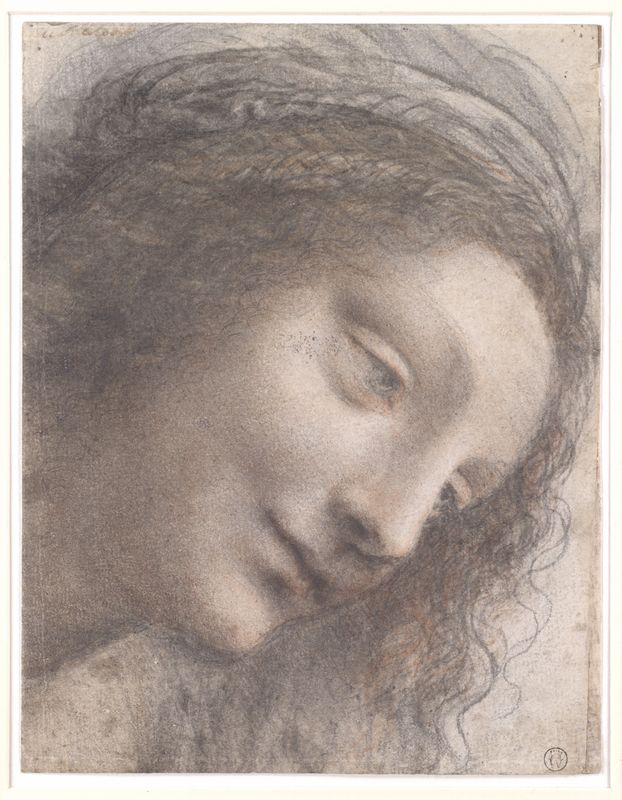
Find the lowered eye under its heavy lid. The gaze drops away from us, which gives the face a quiet, inward tenderness.
Follow the cheek and jaw, where tones blend with no visible outline. This smoky shading (sfumato) makes the skin look soft and alive.
Look at the nose, lips and chin for faint pinkish-red under the grey. The warm red chalk gives the flesh a glow that black alone could not.
Across the top, the hair is drawn in a banded, braided-looking arrangement beneath a soft, hazy veil-like shape. The tighter, patterned strokes contrast with the smooth face below.
On the right side, loose curls spill down in thin, springy lines of dark and red chalk. They are drawn freely, nearly as if in motion.
The full narration walks you through The Head of the Virgin in Three-Quarter View Facing Right — the story behind it, the details most visitors miss, and why it matters. Free in the Art Whisper app.
Leonardo da Vinci, the ultimate Renaissance polymath, filled notebooks with observations on everything from anatomy to flight, alongside masterpieces like the 'Mona Lisa'.
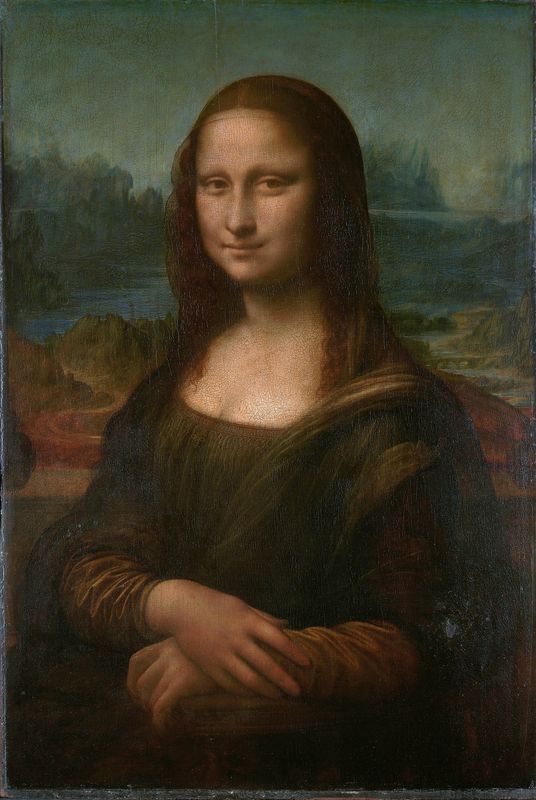 Mona Lisa
1503 · Department of Paintings of the Louvre
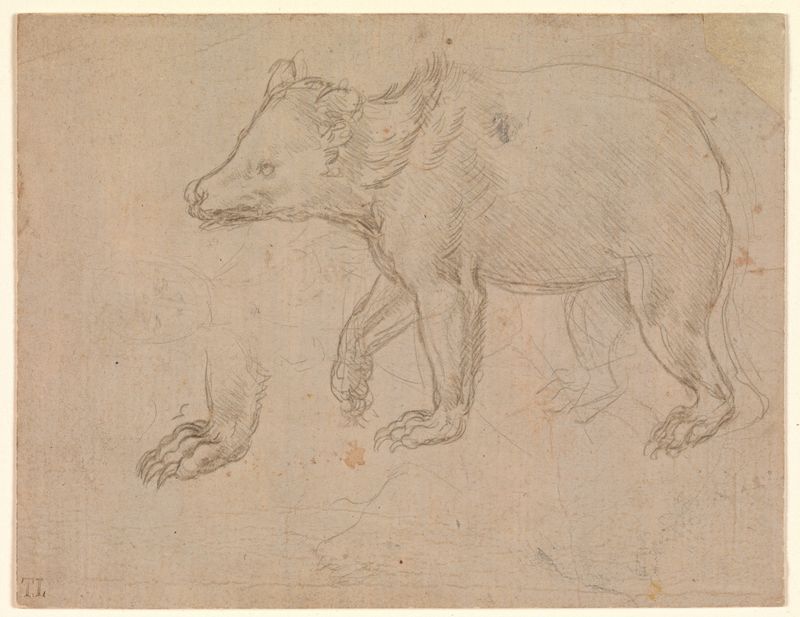 A Bear Walking
1477 · The Metropolitan Museum of Art
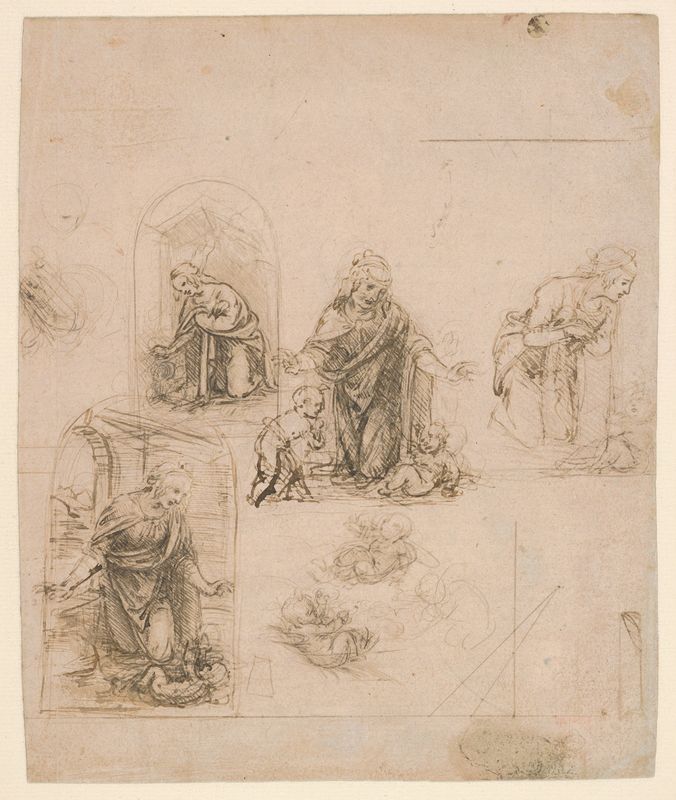 Compositional Sketches for the Virgin Adoring the Christ Child, with and without the Infant St. John the Baptist; Diagram of a Perspectival Projection (recto); Slight Doodles (verso)
1480 · The Metropolitan Museum of Art
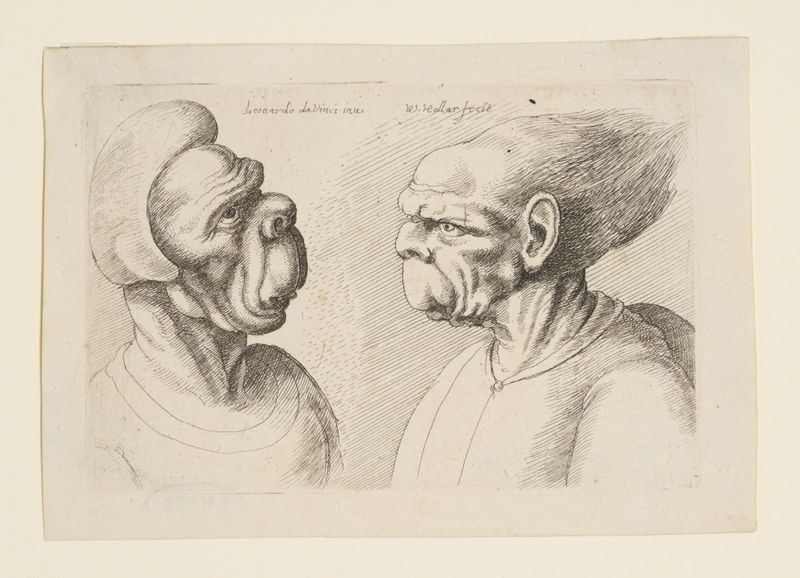 Two Deformed Heads with Very Long Upper Lips
1645 · The Metropolitan Museum of Art
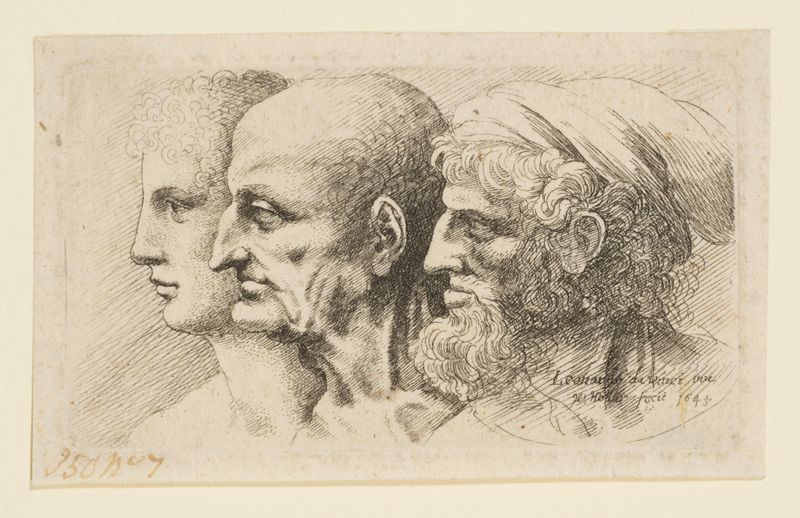 Three Heads in Profile
The Metropolitan Museum of Art
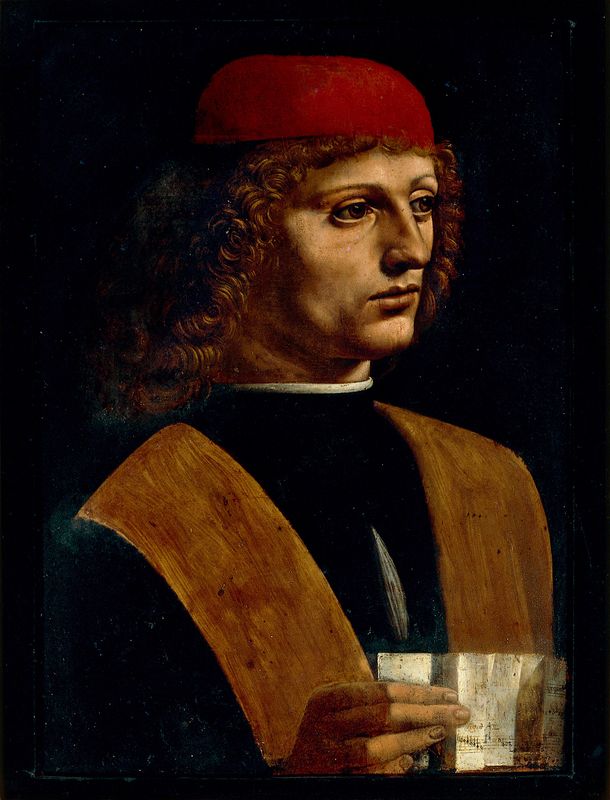 Portrait of a Musician
1485 · Pinacoteca Ambrosiana
Beyond da Vinci and Renaissance: works from the same years, and from the other movements The Head of the Virgin in Three-Quarter View Facing Right belongs to.
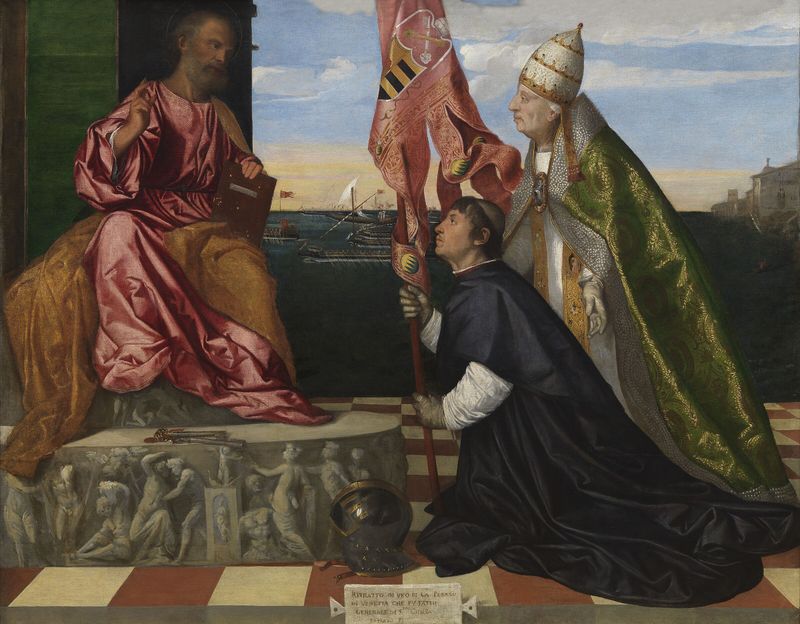 Same movement · High Renaissance
Jacopo Pesaro, Bishop of Paphos, being presented by Pope Alexander VI to Saint Peter
Titian · 1504 · Royal Museum of Fine Arts Antwerp
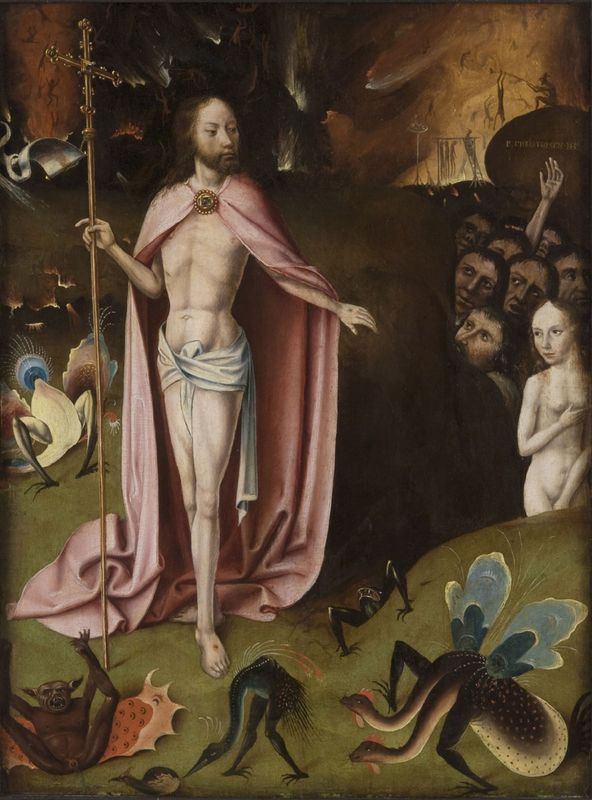 Same era · 1490s–1520s
Christ in Limbo
Hieronymus Bosch · 1510
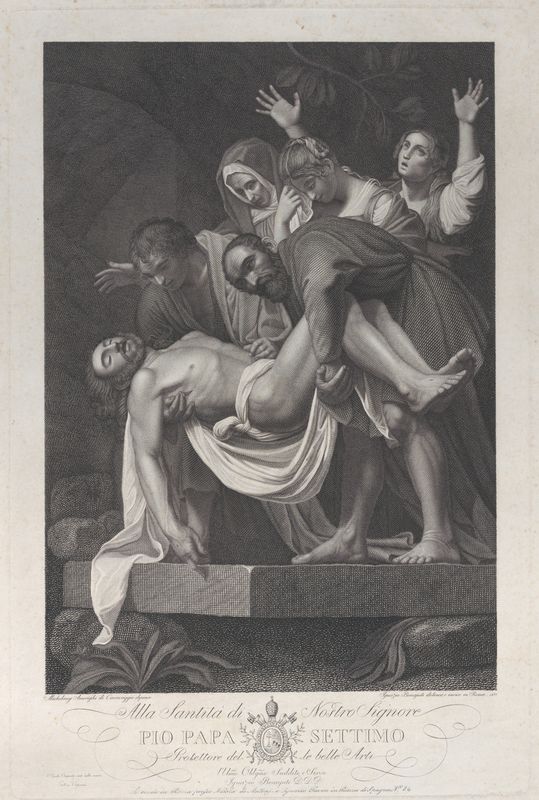 Same movement · Academic art
The Entombment of Christ
Caravaggio · 1600 · Pinacoteca Vaticana
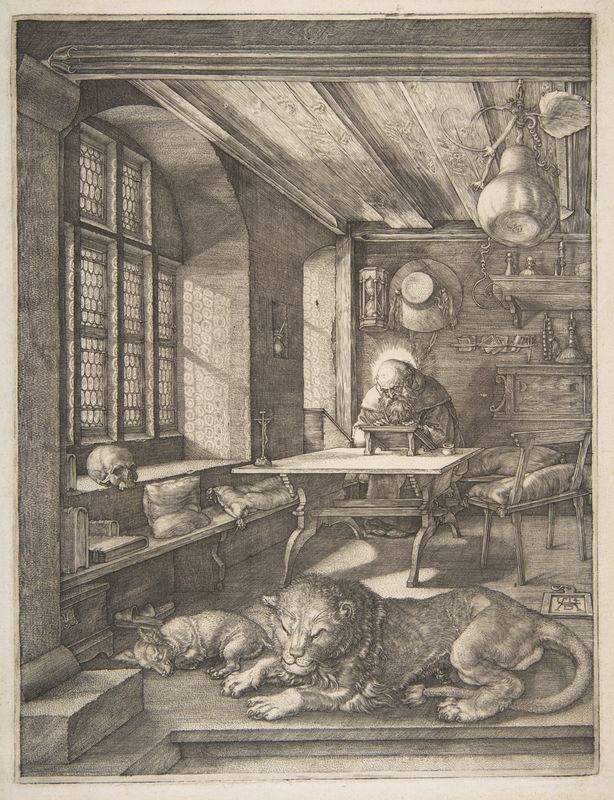 Same era · 1490s–1520s
Saint Jerome in His Study
Albrecht Dürer · 1521 · National Museum of Ancient Art
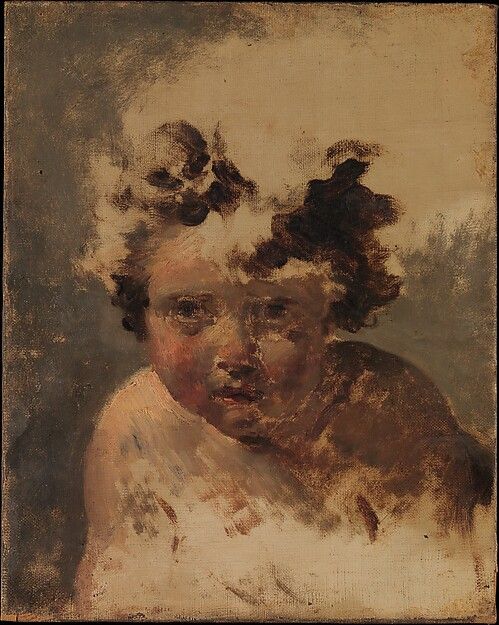 Same movement · Academic art
Head of a Child
Jacques-Louis David · 1768 · The Metropolitan Museum of Art
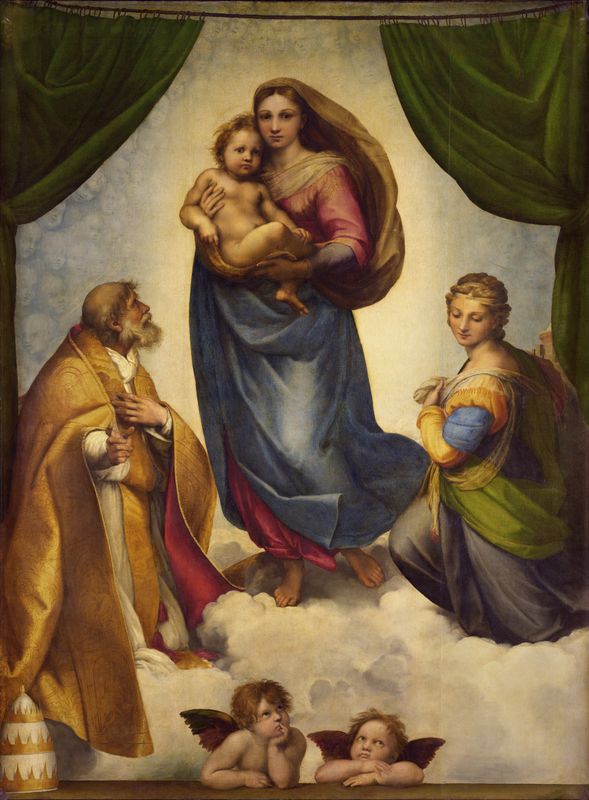 Same era · 1490s–1520s
Sistine Madonna (Madonna di San Sisto)
Raphael (Raffaello Sanzio da Urbino) · 1512
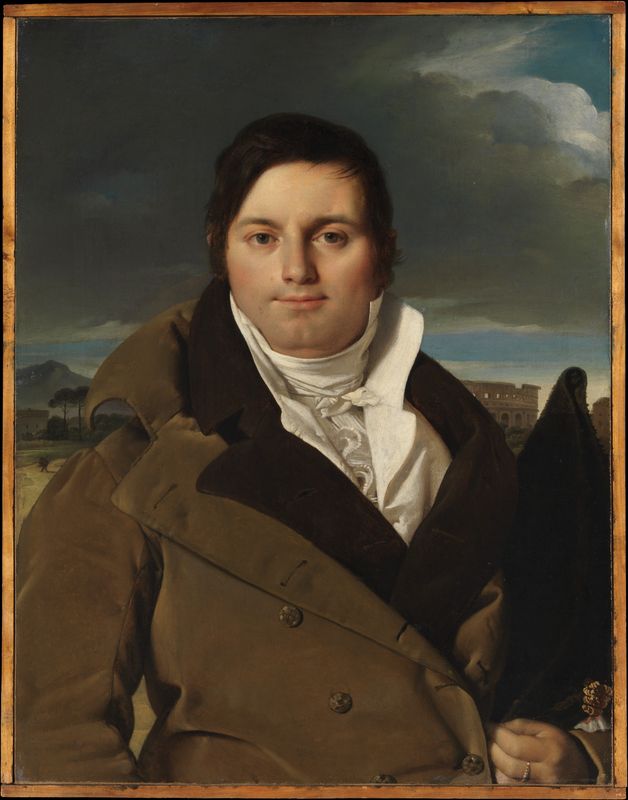 Same movement · Academic art
Joseph-Antoine Moltedo (born 1775)
Jean-Auguste-Dominique Ingres · 1805 · The Metropolitan Museum of Art
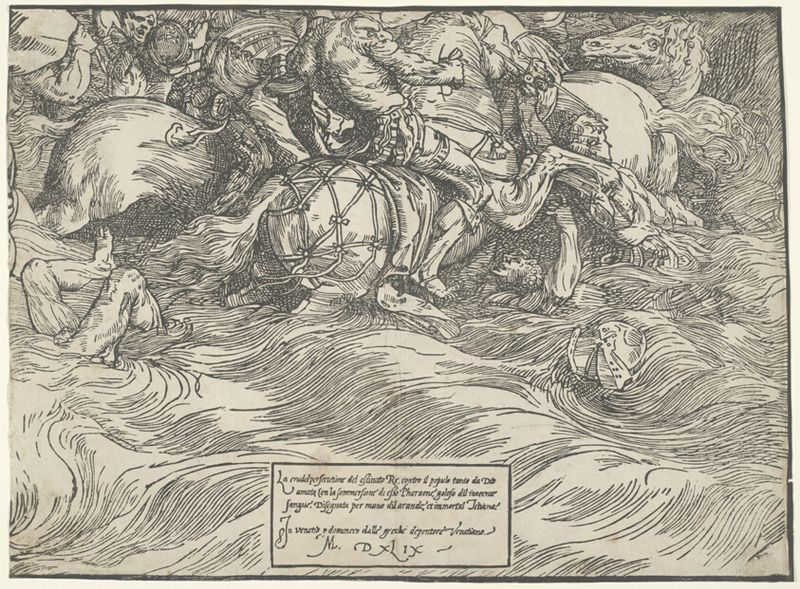 Same era · 1490s–1520s
The Submersion of Pharaoh's Army in the Red Sea
Titian · 1514 · Cleveland Museum of Art
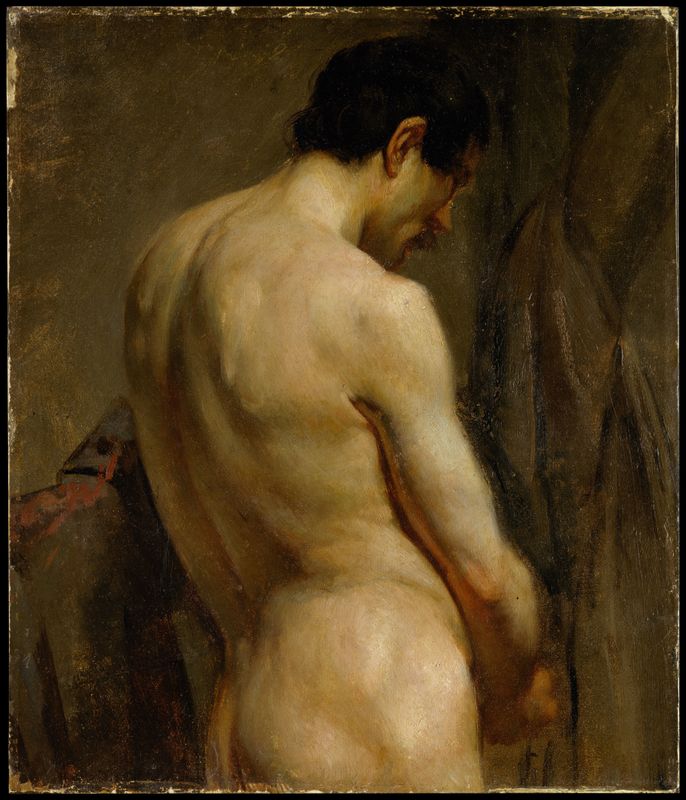 Same movement · Academic art
Male Academy Figure: Half-Length, Side View
Eugène Delacroix · 1819 · Karen B. Cohen Collection
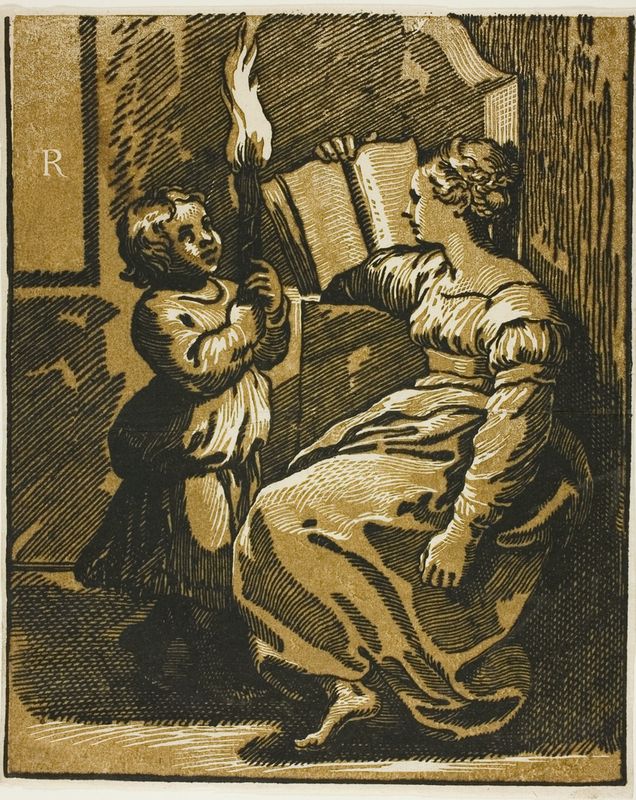 Same era · 1490s–1520s
The Sibyl and a Child Bearing a Torch
Artist Unknown - The Mercat Cross, Aberdeen · 1520 · Art Institute of Chicago
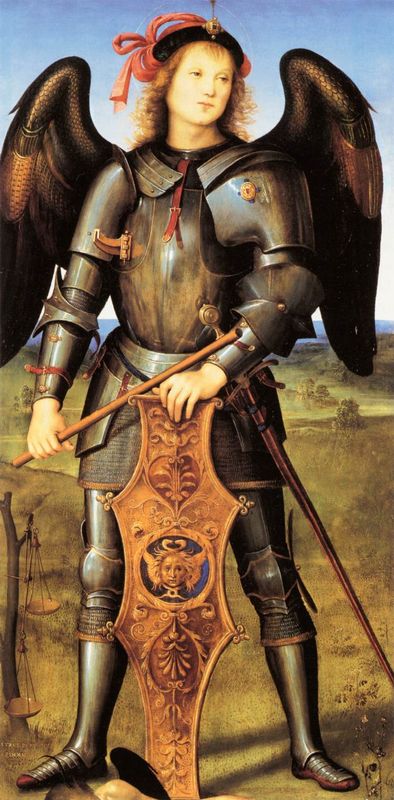 Same era · 1490s–1520s
The Archangel Michael
Master of the View of Saint Gudula · 1495 · The Metropolitan Museum of Art