01
Mother and child faces
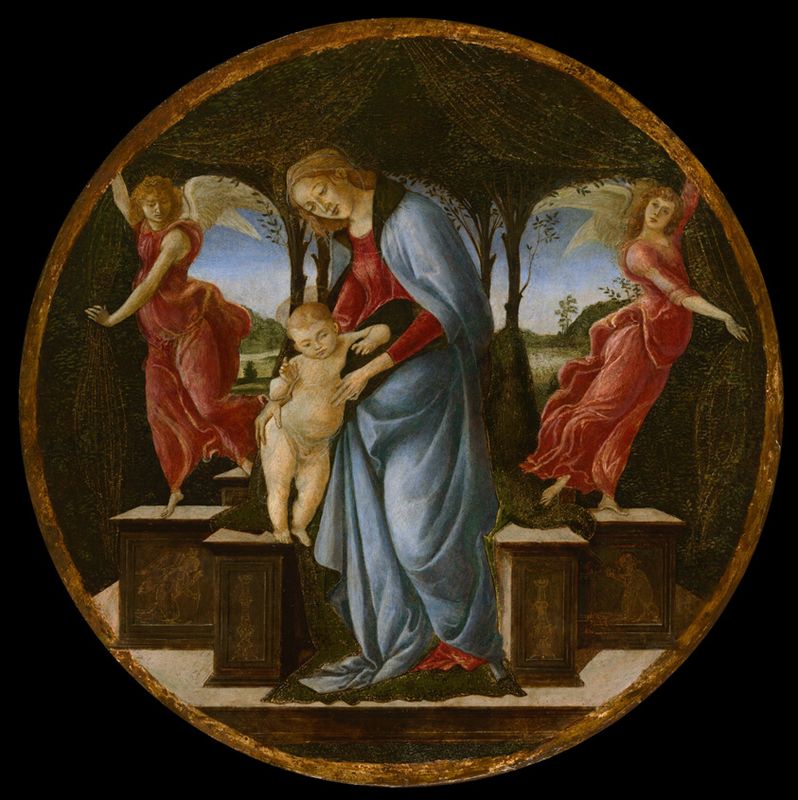
Look where the Virgin's lowered face rests against the Child's cheek. Her closed eyes and his upward gaze make the tenderest moment in the picture.
1 of 5 on the painting
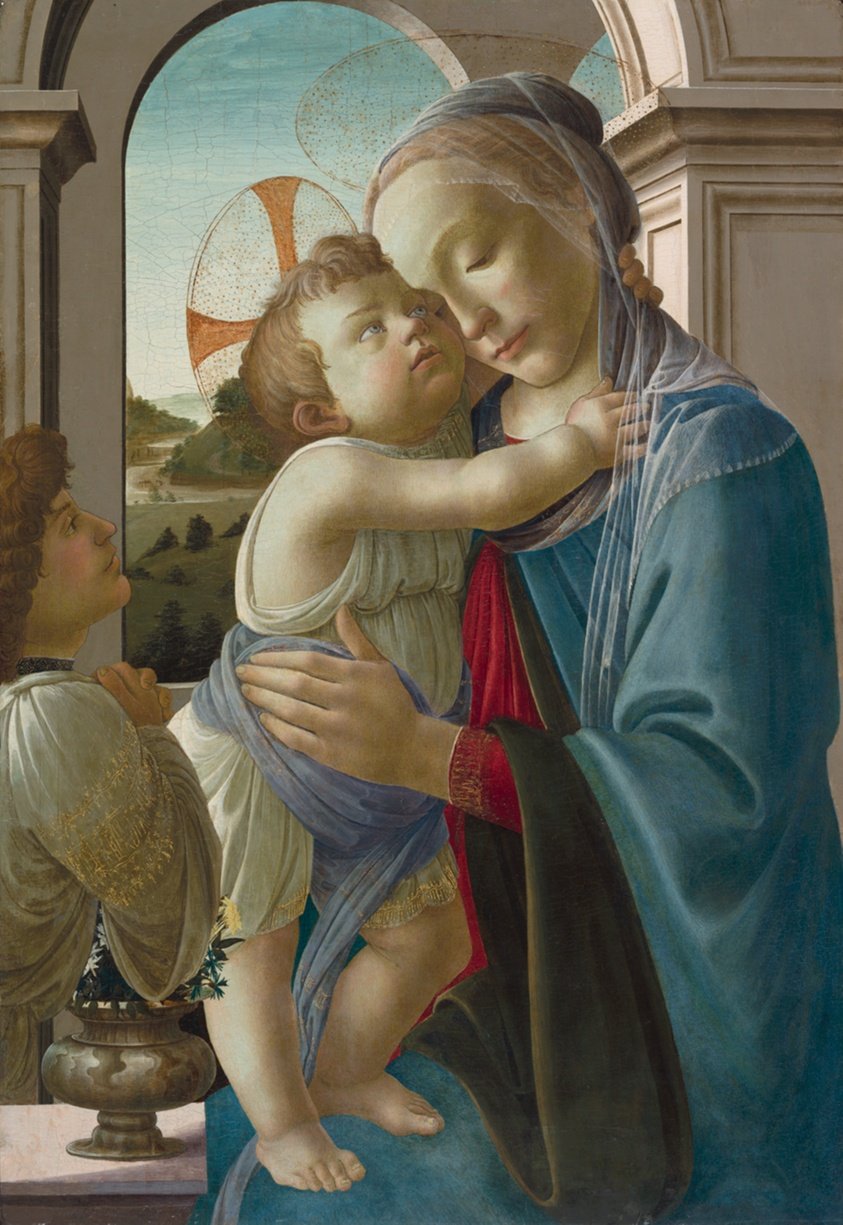
“Stop to see Botticelli's early work, a charming and intimate portrayal of the Virgin and Child where an angel offers symbolic fruit, hinting at future events.”
In this tender scene, Mary cradles the Christ Child as an angel, with a knowing gaze, offers a bowl of grapes and pomegranates. The figures are arranged in a close, intimate triangle, drawing your eye to the central interaction. Botticelli painted this work around 1470, a period when Florentine artists were moving towards a more naturalistic style while retaining a delicate, almost lyrical quality. The soft light illuminates Mary's serene face and the Child's playful gesture, emphasizing the human connection within this sacred subject. The rich colors, particularly the deep blues and reds, are characteristic of tempera painting, a medium that allowed for precise details and luminous surfaces. This painting invites a quiet contemplation of maternal love and divine symbolism.
Five details hide in plain sight. Pick one and we’ll show you exactly where to look.
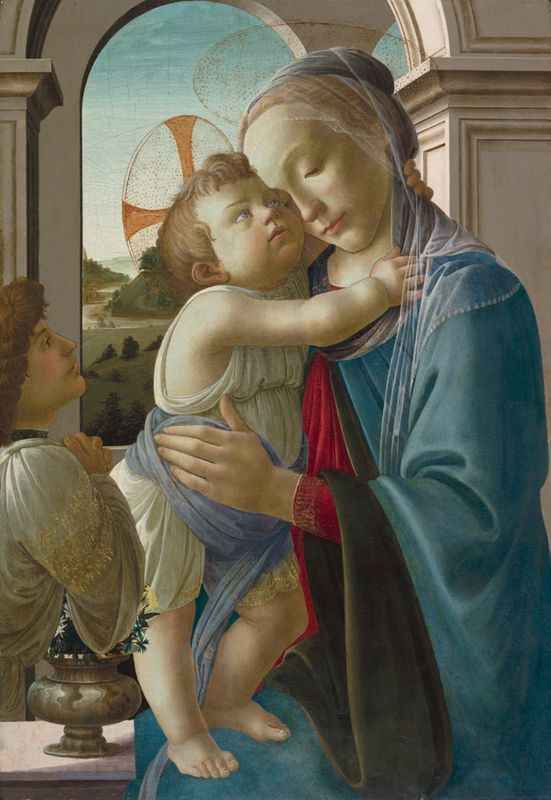
Look where the Virgin's lowered face rests against the Child's cheek. Her closed eyes and his upward gaze make the tenderest moment in the picture.
The Child's arm reaches up around the Virgin's neck, while her hand supports his side. Their overlapping arms bind the two figures into one compact group.
Look for the two thin, dotted halos behind the heads. The Child's has a red cross, and both are so faint they nearly blend into the sky and arch.
At the left edge, a curly-haired young man in profile looks up toward the Child with his hands pressed together. His pose reads as devotion and leads our eye into the group.
Look through the arched window to the winding road, hills and dark trees. This calm distance frames the heads and gives the scene depth.
The full narration walks you through Virgin and Child with an Angel — the story behind it, the details most visitors miss, and why it matters. Free in the Art Whisper app.
Alessandro di Mariano di Vanni Filipepi, better known as Sandro Botticelli or simply Botticelli, was an Italian painter of the Early Renaissance. Botticelli's posthumous reputation suffered until the late 19th century, when he was rediscovered by the Pre-Raphaelites who stimulated a reappraisal of his work. Since then, his paintings have been seen to represent the linear grace of late Italian Gothic and some Early Renaissance painting, even though they date from the latter half of the Italian Renaissance period.
Beyond Botticelli and Renaissance: works from the same years.
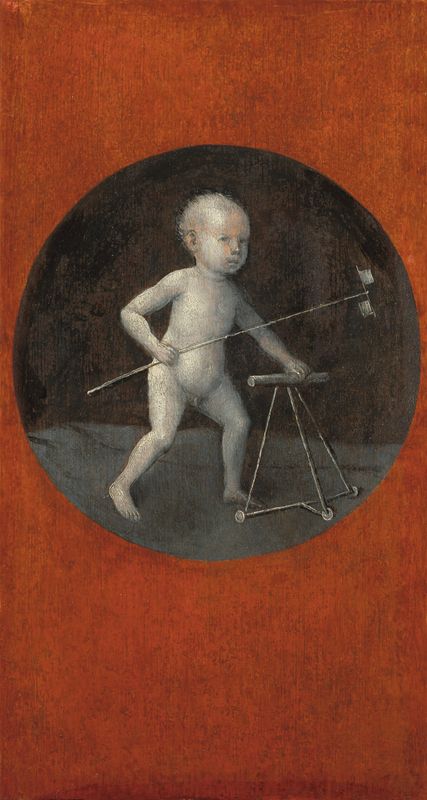 Same era · 1450s–1480s
Christ Child with a Walking Frame
Hieronymus Bosch · 1480 · Kunsthistorisches Museum
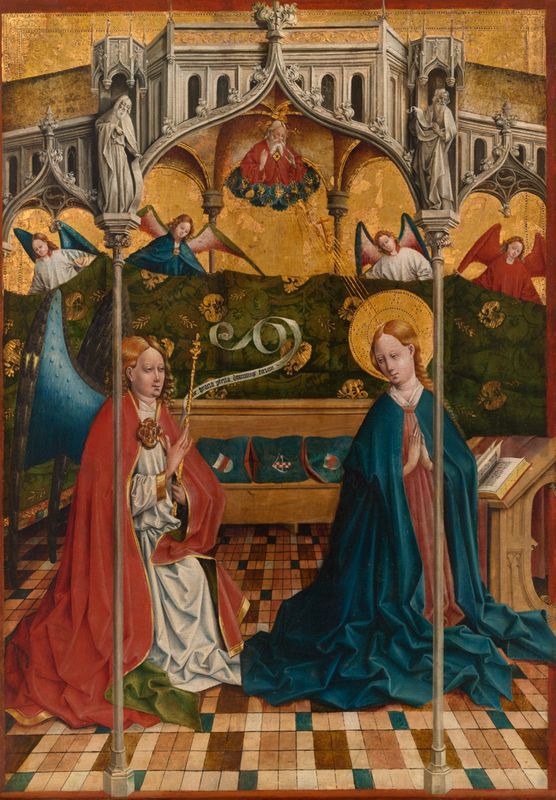 Same era · 1450s–1480s
The Annunciation
Johann Koerbecke · 1457 · Art Institute of Chicago
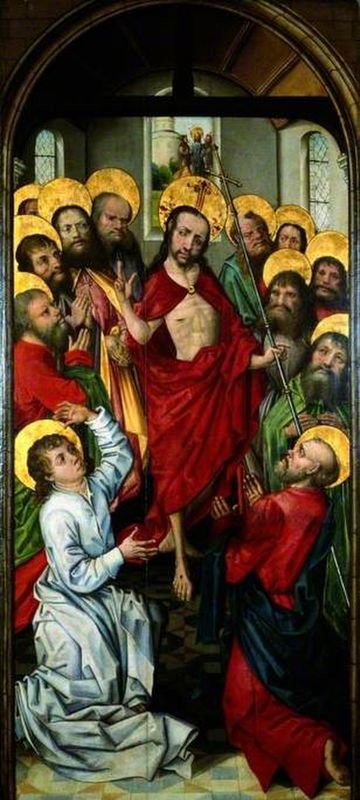 Same era · 1450s–1480s
The Risen Christ (recto)
Master of the View of Saint Gudula · 1467 · Bowes Museum
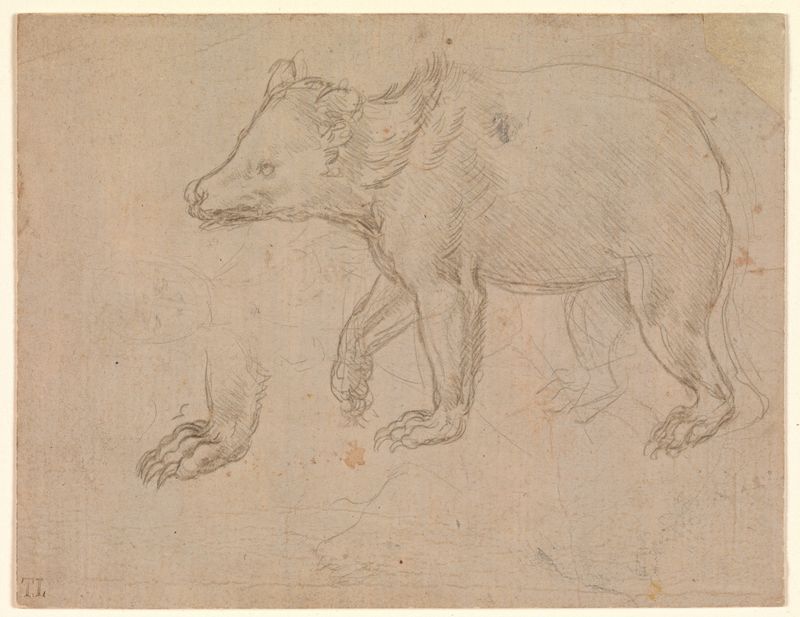 Same era · 1450s–1480s
A Bear Walking
Leonardo da Vinci · 1477 · The Metropolitan Museum of Art
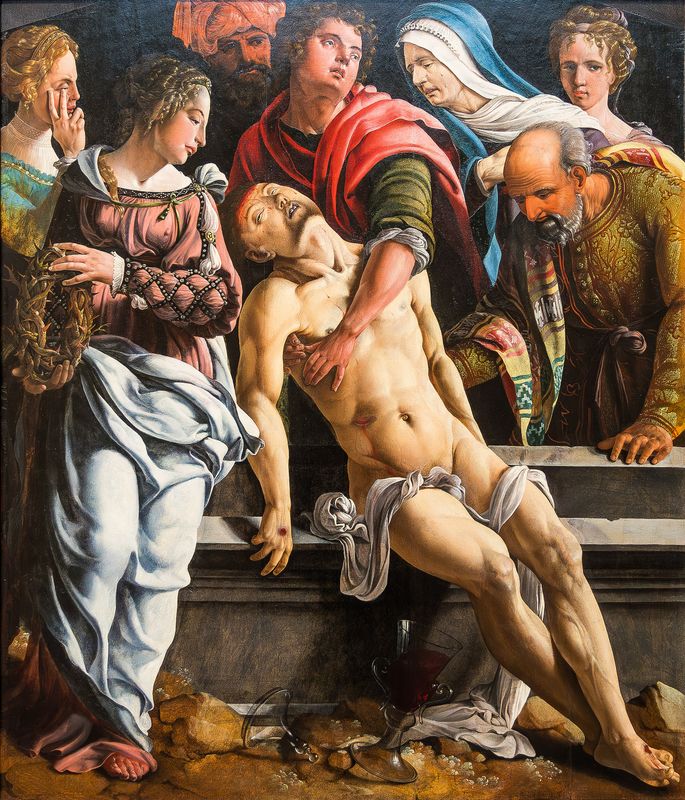 Same era · 1450s–1480s
The Lamentation
Albrecht Dürer · 1477 · The Metropolitan Museum of Art
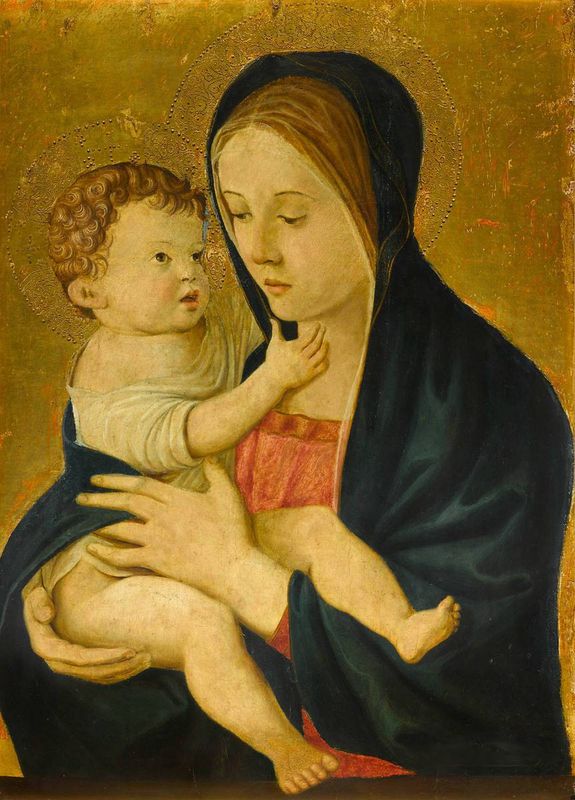 Same era · 1450s–1480s
Madonna and Child
Giovanni Bellini · 1470 · Musée Fesch
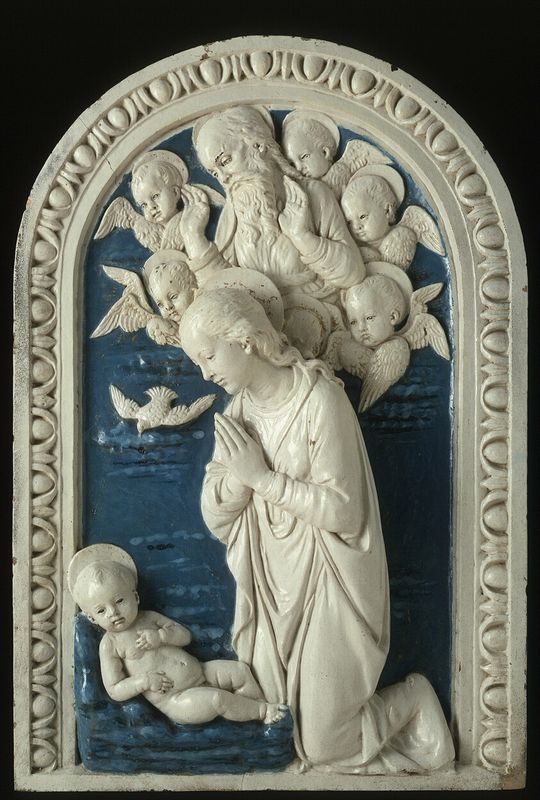 Same era · 1450s–1480s
Adoration of the Christ Child
Workshop of Andrea della Robbia · 1479 · Art Institute of Chicago