01
The sleeping lion
Look at the big lion curled up in the foreground, eyes shut and forepaws stretched out in front of it. Its relaxed bulk gives the room a calm, drowsy feel.
1 of 5 on the painting
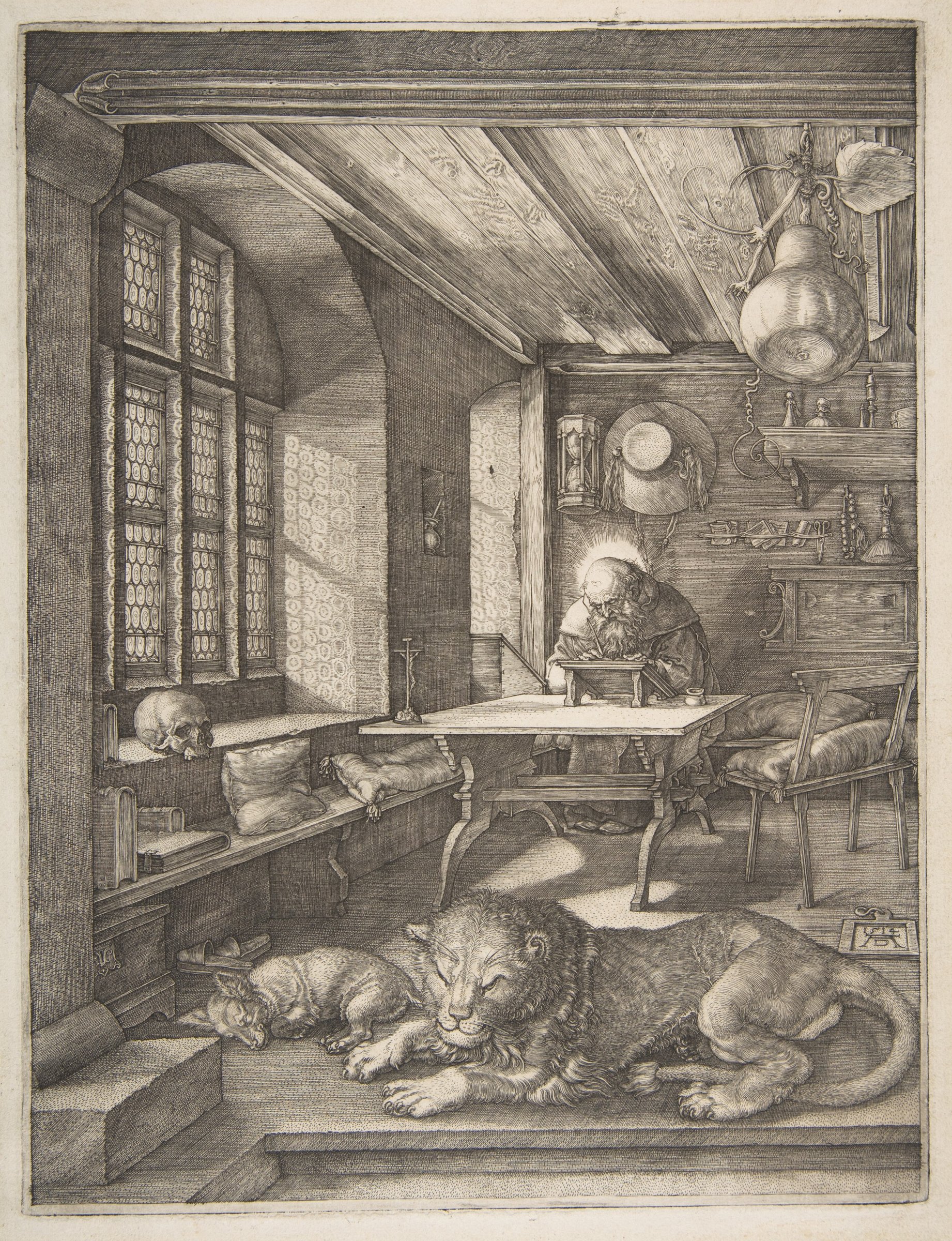
“Step into a moment of quiet devotion with Saint Jerome, meticulously translating the Bible. This painting draws you into a world where scholarly pursuit meets spiritual contemplation, all bathed in an extraordinary light.”
In this intimate painting, Saint Jerome is depicted not in the wilderness, but at his desk, bathed in a warm, ethereal light that streams through a window. He is deeply engrossed in his work, translating the Bible into Latin, a task that would define his legacy. The scene is meticulously rendered, inviting us into a space of quiet contemplation and scholarly pursuit. Notice how the light, almost palpable, highlights the textures of the room, from the soft folds of Jerome's robes to the rough stone walls. This portrayal emphasizes Jerome's intellectual devotion over his asceticism, a common theme in German Renaissance art that celebrated humanism and individual study. The detailed interior, filled with everyday objects, grounds the sacred subject in a relatable domestic setting, making his profound spiritual labor feel accessible.
Five details hide in plain sight. Pick one and we’ll show you exactly where to look.
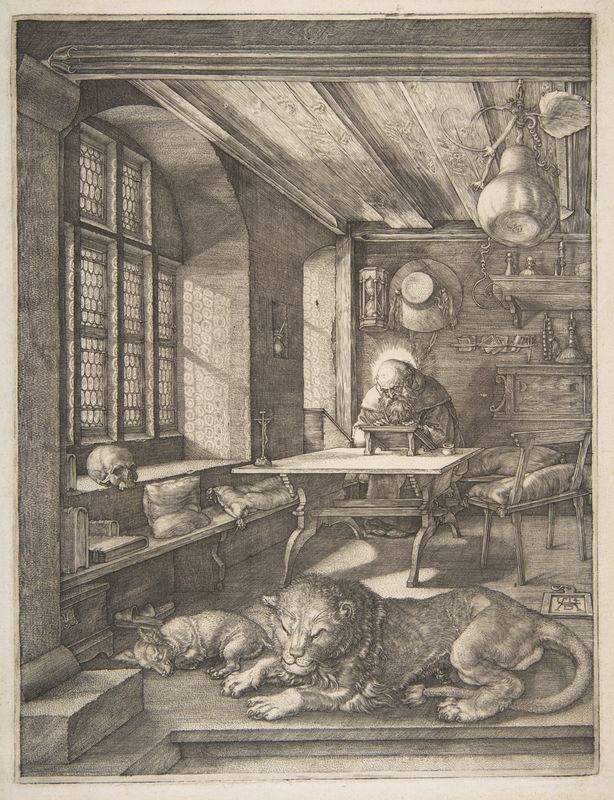
Look at the big lion curled up in the foreground, eyes shut and forepaws stretched out in front of it. Its relaxed bulk gives the room a calm, drowsy feel.
Find the haloed, bearded saint bent over his writing in the middle distance. He is small, but everything in the room points toward him.
A skull rests on the window ledge at left. In images of Jerome it is a common reminder that life is short, set beside the saint's scholarly work.
Study the leaded window and the patch of light on the wall beside it. Fine engraved lines turn the round panes into glowing, lacy patterns.
A huge gourd hangs from the ceiling at upper right, with odd objects dangling around it. Its size draws the eye upward and adds a strange note to the tidy room.
The full narration walks you through Saint Jerome in His Study — the story behind it, the details most visitors miss, and why it matters. Free in the Art Whisper app.
Renaissance master who revolutionized printmaking across Europe before turning 30.
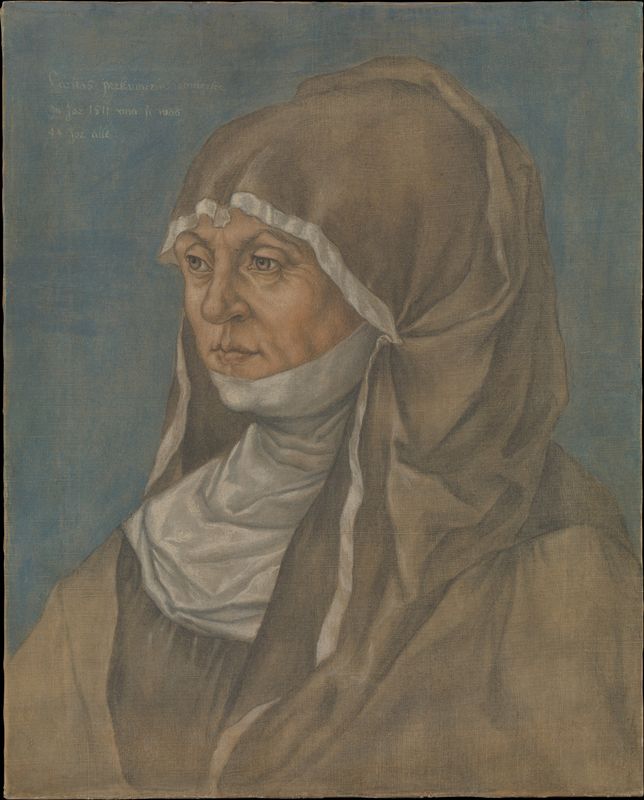 Portrait of a Woman, Said to Be Caritas Pirckheimer (1467–1532)
The Metropolitan Museum of Art
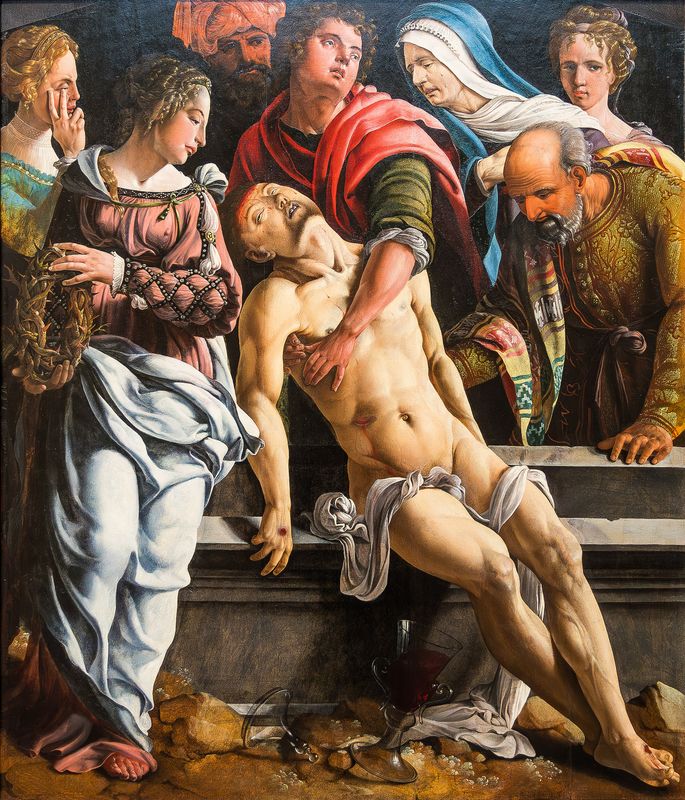 The Lamentation
1477 · The Metropolitan Museum of Art
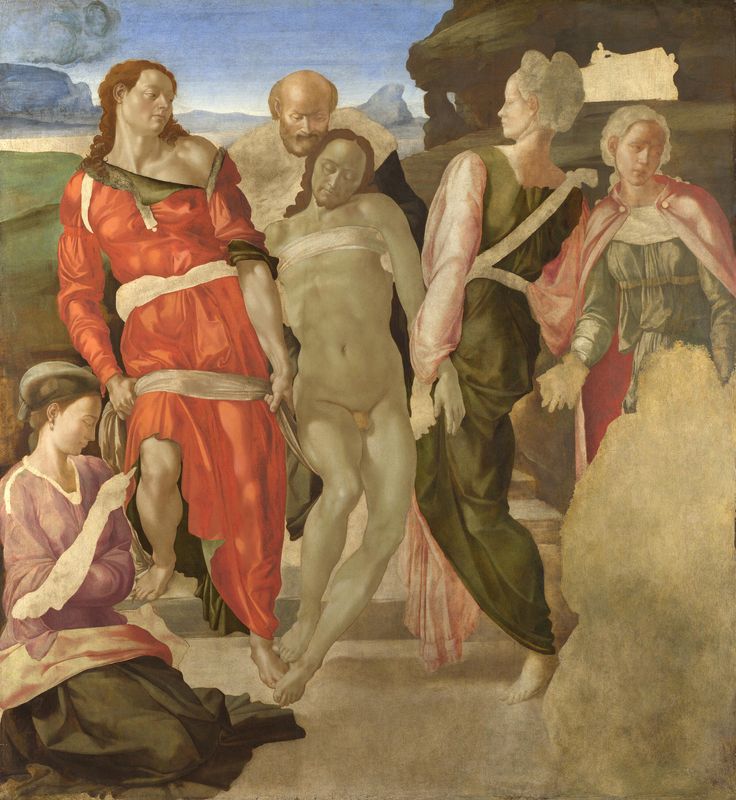 The Entombment
1485 · The Metropolitan Museum of Art
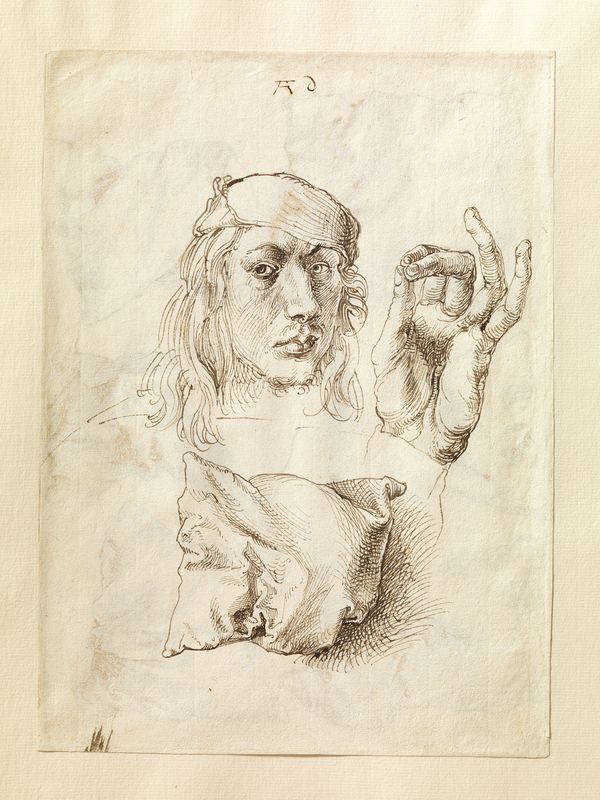 Self-portrait, Study of a Hand and a Pillow (recto); Six Studies of Pillows (verso)
1493 · The Metropolitan Museum of Art
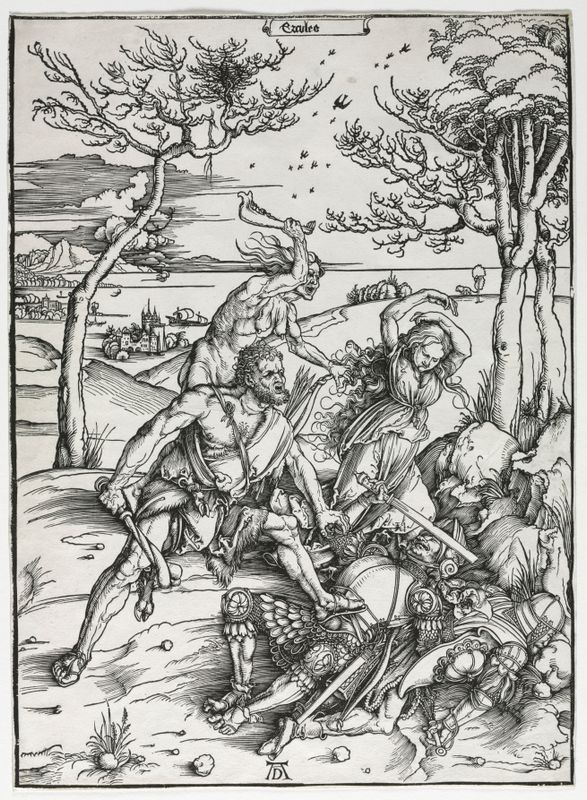 Hercules
1496 · Cleveland Museum of Art
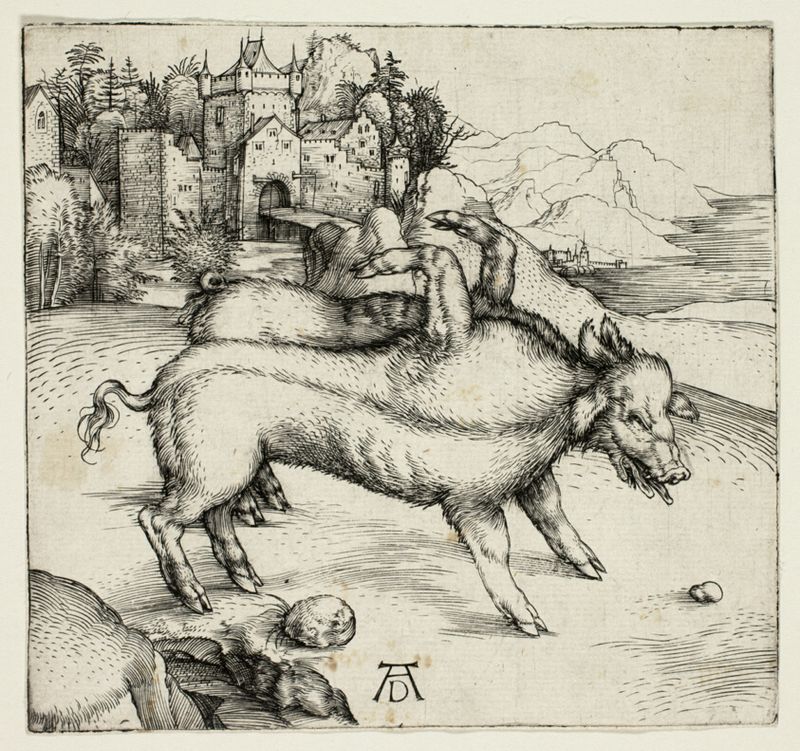 The Monstrous Sow of Landser
1496 · Art Institute of Chicago
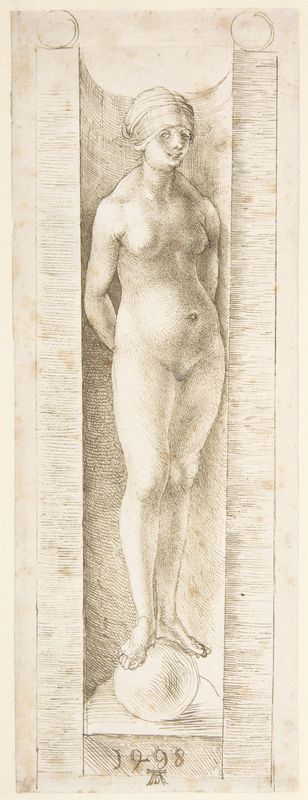 Fortuna in a Niche
1498 · The Metropolitan Museum of Art
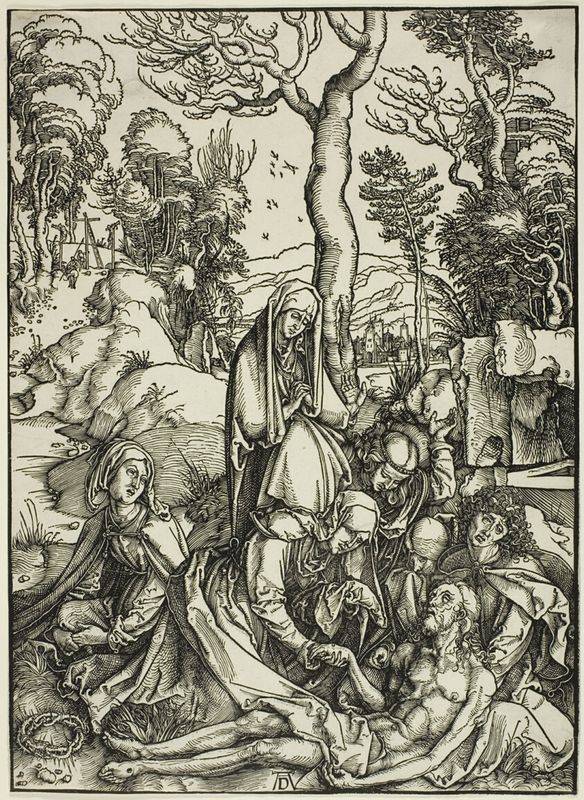 The Lamentation, from The Large Passion
1498 · Art Institute of Chicago
Beyond Dürer and Northern Renaissance: works from the same years.
 Same era · 1500s–1530s
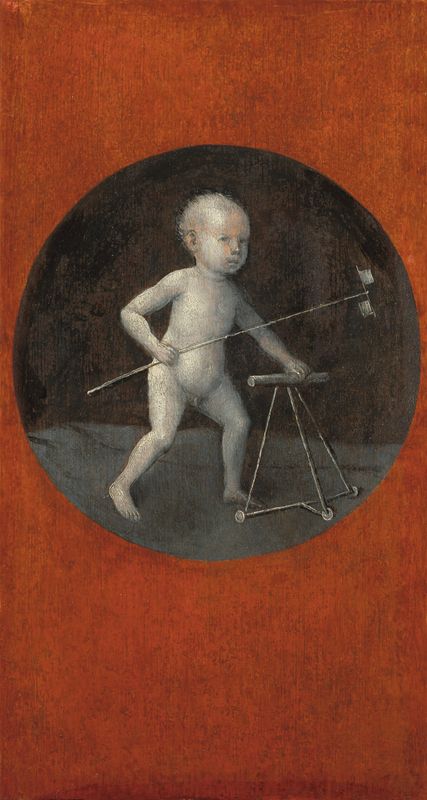
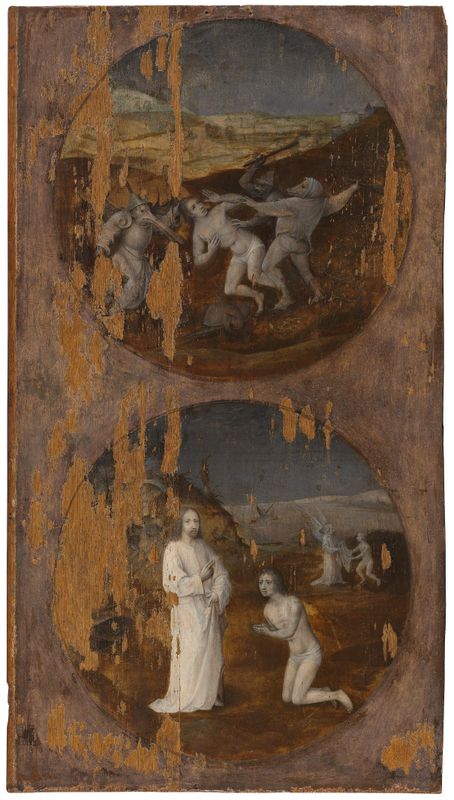
Two Medallions with Symbolic-Religious Representations
Hieronymus Bosch · 1515 · Museum Boijmans Van Beuningen
 Same era · 1500s–1530s
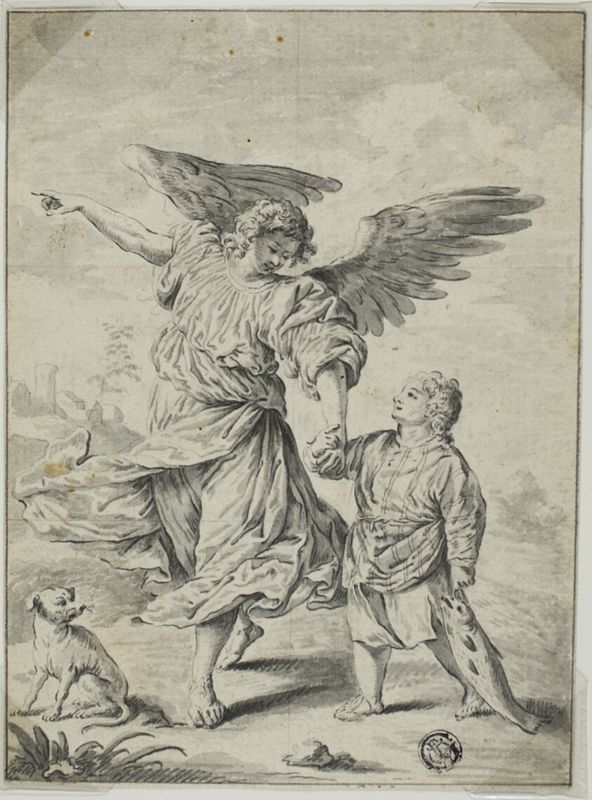
Tobias and the Angel
Titian · 1530 · Madonna dell'Orto
 Same era · 1500s–1530s
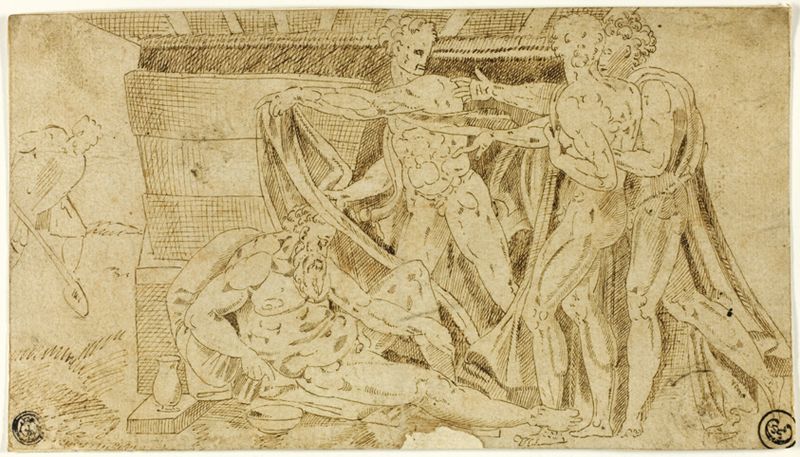
Drunkenness of Noah
Michelangelo · 1509 · Sistine Chapel
 Same era · 1500s–1530s
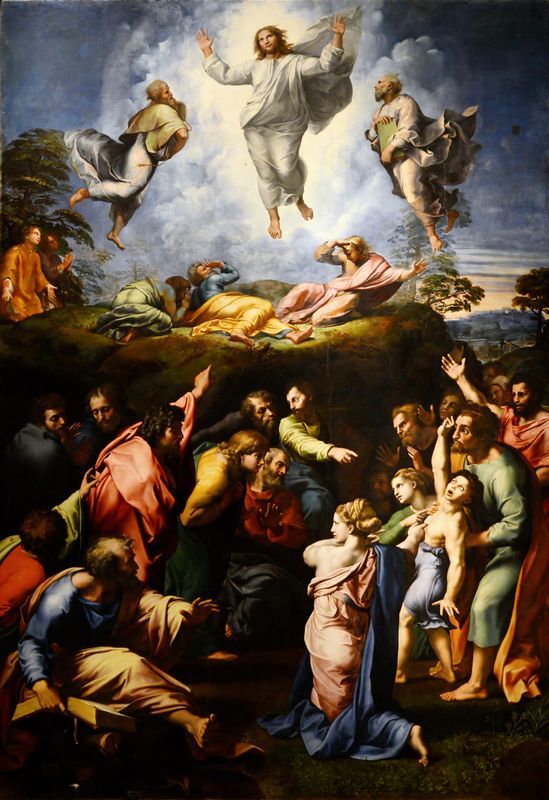
The Transfiguration
Raphael (Raffaello Sanzio da Urbino) · 1516
 Same era · 1500s–1530s
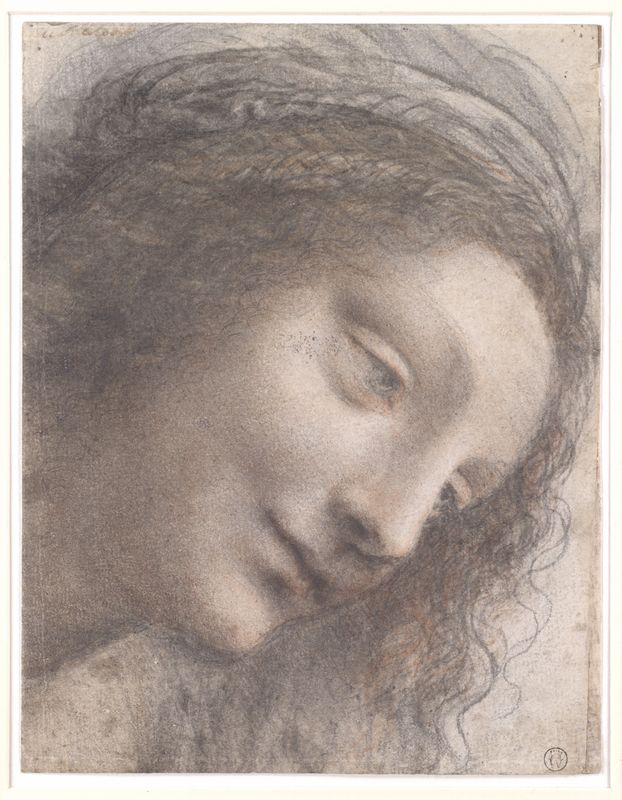
The Head of the Virgin in Three-Quarter View Facing Right
Leonardo da Vinci · 1510 · The Metropolitan Museum of Art
 Same era · 1500s–1530s
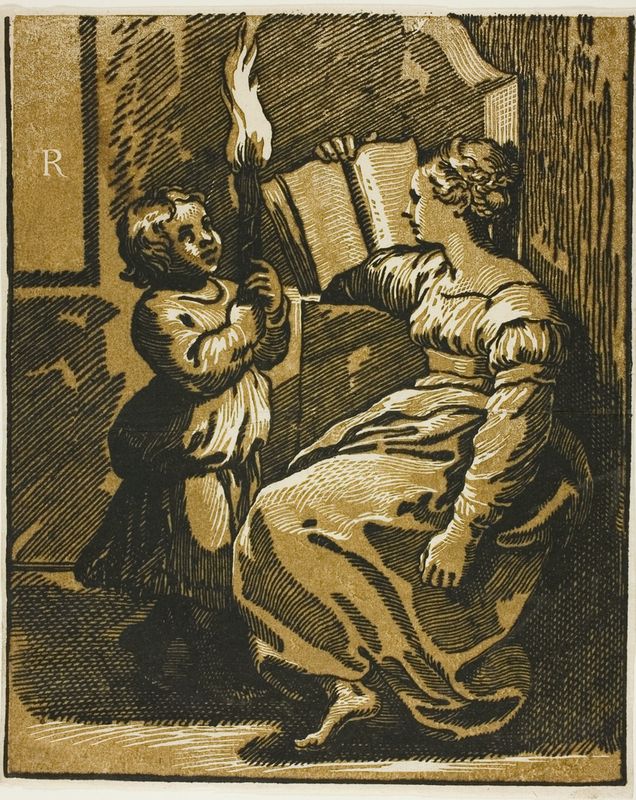
The Sibyl and a Child Bearing a Torch
Artist Unknown - The Mercat Cross, Aberdeen · 1520 · Art Institute of Chicago
 Same era · 1500s–1530s
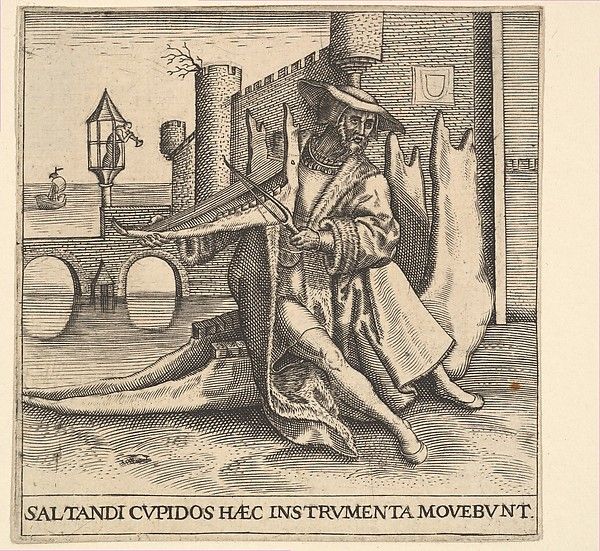
The Rich Man Playing Violin on a Jaw Bone
Pieter Bruegel the Elder · 1528 · The Metropolitan Museum of Art