01
The alert face
Look at the small eye and the pointed snout, drawn with a few fine lines. The head is turned slightly down, which gives the bear a watchful, curious look.
1 of 5 on the painting
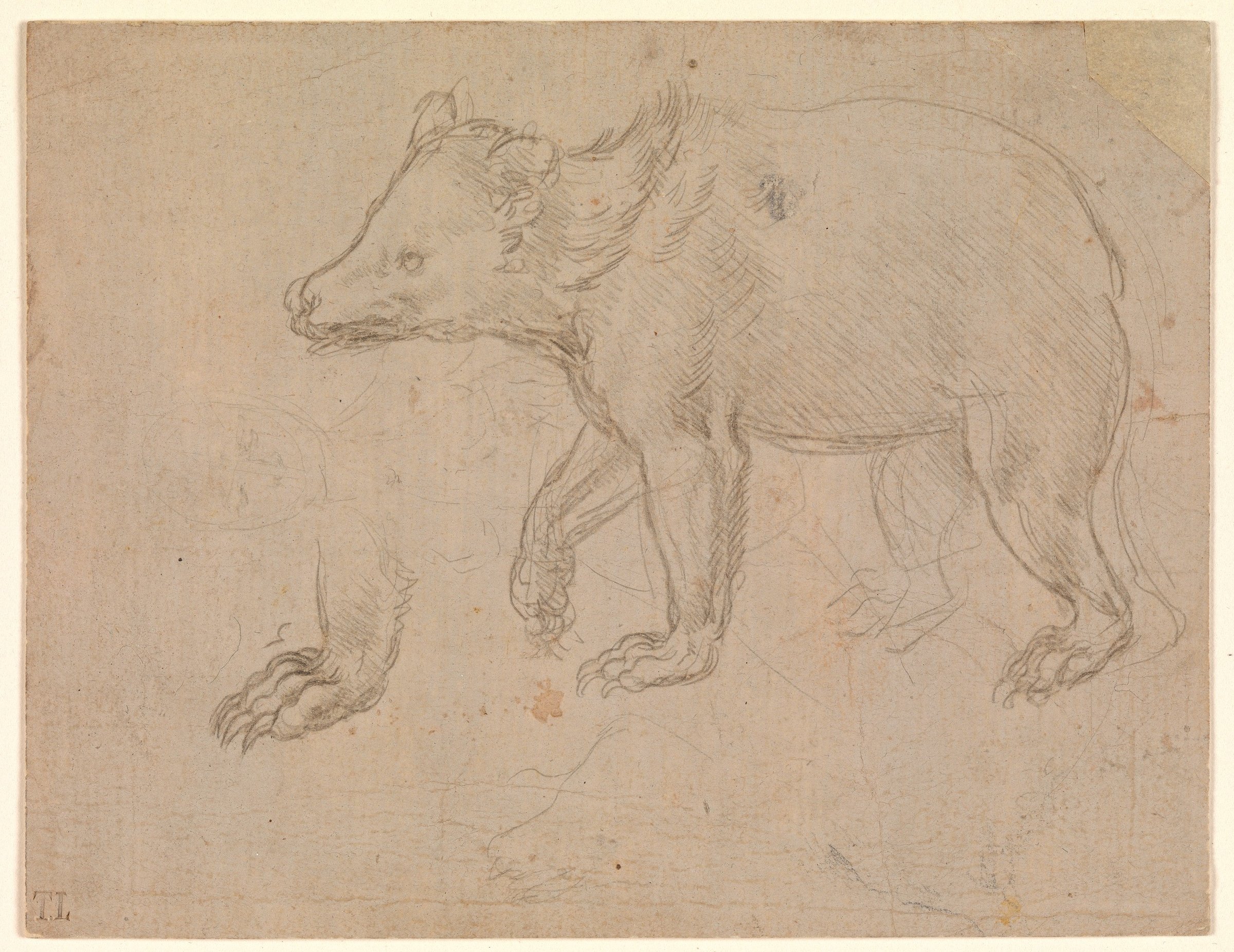
“Stop and observe this small, exquisite silverpoint drawing of a bear. It's a testament to the artist's meticulous observation of the natural world, capturing the animal's movement and texture with remarkable precision.”
A bear lumbers across the page, its head lowered, seemingly caught mid-stride. This small but captivating drawing, rendered in silverpoint, shows the animal in profile, its powerful form suggested by the delicate lines. The light buff paper provides a warm ground for the precise silverpoint, a technique that creates incredibly fine, shimmering marks. The bear’s fur is depicted with a series of short, overlapping strokes, giving a sense of its texture and the play of light across its body. This study of an animal, likely drawn from life, reflects a keen observational eye. It captures the essence of the creature's movement and bulk, making it feel remarkably present despite its modest scale.
Five details hide in plain sight. Pick one and we’ll show you exactly where to look.
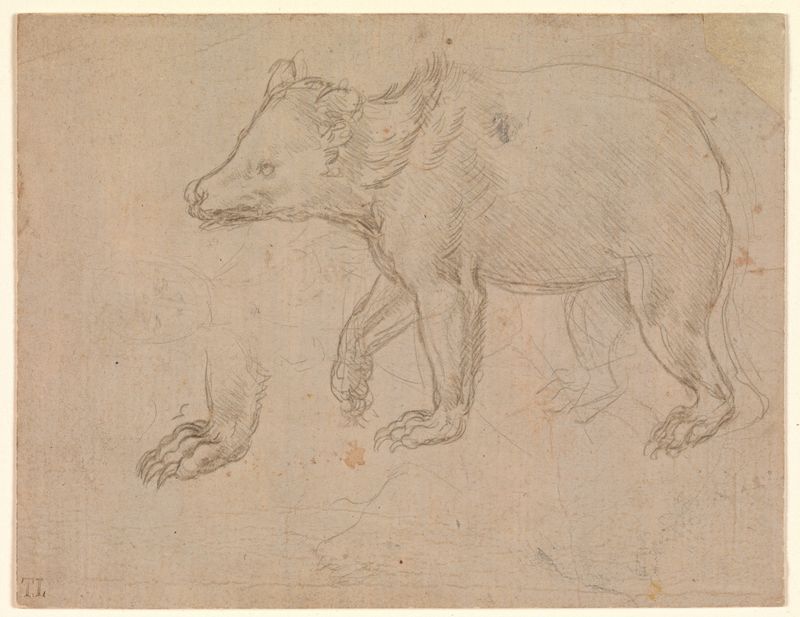
Look at the small eye and the pointed snout, drawn with a few fine lines. The head is turned slightly down, which gives the bear a watchful, curious look.
Short, angled strokes sweep up the neck and shoulder into a tuft of fur. The lines follow the direction the hair grows, so the flat paper feels shaggy.
Dense diagonal hatching shades the shoulder, flank and belly, while the back and rump are left as a light outline. The contrast gives the body weight and roundness.
At lower left, a lone paw with long curved claws sits apart from the bear. It looks like a separate study, perhaps a close look at how the claws are drawn.
The lifted front leg is drawn in lighter lines and ends in a loose, scribbly paw. It catches the bear mid-step.
The full narration walks you through A Bear Walking — the story behind it, the details most visitors miss, and why it matters. Free in the Art Whisper app.
Leonardo da Vinci, the ultimate Renaissance polymath, filled notebooks with observations on everything from anatomy to flight, alongside masterpieces like the 'Mona Lisa'.
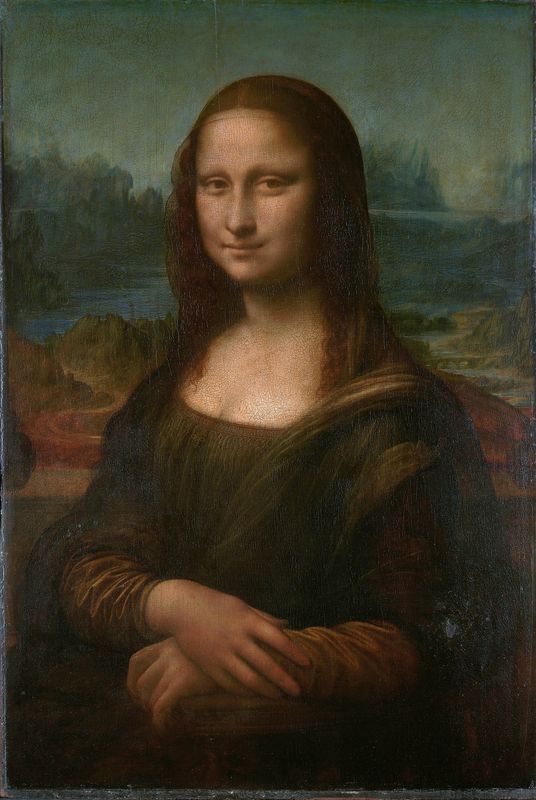 Mona Lisa
1503 · Department of Paintings of the Louvre
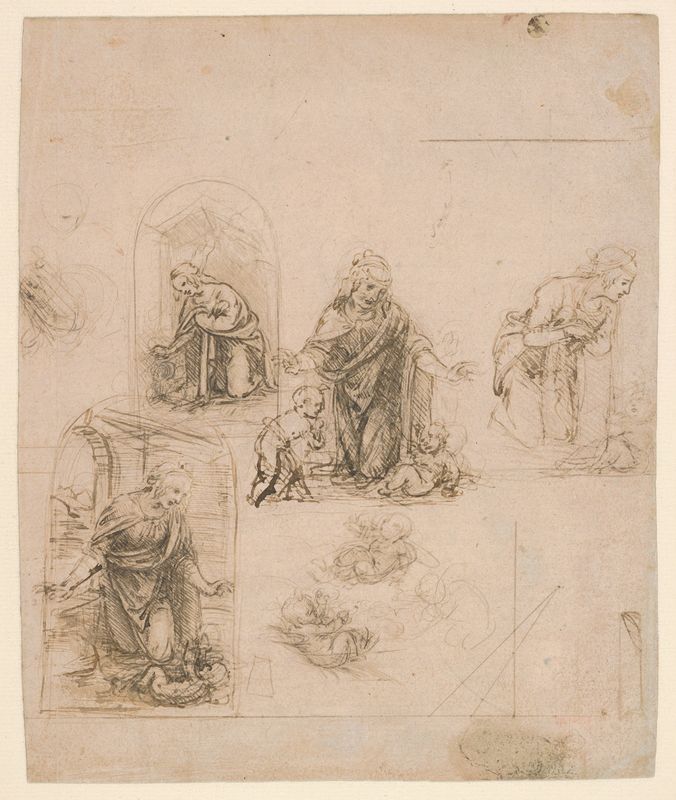 Compositional Sketches for the Virgin Adoring the Christ Child, with and without the Infant St. John the Baptist; Diagram of a Perspectival Projection (recto); Slight Doodles (verso)
1480 · The Metropolitan Museum of Art
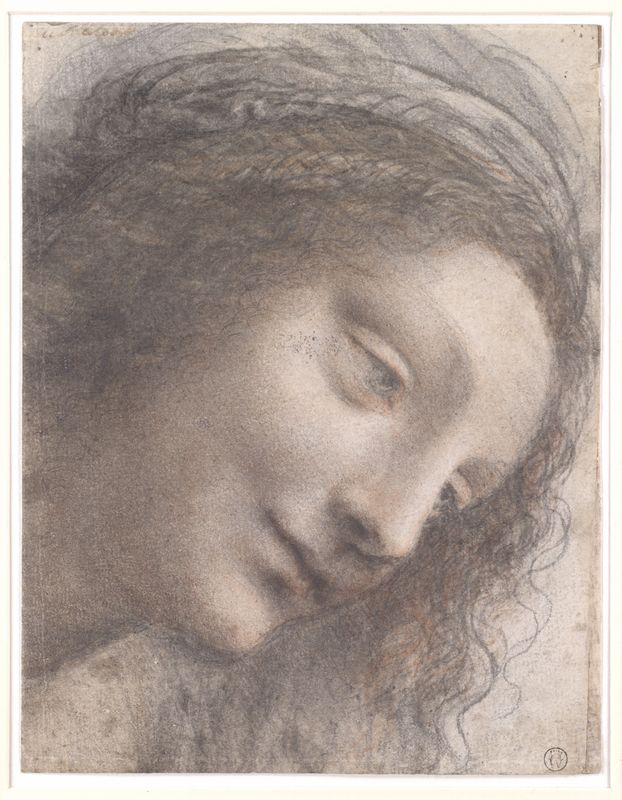 The Head of the Virgin in Three-Quarter View Facing Right
1510 · The Metropolitan Museum of Art
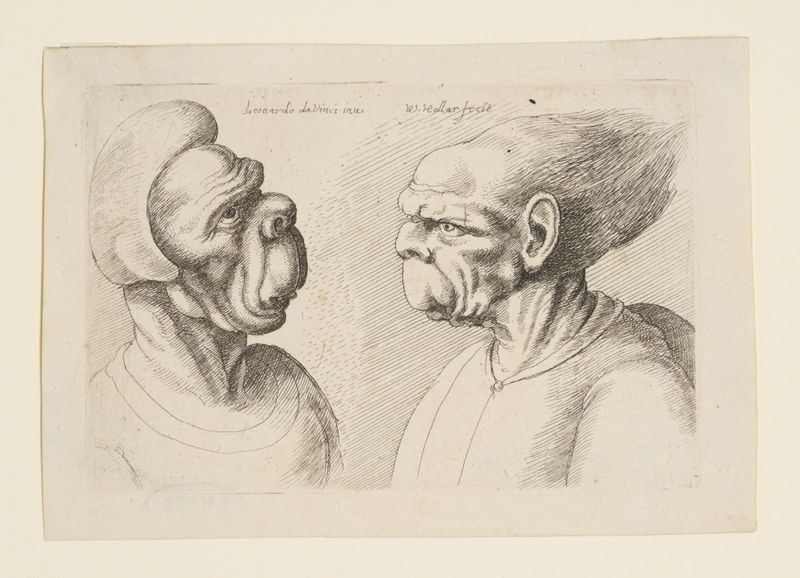 Two Deformed Heads with Very Long Upper Lips
1645 · The Metropolitan Museum of Art
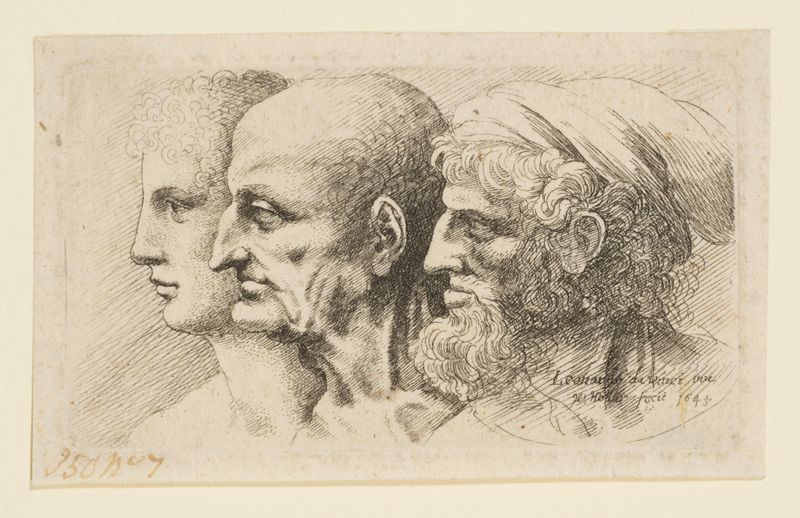 Three Heads in Profile
The Metropolitan Museum of Art
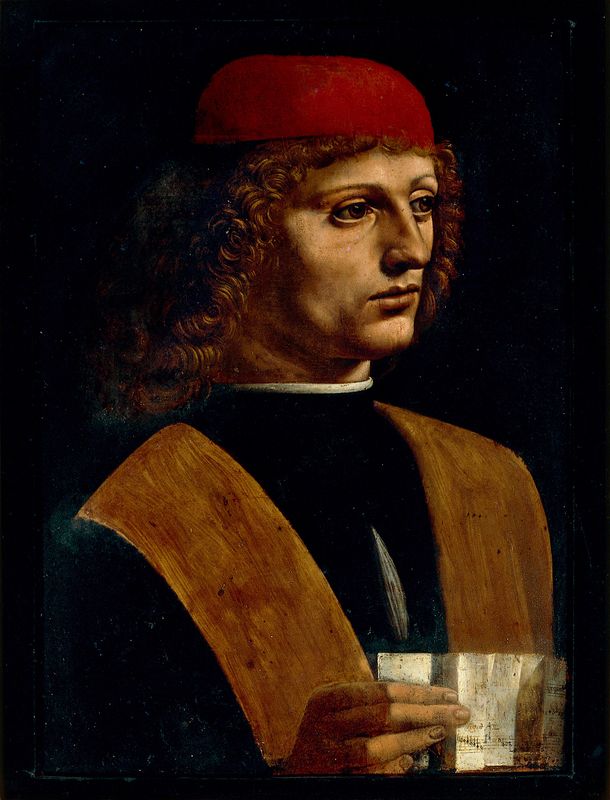 Portrait of a Musician
1485 · Pinacoteca Ambrosiana
Beyond da Vinci and Renaissance: works from the same years, and from the other movements A Bear Walking belongs to.
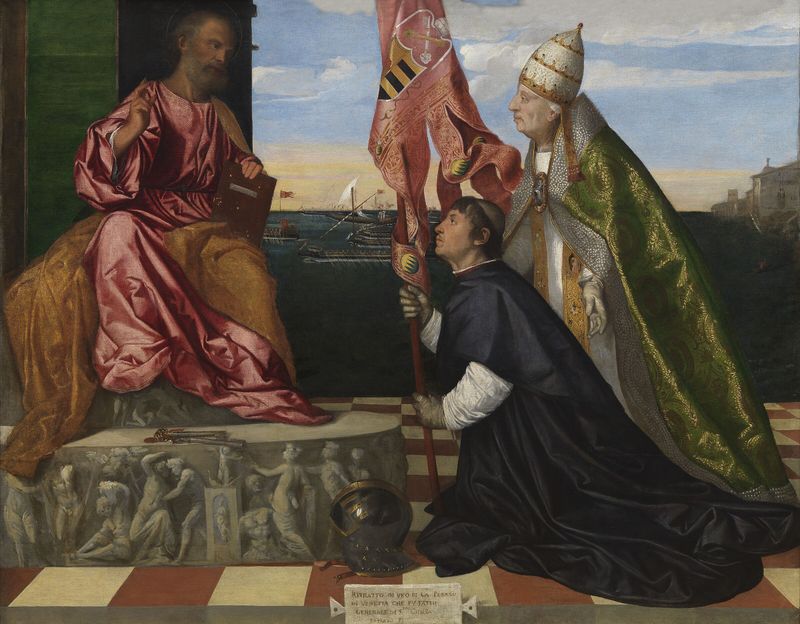 Same movement · High Renaissance
Jacopo Pesaro, Bishop of Paphos, being presented by Pope Alexander VI to Saint Peter
Titian · 1504 · Royal Museum of Fine Arts Antwerp
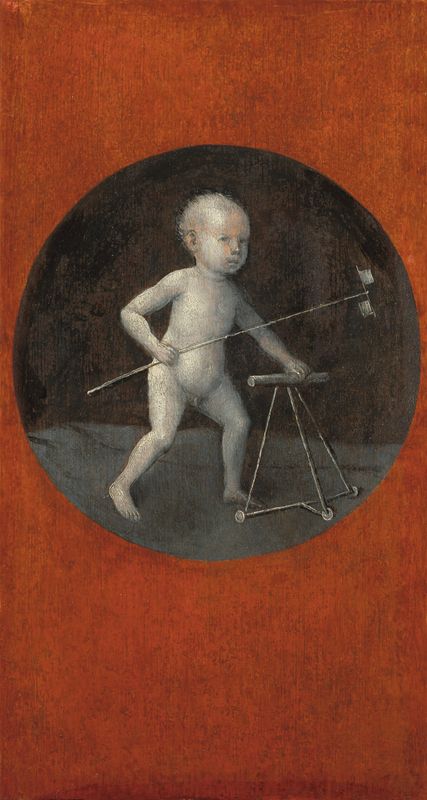 Same era · 1460s–1490s
Christ Child with a Walking Frame
Hieronymus Bosch · 1480 · Kunsthistorisches Museum
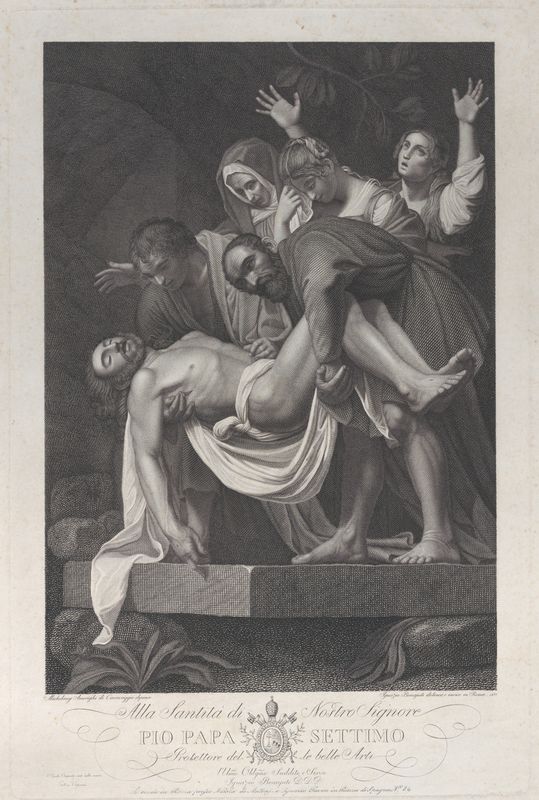 Same movement · Academic art
The Entombment of Christ
Caravaggio · 1600 · Pinacoteca Vaticana
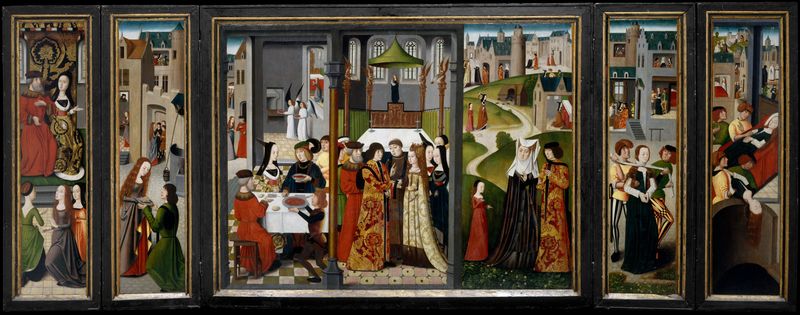 Same era · 1460s–1490s
The Life and Miracles of Saint Godelieve
Master of the View of Saint Gudula · 1475 · The Metropolitan Museum of Art
 Same movement · Academic art
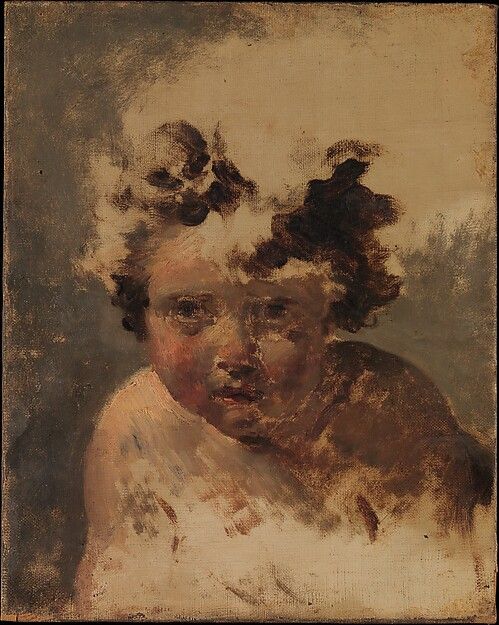
Head of a Child
Jacques-Louis David · 1768 · The Metropolitan Museum of Art
 Same era · 1460s–1490s
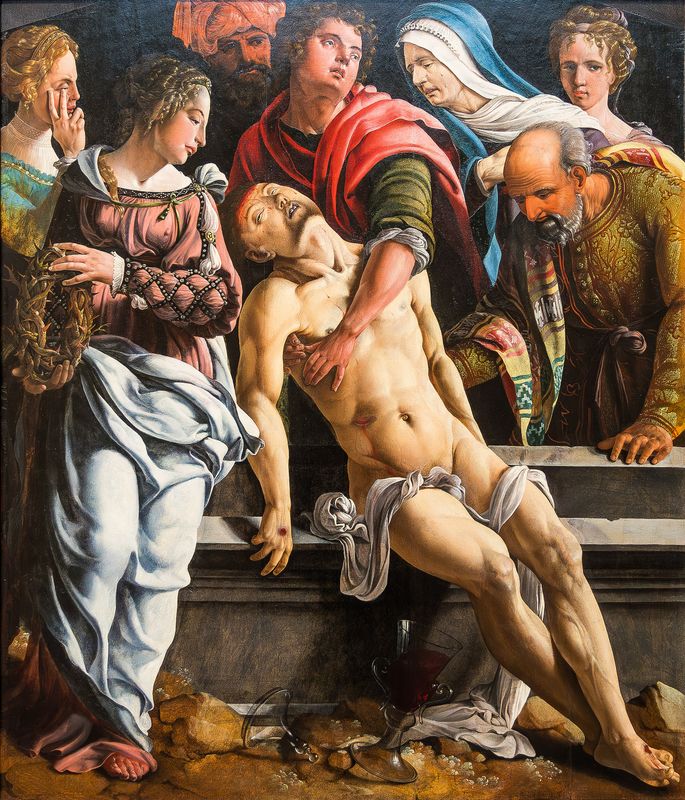
The Lamentation
Albrecht Dürer · 1477 · The Metropolitan Museum of Art
 Same movement · Academic art
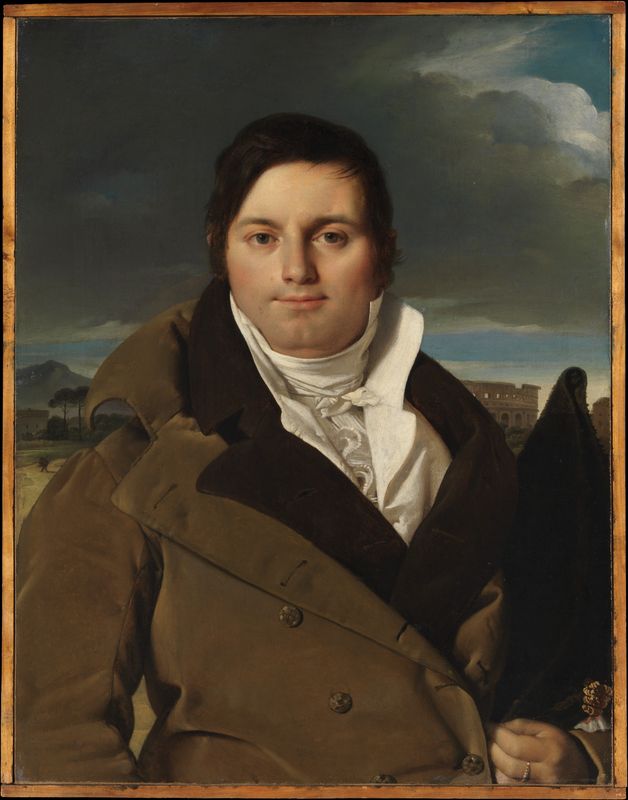
Joseph-Antoine Moltedo (born 1775)
Jean-Auguste-Dominique Ingres · 1805 · The Metropolitan Museum of Art
 Same era · 1460s–1490s
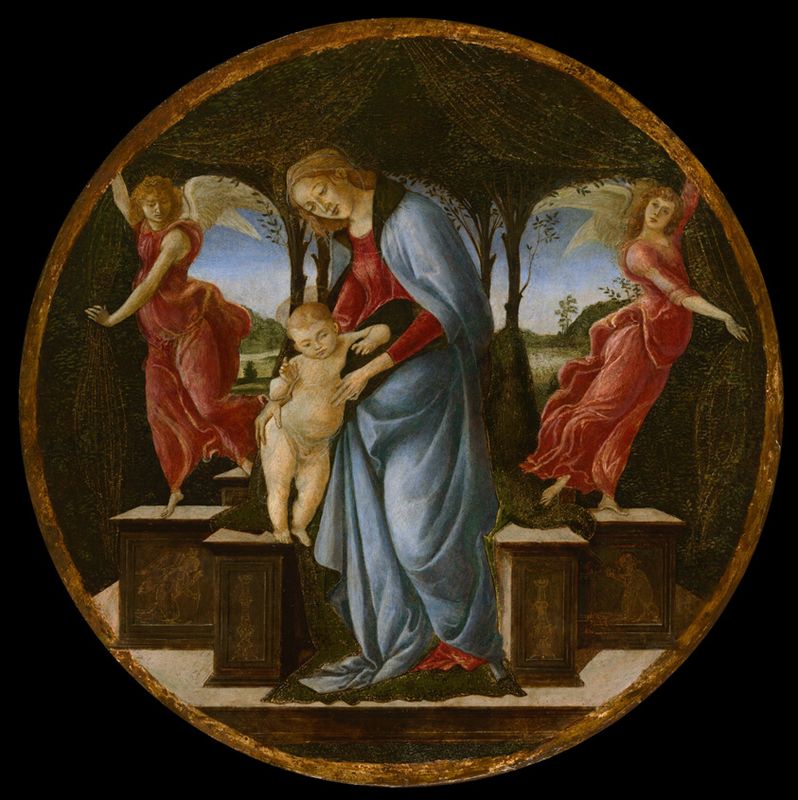
Virgin and Child with Two Angels
Sandro Botticelli · 1468 · Musée des Beaux-Arts de Strasbourg
 Same movement · Academic art
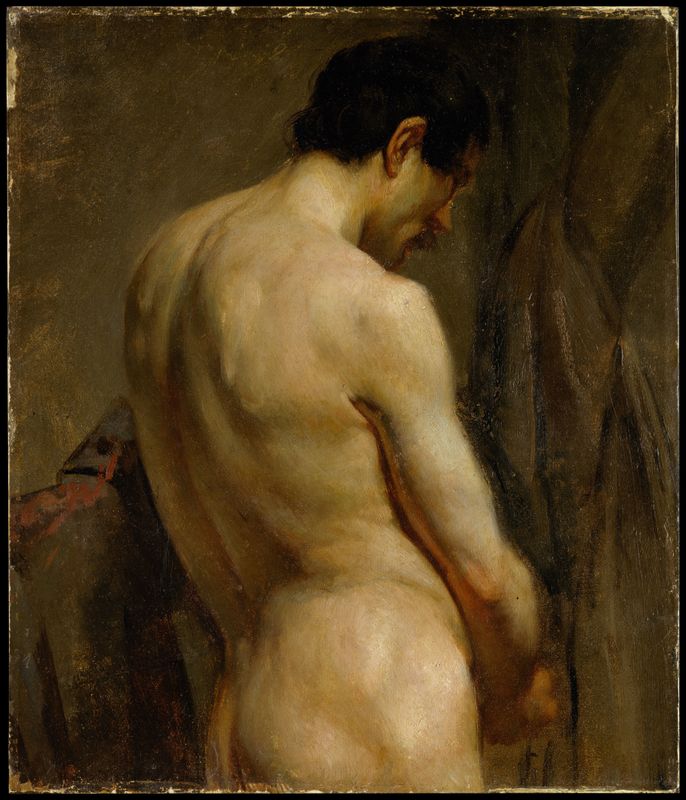
Male Academy Figure: Half-Length, Side View
Eugène Delacroix · 1819 · Karen B. Cohen Collection
 Same era · 1460s–1490s
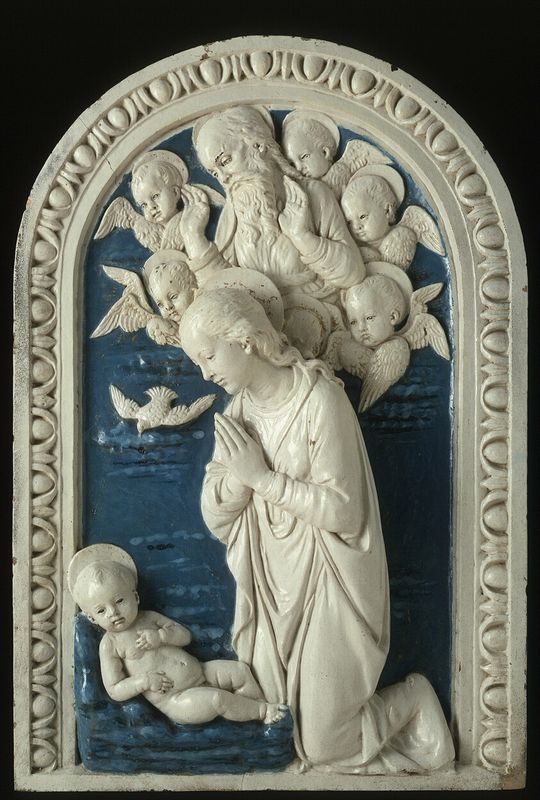
Adoration of the Christ Child
Workshop of Andrea della Robbia · 1479 · Art Institute of Chicago
 Same era · 1460s–1490s
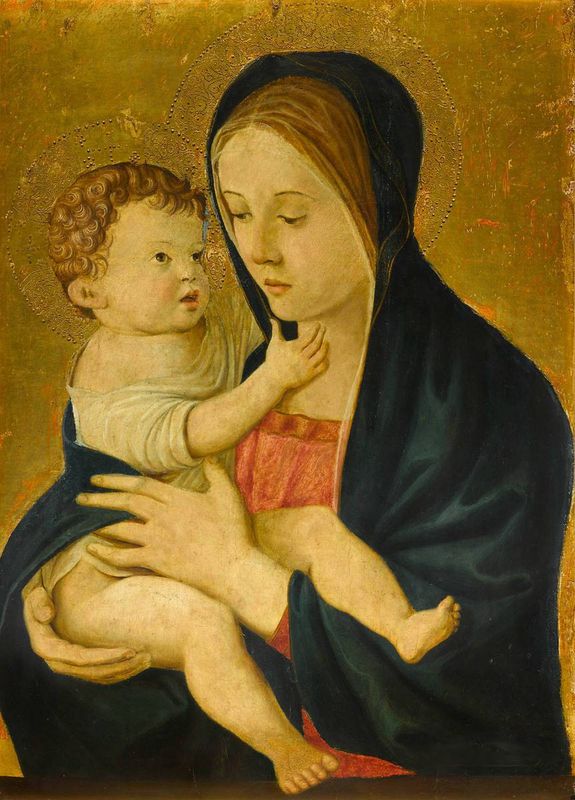
Madonna and Child
Giovanni Bellini · 1470 · Musée Fesch