
“Picture this: you walk into a gallery and suddenly everything feels perfectly balanced.”
The figures look like they could step right out of their frames, the perspective draws your eye exactly where the artist wants it, and there's this incredible sense of harmony and ideal beauty everywhere you look. Welcome to the High Renaissance—the moment when Italian artists basically perfected everything their predecessors had been working toward.
This brief but explosive period, centered in Rome and Florence from roughly the 1490s to 1530s, represents what many consider the absolute peak of Renaissance achievement. We're talking about Leonardo, Michelangelo, and Raphael all working at the same time, often competing with each other. These artists weren't just technically brilliant—they combined mathematical precision with profound emotional depth and philosophical meaning. They studied anatomy obsessively, understood perspective like architects, and created works that felt both idealized and intensely human.
What makes High Renaissance art distinctive from earlier Renaissance work? It's the effortlessness. While Early Renaissance painters were clearly working hard to figure out perspective and anatomy, High Renaissance masters made it look easy. Everything flows naturally. Compositions are balanced but never static. Figures are perfectly proportioned but never stiff. There's also a new monumentality—these works think big, whether it's the Sistine Chapel ceiling or massive frescoes that transform entire rooms. The artists weren't just craftsmen anymore; they were intellectual superstars, mixing with popes and princes, signing their work proudly, and consciously creating masterpieces for the ages.
- Period
- c. 1490–1527
- Peak
- around 1510
- Born in
- Florence, Italy
- Key artists
- Leonardo da Vinci, Michelangelo, Raphael, Titian
- Came before
- Early Renaissance
- Came after
- Mannerism
When it happened
- CAME BEFOREEarly Renaissance
- ~1490 · STARTED
- ~1510 · PEAKED
- ~1527 · ENDED
- CAME AFTERMannerism
What makes it High Renaissance
Perfect Mathematical Harmony
Compositions based on geometric shapes—triangles, circles—creating a sense of complete balance and ideal proportions.
e.g. School of Athens by RaphaelMasterful Atmospheric Perspective
Backgrounds fade into soft, hazy blues and grays, creating convincing depth that pulls you into the space.
e.g. Mona Lisa by Leonardo da VinciHeroic, Idealized Figures
Bodies are anatomically perfect, muscular, and monumentally scaled—humans at their most dignified and powerful.
e.g. David by MichelangeloPyramidal Composition
Figures arranged in stable triangle shapes, with the most important elements at the apex, creating natural visual flow.
e.g. Madonna of the Rocks by Leonardo da VinciSfumato and Soft Transitions
No harsh lines—colors and tones blend seamlessly like smoke, creating lifelike, three-dimensional forms.
e.g. The Virgin and Child with Saint Anne by Leonardo da VinciHow to spot High Renaissance
Three signs you’re standing in front of one — all easy to see in The Holy Infants Embracing.

Look for perfect triangular arrangements of figures—the composition should feel completely balanced, like nothing could be moved without ruining it.
Check the background: if it fades into misty blues with multiple layers of depth, you're likely looking at High Renaissance mastery.
Notice the figures' bodies—they should look heroic, idealized, and anatomically perfect, often with classical contrapposto poses.
The entire High Renaissance lasted only about 35 years—shorter than most artists' careers—yet produced some of history's most famous artworks.
Leonardo and Michelangelo couldn't stand each other and were deliberately pitted against each other in competitions by Florentine patrons.
The Sack of Rome in 1527 effectively ended the movement, scattering artists across Europe and ushering in the more anxious style of Mannerism.
The artists who defined it
Works to know
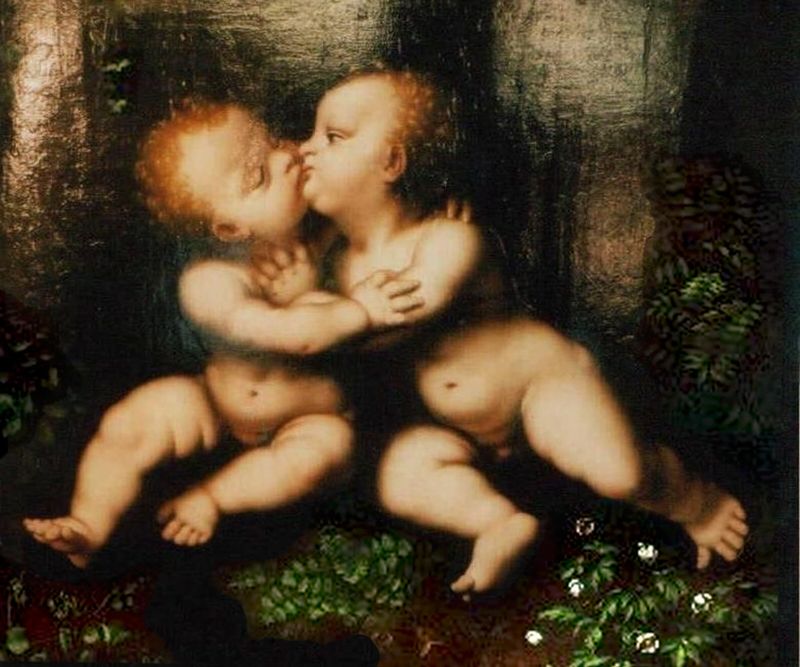 The Holy Infants Embracing
1486
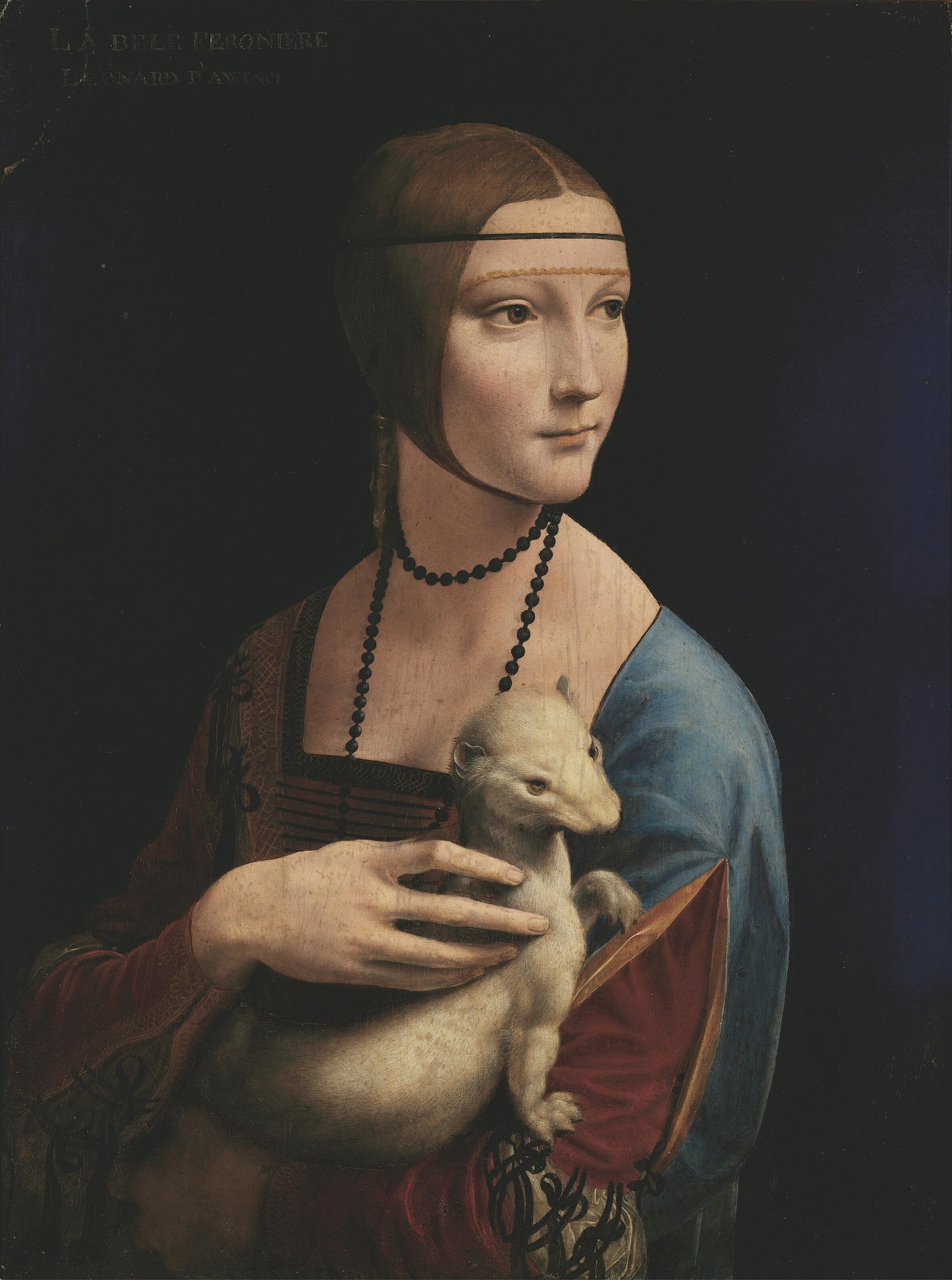
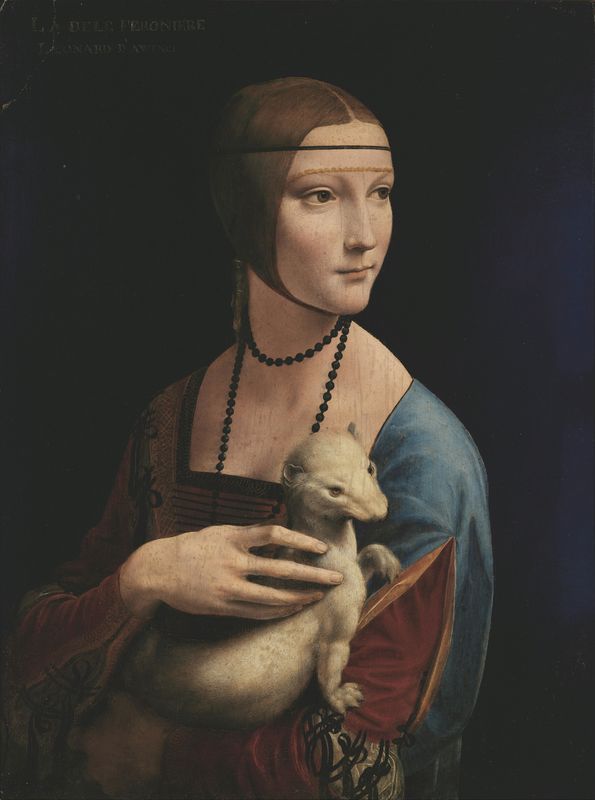 Lady with an Ermine
1490 · Czartoryski Museum
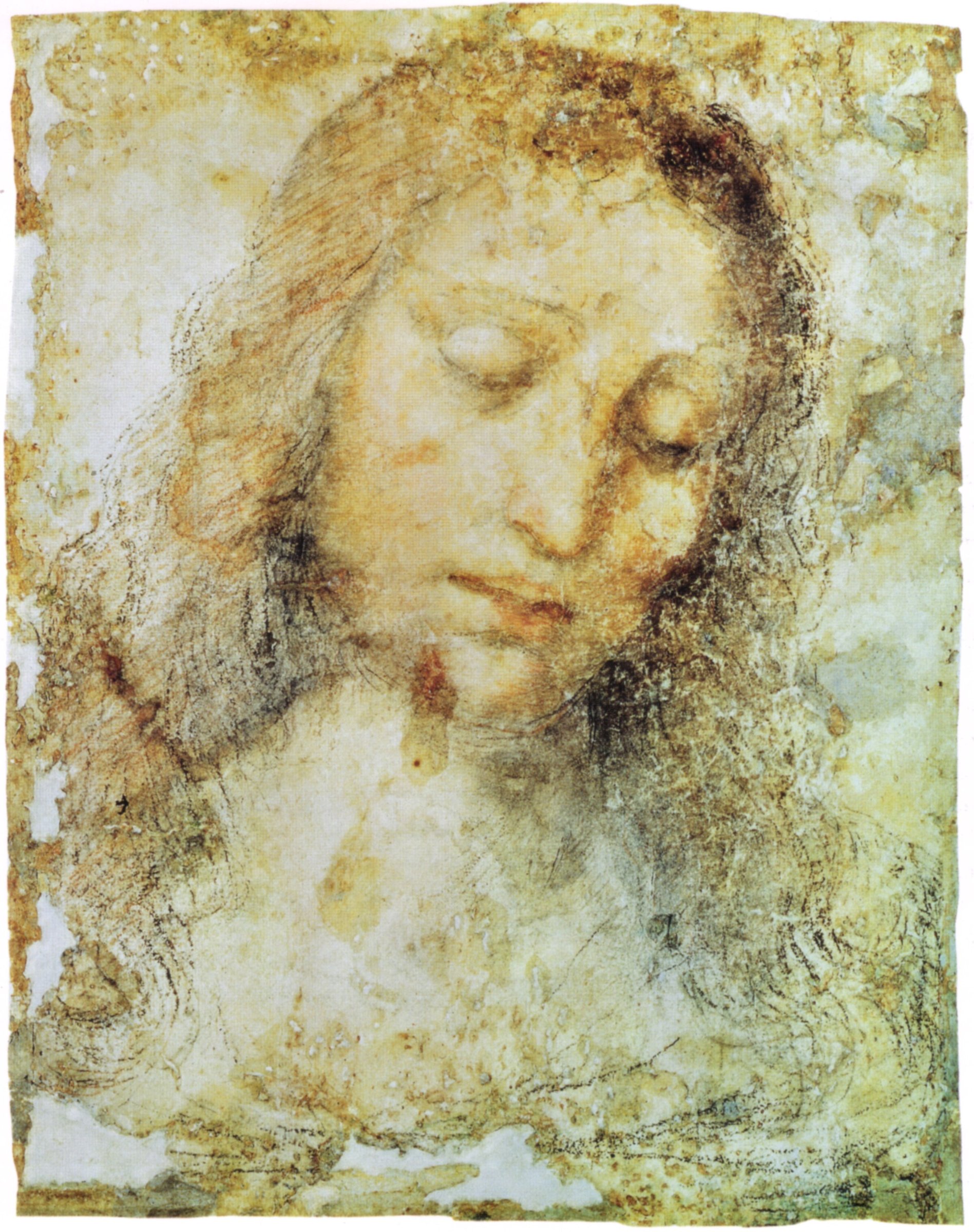
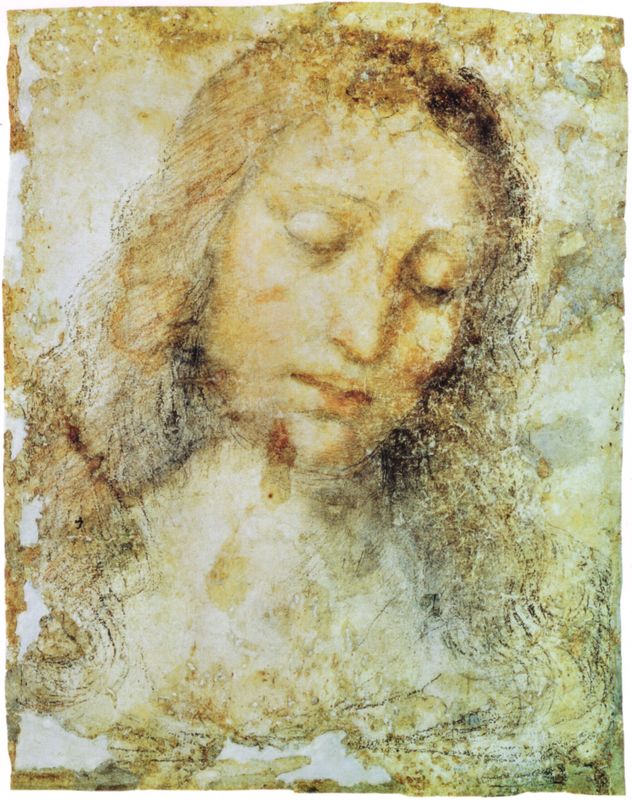 Head of Christ
1494 · Pinacoteca di Brera
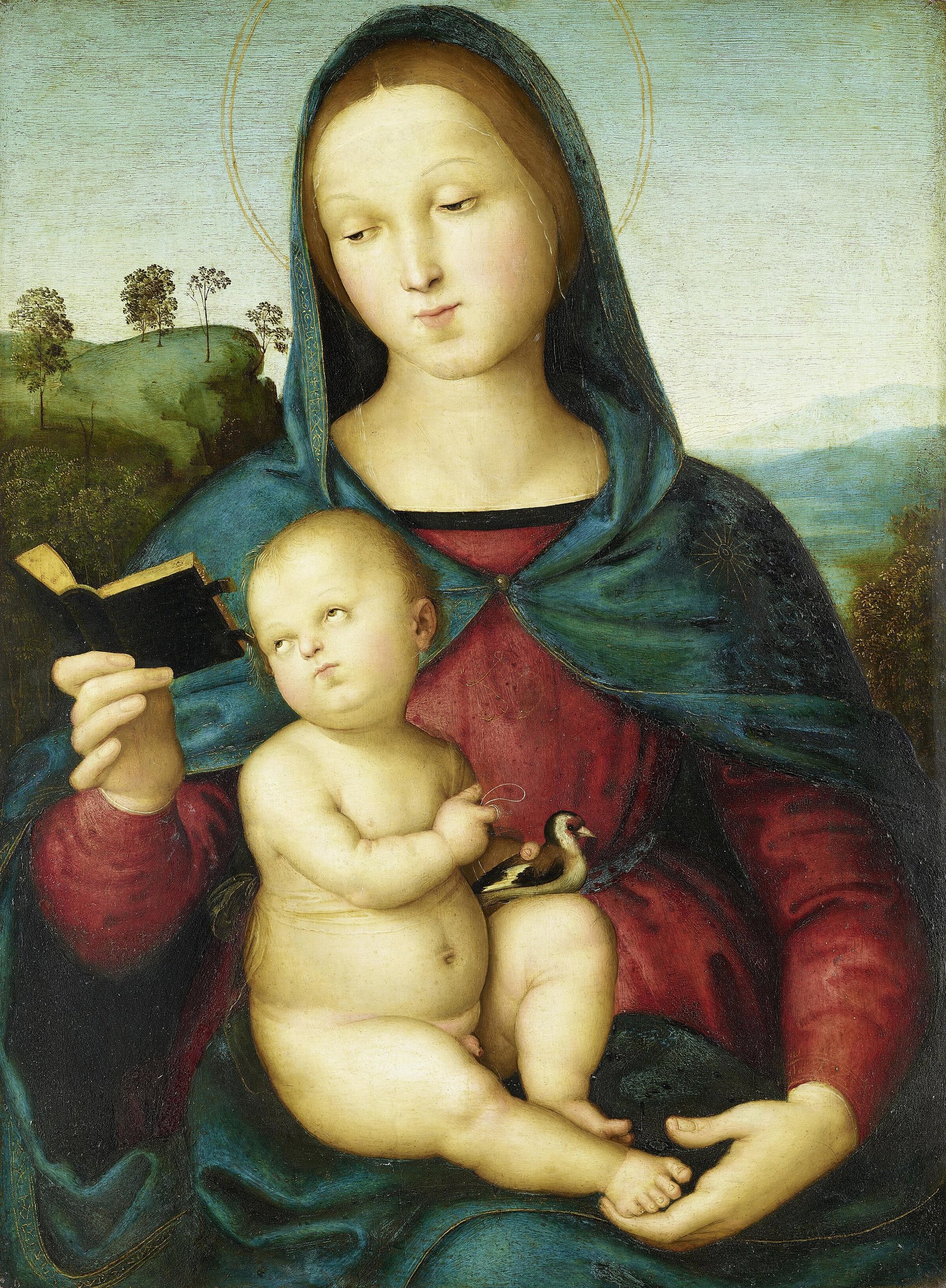
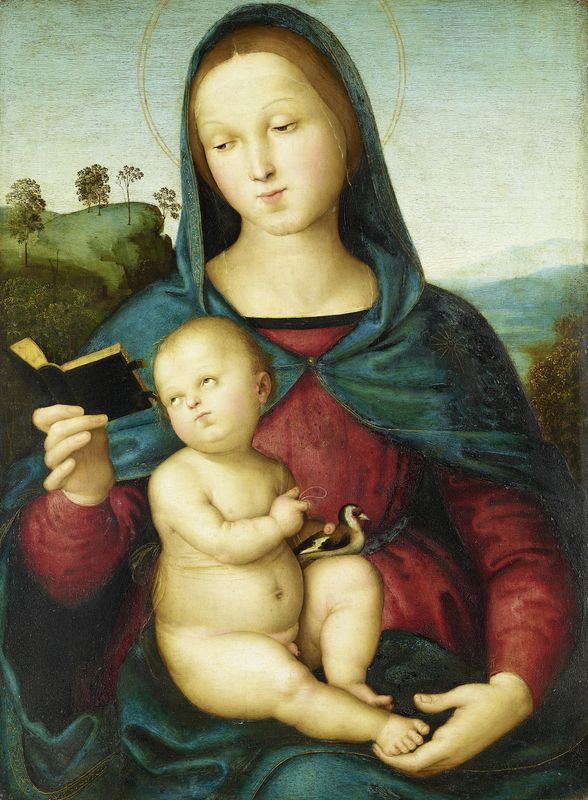 Solly Madonna
1500 · Gemäldegalerie Berlin
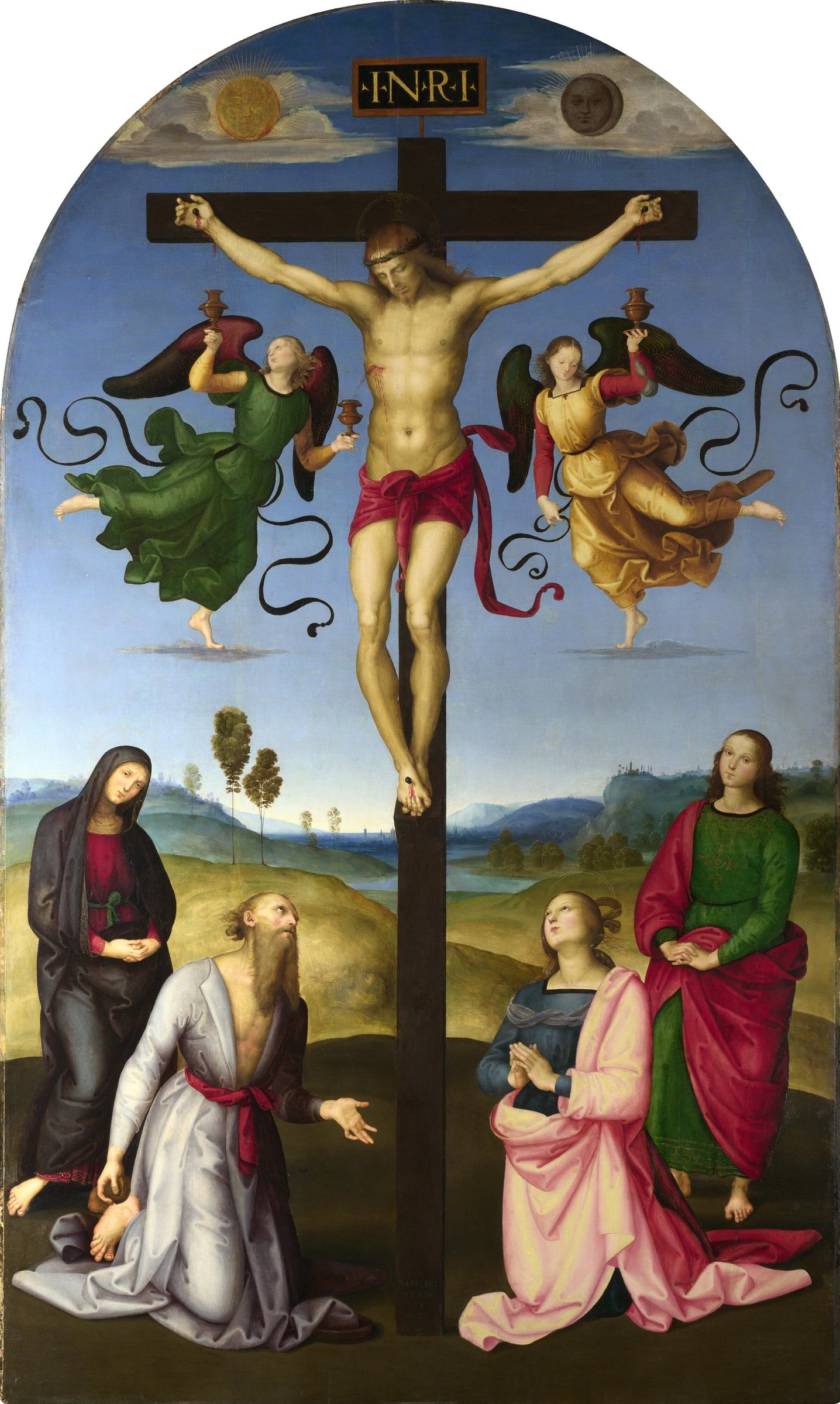
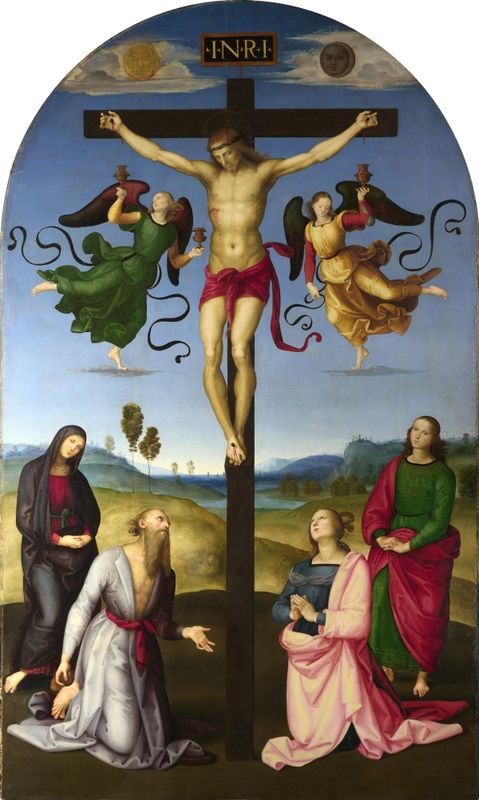 Mond Crucifixion
1502 · National Gallery
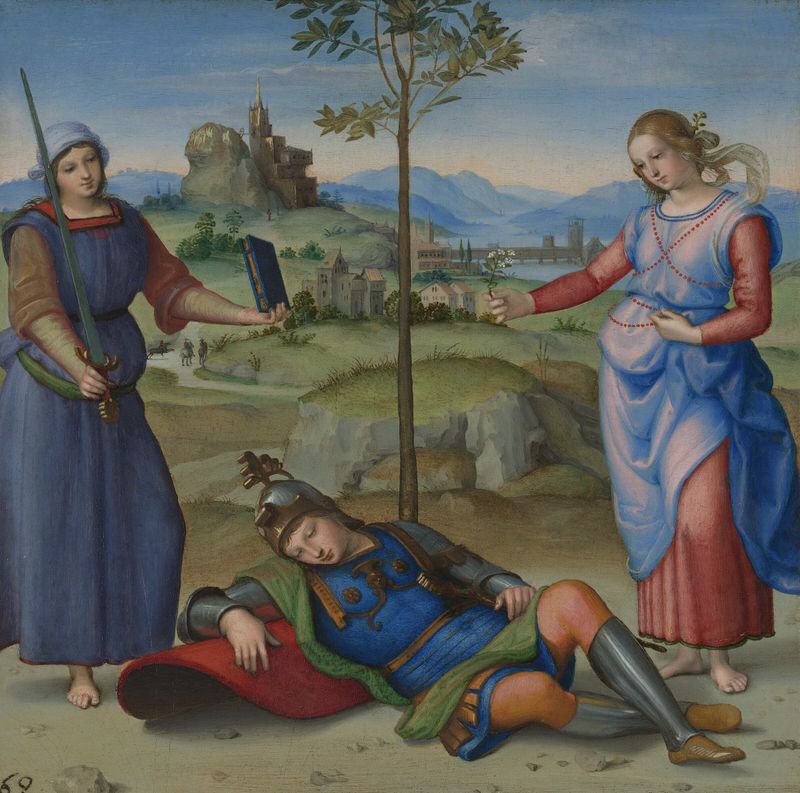 The Dream of a Knight
1504 · National Gallery
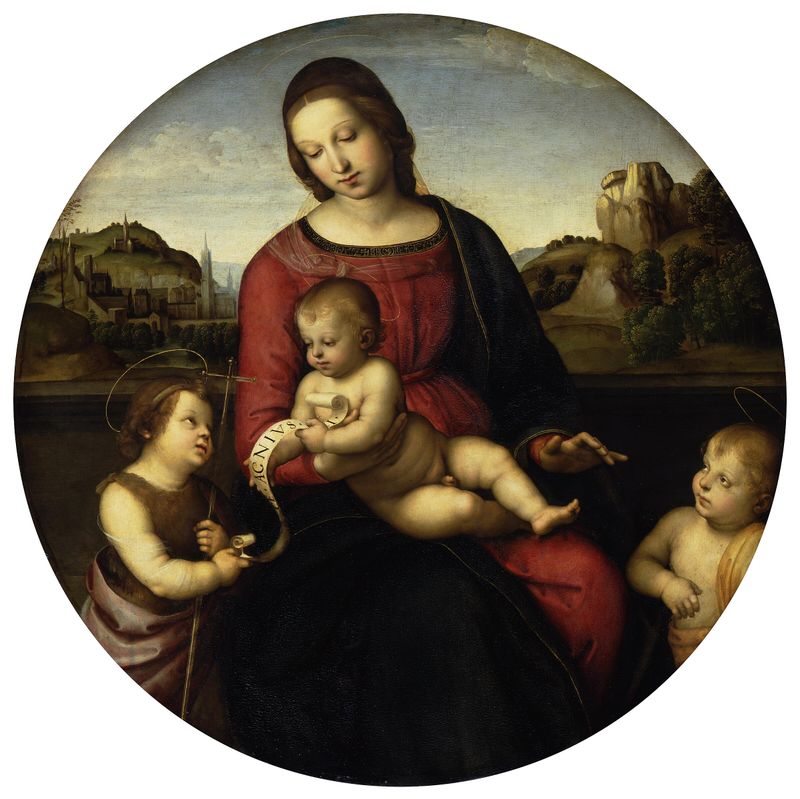 Terranuova Madonna
1505 · Gemäldegalerie Berlin
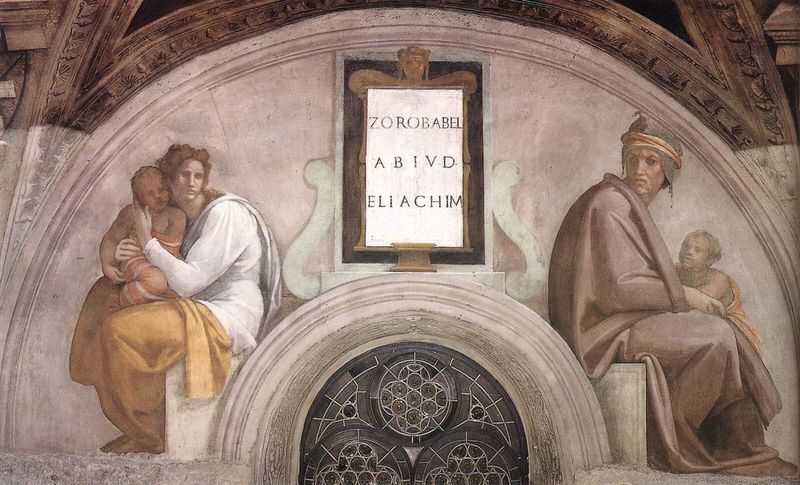 Zerubbabel, Abiud and Eliakim
1508 · Vatican Museums
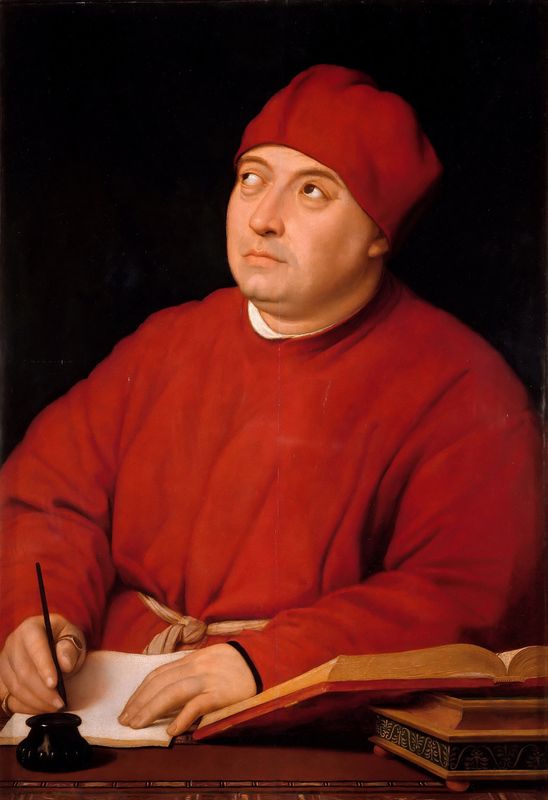 Portrait of Tommaso Inghirami, called Fedra
1510 · Galleria Palatina
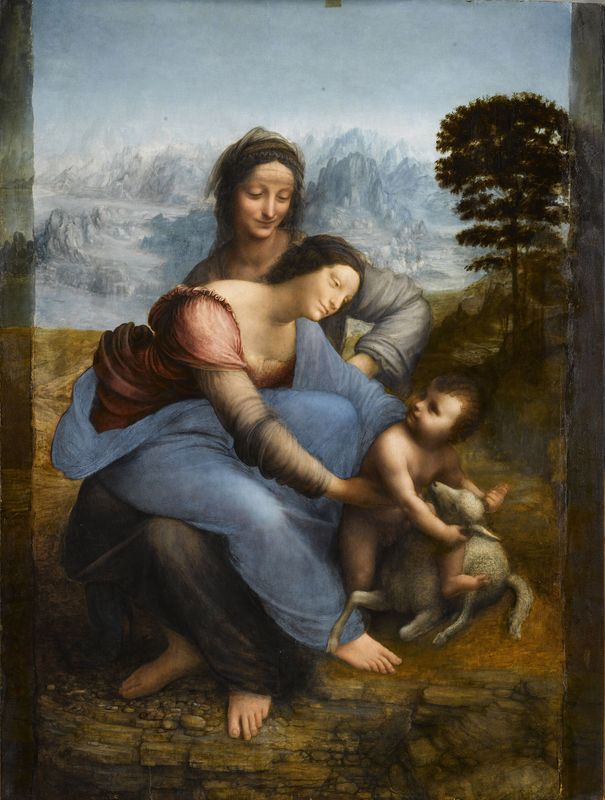 The Virgin and Child with Saint Anne
1511 · Department of Paintings of the Louvre
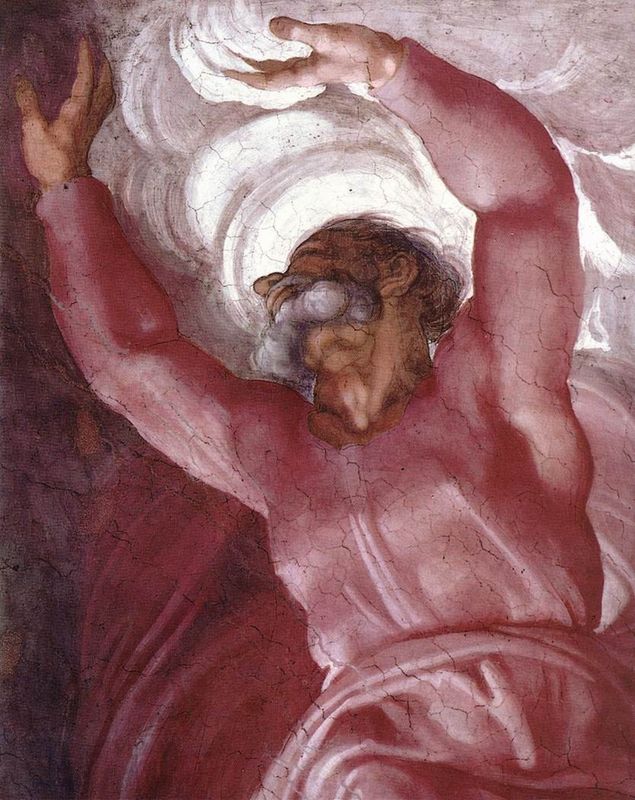 Separation of Light from Darkness
1512 · Vatican Museums
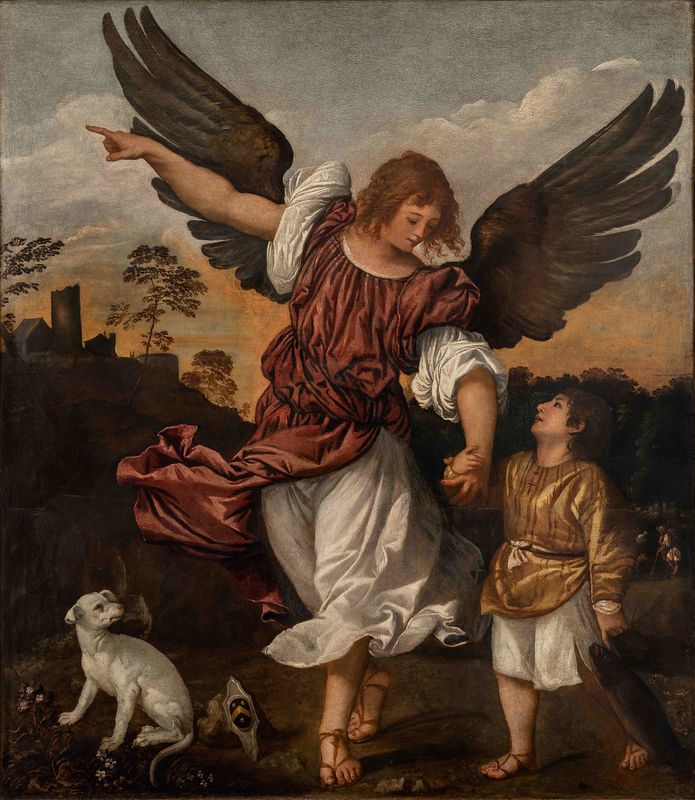 Archangel Raphael and Tobias
1513 · Gallerie dell'Accademia
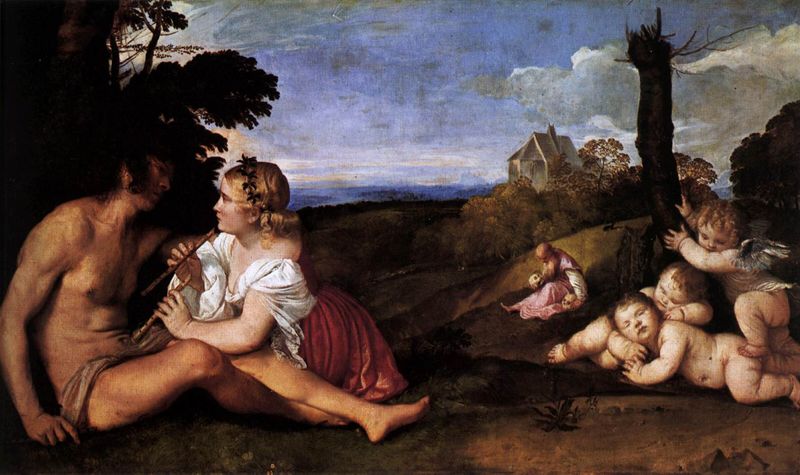 The Three Ages of Man
1513 · Orleans Collection
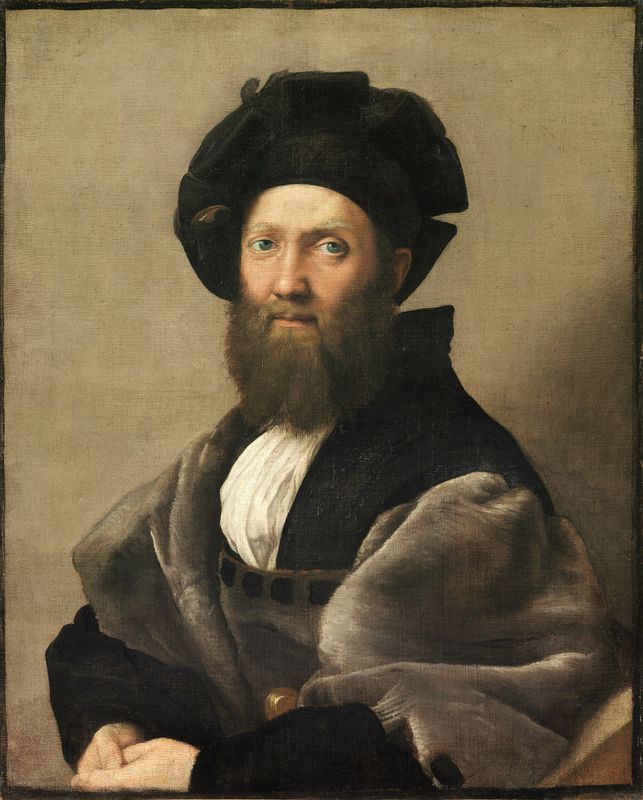 Portrait of Baldassare Castiglione
1515 · Department of Paintings of the Louvre
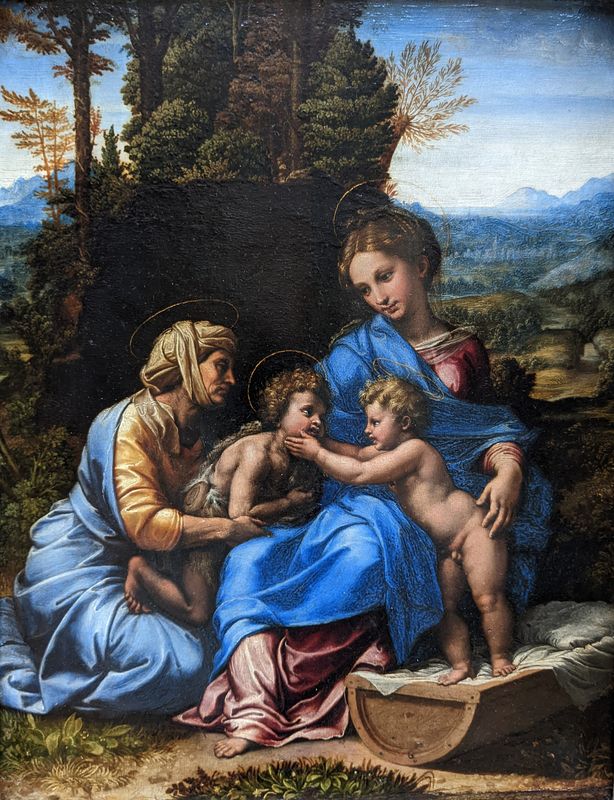 Holy Family with Saint Elizabeth and the infant St. John
1517 · Department of Paintings of the Louvre
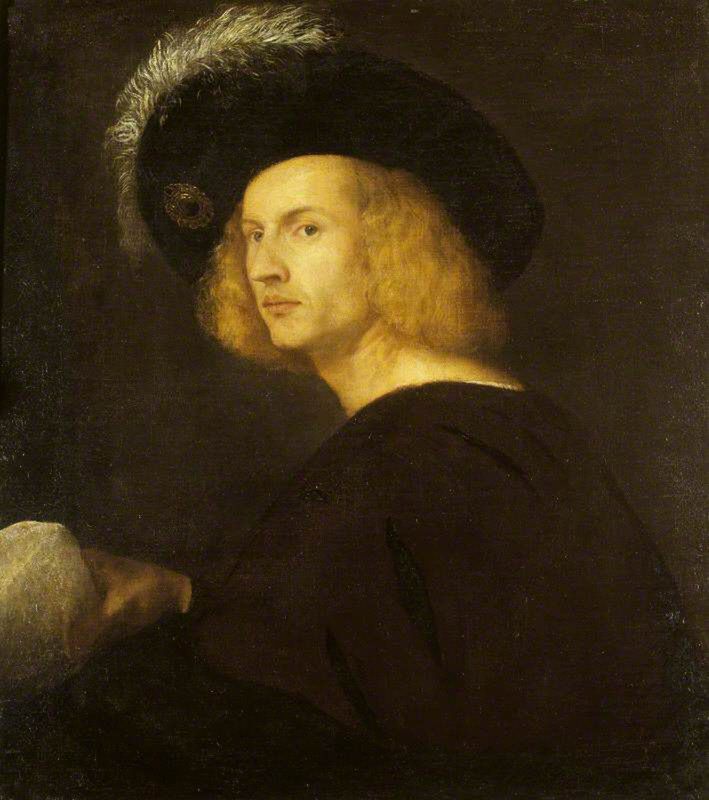 An Unknown Man in a Black Plumed Hat
1517 · National Trust
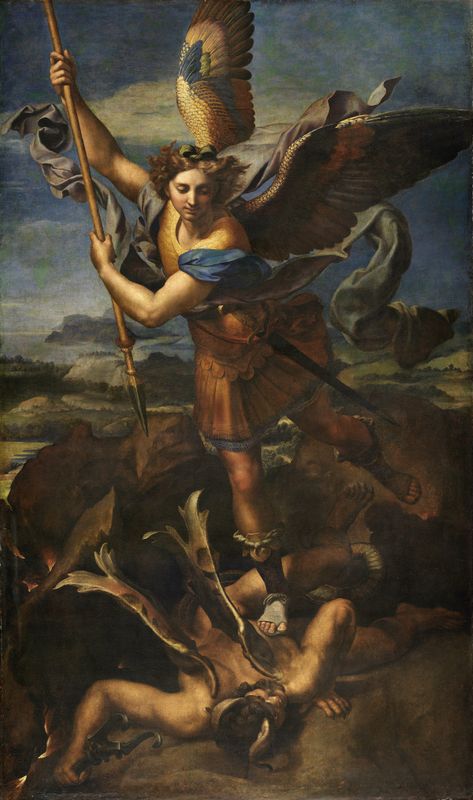 St. Michael Vanquishing Satan
1518 · Department of Paintings of the Louvre
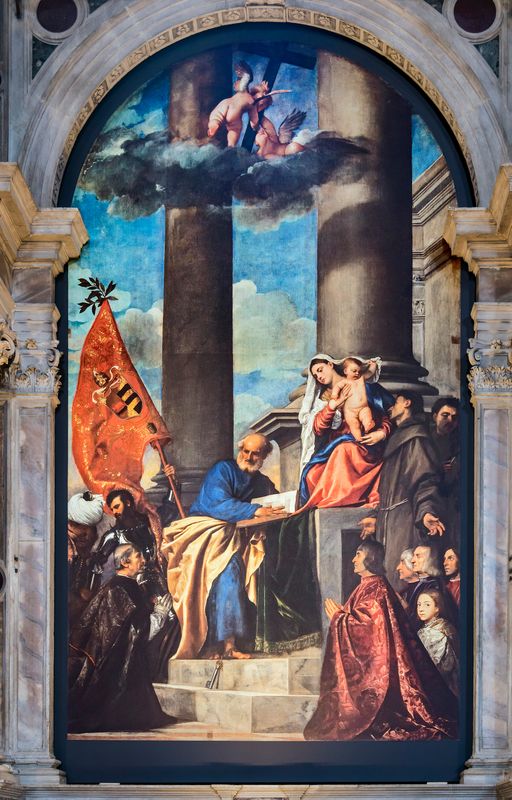 Pesaro Madonna
1522 · Santa Maria Gloriosa dei Frari
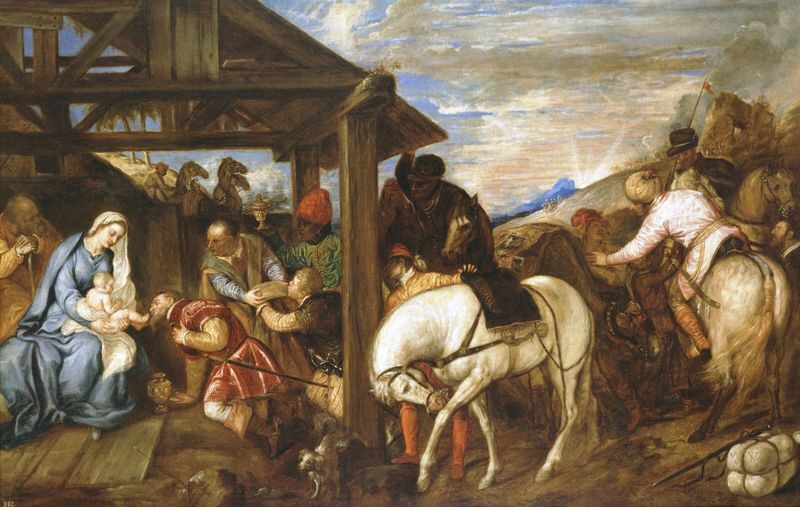 The Adoration of the Magi
1531 · Museo del Prado
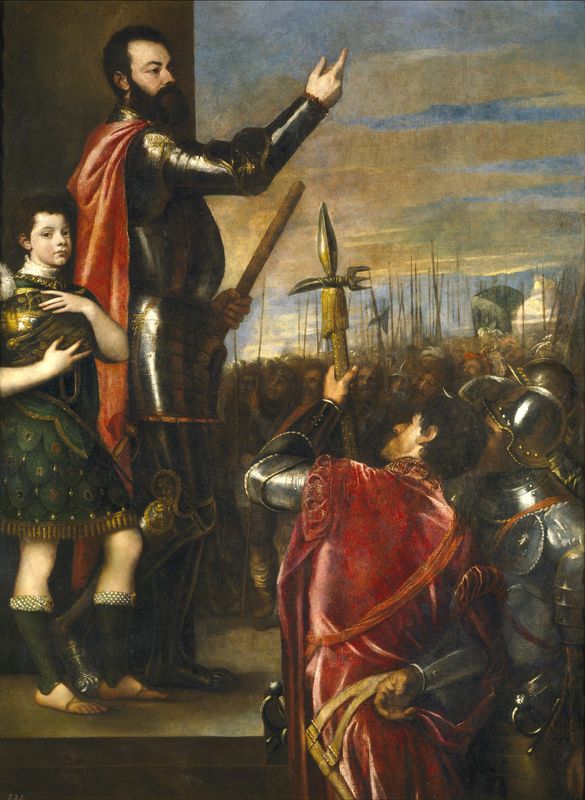 Alfonso d'Avalos Addressing his Troops
1540 · Museo del Prado
Take High Renaissance to the museum
Point your phone at any painting and Art Whisper tells you its story — who made it, what to notice, and why it matters. Free to start.