01
The weathered face
Look at the eyes and the creased skin around them. Every line is recorded plainly, giving an older woman real presence instead of flattery.
1 of 4 on the painting
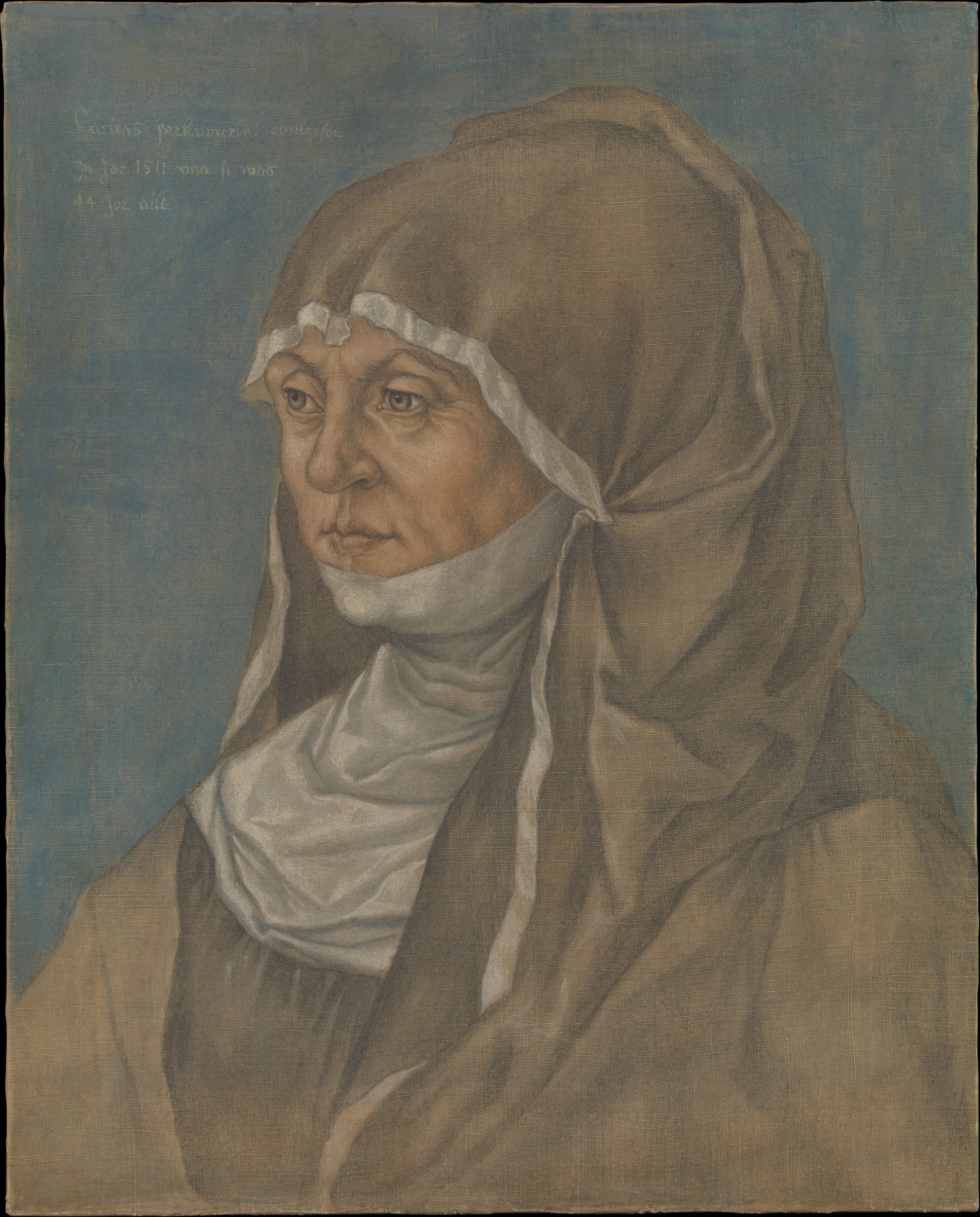
“Stop and observe the intense, thoughtful gaze of this woman, a key figure in Renaissance Nuremberg. Dürer's portrait offers a window into her character, rendered with striking detail and quiet dignity.”
This intimate portrait captures a woman, believed to be Caritas Pirckheimer, a prominent abbess and intellectual in Nuremberg. Her gaze is direct and thoughtful, drawing you into her presence. The artist, Albrecht Dürer, renders her with a keen eye for detail, from the subtle texture of her wimple to the gentle folds of her dark habit. There's a quiet dignity in her posture, emphasized by the plain, dark background that allows her face to be the sole focus. This painting, made on linen, reflects the German Renaissance period's interest in individual identity and the psychological depth of its subjects, moving beyond simple likeness to suggest an inner life. The subdued palette and careful modeling create a sense of solemnity and grace.
Five details hide in plain sight. Pick one and we’ll show you exactly where to look.
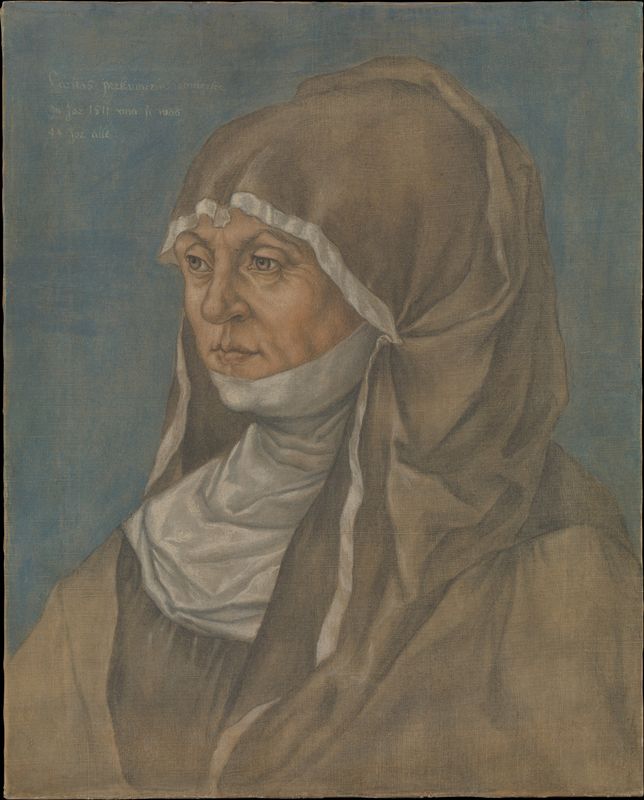
Look at the eyes and the creased skin around them. Every line is recorded plainly, giving an older woman real presence instead of flattery.
The ruffled white band at the brow is built from thin, light strokes. It stands out sharply against the brown hood and frames the face.
In the upper left, pale script sits on the blue ground. It is easy to miss. It appears to include the year 1511 and a number that may be her age, though the lettering is hard to read.
Under the chin, the pale cloth folds into smooth gray shadows. Compare its cool softness with the warmer, firmer skin just above it.
A flat, cool blue background sets off the earthy browns of the clothing. With so little color, attention goes to the face and its gaze.
The full narration walks you through Portrait of a Woman, Said to Be Caritas Pirckheimer (1467–1532) — the story behind it, the details most visitors miss, and why it matters. Free in the Art Whisper app.
Renaissance master who revolutionized printmaking across Europe before turning 30.
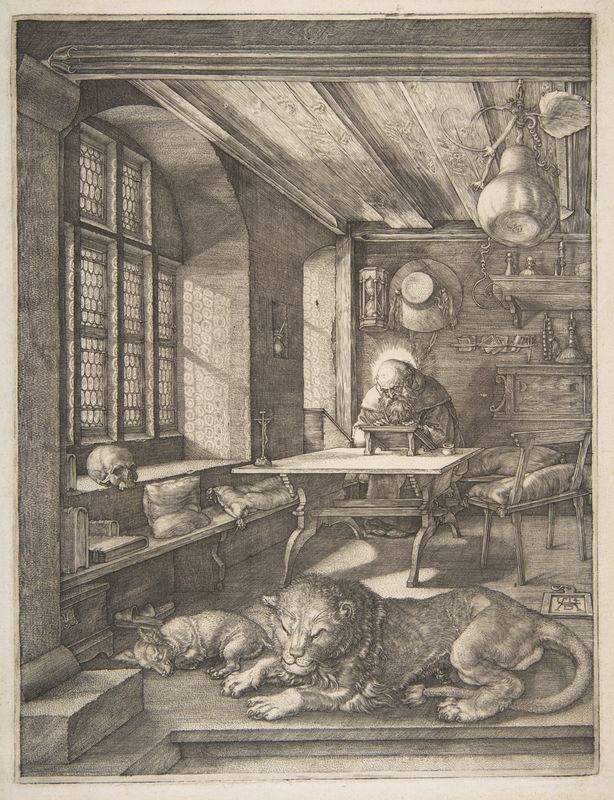 Saint Jerome in His Study
1521 · National Museum of Ancient Art
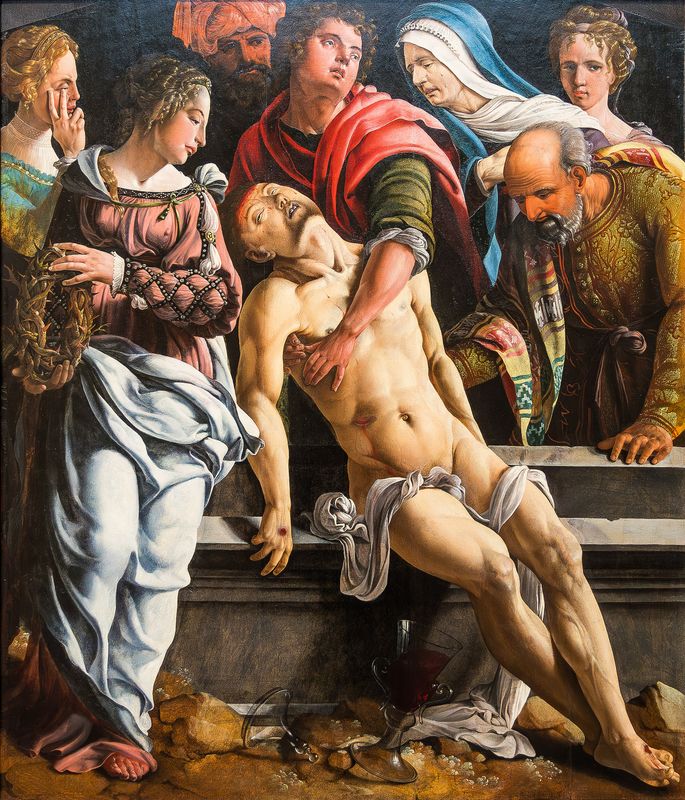 The Lamentation
1477 · The Metropolitan Museum of Art
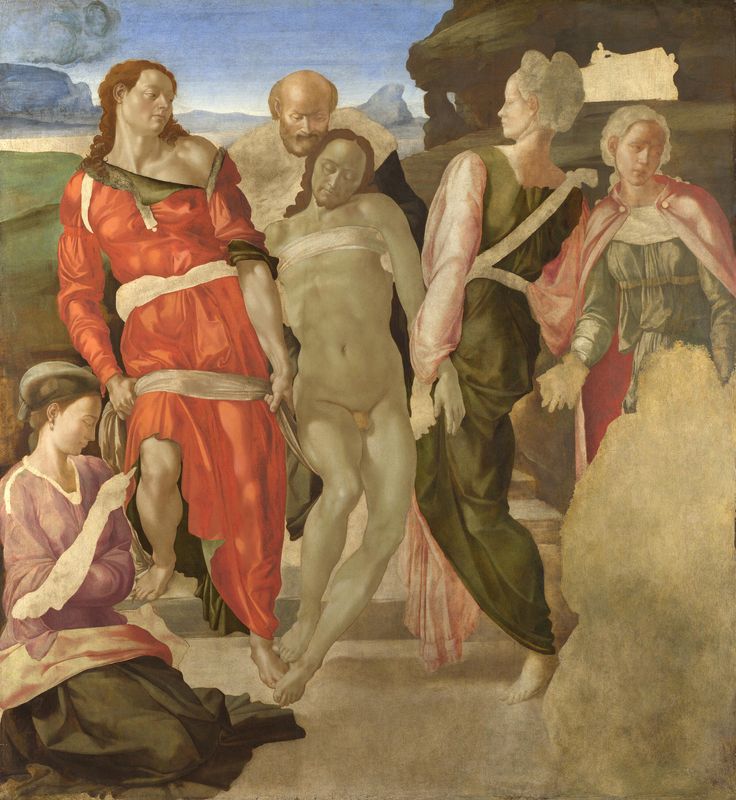 The Entombment
1485 · The Metropolitan Museum of Art
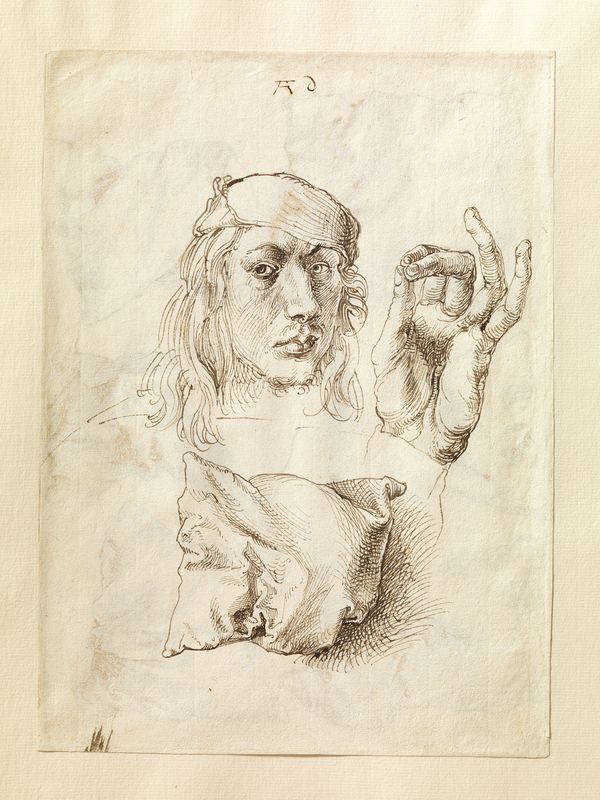 Self-portrait, Study of a Hand and a Pillow (recto); Six Studies of Pillows (verso)
1493 · The Metropolitan Museum of Art
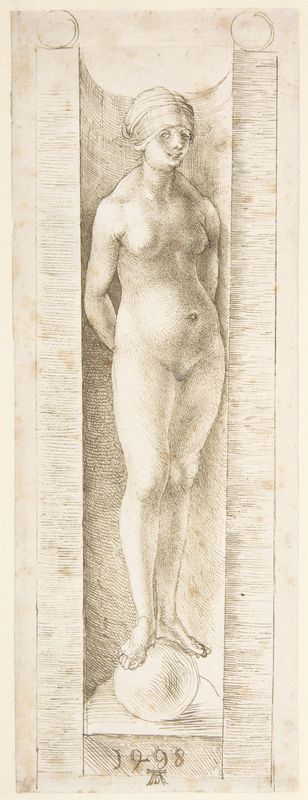 Fortuna in a Niche
1498 · The Metropolitan Museum of Art
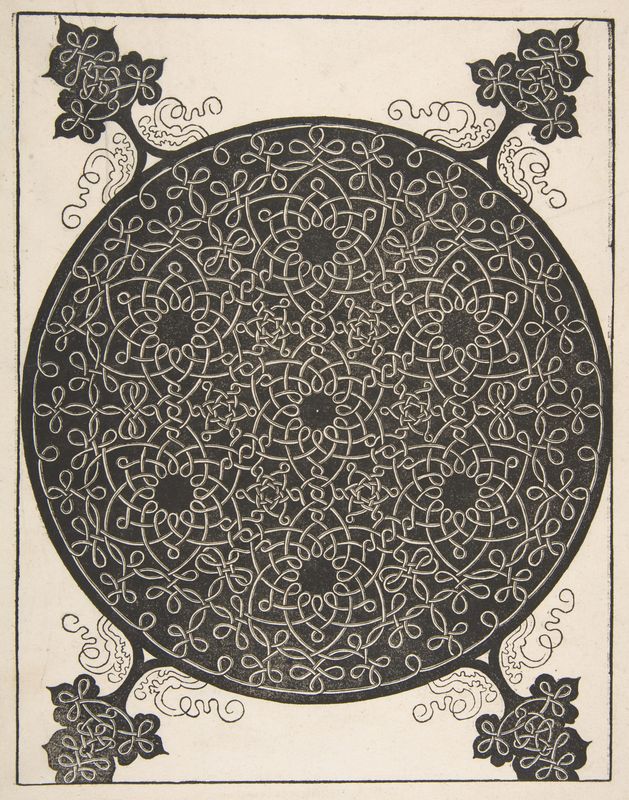 Embroidery Pattern with Seven Six-pointed Stars and Four Corner Pieces
1500 · The Metropolitan Museum of Art
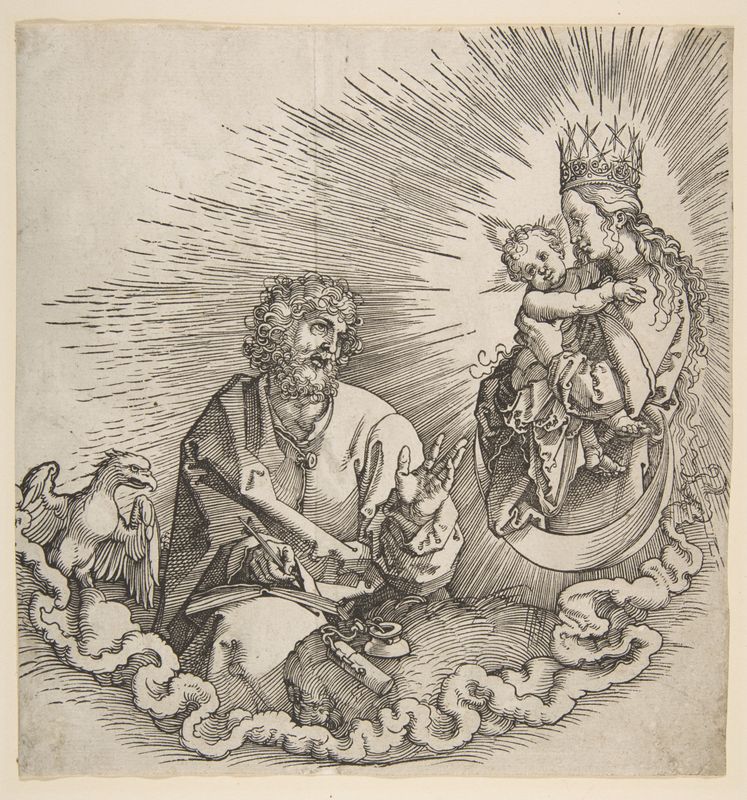 The Virgin Appearing to Saint John, Frontispiece to the Apocalypse
1511 · The Metropolitan Museum of Art
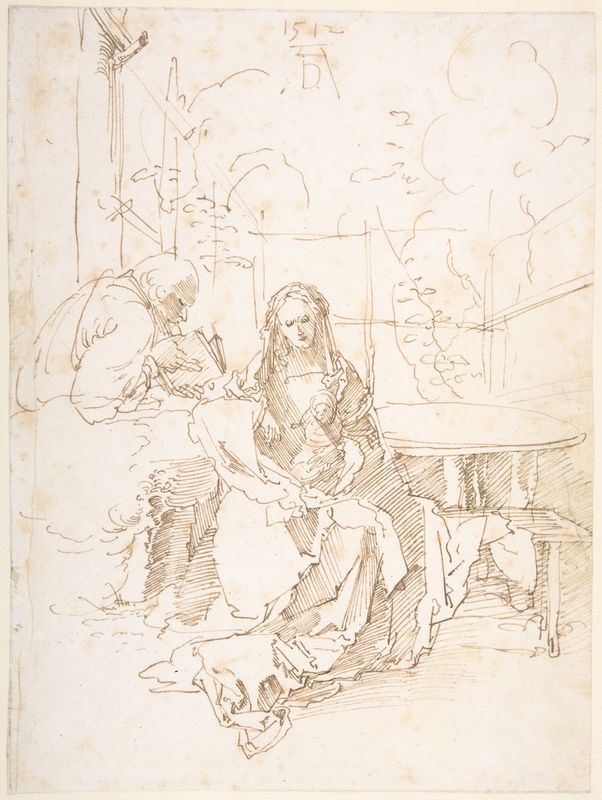 The Holy Family in an Enclosed Garden
1512 · The Metropolitan Museum of Art