01
The pointing arm
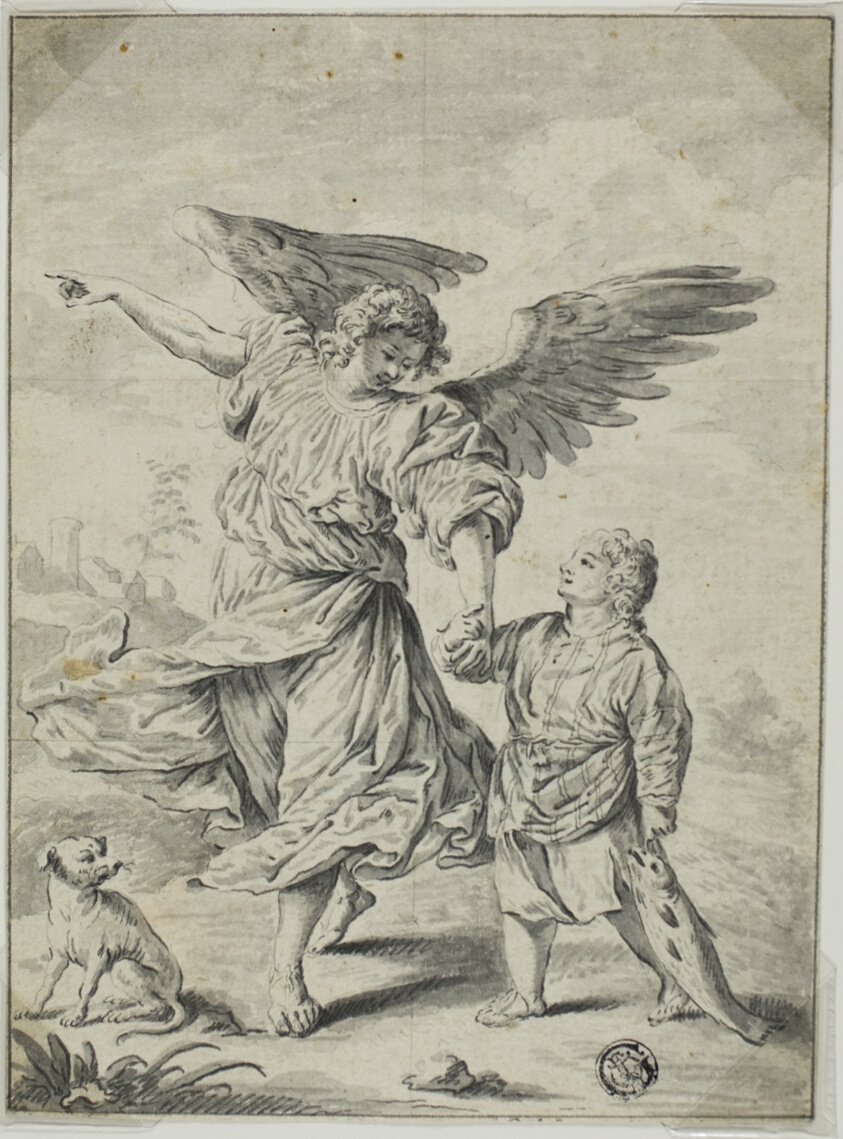
The angel's arm stretches far to the upper left, ending in a pointing finger. It sends the eye off the page, as if toward the road ahead.
1 of 4 on the painting
“Stop and observe this captivating painting of Tobias and the Angel. It's a vivid example of the Venetian High Renaissance, blending a powerful biblical story with a stunning, atmospheric landscape and rich, glowing colors.”
In this painting, a young Tobias, guided by the Archangel Raphael, makes his way across a rocky landscape. The scene unfolds with a dramatic sky, where clouds part to reveal a soft, ethereal light illuminating the figures. Raphael, depicted with powerful wings and a staff, gestures forward, leading Tobias who carries a large fish, a crucial element of his biblical journey. The composition draws your eye from the figures to the expansive, almost wild, natural setting, a hallmark of Venetian High Renaissance painting. This work, created around 1530, captures a moment of both human vulnerability and divine protection, blending the sacred narrative with a vivid, almost tangible sense of the natural world. Look closely at the rich colors and the way light plays across the fabric of their garments and the rugged terrain, giving the scene a profound sense of depth and movement.
Five details hide in plain sight. Pick one and we’ll show you exactly where to look.
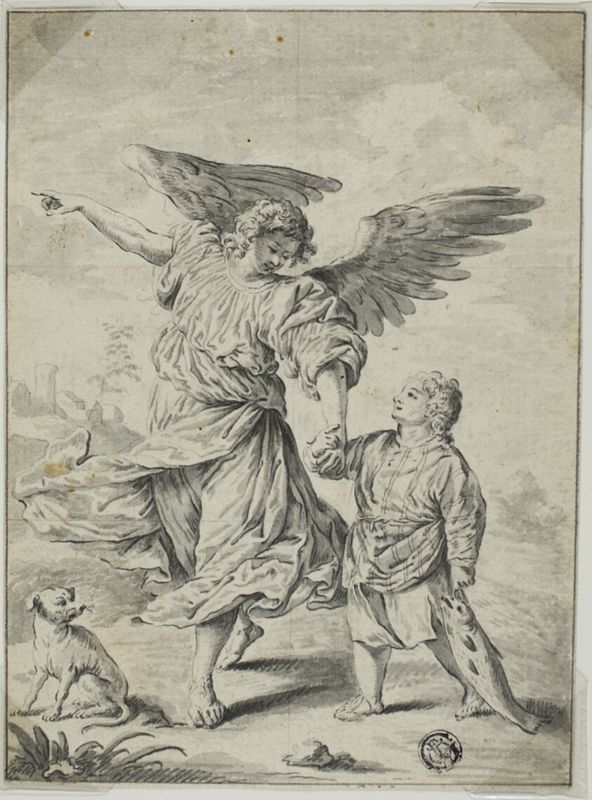
The angel's arm stretches far to the upper left, ending in a pointing finger. It sends the eye off the page, as if toward the road ahead.
Find the clasped hands at the center. The angel's larger hand wraps around the boy's, so guidance and trust read in a single gesture.
The angel towers over the boy, and their downward and upward glances link them. The diagonal wings and pointing arm frame a pair that seems to be walking.
The boy holds a large fish low at his side, at the lower right. In the Tobias story the fish is the catch whose parts later heal his father's blindness.
The angel's robe billows out to the left in wide folds. Soft gray wash with sharper pen lines makes the cloth look heavy and full of motion.
The full narration walks you through Tobias and the Angel — the story behind it, the details most visitors miss, and why it matters. Free in the Art Whisper app.
Titian, the Venetian master, revolutionized Renaissance painting with his vibrant use of color and dramatic compositions, leaving behind an immense legacy.
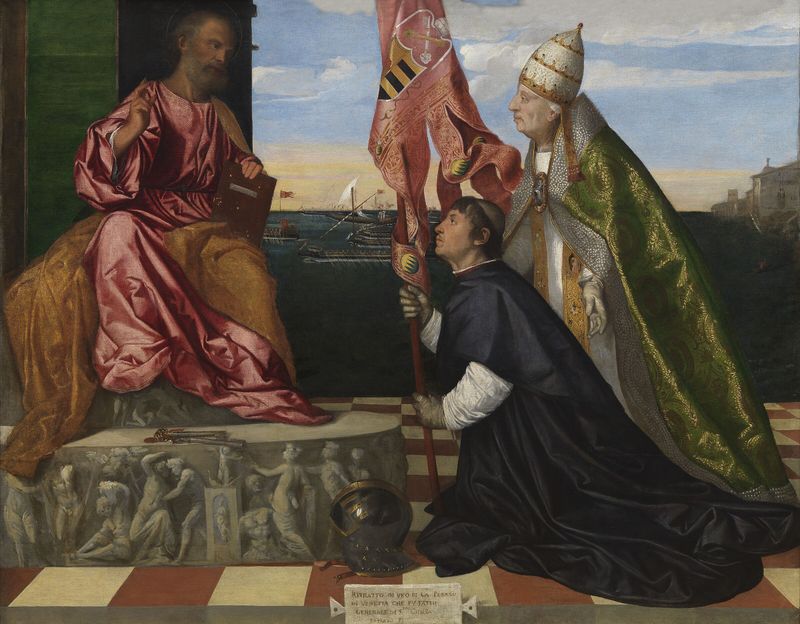 Jacopo Pesaro, Bishop of Paphos, being presented by Pope Alexander VI to Saint Peter
1504 · Royal Museum of Fine Arts Antwerp
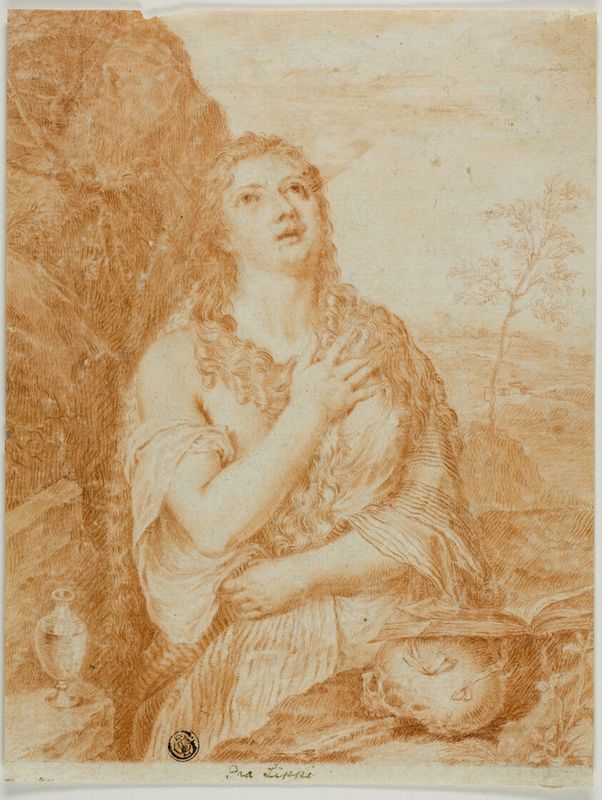 Penitent Magdalene
1575
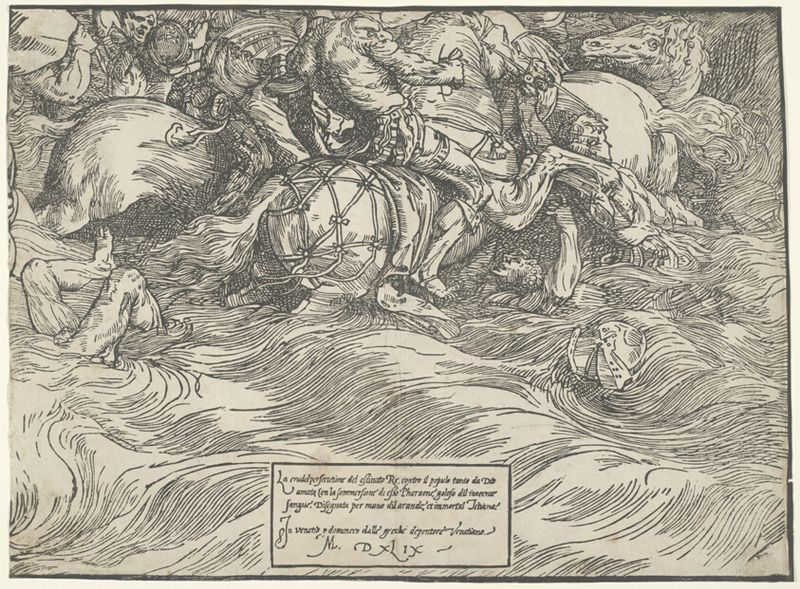 The Submersion of Pharaoh's Army in the Red Sea
1514 · Cleveland Museum of Art
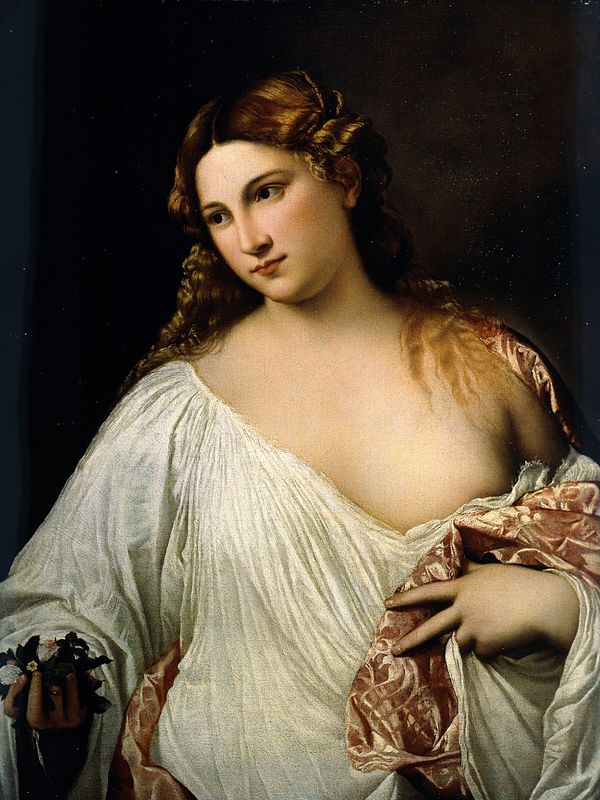 Flora
1517 · Uffizi Gallery
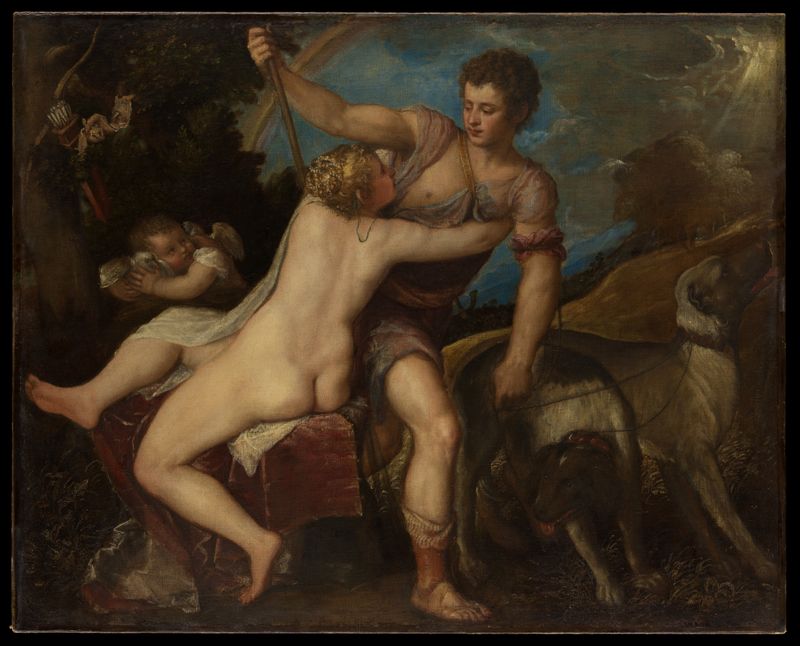 Venus and Adonis
1554 · Museo del Prado
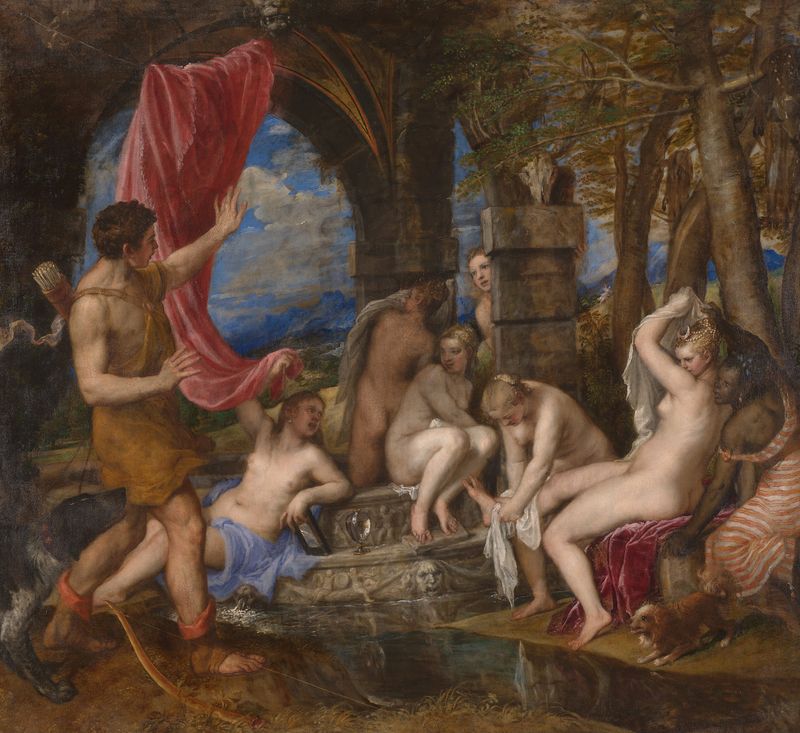 Diana and Actaeon
1557 · National Gallery
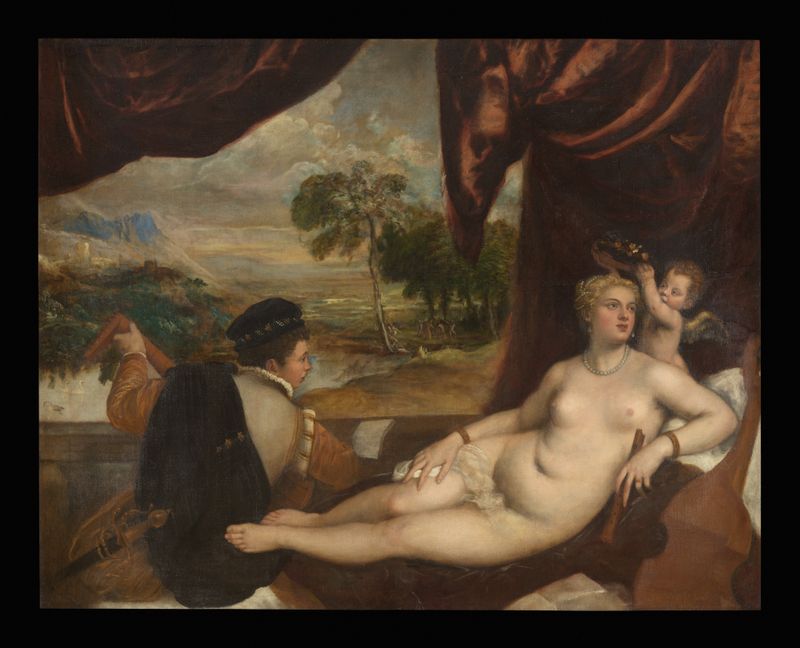 Venus and the Lute Player
1567 · Metropolitan Museum of Art
Beyond Titian and High Renaissance: works from the same years.
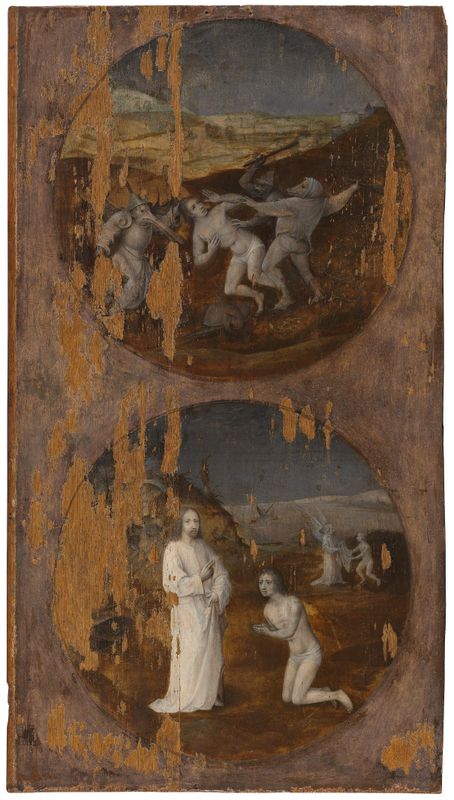 Same era · 1510s–1540s
Two Medallions with Symbolic-Religious Representations
Hieronymus Bosch · 1515 · Museum Boijmans Van Beuningen
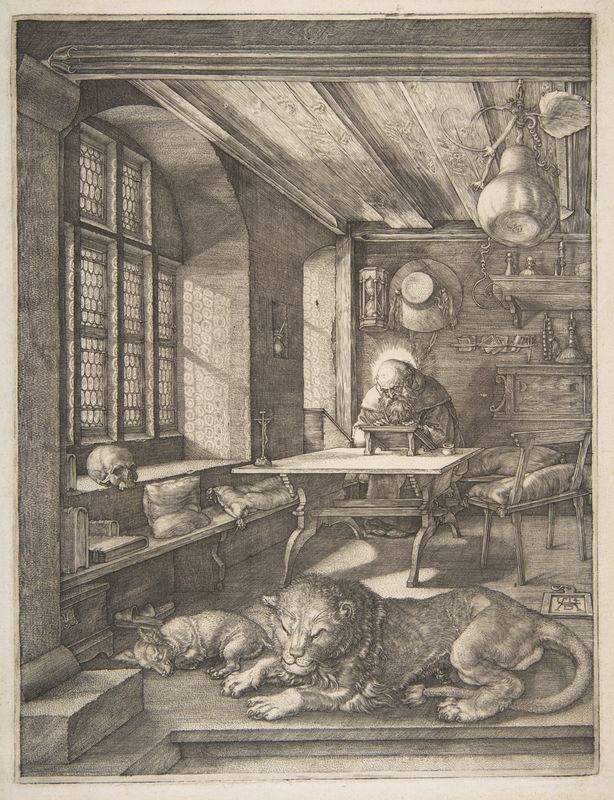 Same era · 1510s–1540s
Saint Jerome in His Study
Albrecht Dürer · 1521 · National Museum of Ancient Art
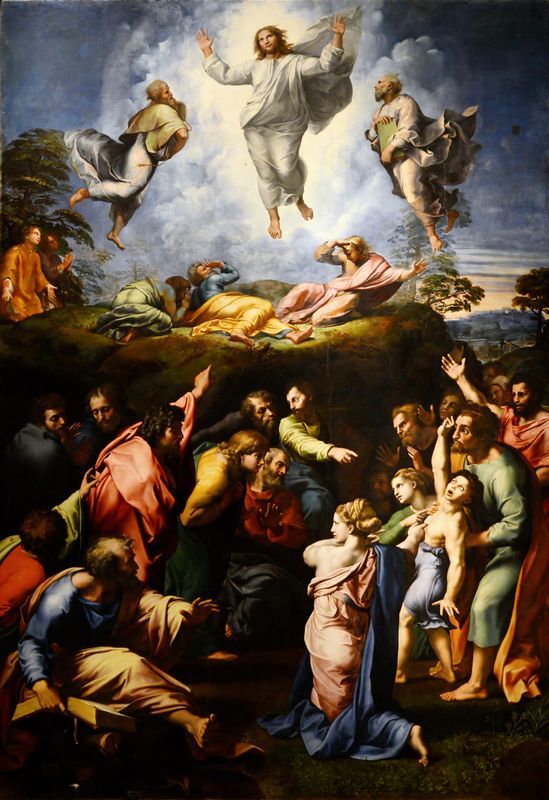 Same era · 1510s–1540s
The Transfiguration
Raphael (Raffaello Sanzio da Urbino) · 1516
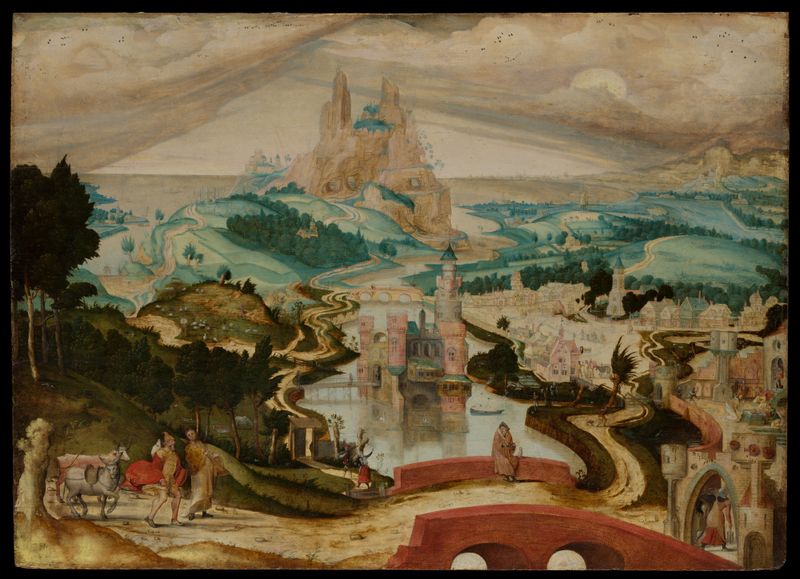 Same era · 1510s–1540s
The Arrival in Bethlehem
Master of the View of Saint Gudula · 1540 · The Metropolitan Museum of Art
 Same era · 1510s–1540s
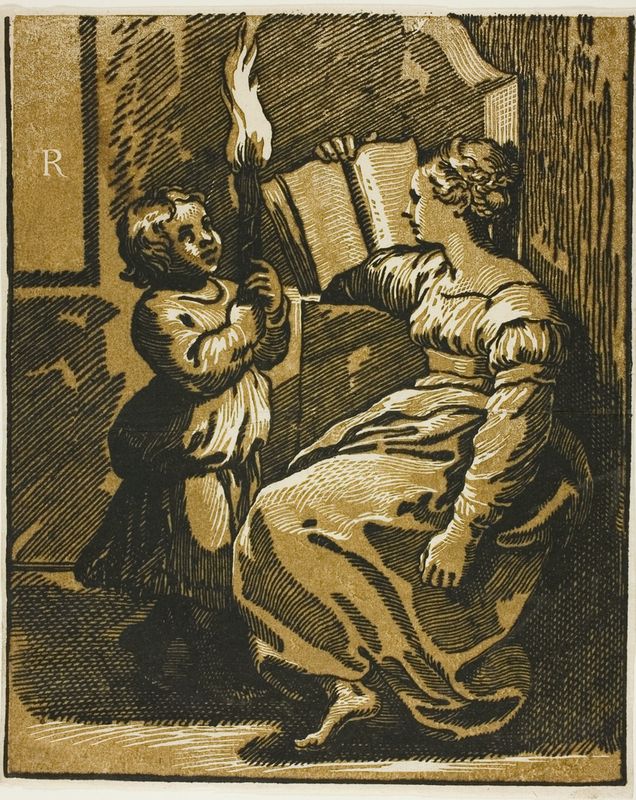
The Sibyl and a Child Bearing a Torch
Artist Unknown - The Mercat Cross, Aberdeen · 1520 · Art Institute of Chicago
 Same era · 1510s–1540s
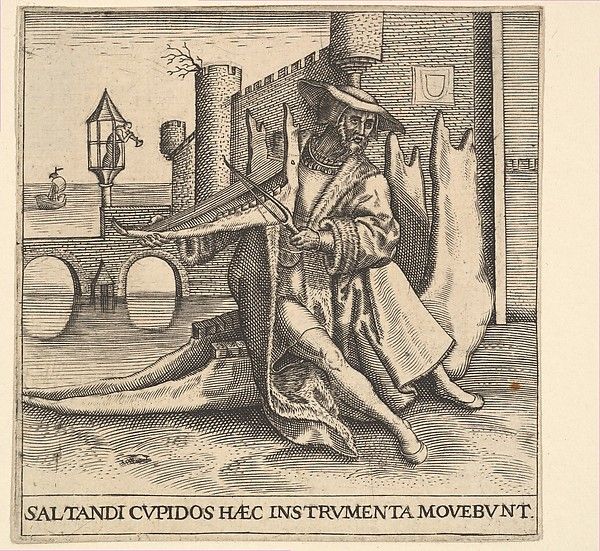
The Rich Man Playing Violin on a Jaw Bone
Pieter Bruegel the Elder · 1528 · The Metropolitan Museum of Art