01
The direct gaze
Look into the wide-open eyes, set under heavy brows. The gaze meets you directly, and the close attention suggests an artist studying his own face.
1 of 5 on the painting

“Stop to appreciate this remarkably intimate self-portrait, an early work by Albrecht Dürer. It captures a young artist's hand resting on a pillow, a detailed study in texture and form, offering a direct connection to his creative process.”
This early self-portrait from 1493 offers a rare, intimate glimpse into the mind of a young artist. Instead of presenting a grand public image, the focus here is intensely personal: a hand, almost certainly the artist's own, rests on a pillow, its fingers delicately curled. The drawing is a study in texture and form, with the pen and brown ink creating a sense of weight and softness in the fabric. This work was made when the artist was just 22, likely intended as a preparatory study for a larger painting or possibly a standalone piece to hone his observational skills. The verso (back) of the sheet contains six additional studies of pillows, further emphasizing this drawing's role as an exercise in capturing drapery and volume. It reflects a period of intense self-scrutiny and technical exploration, characteristic of the German Renaissance.
Five details hide in plain sight. Pick one and we’ll show you exactly where to look.
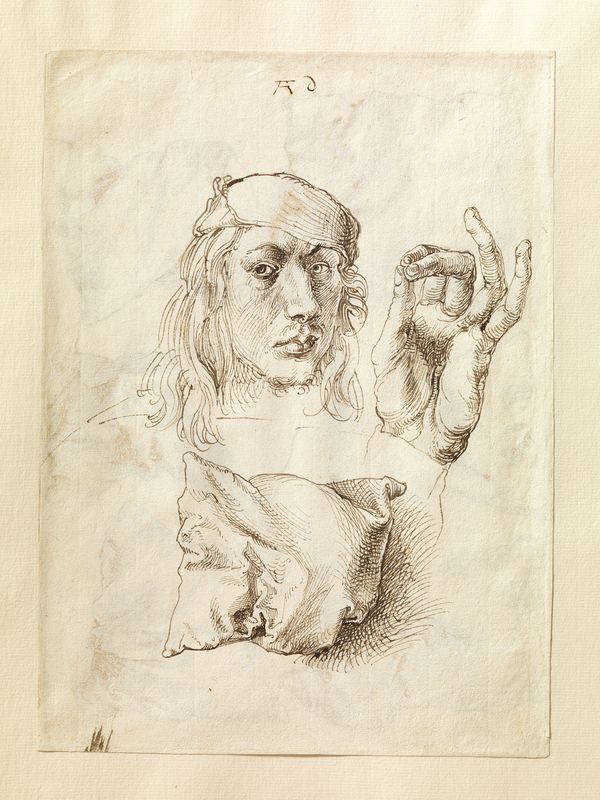
Look into the wide-open eyes, set under heavy brows. The gaze meets you directly, and the close attention suggests an artist studying his own face.
Check the cheek and jaw, where fine parallel and crossing pen lines build shadow. Dense strokes give the face its rounded form.
The hand lifts with fingers curled and the last two fingers extended upward. Knuckles and wrinkles are drawn closely, like a study of a pose.
At the pillow's lower center, creases twist and pinch into a knot of folds. The humble cloth gets the same close attention as the face.
On the pillow's right, dark ink fans out in dense crosshatching and fades to the paper. It shows how Dürer could control tone with only lines.
The full narration walks you through Self-portrait, Study of a Hand and a Pillow (recto); Six Studies of Pillows (verso) — the story behind it, the details most visitors miss, and why it matters. Free in the Art Whisper app.
Renaissance master who revolutionized printmaking across Europe before turning 30.
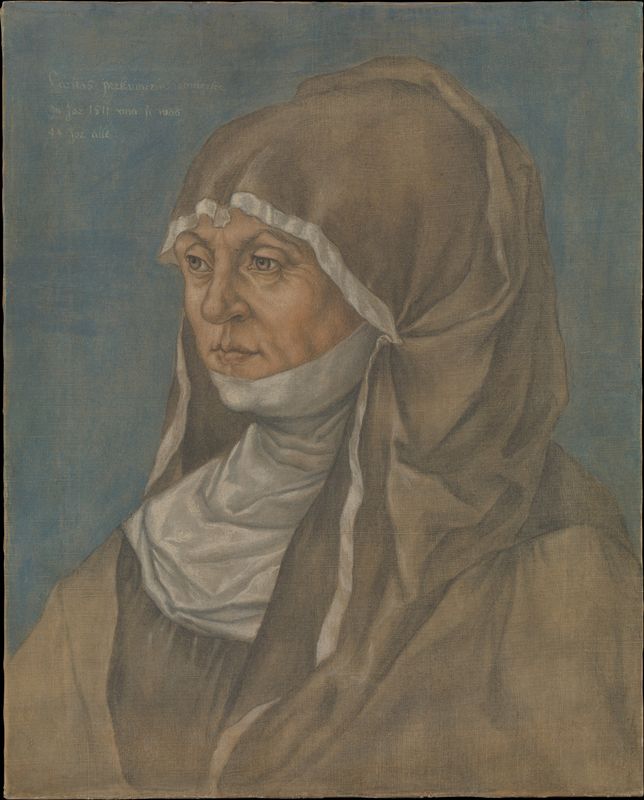 Portrait of a Woman, Said to Be Caritas Pirckheimer (1467–1532)
The Metropolitan Museum of Art
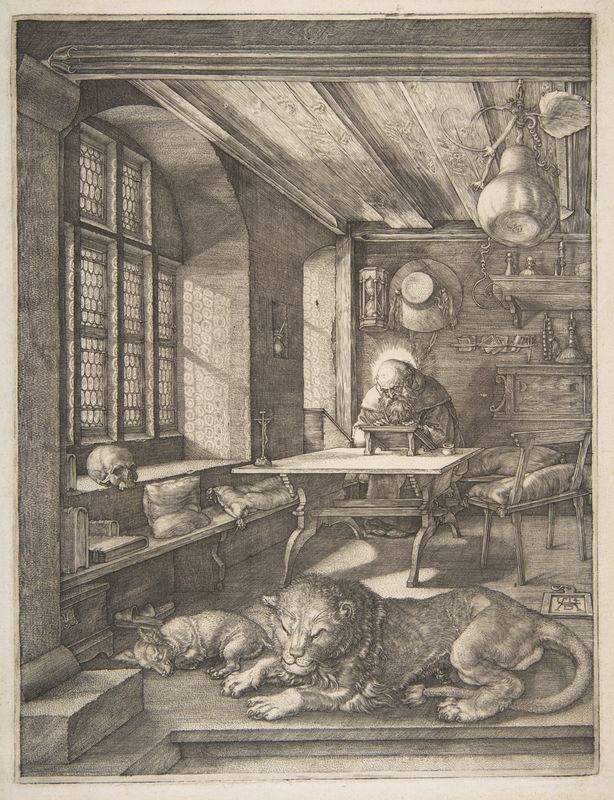 Saint Jerome in His Study
1521 · National Museum of Ancient Art
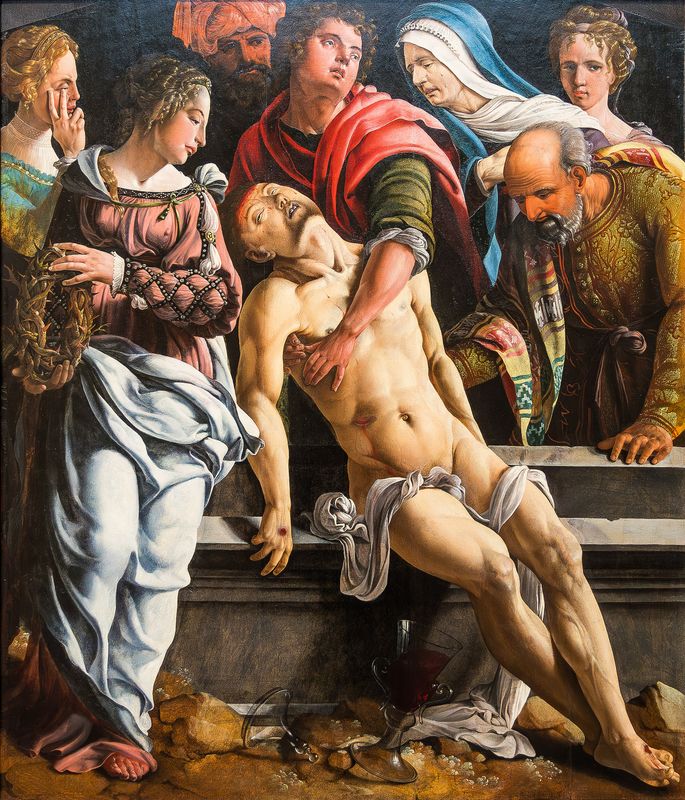 The Lamentation
1477 · The Metropolitan Museum of Art
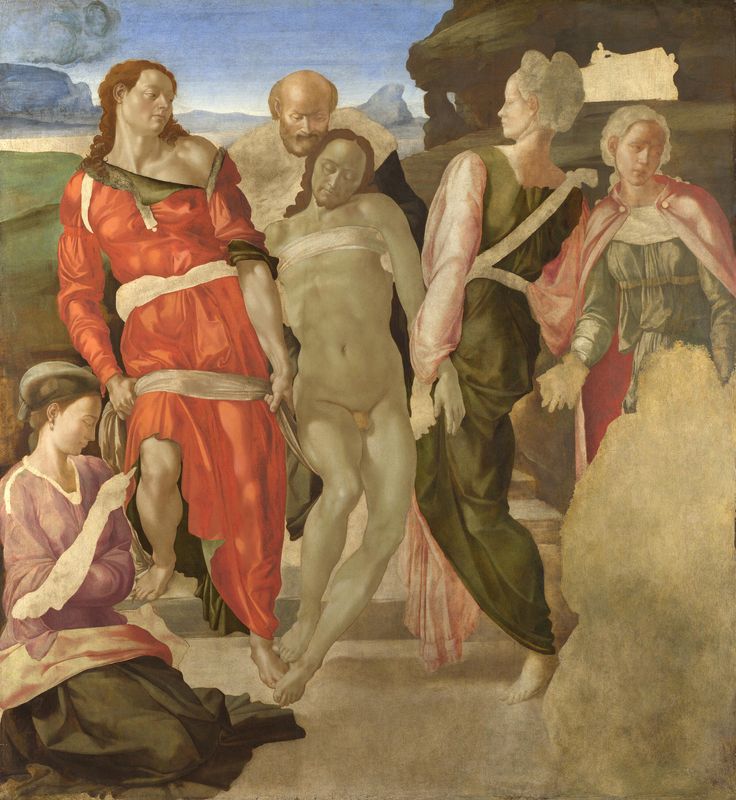 The Entombment
1485 · The Metropolitan Museum of Art
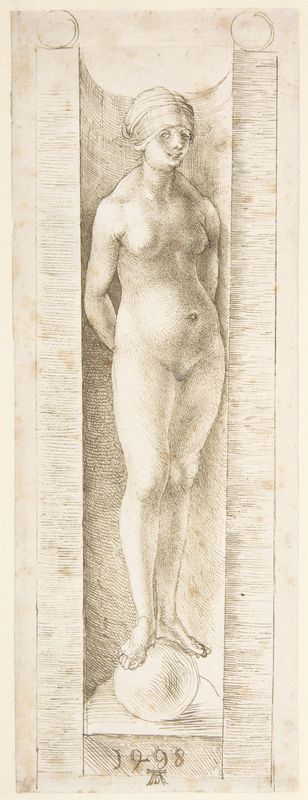 Fortuna in a Niche
1498 · The Metropolitan Museum of Art
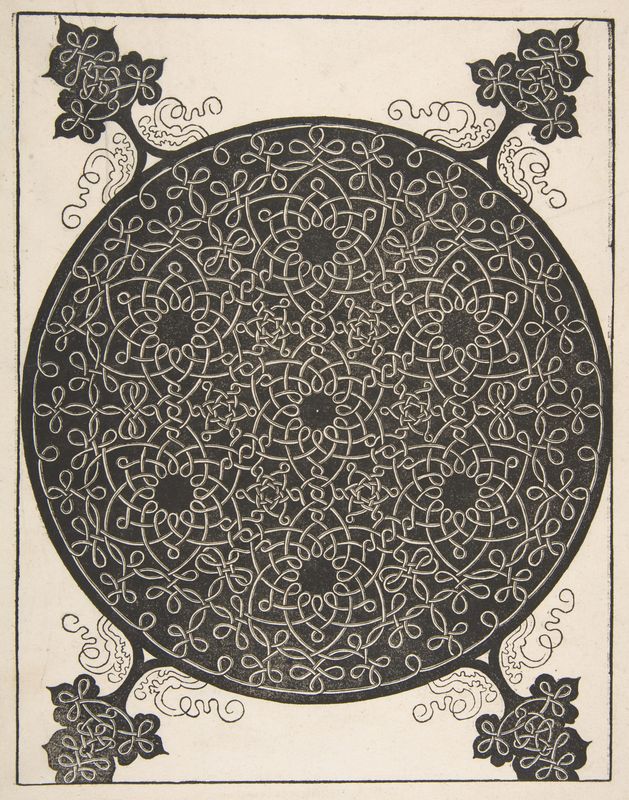 Embroidery Pattern with Seven Six-pointed Stars and Four Corner Pieces
1500 · The Metropolitan Museum of Art
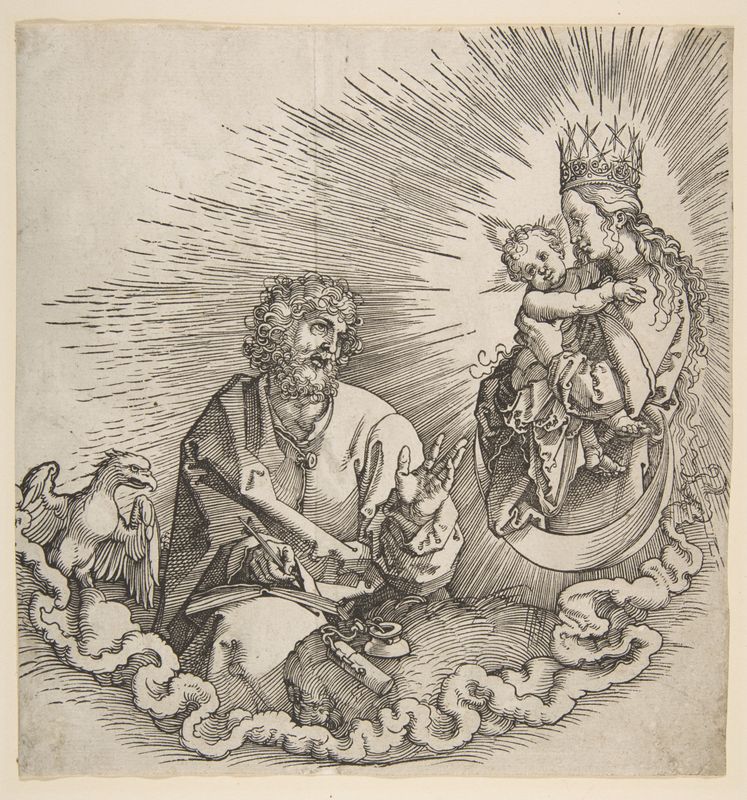 The Virgin Appearing to Saint John, Frontispiece to the Apocalypse
1511 · The Metropolitan Museum of Art
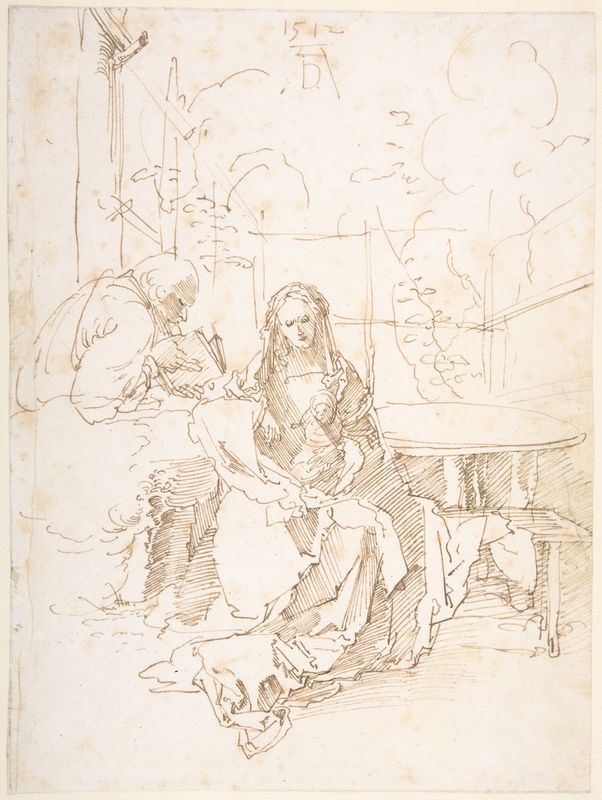 The Holy Family in an Enclosed Garden
1512 · The Metropolitan Museum of Art
Beyond Dürer and Northern Renaissance: works from the same years.
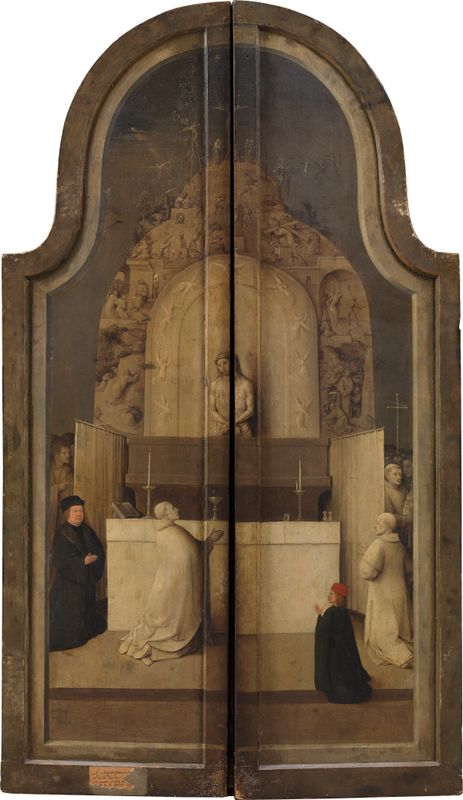 Same era · 1470s–1500s
The Mass of Saint Gregory
Hieronymus Bosch · 1494 · Museo del Prado
 Same era · 1470s–1500s
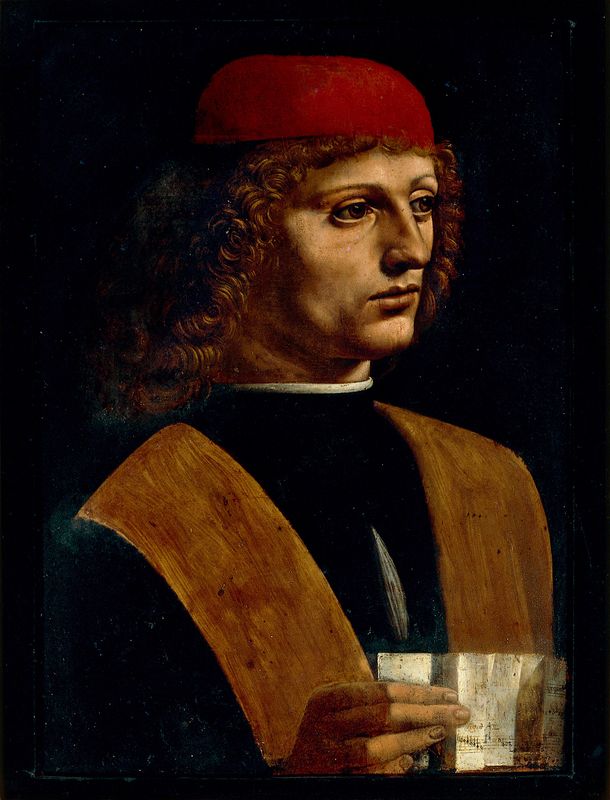
Portrait of a Musician
Leonardo da Vinci · 1485 · Pinacoteca Ambrosiana
 Same era · 1470s–1500s
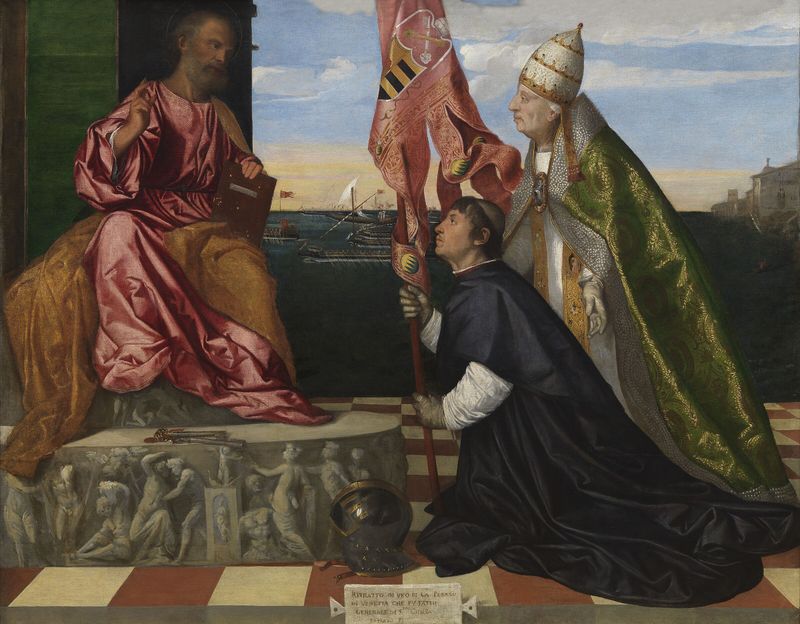
Jacopo Pesaro, Bishop of Paphos, being presented by Pope Alexander VI to Saint Peter
Titian · 1504 · Royal Museum of Fine Arts Antwerp
 Same era · 1470s–1500s
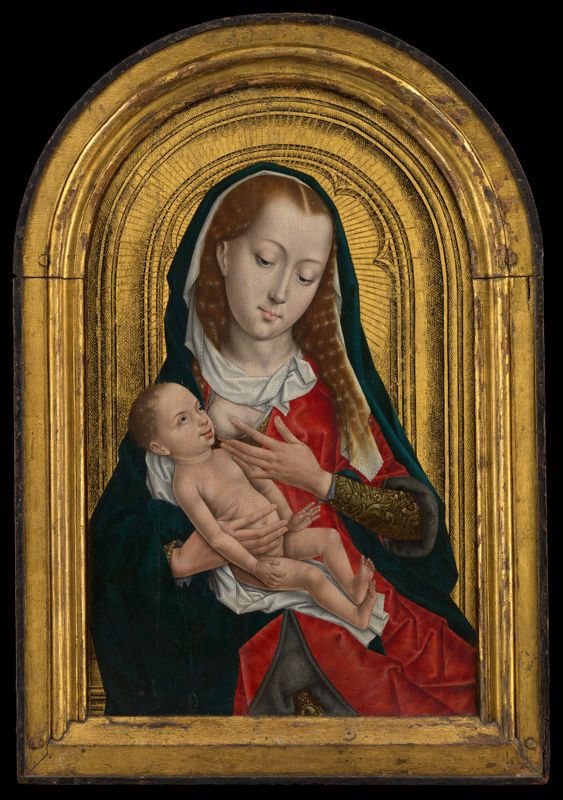
Virgin and Child
Master of the View of Saint Gudula · 1480 · The Metropolitan Museum of Art
 Same era · 1470s–1500s
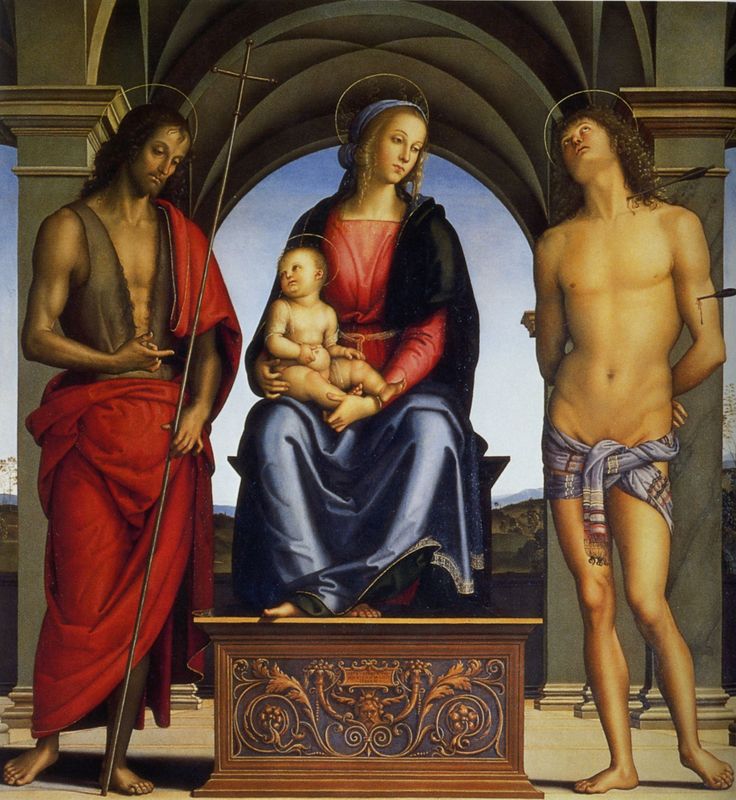
Madonna and Child Enthroned with Saints John the Baptist and Sebastian
Pietro Perugino · 1493 · Uffizi Gallery
 Same era · 1470s–1500s
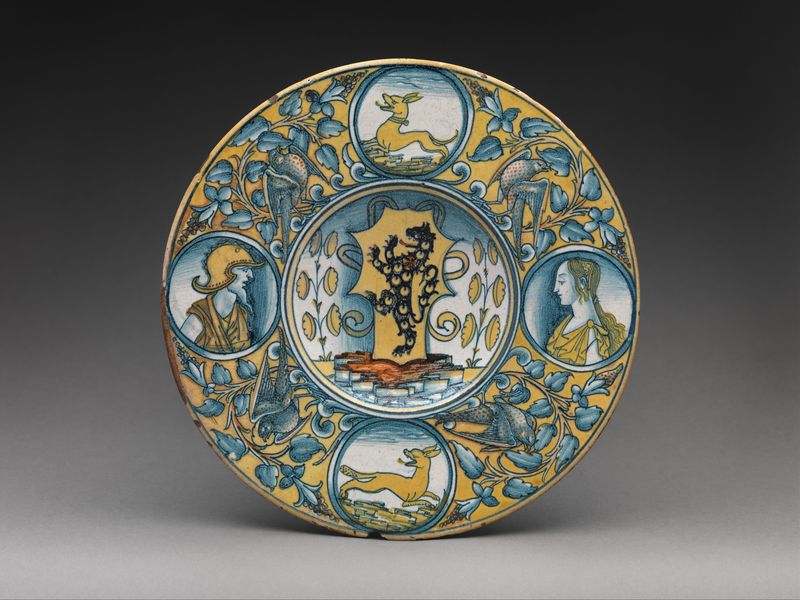
Plate with arms of the Tosinghi family
Artist Unknown - The Mercat Cross, Aberdeen · 1495 · The Metropolitan Museum of Art
 Same era · 1470s–1500s
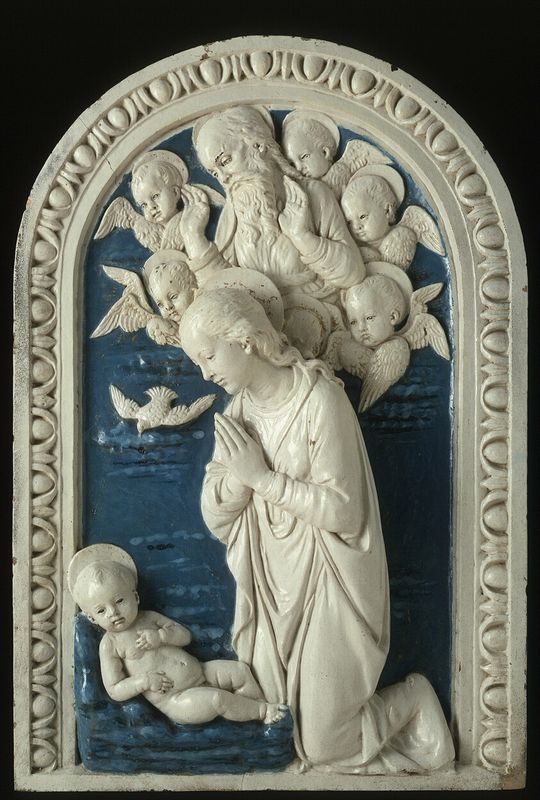
Adoration of the Christ Child
Workshop of Andrea della Robbia · 1479 · Art Institute of Chicago