01
Christ's slumped body
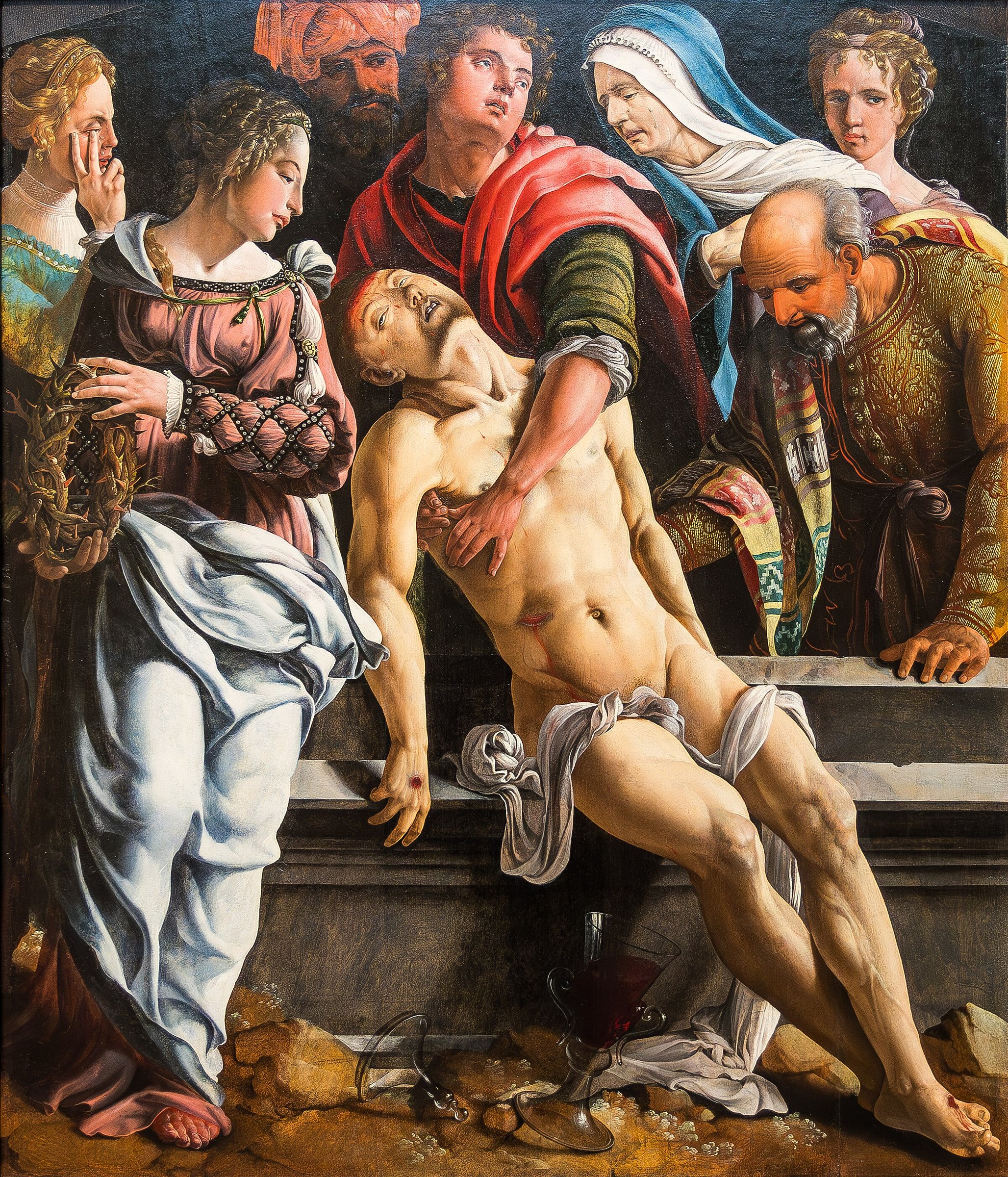
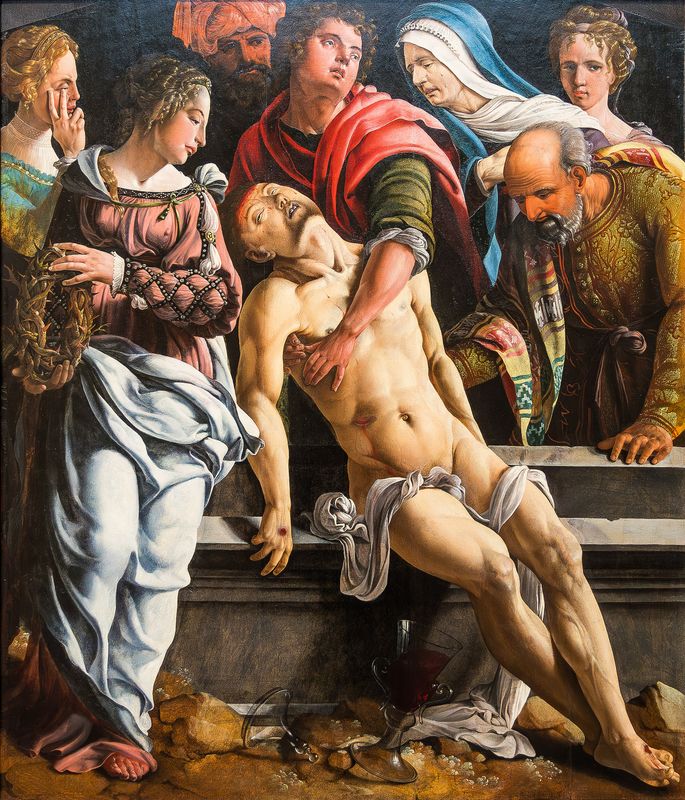
Look at the pale, limp body at the center, head thrown back and mouth open. The bright, smooth skin sets him apart from the darker figures and makes him the focus of the grief around him.
1 of 5 on the painting
“Stop to see this remarkably early and emotionally charged sculpture of the Lamentation, where the detailed carving and surviving gilt bring an intense human drama to life.”
In this powerful depiction of the Lamentation, Christ's body lies across the laps of his grieving mother Mary and Mary Magdalene, after his removal from the cross. The scene is rendered with a striking emotional intensity, evident in the contorted expressions of sorrow on the faces of the mourners. The figures are carved from walnut and painted, with traces of gilt still visible, particularly on the drapery, which would have shimmered in the candlelight of its original setting. The detailed carving of the fabric, with its deep folds and heavy textures, adds a tangible sense of weight and gravity to the somber moment. This artwork, created when the artist was only around six years old, presents a remarkably early and sophisticated example of religious art, emphasizing the raw human suffering inherent in the biblical narrative.
Five details hide in plain sight. Pick one and we’ll show you exactly where to look.
Look at the pale, limp body at the center, head thrown back and mouth open. The bright, smooth skin sets him apart from the darker figures and makes him the focus of the grief around him.
At far left, a woman holds the woven crown of thorns in her hands. The tangled, spiky ring recalls the suffering that has just ended.
Find the small red wound in the palm of the dangling hand at lower left, then the matching mark on the foot at lower right. Tiny touches of red quietly mark the wounds.
At the bottom, a glass goblet holding dark red liquid stands near a toppled glass. Their fragile, shiny surfaces contrast with the rough rocky ground beneath the tomb.
The bald man at right wears a heavy robe shimmering with gold pattern, beside a striped woven cloth. The painter delights in showing rich fabrics.
The full narration walks you through The Lamentation — the story behind it, the details most visitors miss, and why it matters. Free in the Art Whisper app.
Renaissance master who revolutionized printmaking across Europe before turning 30.
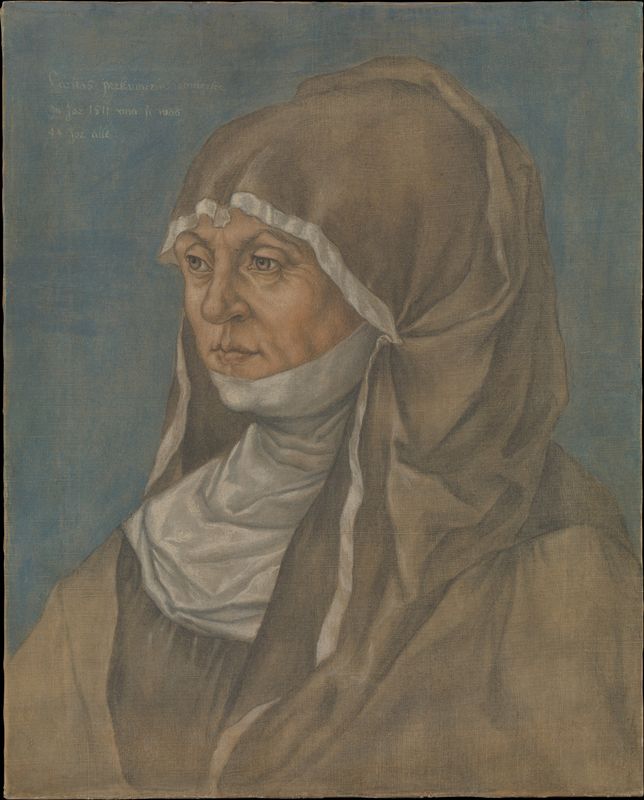 Portrait of a Woman, Said to Be Caritas Pirckheimer (1467–1532)
The Metropolitan Museum of Art
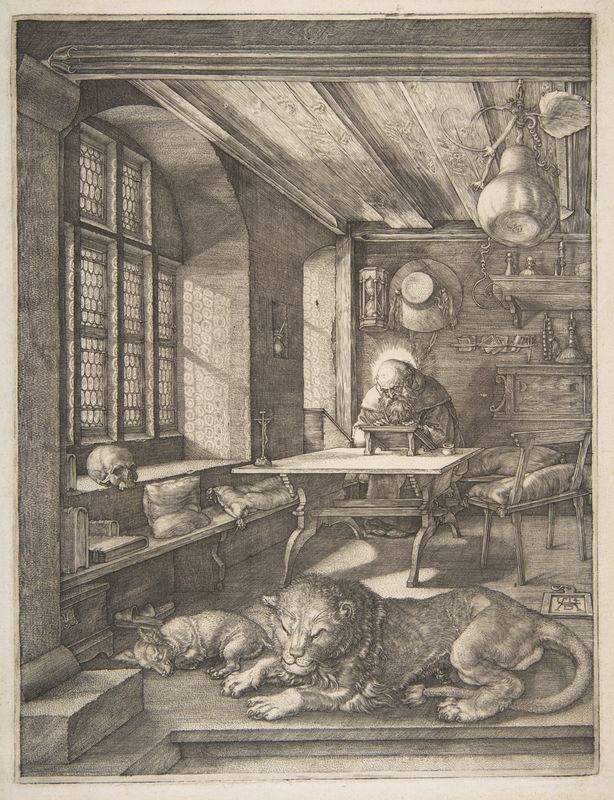 Saint Jerome in His Study
1521 · National Museum of Ancient Art
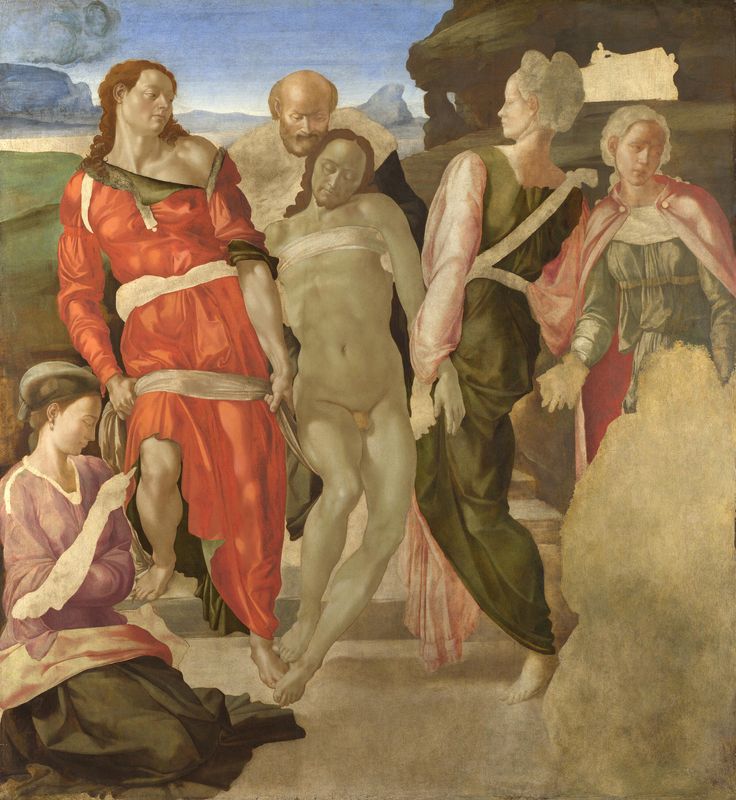 The Entombment
1485 · The Metropolitan Museum of Art
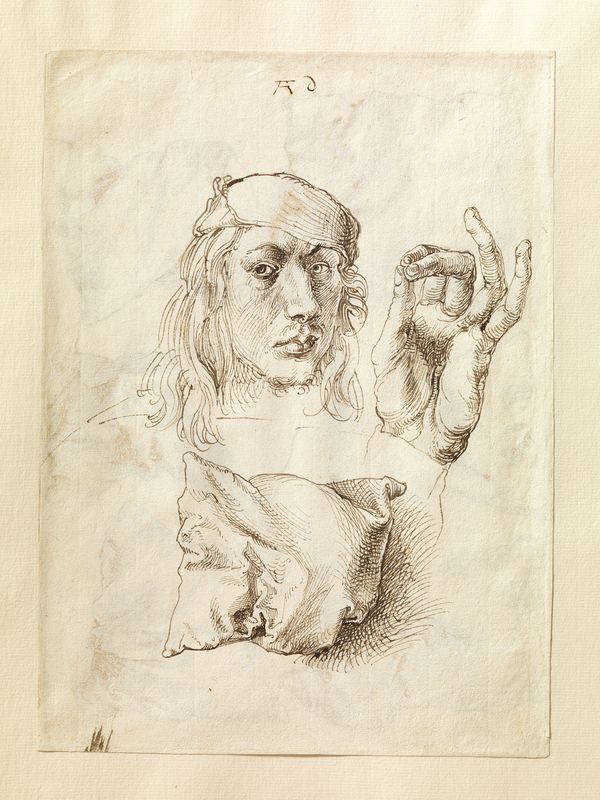 Self-portrait, Study of a Hand and a Pillow (recto); Six Studies of Pillows (verso)
1493 · The Metropolitan Museum of Art
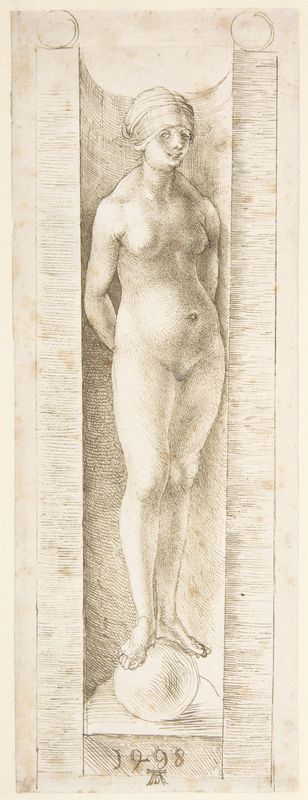 Fortuna in a Niche
1498 · The Metropolitan Museum of Art
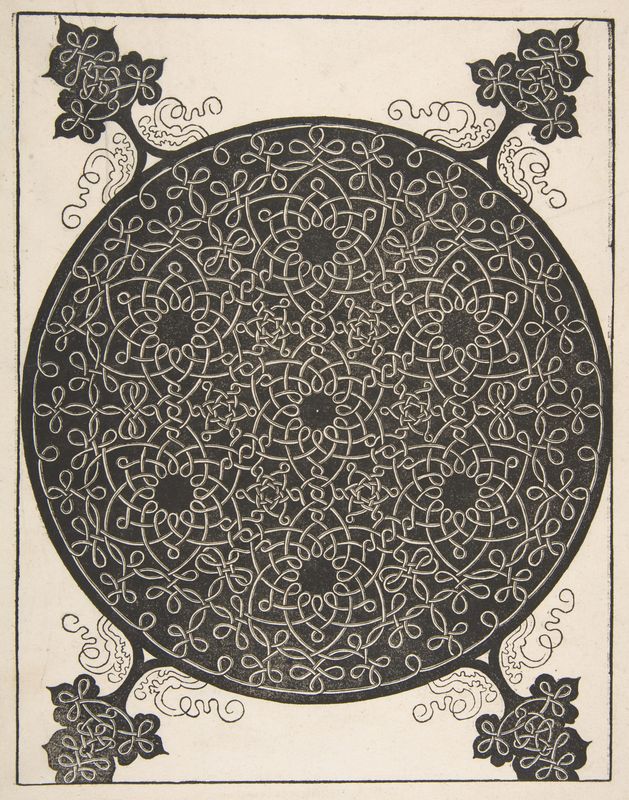 Embroidery Pattern with Seven Six-pointed Stars and Four Corner Pieces
1500 · The Metropolitan Museum of Art
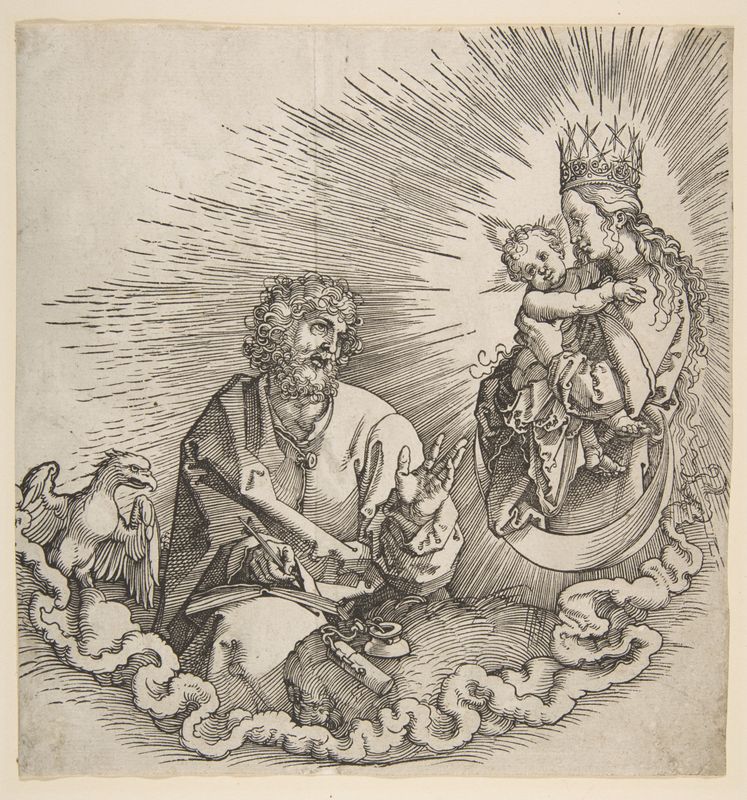 The Virgin Appearing to Saint John, Frontispiece to the Apocalypse
1511 · The Metropolitan Museum of Art
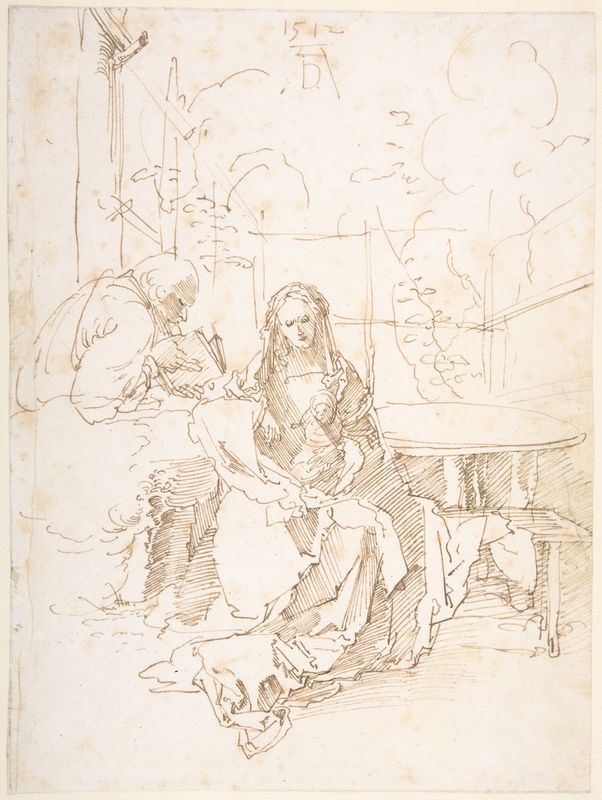 The Holy Family in an Enclosed Garden
1512 · The Metropolitan Museum of Art
Beyond Dürer and Northern Renaissance: works from the same years.
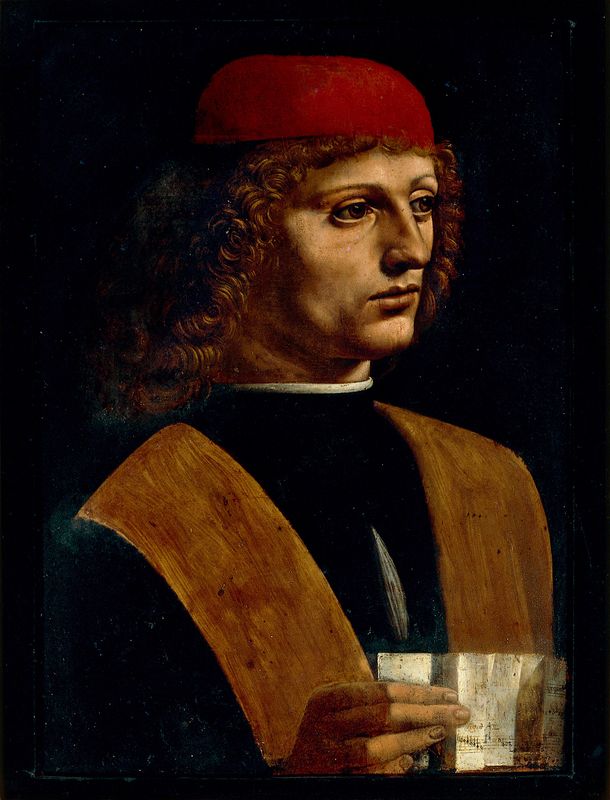 Same era · 1460s–1490s
Portrait of a Musician
Leonardo da Vinci · 1485 · Pinacoteca Ambrosiana
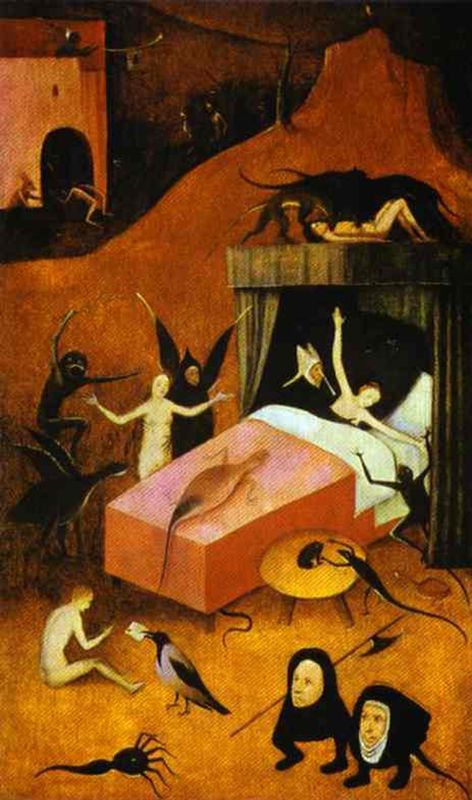 Same era · 1460s–1490s
Death of the Reprobate
Hieronymus Bosch · 1490
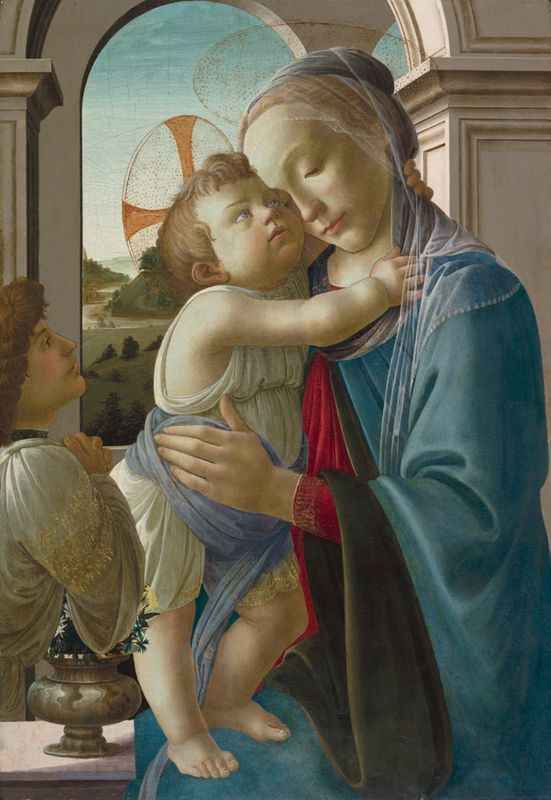 Same era · 1460s–1490s
Virgin and Child with an Angel
Sandro Botticelli · 1470 · Isabella Stewart Gardner Museum
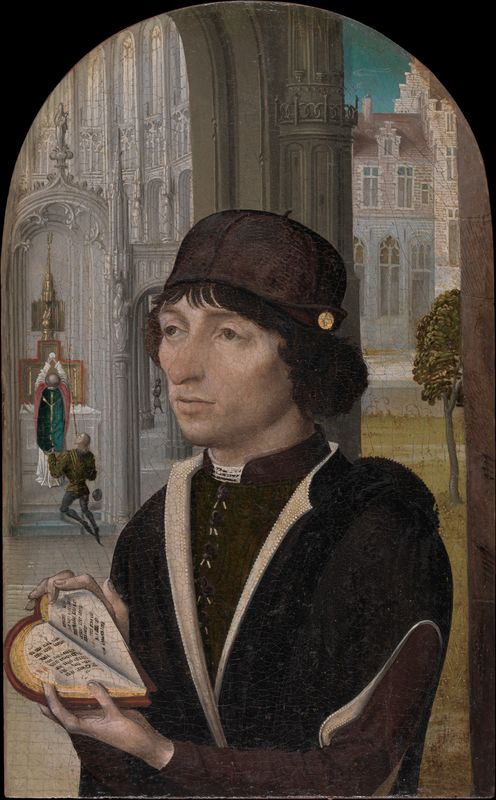 Same era · 1460s–1490s
Young Man Holding a Book
Master of the View of Saint Gudula · 1475 · The Metropolitan Museum of Art
 Same era · 1460s–1490s
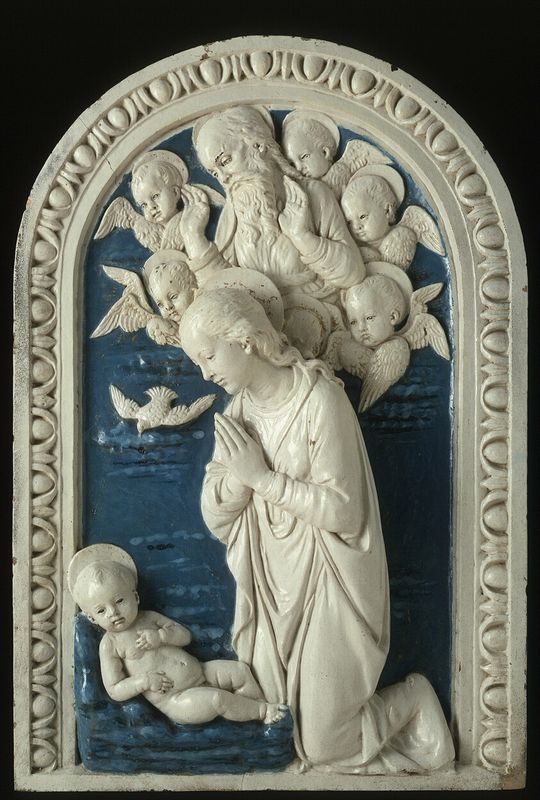
Adoration of the Christ Child
Workshop of Andrea della Robbia · 1479 · Art Institute of Chicago
 Same era · 1460s–1490s
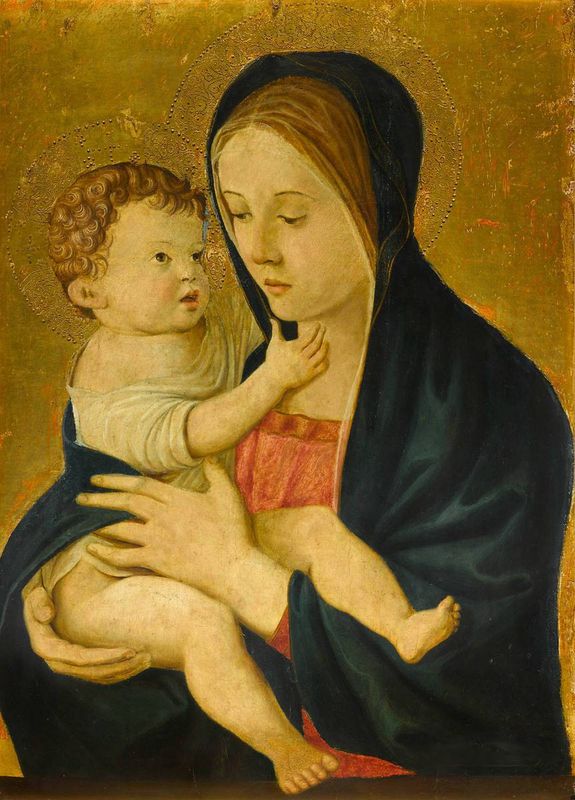
Madonna and Child
Giovanni Bellini · 1470 · Musée Fesch