01
The dead Christ
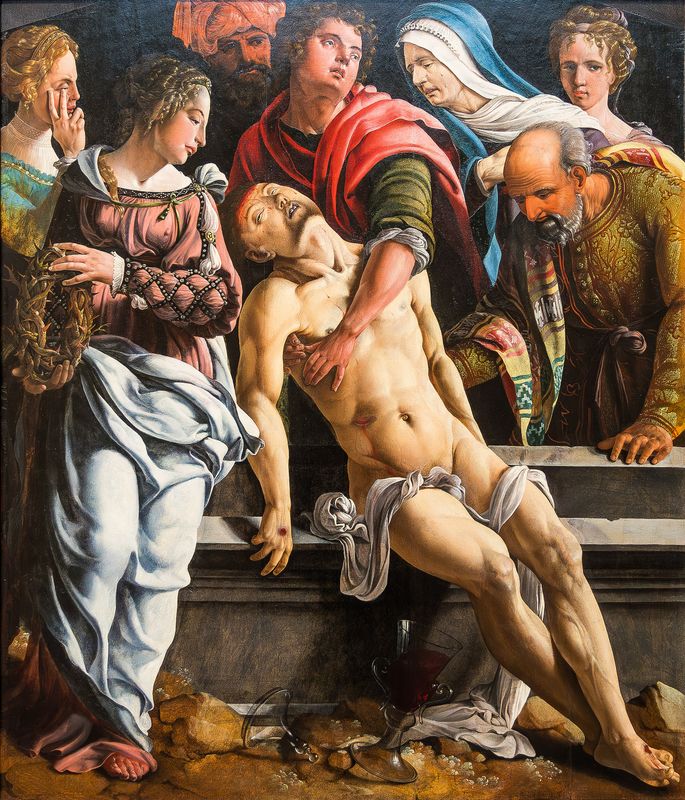
Look at the pale, limp body at the center. The head drops forward and the legs hang, so you feel the full weight being carried.
1 of 5 on the painting
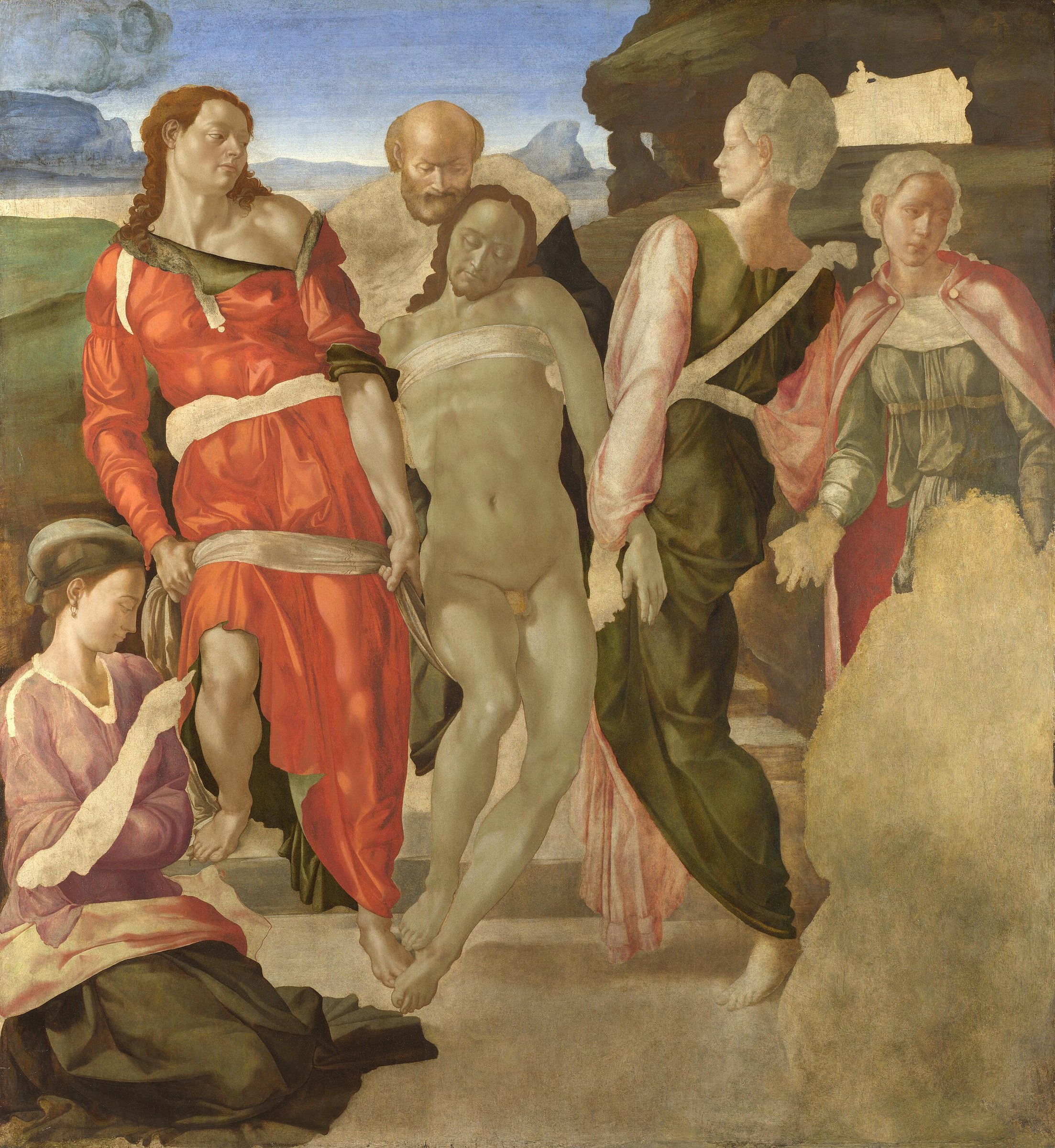
“Stop to observe the raw emotion and dramatic contrasts in this early woodcut. It vividly portrays the moment Christ's body is laid to rest, inviting you to share in the sorrow of the scene.”
This woodcut, "The Entombment," captures a moment of profound grief and solemnity. We see the body of Christ being lowered into a stone sarcophagus, surrounded by a cluster of figures whose faces are etched with sorrow. The artist has used the stark contrasts inherent in the woodcut medium to create deep shadows and bright highlights, emphasizing the dramatic weight of the scene. Notice how the composition draws your eye down to the central action, with the figures forming a semi-circle around the tomb. The rough texture of the woodcut lines gives the drapery and the landscape a tactile quality, enhancing the emotional intensity of this pivotal biblical event. Produced early in the German Renaissance, this print reflects a period when artists were increasingly focused on conveying human emotion and narrative through powerful visual storytelling.
Five details hide in plain sight. Pick one and we’ll show you exactly where to look.
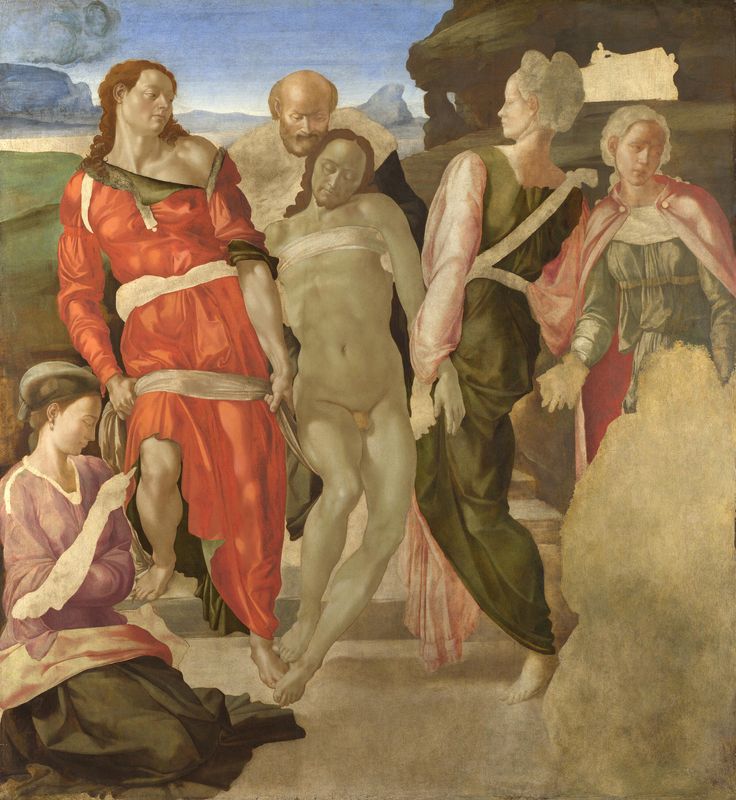
Look at the pale, limp body at the center. The head drops forward and the legs hang, so you feel the full weight being carried.
The young figure in bright orange-red on the left is the strongest color in the picture. He grips the sheet under the body and takes much of the load.
Behind Christ, a bald, bearded older man leans in close to the head and shoulders. His lined face and lowered gaze add a quiet, human grief.
The toes of the body barely touch the ground, and a sheet slings below the hips. The eye is drawn down to this point where weight and support meet.
On the right, a rough patch of bare yellow-brown ground sits where the final paint layers seem never to have been added. It suggests the picture was left unfinished.
The full narration walks you through The Entombment — the story behind it, the details most visitors miss, and why it matters. Free in the Art Whisper app.
Renaissance master who revolutionized printmaking across Europe before turning 30.
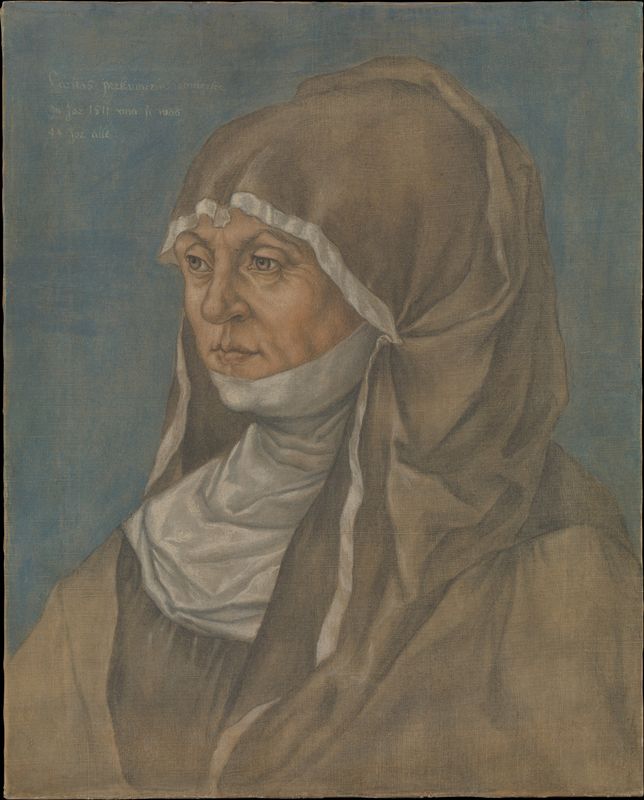 Portrait of a Woman, Said to Be Caritas Pirckheimer (1467–1532)
The Metropolitan Museum of Art
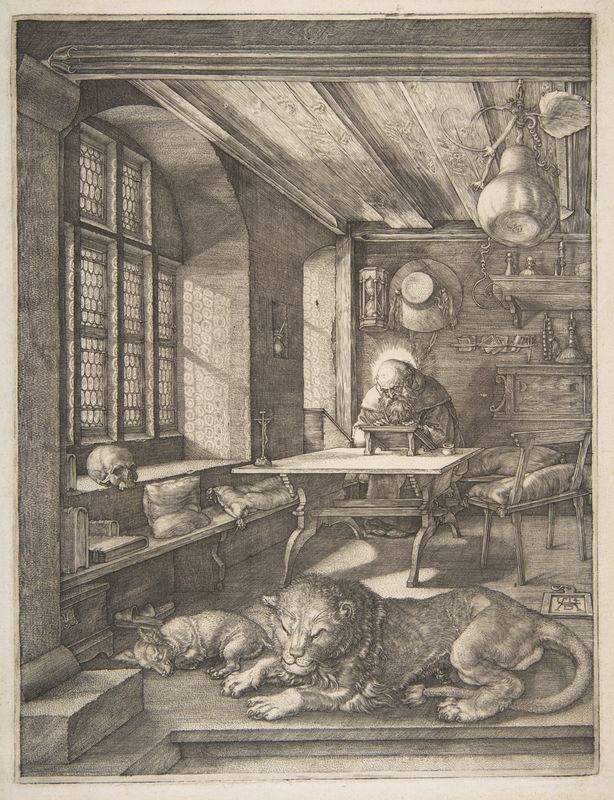 Saint Jerome in His Study
1521 · National Museum of Ancient Art
 The Lamentation
1477 · The Metropolitan Museum of Art
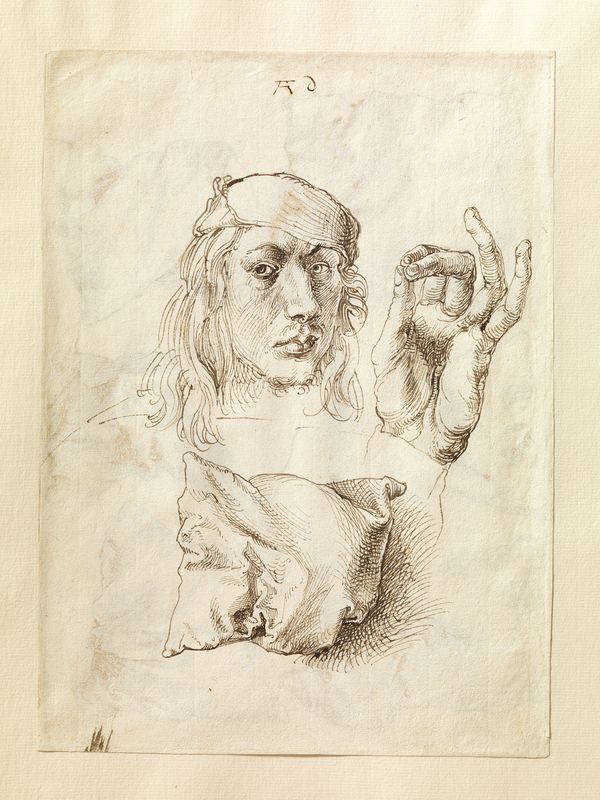 Self-portrait, Study of a Hand and a Pillow (recto); Six Studies of Pillows (verso)
1493 · The Metropolitan Museum of Art
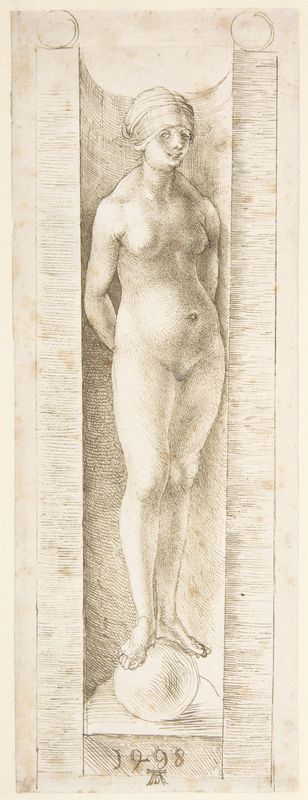 Fortuna in a Niche
1498 · The Metropolitan Museum of Art
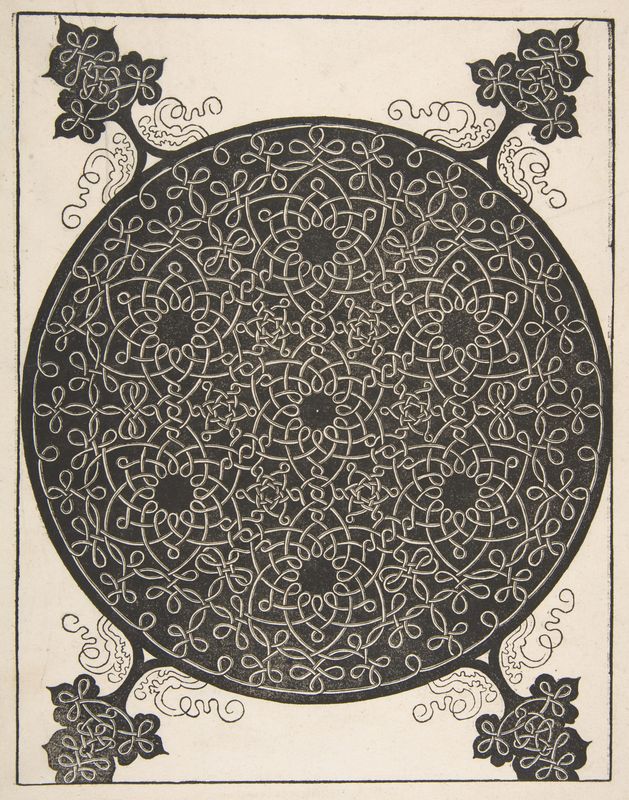 Embroidery Pattern with Seven Six-pointed Stars and Four Corner Pieces
1500 · The Metropolitan Museum of Art
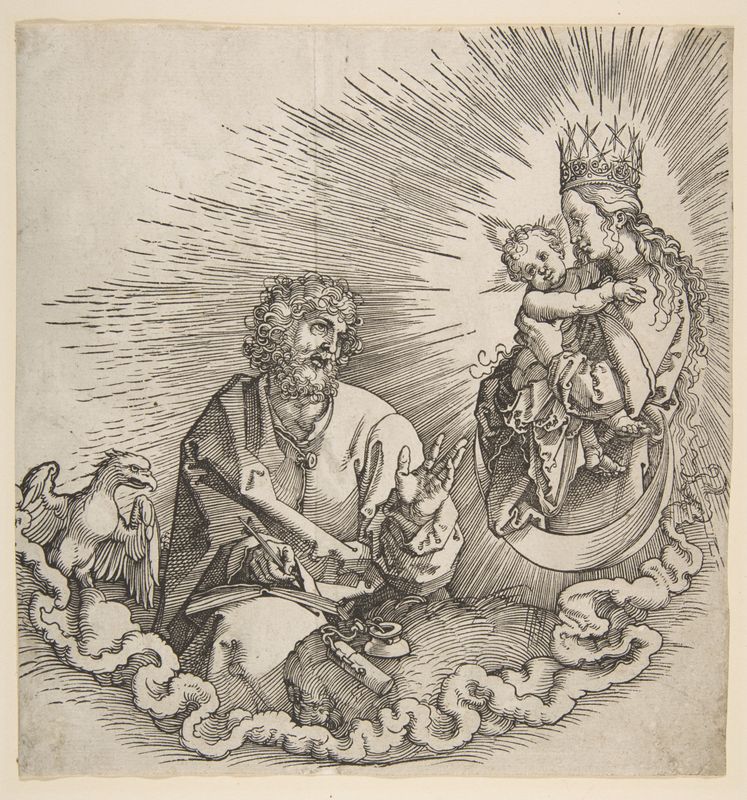 The Virgin Appearing to Saint John, Frontispiece to the Apocalypse
1511 · The Metropolitan Museum of Art
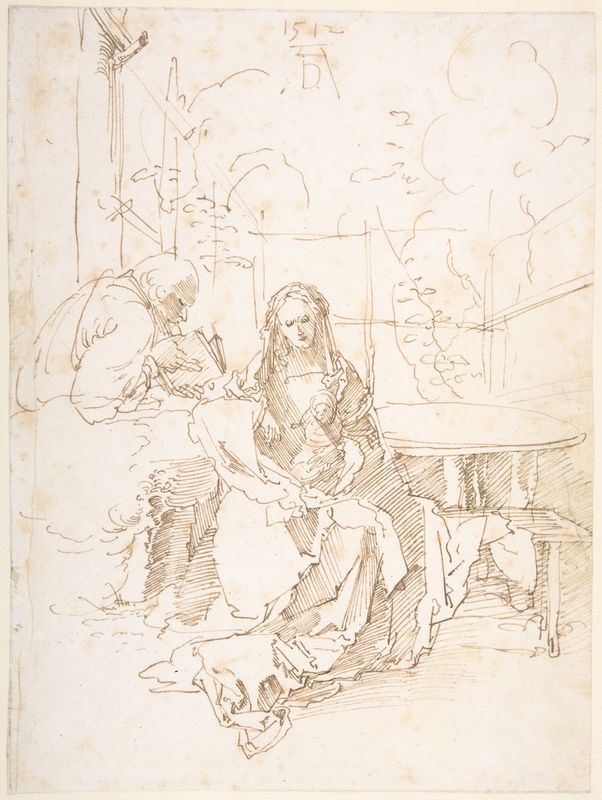 The Holy Family in an Enclosed Garden
1512 · The Metropolitan Museum of Art
Beyond Dürer and Northern Renaissance: works from the same years.
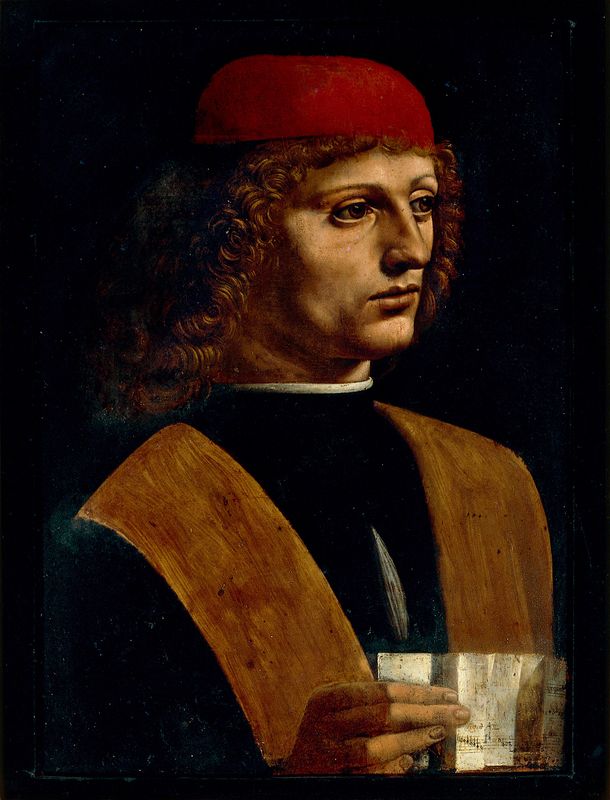 Same era · 1470s–1500s
Portrait of a Musician
Leonardo da Vinci · 1485 · Pinacoteca Ambrosiana
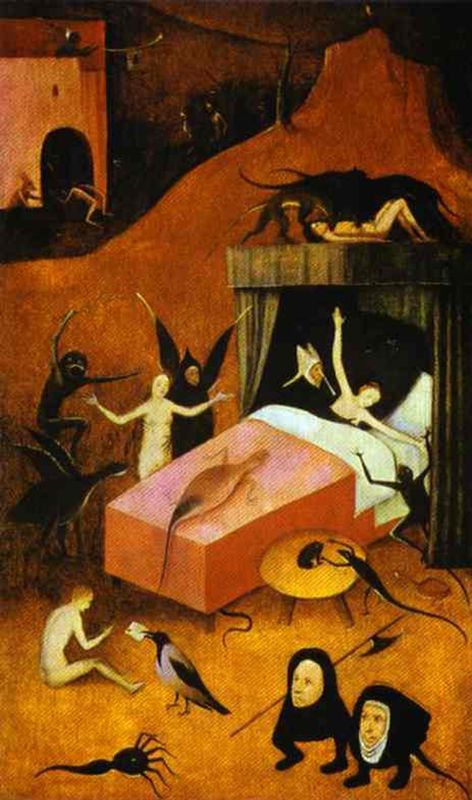 Same era · 1470s–1500s
Death of the Reprobate
Hieronymus Bosch · 1490
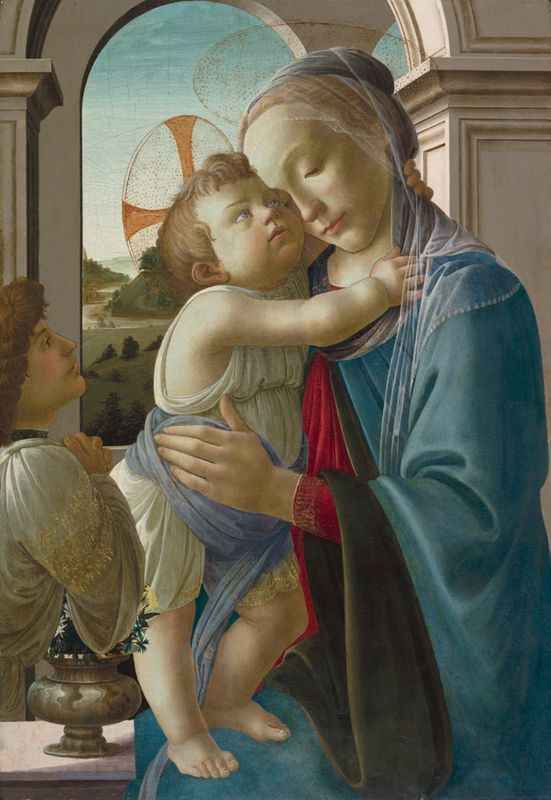 Same era · 1470s–1500s
Virgin and Child with an Angel
Sandro Botticelli · 1470 · Isabella Stewart Gardner Museum
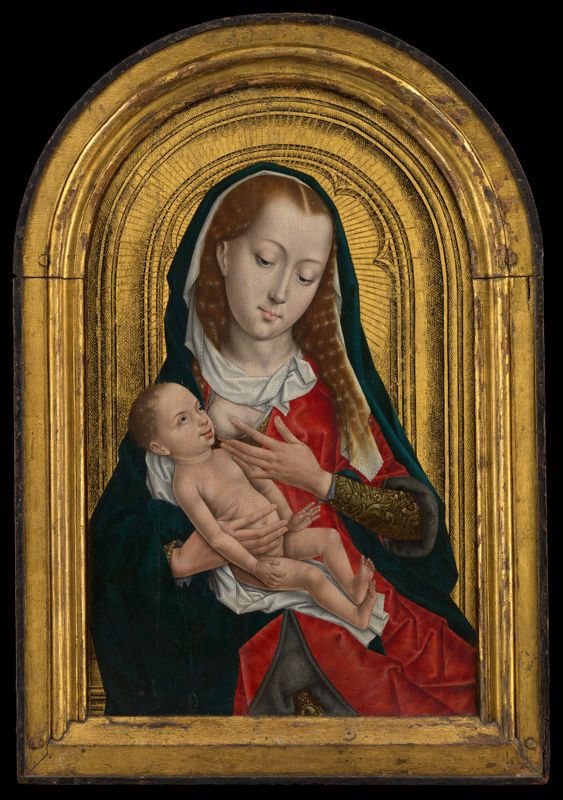 Same era · 1470s–1500s
Virgin and Child
Master of the View of Saint Gudula · 1480 · The Metropolitan Museum of Art
 Same era · 1470s–1500s
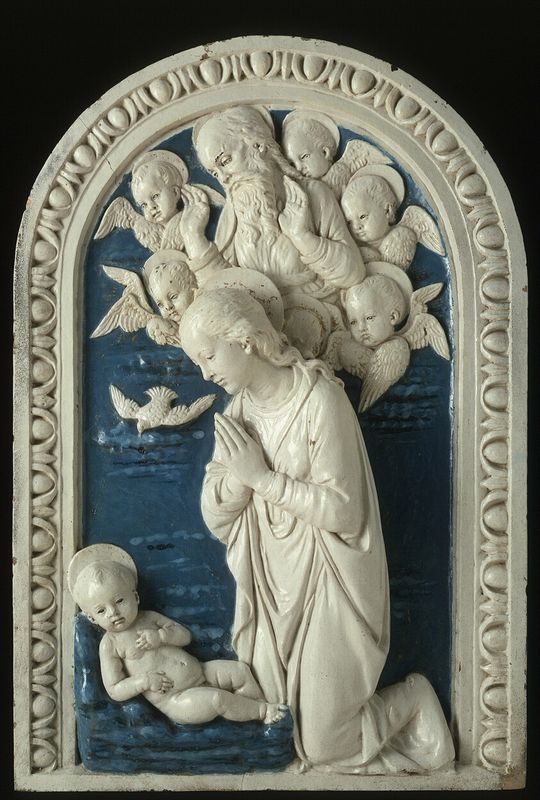
Adoration of the Christ Child
Workshop of Andrea della Robbia · 1479 · Art Institute of Chicago
 Same era · 1470s–1500s
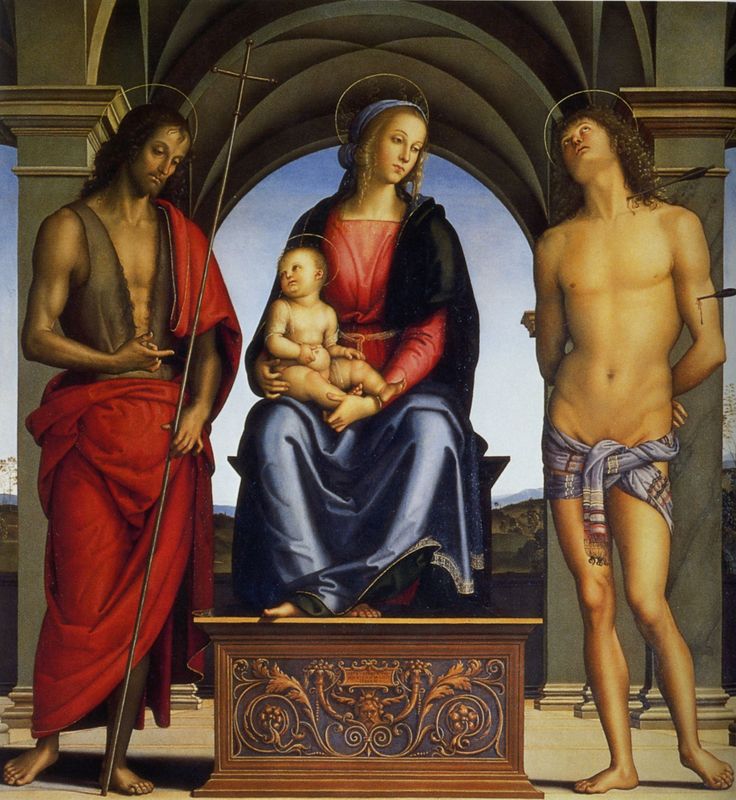
Madonna and Child Enthroned with Saints John the Baptist and Sebastian
Pietro Perugino · 1493 · Uffizi Gallery
 Same era · 1470s–1500s
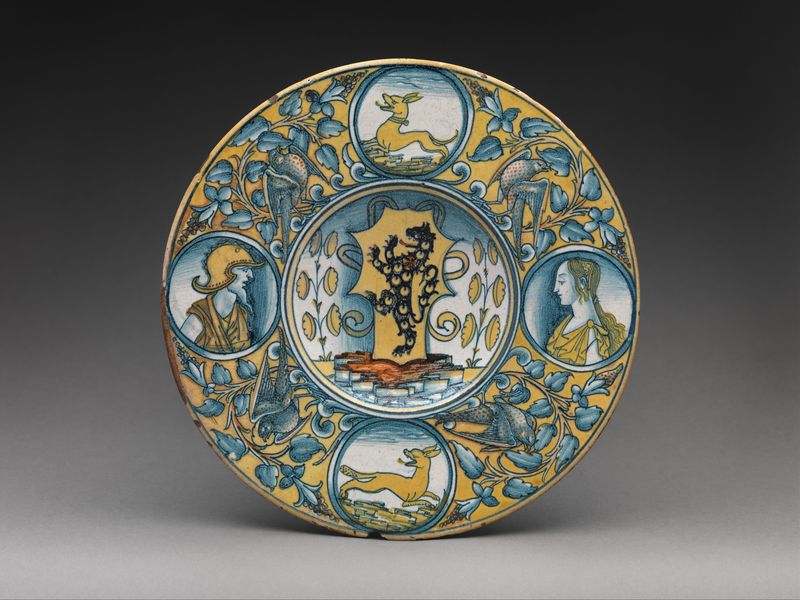
Plate with arms of the Tosinghi family
Artist Unknown - The Mercat Cross, Aberdeen · 1495 · The Metropolitan Museum of Art
 Same era · 1470s–1500s
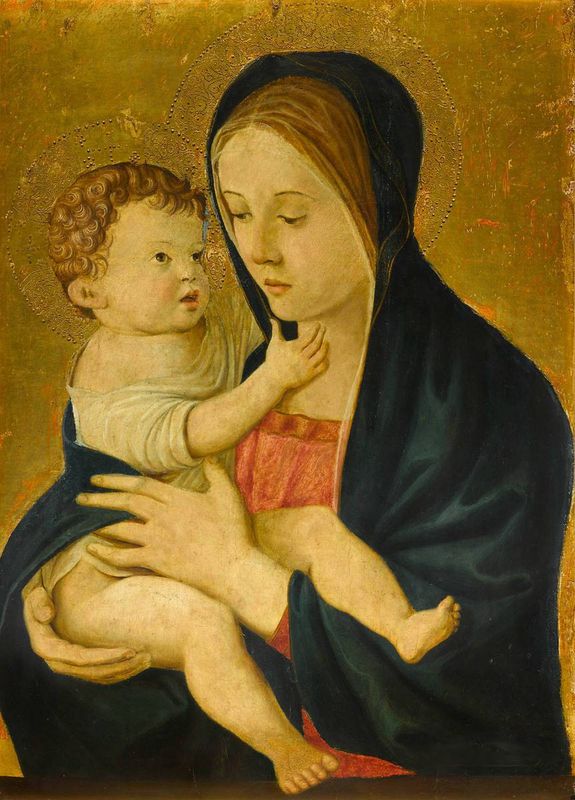
Madonna and Child
Giovanni Bellini · 1470 · Musée Fesch