01
The wary gaze
Look at the small round spectacles and the steady, slightly heavy-lidded eyes. The direct gaze and careful modeling around the eyes make the sitter feel present and alert.
1 of 5 on the painting
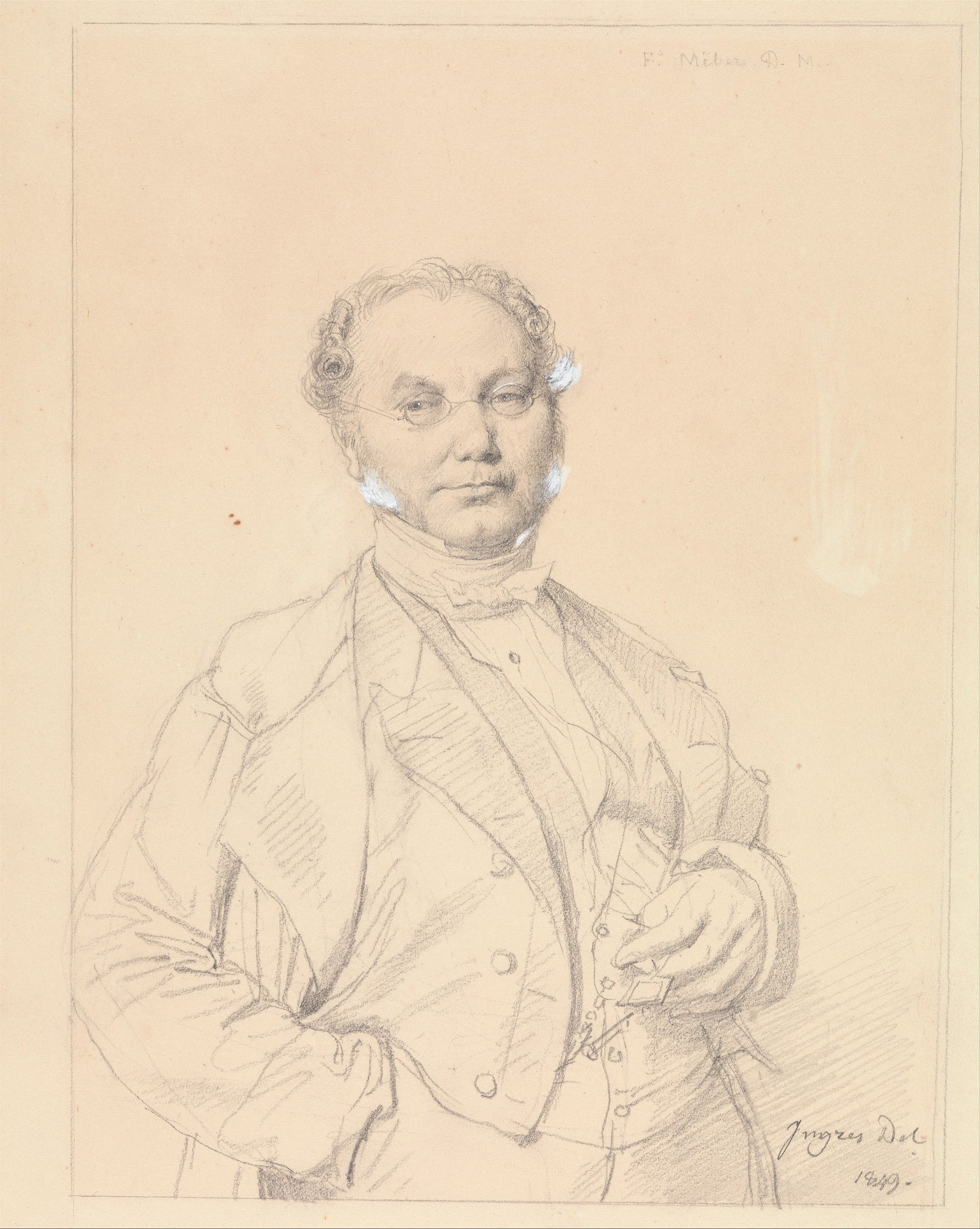
“Stop and observe the incredible detail in this graphite portrait of Dr. François Mêlier. The artist's precise hand brings the sitter to life, capturing both his likeness and his thoughtful presence with remarkable skill.”
In this meticulous graphite portrait, Dr. François Mêlier, a prominent hygienist and member of the French Academy of Medicine, is captured with an air of quiet authority. His gaze is direct, yet softened by the delicate rendering of his features. The artist, known for his masterful draftsmanship, here showcases a remarkable ability to convey both the physical likeness and the intellectual presence of his sitter using only the subtle gradations of graphite. Mêlier's posture, slightly turned but with his head facing forward, creates a sense of engagement with the viewer. The precision in the drawing of his waistcoat, shirt collar, and the slight rumple of his jacket suggests a keen observation of texture and form. This drawing, created in 1849, reflects the high regard for detailed realism characteristic of the period, while also hinting at the sitter's inner life through the thoughtful expression.
Five details hide in plain sight. Pick one and we’ll show you exactly where to look.
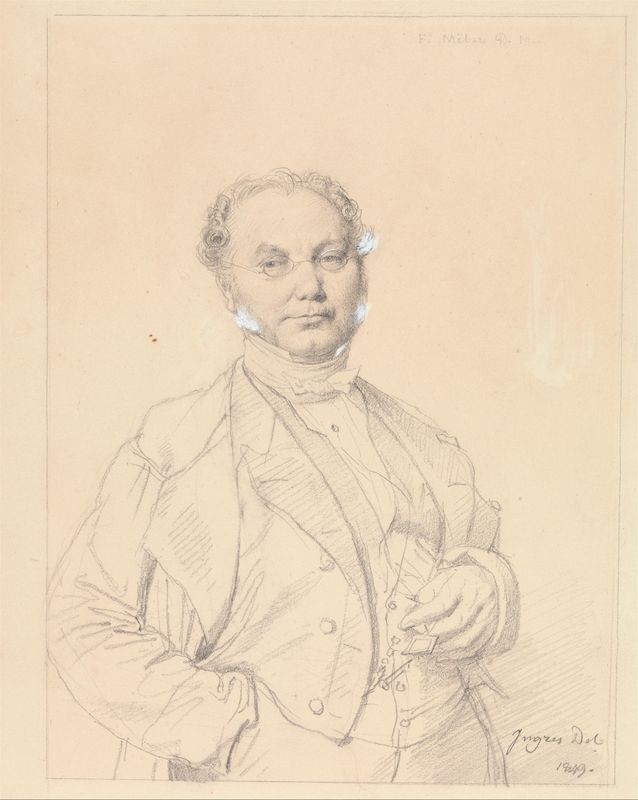
Look at the small round spectacles and the steady, slightly heavy-lidded eyes. The direct gaze and careful modeling around the eyes make the sitter feel present and alert.
Find the bright white patches at the sideburns and the edge of the hair. White was added to correct and lift these spots against the buff paper.
The curls at the sitter's temples are drawn with tight, looping pencil lines. Their small, busy detail contrasts with the smooth, open forehead beside them.
The sitter's hand, at the right of the image, holds a small object between the fingers near the waistcoat buttons. The drawing does not make clear what it is, so it stays a quiet, open detail.
At the lower right, Ingres signed and dated the drawing in flowing script, with 1849 beneath his name. Faint lettering near the top edge appears to be an inscription, likely related to the sitter.
The full narration walks you through Dr. François Mêlier — the story behind it, the details most visitors miss, and why it matters. Free in the Art Whisper app.
Jean-Auguste-Dominique Ingres, a French Neoclassical painter, masterfully blended academic tradition with expressive distortions, influencing modernists like Matisse and Picasso.
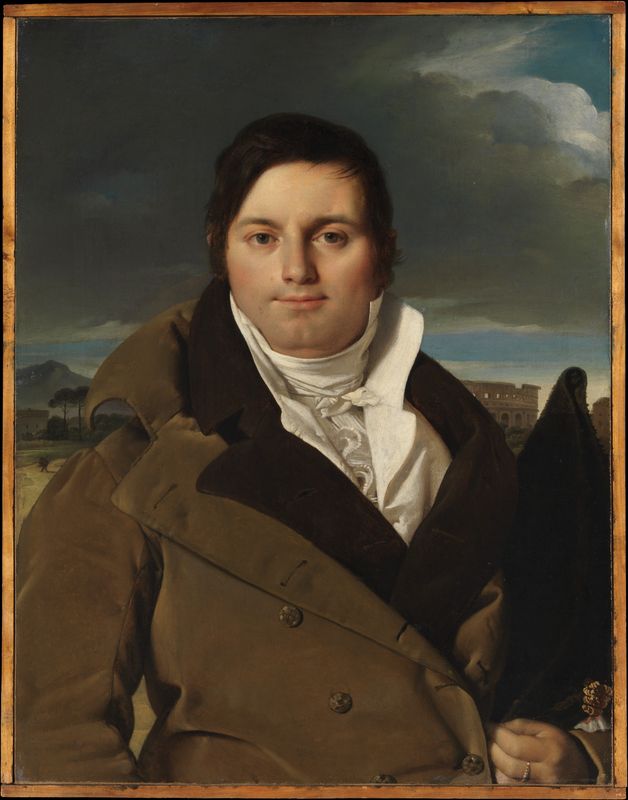 Joseph-Antoine Moltedo (born 1775)
1805 · The Metropolitan Museum of Art
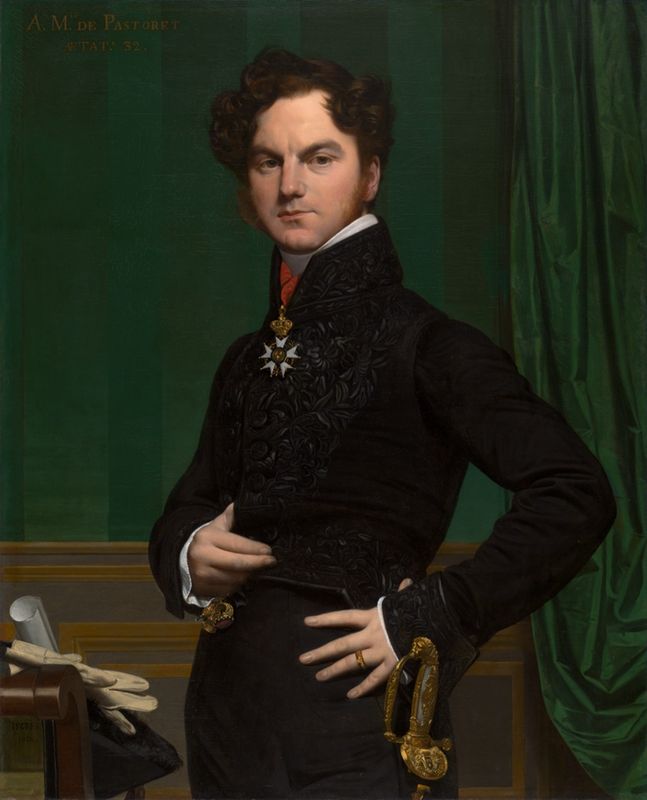 Amédée-David, the Comte de Pastoret
1823 · Art Institute of Chicago
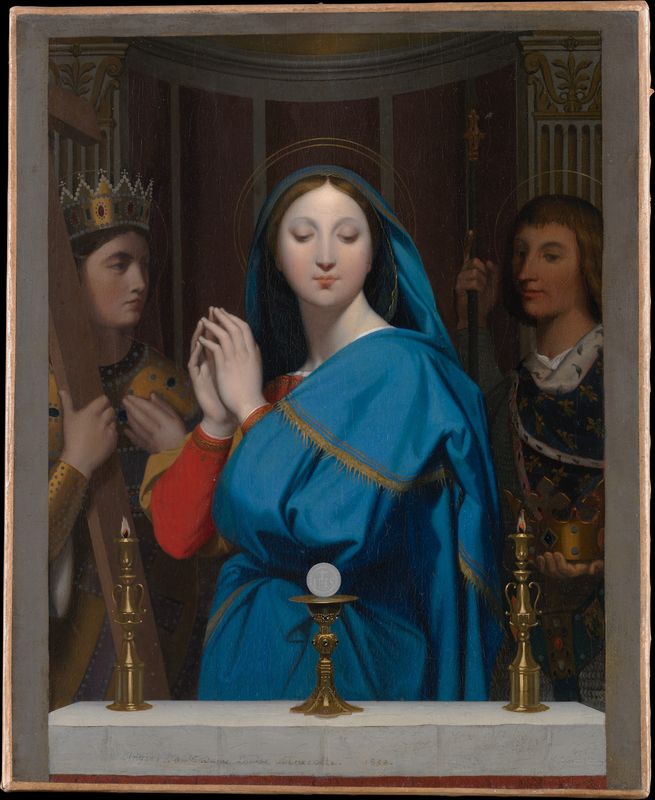 The Virgin Adoring the Host
1841 · Pushkin Museum of Fine Arts
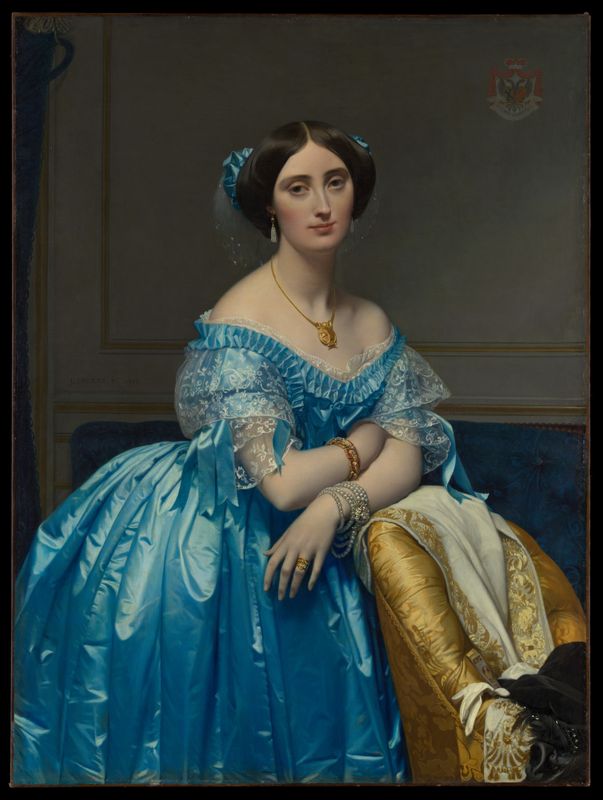 Joséphine-Éléonore-Marie-Pauline de Galard de Brassac de Béarn (1825–1860), Princesse de Broglie
1853 · Metropolitan Museum of Art
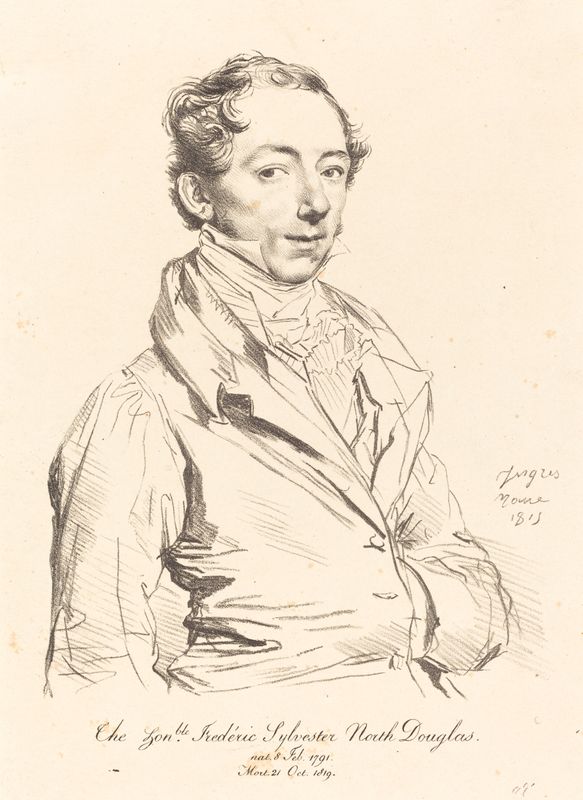 Frederic Sylvester Douglas
1815 · Art Institute of Chicago
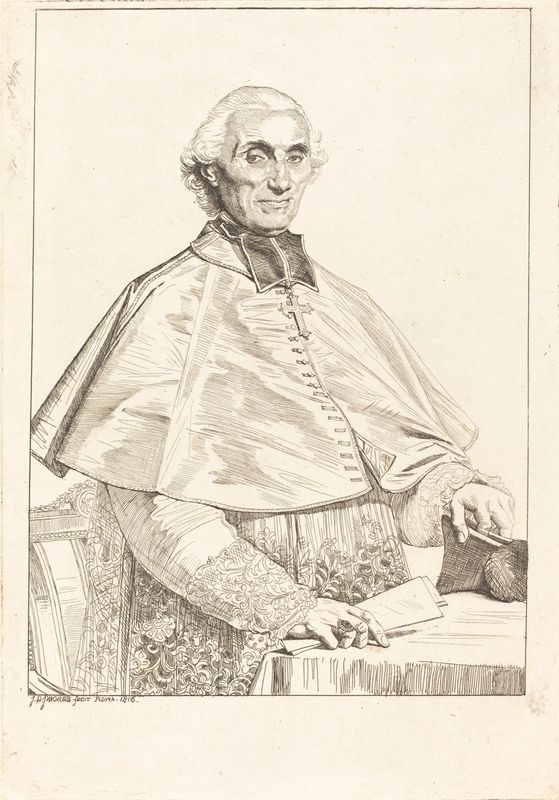 Gabriel Cortois de Pressigny
1816 · Art Institute of Chicago
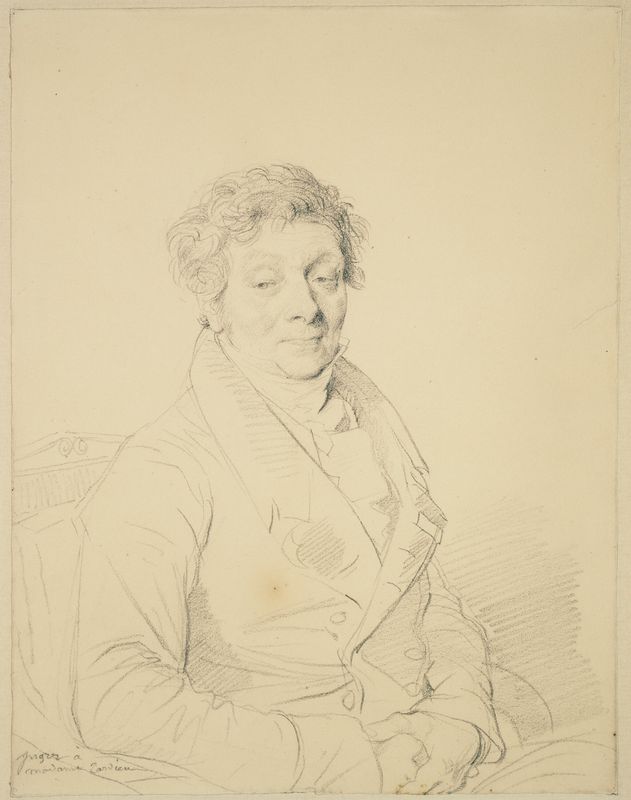 Pierre Alexandre Tardieu
1825 · Art Institute of Chicago
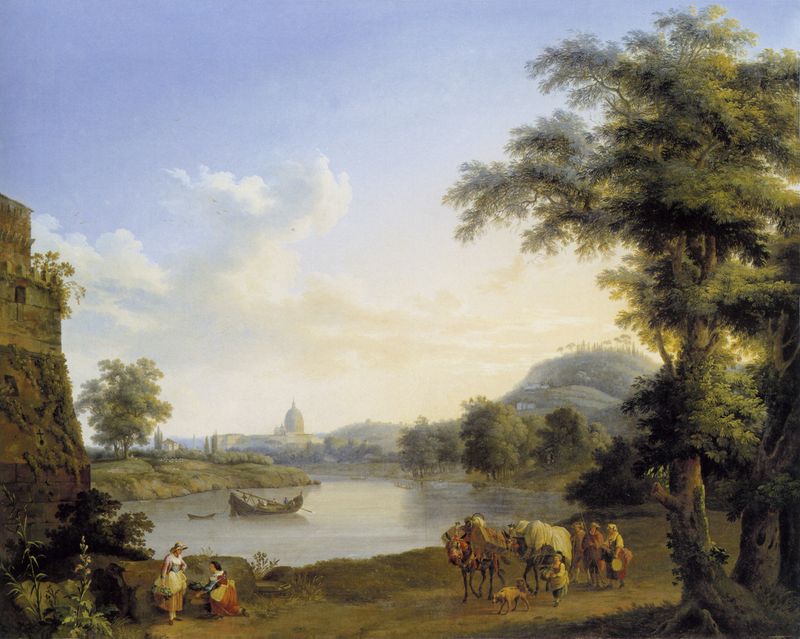 View of Saint Peter's in Rome
Art Institute of Chicago
Beyond Ingres and Romanticism: works from the same years, and from the other movements Dr. François Mêlier belongs to.
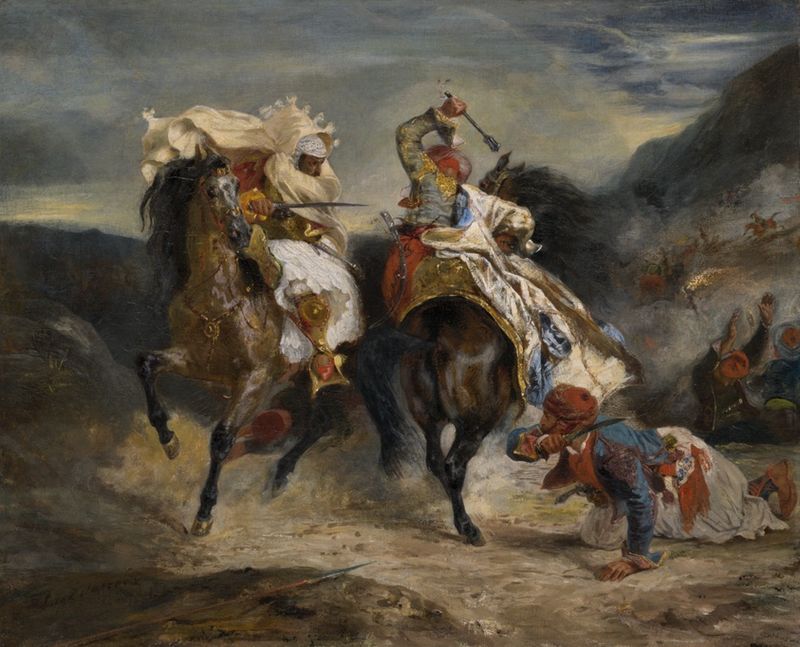 Same movement · Academic art
The Combat of the Giaour and Hassan
Eugène Delacroix · 1826 · Art Institute of Chicago
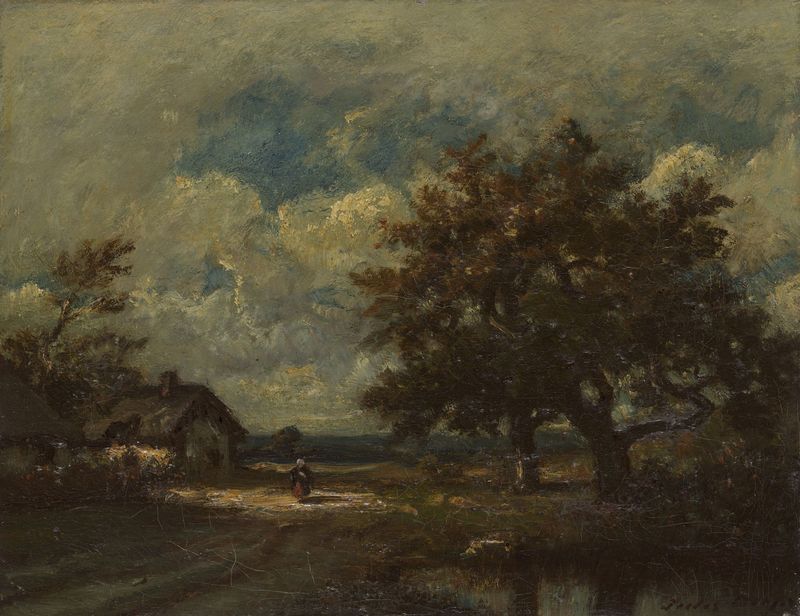 Same era · 1830s–1860s
The Cottage by the Roadside, Stormy Sky
Léon-Victor Dupré · 1855 · Art Institute of Chicago
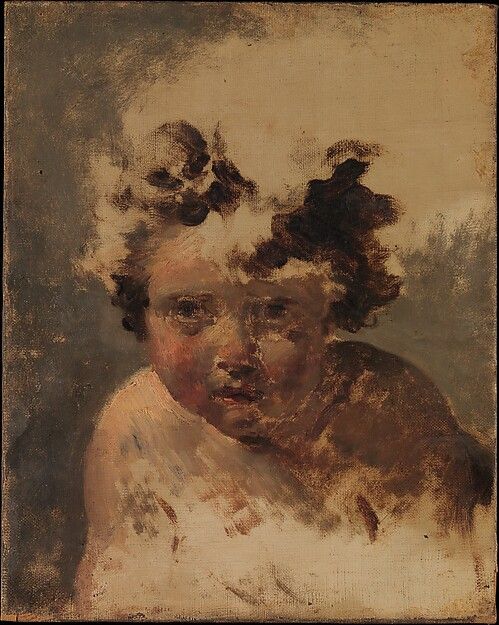 Same movement · Neoclassicism
Head of a Child
Jacques-Louis David · 1768 · The Metropolitan Museum of Art
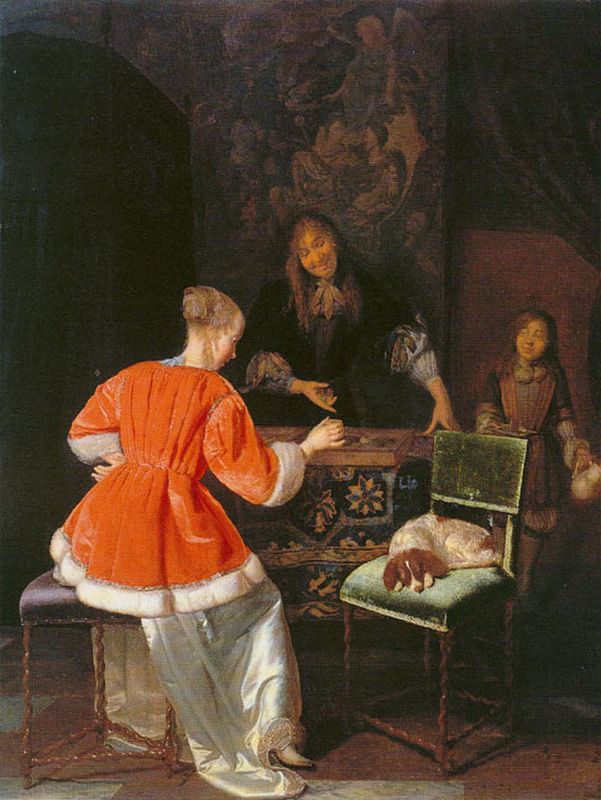 Same era · 1830s–1860s
The Backgammon Players
Philip Webb · 1861 · The Metropolitan Museum of Art
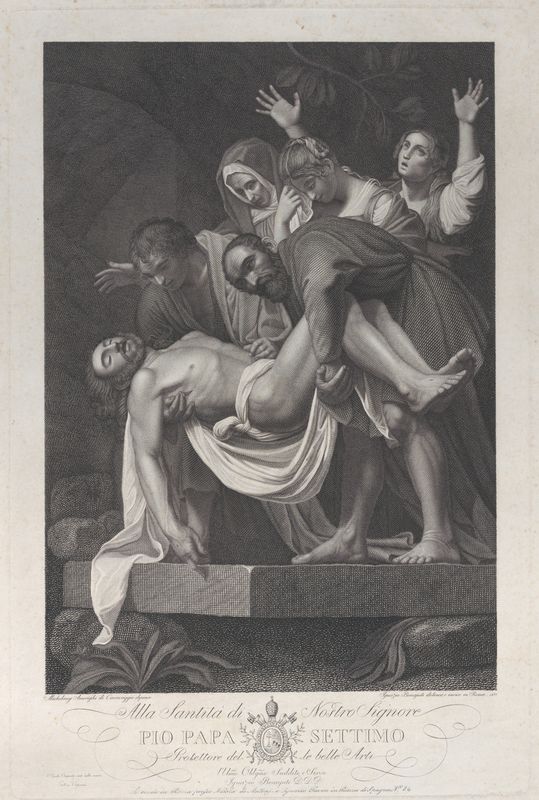 Same movement · Academic art
The Entombment of Christ
Caravaggio · 1600 · Pinacoteca Vaticana
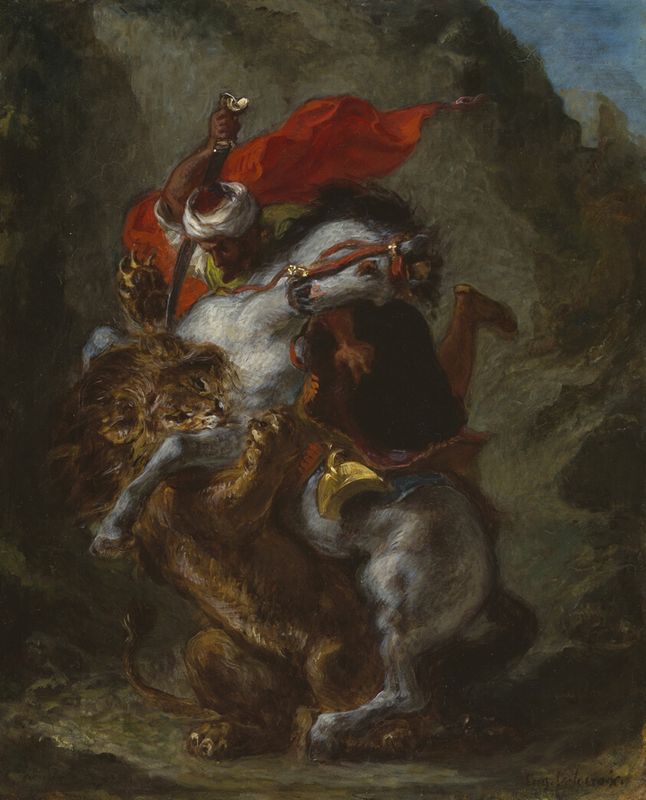 Same era · 1830s–1860s
Arab Horseman Attacked by a Lion
Eugène Delacroix · 1849 · Art Institute of Chicago
 Same movement · Academic art
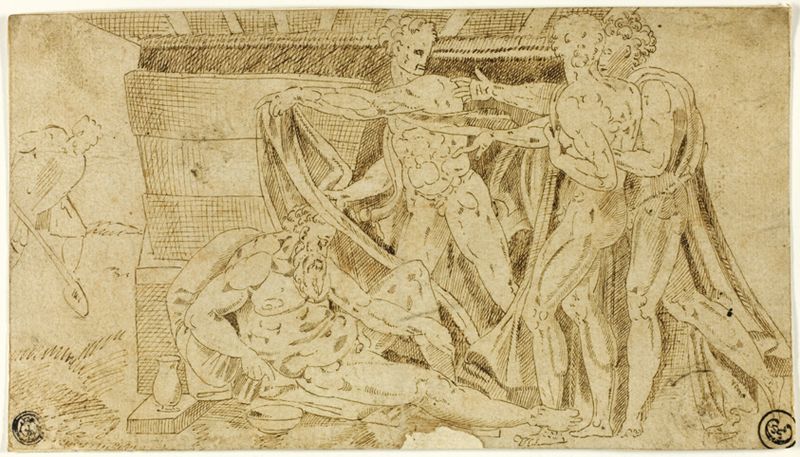
Drunkenness of Noah
Michelangelo · 1509 · Sistine Chapel
 Same era · 1830s–1860s
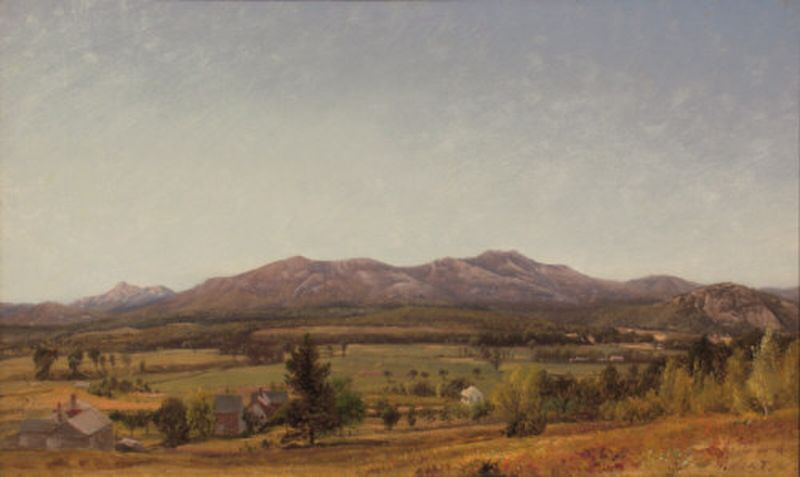
Mount Chocorua and Moat Mountain from North Conway
William Hart · 1850
 Same movement · Academic art
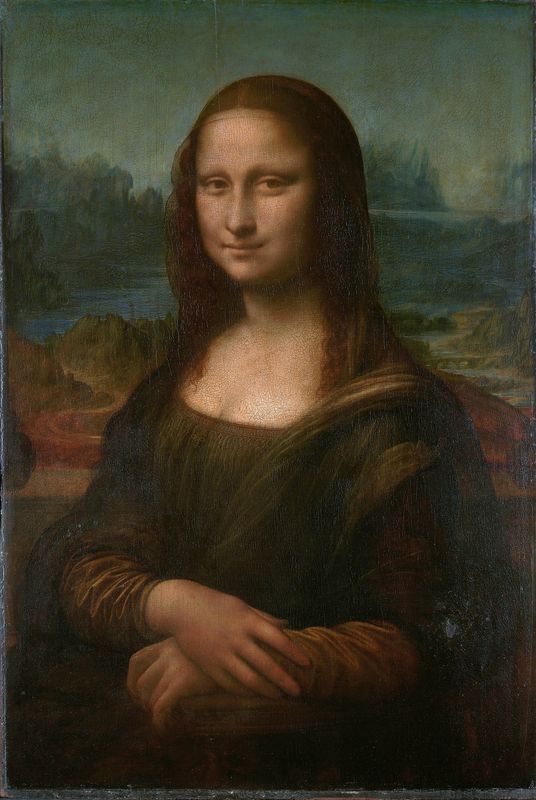
Mona Lisa
Leonardo da Vinci · 1503 · Department of Paintings of the Louvre
 Same era · 1830s–1860s
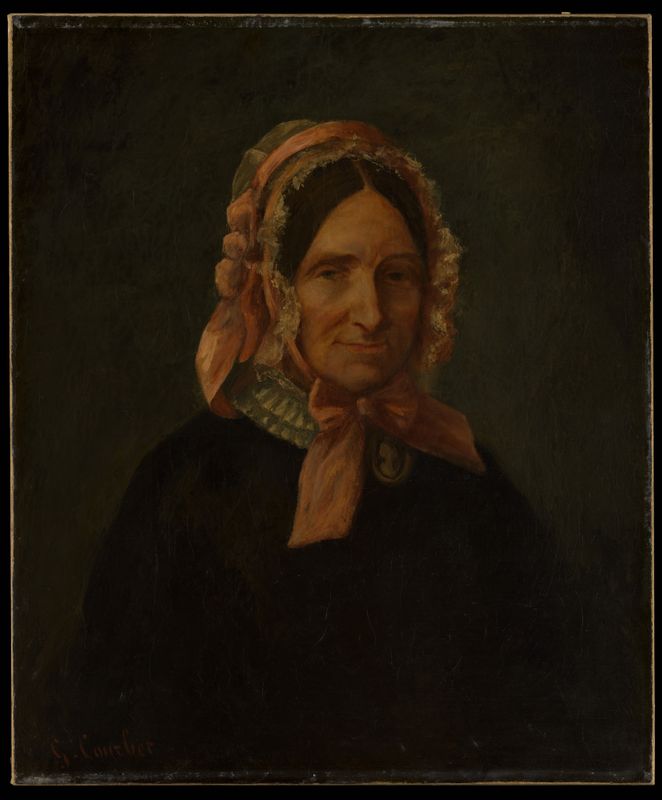
Portrait of a Woman, Called Héloïse Abélard
Gustave Courbet · 1850 · The Metropolitan Museum of Art
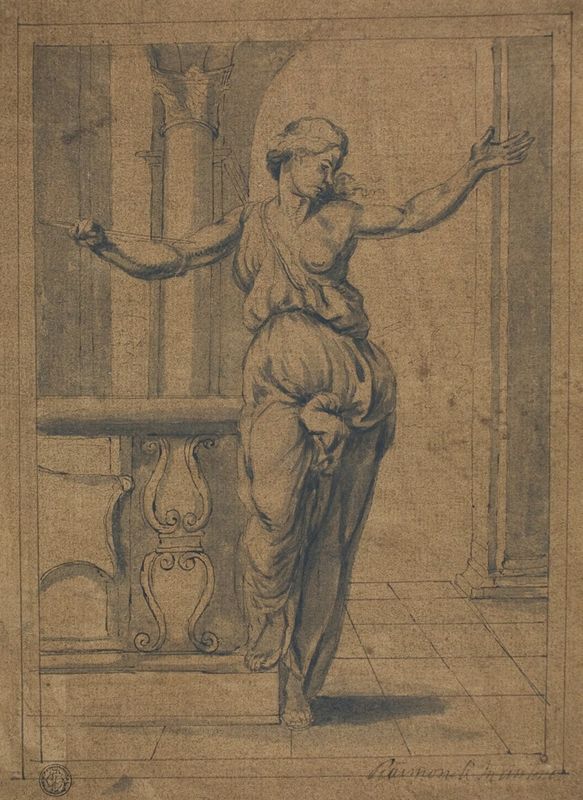 Same movement · Academic art
Lucretia
Raphael · Metropolitan Museum of Art
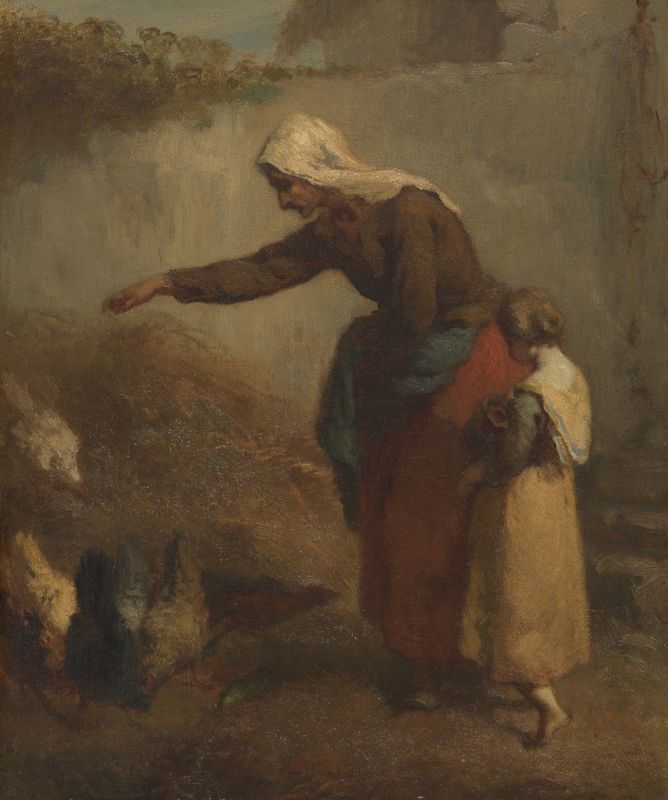 Same era · 1830s–1860s
Woman Feeding Chickens
Jean-François Millet · 1850 · Art Institute of Chicago
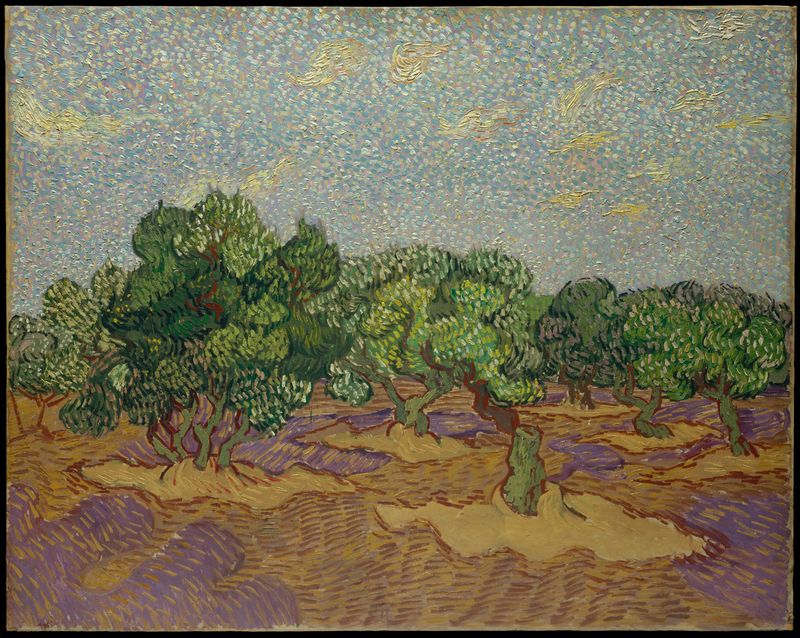 Same era · 1830s–1860s
Olive Trees
Vincent van Gogh · 1853 · The Metropolitan Museum of Art
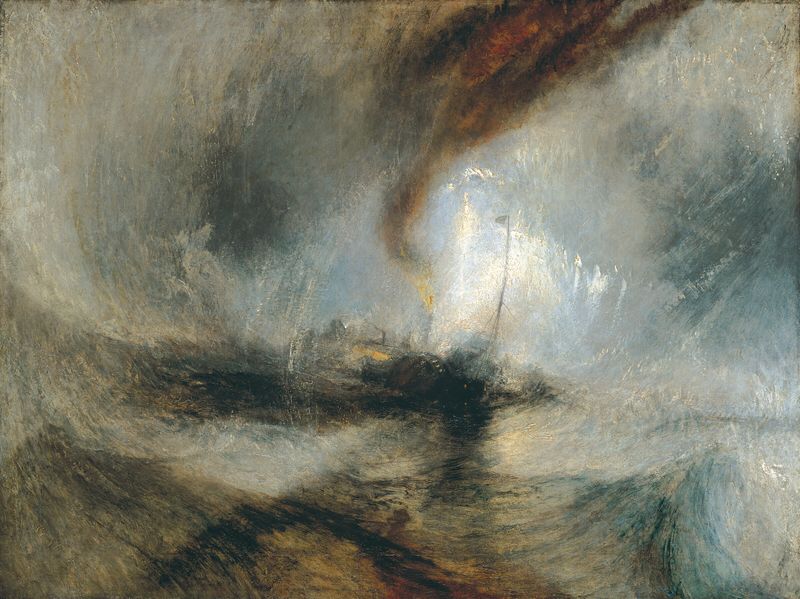 Same era · 1830s–1860s
Snow Storm: Steam-Boat off a Harbour's Mouth
J. M. W. Turner · 1842 · National Gallery
 Same era · 1830s–1860s
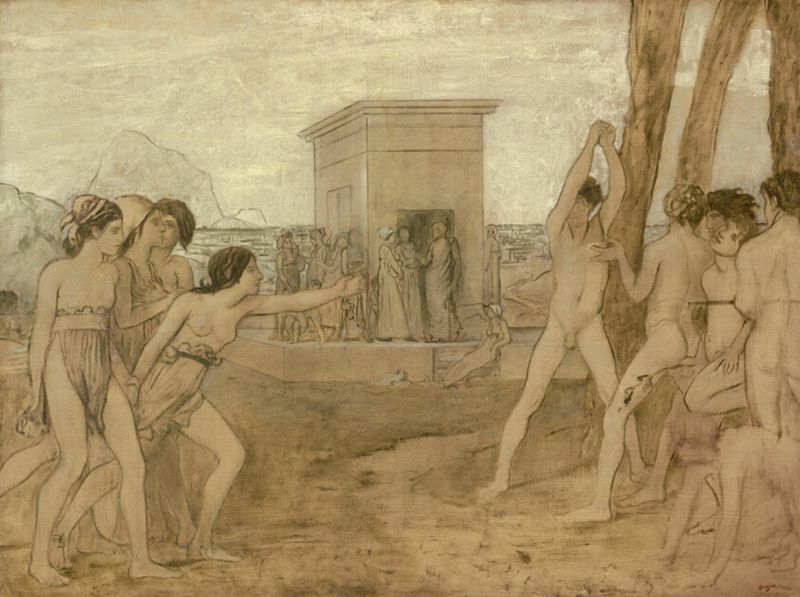
Young Spartan Girls Challenging Boys
Edgar Degas · 1860 · Art Institute of Chicago
 Same era · 1830s–1860s
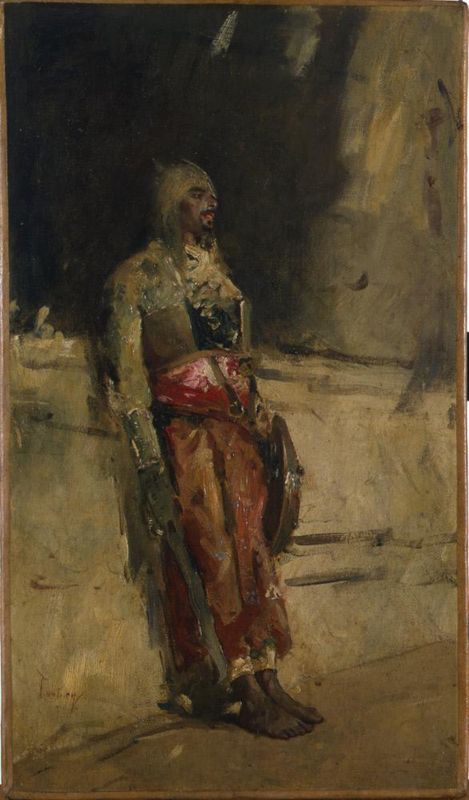
An Arab Warrior
Mariano Fortuny Marsal · 1862 · Hispanic Society of America
 Same era · 1830s–1860s
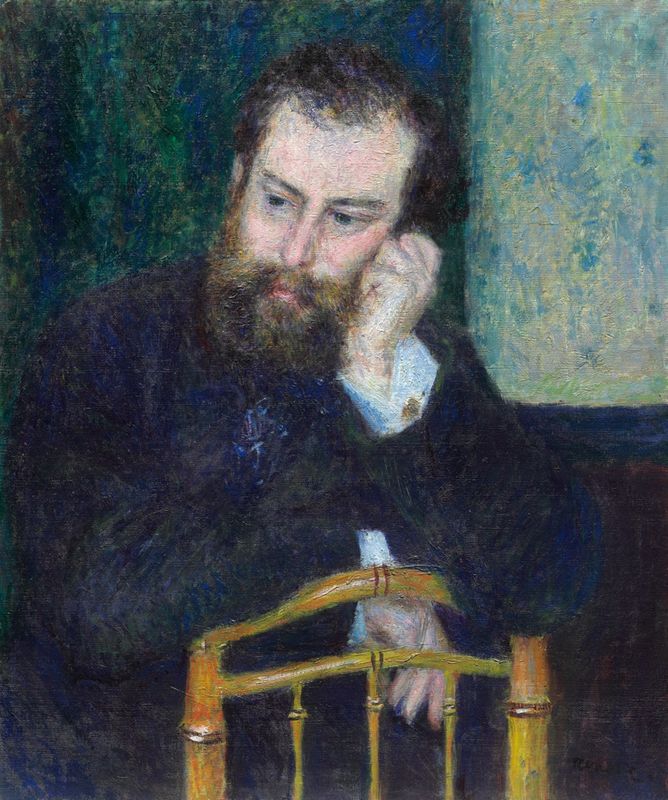
Alfred Sisley
Pierre-Auguste Renoir · 1864 · Foundation E.G. Bührle Collection
 Same era · 1830s–1860s
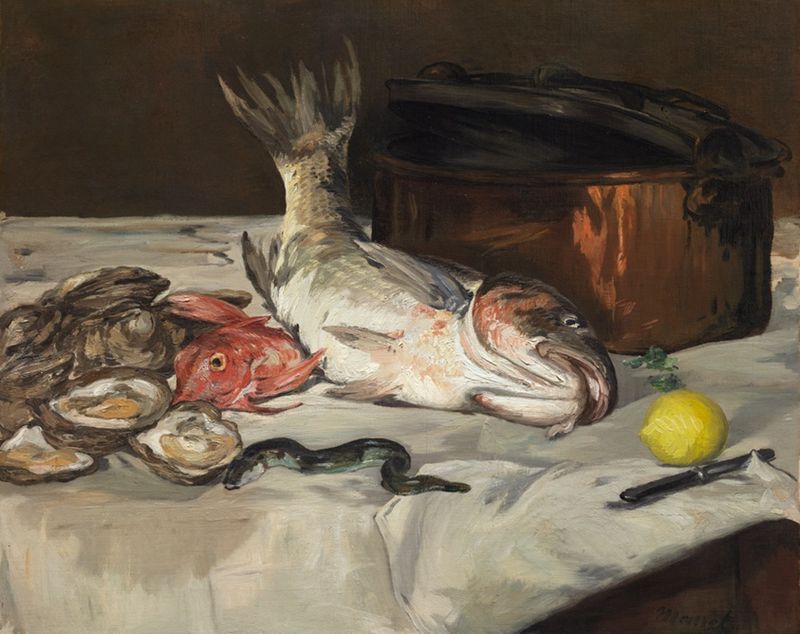
Fish (Still Life)
Édouard Manet · 1864 · Art Institute of Chicago