01
The bearded hermit
Look at the lower right, where the gaunt, bearded old man leans back on the rocks. His face tips upward, and the pale skin of his chest catches the light.
1 of 4 on the painting
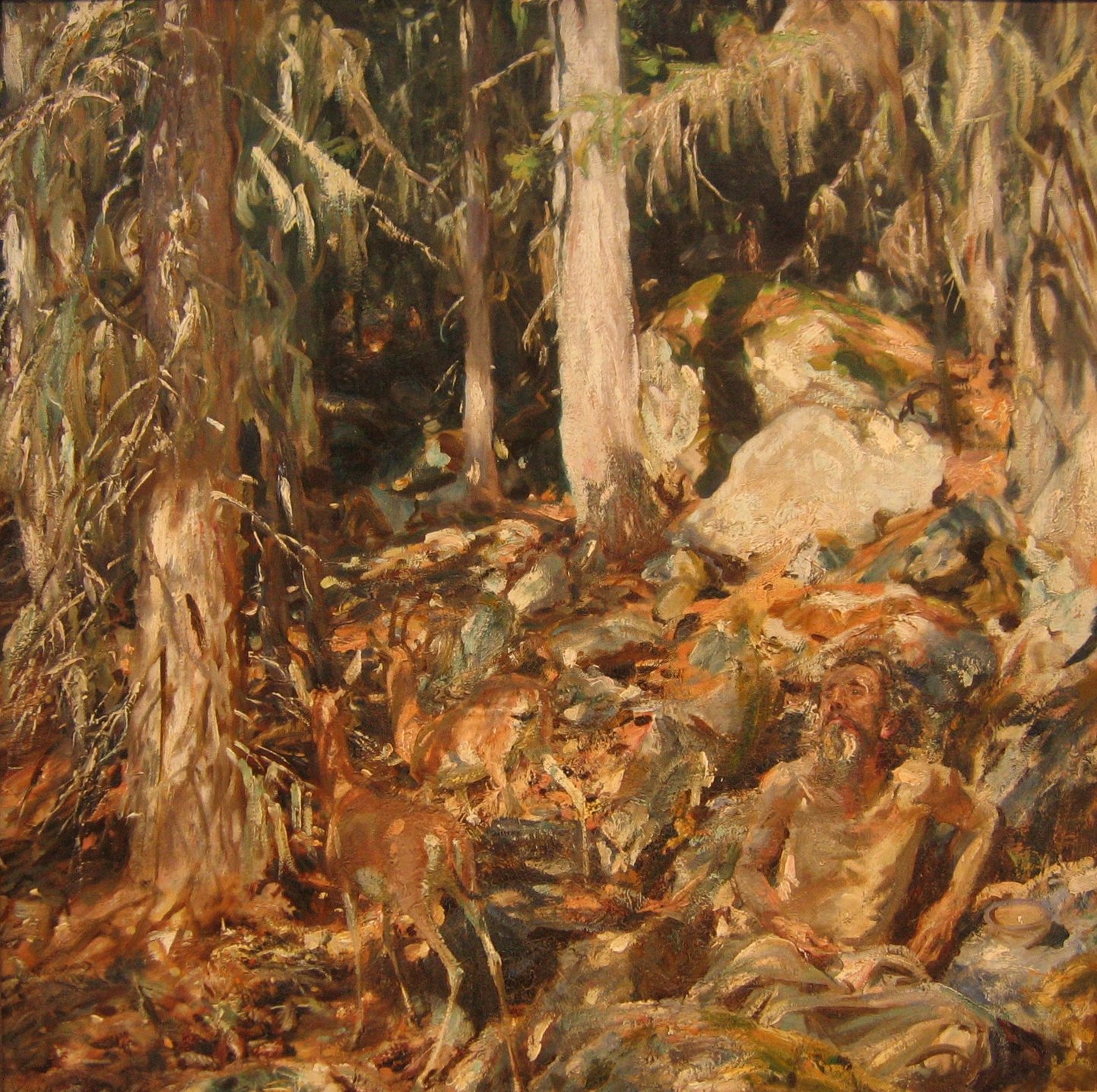
“Stop to appreciate this early work by Maximilian Pirner, where dramatic light and shadow draw you into the solitary world of a praying hermit, inviting contemplation on isolation and faith.”
In Maximilian Pirner's 1878 painting, a solitary hermit kneels in prayer, his back to us, before a rustic altar. The scene is dominated by a dramatic contrast between the deep shadows of the cave and the ethereal light that streams in from an unseen source, illuminating the hermit's bald head and the simple crucifix. This work, created during Pirner's studies in Vienna, immerses the viewer in a moment of profound spiritual contemplation. The muted palette and the almost claustrophobic confines of the cave emphasize the hermit's isolation, while the soft glow suggests divine presence or inner peace. It's a powerful early example of Pirner's interest in themes of solitude and the human spiritual condition, rendered with a striking sense of atmosphere.
Five details hide in plain sight. Pick one and we’ll show you exactly where to look.
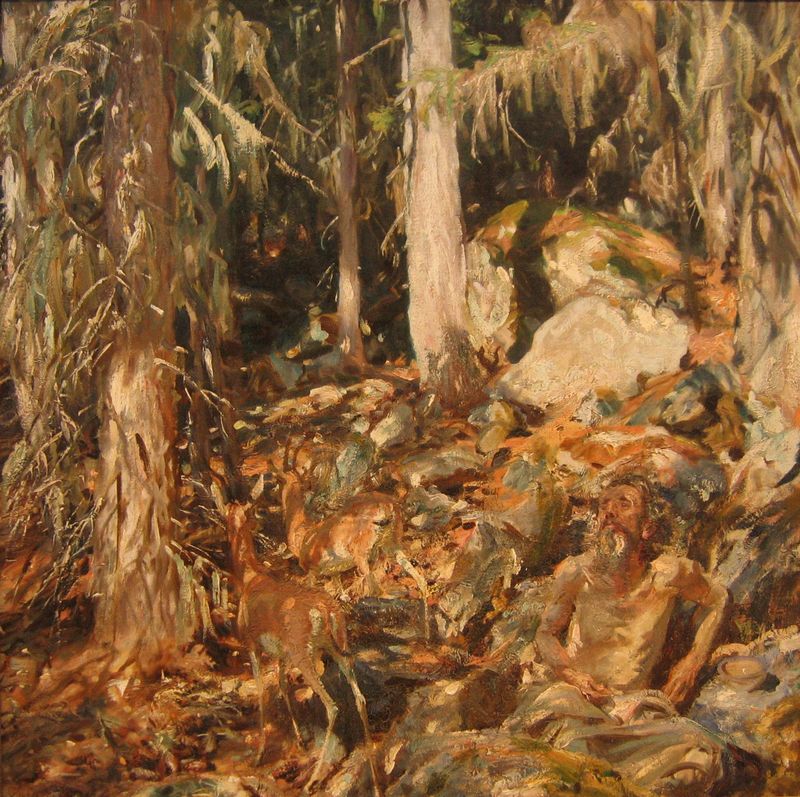
Look at the lower right, where the gaunt, bearded old man leans back on the rocks. His face tips upward, and the pale skin of his chest catches the light.
A slender deer stands at lower left, its head turned and its legs held stiffly. It stands close to the hermit, and the painting suggests a calm, quiet meeting between man and animal.
Behind the front deer, a second animal blends into the orange rocks and leaf litter. It is easy to miss, as if the forest were quietly gathering around the hermit.
The big pale rock at right is built from thick, creamy strokes of paint. Dabs of green and orange along its edges make strong sunlight feel almost solid.
The hermit is small and tucked into a corner, while trees, rocks and warm light fill the canvas. The forest is the real subject, and he seems part of it.
The full narration walks you through The Hermit (Poustevník) — the story behind it, the details most visitors miss, and why it matters. Free in the Art Whisper app.
Maximilian Pirner, a Czech painter, explored classical mythology and the macabre, mastering a "sinuous line" while being a member of the Vienna Secession.
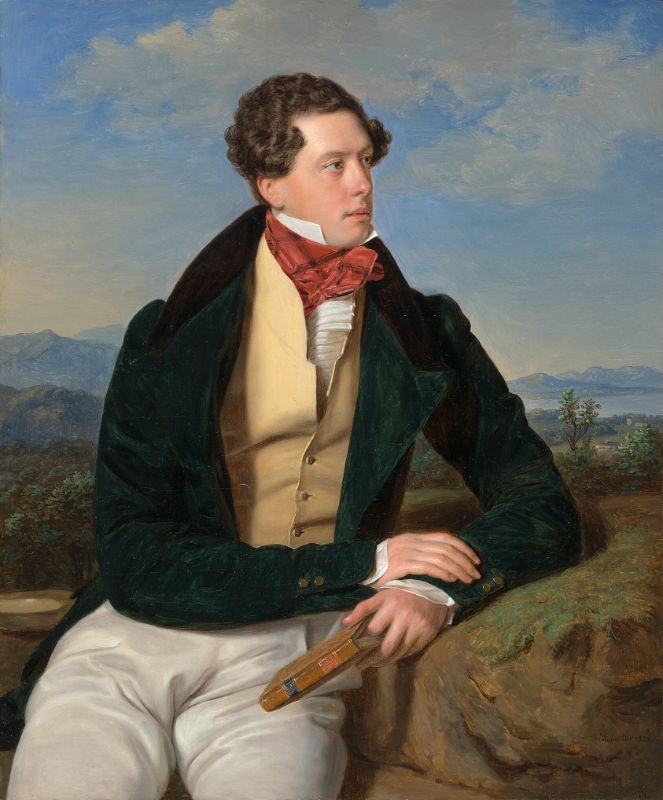 The Actor Maximilian Korn in a Landscape
Art Institute of Chicago
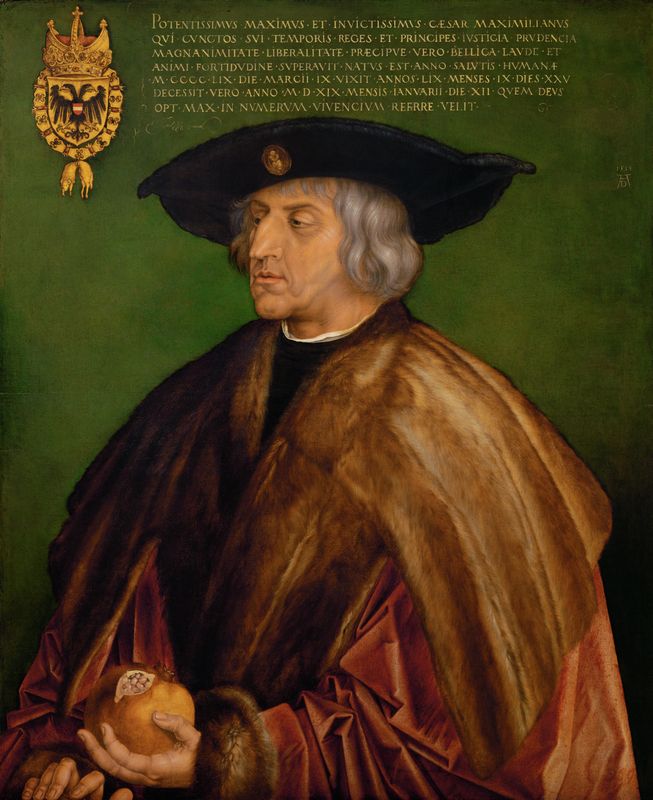 Emperor Maximilian I
Art Institute of Chicago
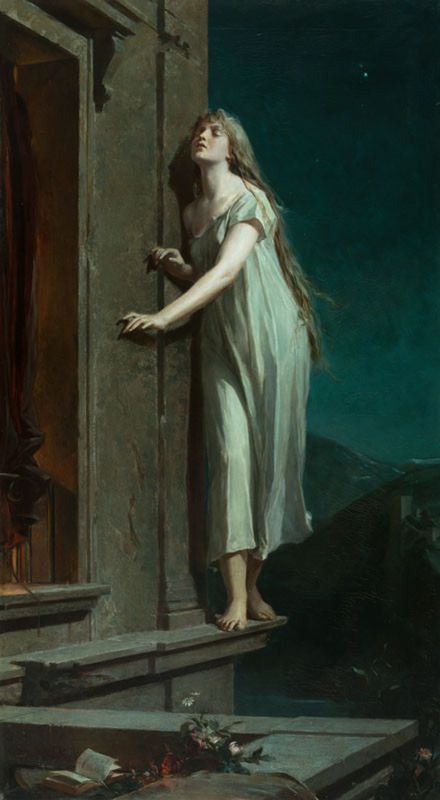 Somnambulant
1878 · National Gallery Prague
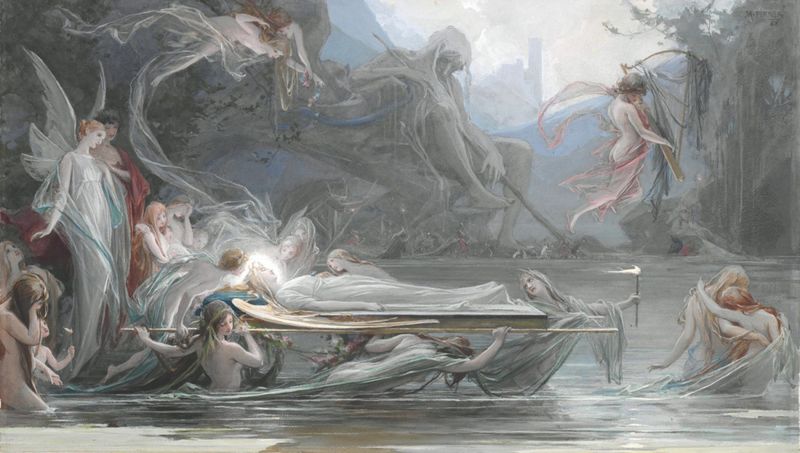 Funeral of a Fairy
1888
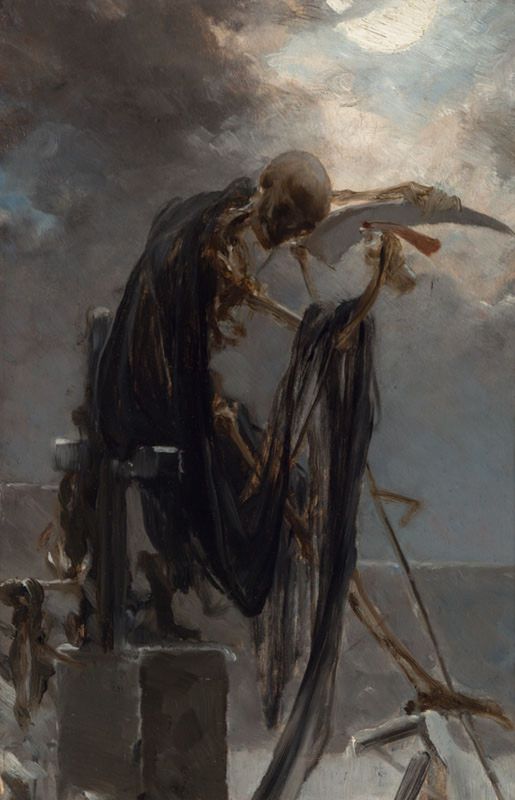 Death
1889 · National Gallery Prague
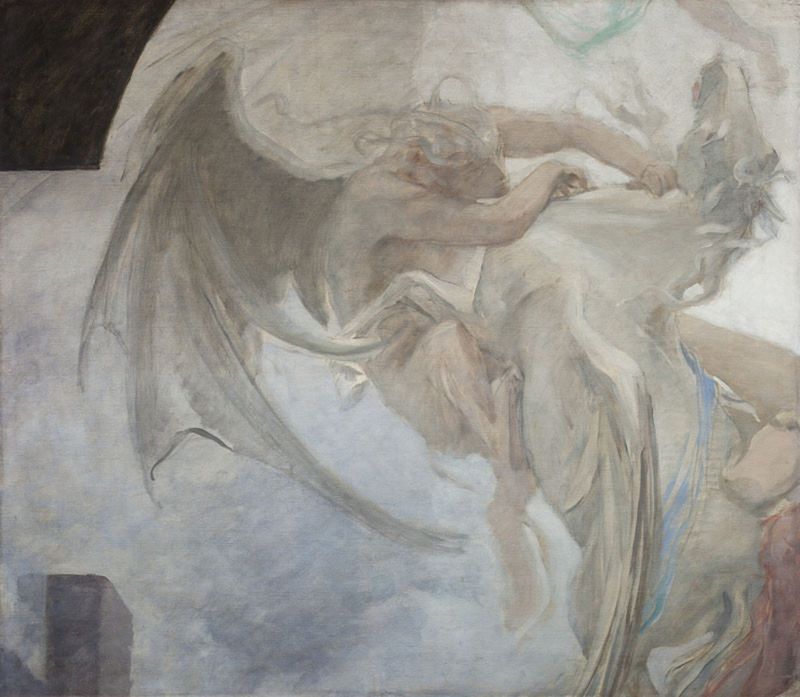 Fragment of a Painting from the Triptych Life, Love, Hatred and Death
1889 · National Gallery Prague
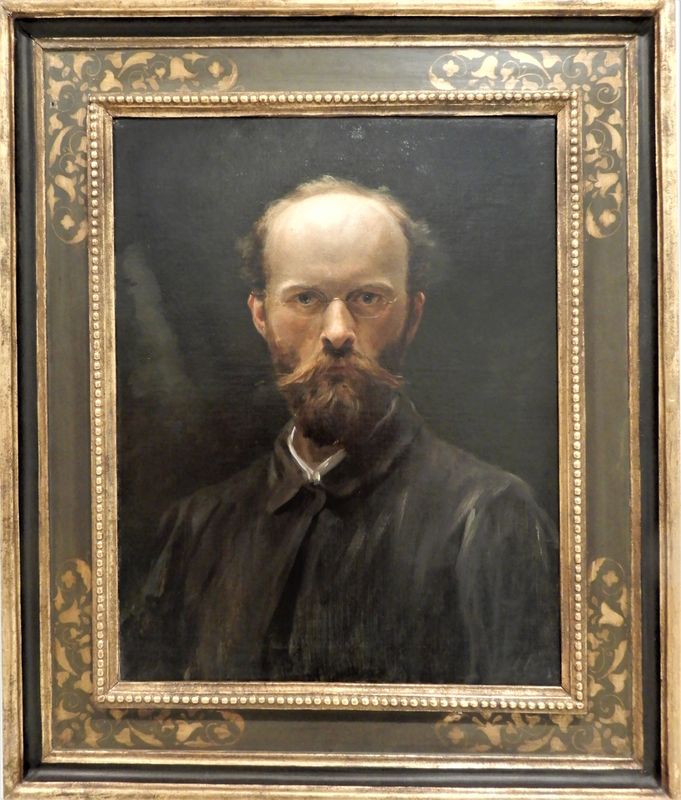 Self-Portrait
1890 · National Gallery Prague
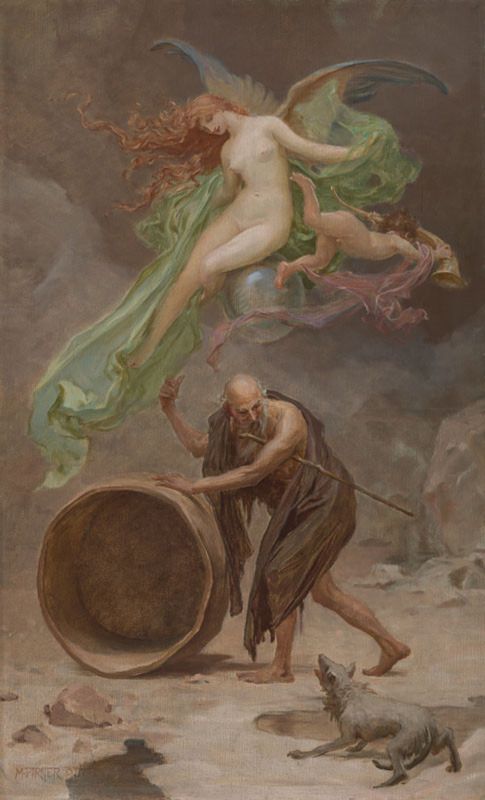 Diogenes
1893 · National Gallery Prague
Beyond Pirner: works from the same years.
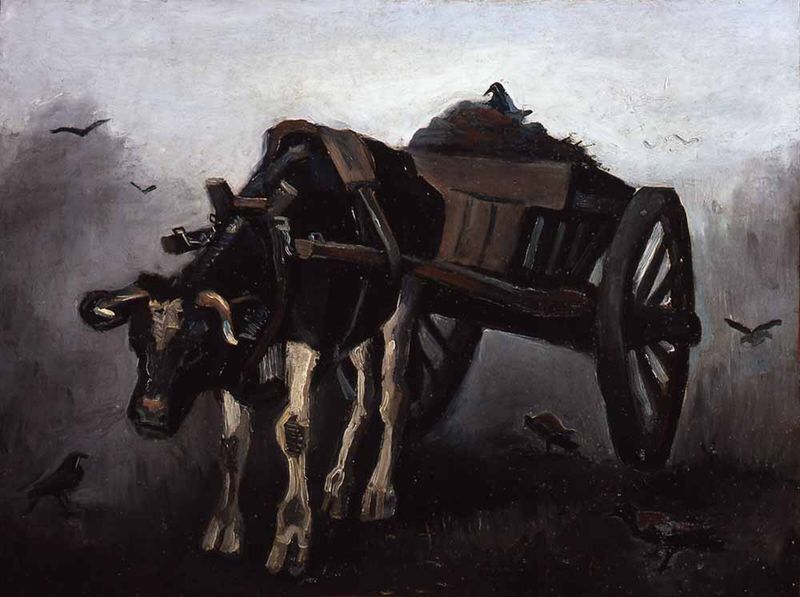 Same era · 1860s–1890s
Cart with Black Ox
Vincent van Gogh · 1884 · Portland Art Museum
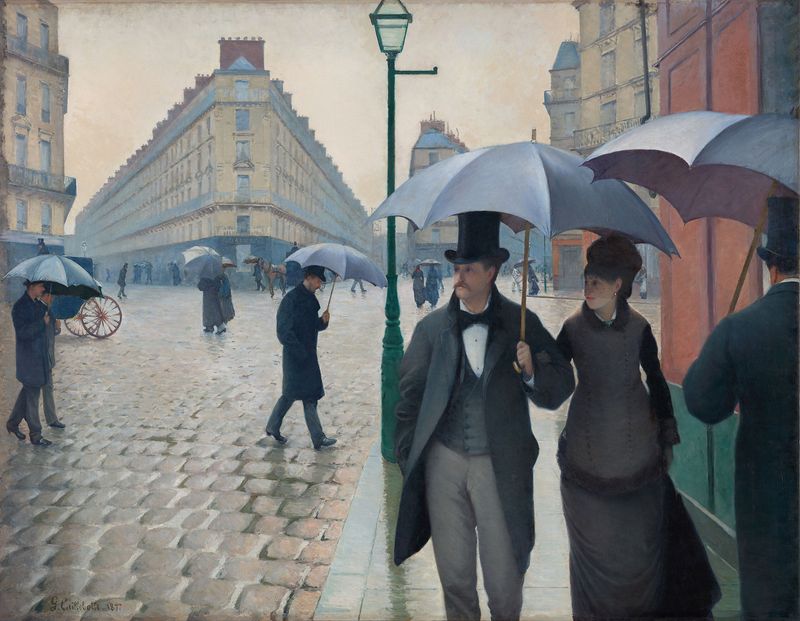 Same era · 1860s–1890s
Paris Street; Rainy Day
Kawabata Gyokushō · 1877 · Art Institute of Chicago
 Same era · 1860s–1890s
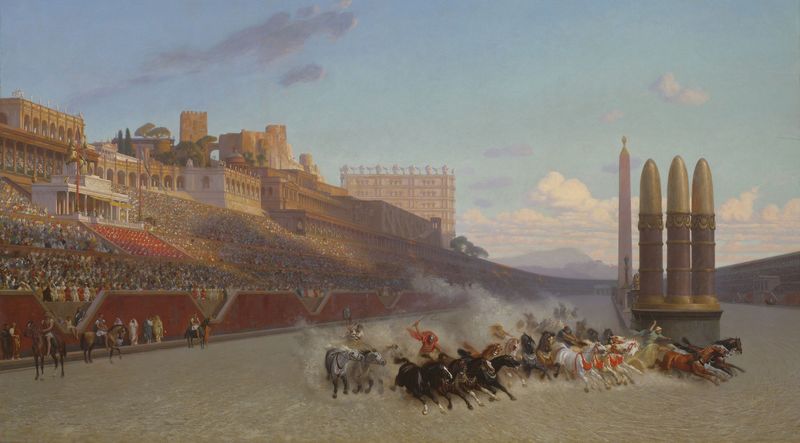
Chariot Race
Léon-Victor Dupré · 1876 · Art Institute of Chicago
 Same era · 1860s–1890s
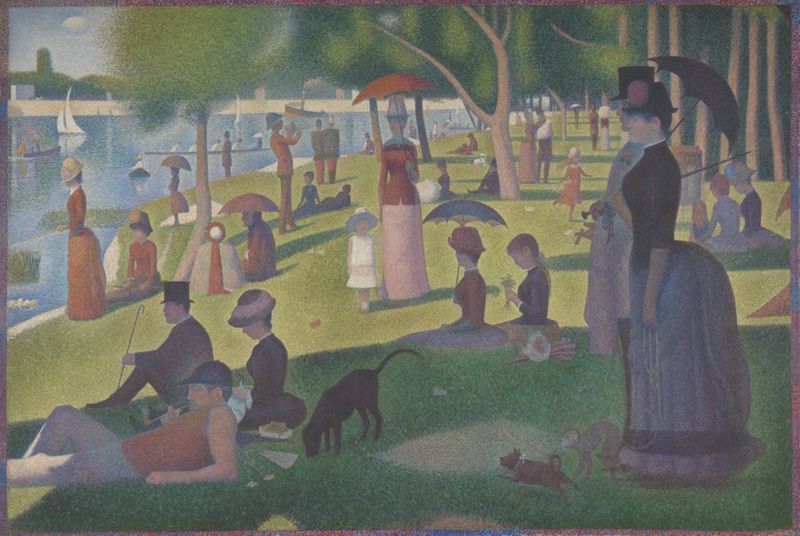
A Sunday on La Grande Jatte — 1884
Okada Saburosuke · 1884 · Art Institute of Chicago
 Same era · 1860s–1890s
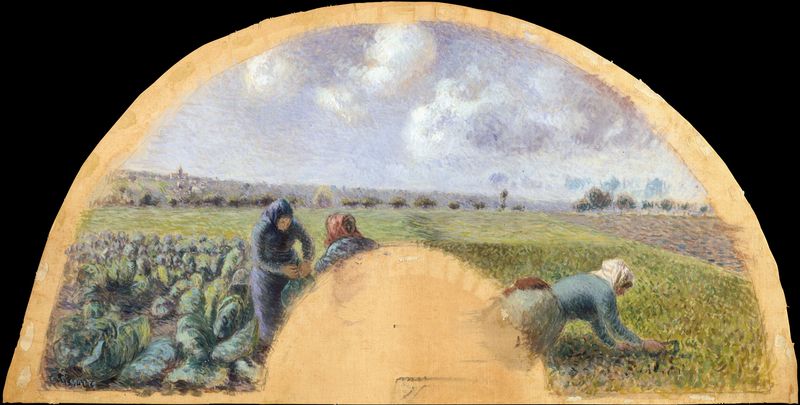
Fan Mount: The Cabbage Gatherers
Camille Pissarro · 1878 · Metropolitan Museum of Art
 Same era · 1860s–1890s
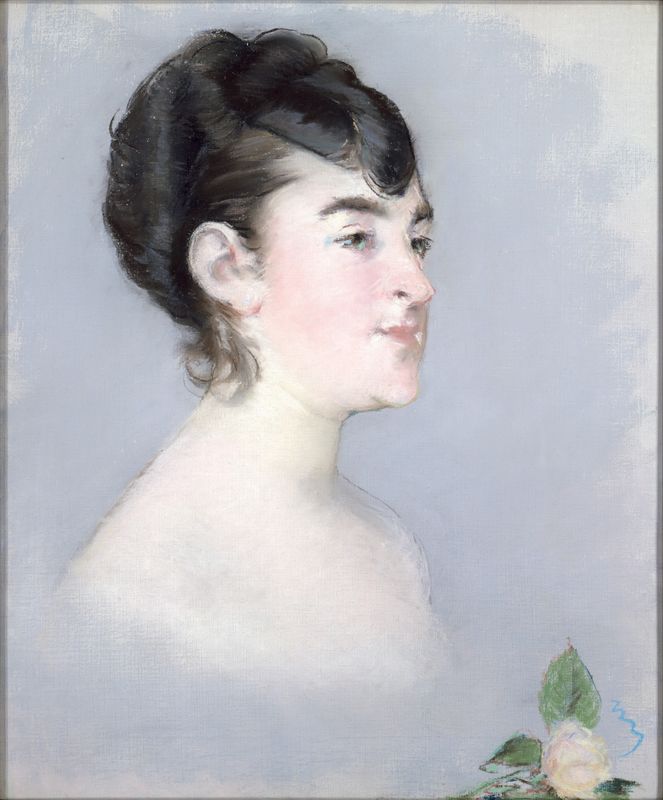
Mademoiselle Isabelle Lemonnier (1857–1926)
Édouard Manet · 1878 · Metropolitan Museum of Art
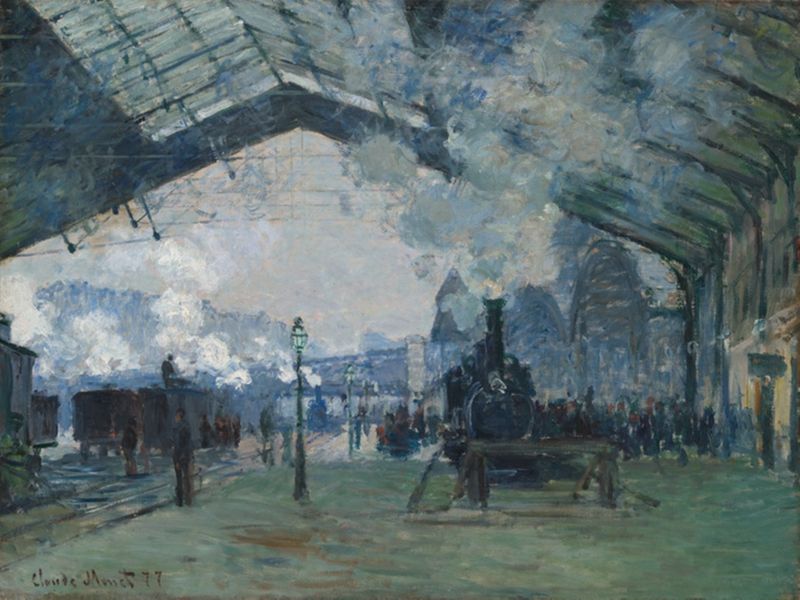 Same era · 1860s–1890s
Arrival of the Normandy Train, Gare Saint-Lazare
Claude Monet · 1877 · Art Institute of Chicago
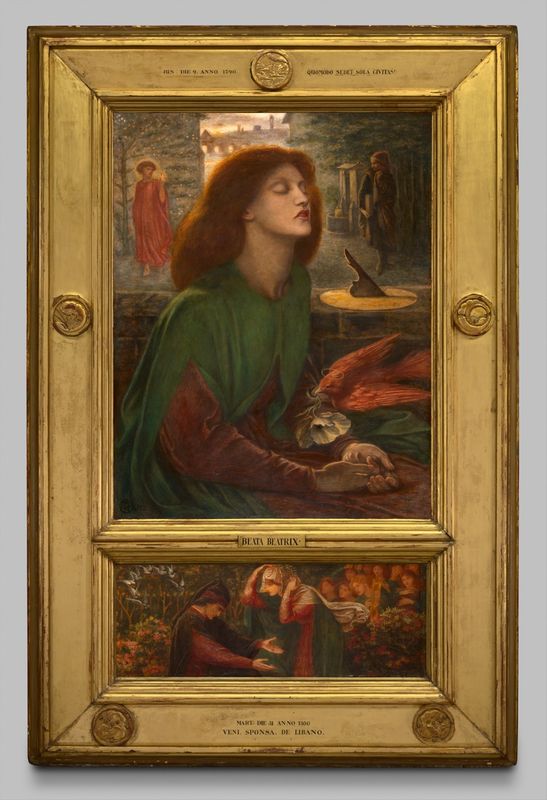 Same era · 1860s–1890s
Beata Beatrix
Dante Gabriel Rossetti · 1877 · Birmingham Museums Trust
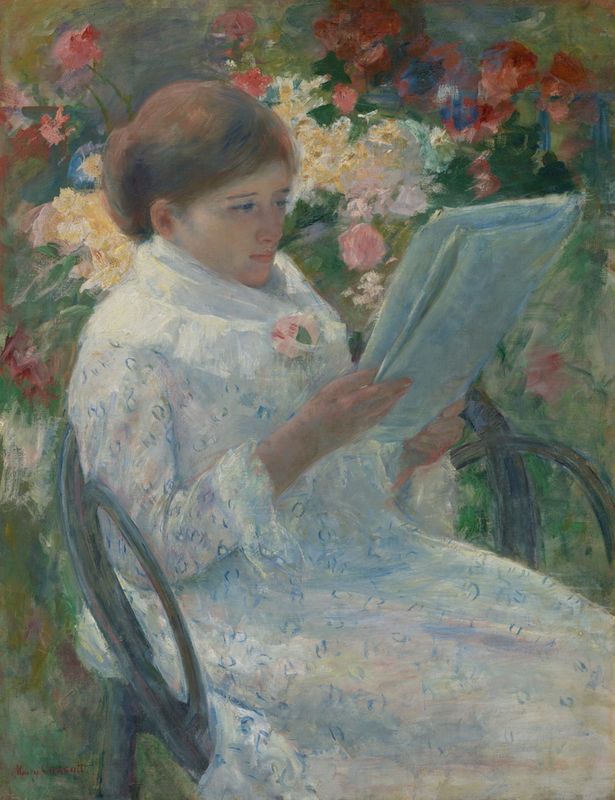 Same era · 1860s–1890s
On a Balcony
Mary Cassatt · 1879 · Art Institute of Chicago
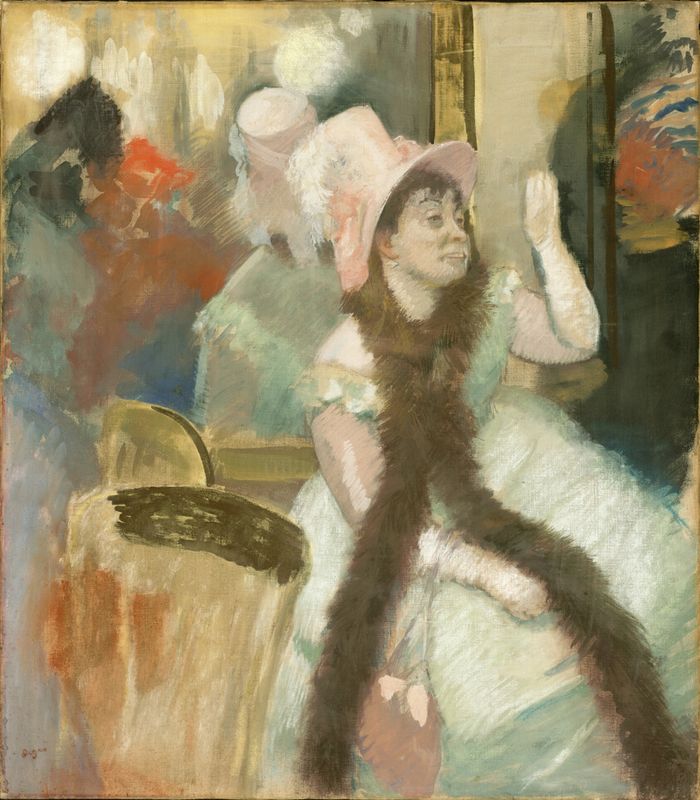 Same era · 1860s–1890s
Portrait after a Costume Ball (Portrait of Madame Dietz-Monnin)
Edgar Degas · 1877 · Art Institute of Chicago
 Same era · 1860s–1890s
Woman at Her Toilette
Berthe Morisot · 1877 · Art Institute of Chicago
 Same era · 1860s–1890s
Young Woman Sewing
Pierre-Auguste Renoir · 1879 · Art Institute of Chicago
