01
The bat-like wing
Follow the huge wing sweeping down the left side. Its ribbed, ragged lower edge looks like a bat's, which gives the angel a darker, more ominous feel.
1 of 5 on the painting
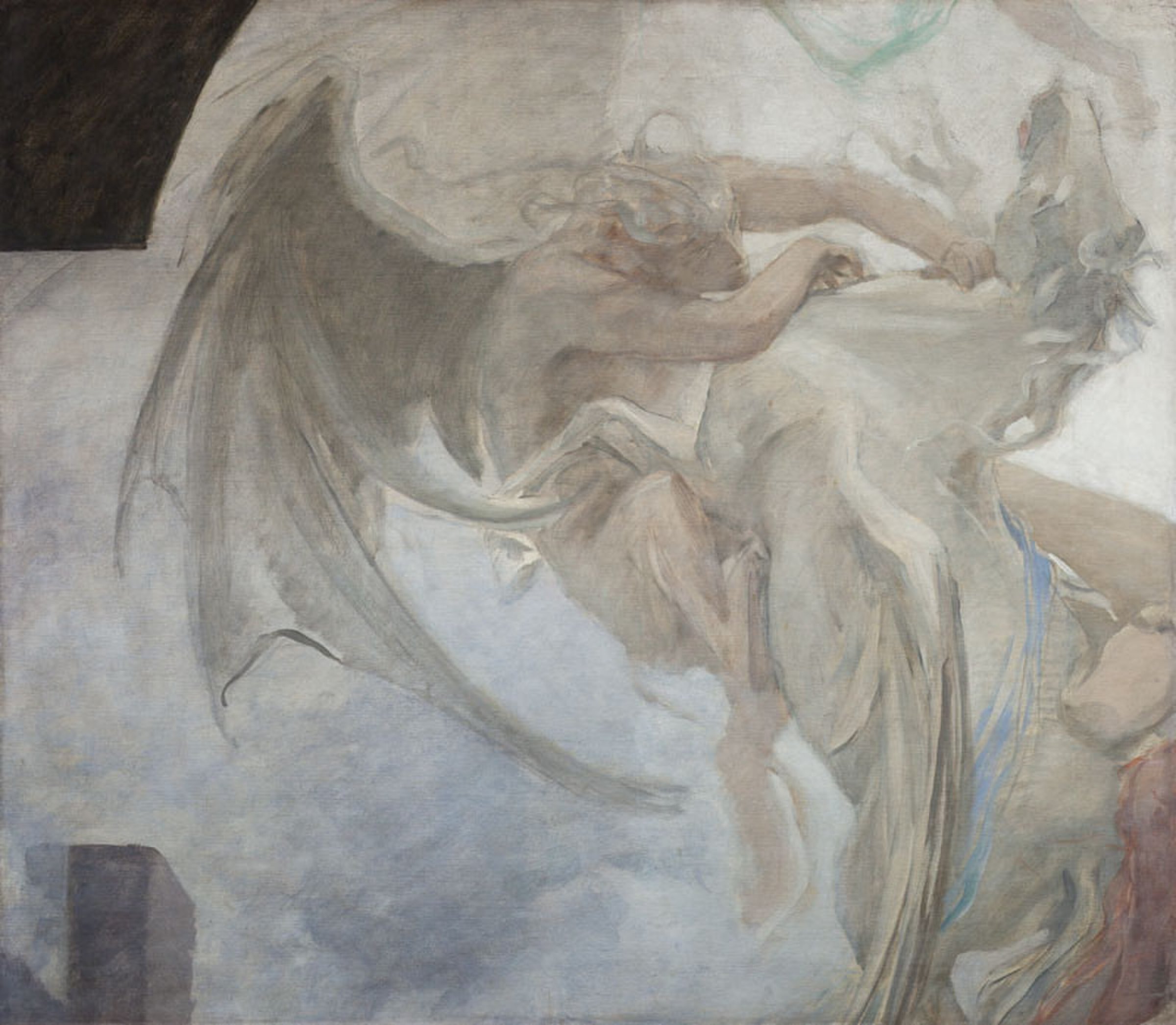
“This intense fragment is a window into a Symbolist world of emotion and mystery, inviting you to ponder its dramatic narrative. Its vibrant colors and flowing lines capture a moment of profound feeling.”
This fragment pulls you into a dramatic, dreamlike scene, part of a larger triptych exploring life, love, hatred, and death. Here, a woman's pale, almost luminous body is set against a dark, swirling backdrop, her head tilted back in what could be ecstasy or despair. Her long, flowing red hair becomes a vibrant, almost independent element, echoing the sinuous lines that define the figures of Symbolist art from the late 19th century. The painting's intense emotional charge and focus on inner states, rather than external reality, reflect a broader European artistic movement. The intimate scale of this surviving piece invites a closer look at the intricate interplay of light and shadow on her form, hinting at the larger narrative it once belonged to.
Five details hide in plain sight. Pick one and we’ll show you exactly where to look.
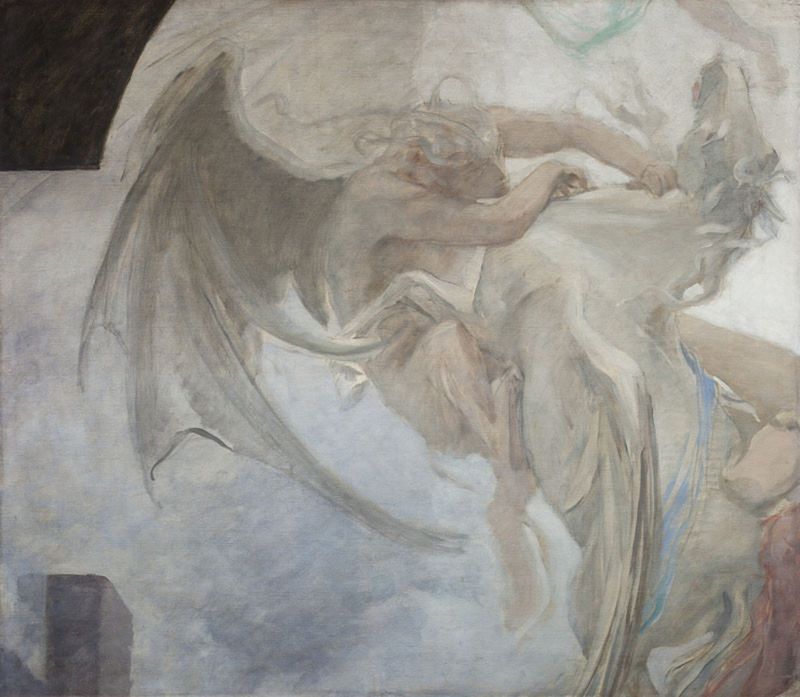
Follow the huge wing sweeping down the left side. Its ribbed, ragged lower edge looks like a bat's, which gives the angel a darker, more ominous feel.
Near the upper right, hands seem to grip the edge of a pale sheet or cloth. The tense pulling gesture gives the figure a sense of purposeful action.
The head is bowed and turned away, mostly lost in a mass of curling, pale hair. With the face hidden, the angel feels anonymous, more a presence than a portrait.
At the right edge, grey, smoky shapes swirl into something that might be hair or a creature, only half resolved. It is easy to miss and a little eerie.
Look at the bare ground at lower left and the dark block in the corner. The paint is thin and sketchy, with the canvas showing through, which fits a fragment rather than a finished scene.
The full narration walks you through Fragment of a Painting from the Triptych Life, Love, Hatred and Death — the story behind it, the details most visitors miss, and why it matters. Free in the Art Whisper app.
Maximilian Pirner, a Czech painter, explored classical mythology and the macabre, mastering a "sinuous line" while being a member of the Vienna Secession.
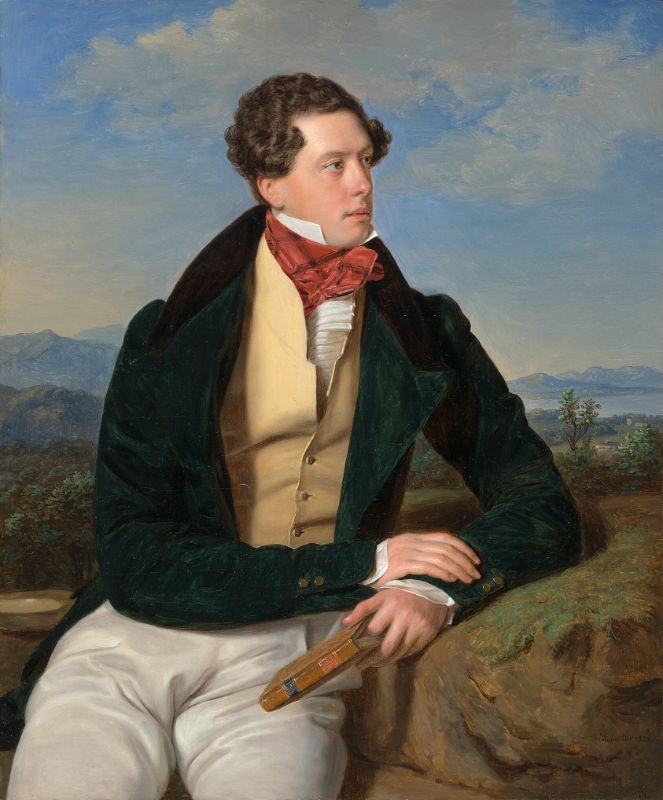 The Actor Maximilian Korn in a Landscape
Art Institute of Chicago
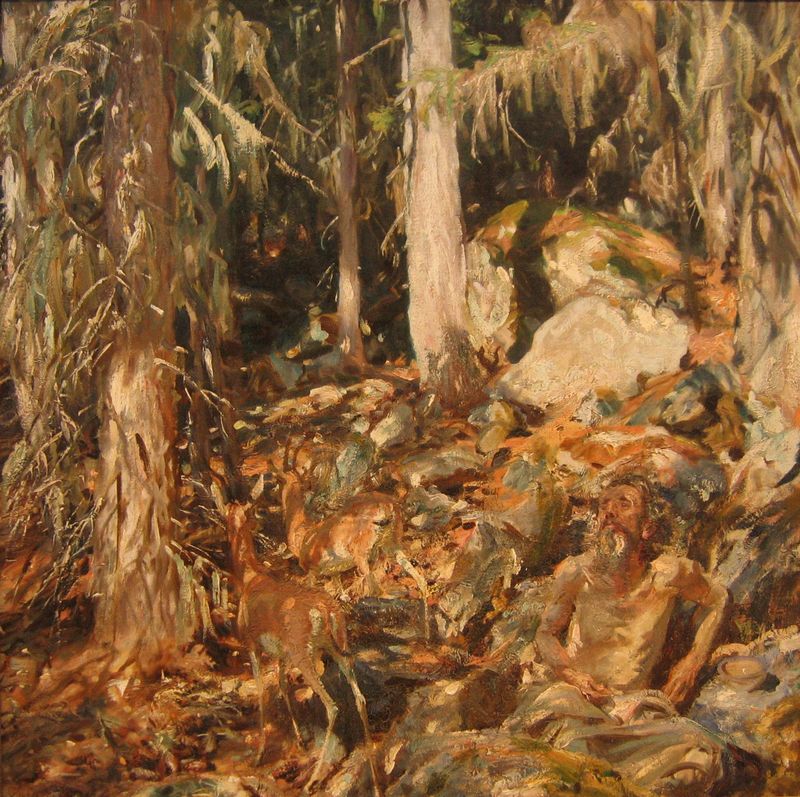 The Hermit (Poustevník)
1878
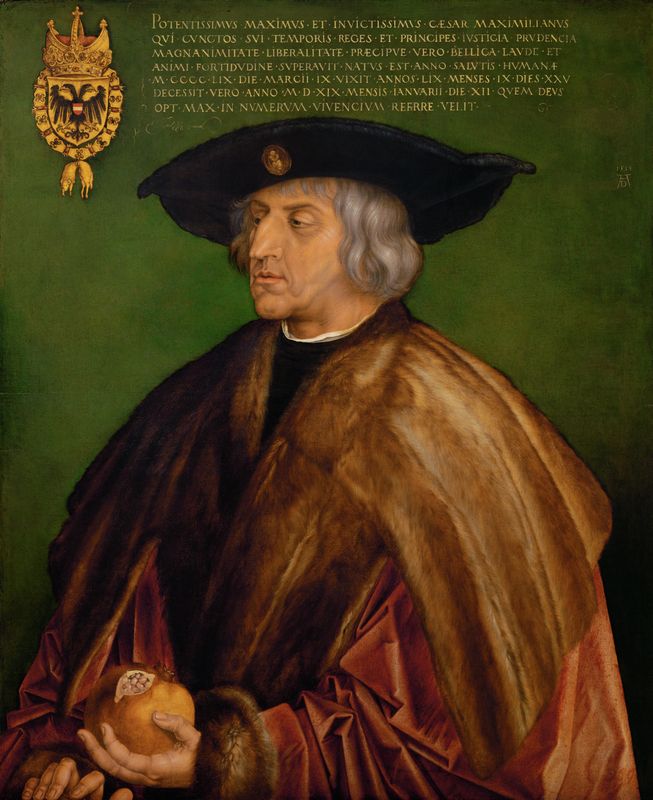 Emperor Maximilian I
Art Institute of Chicago
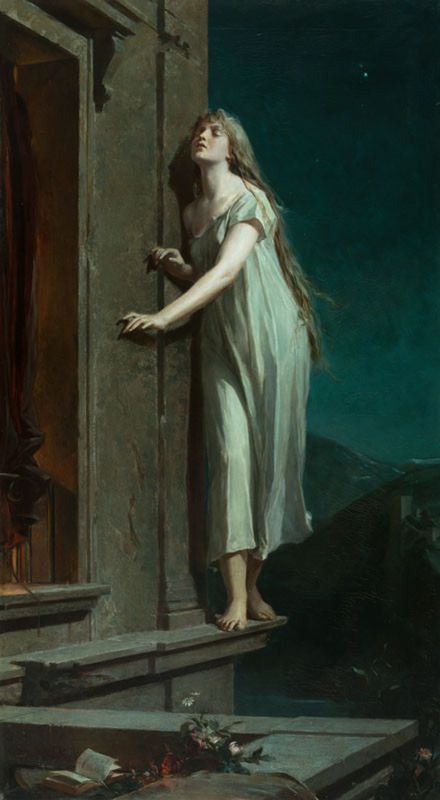 Somnambulant
1878 · National Gallery Prague
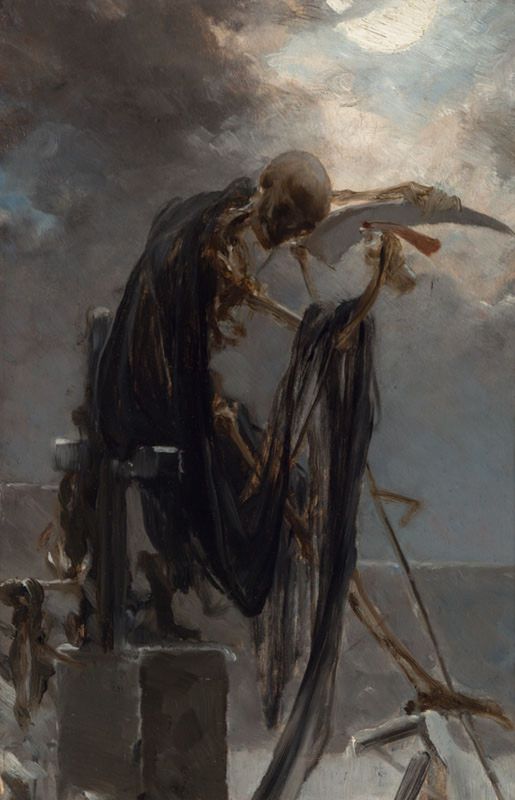 Death
1889 · National Gallery Prague
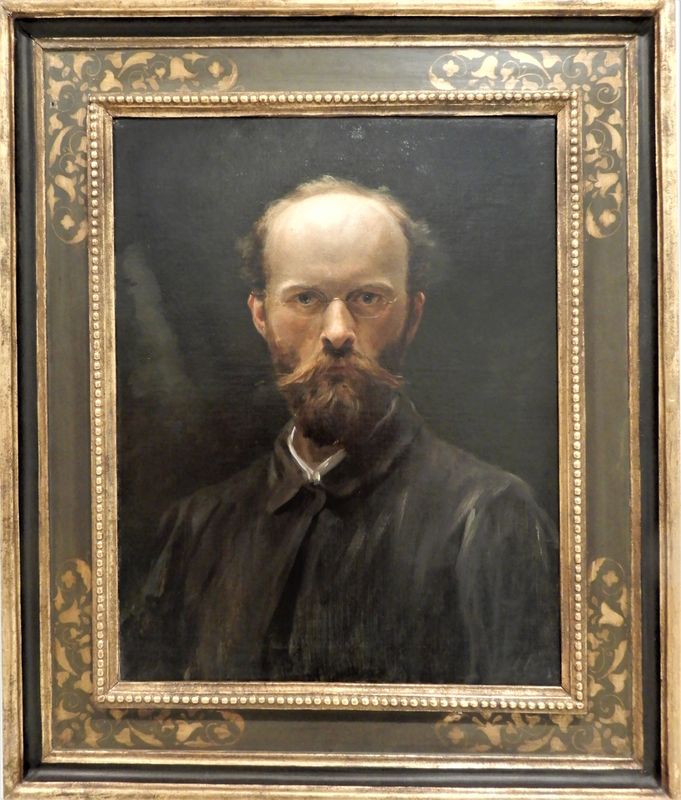 Self-Portrait
1890 · National Gallery Prague
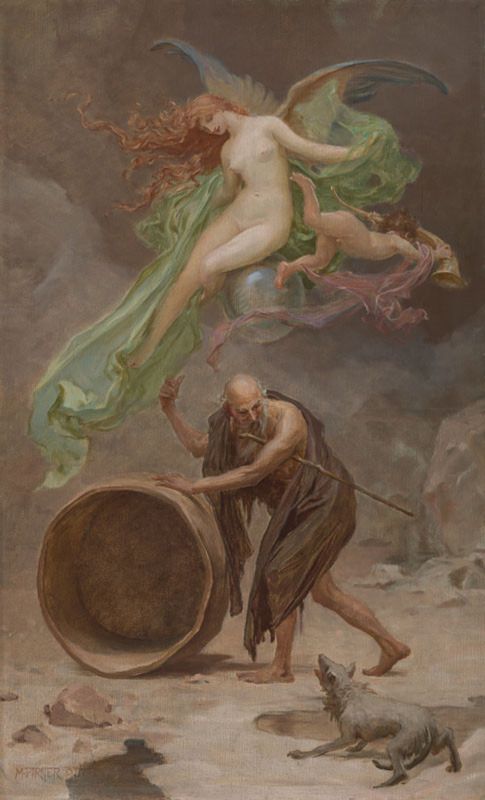 Diogenes
1893 · National Gallery Prague
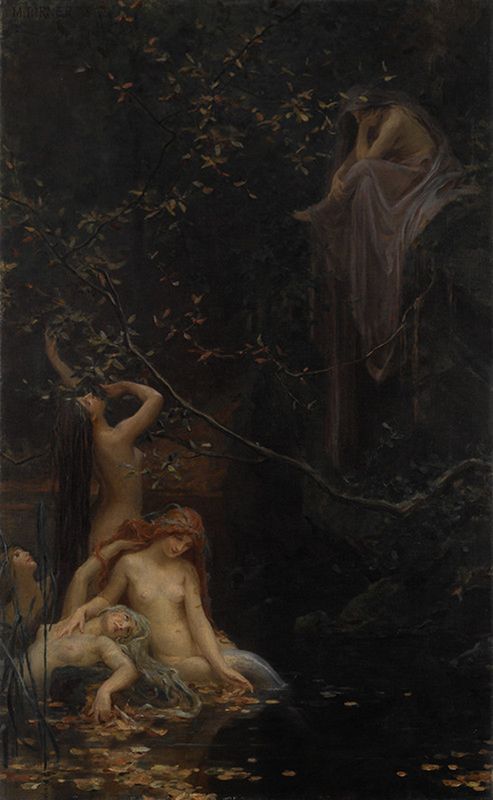 Fairies by the Brook
1895 · National Gallery Prague
Beyond Pirner: works from the same years.
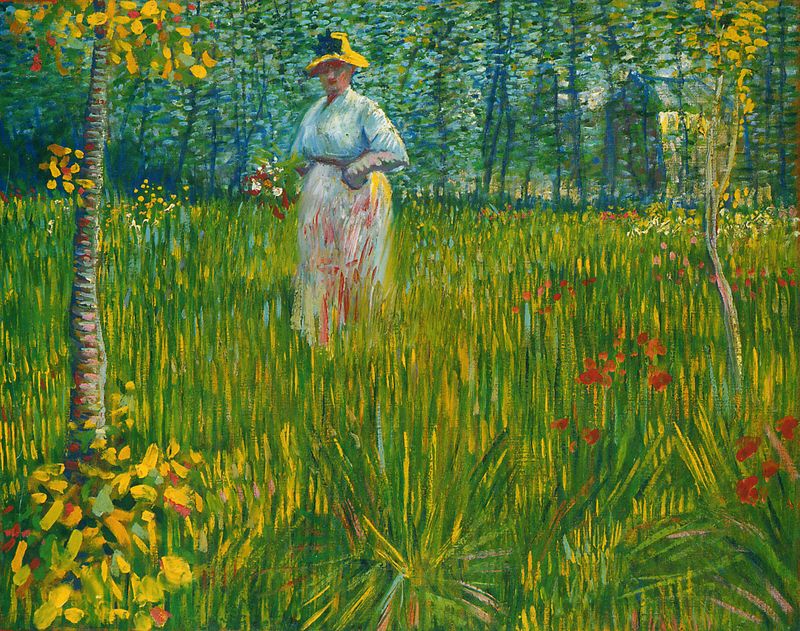 Same era · 1870s–1900s
A Woman Walking in a Garden
Vincent van Gogh · 1887 · Frans Buffa & sons
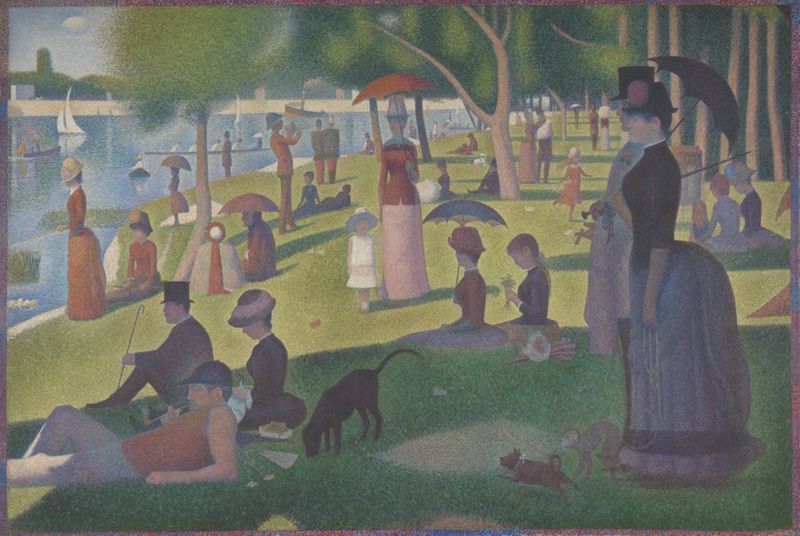 Same era · 1870s–1900s
A Sunday on La Grande Jatte — 1884
Okada Saburosuke · 1884 · Art Institute of Chicago
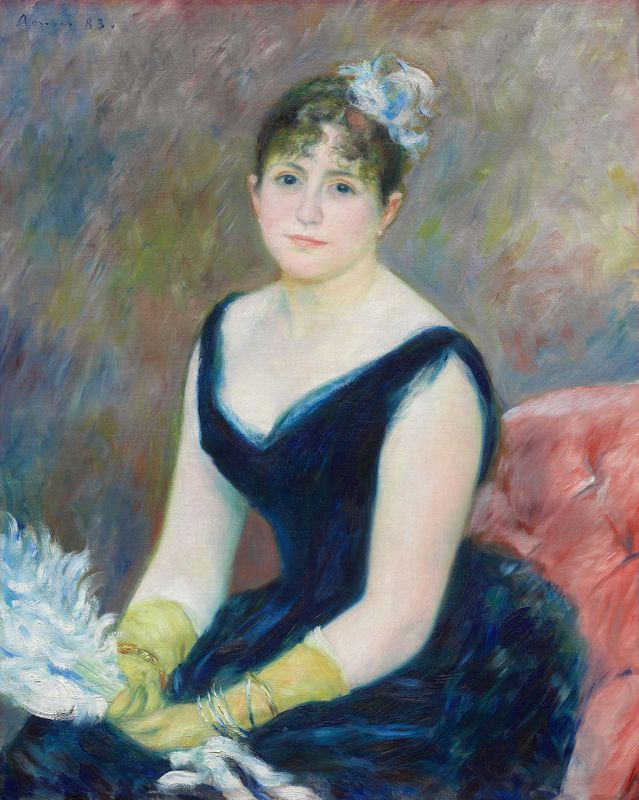 Same era · 1870s–1900s
Madame Léon Clapisson
Léon-Victor Dupré · 1883 · Art Institute of Chicago
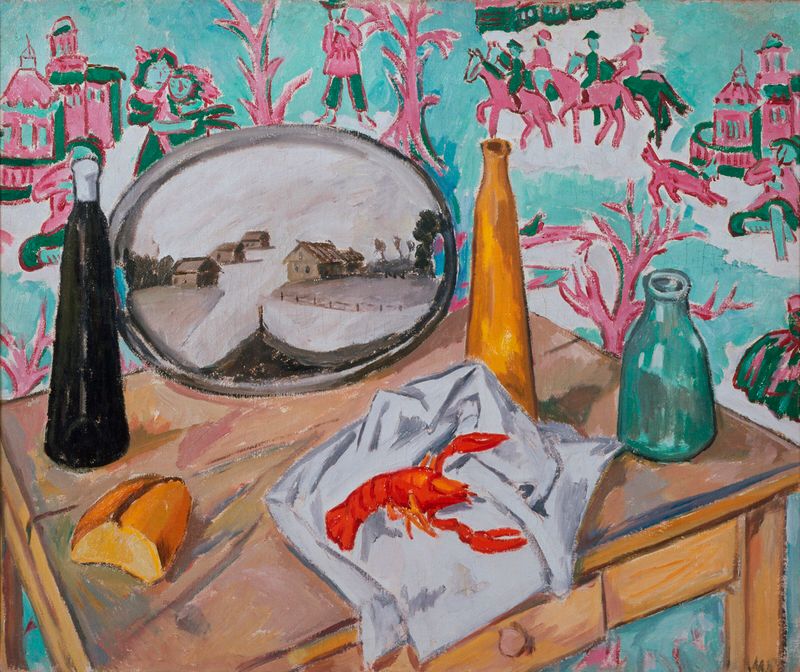 Same era · 1870s–1900s
Still Life with Crayfish
Mikhail Larionov · 1900 · Museum Ludwig
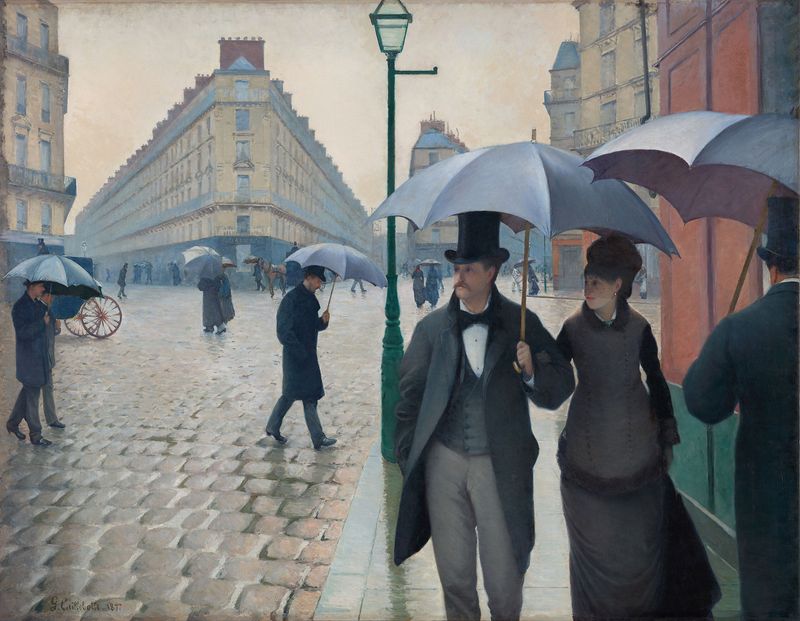 Same era · 1870s–1900s
Paris Street; Rainy Day
Kawabata Gyokushō · 1877 · Art Institute of Chicago
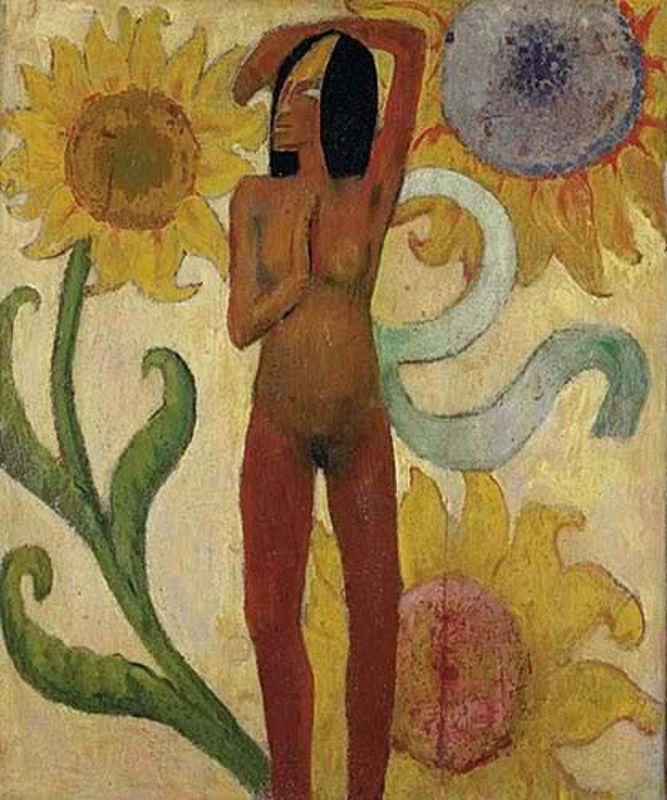 Same era · 1870s–1900s
Caribbean Woman
Paul Gauguin · 1889 · Yoshino Gypsum
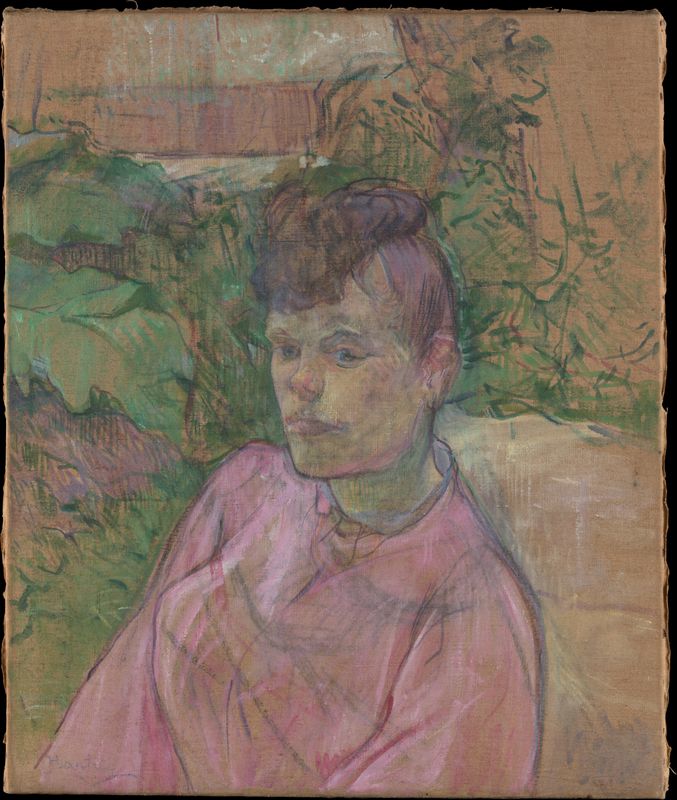 Same era · 1870s–1900s
Woman in the Garden of Monsieur Forest
Henri de Toulouse-Lautrec · 1889 · The Metropolitan Museum of Art
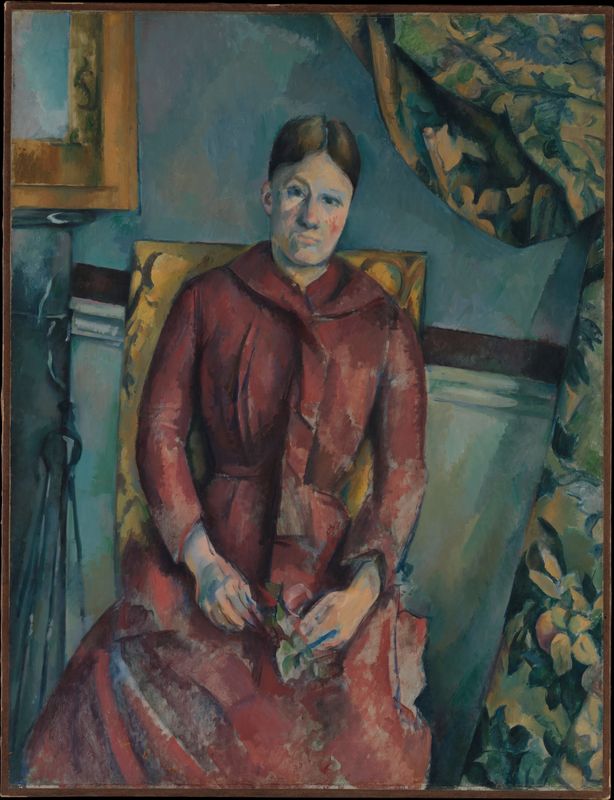 Same era · 1870s–1900s
Madame Cézanne (Hortense Fiquet, 1850–1922) in a Red Dress
Paul Cézanne · 1888 · The Metropolitan Museum of Art
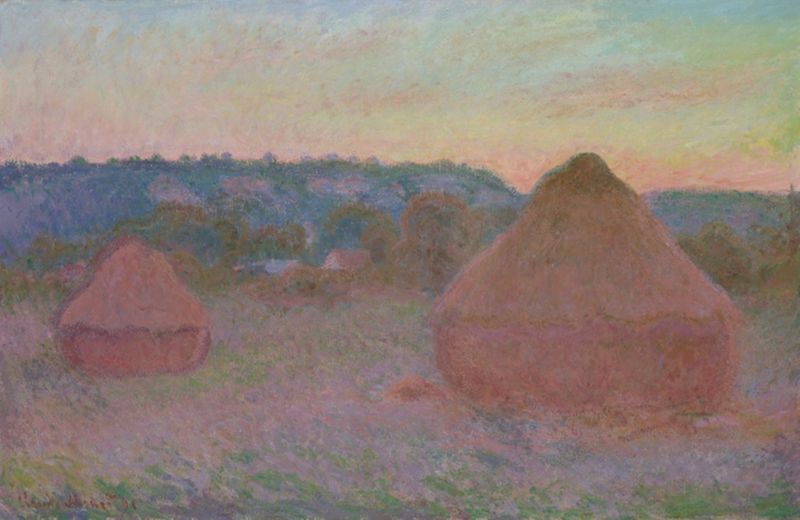 Same era · 1870s–1900s
Stacks of Wheat (End of Day, Autumn)
Claude Monet · 1890 · Art Institute of Chicago
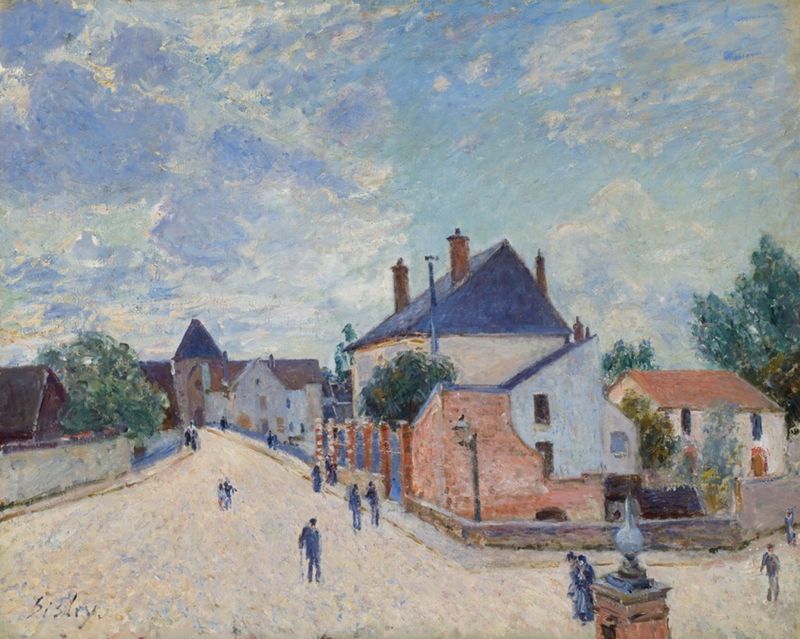 Same era · 1870s–1900s
Street in Moret
Alfred Sisley · 1890 · Art Institute of Chicago
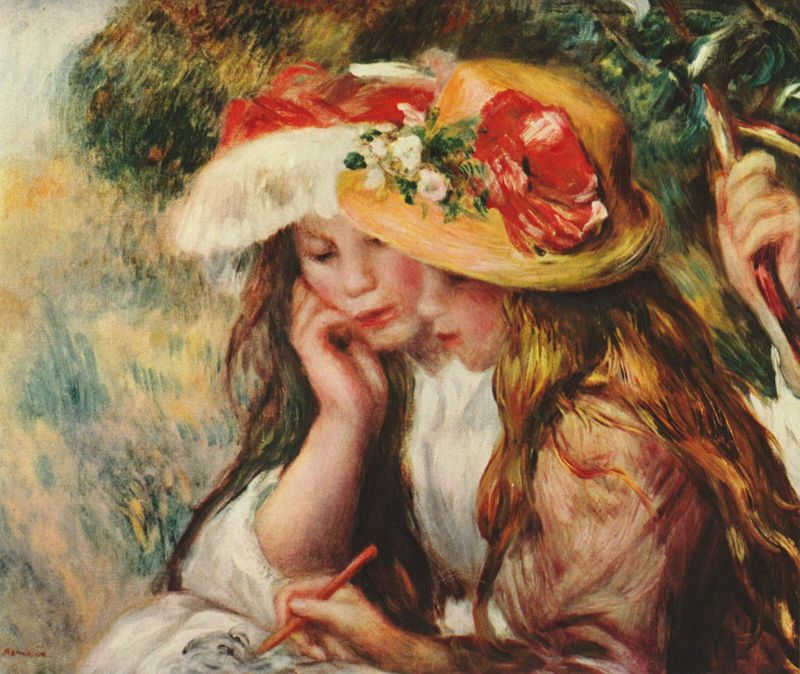 Same era · 1870s–1900s
Two Girls Reading in a Garden
Pierre-Auguste Renoir · 1890
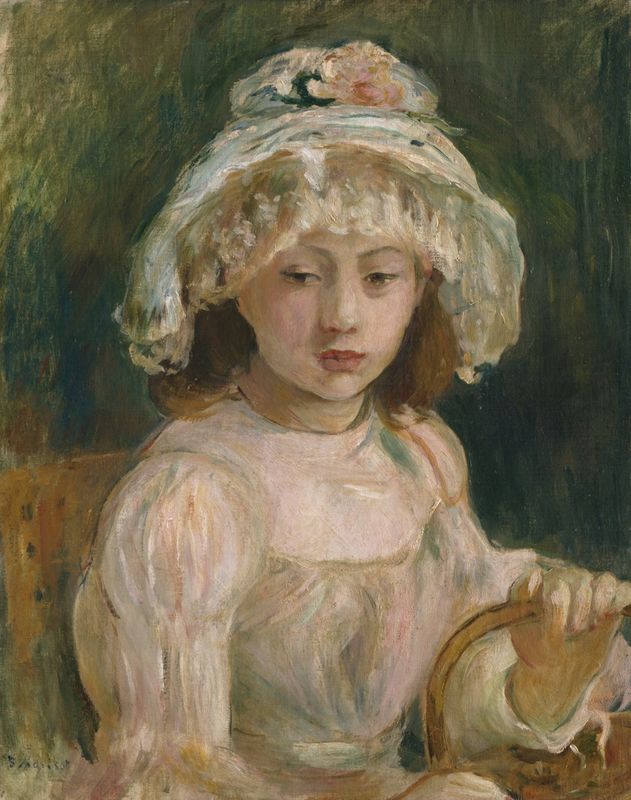 Same era · 1870s–1900s
Young Girl with Hat
Berthe Morisot · 1891 · Art Institute of Chicago
