01
Hidden faces
Find the faces pressed together at the top right. Dark hair covers most of them, so the kiss feels private and closed off from us.
1 of 5 on the painting
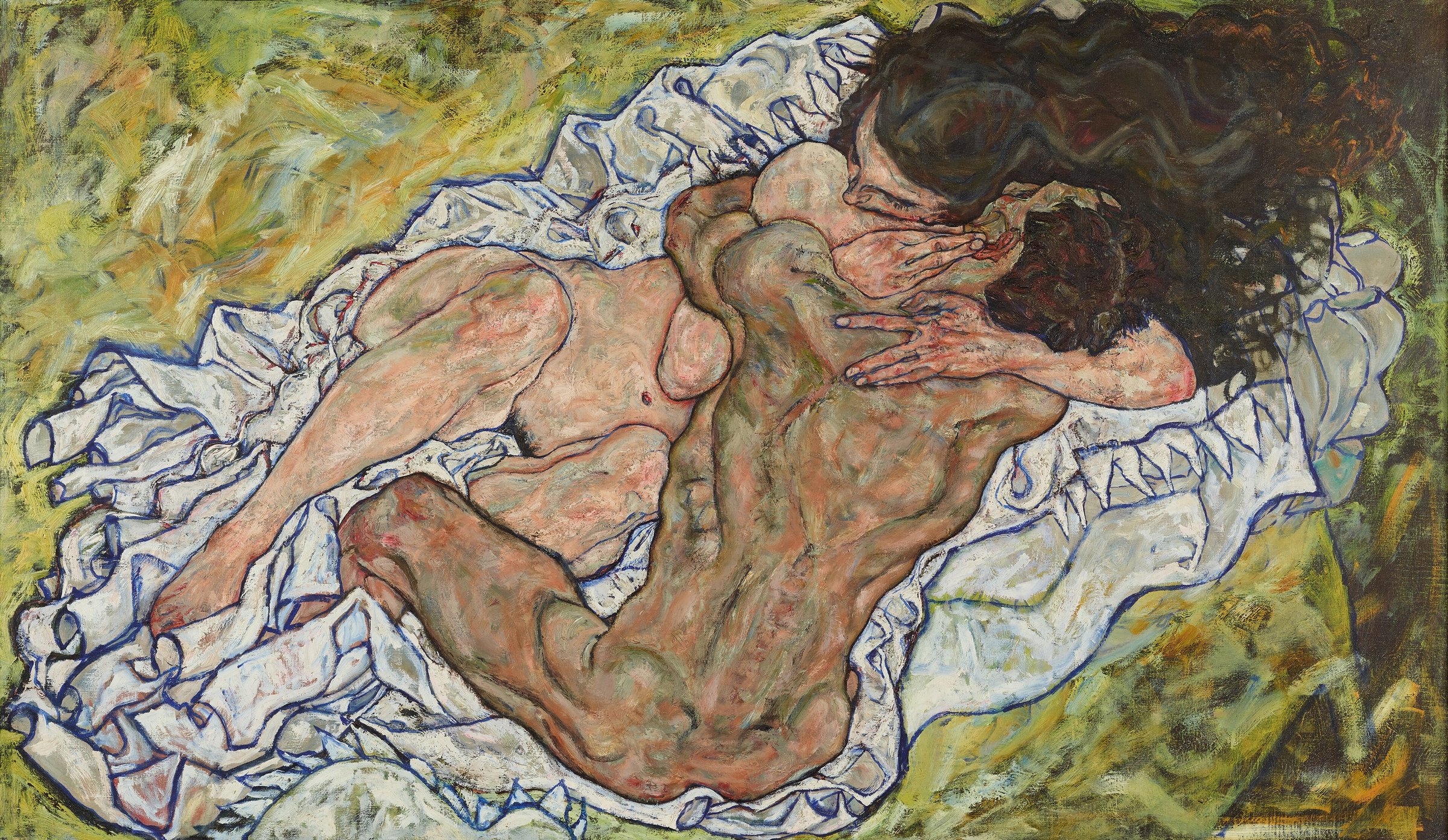
“Stop and observe "The Embrace," a lithograph that beautifully captures the universal human need for connection through its tender depiction of a couple, their forms merging into a single, glowing embrace.”
A man and a woman are locked in a tender embrace, their forms merging into a single, almost sculptural unit. This lithograph, created in 1918 by Karl Heffner, captures a moment of profound connection, rendered with a soft, almost ethereal quality. The figures are simplified, their faces obscured, which allows the viewer to focus on the universality of the gesture itself. Notice how the light seems to emanate from within the couple, highlighting their intertwined bodies and creating a sense of intimacy and warmth. The surrounding space is minimal, drawing all attention to the emotional core of the image. This print speaks to themes of human bond and solace, particularly poignant given its creation during the final year of World War I.
Five details hide in plain sight. Pick one and we’ll show you exactly where to look.
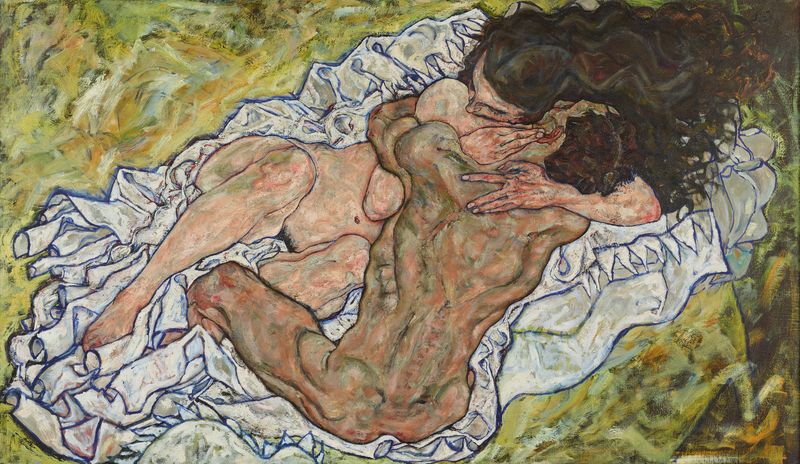
Find the faces pressed together at the top right. Dark hair covers most of them, so the kiss feels private and closed off from us.
Look at the spread fingers pressed into the shoulder of the green-brown back. The thin, bony hand looks like a firm grip, tender and tense at once.
The muscular back sits in the center and turns away from us. Its curve leads the eye down the spine toward the bent leg at the bottom.
Look closely at the flesh on the left figure's legs. Pink, green and gray patches sit side by side, so the skin looks mottled rather than smooth.
Follow the dark blue lines tracing the white sheet's folds. They make the cloth look jagged and restless, like crumpled paper.
The full narration walks you through The Embrace — the story behind it, the details most visitors miss, and why it matters. Free in the Art Whisper app.
Karl Heffner was a German landscape painter known for atmospheric, softly lit river and twilight scenes in the tradition of Corot and the Barbizon school.
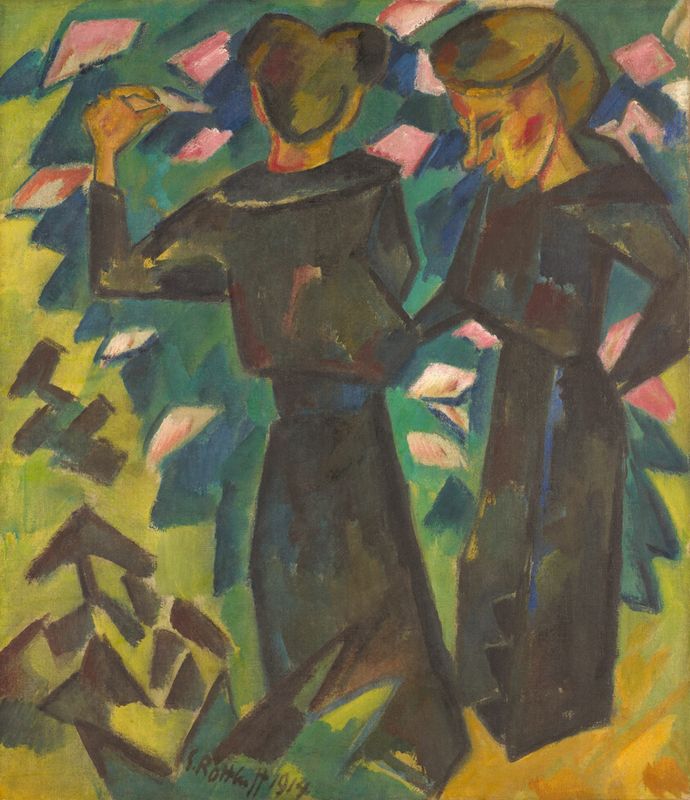 Two Girls in a Garden
1914 · Art Institute of Chicago
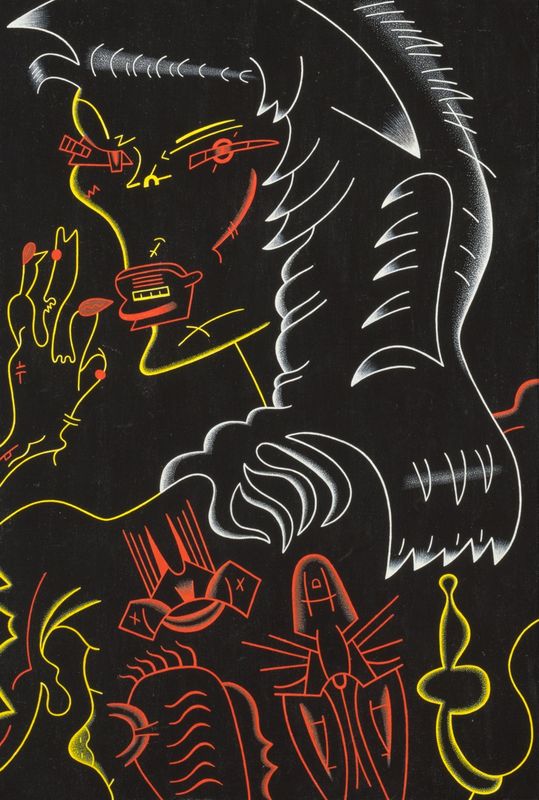 Back Teria One Oh! One
Art Institute of Chicago
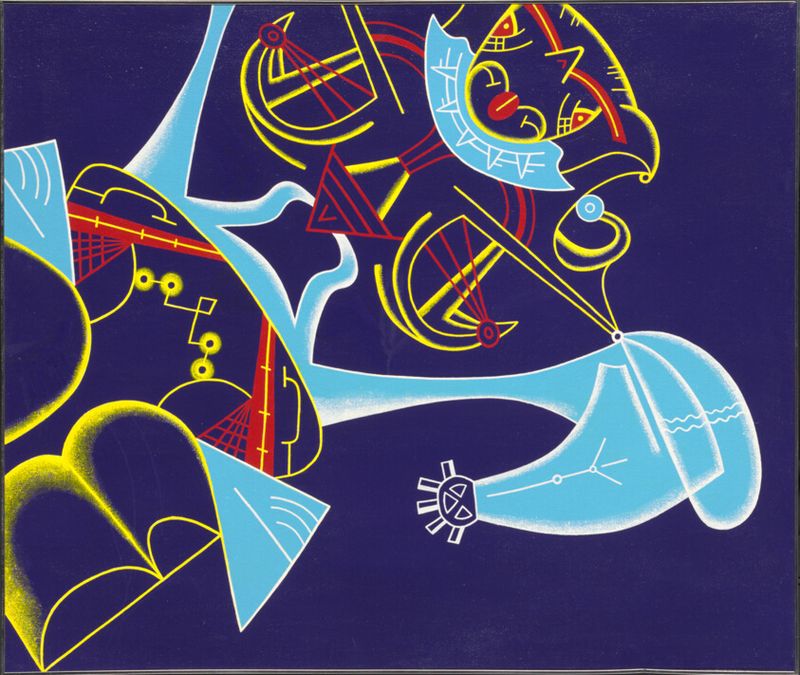 Macy's Jet Set
Art Institute of Chicago
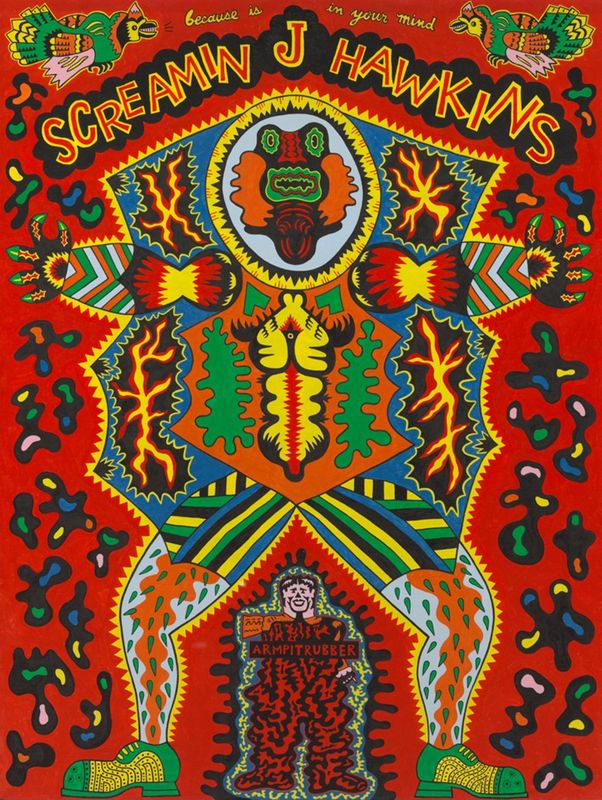 Screamin' Jay Hawkins
Art Institute of Chicago
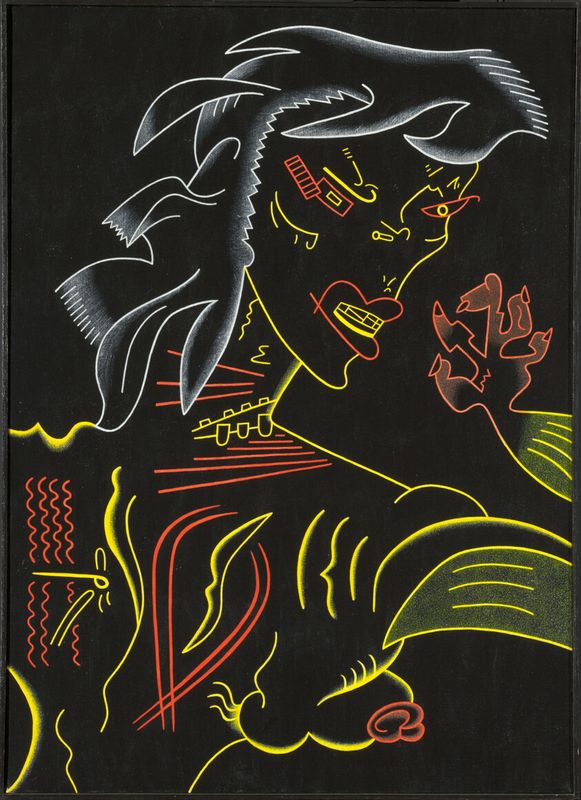 You Scratch My Back and I'll Scratch Yours
Art Institute of Chicago
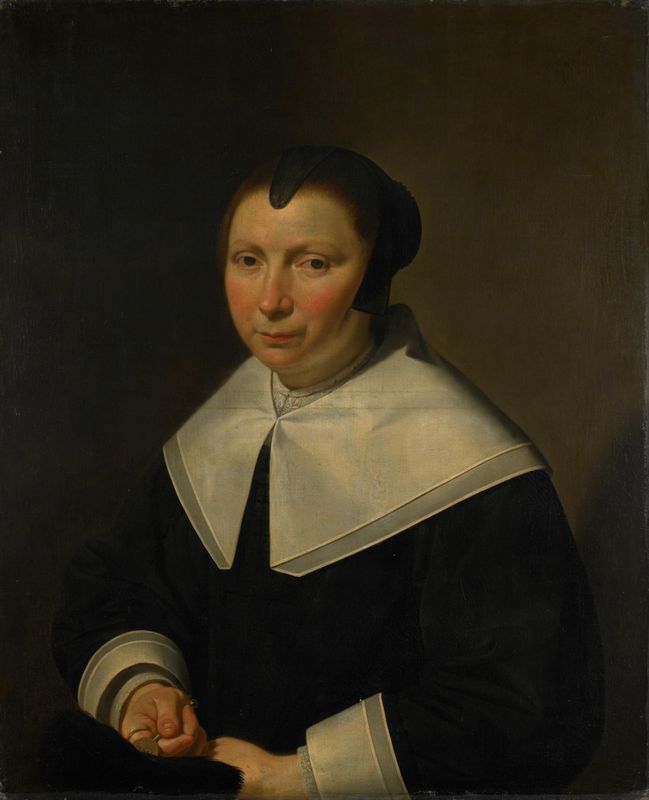 Portrait of a Woman
1868 · Art Institute of Chicago
 Carnival Figures
1919 · Art Institute of Chicago
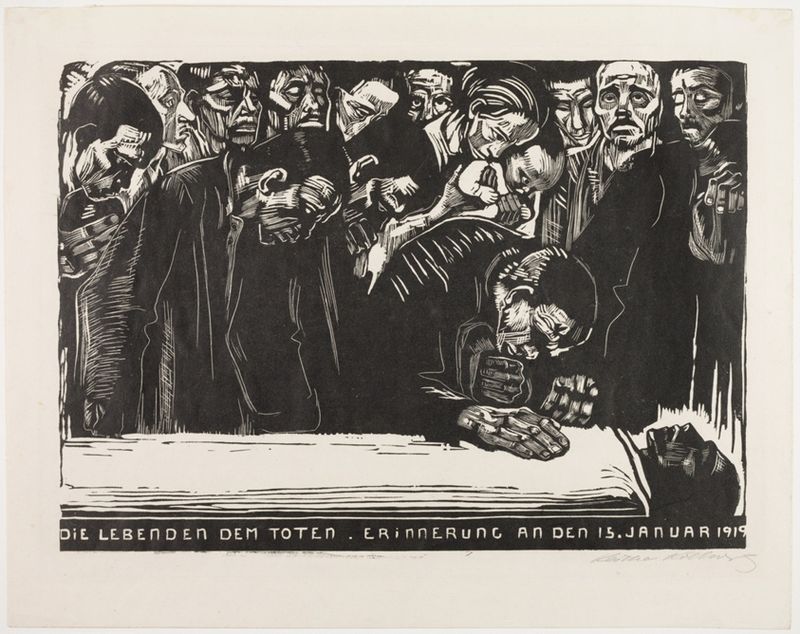 Memorial Sheet for Karl Liebknecht
1920 · Art Institute of Chicago
Beyond Heffner: works from the same years.
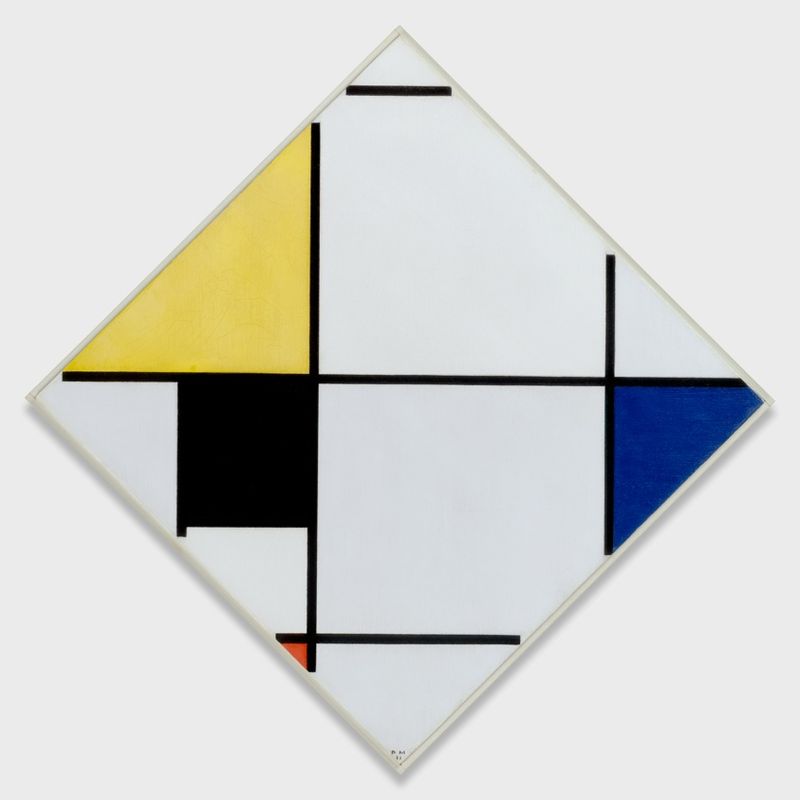 Same era · 1900s–1930s
Lozenge Composition with Yellow, Black, Blue, Red, and Gray
Piet Mondrian · 1921 · Art Institute of Chicago
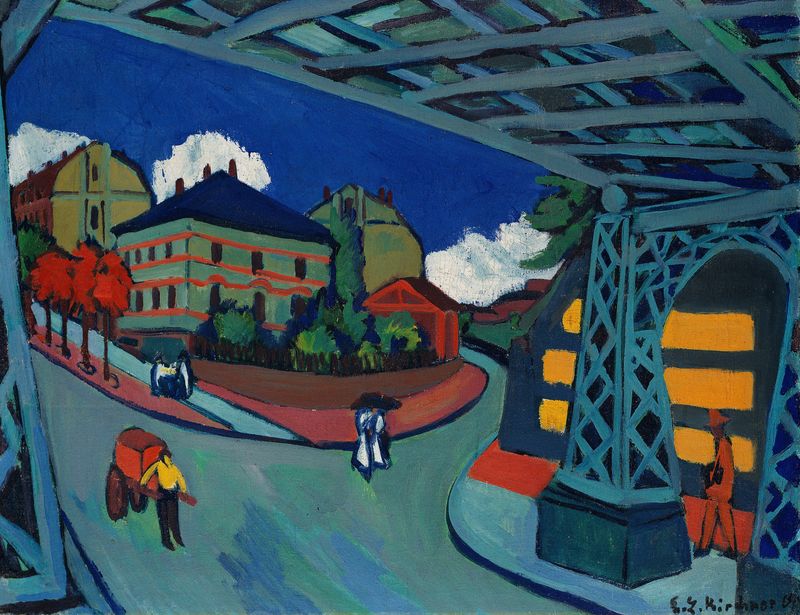 Same era · 1900s–1930s
Railway Bridge on Löbtauer Strasse in Dresden
Ernst Ludwig Kirchner · 1918 · Galerie Neue Meister
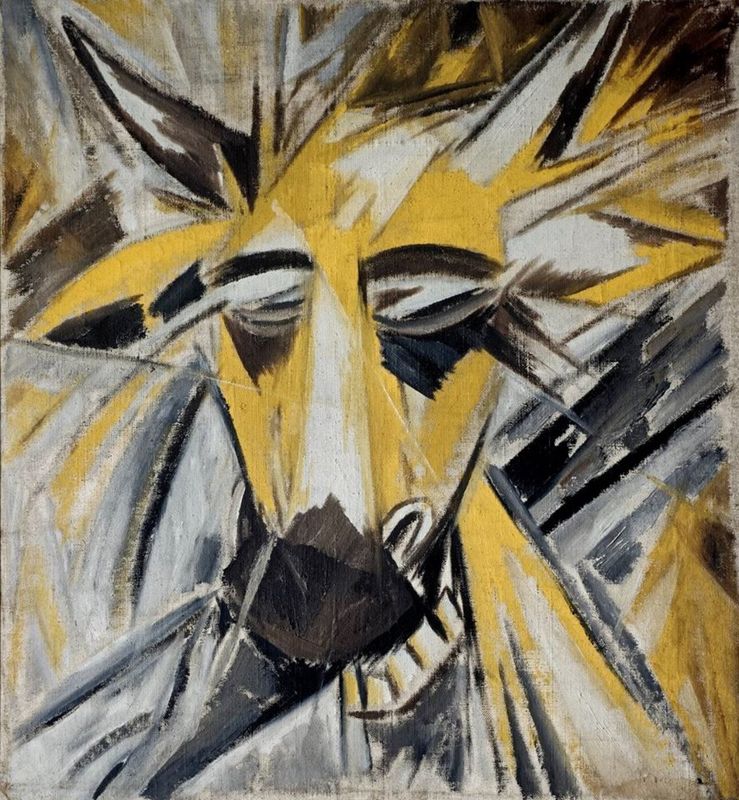 Same era · 1900s–1930s
Bull's Head
Mikhail Larionov · 1913 · Tretyakov Gallery
 Same era · 1900s–1930s
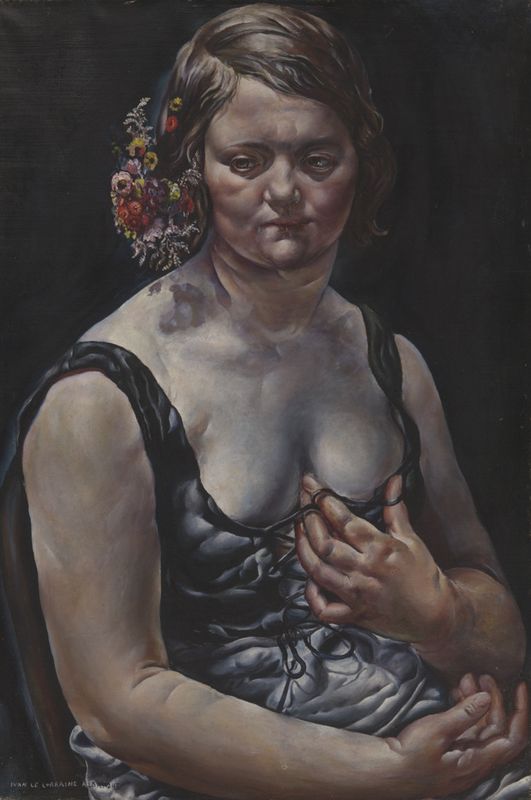
Memories of the Past
Ivan Puni · 1927 · Art Institute of Chicago
 Same era · 1900s–1930s
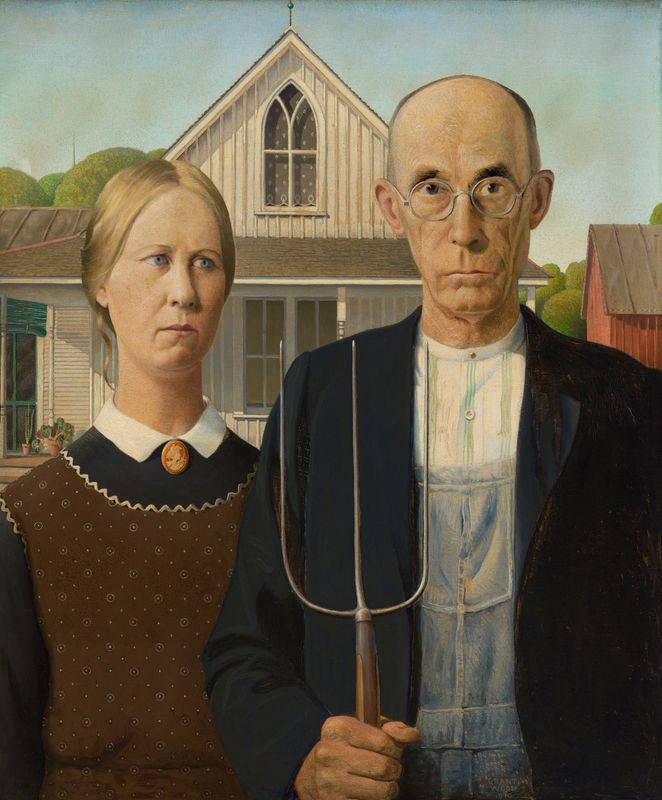
American Gothic
Okada Saburosuke · 1930 · Art Institute of Chicago
 Same era · 1900s–1930s
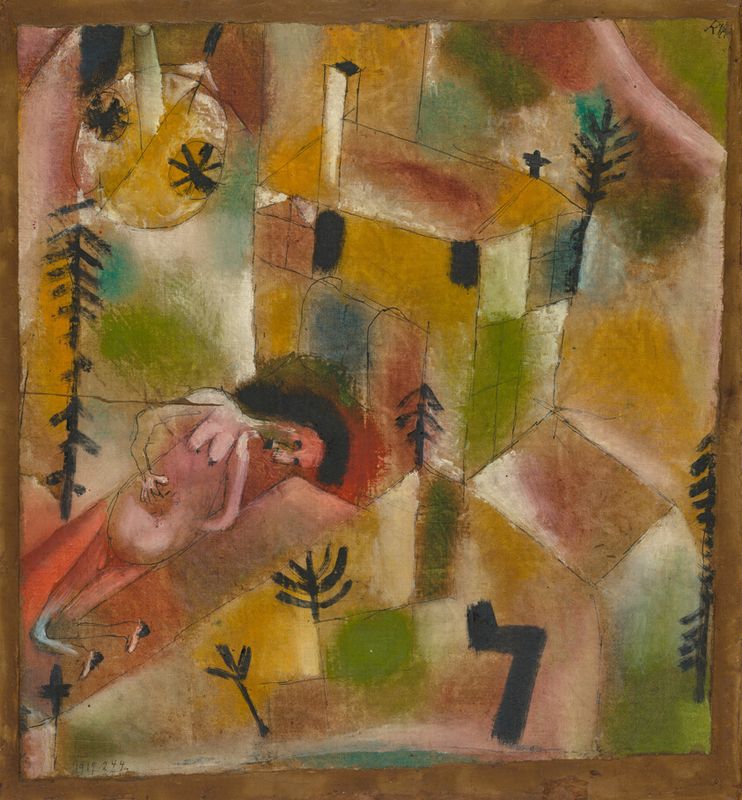
Death in the Garden (Legend)
Paul Klee · 1919 · Art Institute of Chicago
 Same era · 1900s–1930s
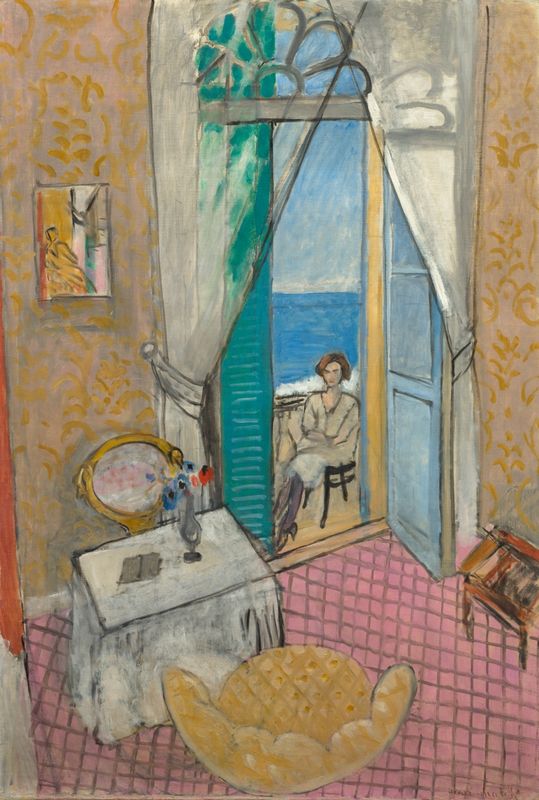
Interior at Nice
Henri Matisse · 1919 · Art Institute of Chicago
 Same era · 1900s–1930s
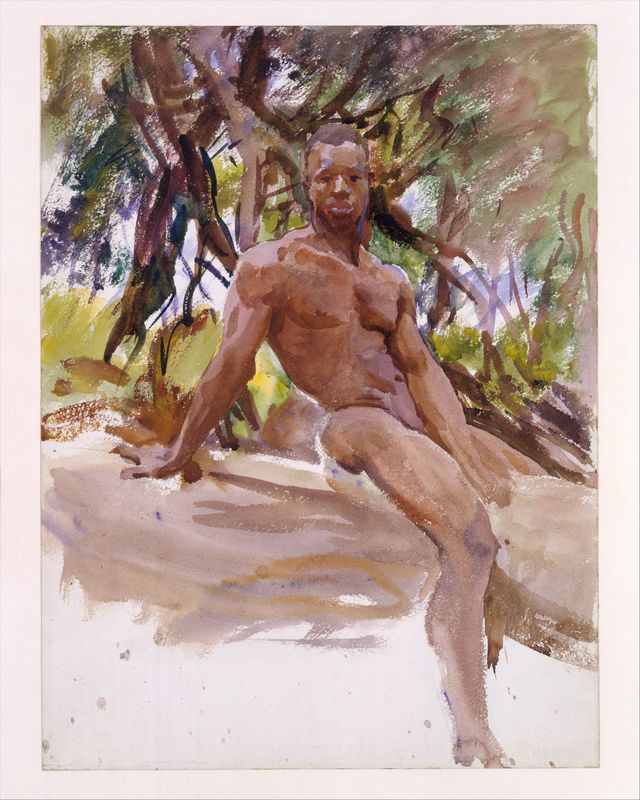
Man and Trees, Florida
John Singer Sargent · 1917 · The Metropolitan Museum of Art
 Same era · 1900s–1930s
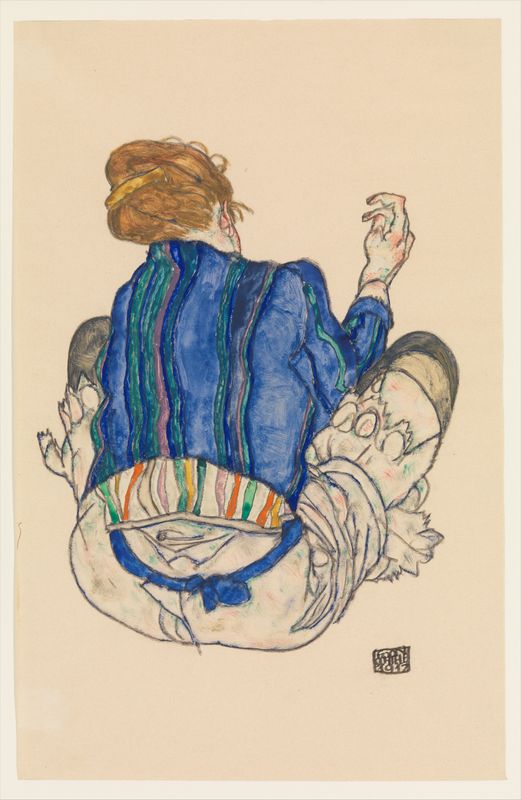
Seated Woman, Back View
Egon Schiele · 1917 · The Metropolitan Museum of Art
 Same era · 1900s–1930s
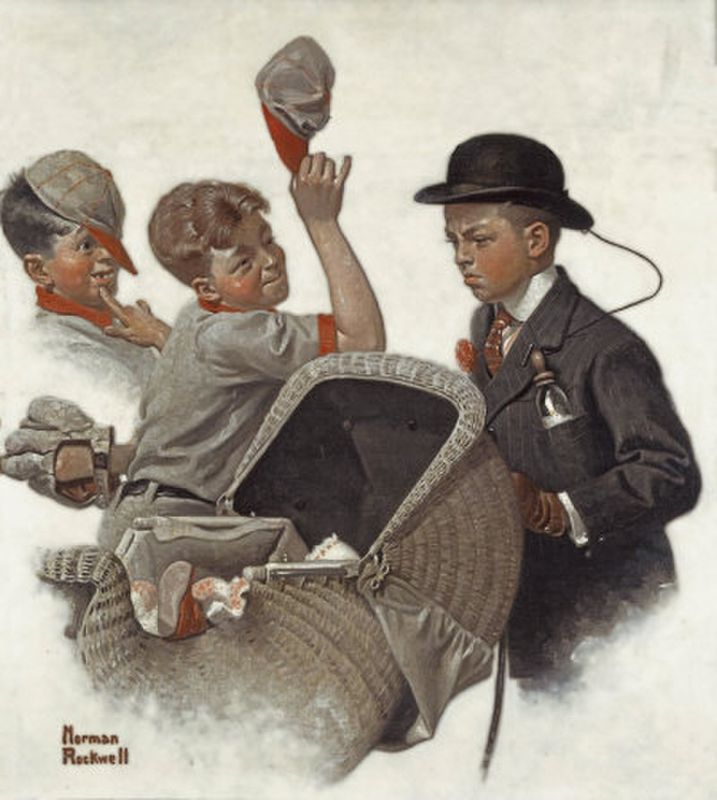
Boy with Baby Carriage
Norman Rockwell · 1916 · Norman Rockwell Museum
 Same era · 1900s–1930s
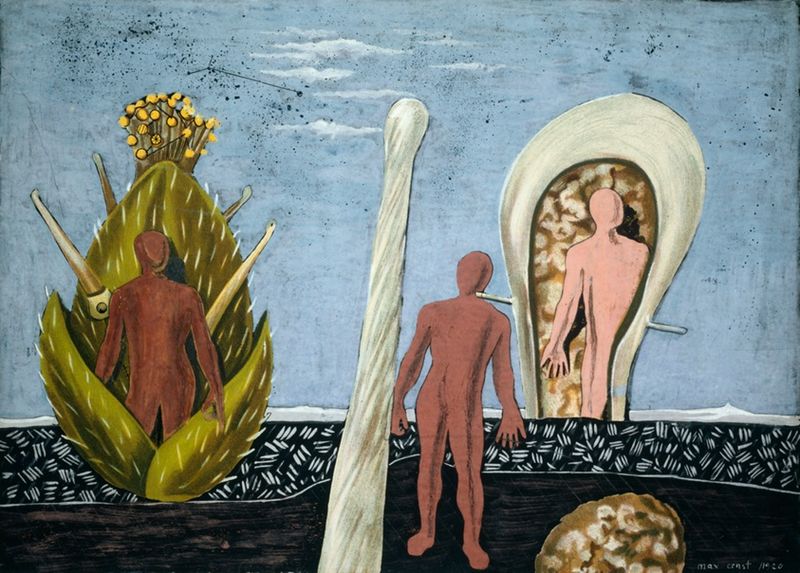
Dada Gauguin
Max Ernst · 1920 · Art Institute of Chicago
 Same era · 1900s–1930s
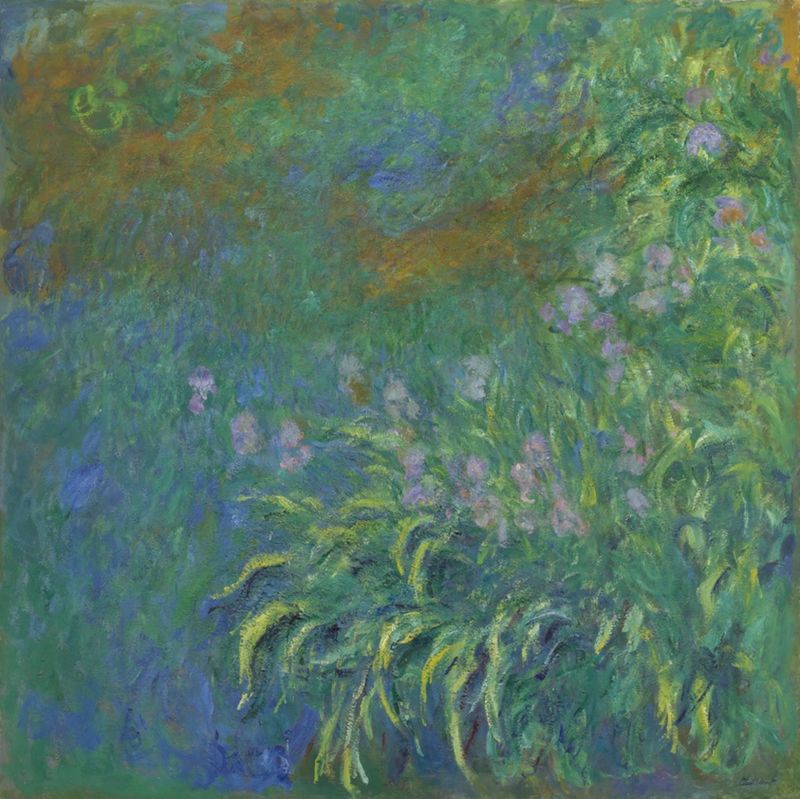
Irises
Claude Monet · 1915 · National Gallery
