01
Downcast woman's face
On the left, the woman's closed eyes and turned-down mouth under a dark helmet of hair give the print a quiet, sad mood.
1 of 5 on the painting
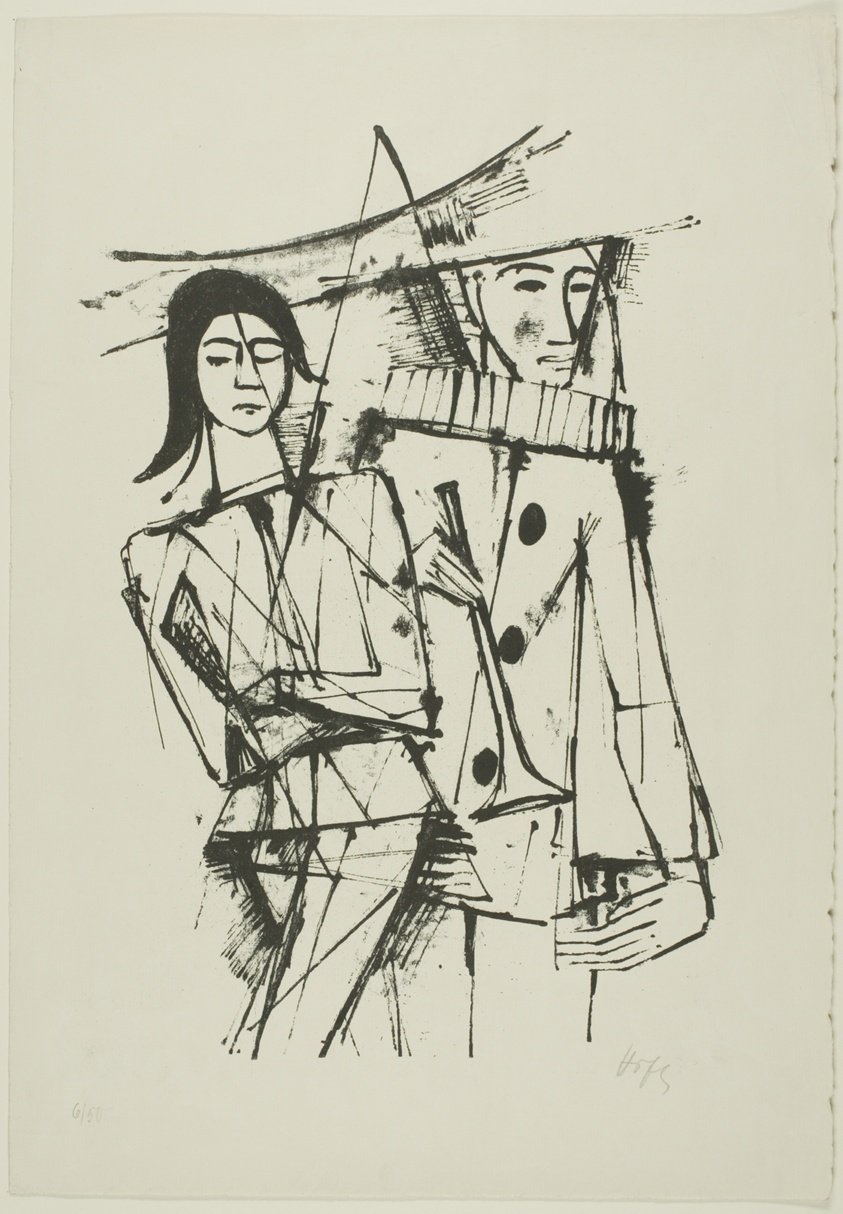
“Step into a lively carnival scene where masked figures create a vibrant, anonymous crowd. This lithograph captures the festive spirit and collective energy of a post-World War I celebration, inviting you to imagine yourself amidst the revelers.”
A crowd of revelers, their faces obscured by masks and pointed hats, fills the frame of Karl Heffner's "Carnival Figures." The lithograph captures a moment of boisterous festivity, with figures pressing close together, their forms suggested by the interplay of dark lines and lighter areas. One figure, perhaps a jester, stands out with a tall, conical hat, its tip almost touching the upper edge of the image. The artist uses the stark contrasts inherent in lithography to create a sense of movement and density, emphasizing the anonymity and collective energy of the masked participants. Produced in 1919, this work reflects a post-World War I world, where traditions like carnival offered a vibrant escape, even as society grappled with profound changes. The medium itself, lithography, allowed for broad distribution and a more immediate engagement with contemporary life.
Five details hide in plain sight. Pick one and we’ll show you exactly where to look.

On the left, the woman's closed eyes and turned-down mouth under a dark helmet of hair give the print a quiet, sad mood.
The taller figure's face rises from a striped, ruffled collar. Its open eyes contrast with the woman's closed ones.
Broad, brushy strokes sweep across the heads of both figures like a hat brim or a roof. They tie the pair together under one shape.
Three heavy black ovals run down the coat of the figure on the right. They look like buttons on a clown's costume and anchor the busy lines around them.
Over the woman's body, thin lines cross and overlap like broken glass, so her torso looks faceted rather than rounded.
The full narration walks you through Carnival Figures — the story behind it, the details most visitors miss, and why it matters. Free in the Art Whisper app.
Karl Heffner was a German landscape painter known for atmospheric, softly lit river and twilight scenes in the tradition of Corot and the Barbizon school.
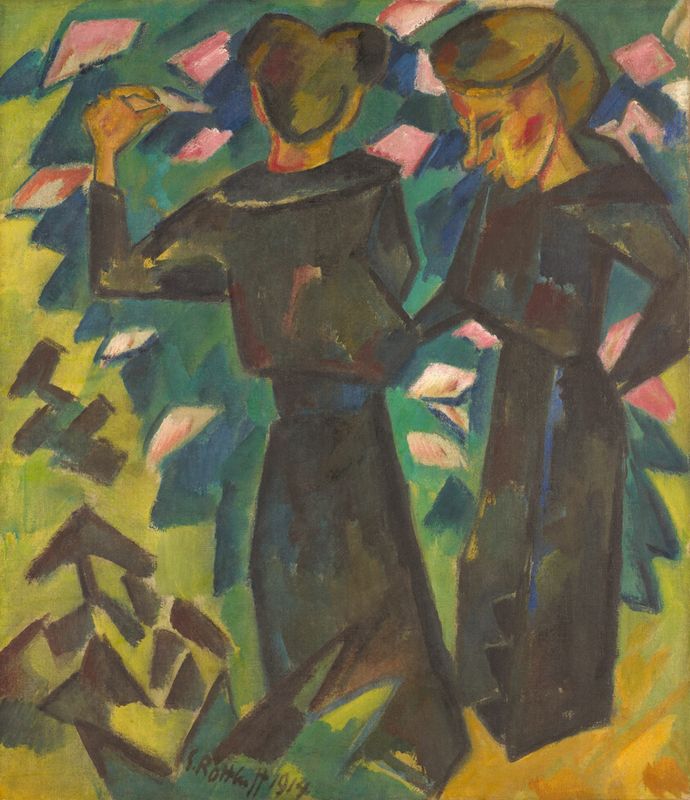 Two Girls in a Garden
1914 · Art Institute of Chicago
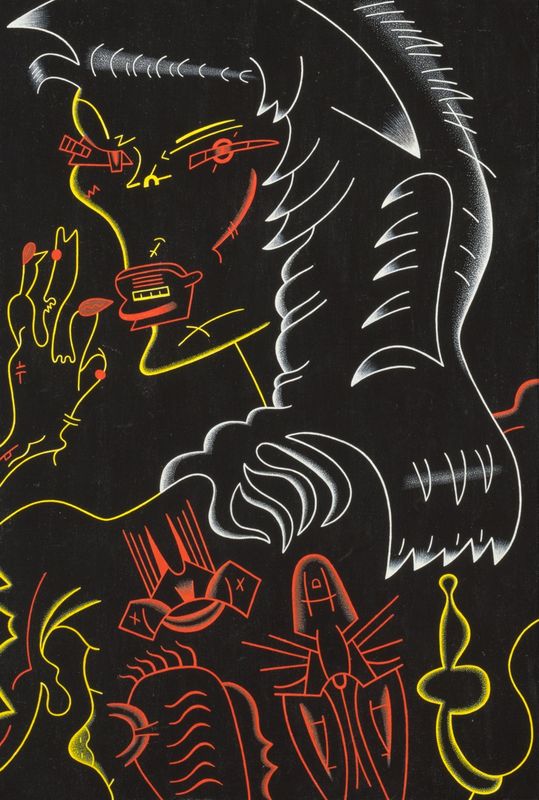 Back Teria One Oh! One
Art Institute of Chicago
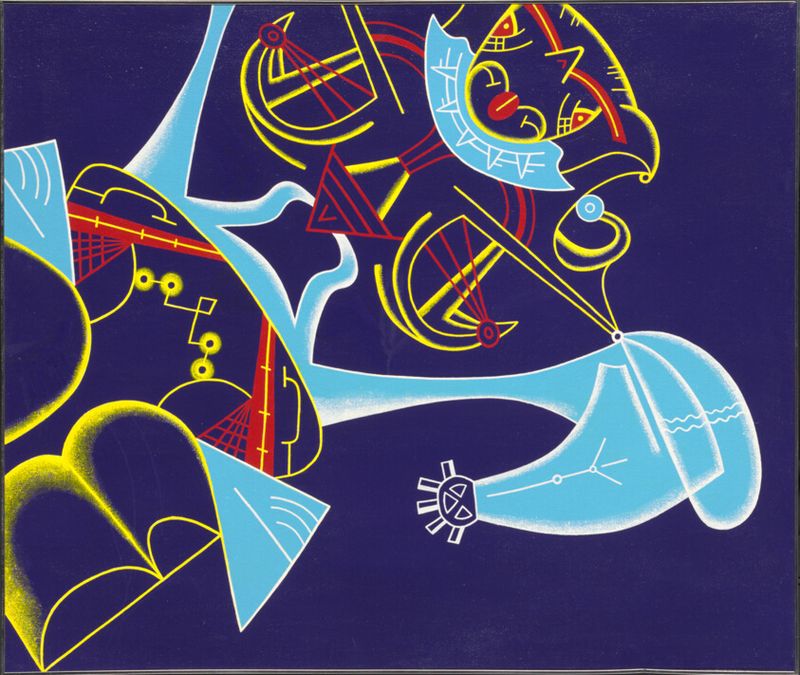 Macy's Jet Set
Art Institute of Chicago
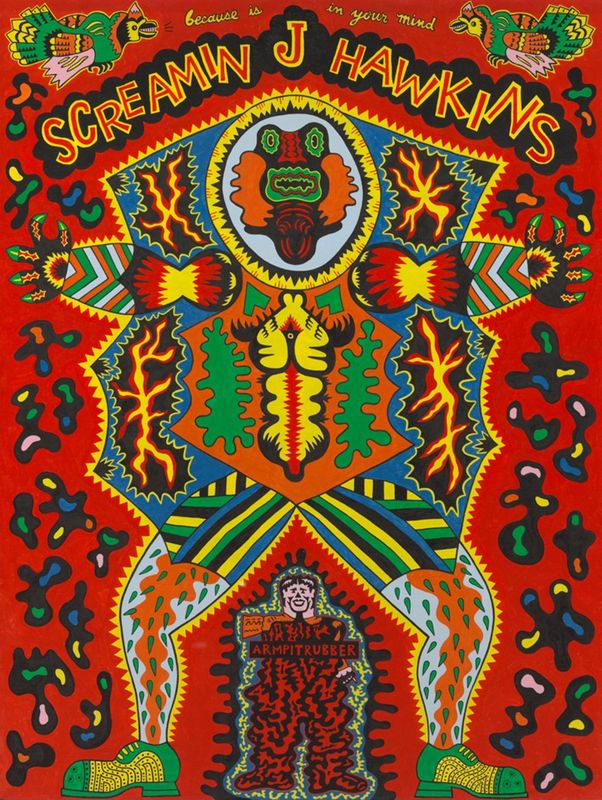 Screamin' Jay Hawkins
Art Institute of Chicago
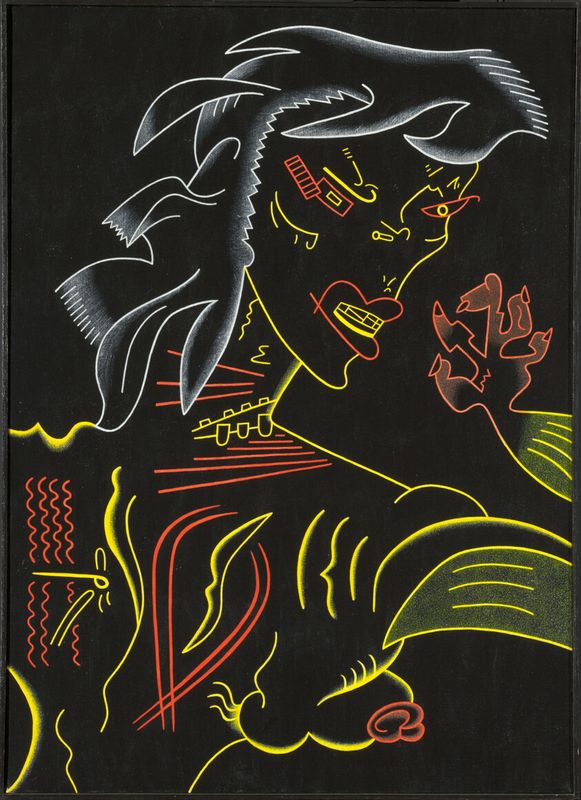 You Scratch My Back and I'll Scratch Yours
Art Institute of Chicago
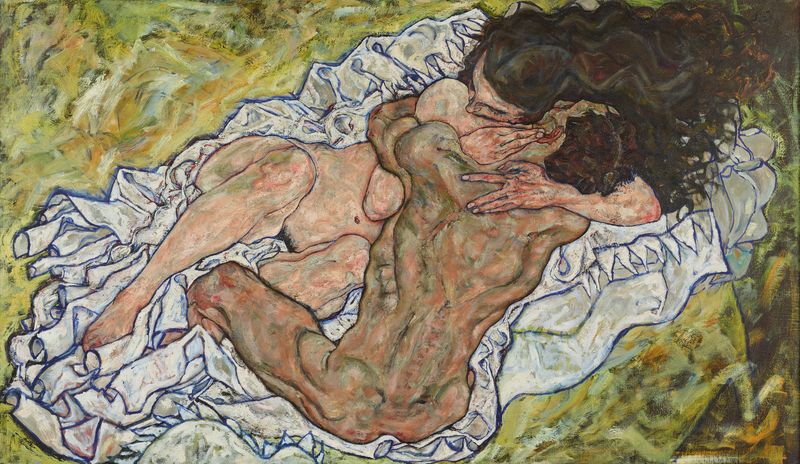 The Embrace
1918 · Art Institute of Chicago
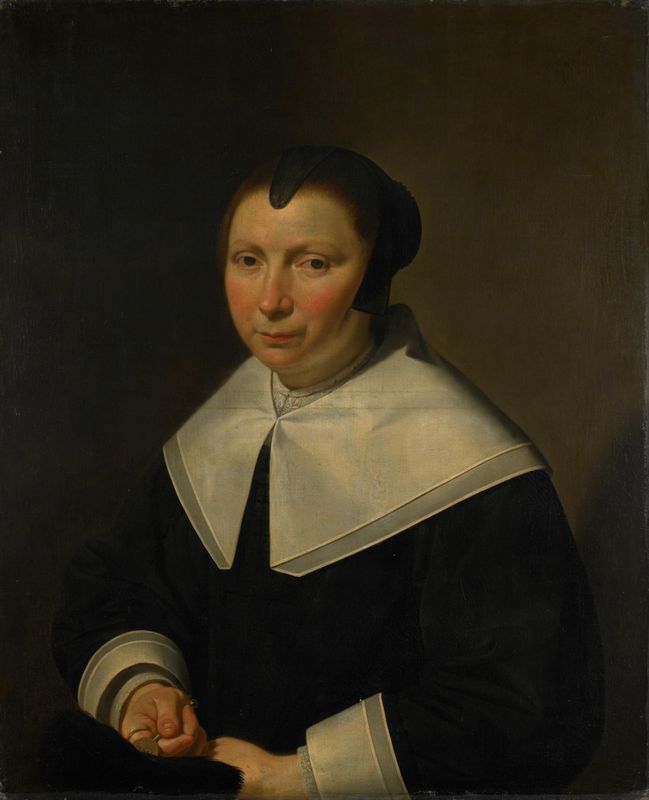 Portrait of a Woman
1868 · Art Institute of Chicago
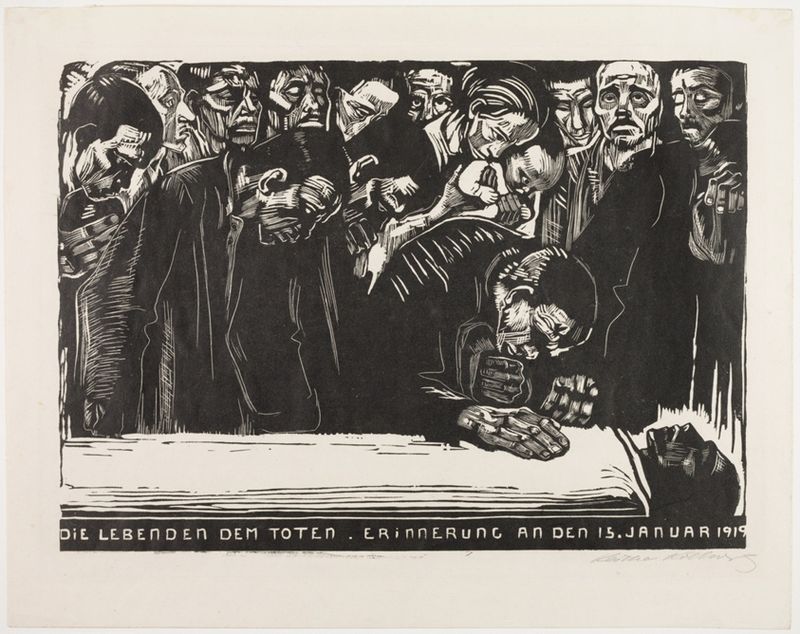 Memorial Sheet for Karl Liebknecht
1920 · Art Institute of Chicago
Beyond Heffner: works from the same years.
 Same era · 1900s–1930s
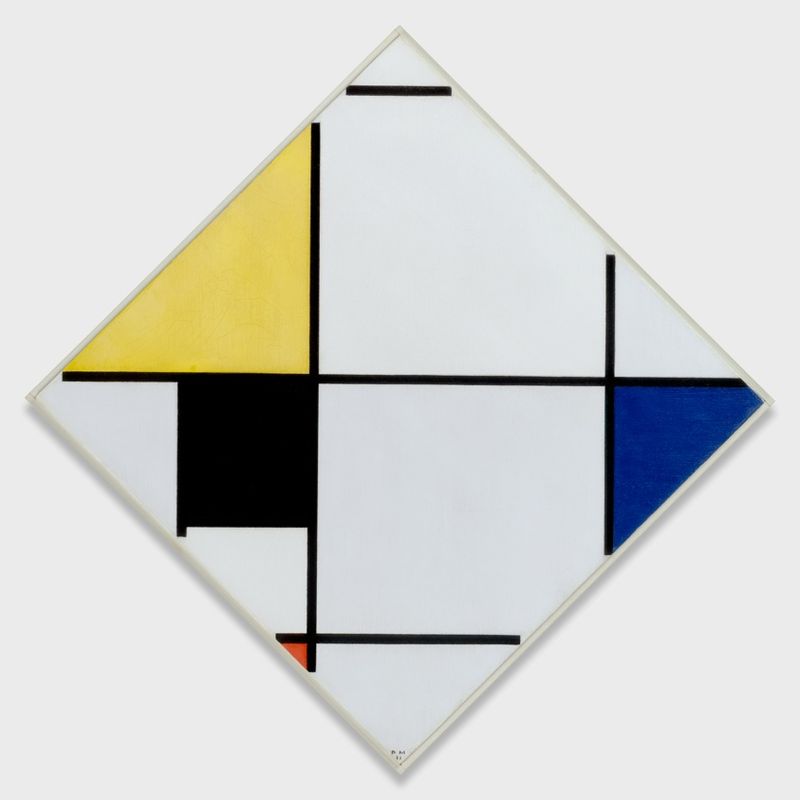
Lozenge Composition with Yellow, Black, Blue, Red, and Gray
Piet Mondrian · 1921 · Art Institute of Chicago
 Same era · 1900s–1930s
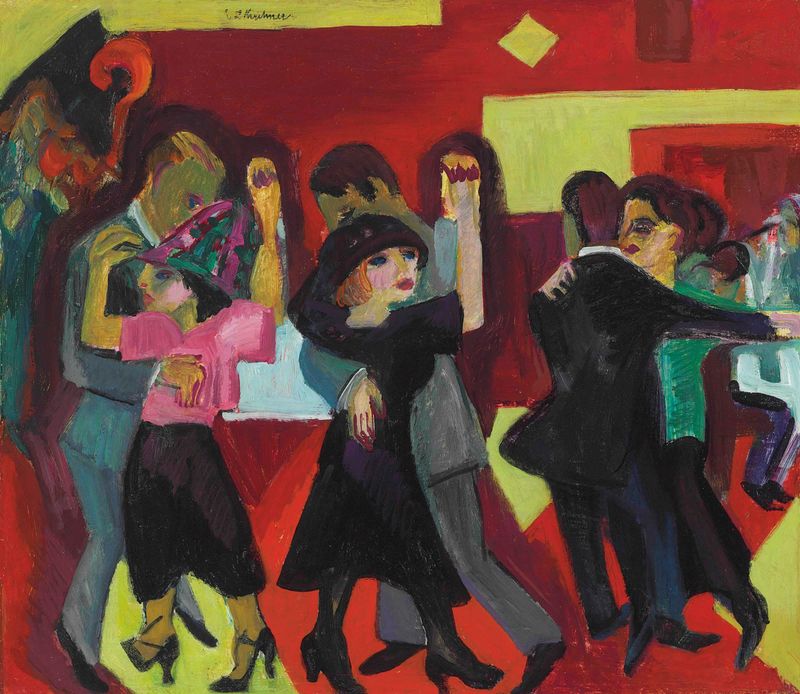
Tangotee
Ernst Ludwig Kirchner · 1920
 Same era · 1900s–1930s
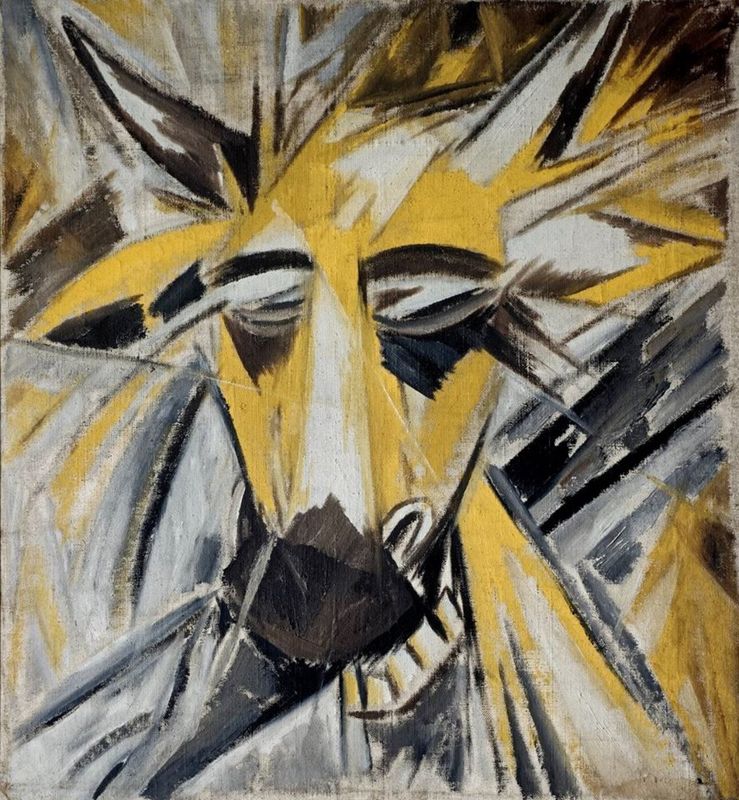
Bull's Head
Mikhail Larionov · 1913 · Tretyakov Gallery
 Same era · 1900s–1930s
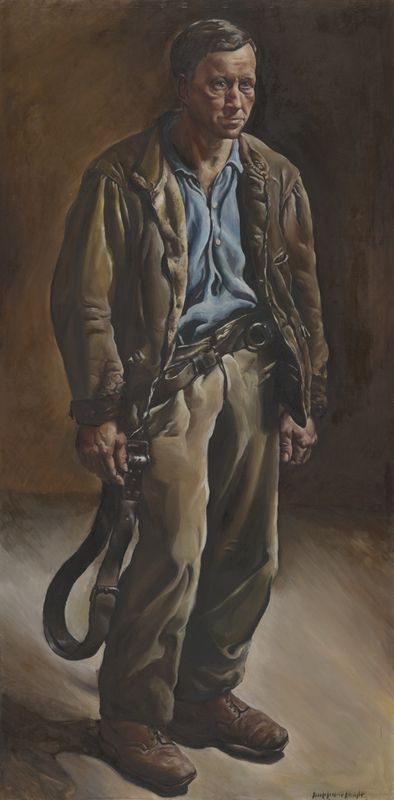
The Lineman
Ivan Puni · 1927 · Art Institute of Chicago
 Same era · 1900s–1930s
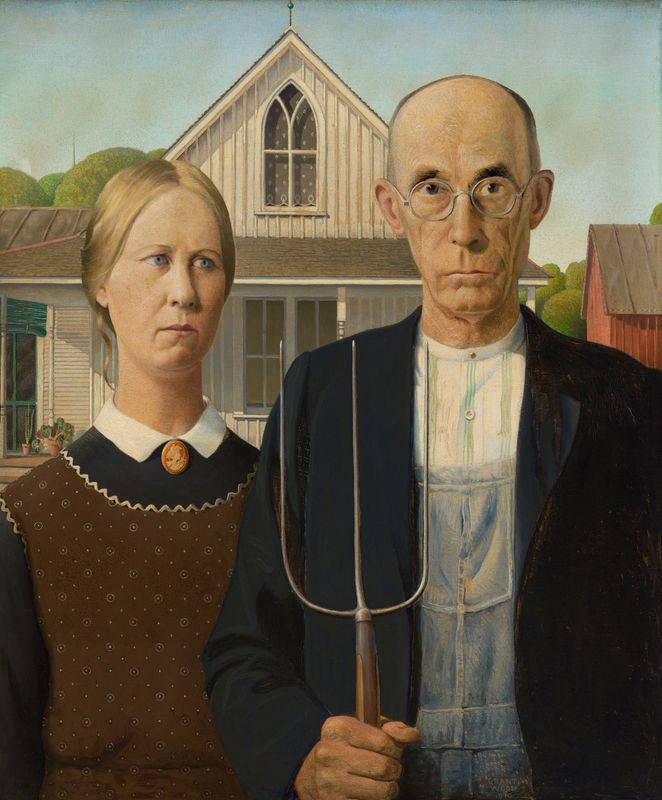
American Gothic
Okada Saburosuke · 1930 · Art Institute of Chicago
 Same era · 1900s–1930s
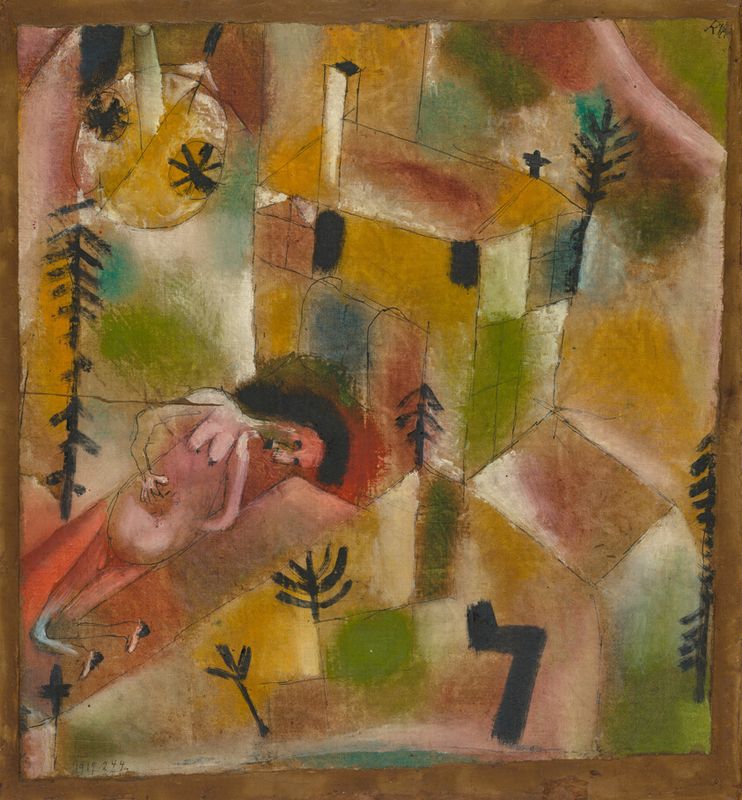
Death in the Garden (Legend)
Paul Klee · 1919 · Art Institute of Chicago
 Same era · 1900s–1930s
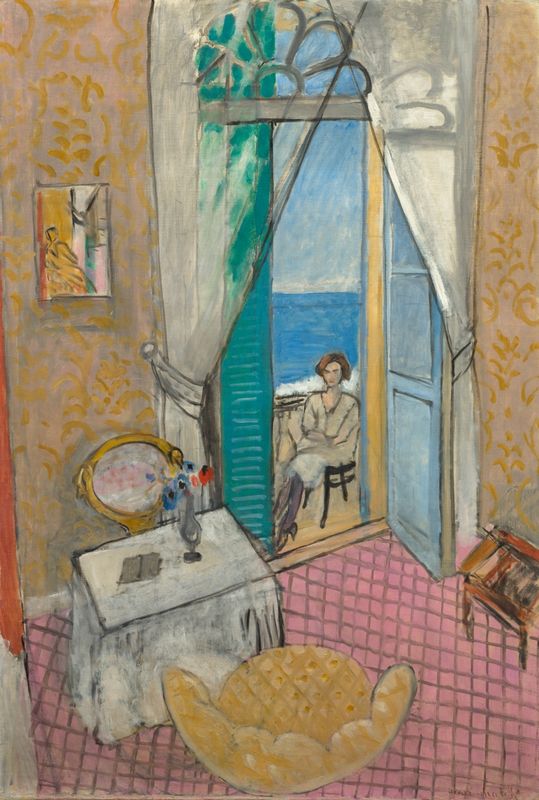
Interior at Nice
Henri Matisse · 1919 · Art Institute of Chicago
 Same era · 1900s–1930s
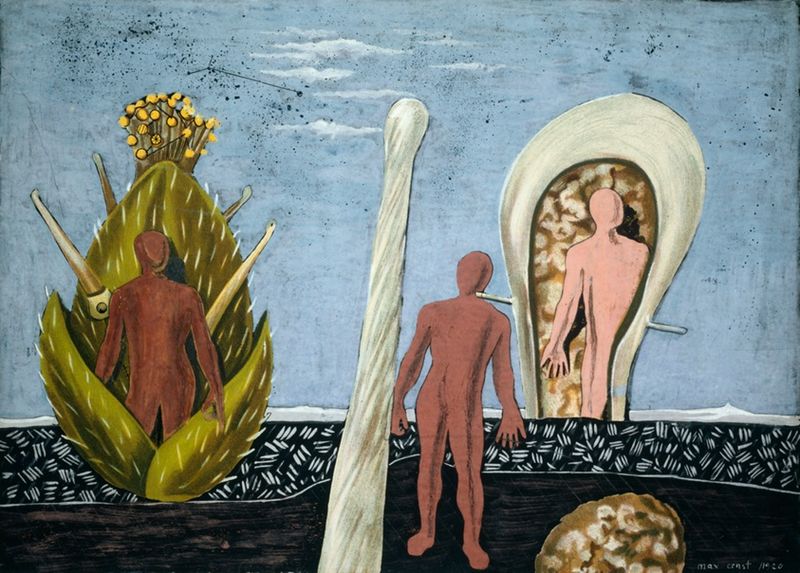
Dada Gauguin
Max Ernst · 1920 · Art Institute of Chicago
 Same era · 1900s–1930s
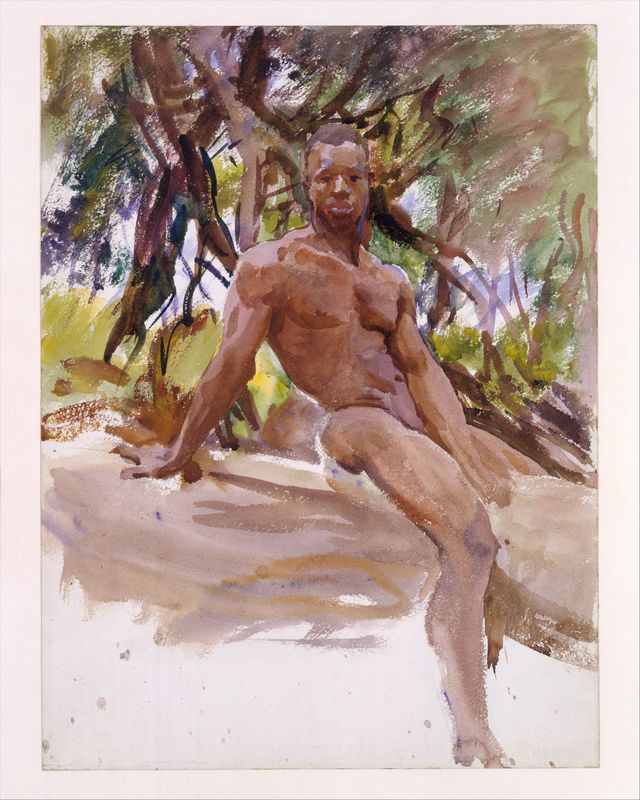
Man and Trees, Florida
John Singer Sargent · 1917 · The Metropolitan Museum of Art
 Same era · 1900s–1930s
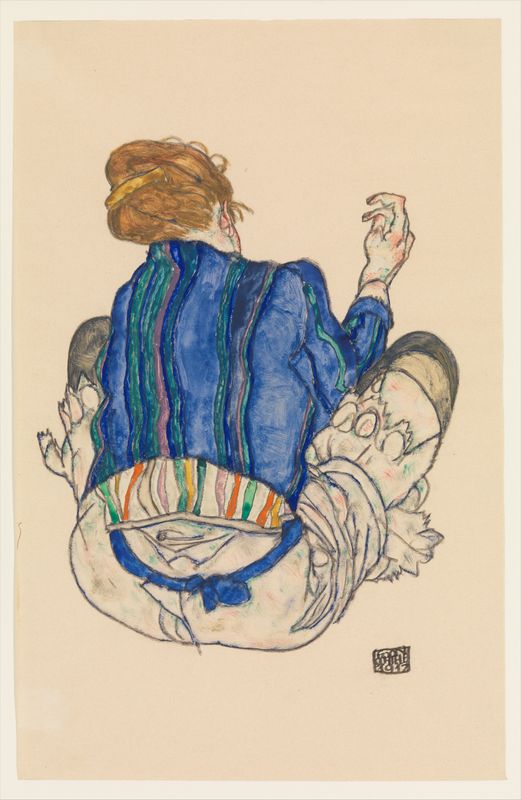
Seated Woman, Back View
Egon Schiele · 1917 · The Metropolitan Museum of Art
 Same era · 1900s–1930s
The Fiddler
Norman Rockwell · 1921 · Brandywine Museum of Art
 Same era · 1900s–1930s
Irises
Claude Monet · 1915 · National Gallery
