
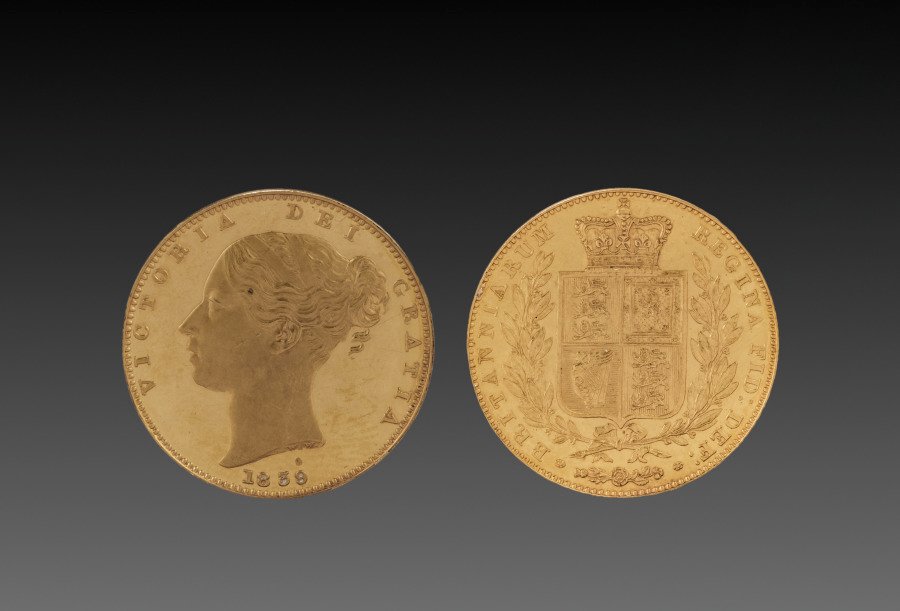
“This 1839 gold sovereign features a youthful Queen Victoria, offering a glimpse into early Victorian-era coinage and the refined engraving of William Wyon.”
This small gold coin, a sovereign from 1839, captures a youthful Queen Victoria on its obverse, her profile elegantly rendered in the Neoclassical style. Her hair is pulled back, revealing a delicate neck, and a simple diadem adorns her head. The reverse side features a simplified shield of arms, reflecting a shift in British heraldry after the end of the House of Hanover's rule. The design, created by William Wyon, who was the official chief engraver at the Royal Mint, showcases the artistry applied to everyday currency. It’s a tangible piece of history, minted just two years after Victoria ascended to the throne, illustrating both the monarch and the evolving symbols of the British Empire.
- Artist
- William Wyon
- Date
- 1839
- Medium
- gold
- Location
- Cleveland Museum of Art
- Dimensions
- [object Object]
- Collection
- Medieval Art
- Culture
- England, Victoria, 1837-1901
- Credit line
- The Norweb Collection
What to Notice
Four details hide in plain sight. Here’s where to look.
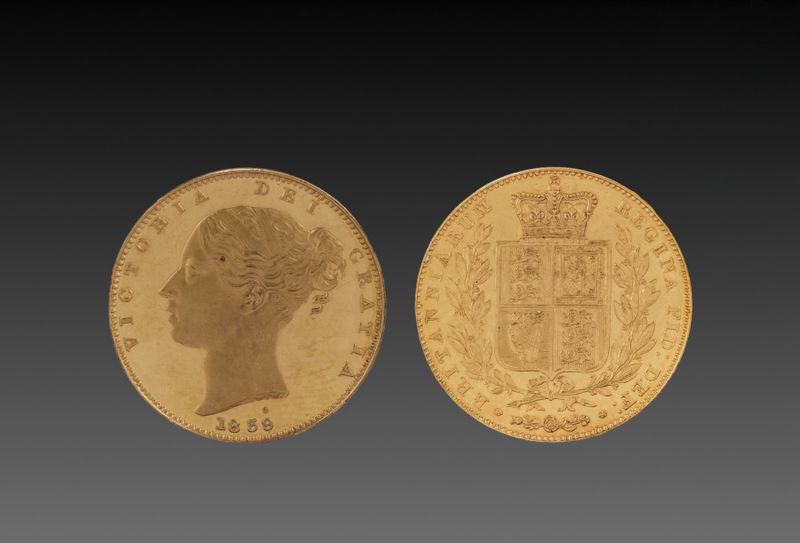
Observe the detailed engraving of Queen Victoria's youthful profile.
Notice the diadem on Victoria's head, a symbol of her royal status.
Turn the coin to see the simplified shield of arms on the reverse.
Look for the four quarters on the shield: England, Scotland, Ireland, and then England again.
Stand in front of it and listen
The full narration walks you through Sovereign: Victoria (obverse); Shield of Arms (reverse) — the story behind it, the details most visitors miss, and why it matters. Free in the Art Whisper app.
William Wyon
1795–1851 · British EmpireWilliam Wyon, Chief Engraver at the Royal Mint, left an indelible mark on British coinage and even the world's first adhesive postage stamp, the Penny Black.
Further Works by Wyon
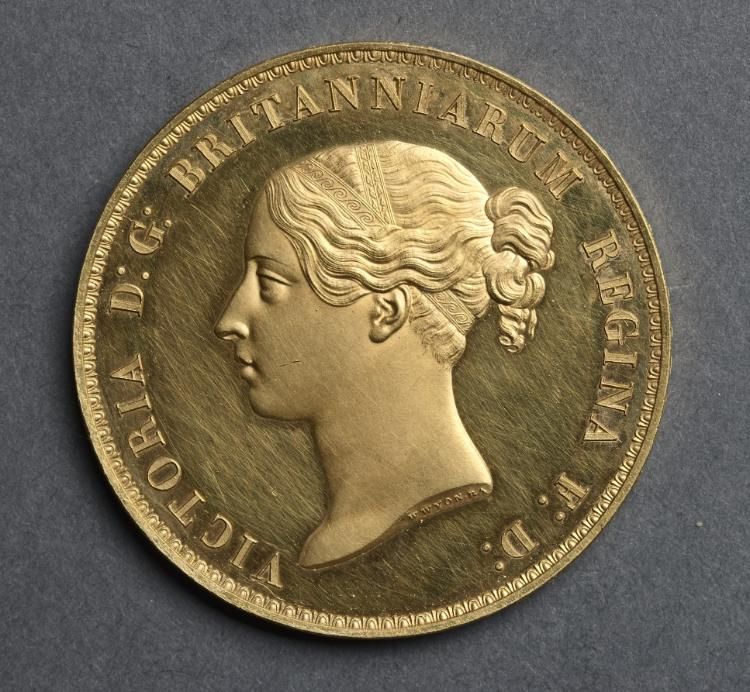 Five Pound Piece: Portrait of Queen Victoria (obverse)
1839 · Cleveland Museum of Art
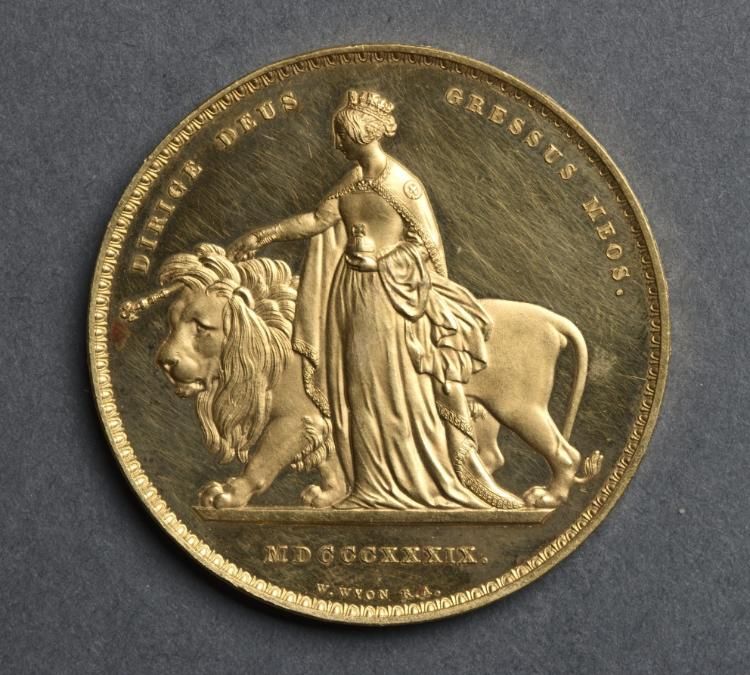 Five Pound Piece: Una, Guiding the Lion (reverse)
1839 · Cleveland Museum of Art
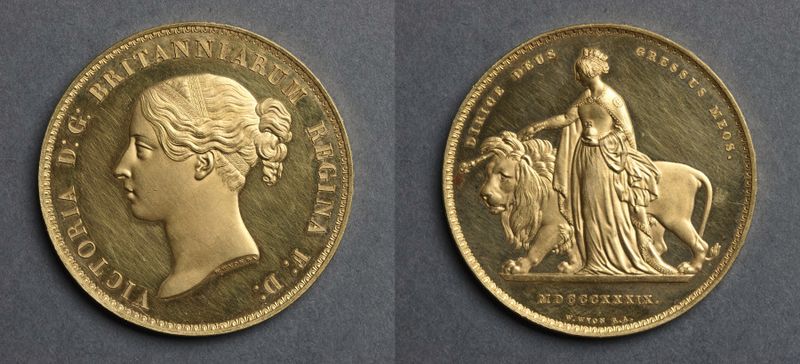 Five Pound Piece: Victoria (obverse); Una (reverse)
1839 · Cleveland Museum of Art
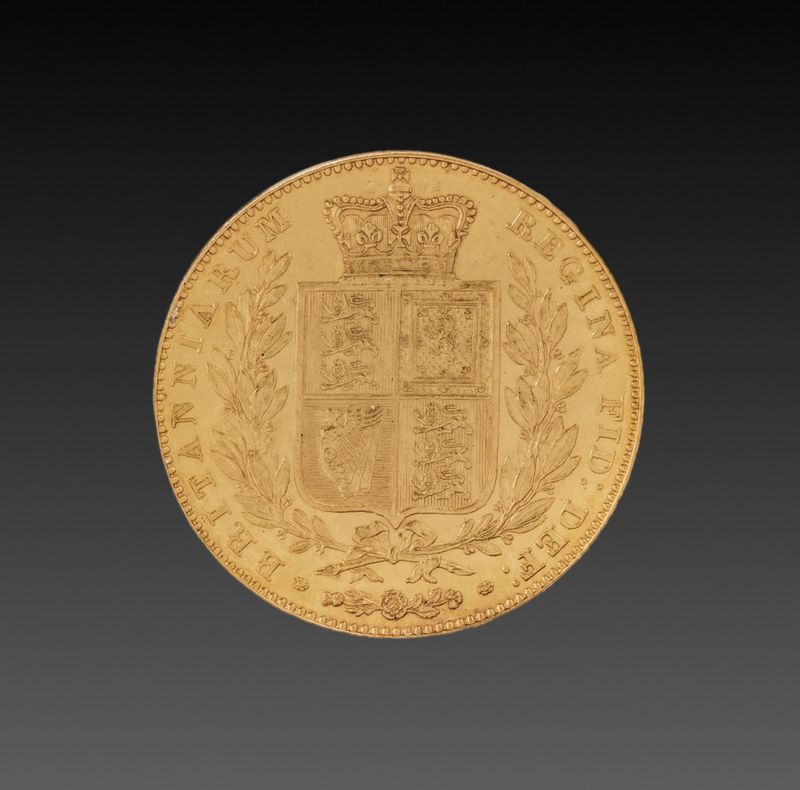 Sovereign: Broad Crowned Shield of Arms, Olive Branches and National Emblems (reverse)
1839 · Cleveland Museum of Art
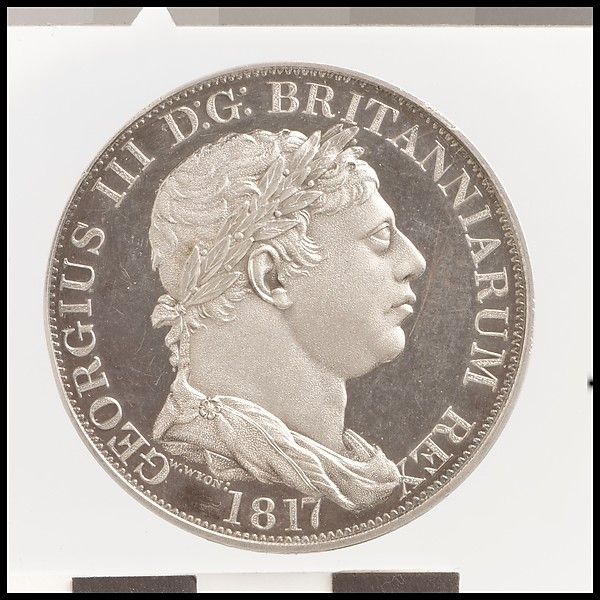 George III "Incorrupta" crown
1817 · The Metropolitan Museum of Art
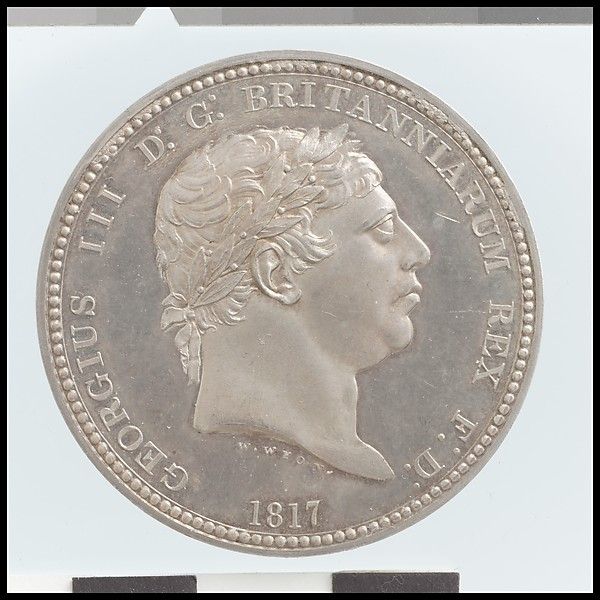 "Three Graces" crown
1817 · The Metropolitan Museum of Art
 Study for "Flying Victory"
1825 · The Metropolitan Museum of Art
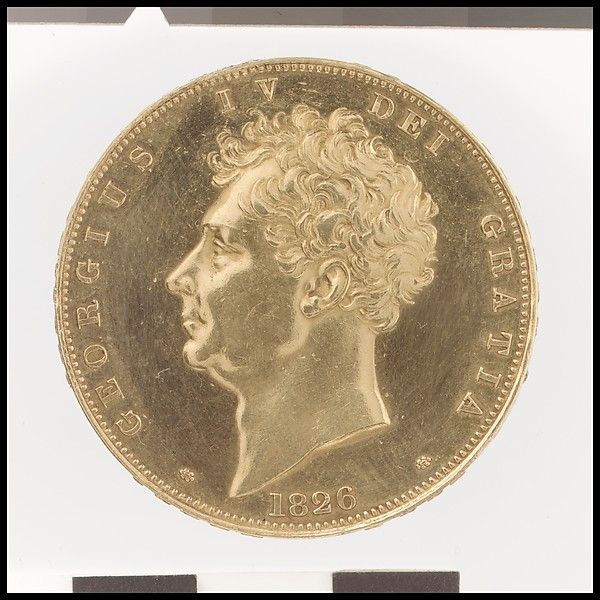 George IV crown
1826 · The Metropolitan Museum of Art
More works to explore
Beyond Wyon: works from the same years.
 Same era · 1820s–1850s
The Estuary Farm
Léon-Victor Dupré · 1831 · Art Institute of Chicago
 Same era · 1820s–1850s
Hamlet and Horatio in the Graveyard
Eugène Delacroix · 1839 · Department of Paintings of the Louvre
 Same era · 1820s–1850s
Stormy Sea Breaking on a Shore
J. M. W. Turner · 1840 · Yale Center for British Art
 Same era · 1820s–1850s
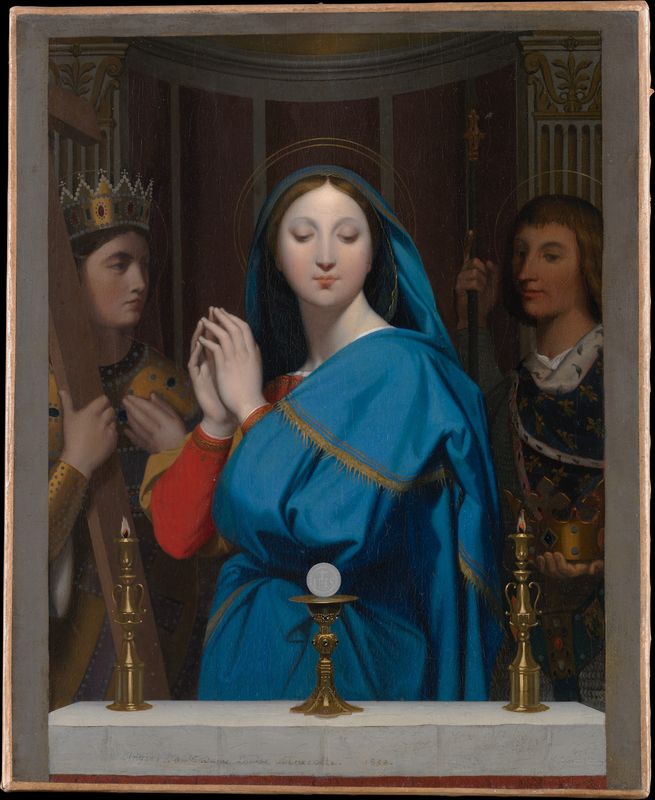
The Virgin Adoring the Host
Jean-Auguste-Dominique Ingres · 1841 · Pushkin Museum of Fine Arts
 Same era · 1820s–1850s
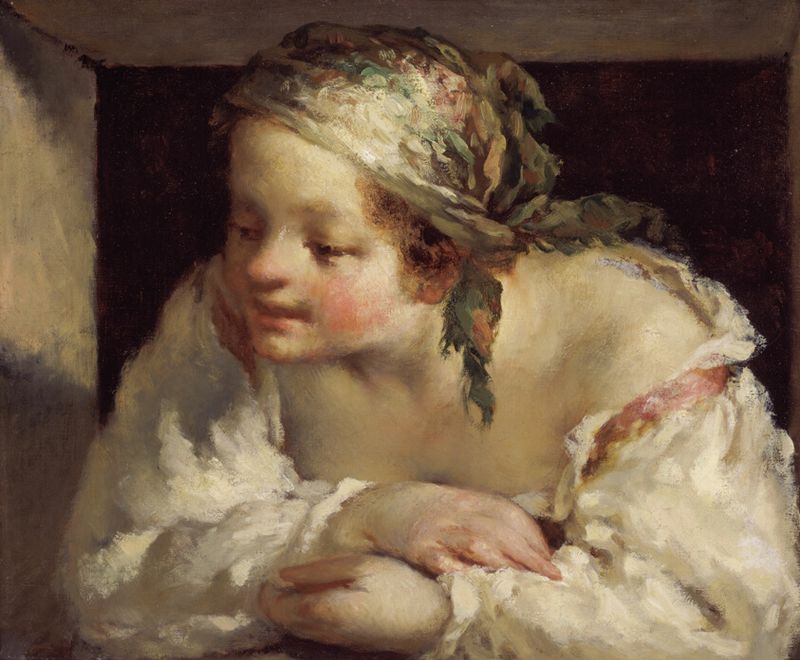
Young Woman
Jean-François Millet · 1844 · Art Institute of Chicago
 Same era · 1820s–1850s
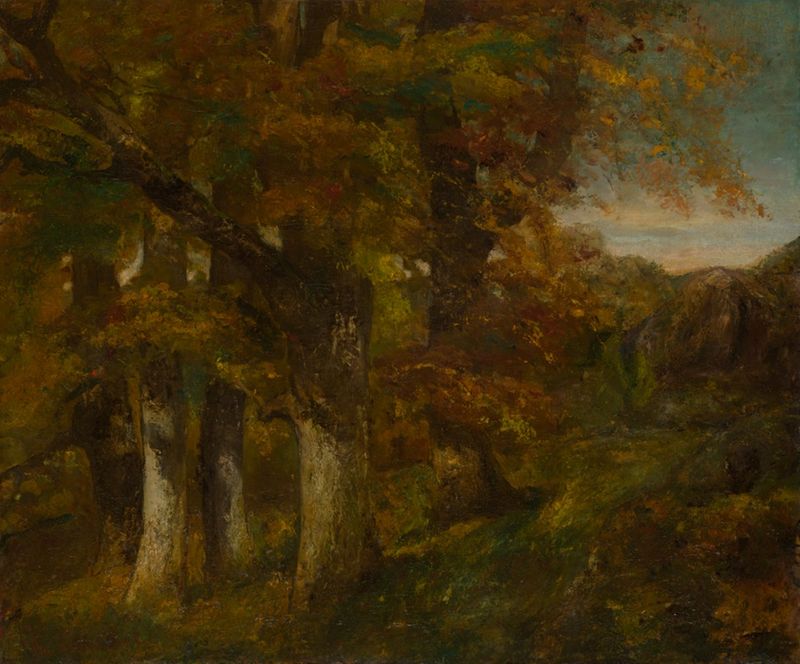
Wooded Landscape
Gustave Courbet · 1848 · Art Institute of Chicago
 Same era · 1820s–1850s
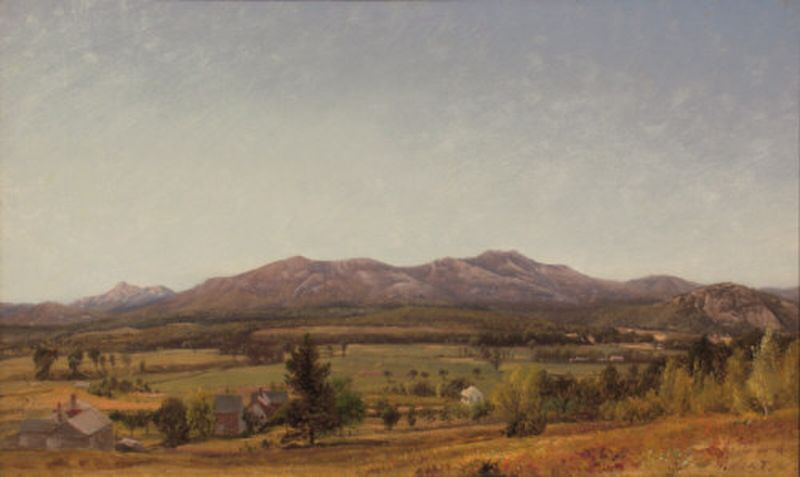
Mount Chocorua and Moat Mountain from North Conway
William Hart · 1850
 Same era · 1820s–1850s
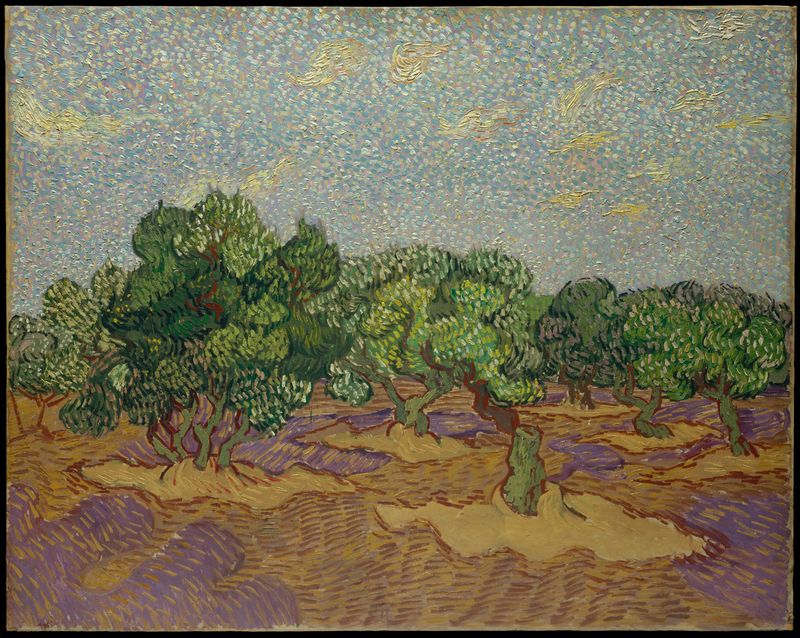
Olive Trees
Vincent van Gogh · 1853 · The Metropolitan Museum of Art
 Same era · 1820s–1850s
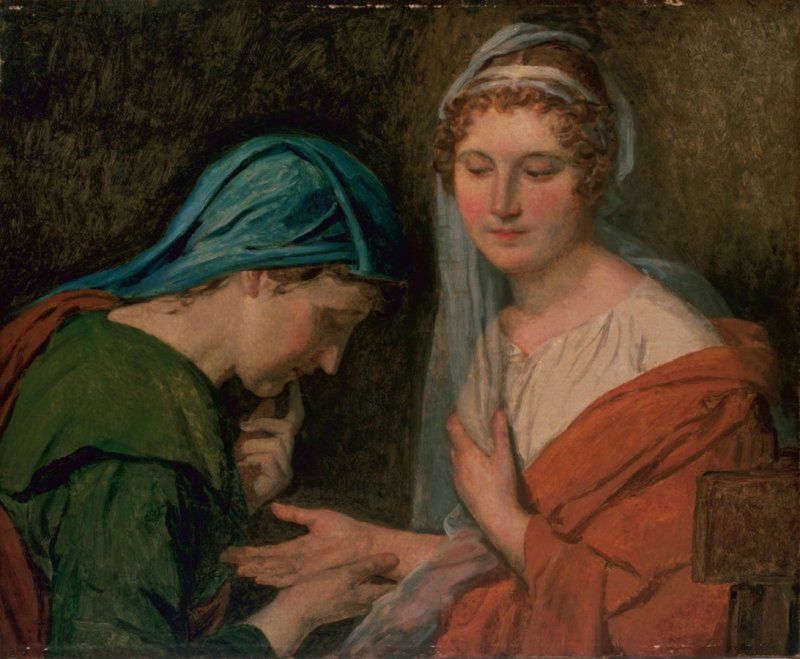
The Fortune Teller (La Bonne Aventure)
Jacques-Louis David · 1824 · Fine Arts Museums of San Francisco
 Same era · 1820s–1850s
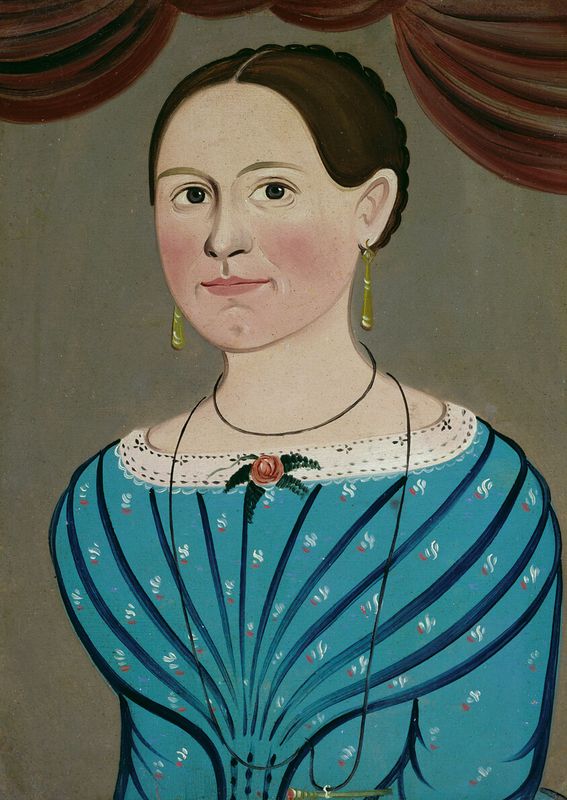
Woman in a Blue Dress
School of William Matthew Prior · 1840 · Art Institute of Chicago
 Same era · 1820s–1850s
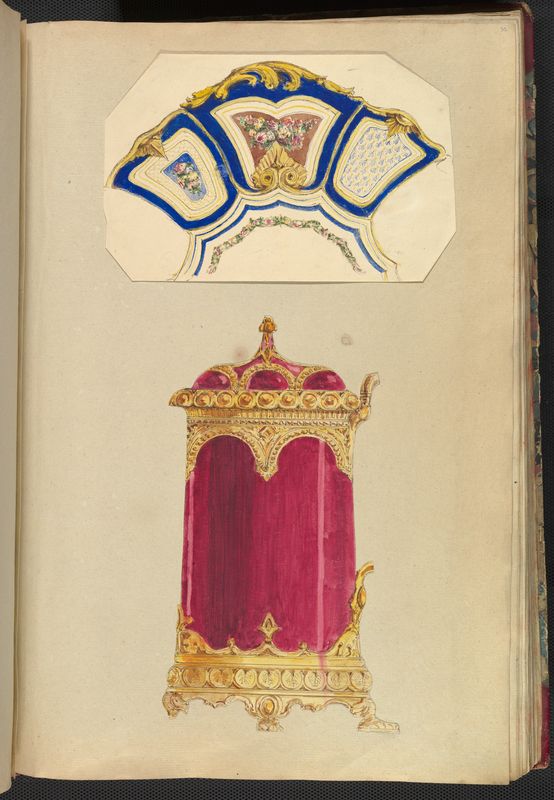
Designs for a Decorated Dish, or Platter, and a Biscuit Barrel
Alfred Henry Forrester [Alfred Crowquill] · 1845 · The Metropolitan Museum of Art
 Same era · 1820s–1850s
Mr. James Mackie
Samuel Alcock & Company · 1830 · Art Institute of Chicago