01
The direct gaze
Start with her eyes and the faint smile. She seems to catch you mid-thought, which gives the portrait a warm, personal feel.
1 of 4 on the painting
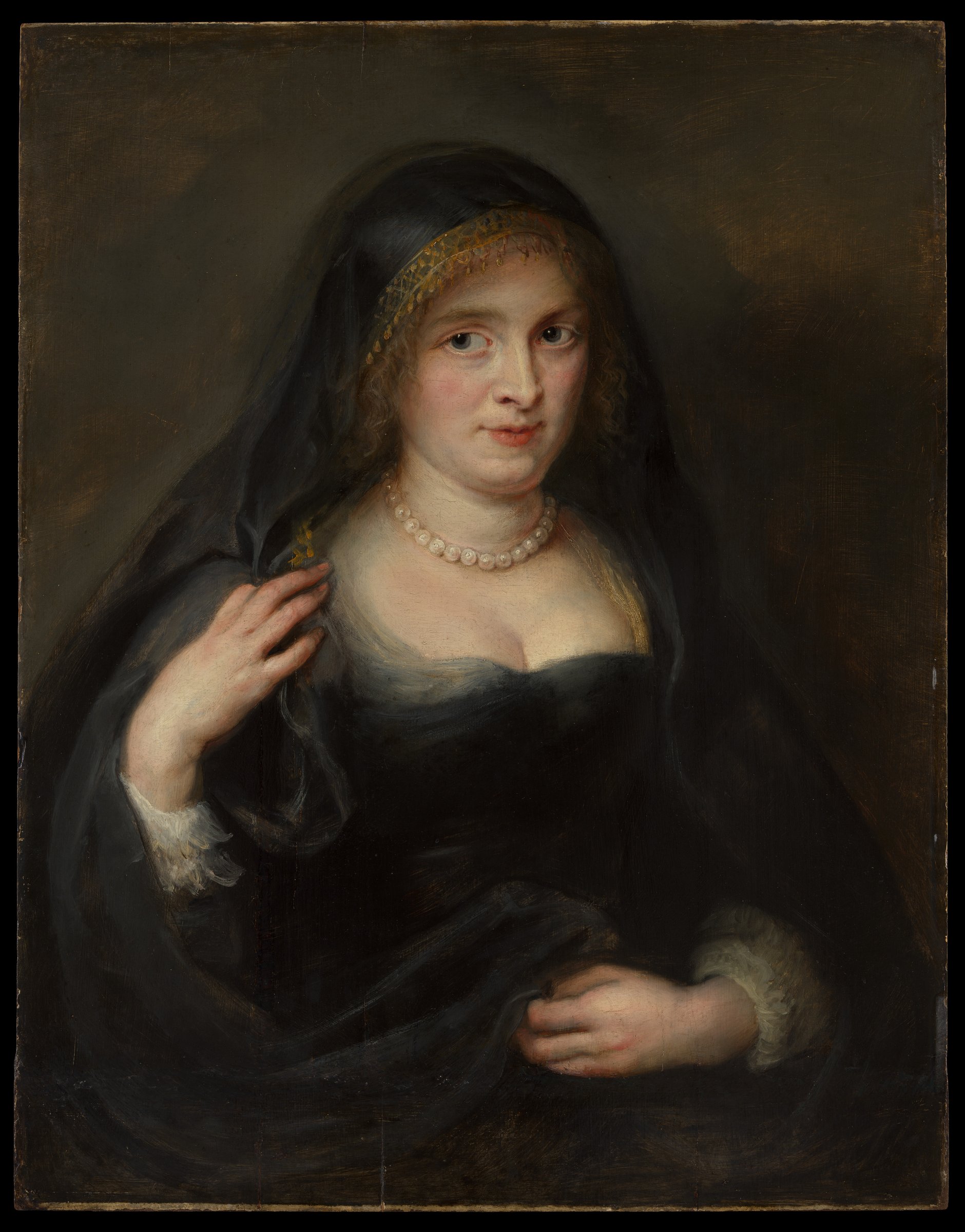
“Stop and look at this captivating portrait, likely of Susanna Lunden, by Peter Paul Rubens. Her expressive gaze and the lively brushwork make her feel incredibly present, as if she could speak to you at any moment.”
This portrait captures a woman in a moment of lively spontaneity, her gaze direct and engaging. Her dark eyes sparkle, and a slight, knowing smile plays on her lips, suggesting a private thought or an imminent remark. The rich, dark fur trim of her cloak, rendered with visible brushstrokes, frames her face and draws attention to her delicate features. Her red hat, adorned with a white feather, tilts playfully, adding to the sense of movement and informal elegance. The artist, Peter Paul Rubens, painted this work around 1625, and it is widely believed to depict Susanna Lunden, also known as Susanna Fourment, who was the sister of his second wife. The painting’s intimate scale and vibrant brushwork create a sense of immediate presence, making the viewer feel as though they have just encountered her.
Five details hide in plain sight. Pick one and we’ll show you exactly where to look.
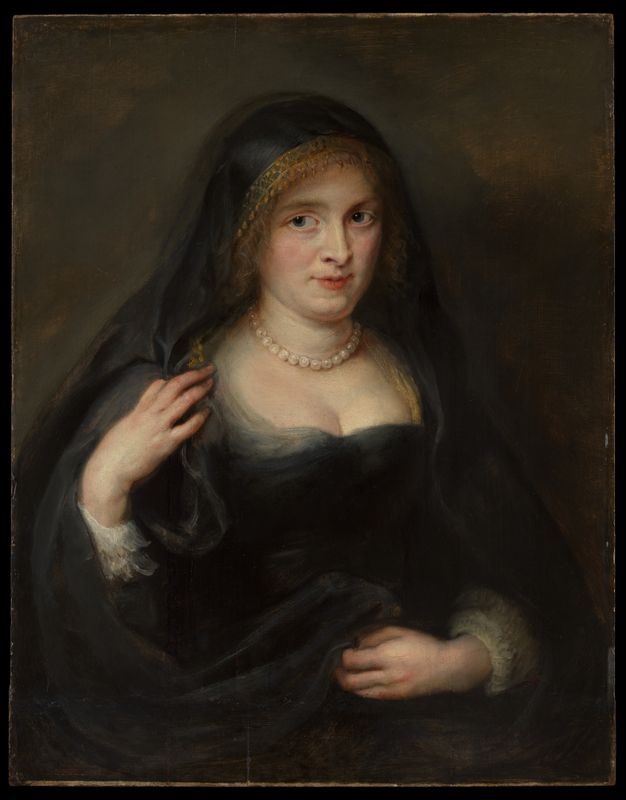
Start with her eyes and the faint smile. She seems to catch you mid-thought, which gives the portrait a warm, personal feel.
Look at the pink cheeks and lips against her pale skin. The warm touches of color make her face feel alive and softly lit.
The pearls at her throat catch small bright highlights. They stand out against the dark dress and suggest a person of means.
Her hand lifts to pinch the veil at her shoulder. It pulls your eye down from the face and adds a gentle, natural movement.
A deep brown background and black clothing frame the bright face, chest and hands. Light gathers on these and guides your eye around the figure.
The full narration walks you through Portrait of a Woman, Probably Susanna Lunden (Susanna Fourment, 1599–1628) — the story behind it, the details most visitors miss, and why it matters. Free in the Art Whisper app.
Flemish master who blended diplomacy with art, creating movement-filled Baroque masterpieces across Europe.
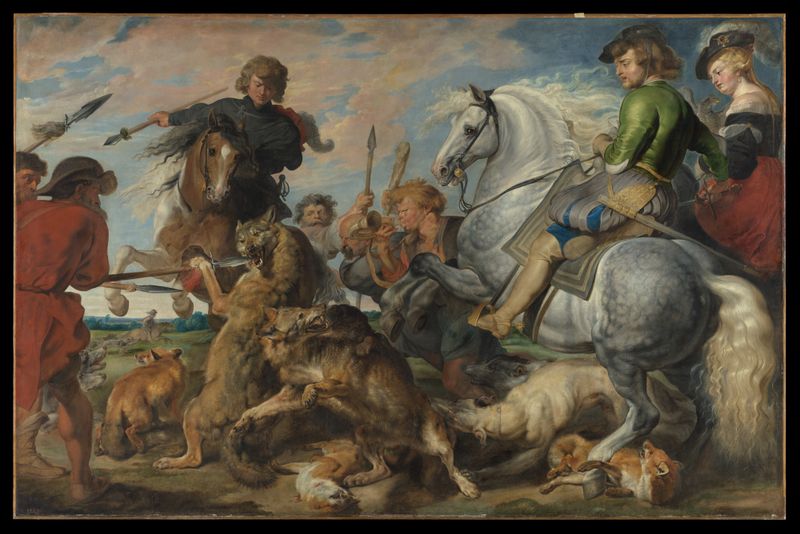 Wolf and Fox Hunt
1611 · The Metropolitan Museum of Art
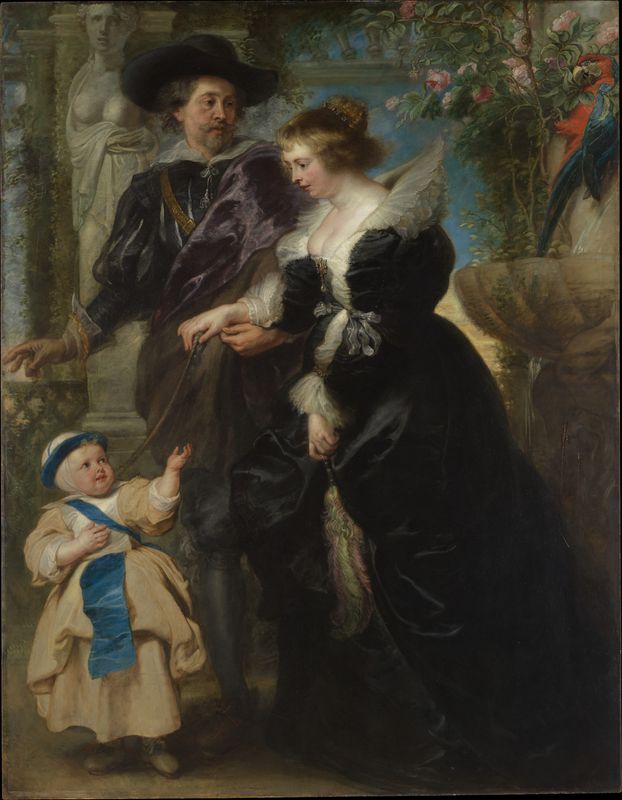 Rubens, Helena Fourment (1614–1673), and Their Son Frans (1633–1678)
1630 · The Metropolitan Museum of Art
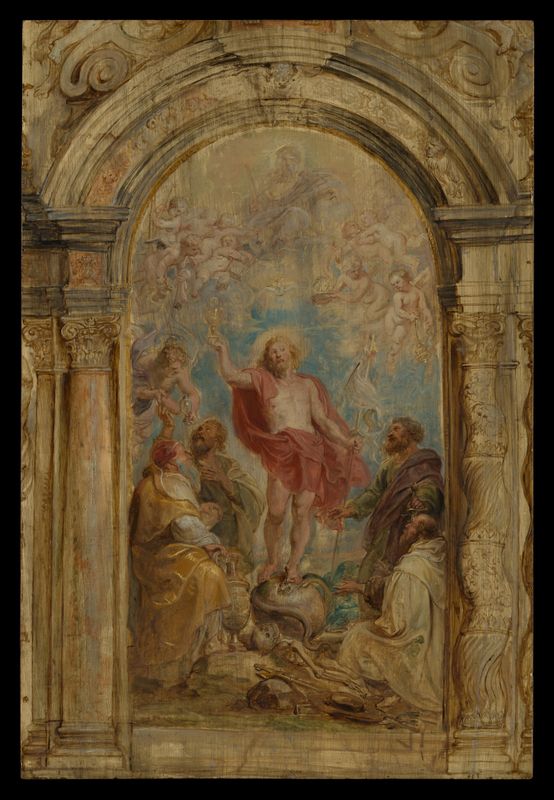 The Glorification of the Eucharist
1630 · The Metropolitan Museum of Art
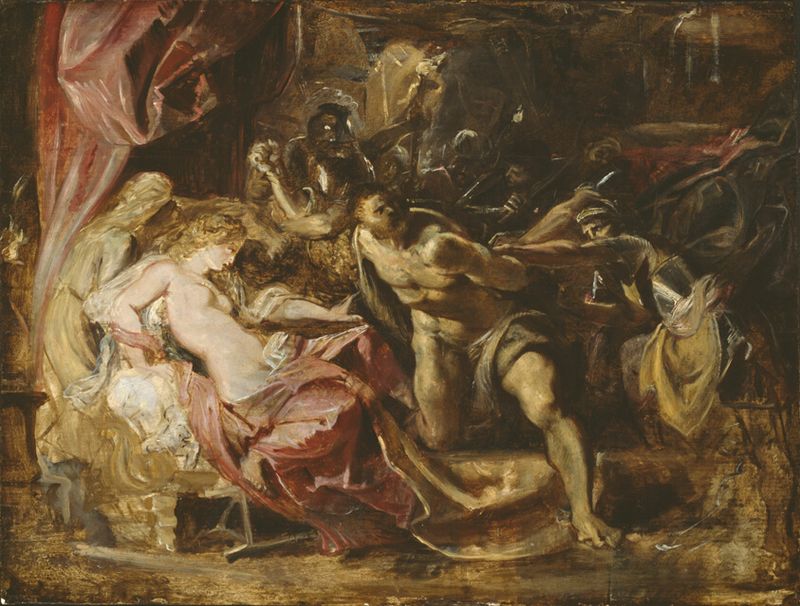 The Capture of Samson
1609 · Art Institute of Chicago
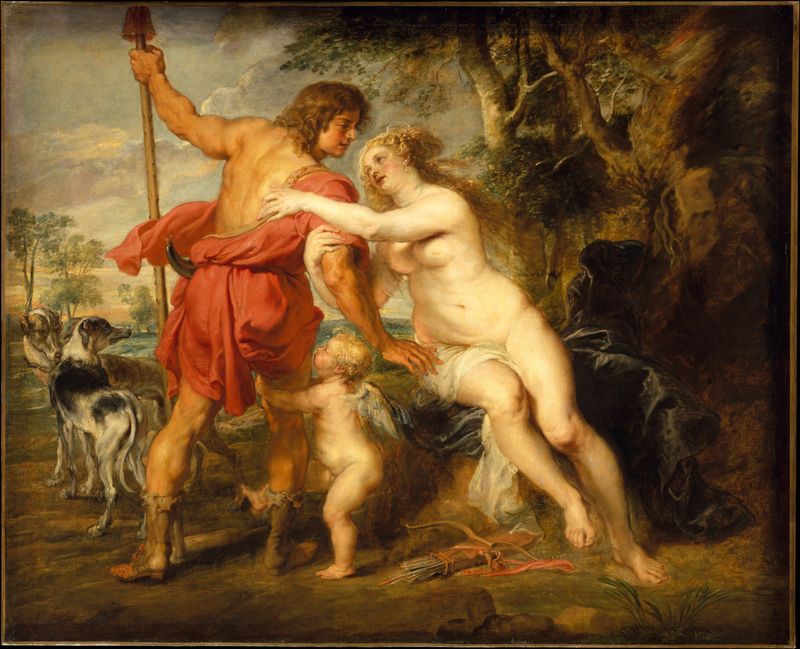 Venus and Adonis
1610 · Museum Kunstpalast
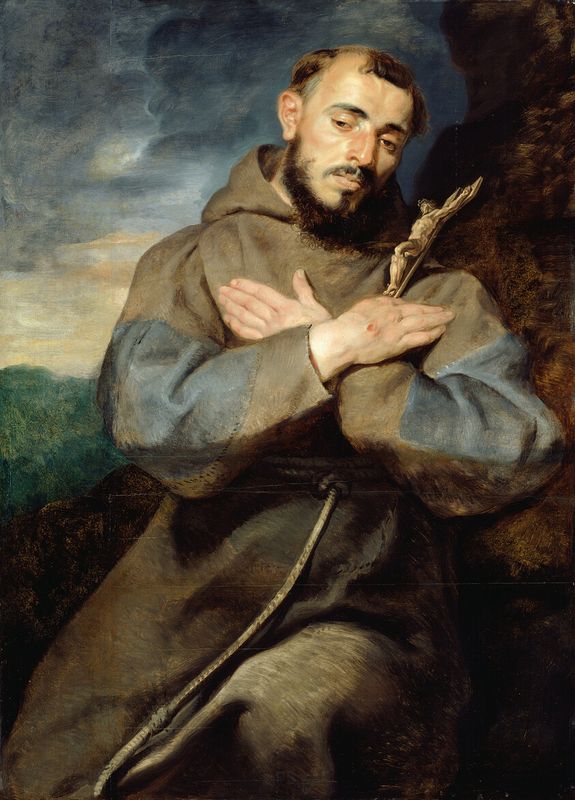 Saint Francis
1615 · Art Institute of Chicago
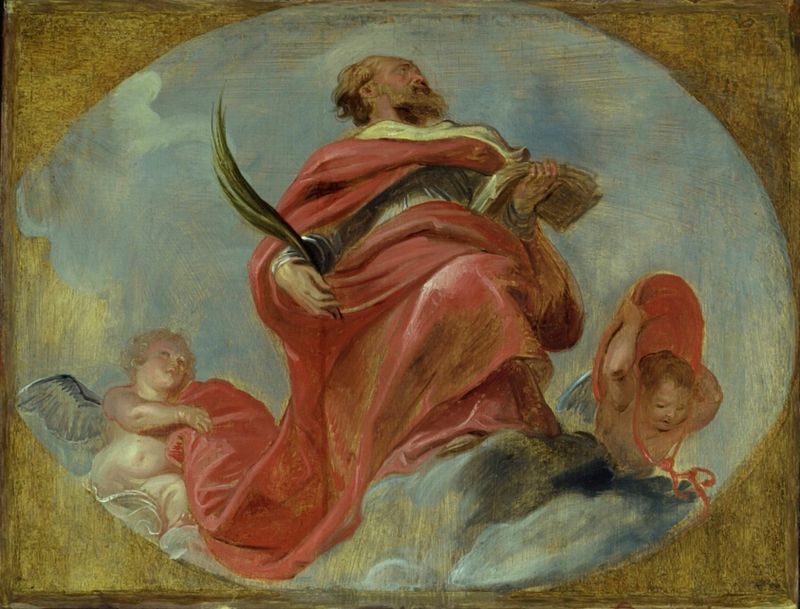 St. Albert of Louvain
1620 · Art Institute of Chicago
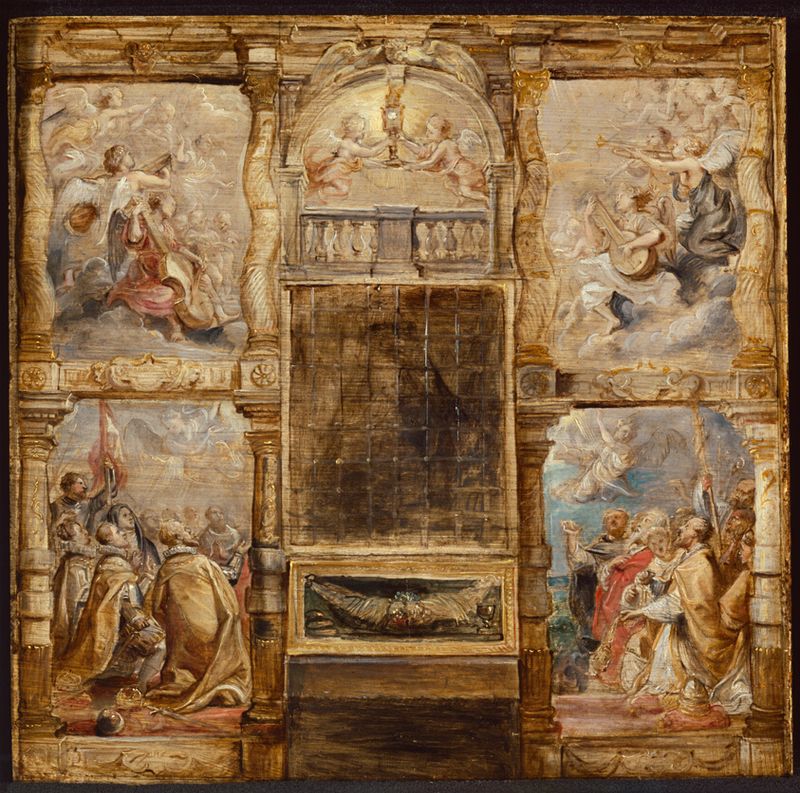 The Adoration of the Eucharist
1626 · Art Institute of Chicago
Beyond Rubens and Baroque: works from the same years.
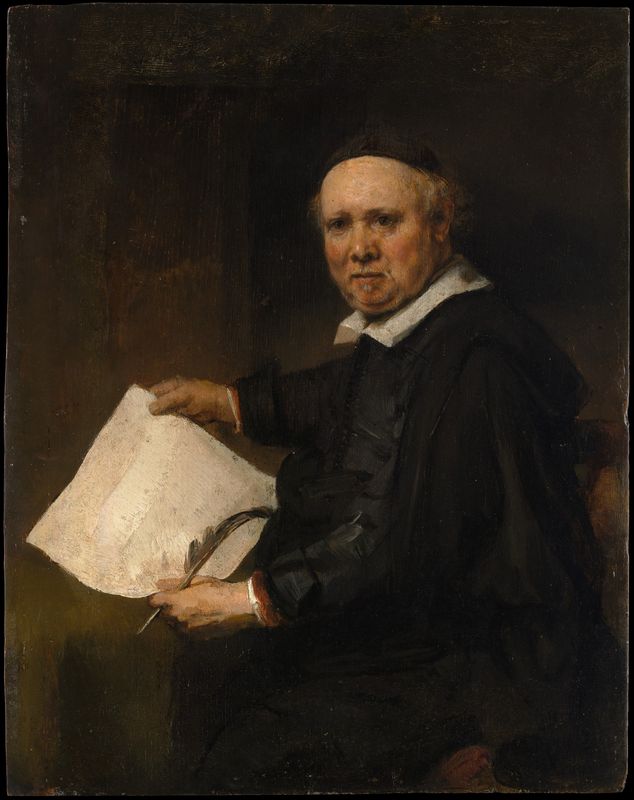 Same era · 1610s–1640s
Lieven Willemsz van Coppenol (born about 1599, died 1671 or later)
Rembrandt · 1626 · The Metropolitan Museum of Art
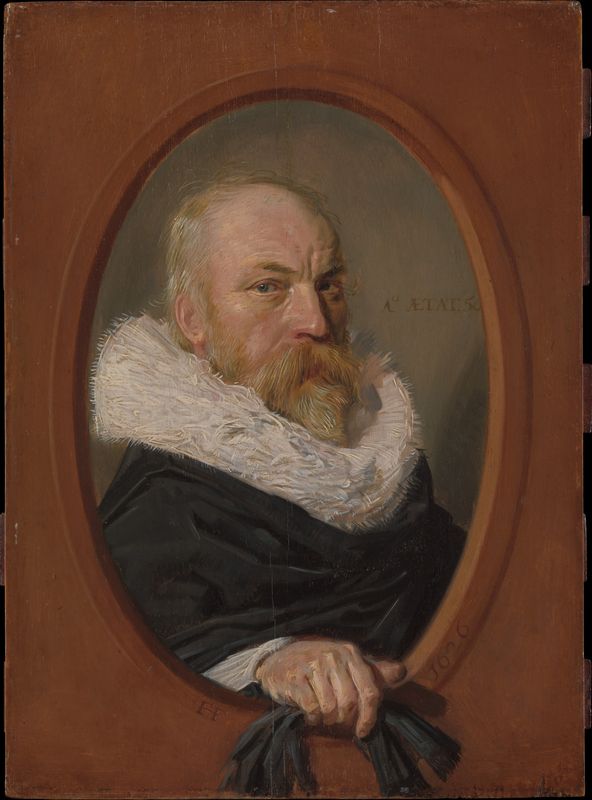 Same era · 1610s–1640s
Petrus Scriverius (1576–1660)
Frans Hals · 1626 · The Metropolitan Museum of Art
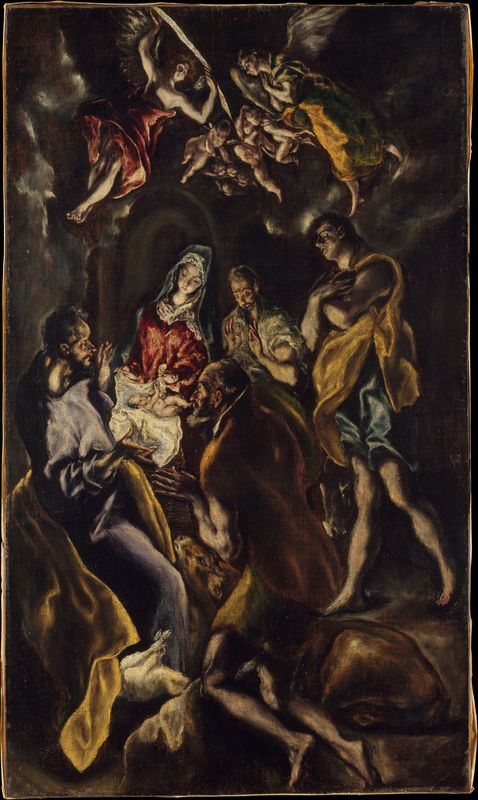 Same era · 1610s–1640s
The Adoration of the Shepherds
El Greco · 1610
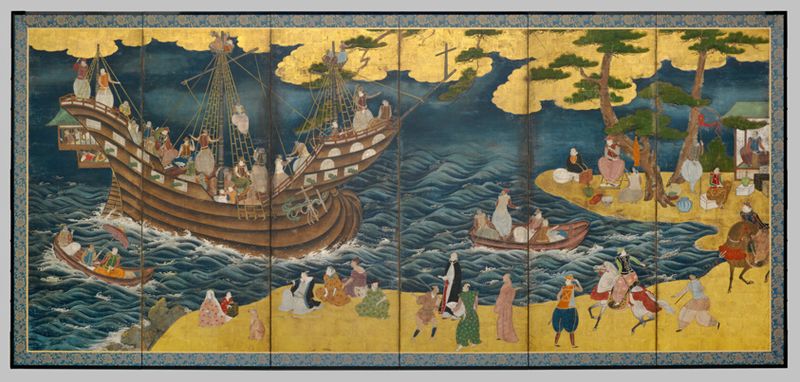 Same era · 1610s–1640s
Southern Barbarians
Artist Unknown - The Mercat Cross, Aberdeen · 1625 · Art Institute of Chicago
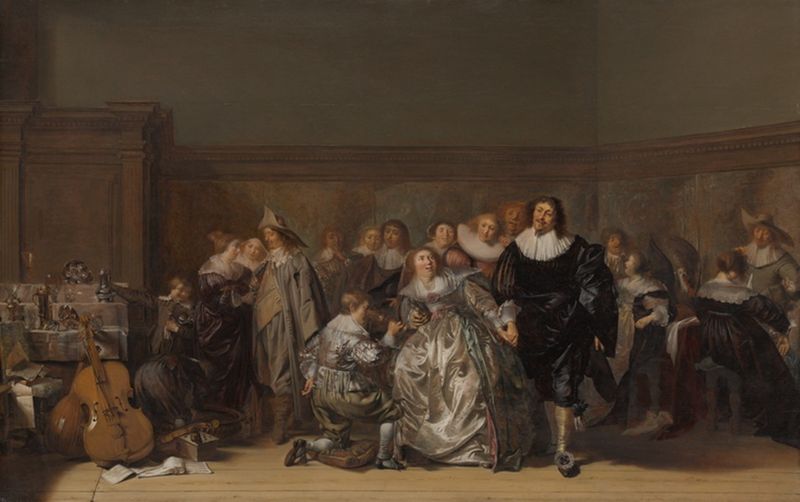 Same era · 1610s–1640s
An Elegant Company
Samuel Alcock & Company · 1632 · Art Institute of Chicago
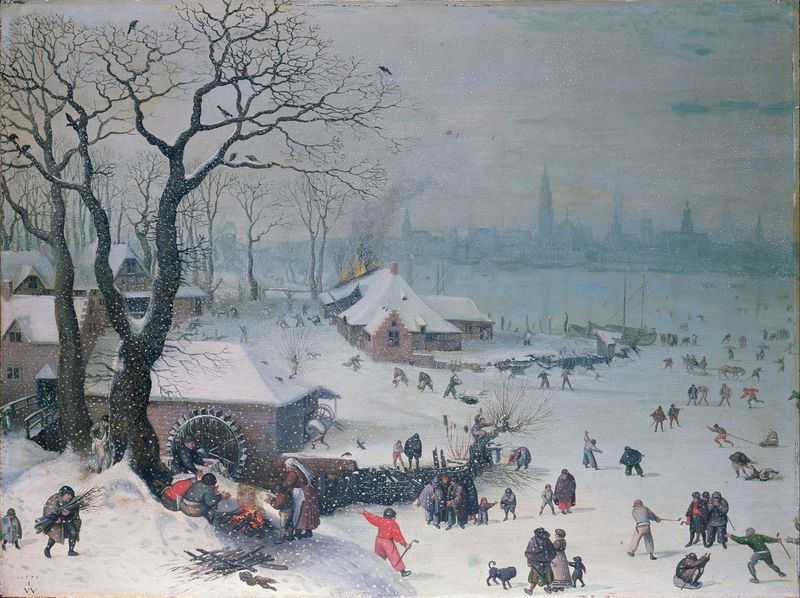 Same era · 1610s–1640s
Winter Landscape with Snowfall near Antwerp
Jan Brueghel the Elder · 1610
 Same era · 1610s–1640s
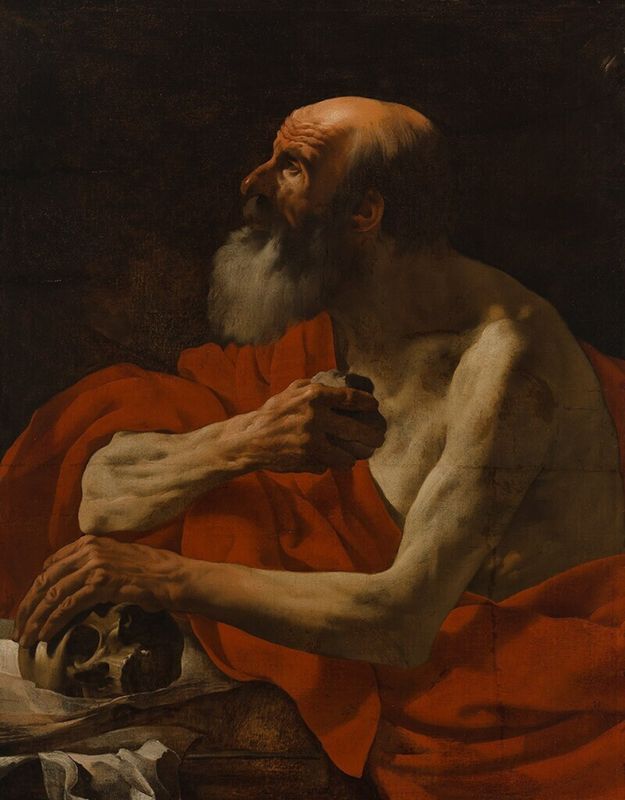
Saint Jerome
Hendrick ter Brugghen · 1624 · Museum Boijmans Van Beuningen
 Same era · 1610s–1640s
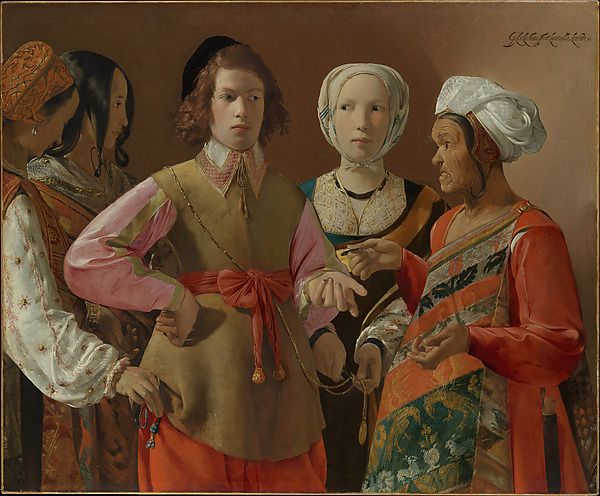
The Fortune-Teller
Georges de La Tour · 1630 · The Metropolitan Museum of Art
 Same era · 1610s–1640s
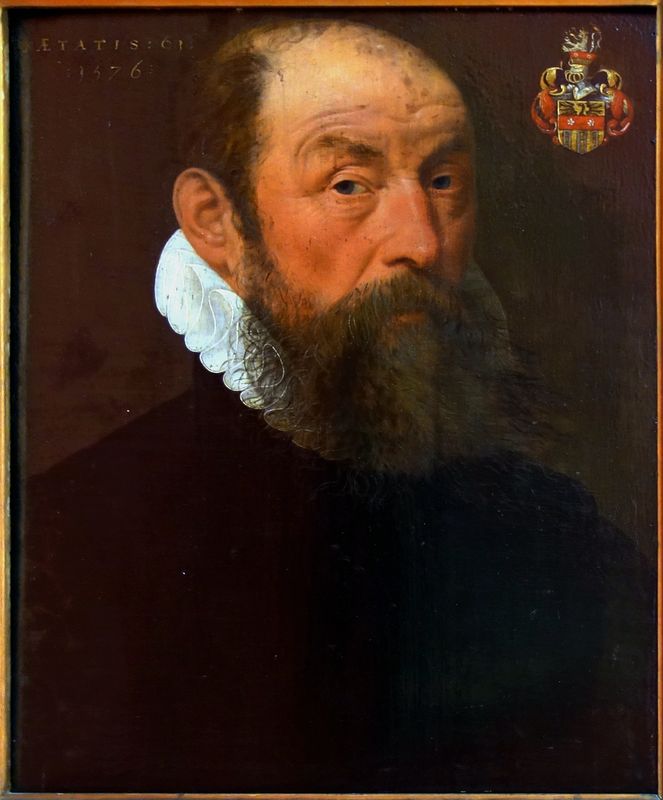
Portrait of a man
Willem van der Vliet · 1634 · Pushkin Museum of Fine Arts
 Same era · 1610s–1640s
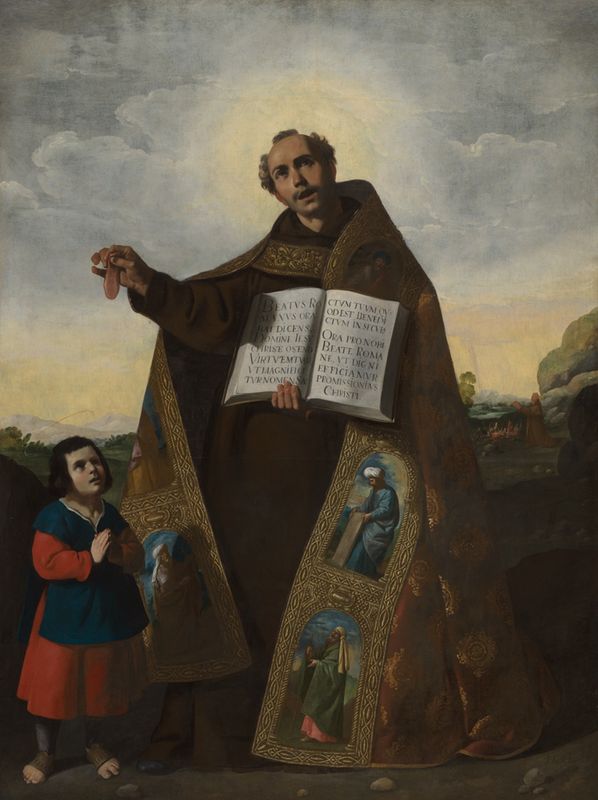
Saint Romanus of Antioch and Saint Barulas
Master of the View of Saint Gudula · 1638 · Art Institute of Chicago
 Same era · 1610s–1640s
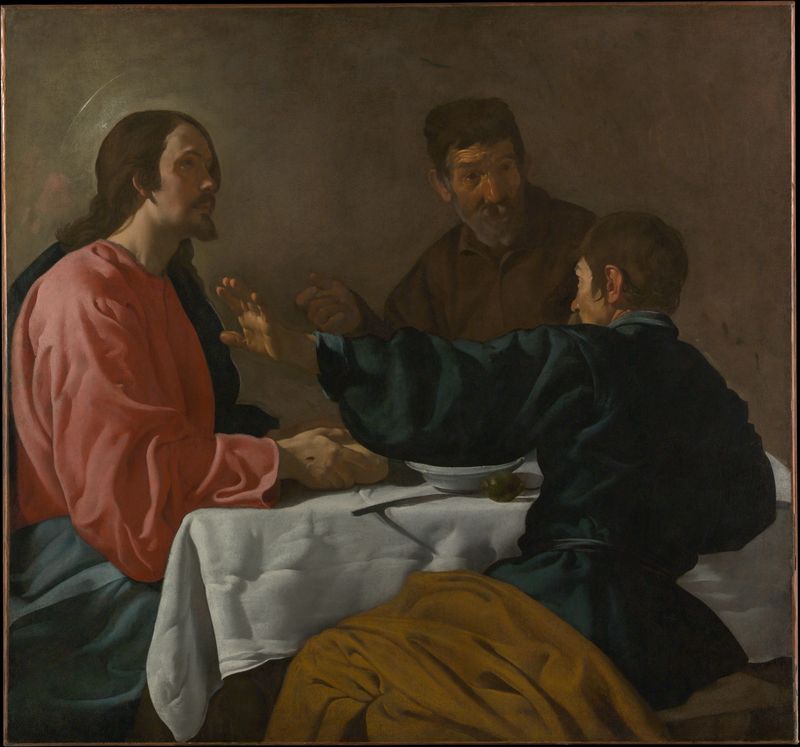
The Supper at Emmaus
Diego Velázquez · 1618 · Metropolitan Museum of Art
 Same era · 1610s–1640s
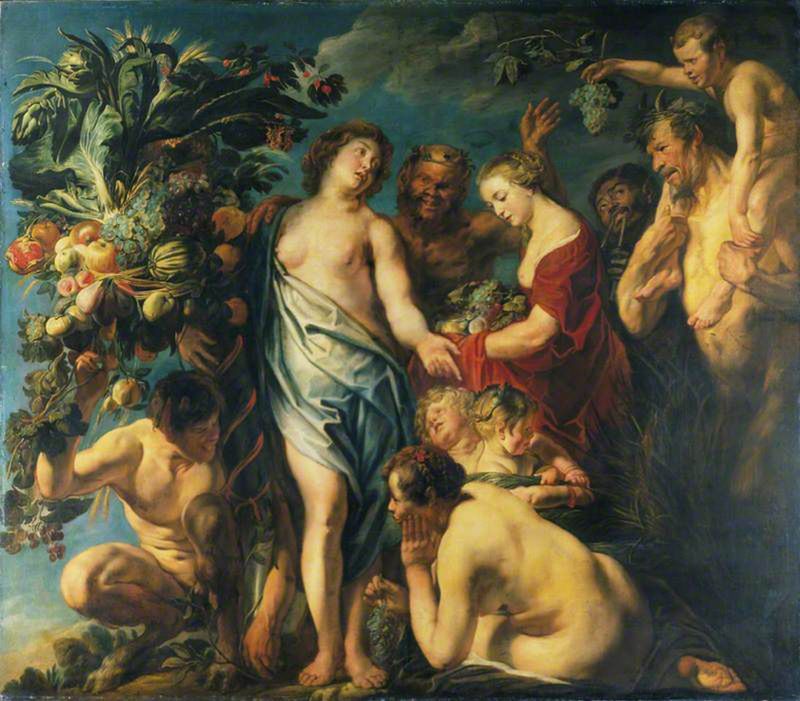
An Allegory of Fruitfulness
Jacob Jordaens · 1620 · Wallace Collection