
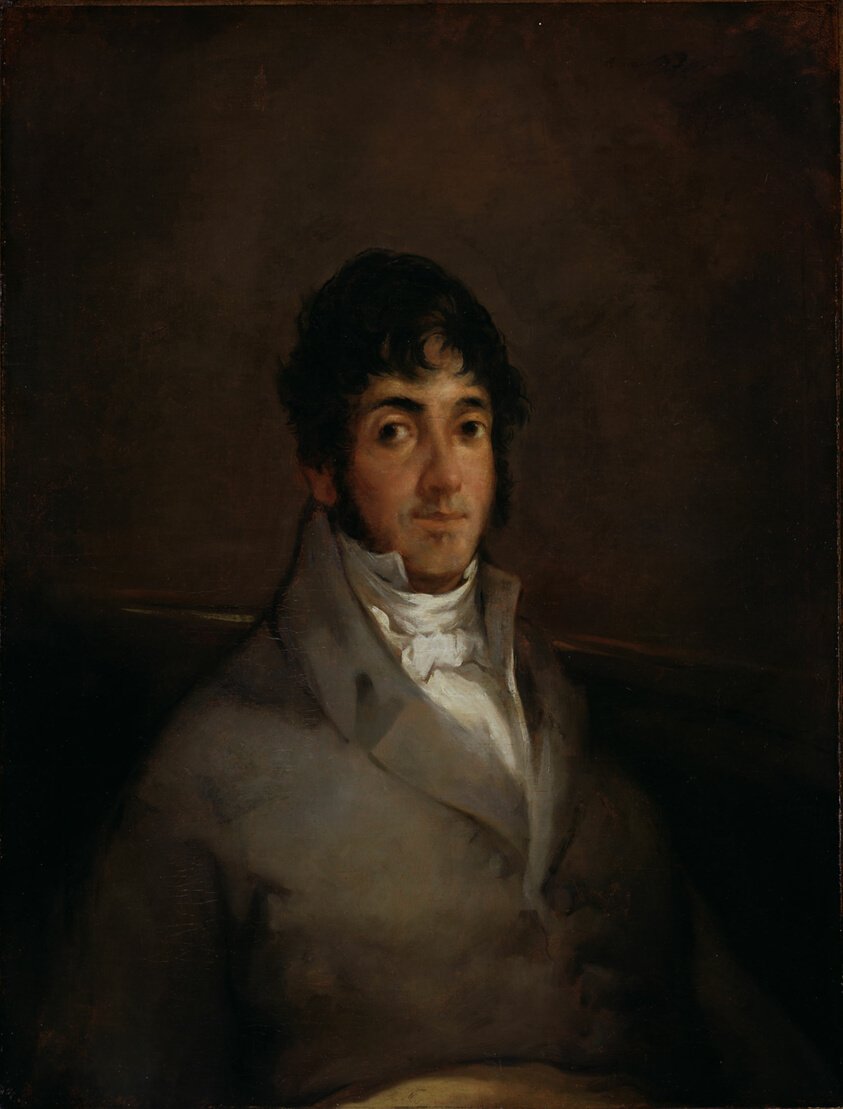
“This striking portrait captures a leading Spanish actor, Isidoro Maiquez, in a moment of theatrical intensity. It's a vivid example of how art at the turn of the 19th century began to celebrate individual personality and the drama of human emotion.”
The Spanish actor Isidoro Maiquez stands confidently, his gaze direct and engaging as he pauses mid-performance. He's dressed in a theatrical costume, a dramatic cape draped over one shoulder, suggesting a moment from a play. The brushstrokes are fluid and energetic, particularly in the rendering of his ruffled collar and the rich folds of his clothing, which seem to ripple with movement. The background is simple and dark, pushing Maiquez forward and emphasizing his presence on what feels like a stage. This portrait captures not just a likeness, but the essence of a performer, full of a vivid, almost restless energy, typical of the Romantic era's emphasis on individual expression and emotion.
- Artist
- Francisco Goya
- Date
- 1807
- Location
- Art Institute of Chicago
What to Notice
Five details hide in plain sight. Here’s where to look.
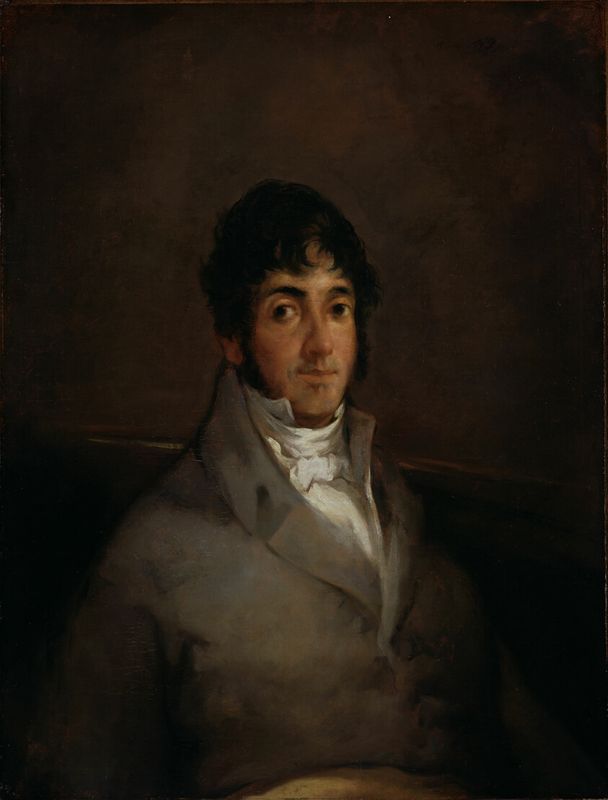
The actor’s direct, almost challenging gaze.
The dramatic sweep of the red-lined cape.
The intricate lace and ruffles of his collar and cuffs.
The way the light catches the folds of his dark coat.
1 more detail is waiting.
See all 5 in Art Whisper →Stand in front of it and listen
The full narration walks you through Portrait of Isidoro Maiquez — the story behind it, the details most visitors miss, and why it matters. Free in the Art Whisper app.
Francisco Goya
1746–1828 · SpainFrancisco Goya, the Spanish master, captured everything from royal portraits to the dark anxieties of his age, often blurring the lines between Old Master and modern art.
Further Works by Goya
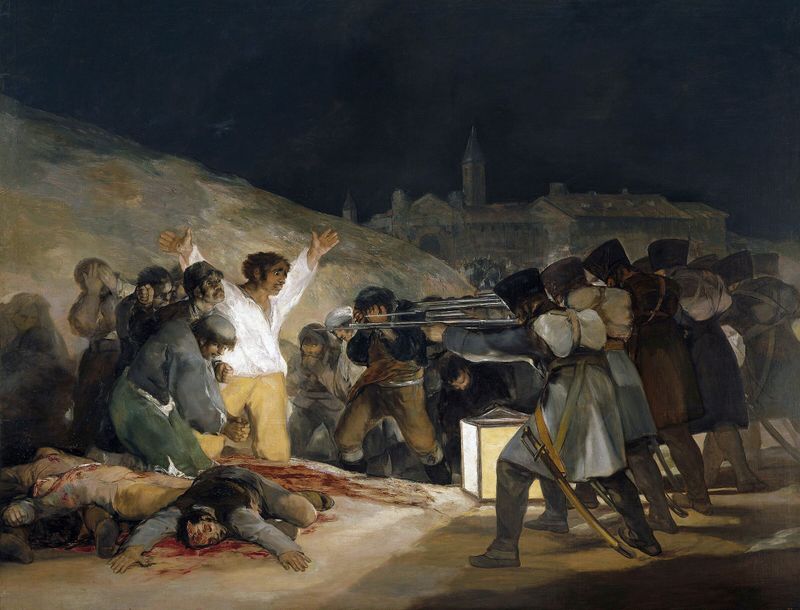 The Third of May 1808
1814 · Museo del Prado
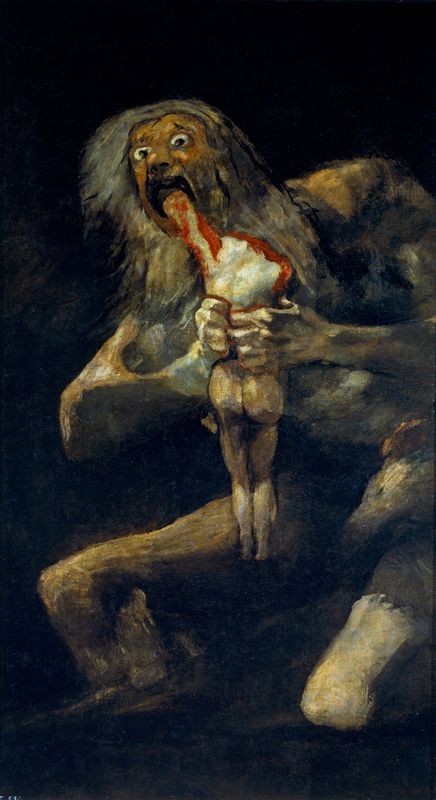 Saturn Devouring His Son
1820 · Museo del Prado
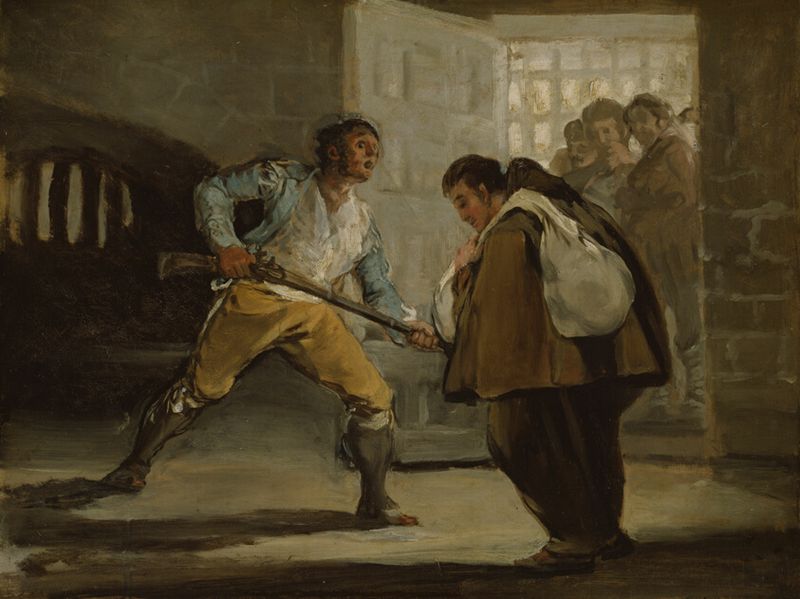 El Maragato Threatens Friar Pedro de Zaldivia with His Gun
1806 · Art Institute of Chicago
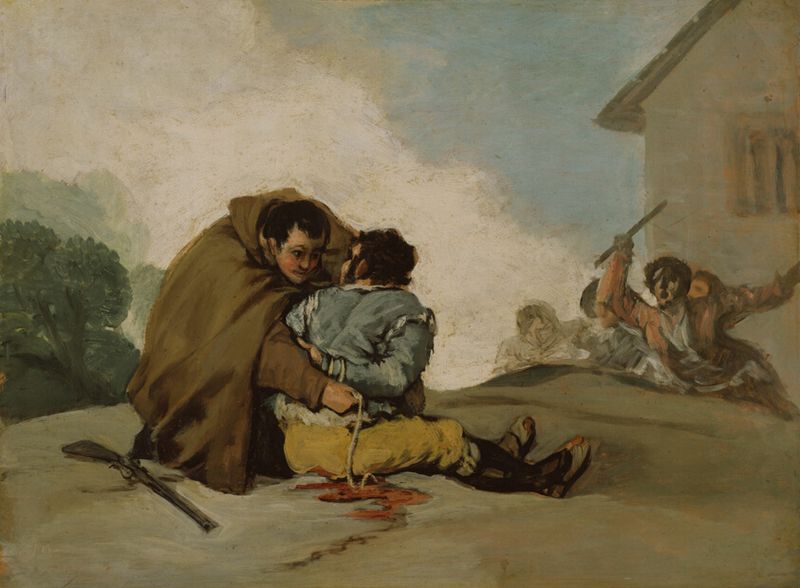 Friar Pedro Binds El Maragato with a Rope
1806 · Art Institute of Chicago
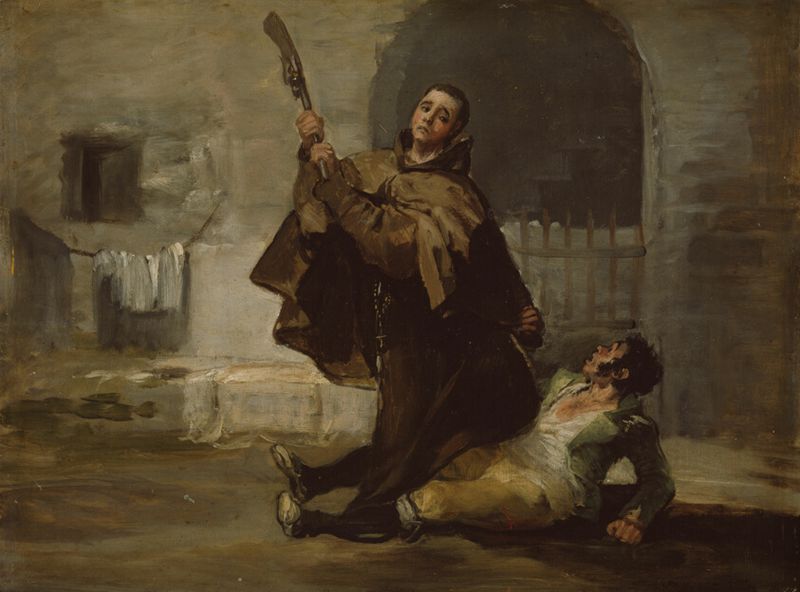 Friar Pedro Clubs El Maragato with the Butt of the Gun
1806 · Art Institute of Chicago
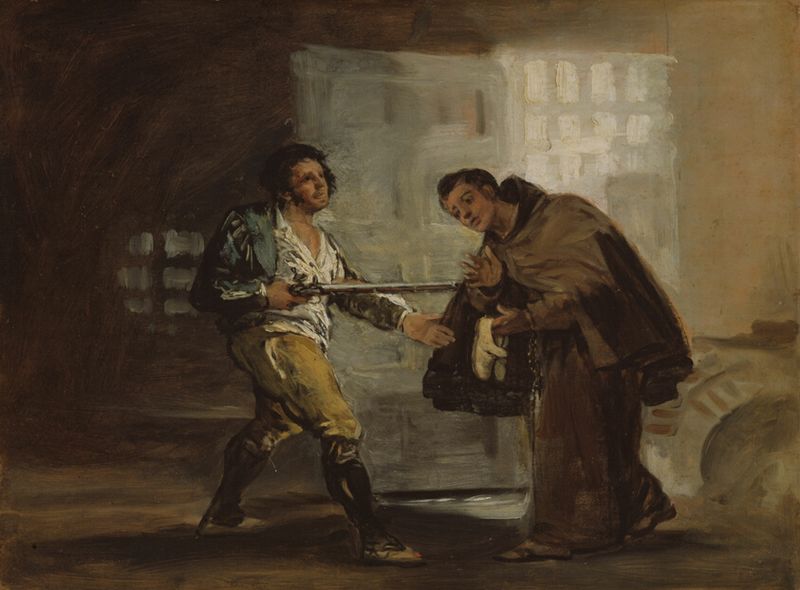 Friar Pedro Offers Shoes to El Maragato and Prepares to Push Aside His Gun
1806 · Art Institute of Chicago
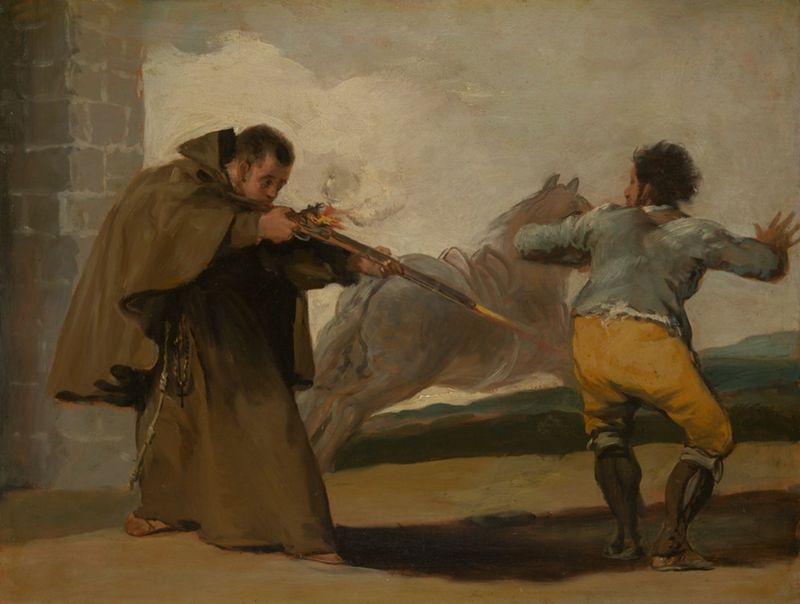 Friar Pedro Shoots El Maragato as His Horse Runs Off
1806 · Art Institute of Chicago
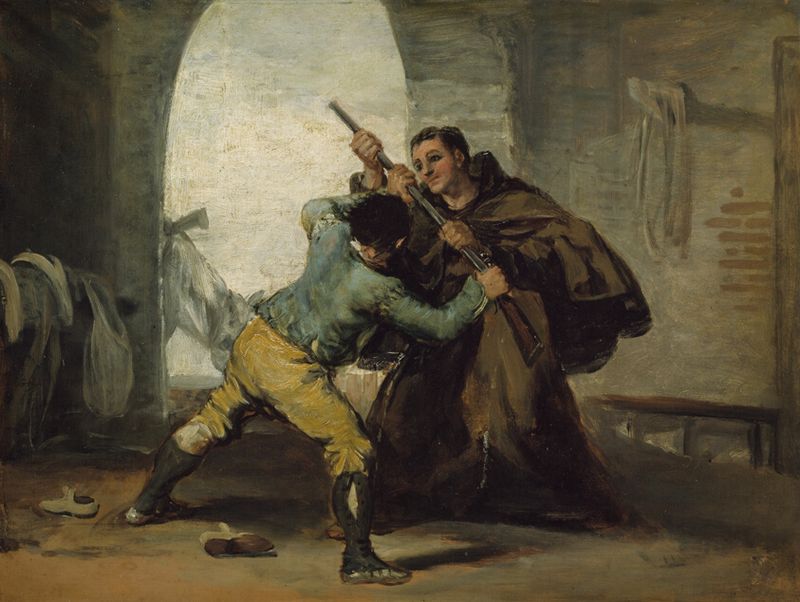 Friar Pedro Wrests the Gun from El Maragato
1806 · Art Institute of Chicago
More from Romanticism
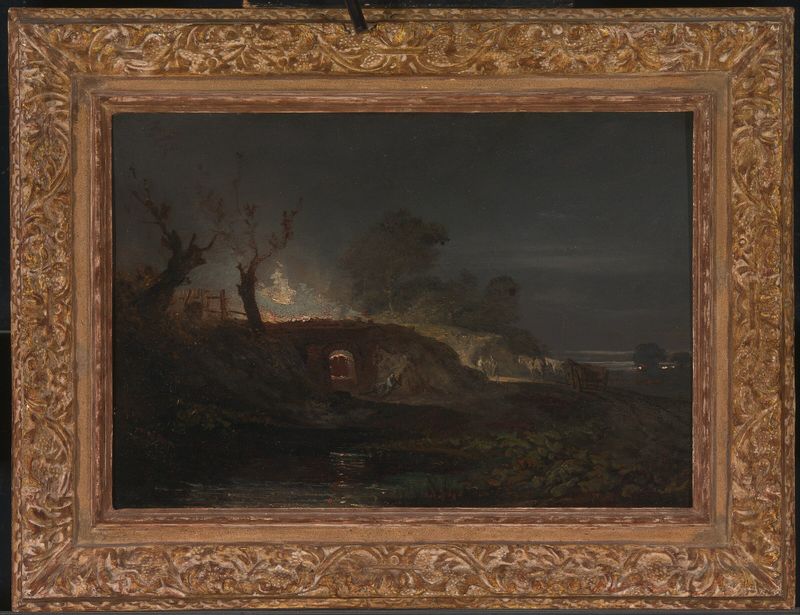 A Limekiln, Possibly at Briton Ferry in South Wales
Turner · 1797 · Yale Center for British Art
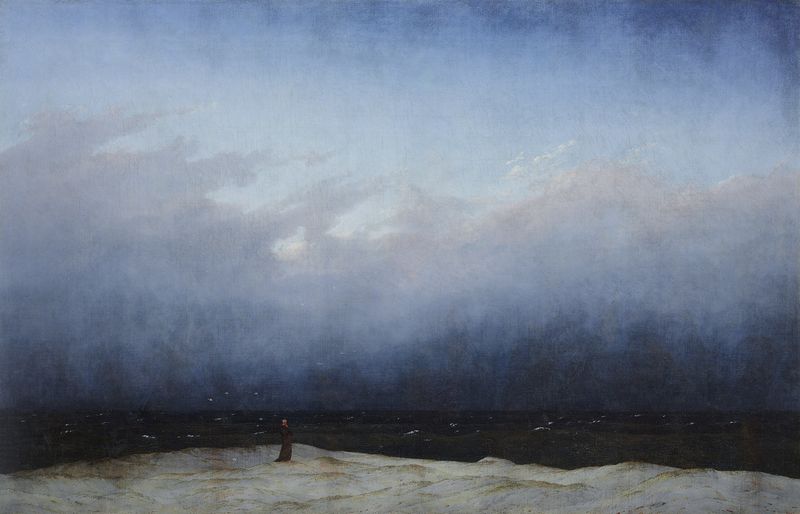 The Monk by the Sea
Friedrich · 1800 · Alte Nationalgalerie
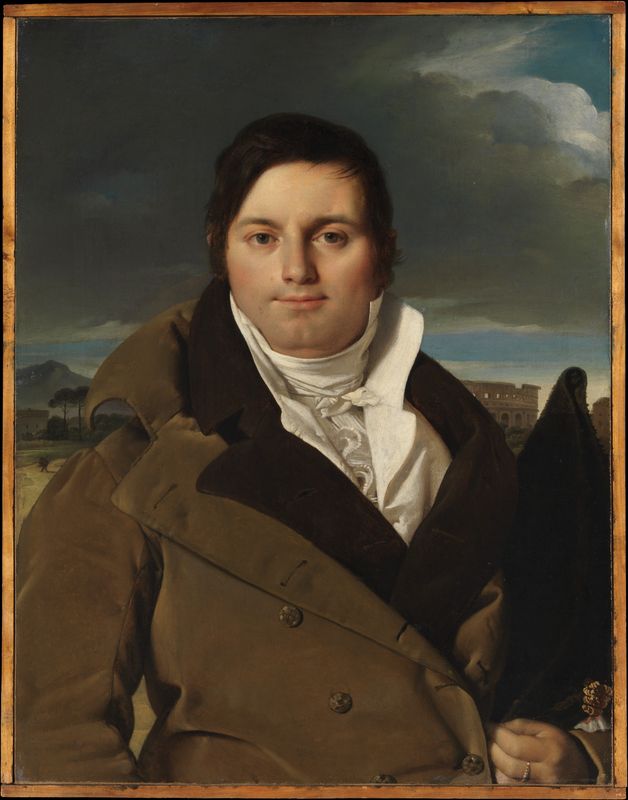 Joseph-Antoine Moltedo (born 1775)
Ingres · 1805 · The Metropolitan Museum of Art
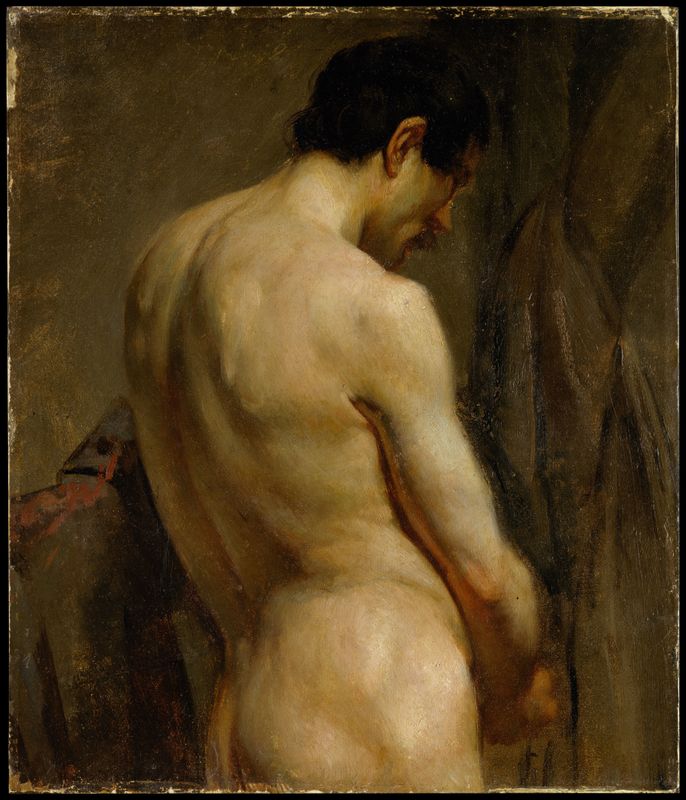 Male Academy Figure: Half-Length, Side View
Delacroix · 1819 · Karen B. Cohen Collection
More works to explore
Beyond Goya and Romanticism: works from the same years.
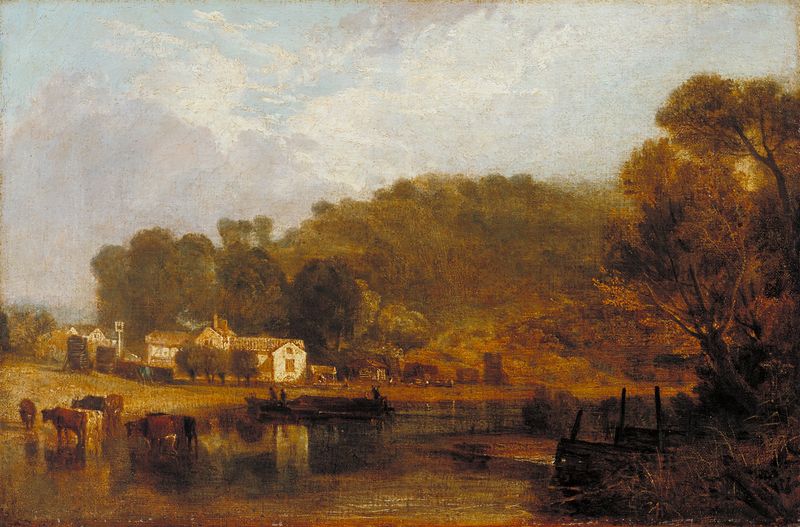 Same era · 1790s–1820s
Cliveden on Thames
J. M. W. Turner · 1807 · National Gallery
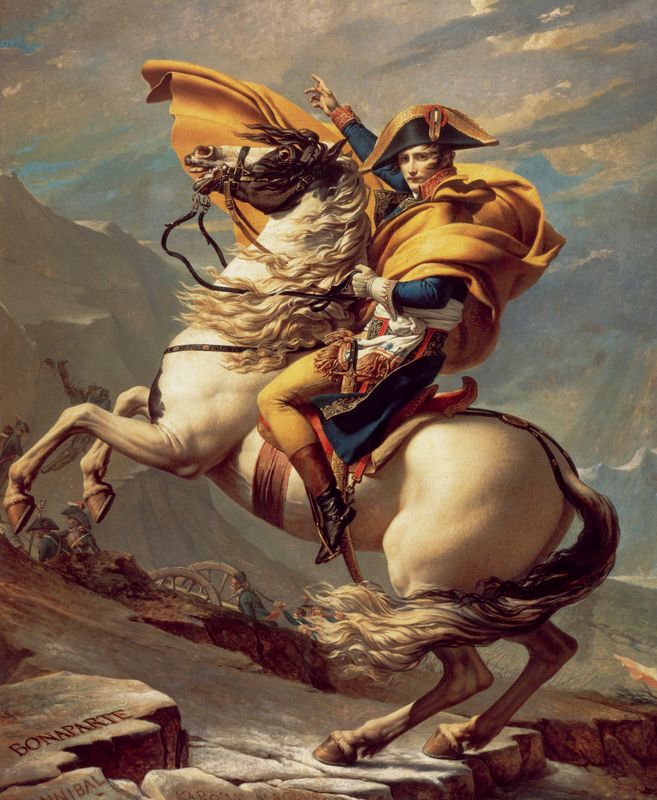 Same era · 1790s–1820s
Napoleon Crossing the Alps
Jacques-Louis David · 1800 · Musée national de Malmaison et Bois-Préau
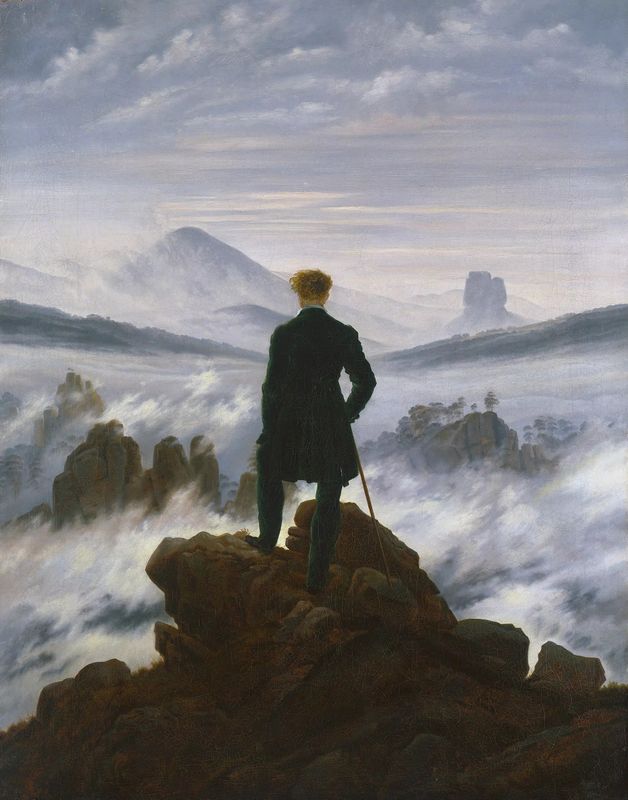 Same era · 1790s–1820s
Wanderer above the Sea of Fog
Caspar David Friedrich · 1818 · Hamburger Kunsthalle
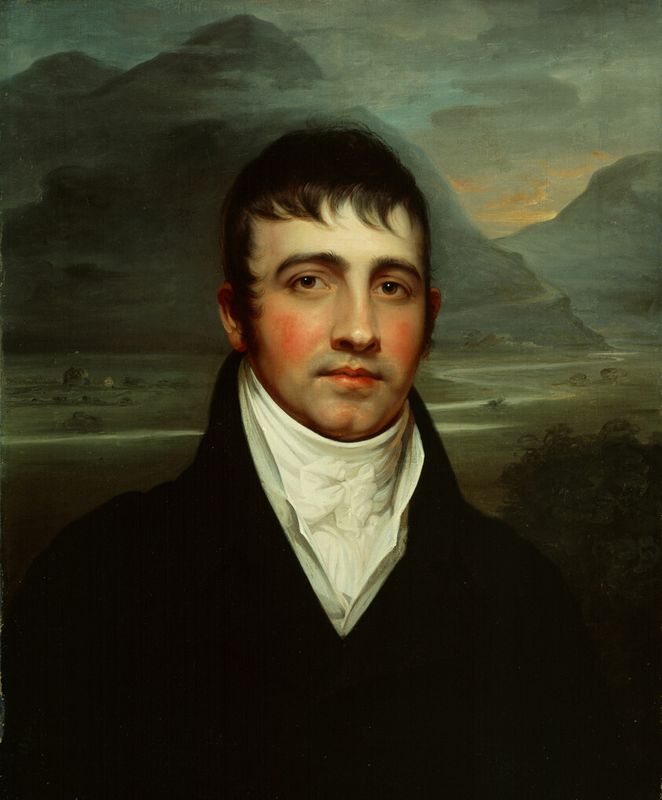 Same era · 1790s–1820s
Samuel Fisher Bradford
Rembrandt Peale · 1803 · Art Institute of Chicago
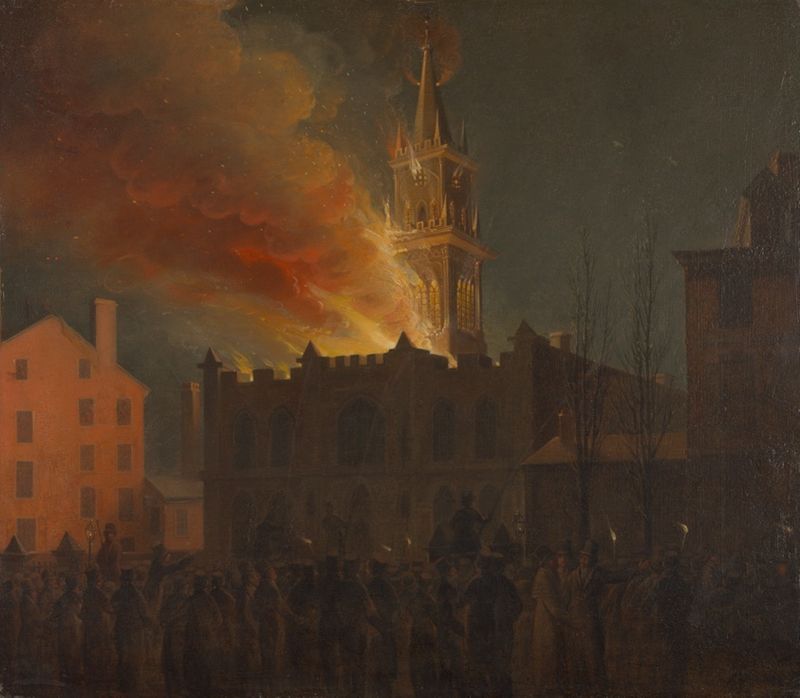 Same era · 1790s–1820s
Conflagration of the Masonic Hall, Chestnut Street, Philadelphia, Pennsylvania
Samuel Jones · 1819 · Art Institute of Chicago
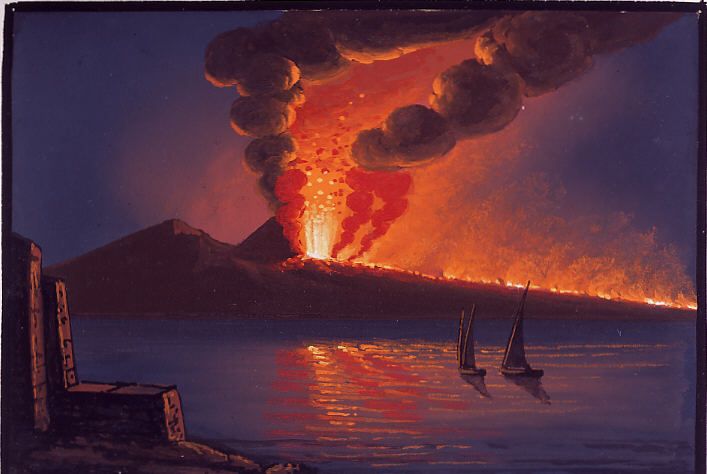 Same era · 1790s–1820s
Sketchbook: Souvenir of Naples
Artist Unknown - The Mercat Cross, Aberdeen · 1821 · The Metropolitan Museum of Art
 Same era · 1790s–1820s
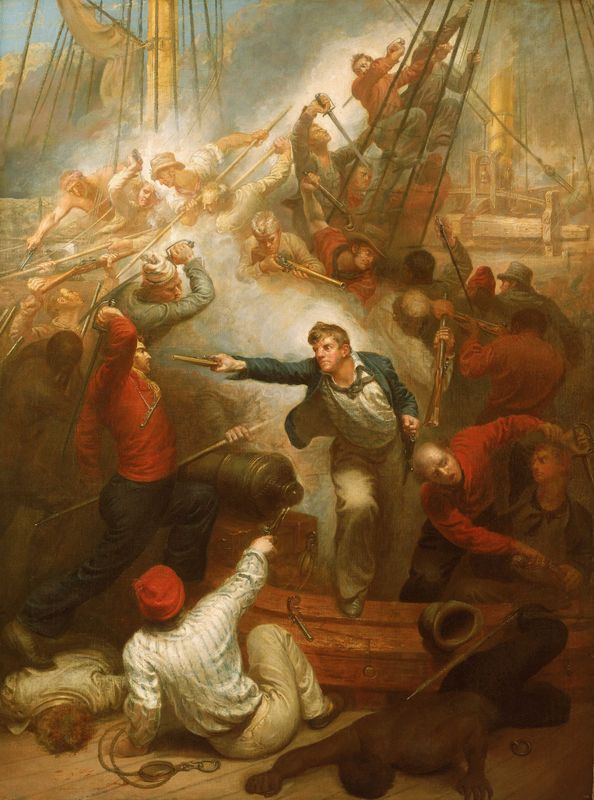
Captain William Rogers capturing the 'Jeune Richard', 1 October 1807
Samuel Drummond · 1808 · Royal Museums Greenwich
 Same era · 1790s–1820s
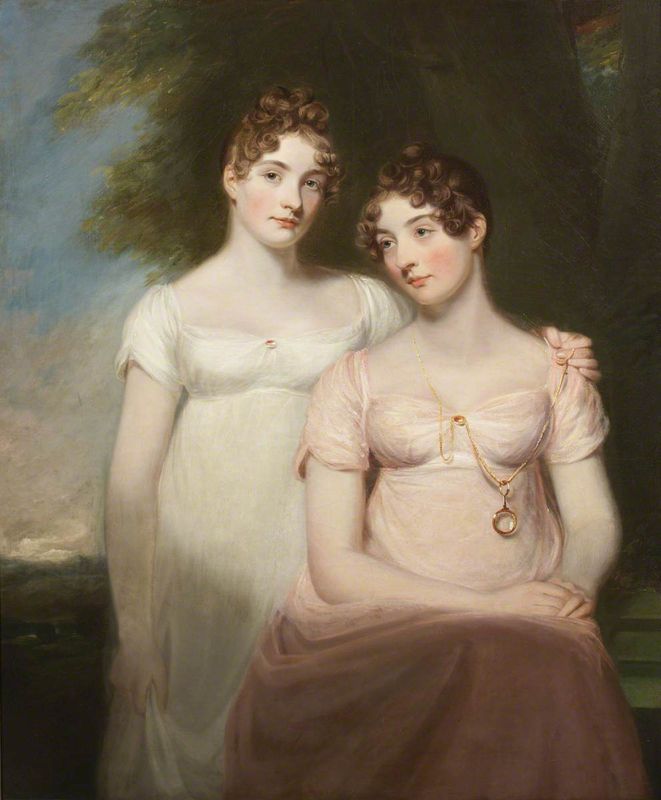
The Ainslie Sisters (Agnes and Margaret)
Thomas Stewardson · 1808 · Abbot Hall Art Gallery
 Same era · 1790s–1820s
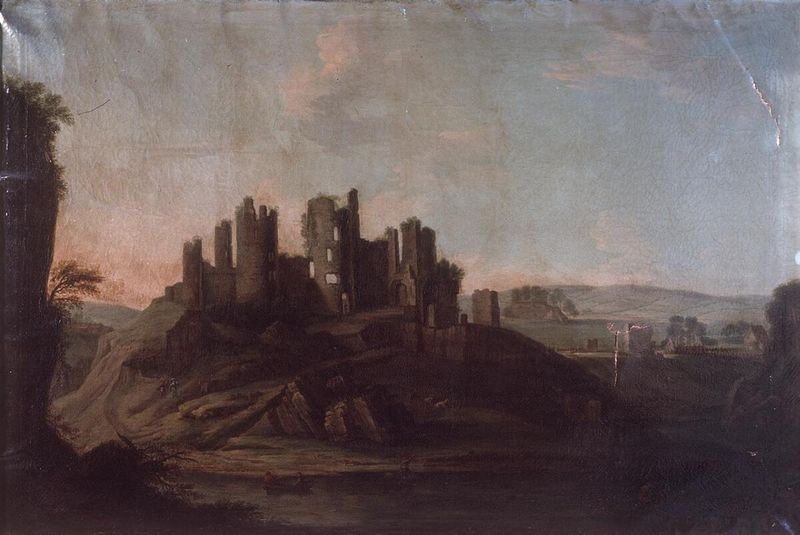
Cilgerran Castle
William Havell · 1805 · National Museum Cardiff
 Same era · 1790s–1820s
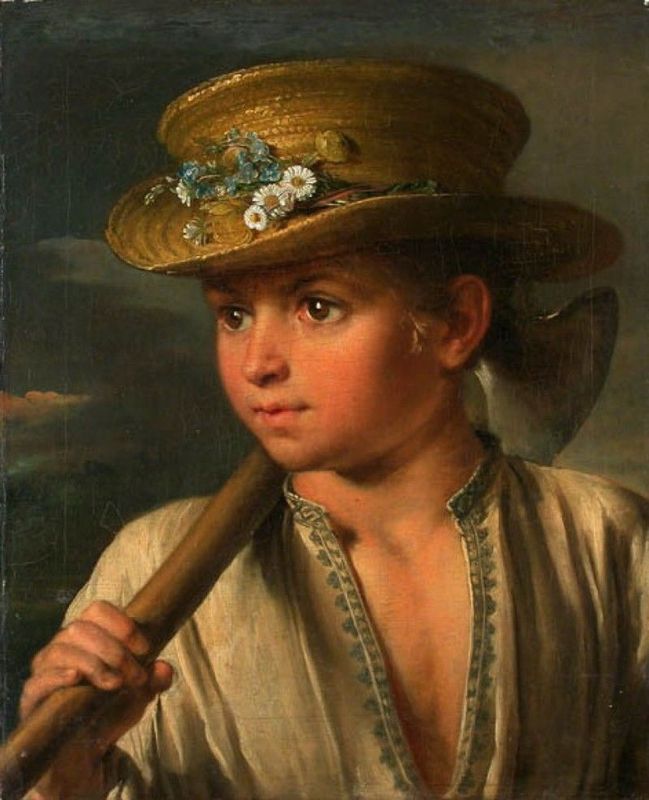
Boy with an axe
Vasily Andreevich Tropinin · 1810 · Belarusian National Arts Museum
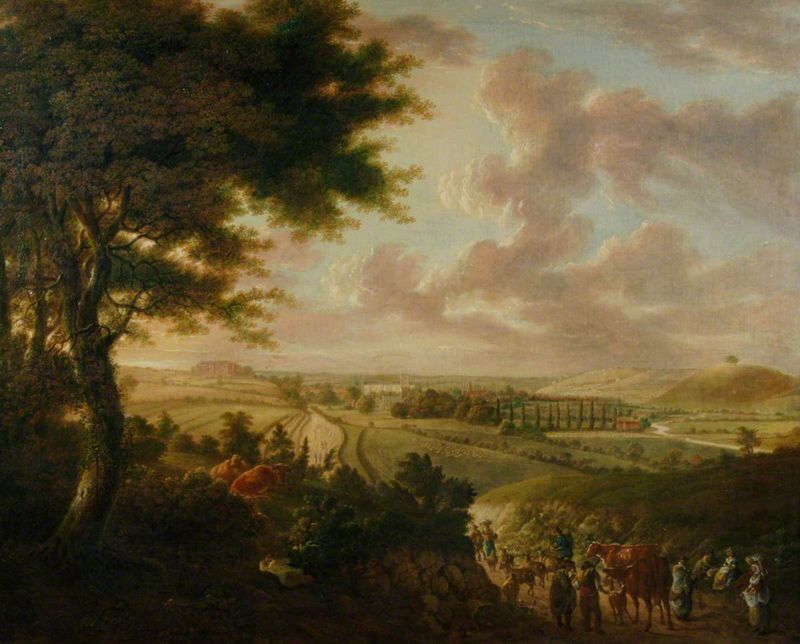 Same era · 1790s–1820s
Winchester from the South
Tobias Young · 1803 · Winchester Guildhall
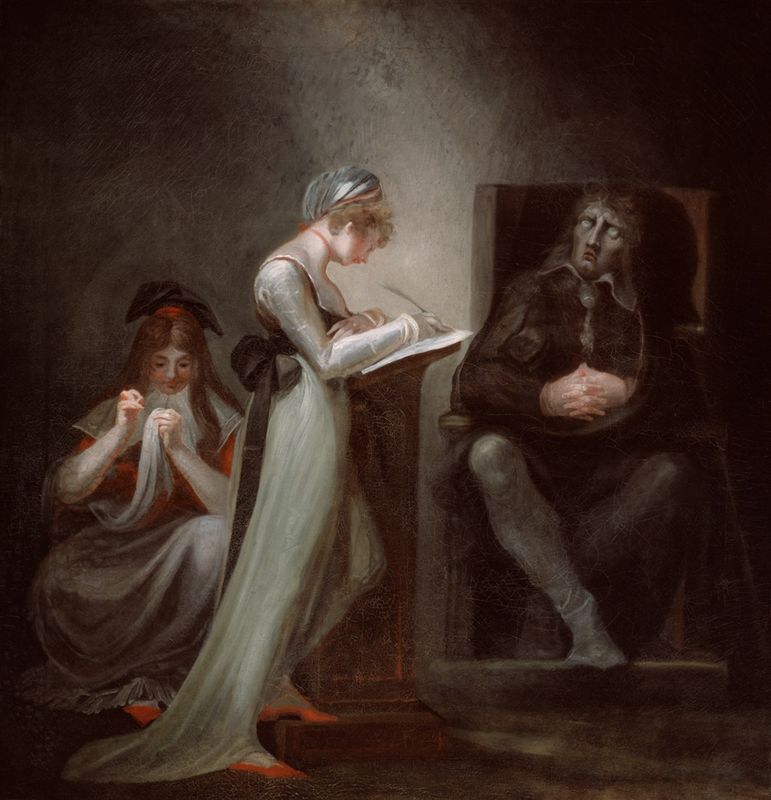 Same era · 1790s–1820s
Milton Dictating to His Daughter
Henry Fuseli · 1794 · Art Institute of Chicago