
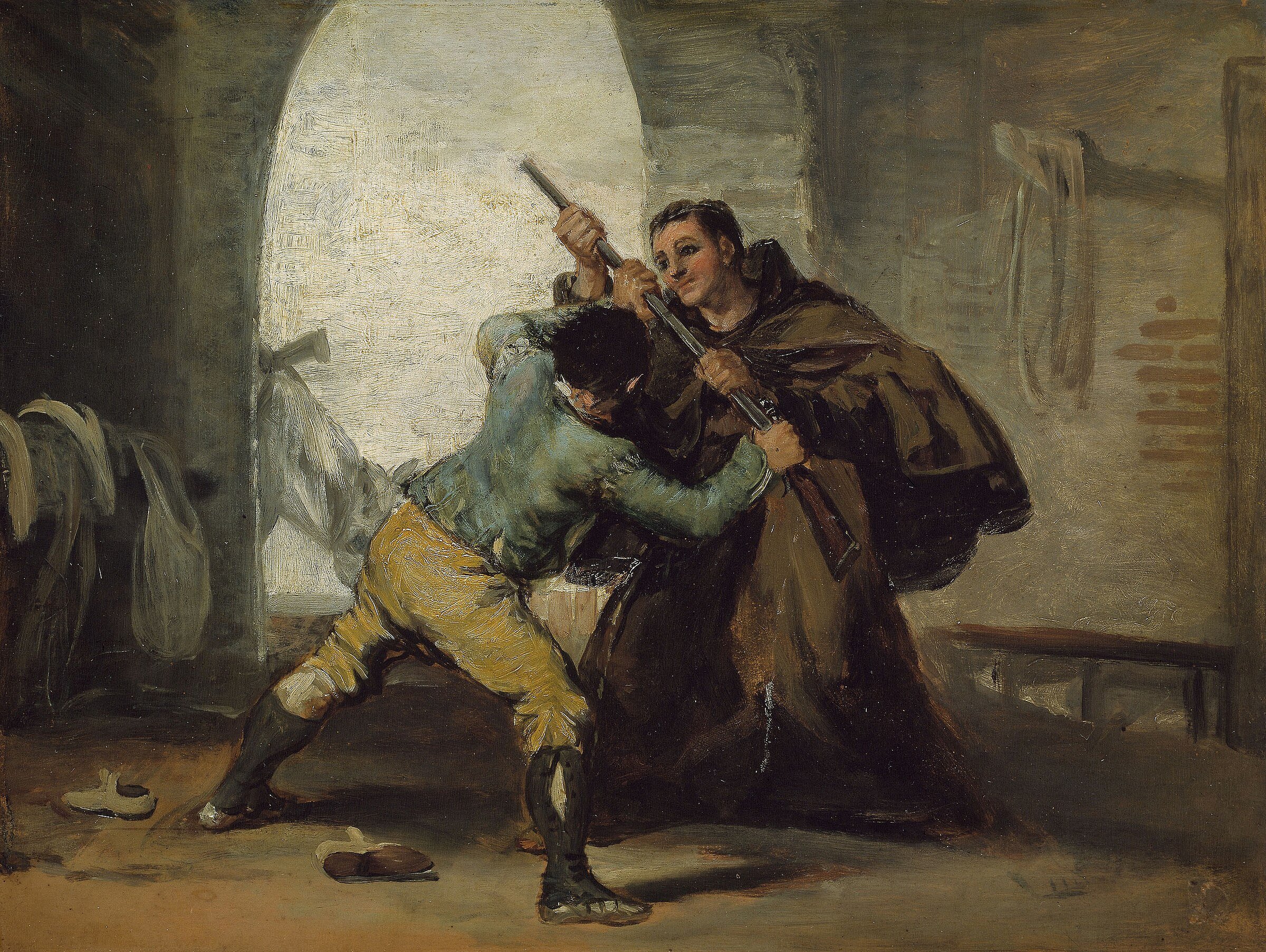
“Stop to witness a gripping moment from a true story: a brave friar disarming a notorious bandit. The raw energy and dramatic lighting make this small painting feel monumental.”
In this dramatic painting, a friar in a dark habit grapples with a disheveled bandit, his face contorted in a snarl. The scene unfolds under a turbulent sky, emphasizing the raw violence of the moment. The friar, Friar Pedro de Zaldivia, appears to be wrenching a gun from the bandit, El Maragato, whose wild hair and tattered clothes mark him as a dangerous figure. This work is part of a series of six paintings depicting a real-life encounter between the friar and the notorious highwayman in 1806. The artist captures the intensity of the struggle with powerful brushstrokes and a stark contrast between light and shadow, drawing the viewer into the heart of the conflict. It's a vivid snapshot of a specific historical event, rendered with an almost theatrical urgency.
- Artist
- Francisco Goya
- Date
- 1806
- Location
- Art Institute of Chicago
What to Notice
Four details hide in plain sight. Here’s where to look.
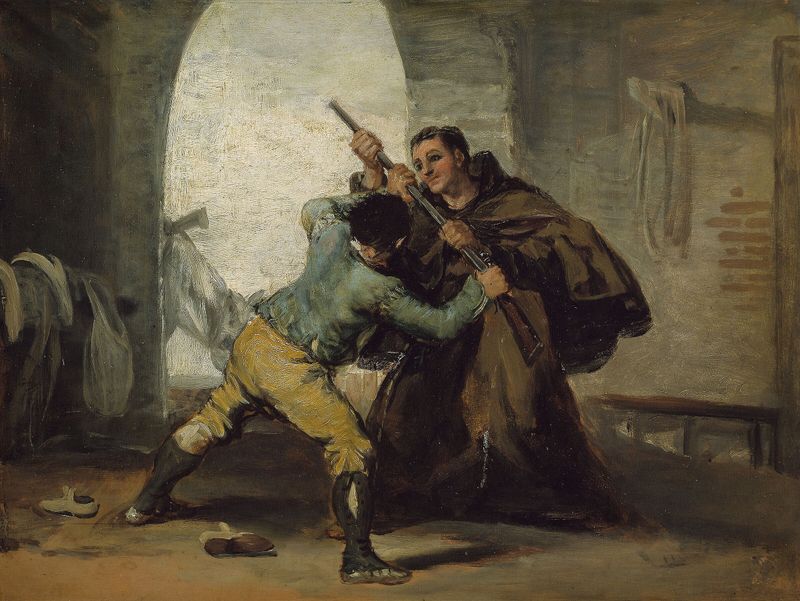
The friar’s determined grip on the bandit’s gun.
The bandit’s snarling face, illuminated by an unseen light.
The dramatic, stormy sky above the figures.
The way the friar’s dark habit contrasts with the bandit’s lighter shirt.
Stand in front of it and listen
The full narration walks you through Friar Pedro Wrests the Gun from El Maragato — the story behind it, the details most visitors miss, and why it matters. Free in the Art Whisper app.
Francisco Goya
1746–1828 · SpainFrancisco Goya, the Spanish master, captured everything from royal portraits to the dark anxieties of his age, often blurring the lines between Old Master and modern art.
Further Works by Goya
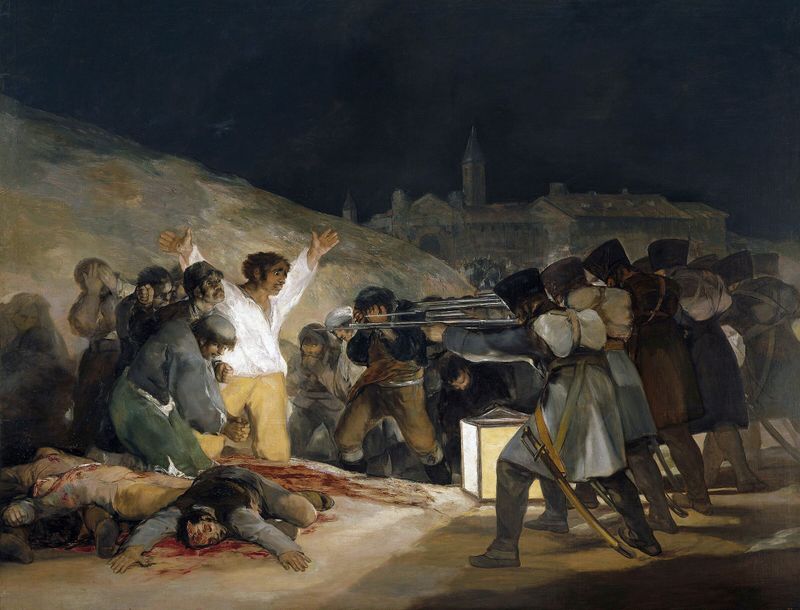 The Third of May 1808
1814 · Museo del Prado
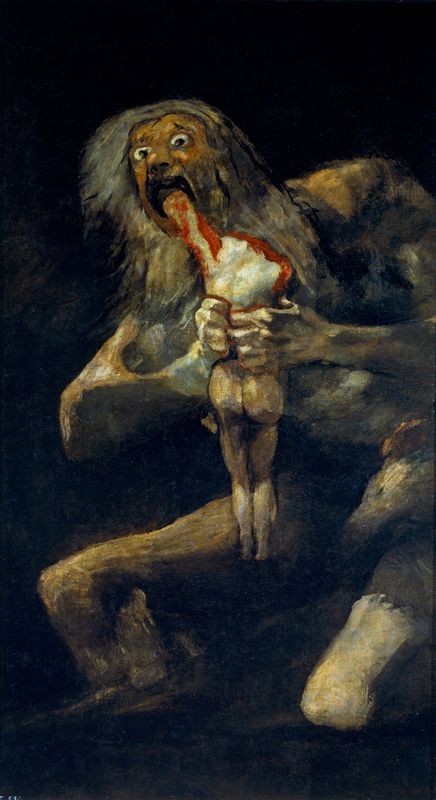 Saturn Devouring His Son
1820 · Museo del Prado
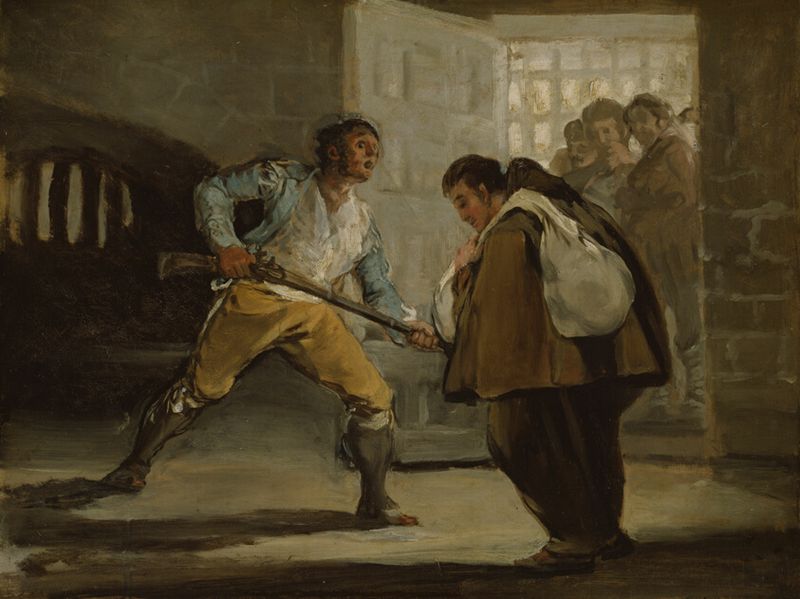 El Maragato Threatens Friar Pedro de Zaldivia with His Gun
1806 · Art Institute of Chicago
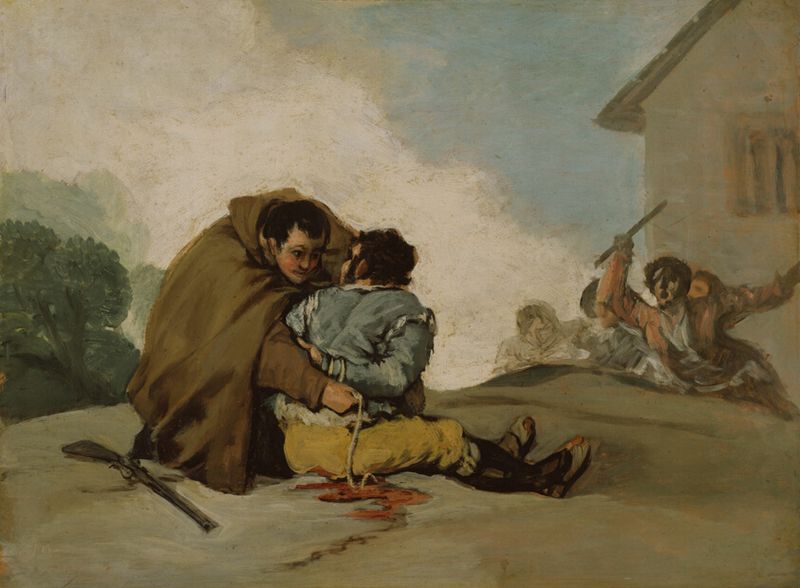 Friar Pedro Binds El Maragato with a Rope
1806 · Art Institute of Chicago
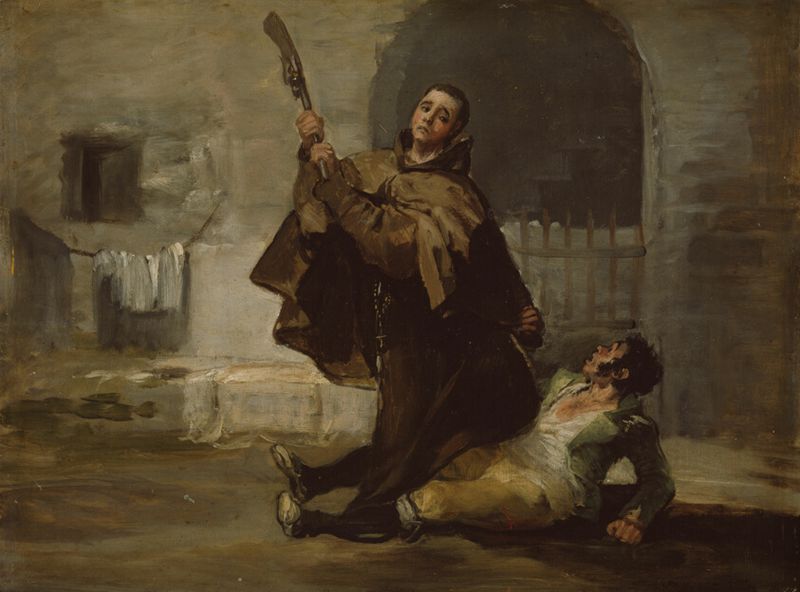 Friar Pedro Clubs El Maragato with the Butt of the Gun
1806 · Art Institute of Chicago
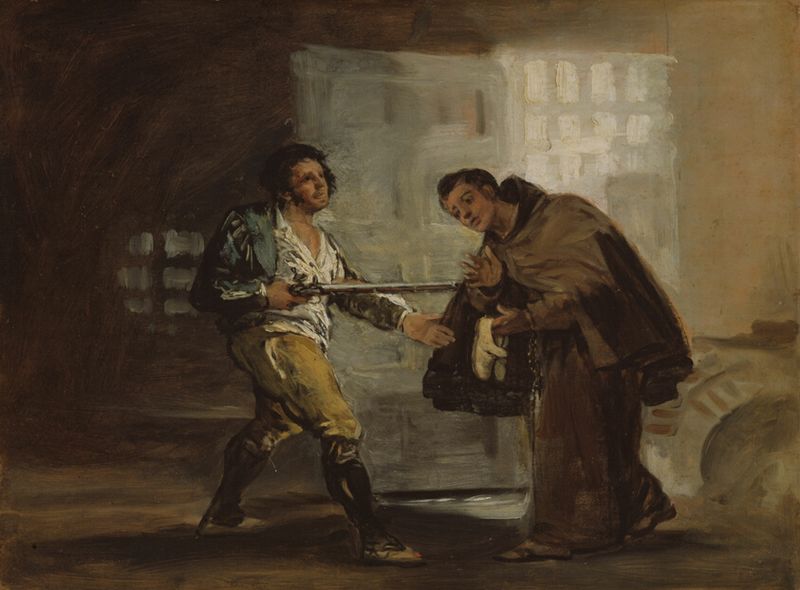 Friar Pedro Offers Shoes to El Maragato and Prepares to Push Aside His Gun
1806 · Art Institute of Chicago
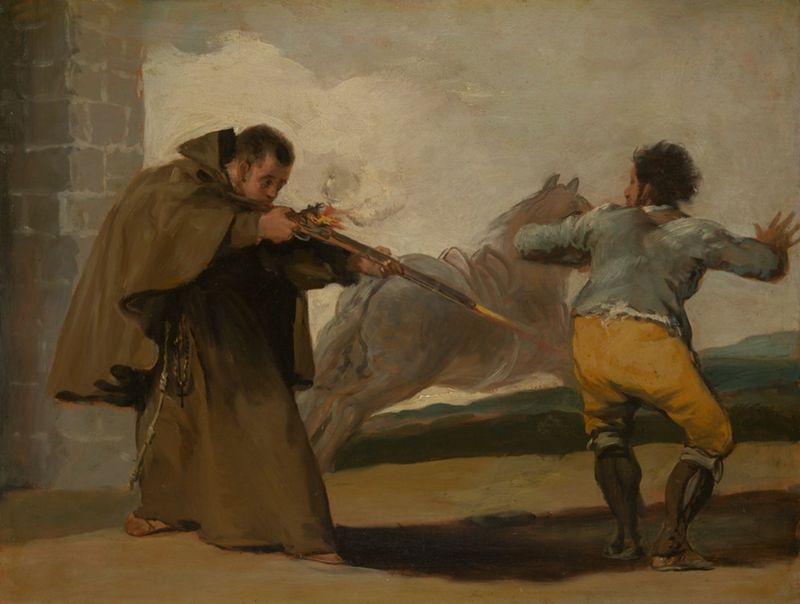 Friar Pedro Shoots El Maragato as His Horse Runs Off
1806 · Art Institute of Chicago
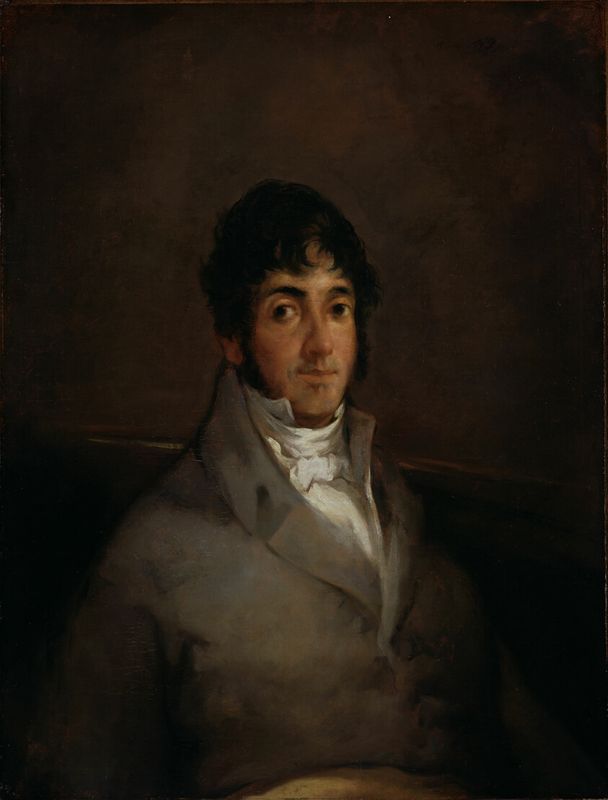 Portrait of Isidoro Maiquez
1807 · Art Institute of Chicago
More from Romanticism
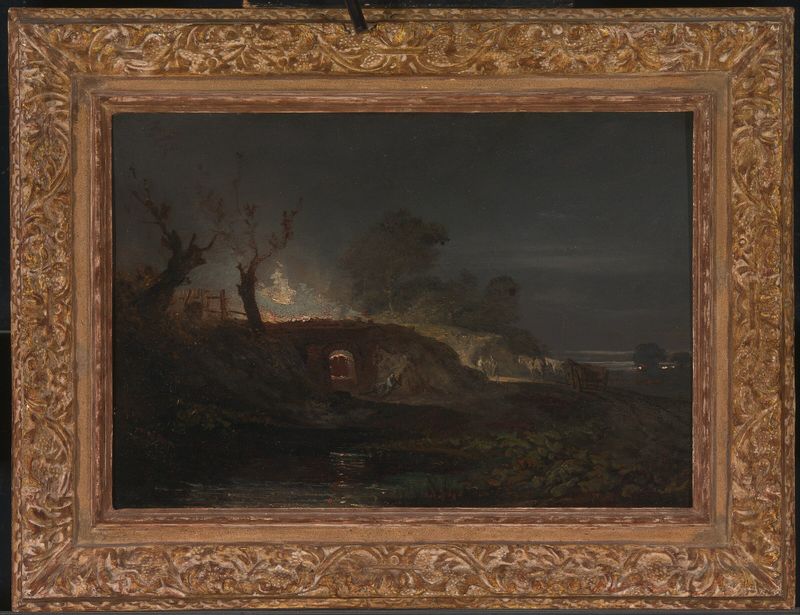 A Limekiln, Possibly at Briton Ferry in South Wales
Turner · 1797 · Yale Center for British Art
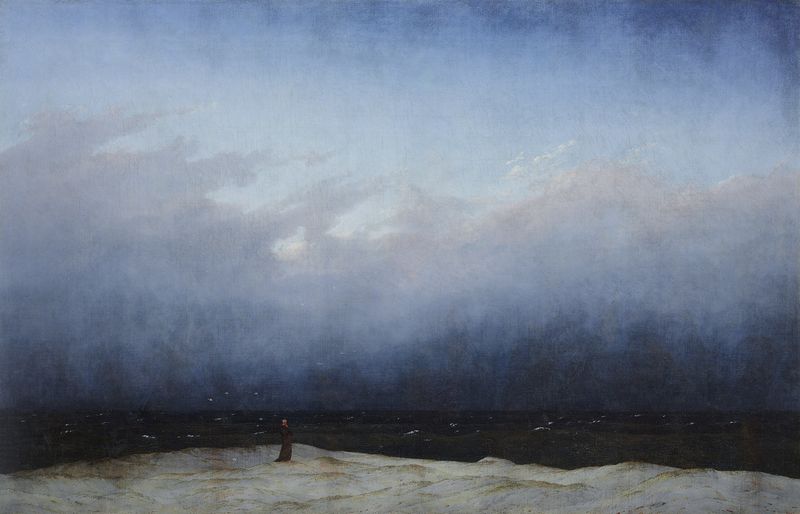 The Monk by the Sea
Friedrich · 1800 · Alte Nationalgalerie
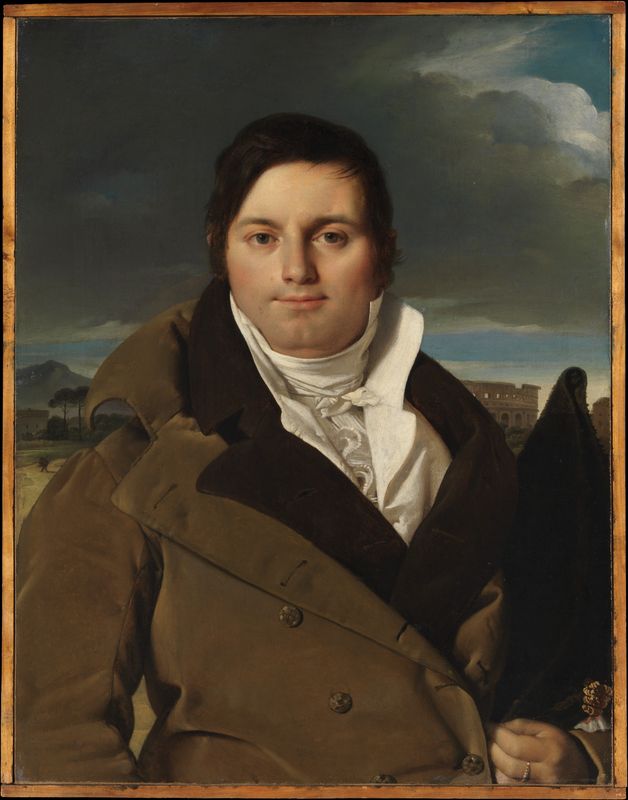 Joseph-Antoine Moltedo (born 1775)
Ingres · 1805 · The Metropolitan Museum of Art
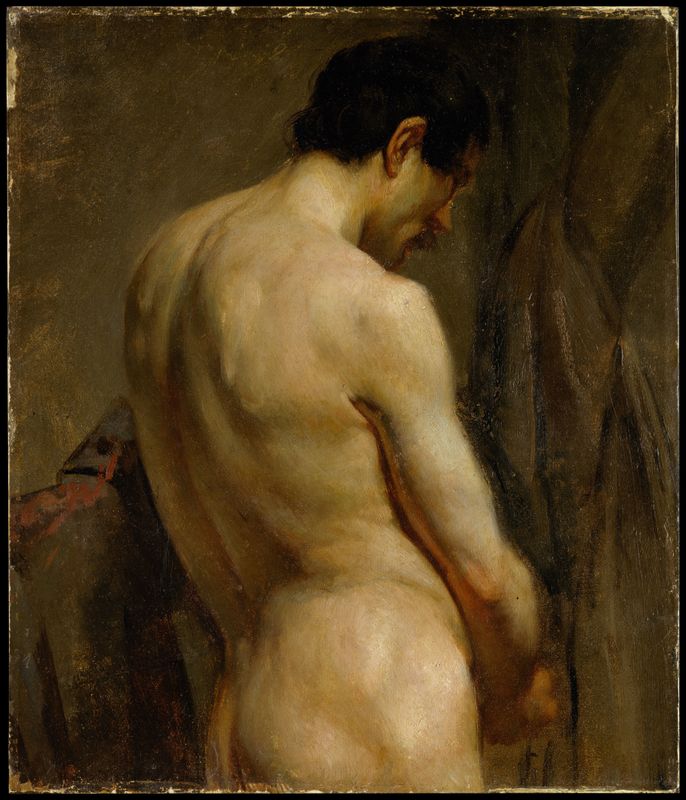 Male Academy Figure: Half-Length, Side View
Delacroix · 1819 · Karen B. Cohen Collection
More works to explore
Beyond Goya and Romanticism: works from the same years.
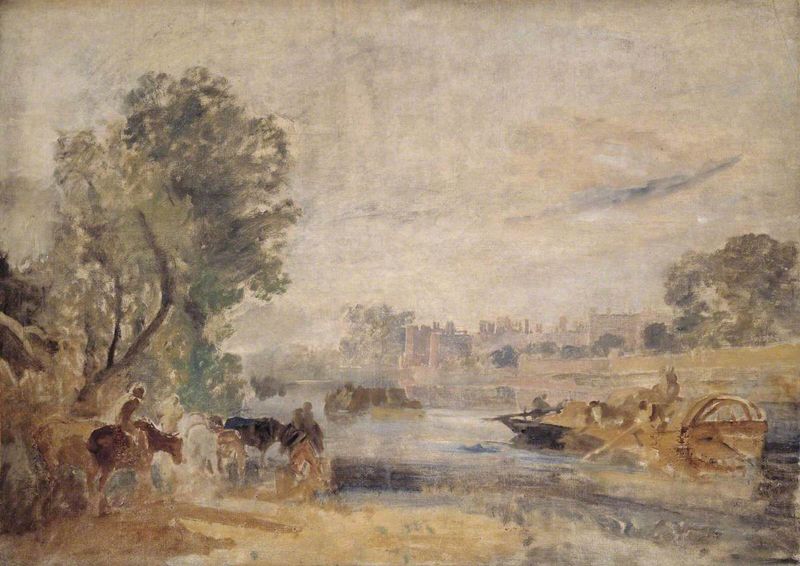 Same era · 1790s–1820s
Hampton Court from the Thames
J. M. W. Turner · 1806 · National Gallery
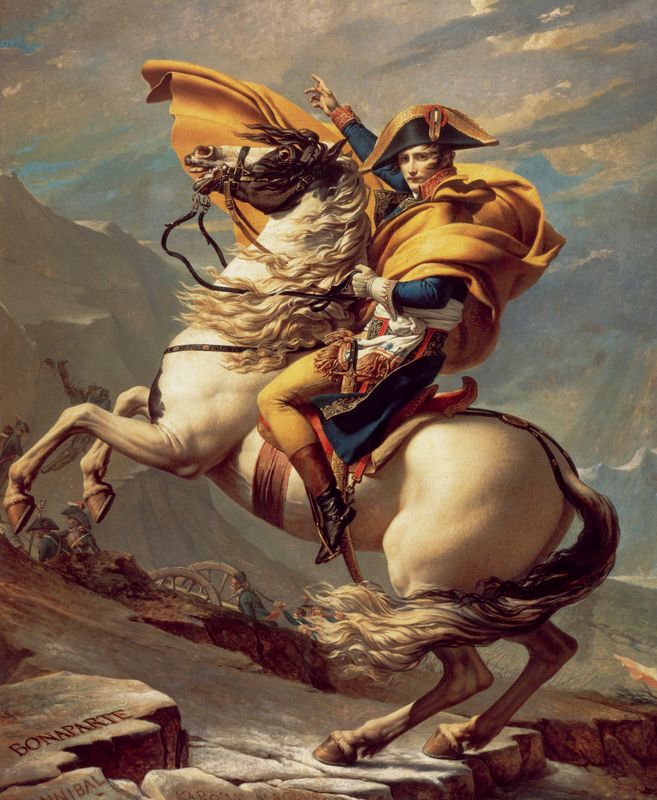 Same era · 1790s–1820s
Napoleon Crossing the Alps
Jacques-Louis David · 1800 · Musée national de Malmaison et Bois-Préau
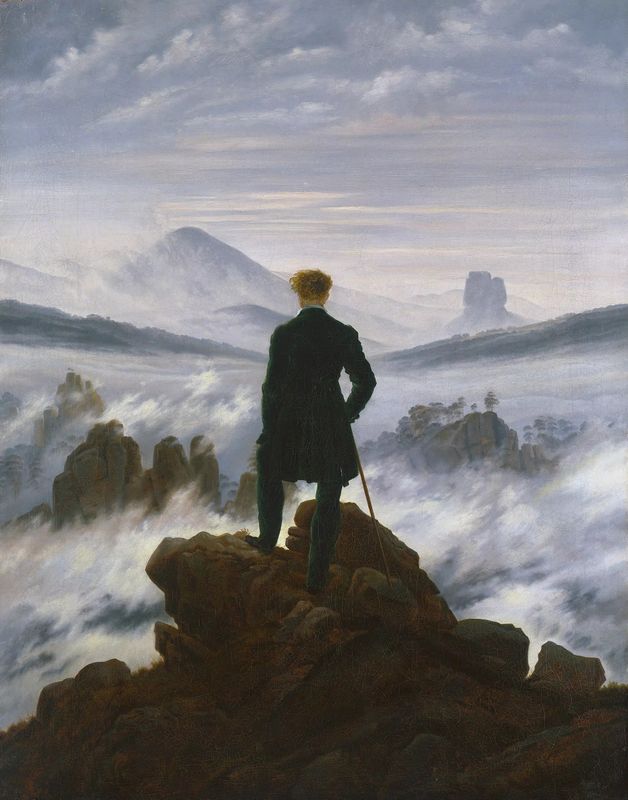 Same era · 1790s–1820s
Wanderer above the Sea of Fog
Caspar David Friedrich · 1818 · Hamburger Kunsthalle
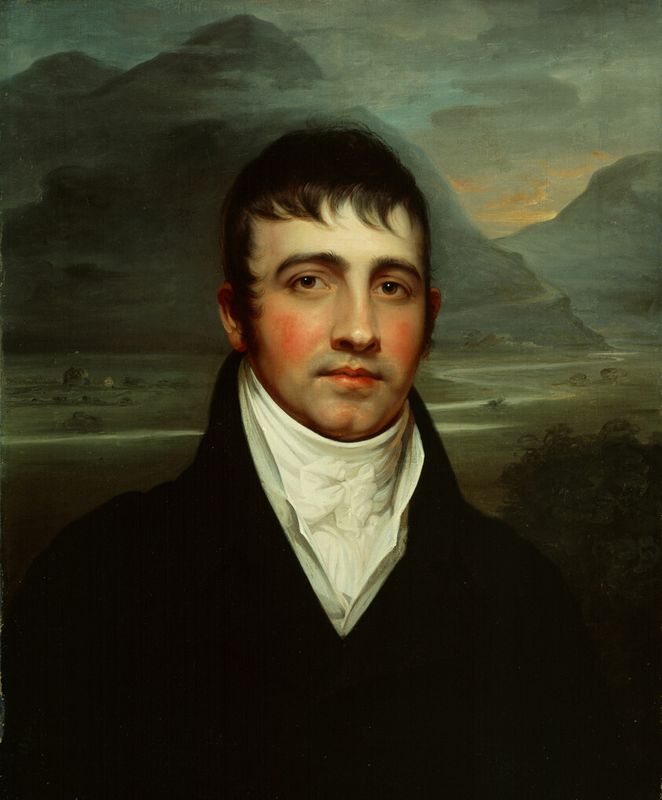 Same era · 1790s–1820s
Samuel Fisher Bradford
Rembrandt Peale · 1803 · Art Institute of Chicago
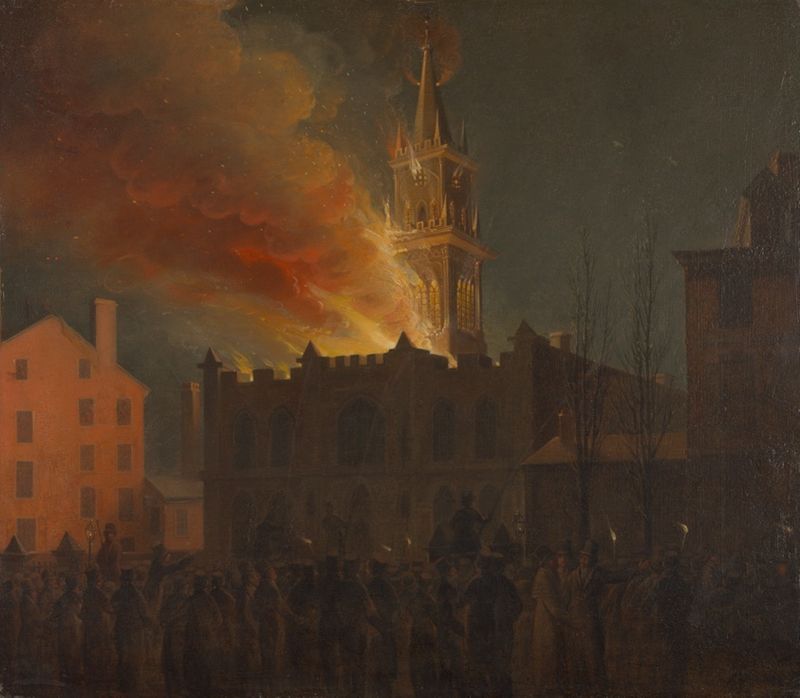 Same era · 1790s–1820s
Conflagration of the Masonic Hall, Chestnut Street, Philadelphia, Pennsylvania
Samuel Jones · 1819 · Art Institute of Chicago
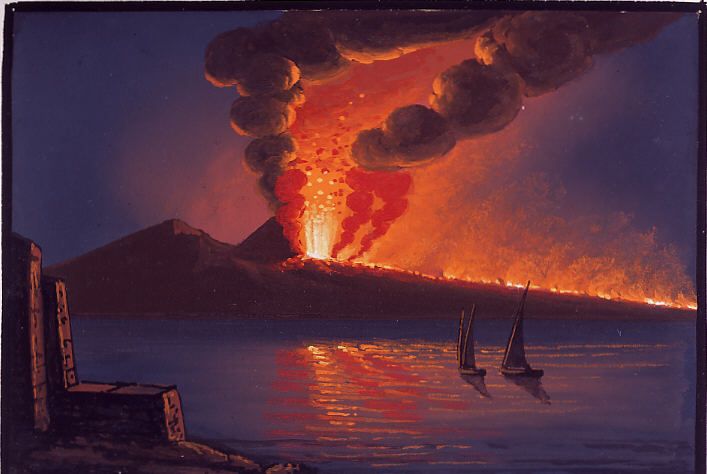 Same era · 1790s–1820s
Sketchbook: Souvenir of Naples
Artist Unknown - The Mercat Cross, Aberdeen · 1821 · The Metropolitan Museum of Art
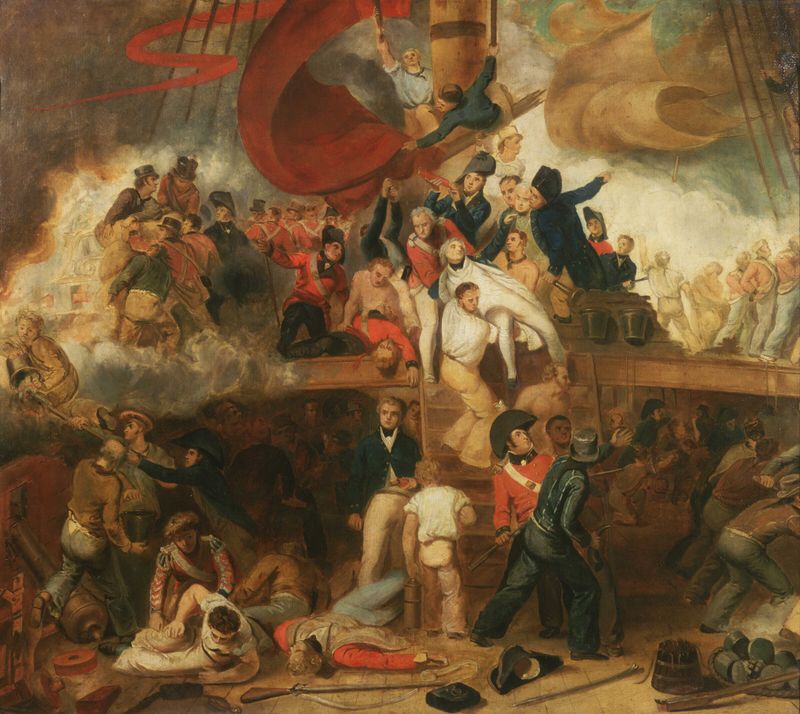 Same era · 1790s–1820s
The Death of Nelson at the Battle of Trafalgar, 21 October 1805
Samuel Drummond · 1806 · Royal Museums Greenwich
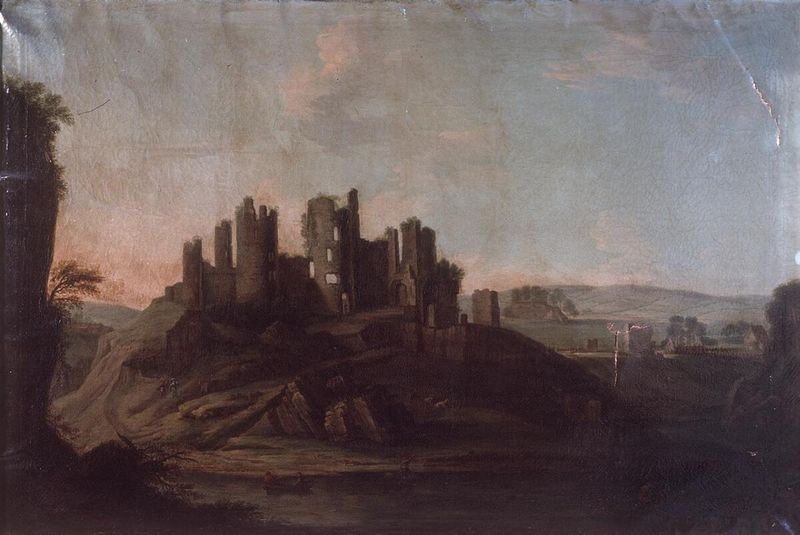 Same era · 1790s–1820s
Cilgerran Castle
William Havell · 1805 · National Museum Cardiff
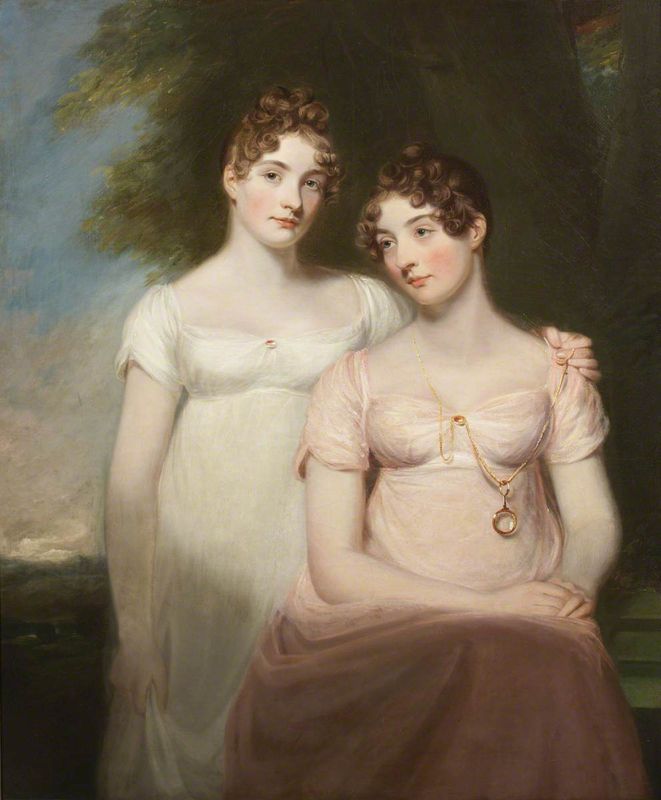 Same era · 1790s–1820s
The Ainslie Sisters (Agnes and Margaret)
Thomas Stewardson · 1808 · Abbot Hall Art Gallery
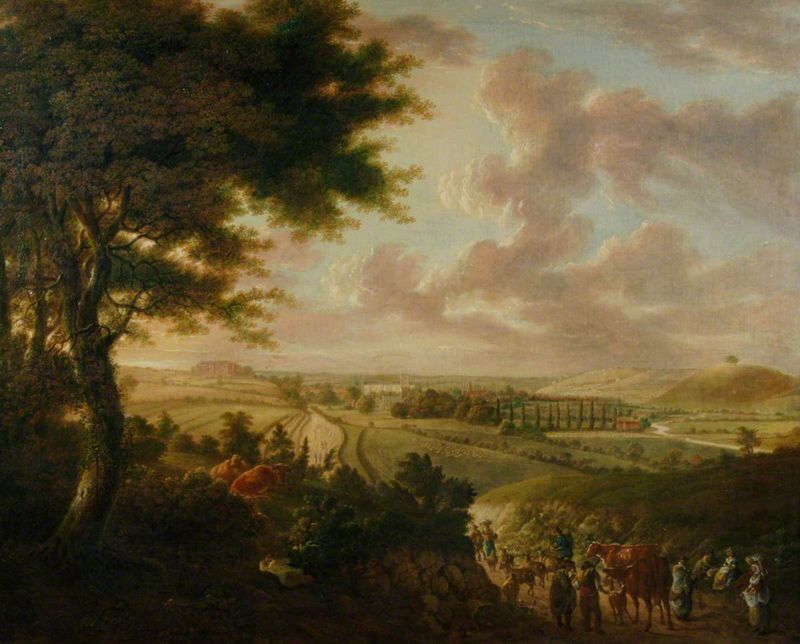 Same era · 1790s–1820s
Winchester from the South
Tobias Young · 1803 · Winchester Guildhall
 Same era · 1790s–1820s
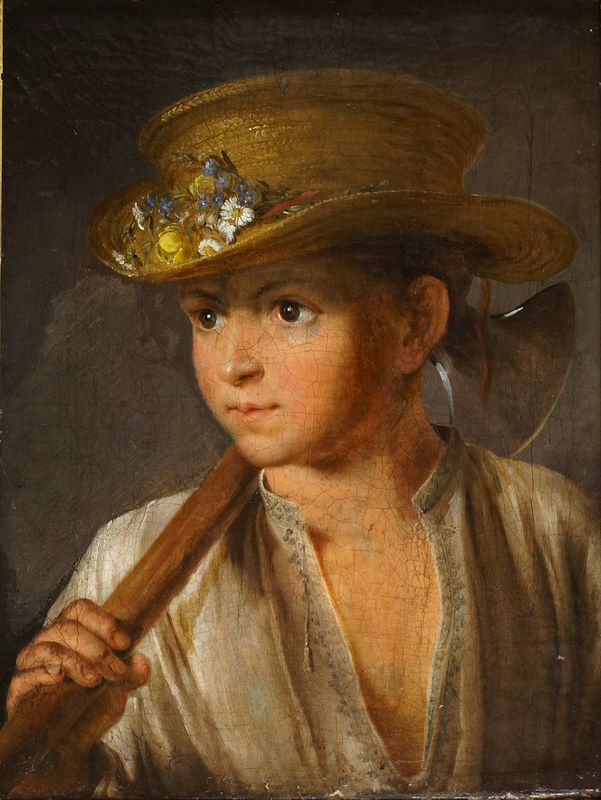
The Peasant Boy with a Hatchet
Vasily Andreevich Tropinin · 1810 · Ekaterinburg Museum of Fine Arts
 Same era · 1790s–1820s
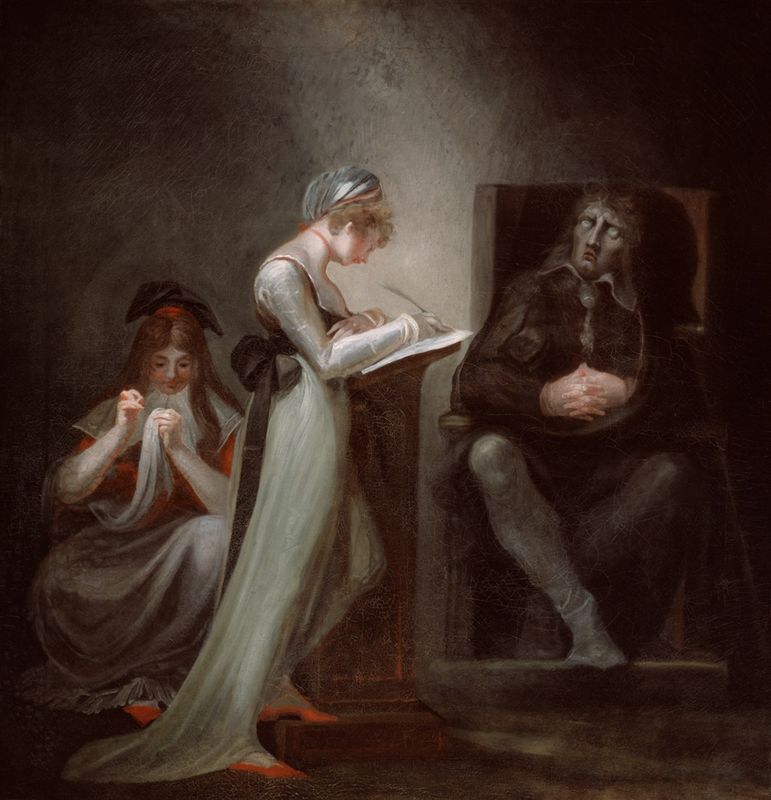
Milton Dictating to His Daughter
Henry Fuseli · 1794 · Art Institute of Chicago