
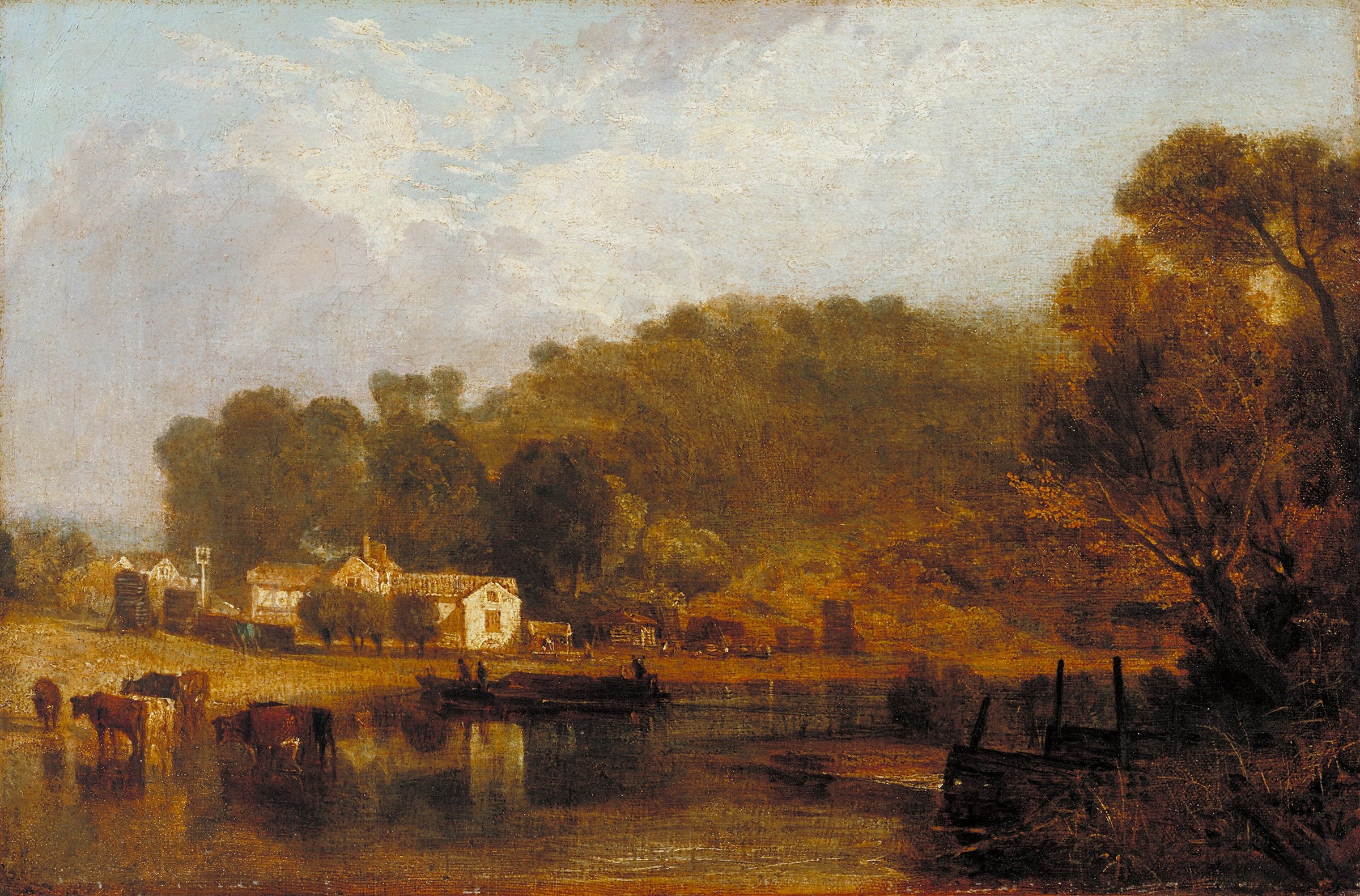
“This painting captures a tranquil view of the Thames at Cliveden, showcasing the artist's innovative approach to landscape that initially shocked some viewers. It's a glimpse into the English countryside through the eyes of a painter pushing artistic boundaries.”
A serene expanse of the River Thames unfolds before you in this painting, with the grand Cliveden House perched majestically on the distant hill. The sky, a soft blend of blues and whites, suggests a tranquil day, reflecting gently on the water's surface. A small boat, almost lost in the vastness, hints at the human presence within this expansive landscape. While many artists of the time sought to capture the picturesque, here, the focus is less on meticulous detail and more on the overall impression of light and atmosphere. This approach was considered quite radical by some of his contemporaries. When Benjamin West, then president of the Royal Academy, saw this and other works in the artist's studio, he reportedly called them "crude blotches." The painting captures a specific moment at Cliveden in Buckinghamshire, a location famously associated with the patriotic song "Rule Britannia."
- Artist
- J. M. W. Turner
- Date
- 1807
- Medium
- Oil on canvas
- Location
- National Gallery
What to Notice
Five details hide in plain sight. Here’s where to look.
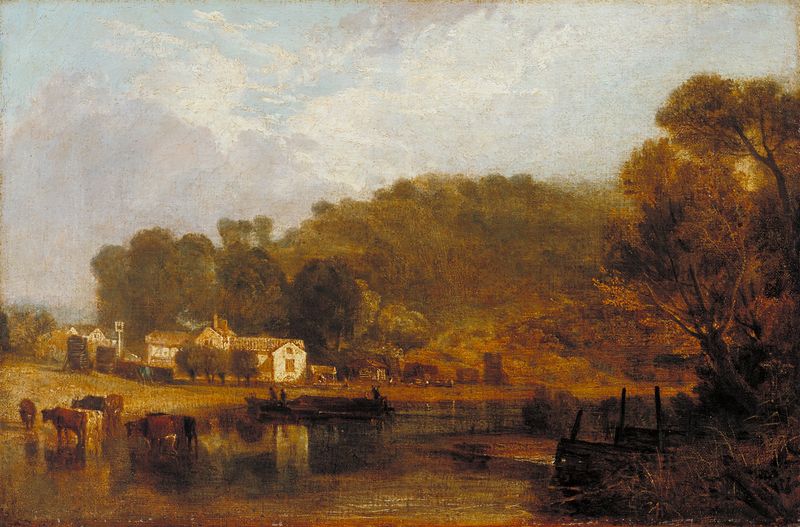
The subtle reflections of the sky and trees on the water's surface.
The small, dark boat in the lower center, almost merging with the water.
The faint outline of Cliveden House on the distant hill.
The soft, blended colors of the sky, indicative of the artist's style.
1 more detail is waiting.
See all 5 in Art Whisper →Stand in front of it and listen
The full narration walks you through Cliveden on Thames — the story behind it, the details most visitors miss, and why it matters. Free in the Art Whisper app.
J. M. W. Turner
1775–1851 · Kingdom of Great BritainJ. M. W. Turner, the 'painter of light,' transformed landscape painting with his turbulent marine scenes and expressive use of color.
Further Works by Turner
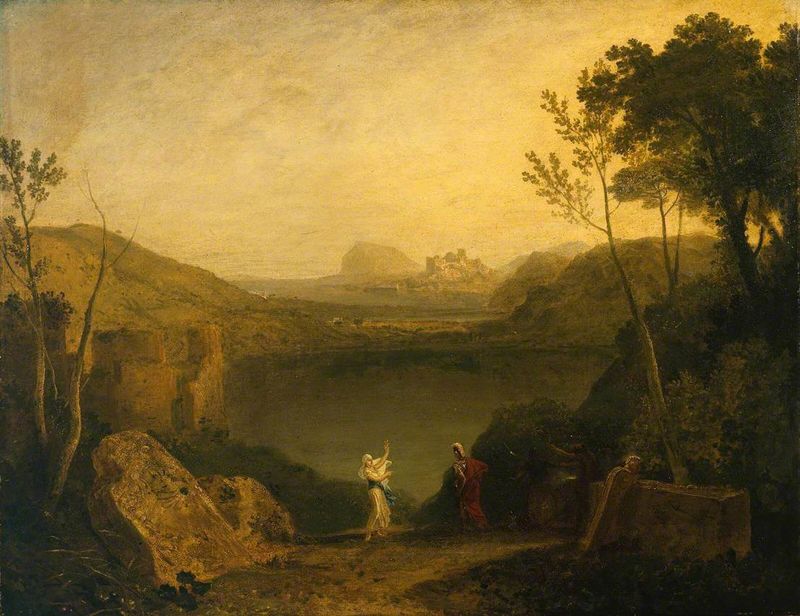 Aeneas and the Sibyl, Lake Avernus
1798 · National Gallery
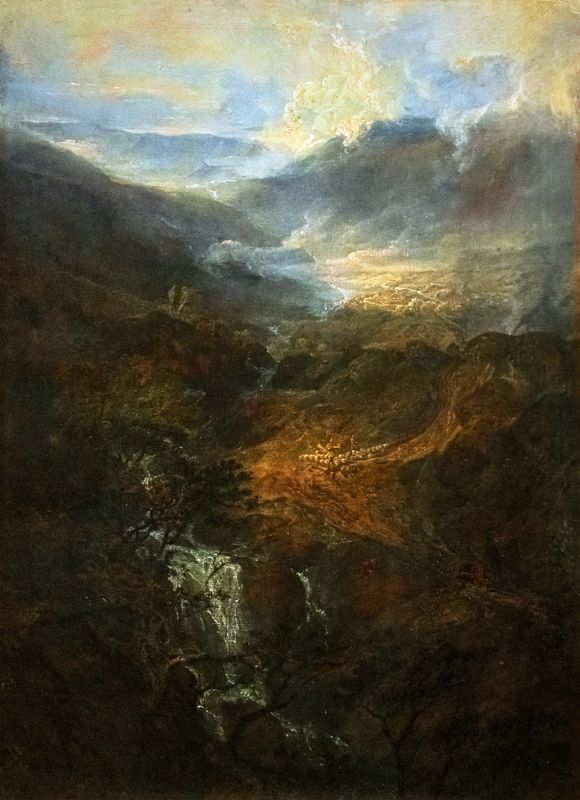 Morning amongst the Coniston Fells, Cumberland
1798 · National Gallery
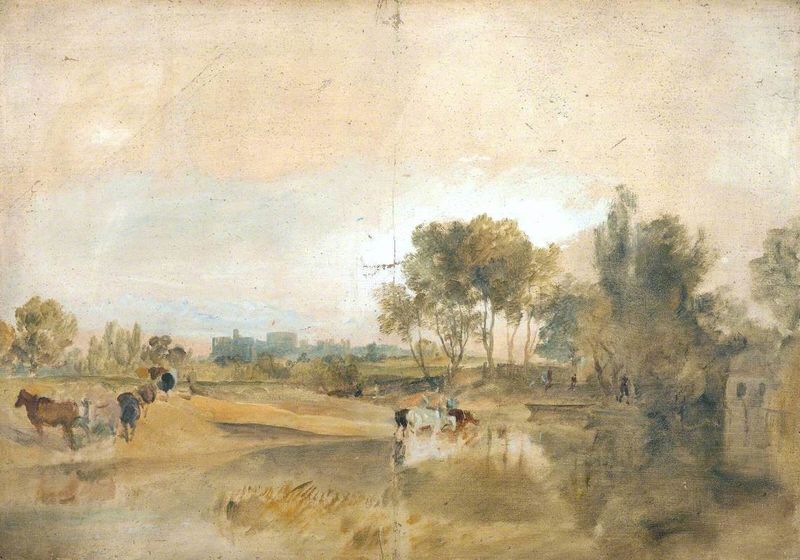 A Thames Backwater with Windsor Castle in the Distance
1805 · National Gallery
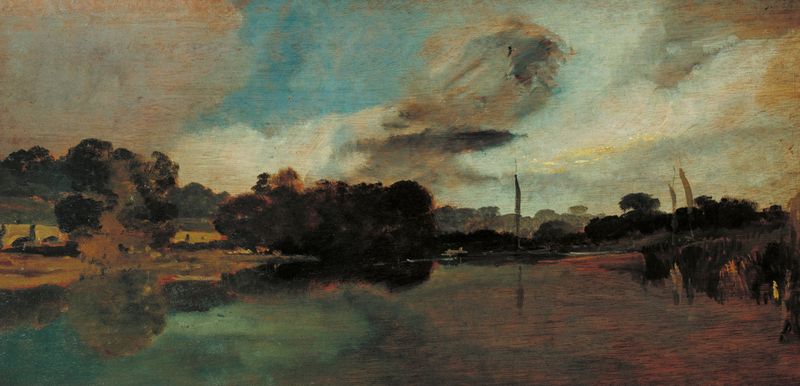 Walton Reach
1805 · National Gallery
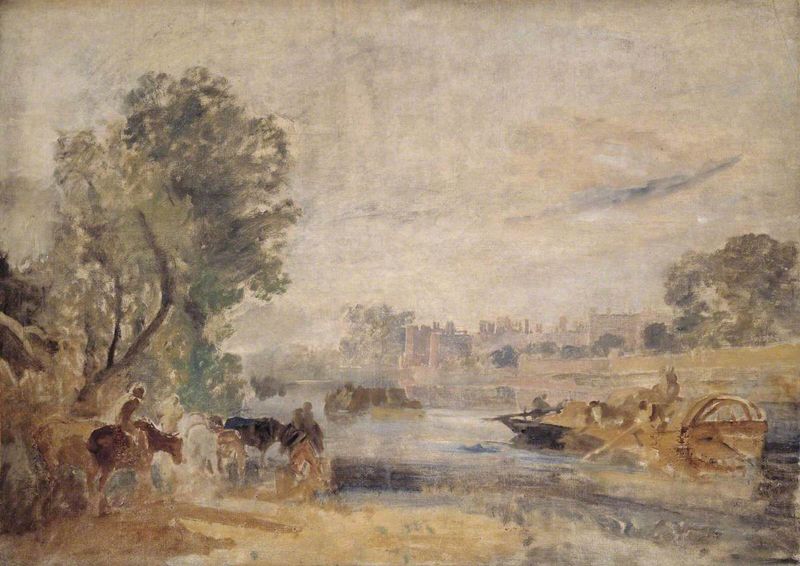 Hampton Court from the Thames
1806 · National Gallery
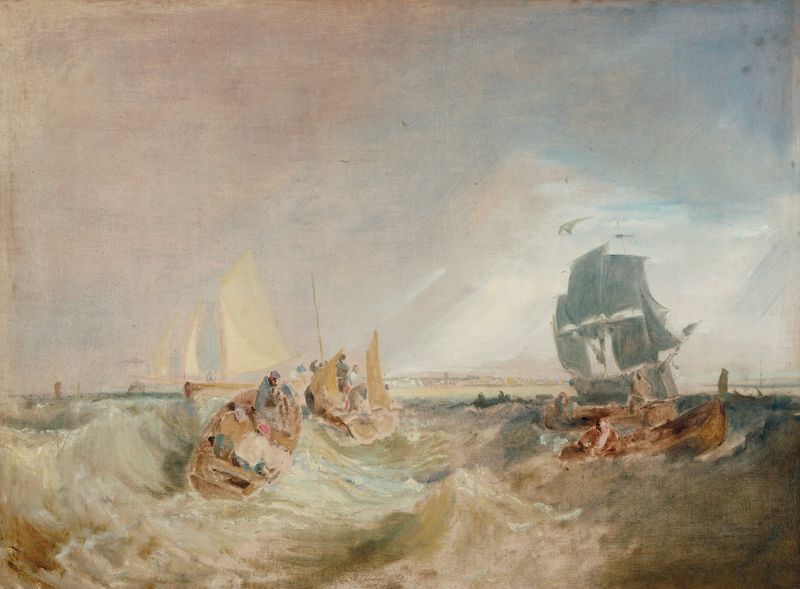 Shipping at the Mouth of the Thames
1806 · National Gallery
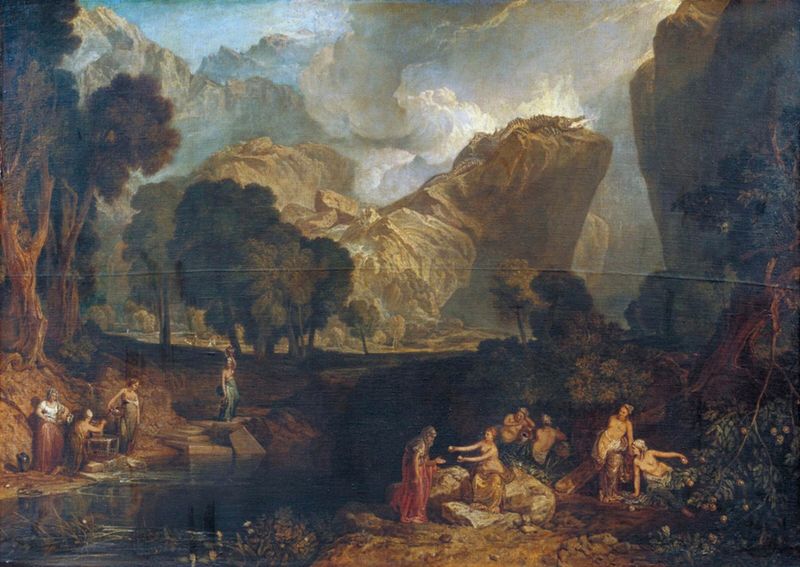 The Goddess of Discord Choosing the Apple of Contention in the Garden of the Hesperides
1806 · National Gallery
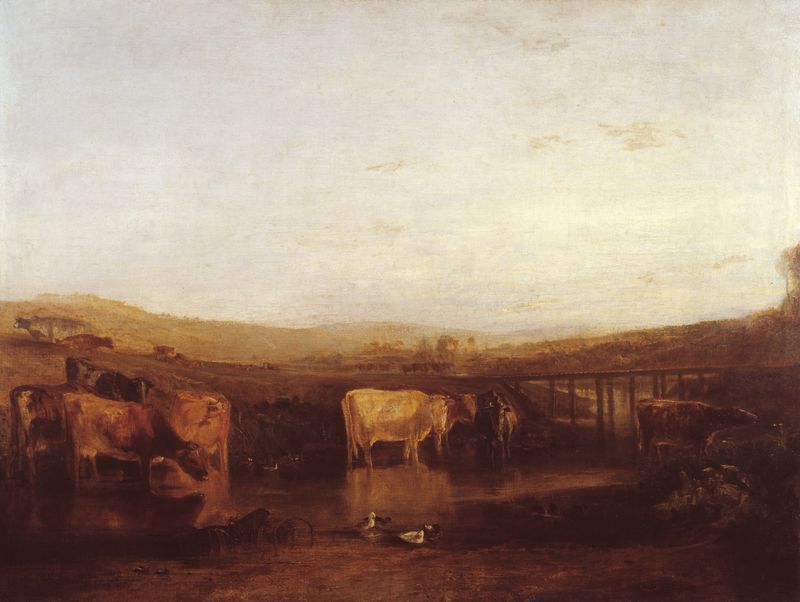 Union of the Thames and Isis
1808 · National Gallery
More from Romanticism
More works to explore
Beyond Turner and Romanticism: works from the same years.
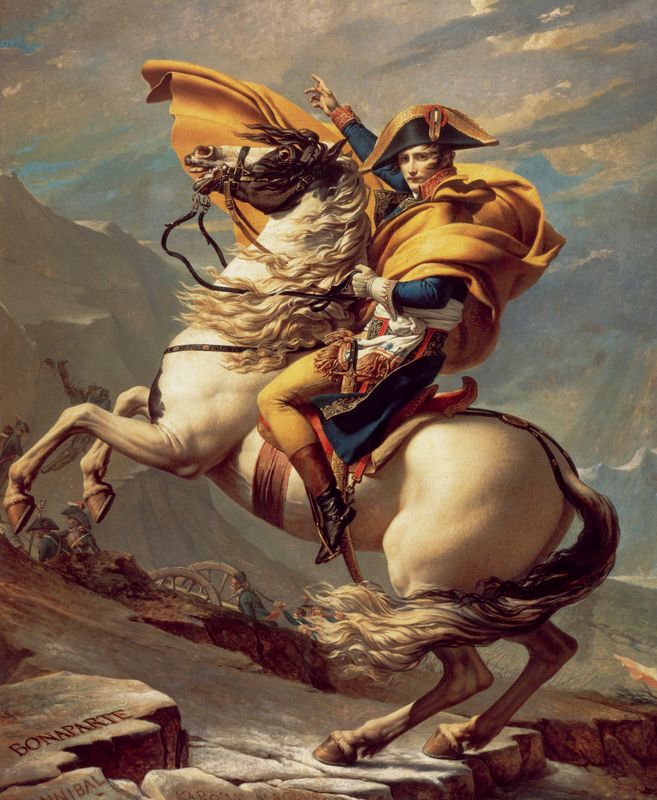 Same era · 1790s–1820s
Napoleon Crossing the Alps
Jacques-Louis David · 1800 · Musée national de Malmaison et Bois-Préau
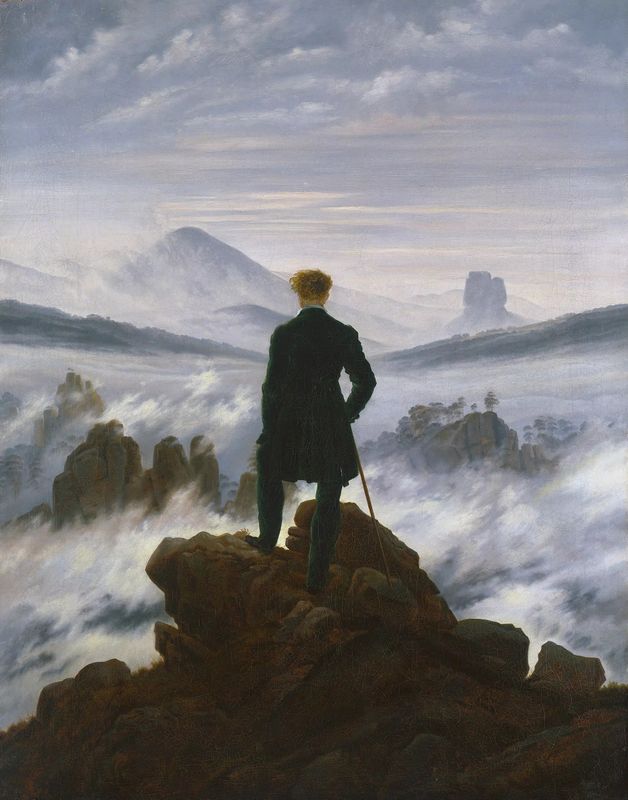 Same era · 1790s–1820s
Wanderer above the Sea of Fog
Caspar David Friedrich · 1818 · Hamburger Kunsthalle
 Same era · 1790s–1820s
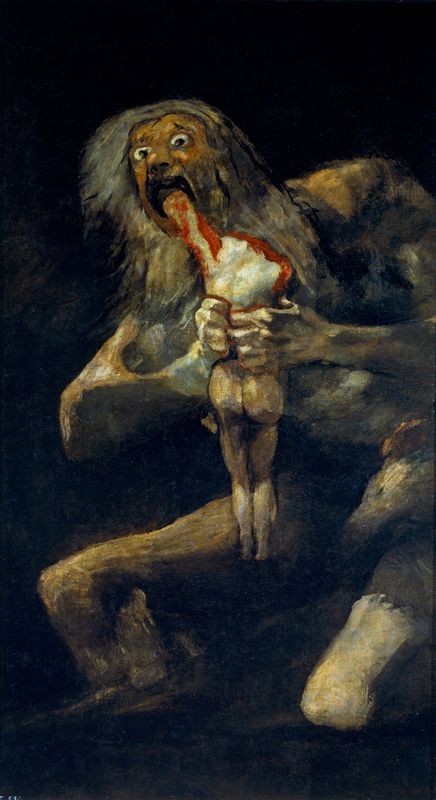
Saturn Devouring His Son
Francisco Goya · 1820 · Museo del Prado
 Same era · 1790s–1820s
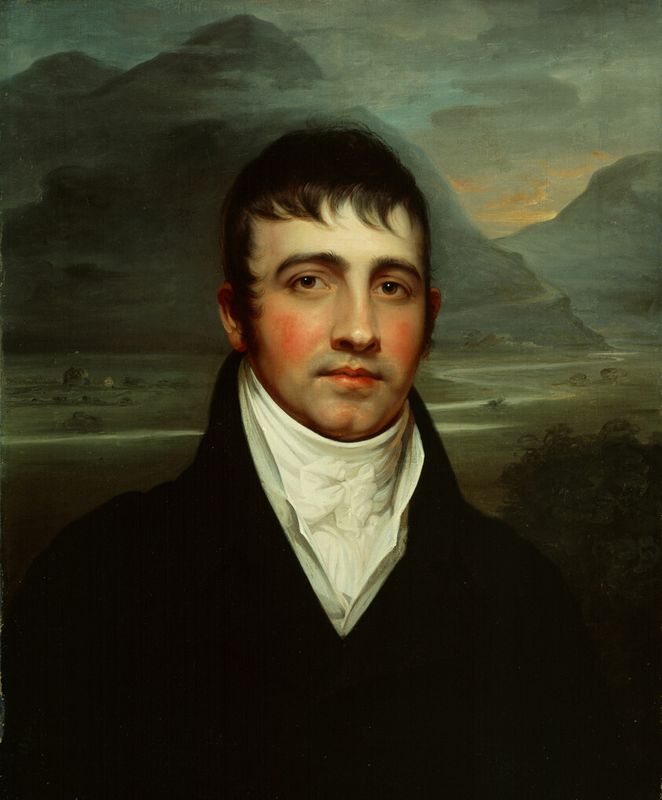
Samuel Fisher Bradford
Rembrandt Peale · 1803 · Art Institute of Chicago
 Same era · 1790s–1820s
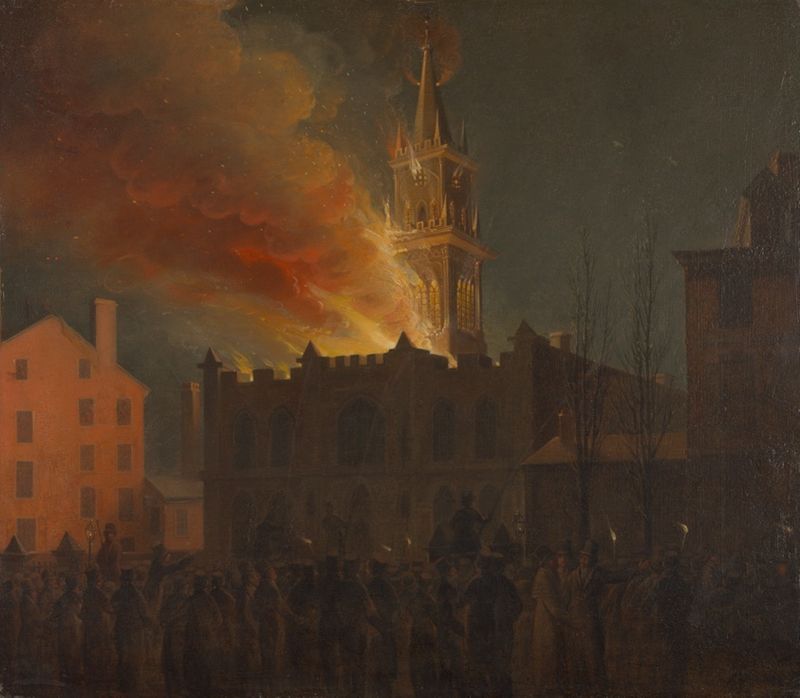
Conflagration of the Masonic Hall, Chestnut Street, Philadelphia, Pennsylvania
Samuel Jones · 1819 · Art Institute of Chicago
 Same era · 1790s–1820s
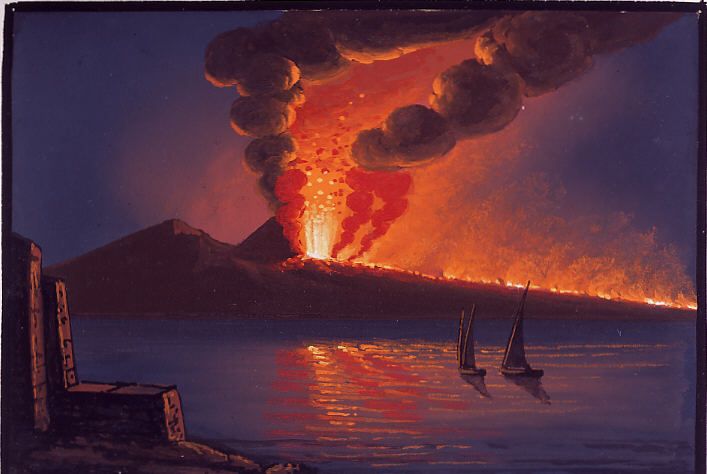
Sketchbook: Souvenir of Naples
Artist Unknown - The Mercat Cross, Aberdeen · 1821 · The Metropolitan Museum of Art
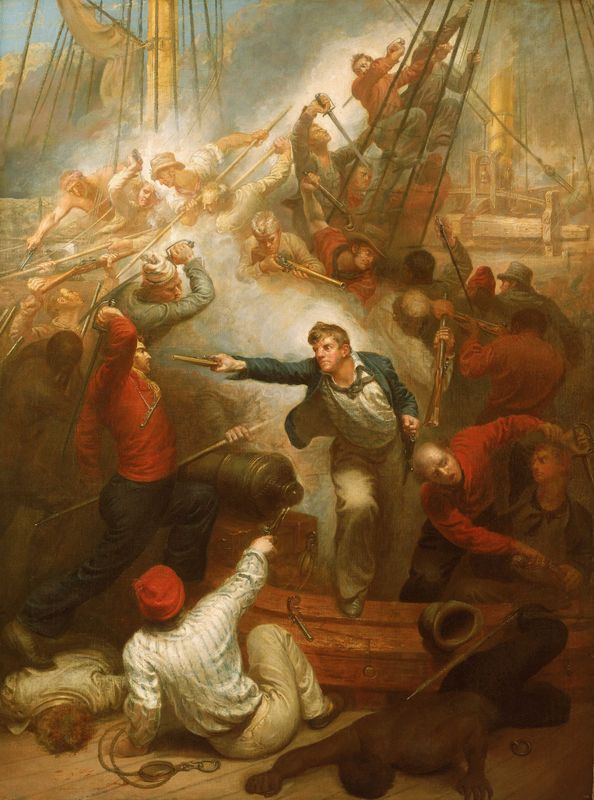 Same era · 1790s–1820s
Captain William Rogers capturing the 'Jeune Richard', 1 October 1807
Samuel Drummond · 1808 · Royal Museums Greenwich
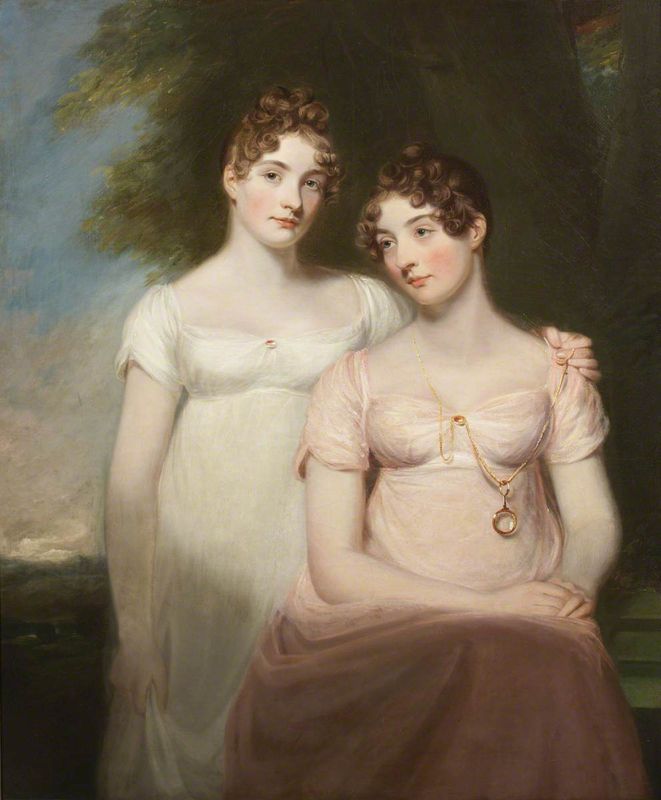 Same era · 1790s–1820s
The Ainslie Sisters (Agnes and Margaret)
Thomas Stewardson · 1808 · Abbot Hall Art Gallery
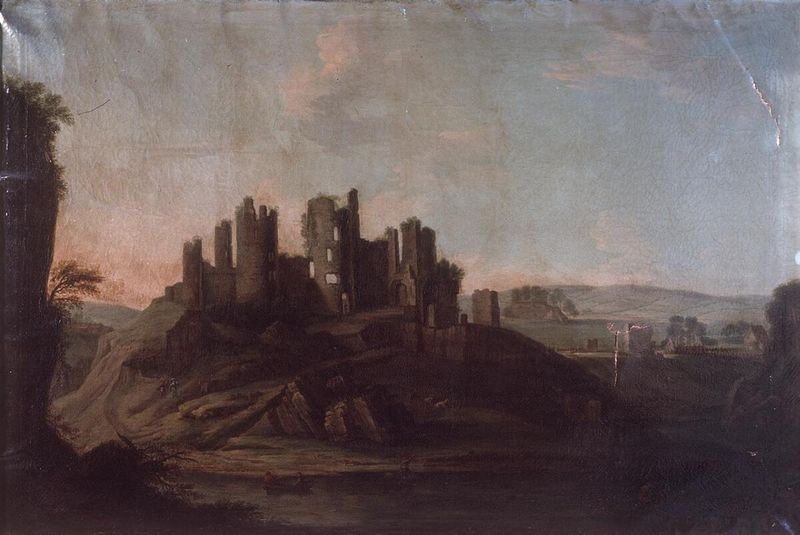 Same era · 1790s–1820s
Cilgerran Castle
William Havell · 1805 · National Museum Cardiff
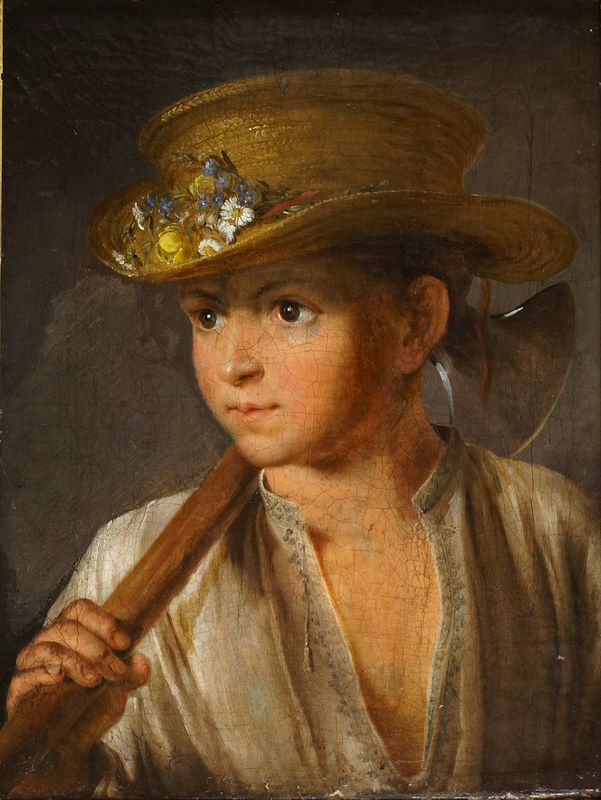 Same era · 1790s–1820s
The Peasant Boy with a Hatchet
Vasily Andreevich Tropinin · 1810 · Ekaterinburg Museum of Fine Arts
 Same era · 1790s–1820s
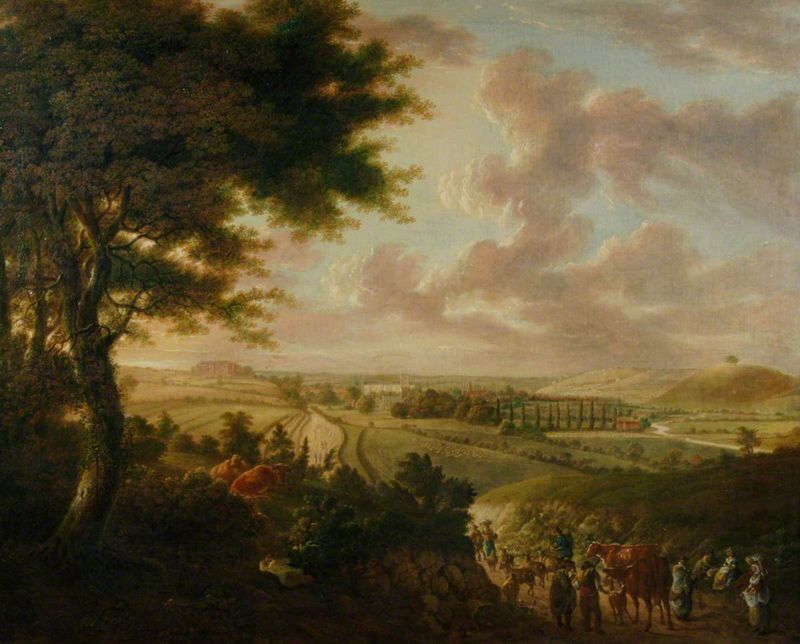
Winchester from the South
Tobias Young · 1803 · Winchester Guildhall
 Same era · 1790s–1820s
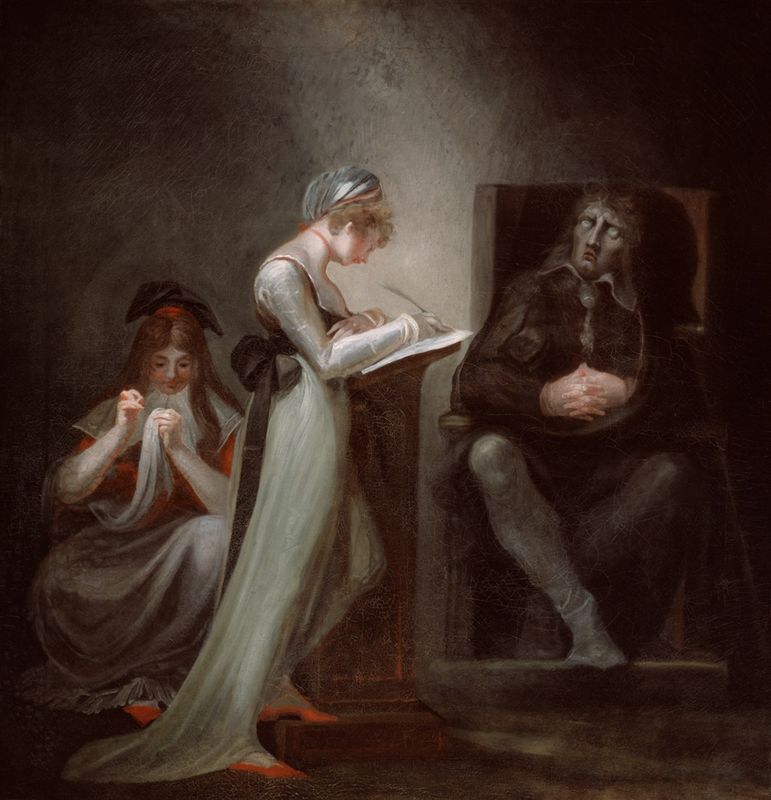
Milton Dictating to His Daughter
Henry Fuseli · 1794 · Art Institute of Chicago