
“Imagine stepping into an 18th-century French salon where everything seems designed to delight rather than intimidate.”
That's Rococo. Born in the Paris townhouses of aristocrats during the 1720s, this movement was a deliberate rejection of the heavy, serious Baroque style that came before it. Where Baroque art shouted about power and religion, Rococo whispered about pleasure, romance, and wit. The word itself comes from 'rocaille,' referring to the shell-encrusted rockwork decorating fashionable grottoes.
Visually, Rococo is like watching champagne bubbles rise—light, effervescent, and unapologetically decorative. These paintings favor soft pastel palettes: think powder pinks, sky blues, and creamy whites rather than the dramatic darks of earlier periods. The subjects changed too. Instead of biblical epics or mythological dramas, you'll find flirtatious couples in gardens, playful cherubs, and aristocrats at leisure. Even when painters tackled mythological themes, they chose the lightest, most sensual stories—Venus and Cupid rather than the Last Judgment.
The movement thrived in the decades before the French Revolution, reaching its peak around mid-century before falling dramatically out of fashion. Critics eventually dismissed it as frivolous and overly feminine (meant as an insult at the time), but that intimate, decorative quality is precisely what makes it so distinctive. Rococo wasn't trying to change the world or make grand statements—it was art designed to enhance daily life, to make a room more beautiful, a conversation more charming. When you spot a Rococo painting across the gallery, you'll notice it feels less like a window into another world and more like a beautifully wrapped gift, complete with ribbons and bows.
- Period
- c. 1720–1780
- Peak
- around 1750
- Born in
- Paris, France
- Key artists
- Francisco Goya
- Came before
- Baroque
- Came after
- Neoclassicism
When it happened
- CAME BEFOREBaroque
- ~1720 · STARTED
- ~1750 · PEAKED
- ~1780 · ENDED
- CAME AFTERNeoclassicism
What makes it Rococo
Pastel Color Palette
Soft pinks, blues, and creams dominate. Think Easter eggs rather than thunderstorms—light, airy, and delicate throughout.
e.g. The Swing by Jean-Honoré FragonardPlayful, Intimate Scenes
Lovers in gardens, aristocrats picnicking, flirtation and leisure. Grand history takes a back seat to charming everyday moments.
e.g. The Embarkation for Cythera by Jean-Antoine WatteauOrnate, Curving Forms
Everything curves and swirls. Straight lines are rare—compositions feature S-curves, scrollwork, and flowing, organic shapes.
e.g. Diana Leaving Her Bath by François BoucherTheatrical Lighting
Soft, diffused light without harsh shadows. Figures seem to glow rather than being dramatically spotlit like Baroque works.
e.g. The Toilette of Venus by François BoucherDecorative Excess
Elaborate costumes, abundant flowers, cherubs everywhere. More is more—surfaces are filled with delightful ornamental details.
e.g. The Meeting by Jean-Honoré FragonardHow to spot Rococo
Three signs you’re standing in front of one — all easy to see in Saint Christopher.
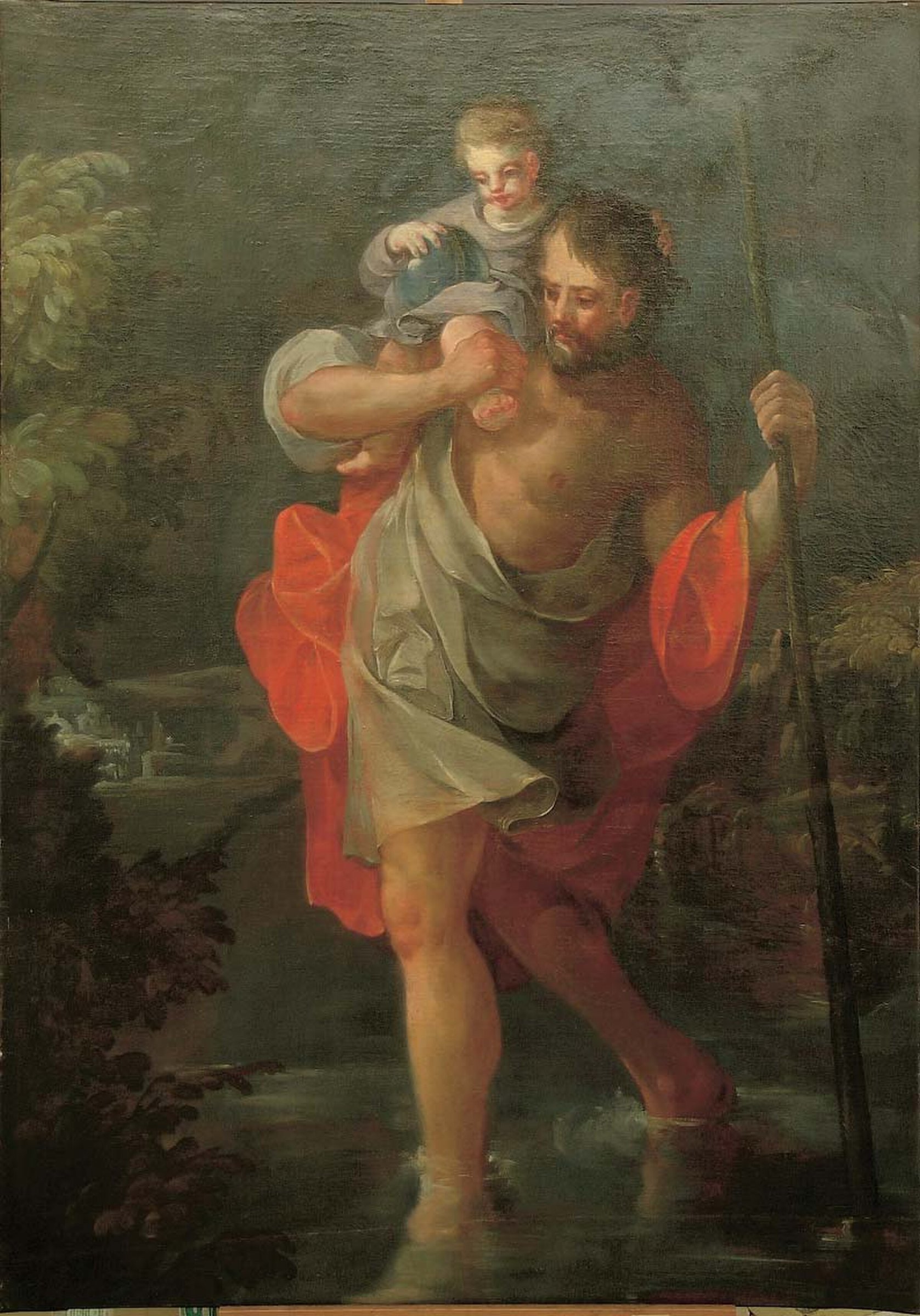
Look for pastel colors—if it's mostly soft pinks, baby blues, and creams, you're probably looking at Rococo rather than darker Baroque.
Check the subject matter: flirting couples, leisure activities, or mythological love stories rather than religious drama or historical battles.
Notice the curves: Rococo compositions flow in S-shapes and swirls. Everything feels ornamental, like it's decorated with ribbons and shells.
Madame de Pompadour, Louis XV's mistress, was Rococo's greatest patron and practically its art director, commissioning countless works.
The term 'Rococo' was actually invented as an insult by later critics who thought the style was ridiculous and overly fussy.
Rococo furniture and paintings were designed as a complete package—the frames were as ornately decorated as the interiors depicted in the art.
The artists who defined it
Works to know
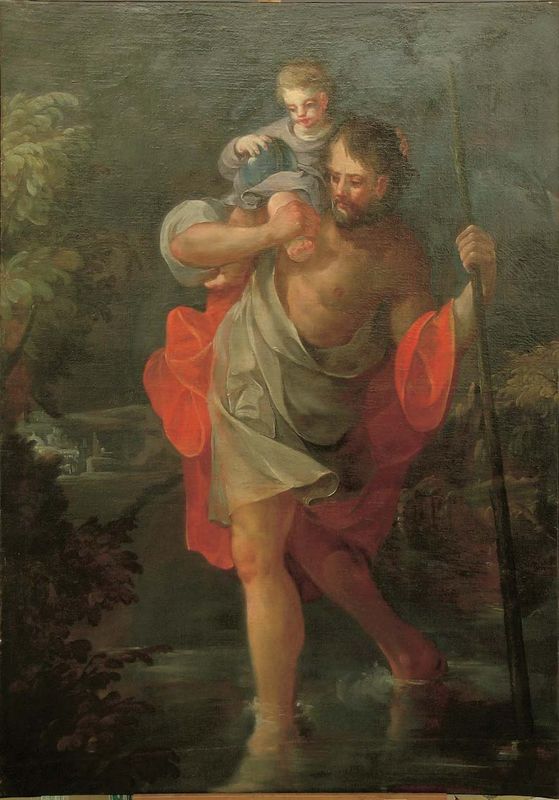 Saint Christopher
1767 · Saragossa Museum
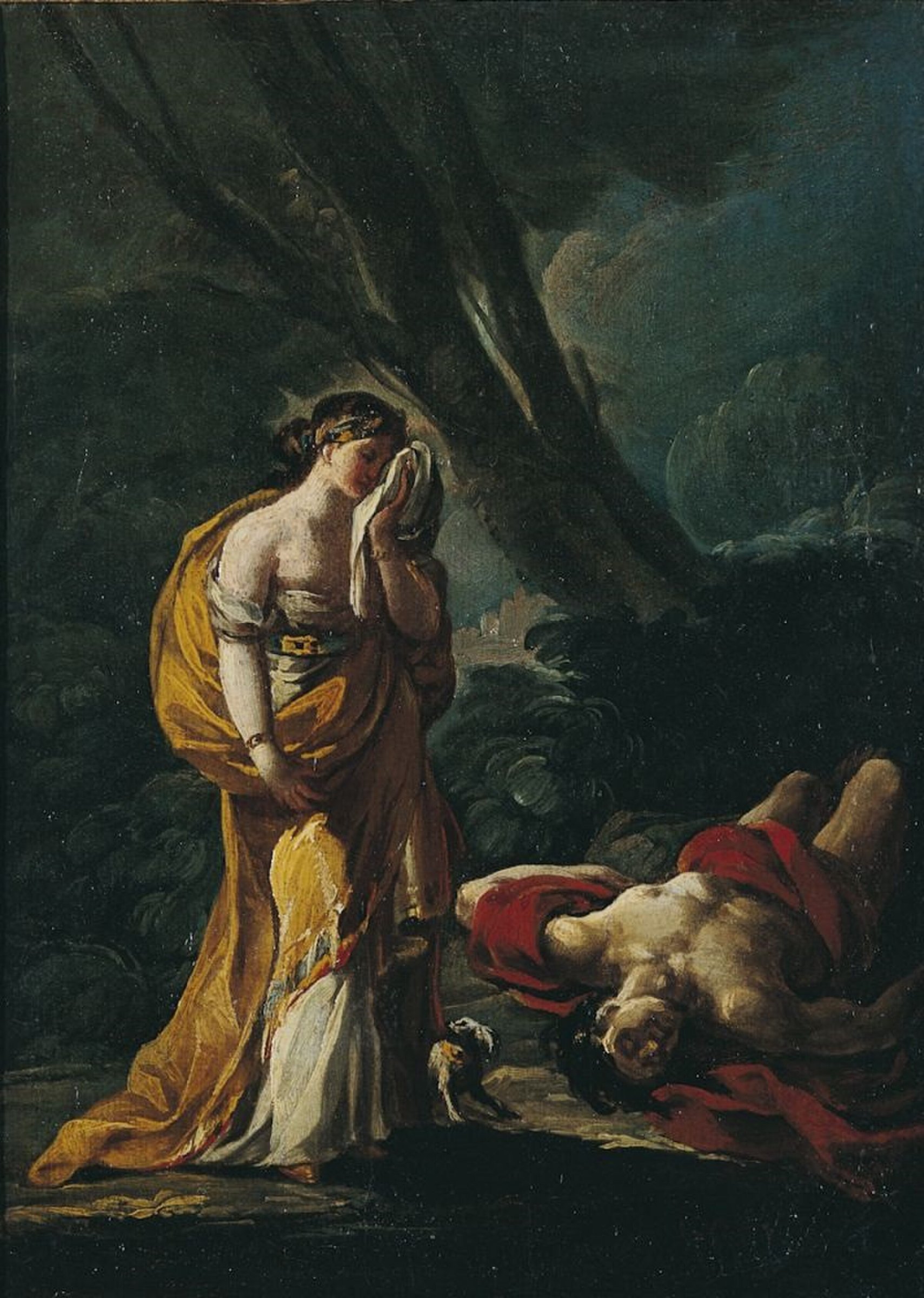
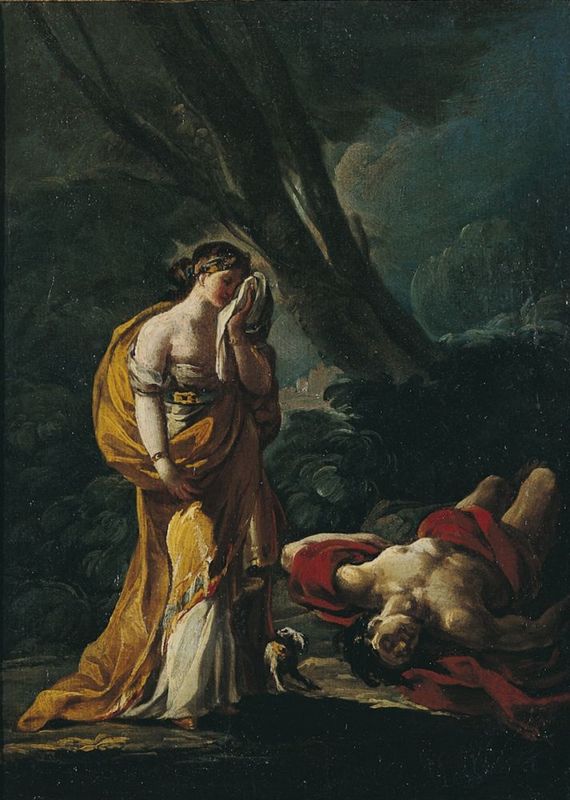 Venus and Adonis
1771 · Saragossa Museum
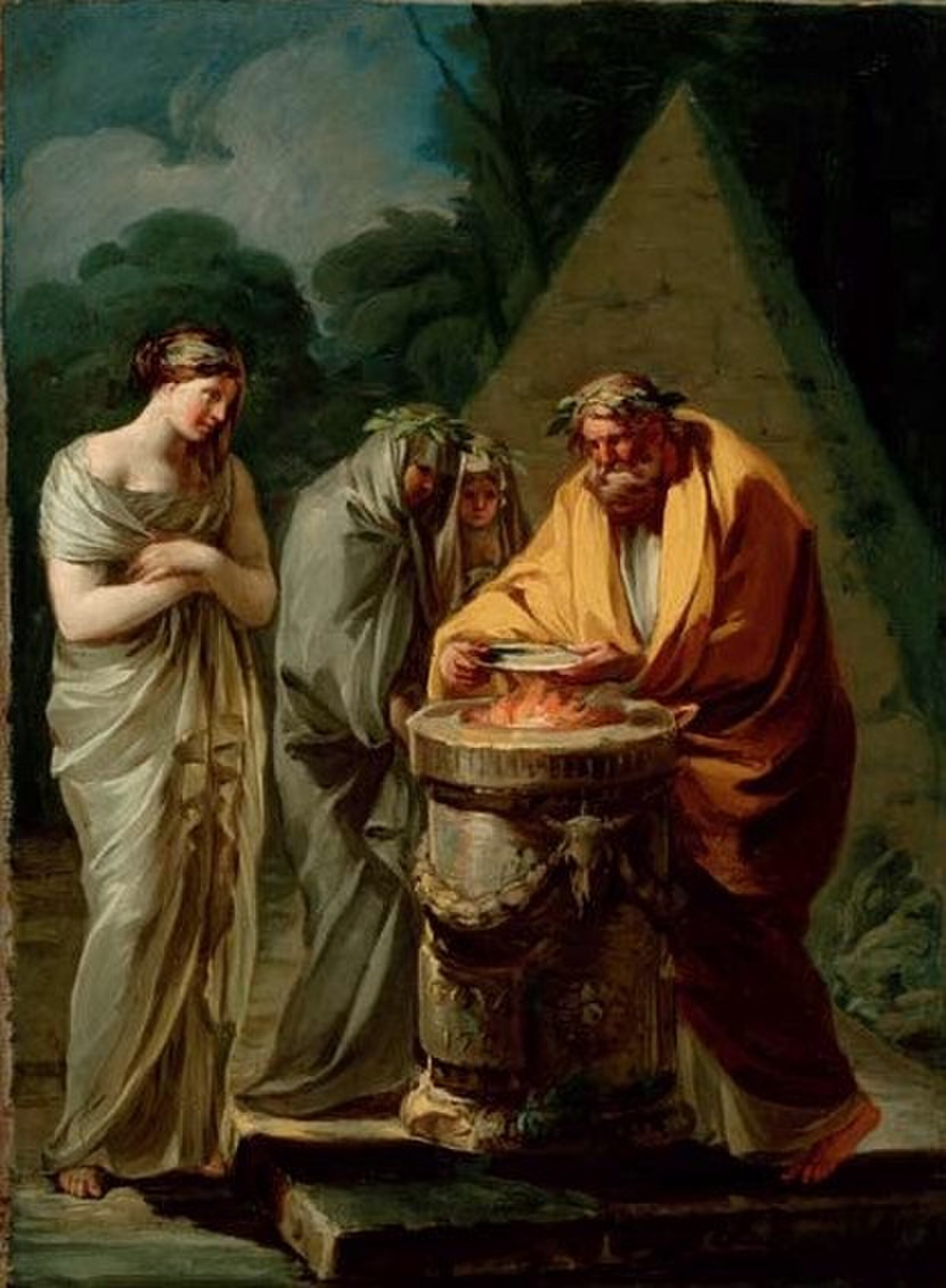
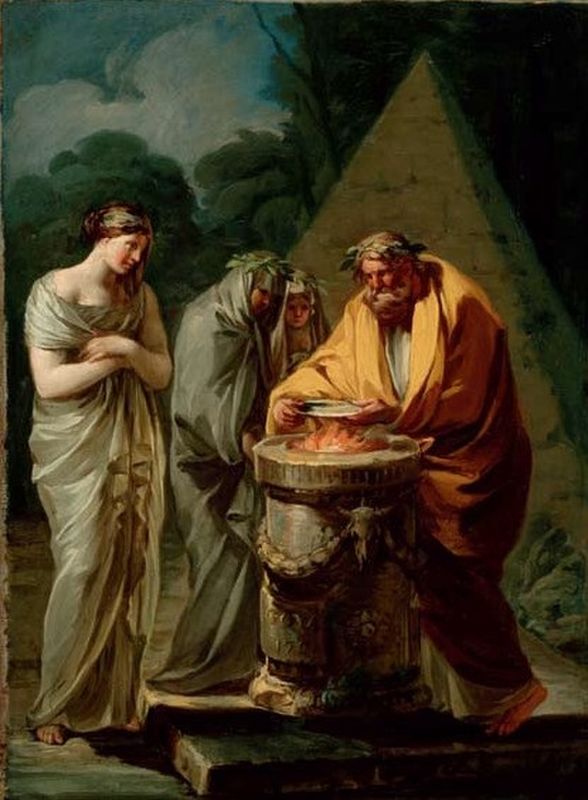 Sacrifice to Vesta
1771
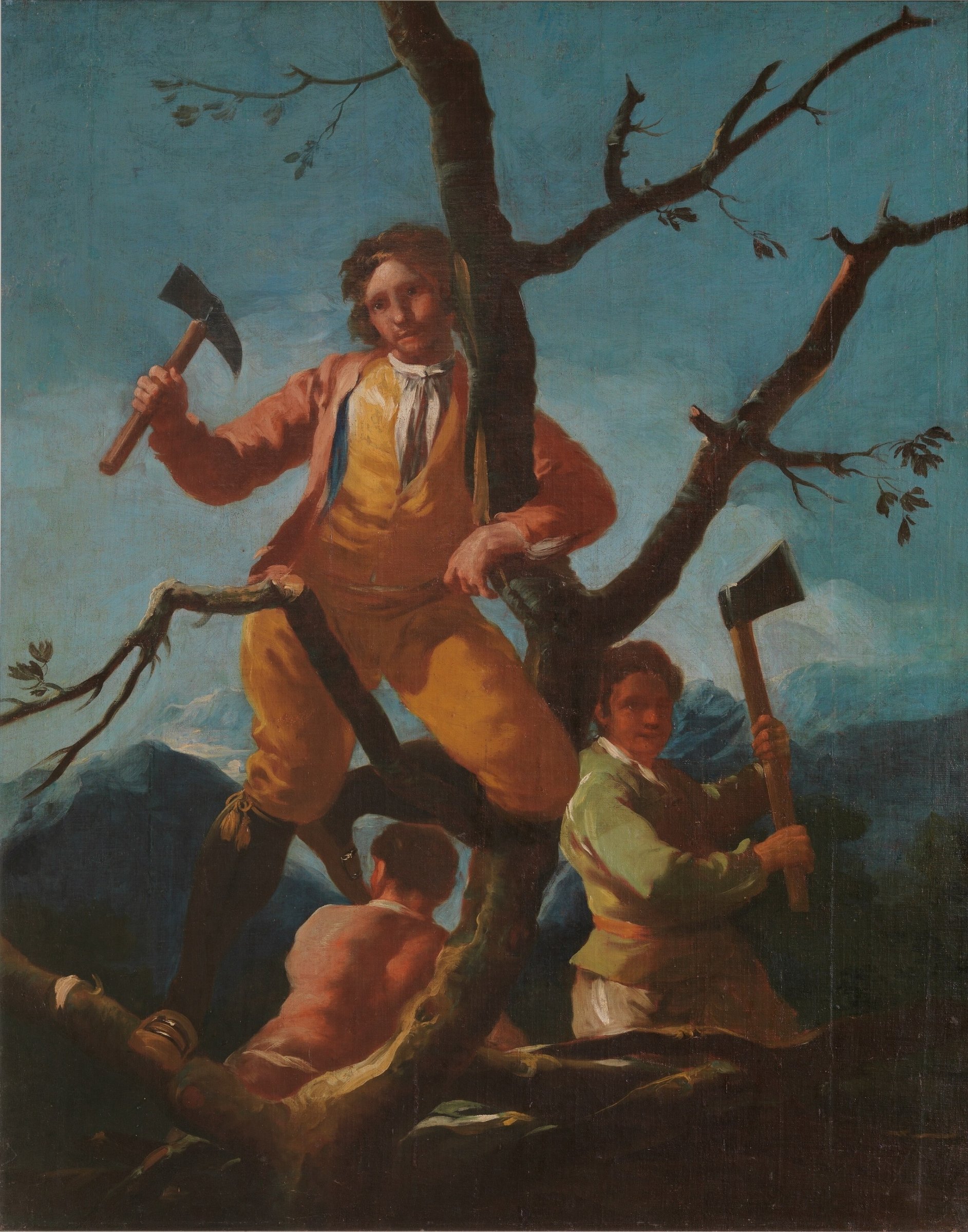
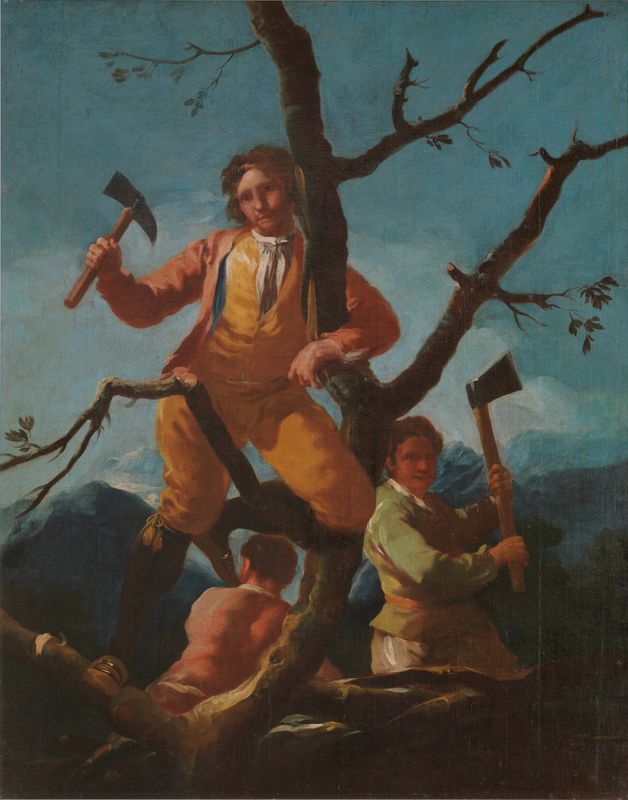 the lumberjacks
1777 · Museo del Prado
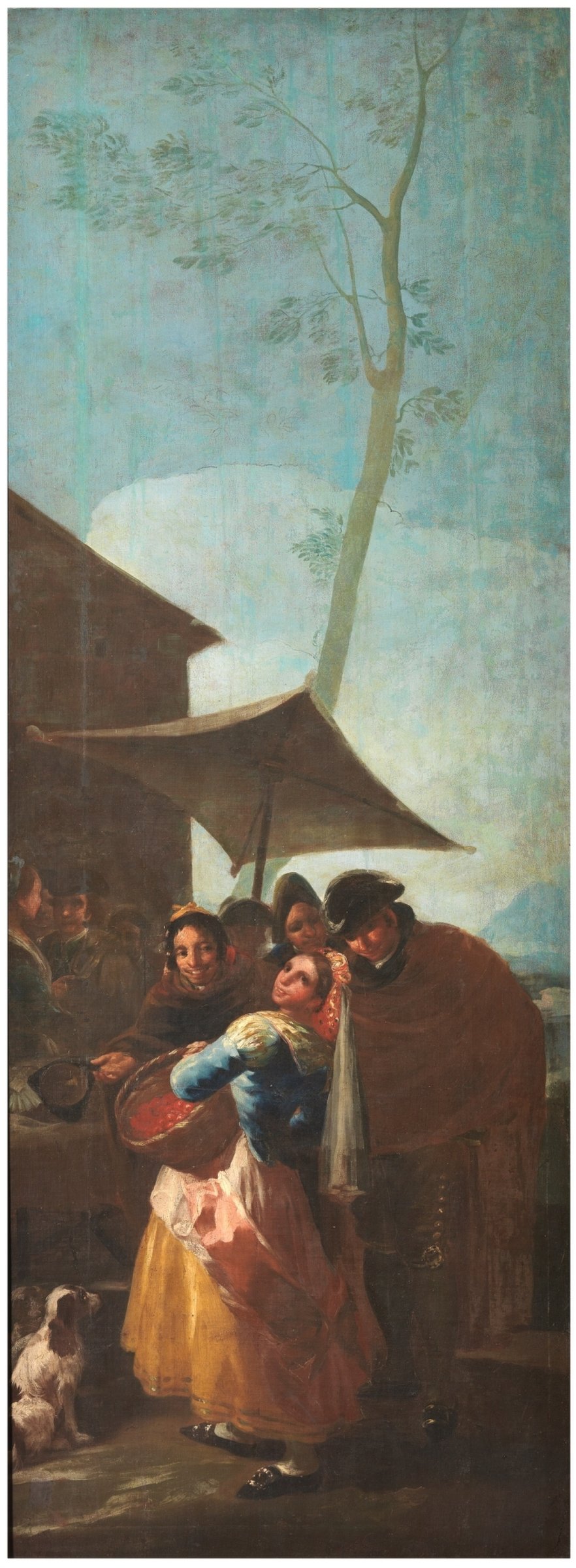
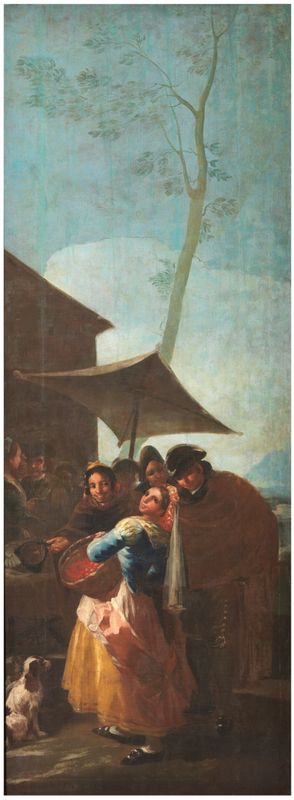 The seller of acerola
1778 · Museo del Prado
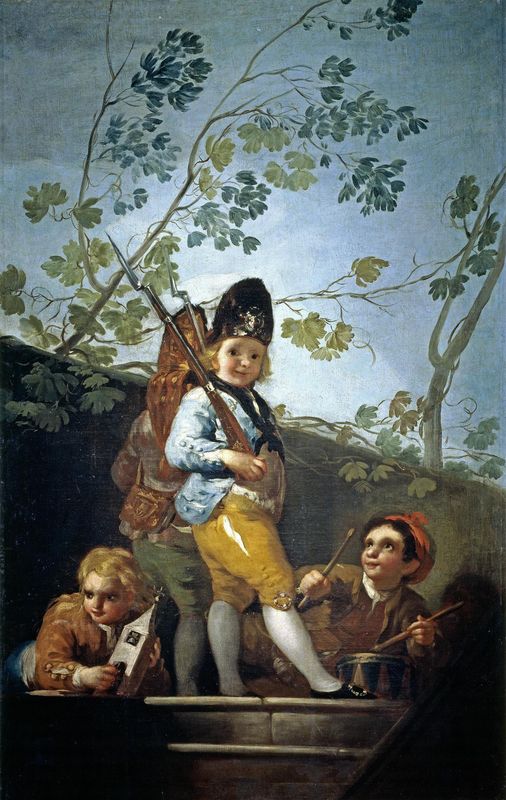 Boys playing soldiers
1778 · Museo del Prado
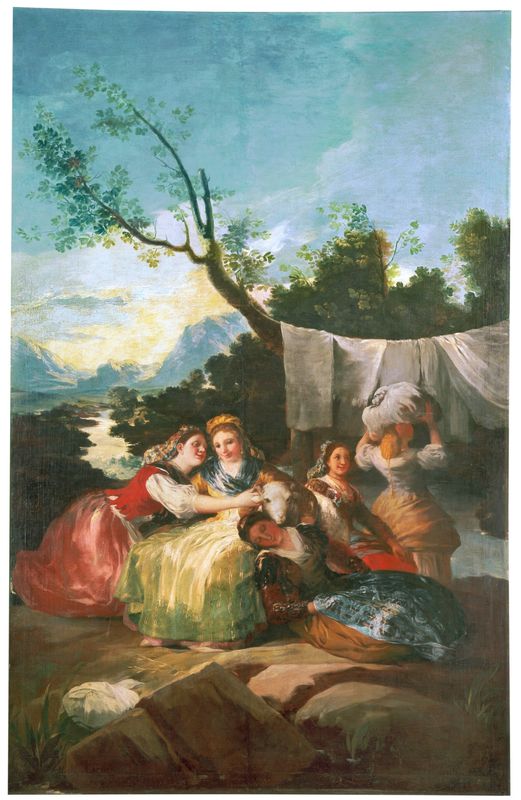 the washerwomen
1779 · Museo del Prado
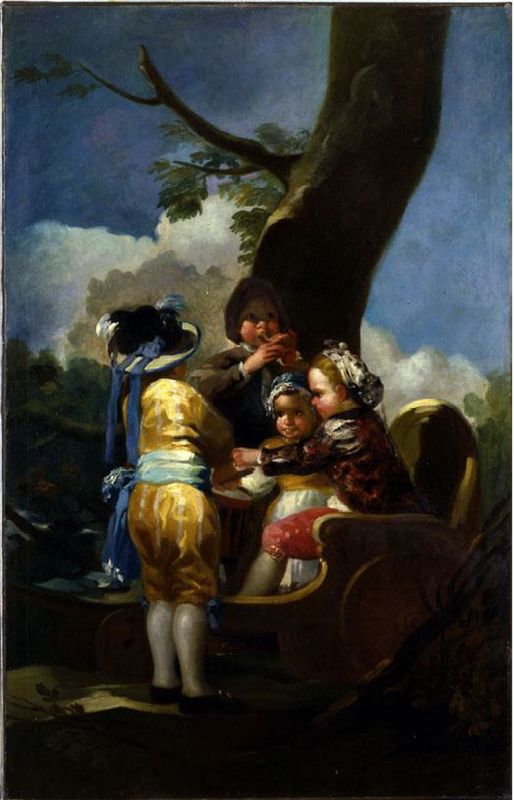 Children with a Cart
1779 · Toledo Museum of Art
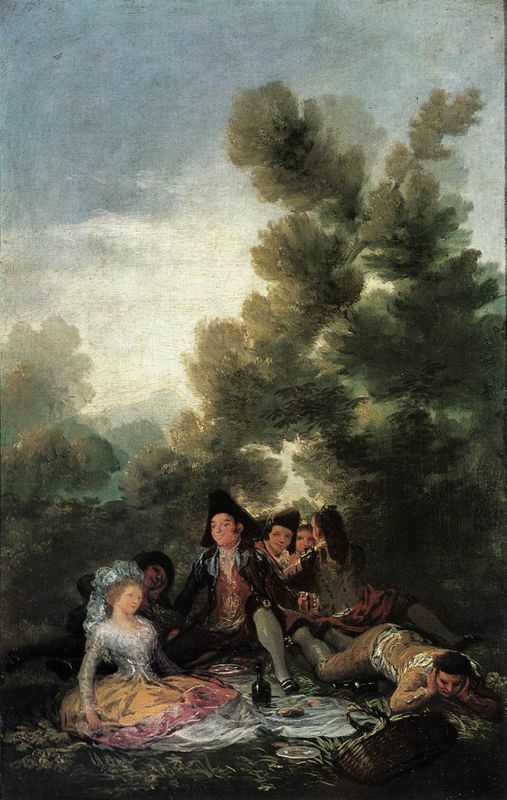 Picnic
1786 · National Gallery
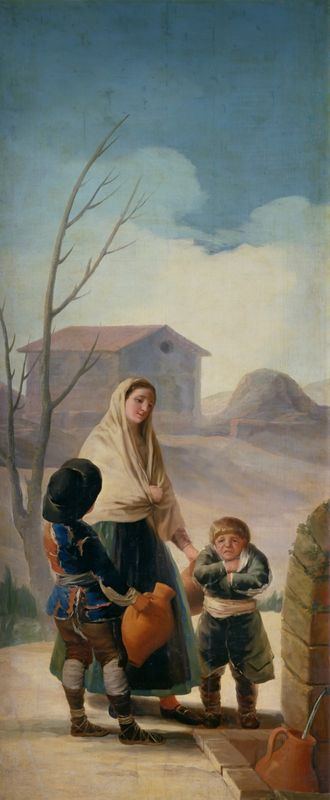 The Poor at the Fountain
1786 · Museo del Prado
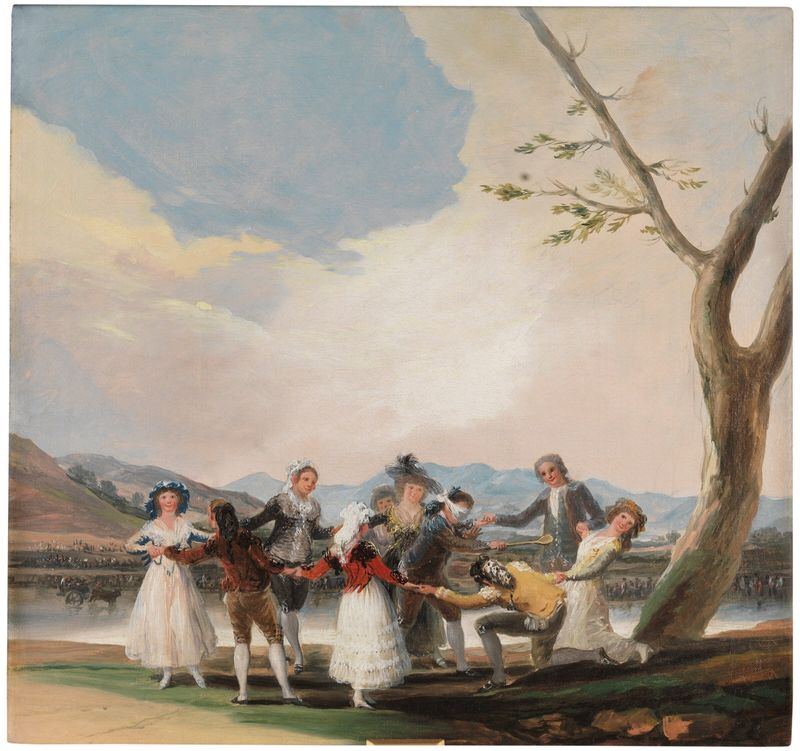 Blind Man's Bluff (sketch)
1788 · Museo del Prado
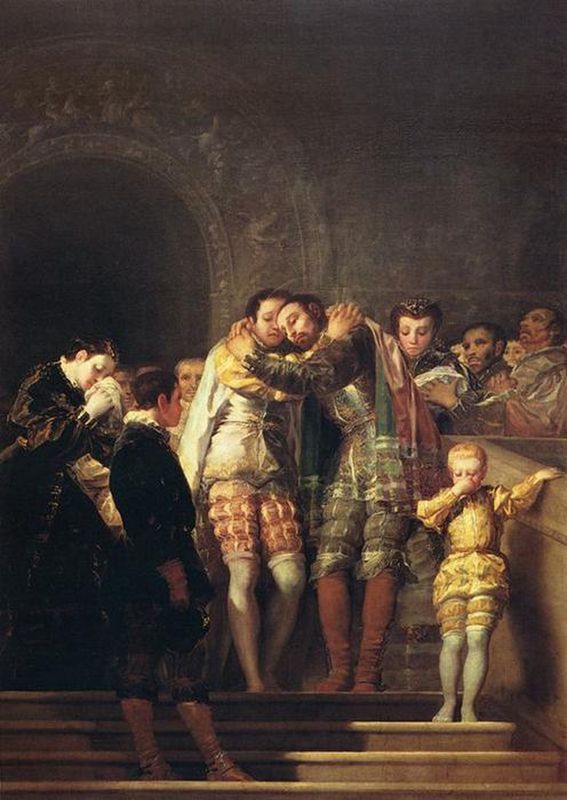 San Francisco de Borja says goodbye to his family
1788
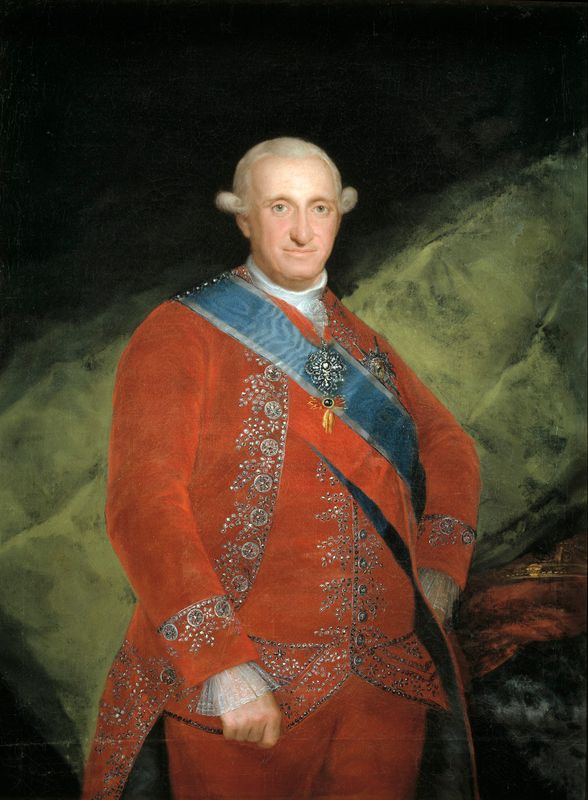 Charles IV in Red
1789 · Museo del Prado
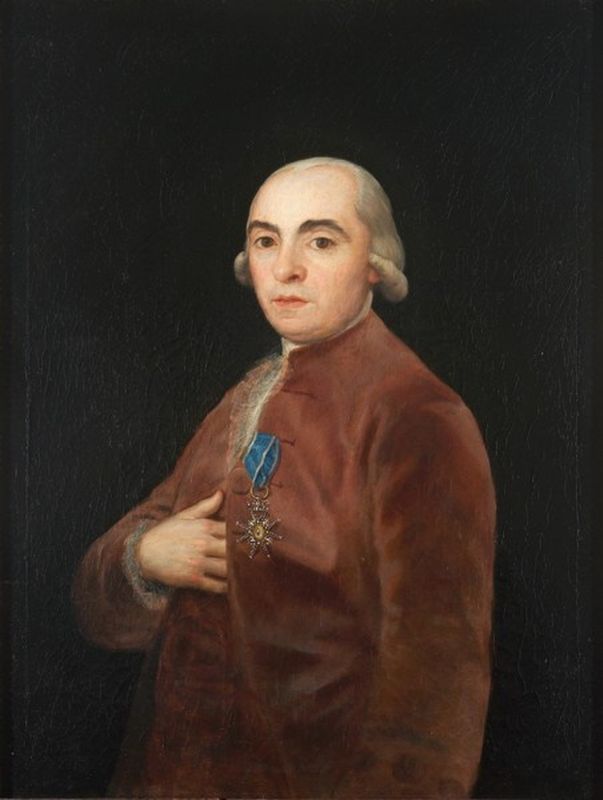 Juan Martín de Goicoechea y Galarza
1790 · Saragossa Museum
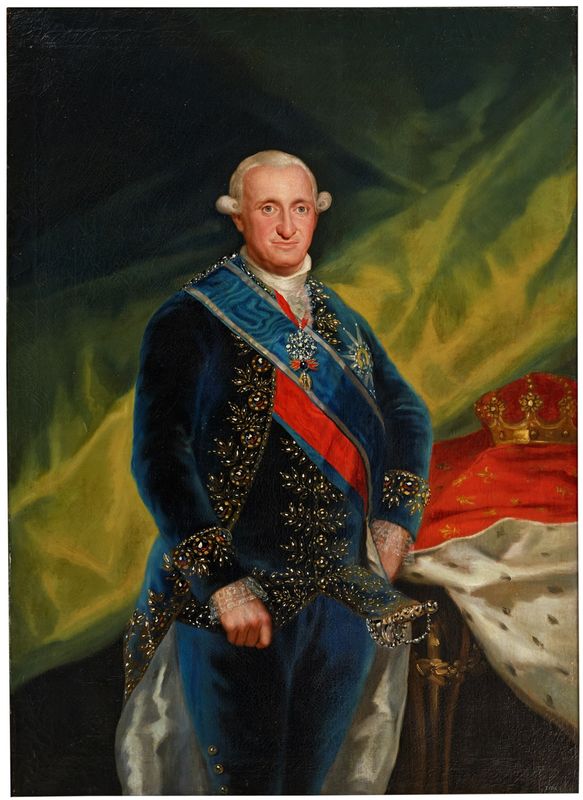 Portrait of King Charles IV
1790 · Museo del Prado
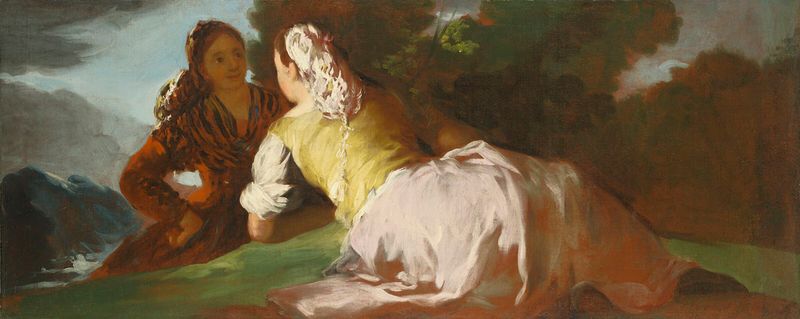 Women chatting
1791 · Wadsworth Atheneum Museum of Art
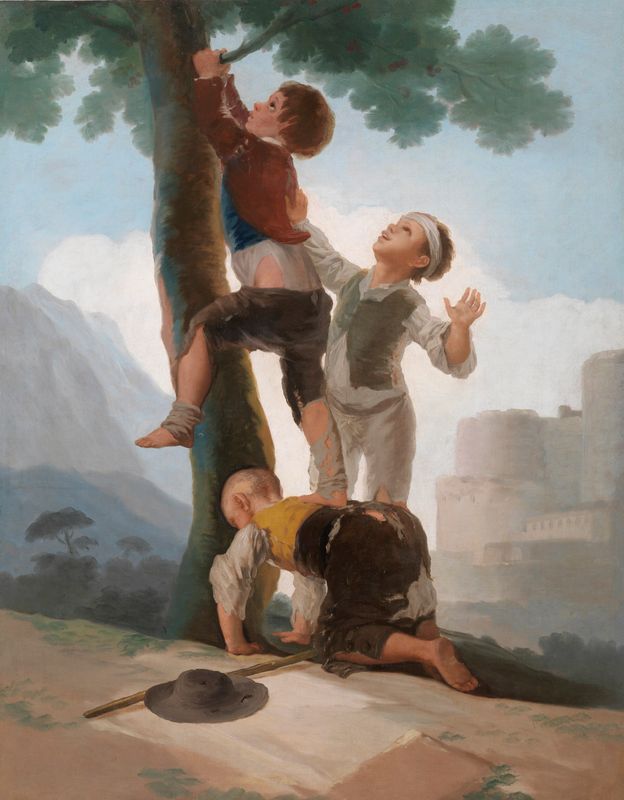 Boys climbing a tree
1791 · Museo del Prado
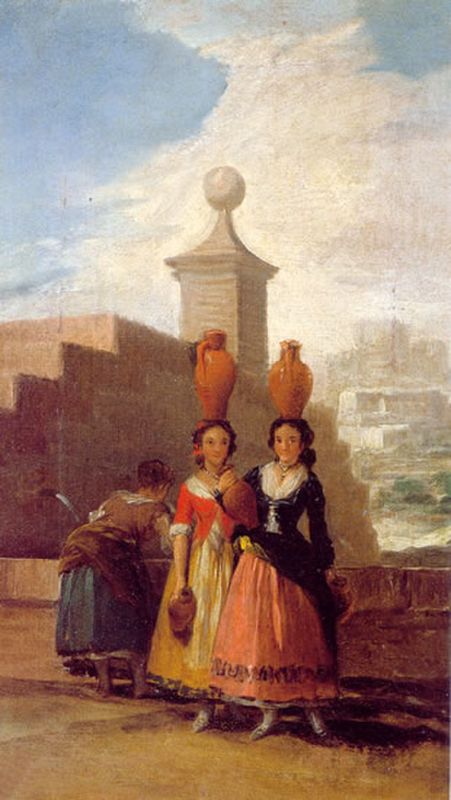 Women carrying pitchers (sketch)
1791
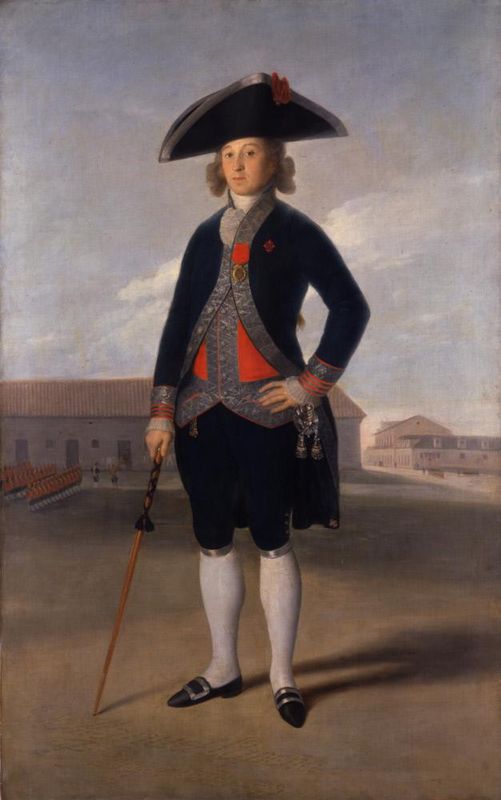 Don Manuel Lapeña, later Marquis of Bondad Real
1799 · Hispanic Society of America
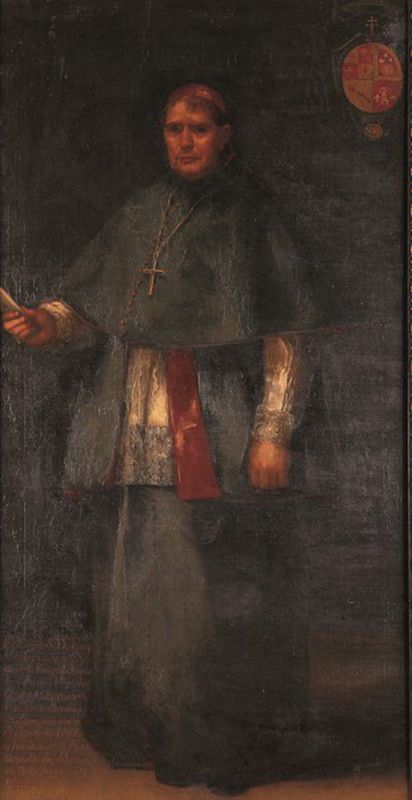 Archbishop Joaquin Company
1800 · Alma Mater Museum
Take Rococo to the museum
Point your phone at any painting and Art Whisper tells you its story — who made it, what to notice, and why it matters. Free to start.